Six commonsense menstrual health management solutions could make a world of difference for millions of women with disabilities, writes GlobalGiving Community Voices Fellow Sia Fred Towo.
The term is long but the definition is simple: menstrual hygiene management means a woman or girl has clean material to absorb her menstrual blood and can change it in private as necessary. It means she has access to soap and water and a safe and convenient place to dispose of used menstrual materials. It means she has facts about menstruation and can manage it with dignity and without discomfort or fear.
Menstrual health is a critical aspect of well-being for all women and girls, yet it remains out of reach for some 500 million women and girls every day. The issues are compounded for many women with disabilities around the world. The question we should be asking is not just whether disabled people menstruate—of course, they do—but what menstrual products work best for them.
As a manager for Femme International who has devoted my career to ending the global menstrual taboo, I want to know: Why aren’t we investing more in developing and providing menstrual products that are accessible and effective for people with disabilities? How can we advocate for greater inclusion in menstrual health and well-being if we don’t implement comprehensive measures to address the issue?
Increased awareness and education about how menstrual health inclusion can benefit families and communities locally and globally. Consider the impact it could have for families, particularly menstruators with disabilities, to have access to information such as educational practices on menstrual management, menstrual products, and maintaining personal hygiene during their periods.
We need to address how menstrual challenges affect those with disabilities and ensure they are not overlooked or neglected. It’s time to recognize and remove the barriers that women with disabilities face, especially when it comes to menstruation.
I believe starting with their needs will benefit everyone.
When it comes to product design, for example, “even small acts of attentiveness can yield significant results by making products usable by a larger population,” an article in the MIT Sloan Management Review explains.
Managing menstruation can be particularly complex for people with disabilities, especially those with chronic conditions like endometriosis or polycystic ovary syndrome. Women and girls with disabilities are twice as likely to live in poverty compared to their non-disabled peers, further compounding their challenges in accessing menstrual products and information.
The combination of limited access to products, inadequate resources, and pervasive stigma creates an environment that restricts menstruators with disabilities from participating fully in daily activities, including school, work, sports, and social or religious events. Their reproductive and mental health suffers, reducing their ability to participate in community life, make decisions, and improve their financial agency and overall quality of life.
However, disability is not a one-size-fits-all experience, and this extends to menstruation.
For example, someone with rheumatoid arthritis might struggle to remove a pad or menstrual cup, while a menstrual cup might be the ideal solution for someone with a different type of disability. These unique needs highlight the importance of developing and providing various menstrual products and solutions that cater to different disabilities—and different geographies and communities.
Where I live and work In East Africa, managing menstrual health is acutely challenging for women and girls with disabilities due to limited access to menstrual products, inadequate sanitation facilities, and a lack of appropriate educational resources. Empowering these individuals is crucial for promoting their dignity, health, and well-being.
The combination of lack of access to products, information, and resources combined with shame and stigma creates an environment that limits menstruators with disabilities to participate in daily activities including school, work, sports, and social/religious activities. Their reproductive and mental health suffers, ultimately, decreasing their ability to participate fully in their community and decision-making, their financial agency, and their quality of life.
I see six solutions that would make a life-changing difference for women with disabilities in East Africa.
The six solutions are:
Governments and organizations can collaborate to provide affordable or free menstrual products to women and girls with disabilities. Initiatives like menstrual product distribution programs can significantly impact ensuring access to necessary resources.
Investment in accessible and inclusive sanitation facilities is essential. This includes building wheelchair-accessible toilets, ensuring clean water availability, and providing private, safe spaces for managing menstrual health.
Educational programs should be inclusive, addressing the specific needs of women and girls with disabilities. This can involve developing accessible educational materials, training teachers to support students with disabilities, and conducting community awareness campaigns to break down stigma.
Community engagement and advocacy are crucial in combating stigma. This involves working with local leaders, running public awareness campaigns, and promoting positive narratives about menstruation and disability. Empowering women and girls with disabilities to share their experiences and advocate for themselves can also be a powerful tool for change.
Implement a robust monitoring and evaluation framework to track progress in menstrual hygiene programs, identify issues early, and adjust strategies as needed. Regular feedback loops with beneficiaries and stakeholders will help in making timely improvements.
Develop and maintain contingency plans for potential disruptions, such as supply chain issues for menstrual products or accessibility challenges in infrastructure upgrades, ensuring quick and effective action in crisis situations.
By addressing the unique challenges faced by women and girls with disabilities and implementing inclusive solutions, we can create a more equitable and supportive environment for menstrual health management in East Africa. This empowerment goes beyond providing products or facilities; it involves fostering a society that values and supports all its members, regardless of their abilities.
Supporting inclusivity in menstrual health for menstruators with disabilities is not just a matter of providing the right products or facilities. It’s also about breaking down the societal barriers of stigma, creating safe spaces, and ensuring that policies and laws address the unique challenges faced by these individuals.
If we act now, we can make it easier for women and girls with disabilities to live with dignity and fully participate in their communities.
Support Sia’s work to break down the global menstrual taboo for women and girls with disabilities.
GlobalGiving’s Community Voices fellowship aims to elevate and amplify the ideas of nonprofit partners in the GlobalGiving community. Six change leaders from Afghanistan, Nepal, Nigeria, Pakistan, Peru, and Tanzania share their perspectives on challenges affecting our world and the solutions that exist in their communities. Each leader has embarked upon the eight-month fellowship with support from GlobalGiving and The OpEd Project to elevate their underheard, yet vitally important, viewpoints. Read more from Community Voices Fellows.
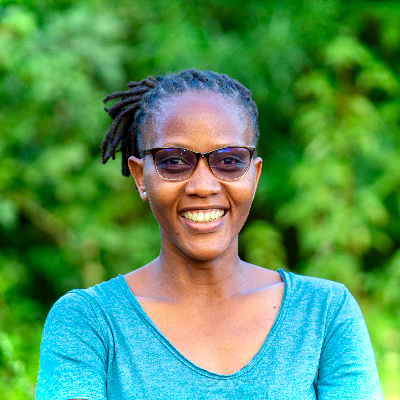
Featured Photo: Sia breaks down menstrual health barriers in Tanzania by GlobalGivingFind exactly what you're looking for in our Learn Library by searching for specific words or phrases related to the content you need.