Disaster season is upon us. We advise companies to get strategic now to prepare for the next disaster.
Disasters are occurring more often and hitting harder than ever, fueled by climate change, environmental degradation, social and political challenges, and fragile infrastructure.
At the same time, humanitarian need continues to grow. In 2026, 239 million people need humanitarian assistance, but only 135 million will receive it.
The force of disasters is immense—but so is the power of human response. People want to help, and they often act quickly when crises hit.
Did you know that 80% of all disaster giving happens during the first 72 hours after a disaster, and year after year, donor generosity on GlobalGiving doesn’t wane?
When a disaster strikes, donors are motivated to give quickly and easily, and often look to their employers as a source of information. When governments have limited resources, your company can step in to lead and provide critical disaster response support.
Is your company ready to act when the next disaster strikes? Here are four ways to prepare now:
Does your company have an existing policy on how it will respond in and after times of disaster? If not, now is the time for your senior leadership to think through your strategy. GlobalGiving’s Disaster Activation Framework helps companies proactively answer questions like:
With a limited budget available, some companies restrict their response to areas where they have operations or employees. In cases that involve major loss of life or damage, many expand their efforts. Companies should also consider the political dynamics at play when responding in certain geographies. By going through the process of strategic decision-making and determining your budget in advance of a disaster event, your team will be able to respond quickly and cohesively to employee and customer expectations. [Download a disaster response checklist.]
How is your company investing in the long-term success and preparedness of the communities that are important to your business? The United Nations estimates that five times more is spent on disaster response rather than reduction. Yet, for every $1 invested in disaster mitigation and preparedness, $6 is saved in disaster recovery costs.
GlobalGiving’s unique approach, led by a team of disaster response and global grantmaking experts, covers the entire disaster lifecycle. This approach can be leveraged for immediate relief donations, preparedness efforts, and long-term recovery through international grants and nonprofit capacity building.
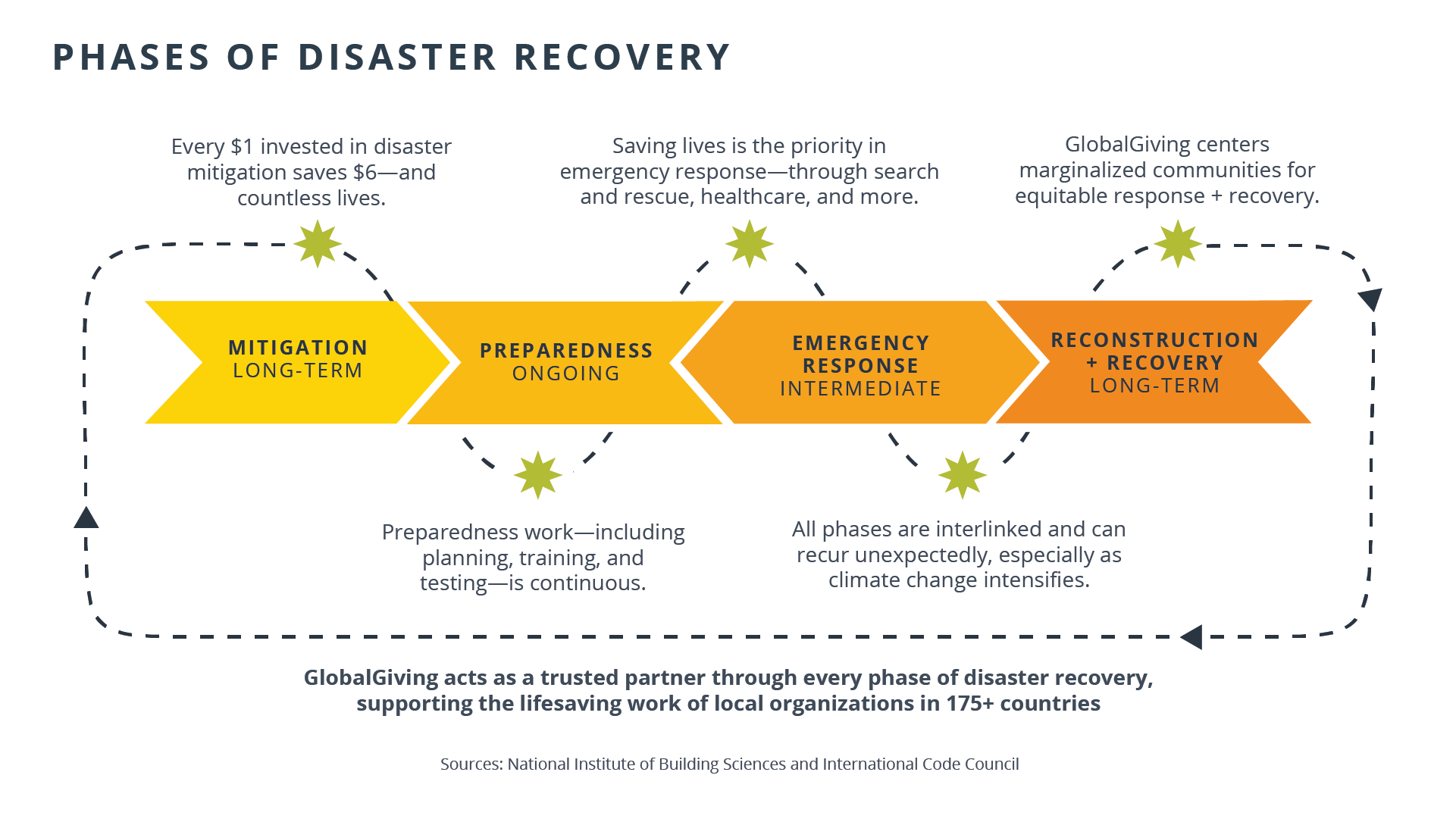
In 2026, GlobalGiving awarded more than more than $16 million to support both immediate relief and long-term recovery for communities facing conflict, displacement, wildfires, hurricanes, and more. Our nonprofit partners live and work in regions impacted by crises, and will be there for the long haul, making their communities more prepared for future disasters.
Building relationships with potential nonprofit partners in areas of strategic importance to your company is a key step in disaster planning. Many funders are surprised to learn that local nonprofits are often busy supporting their communities after a disaster, which can delay their availability for funding discussions.
In addition, certain countries have complex regulations that restrict or prohibit foreign funding. By conducting due diligence and developing strong relationships with nonprofit partners now, you will be even more prepared to respond effectively.
Your team may also want to determine your preference to work through either a large international nonprofit, smaller national or local organizations, or both. During and after a disaster, GlobalGiving is uniquely positioned to respond quickly because of our world-class technology, decades of global grantmaking experience, and trusted relationships with thousands of vetted nonprofit partners in more than 160 countries. While we partner with large, established nonprofits, we strongly recommend focusing on smaller, highly effective local organizations, who we firmly believe know their communities best.
Does your company provide opportunities for employees to give to disaster nonprofits? Does the company match these, and is there a cap on the amount? Perhaps your company prefers to make grants from its foundation—can it do so internationally? If your company already has an employee giving program, details should be provided in one place, where all employees know they can easily find up-to-date information. If you don’t yet have an employee giving strategy, consider expanding your strategy planning to include them. When 3M surveyed its employees on what causes they cared about, disaster giving topped the list. Using the feedback they received, 3M proactively launched a GlobalGiving disaster giving page, which can be updated with current disaster giving options at a moment’s notice, enabling employees to immediately support nonprofits responding.
This article was originally published on June 15, 2019, and last updated on April 1 2026.
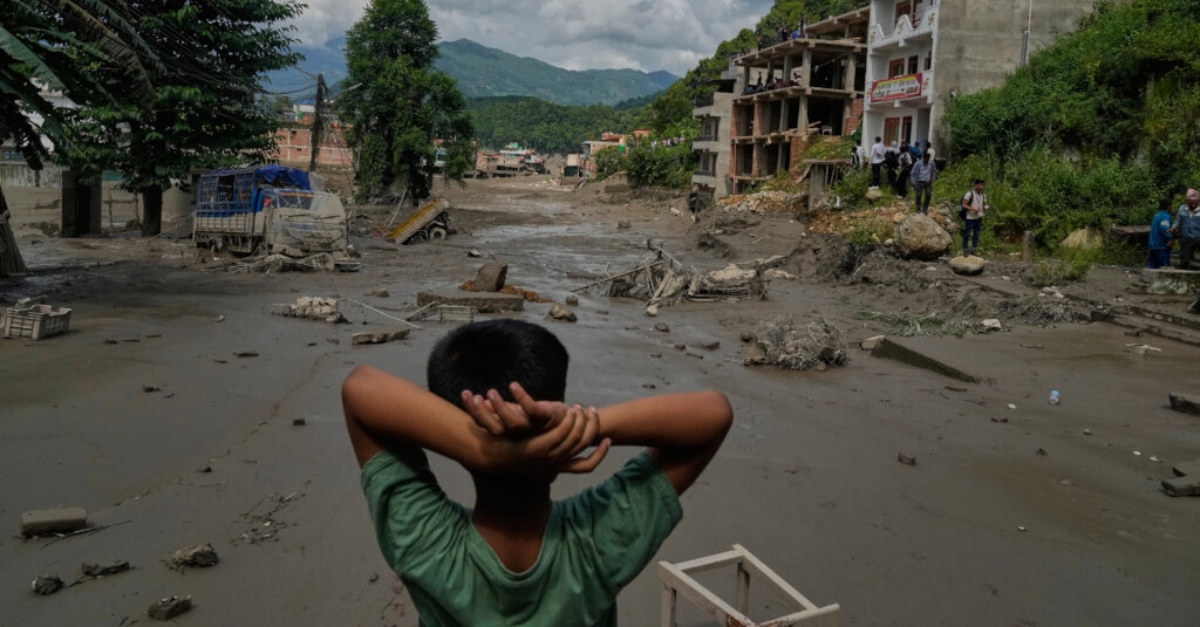
Featured Photo: Response to Nepal Earthquake by Mercy Corps
Find exactly what you're looking for in our Learn Library by searching for specific words or phrases related to the content you need.