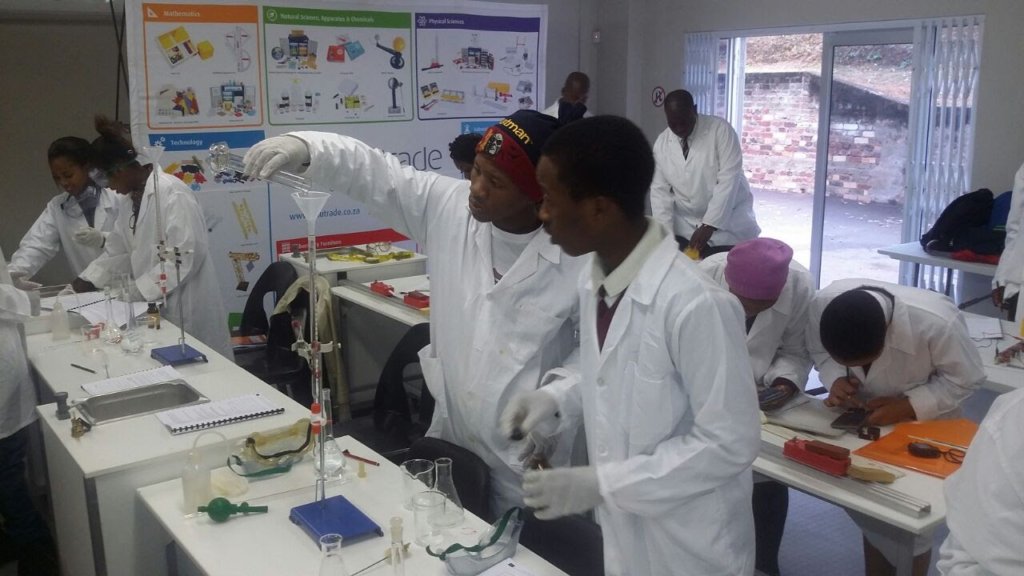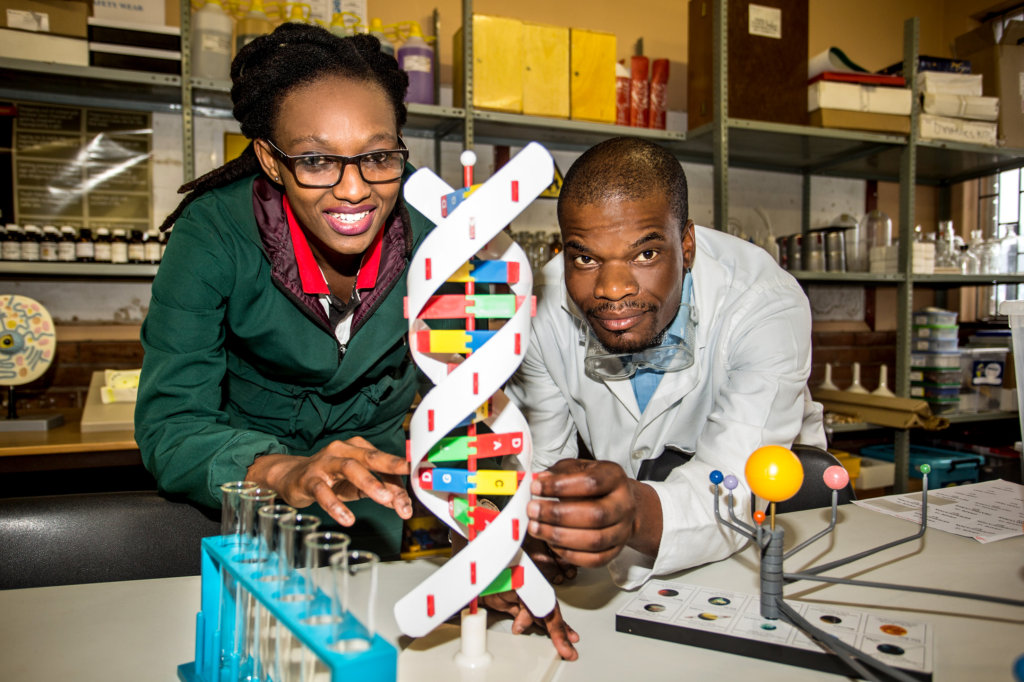
Typically students in under-resourced schools have no opportunities for hands-on science experiences. The Young Scientist Incubation Project helps a group of Grade 9 children in the South African township of KwaDabeka in KwaZulu-Natal to set up science clubs to work on their science, technology and engineering projects for entry into the Science Expo competition. Funds cover the costs of meeting, coaches and mentors and materials needed to successfully execute their projects.
South Africa's main young scientists contest struggles to attract participation from young African learners from township and rural schools. This is due to absence of science clubs and mentorship for learners. Less than 10% of South Africa's poorer schools have functional practical science programmes due to the absence of laboratories and opportunities for scientific investigation. This incubation programme creates opportunities to challenge this status quo.
The project will establish Science Clubs which are provided with support through a CASME mentor and partner institutions such as the Eskom Expo for Young Scientists and the University of KwaZulu-Natal Science and Technology Education Centre. Learners get hands-on training and support on scientific investigative methods and problem solving skills. Through the club learners will develop their projects and prepare them for entry into the regional Science Expo contest.
The project is embedded in a cluster of local schools and works alongside teachers to build their capacity to establish and maintain science clubs. The clubs are established with a network of partners such as the University of KwaZulu-Natal and the Expo Organisers. The project has the potential to build scientific literacy, improve access to scientific careers and substantially and sustainably change the livelihoods of young African children from poor backgrounds.
This project has provided additional documentation in a PDF file (projdoc.pdf).