By Nicholas Relich | Project Manager
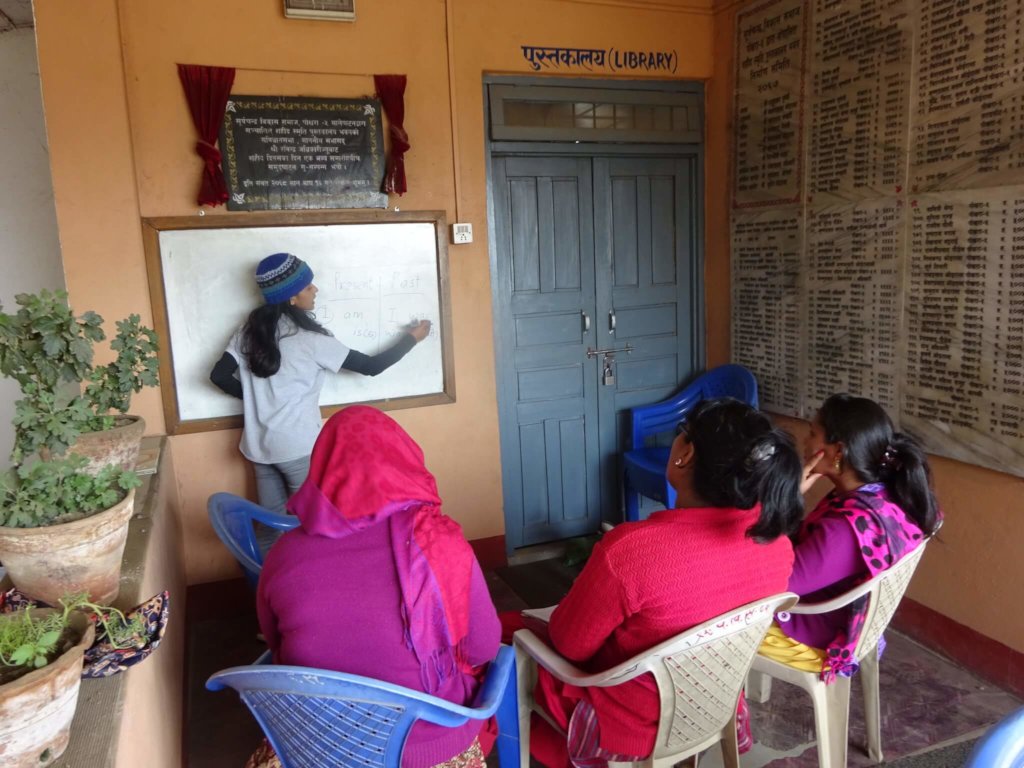
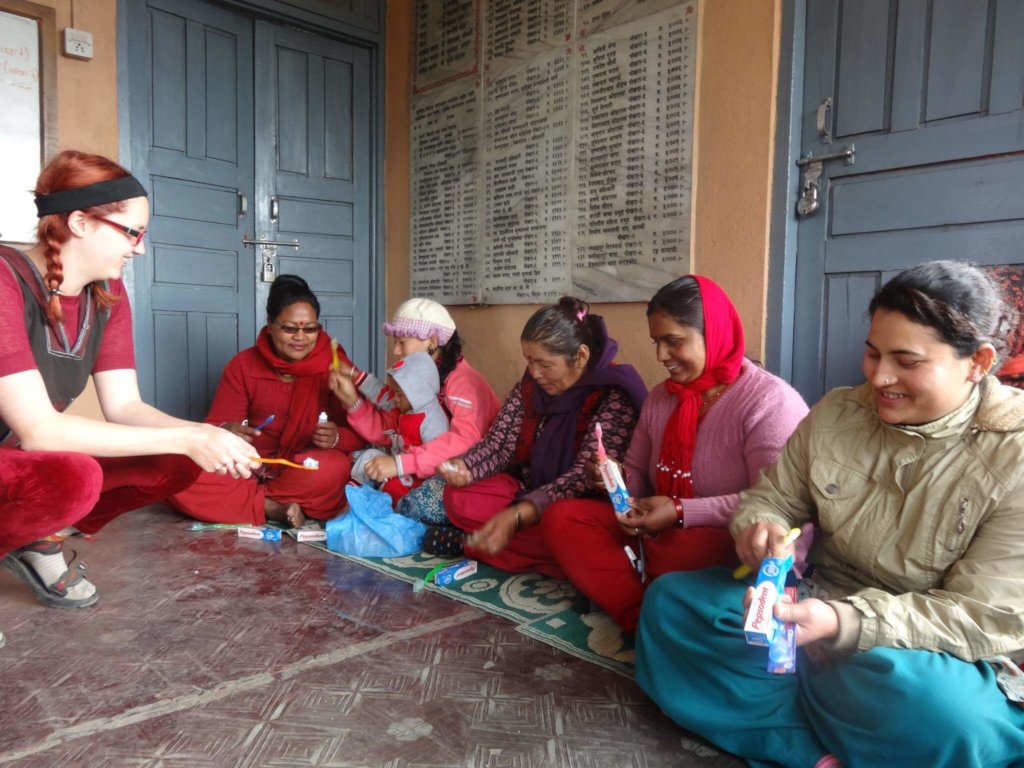
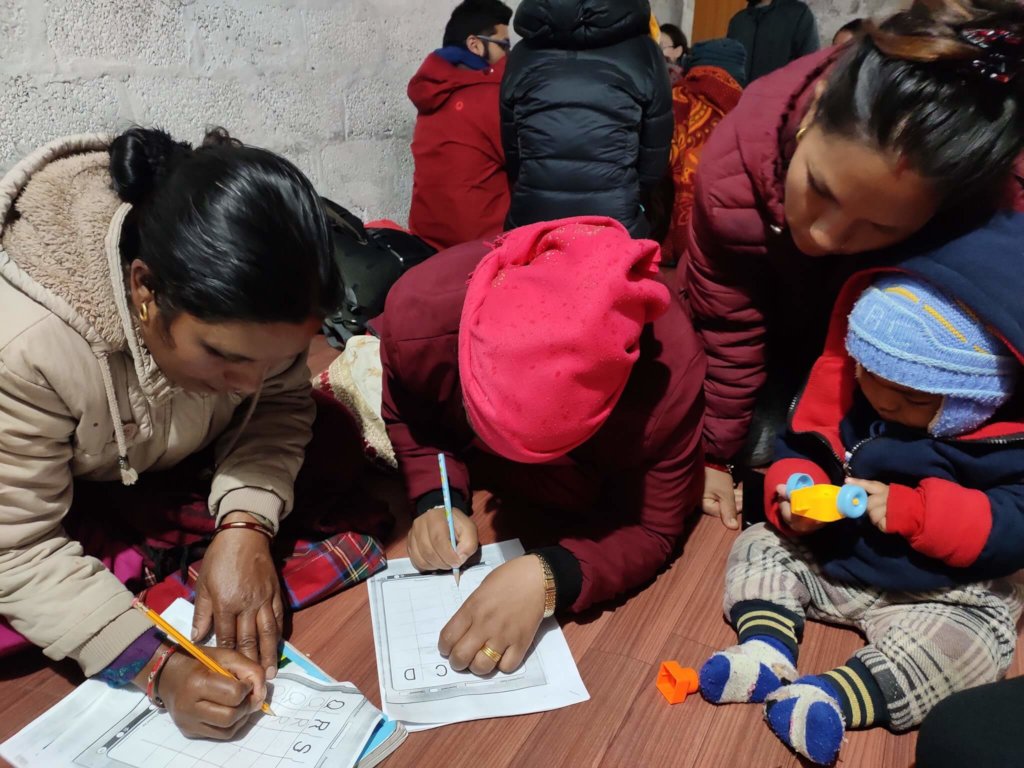
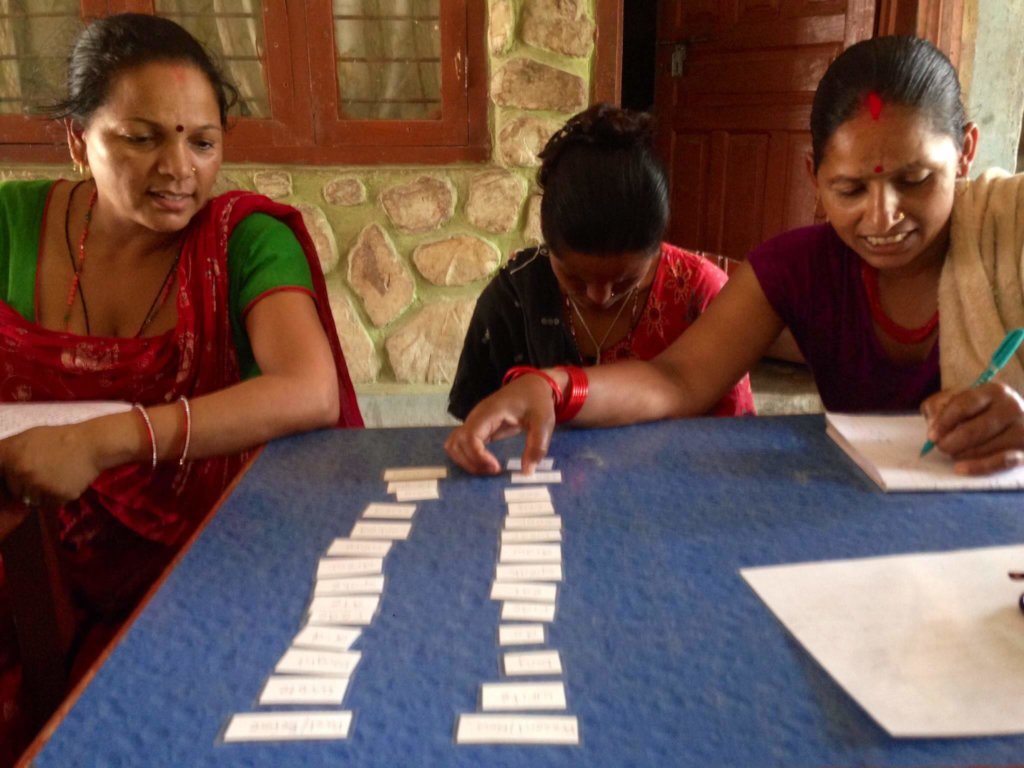
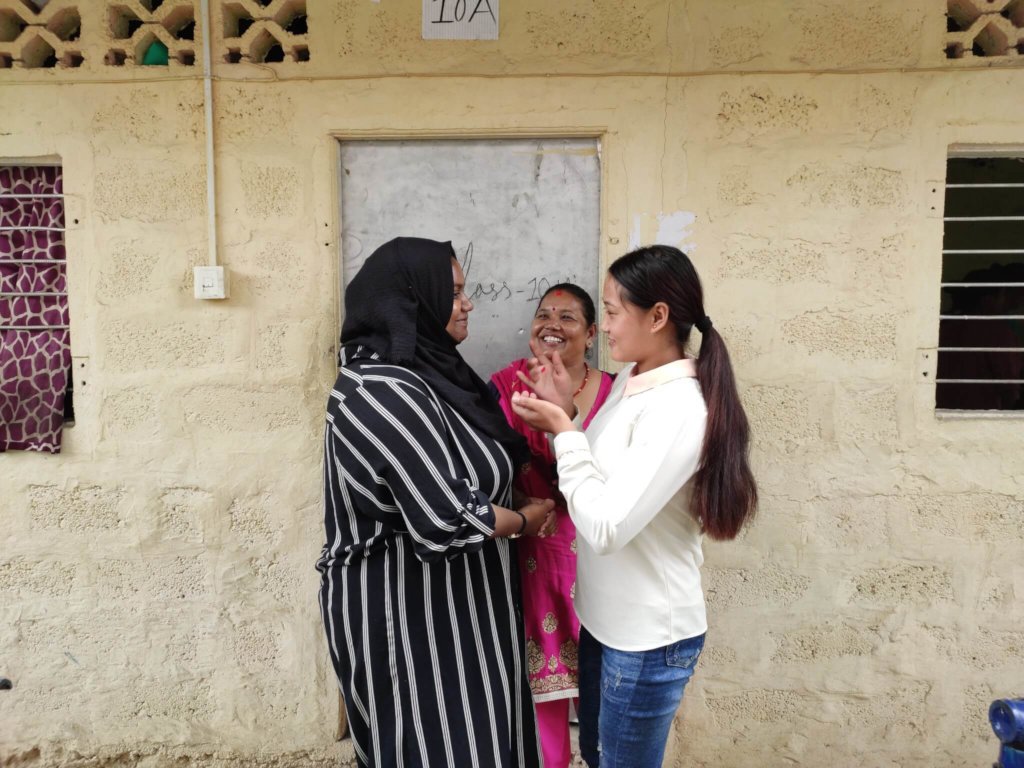
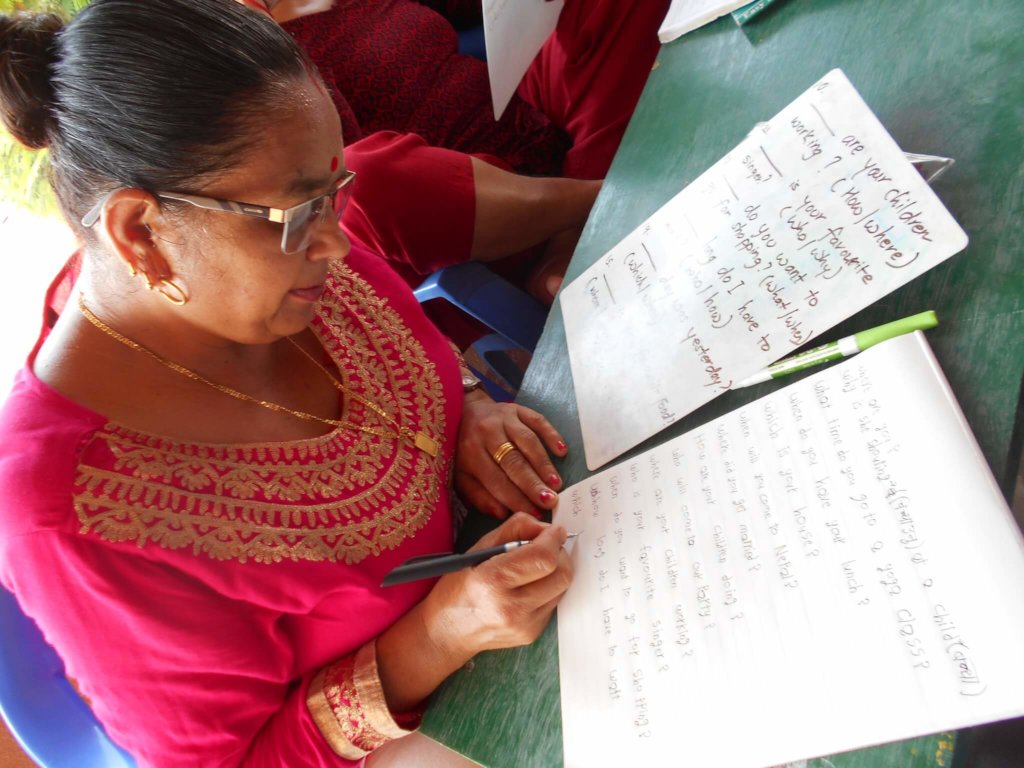
Workshops form a large part of the Women’s Empowerment in Nepal project. Workshops and learning sessions for groups of women and girls have a range of benefits, including gaining new knowledge, developing networks, learning new skills and enhancing existing skills. Workshops are based on community needs. We identify needs in various ways; interviewing groups and individuals, talking to teachers and principals, informal discussions with people in the community, observing areas of need and discussing this with community members. The community’s needs must always be central to workshops facilitated through our project. So what are some of the topics we have covered in workshops for women? English language is the main topic, and the focus is on the functional language used in day to day situations. There have also been workshops on health topics such as hand washing, dehydration, menstruation and self-care, just to name a few. Skills such as sewing, knitting, and painting are among the craft skills learned in women and girls empowerment workshops. Women also participated in journaling, relaxation and dance sessions. First Aid workshops and social media skills are other examples of workshop sessions. Workshops always need to be suitable for a range of learning styles. Interaction, demonstration and hands-on practice are all approaches for making a workshop effective. Think about First Aid training. A practical session might include explaining a concept and potentially someone translating the information. There are demonstrations and opportunities to practice the skills with real bandages, ice packs, and other materials from a First Aid Kit. This mixture of approaches caters for different learning styles and the hands-on approach helps information to be remembered. The Women’s Empowerment project in Nepal values learning. Your continued support helps workshops and learning sessions for groups of women and girls. Funds support resources, renting spaces for sessions, official certifications for training and local staff.
Project reports on GlobalGiving are posted directly to globalgiving.org by Project Leaders as they are completed, generally every 3-4 months. To protect the integrity of these documents, GlobalGiving does not alter them; therefore you may find some language or formatting issues.
If you donate to this project or have donated to this project, you can receive an email when this project posts a report. You can also subscribe for reports without donating.



Support this important cause by creating a personalized fundraising page.
Start a Fundraiser