By Muhyana Asnet | Project officer
From August to late September 2026, Twase Women Development Trust conducted menstrual hygiene education activities in three primary schools in Kasese District, Uganda. The initiative aimed to improve children’s knowledge of menstrual health, promote good personal hygiene practices, reduce stigma and misconceptions surrounding menstruation, and equip learners with practical skills to make reusable sanitary pads using locally available materials.
Activities Implemented
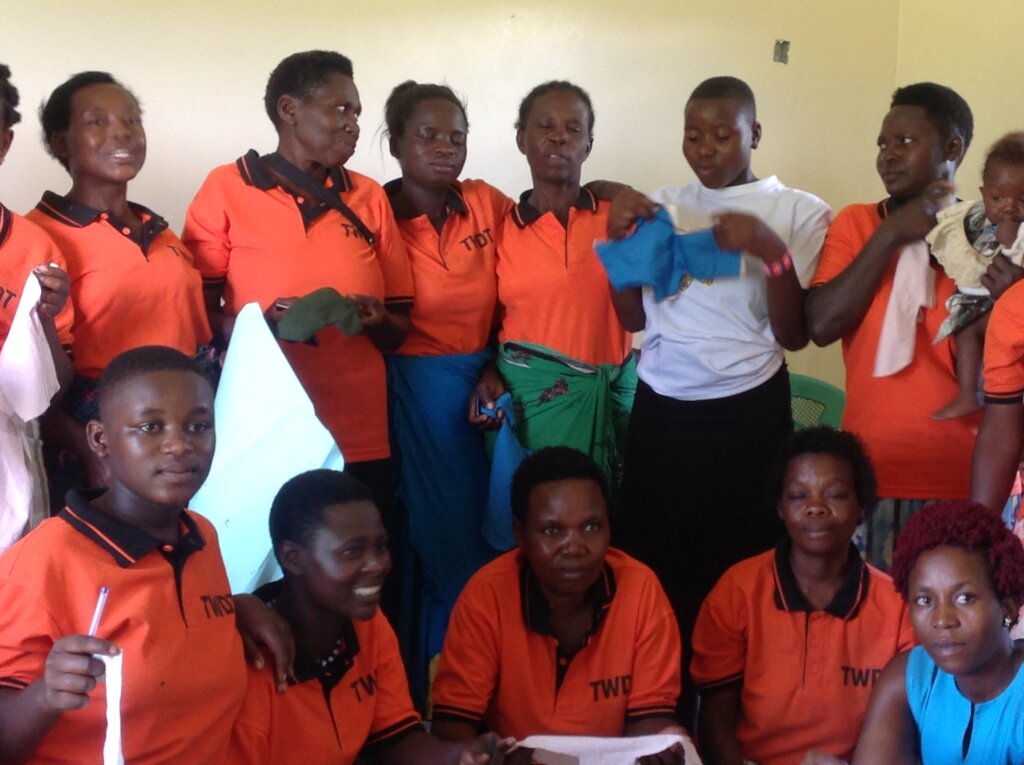
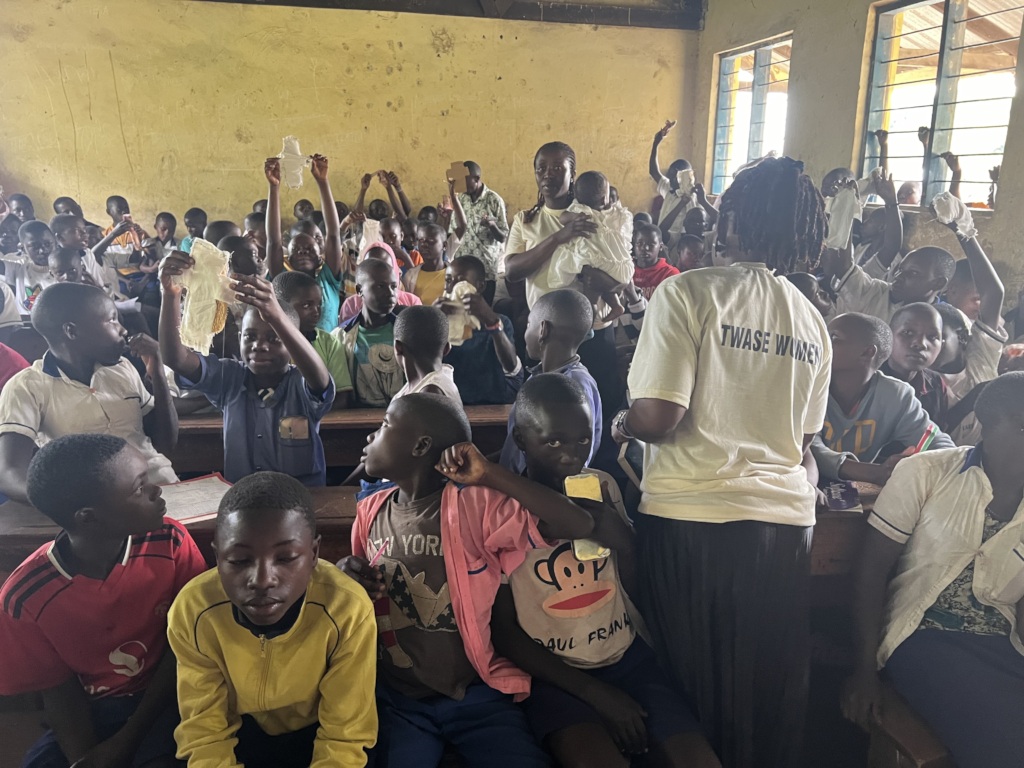
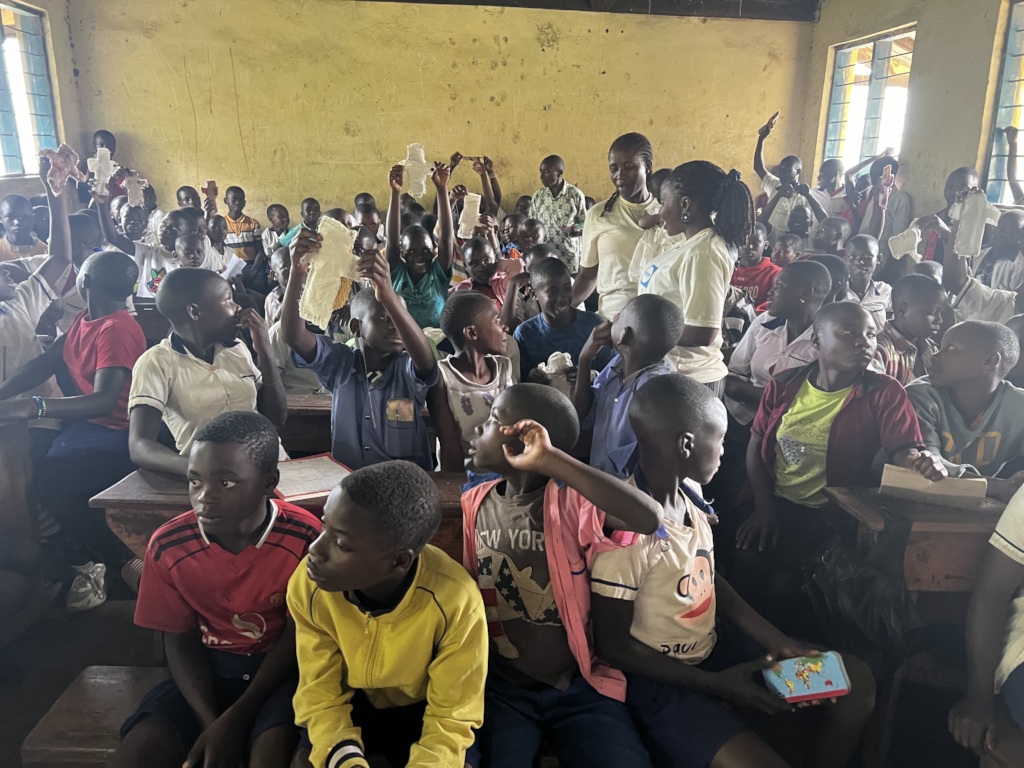
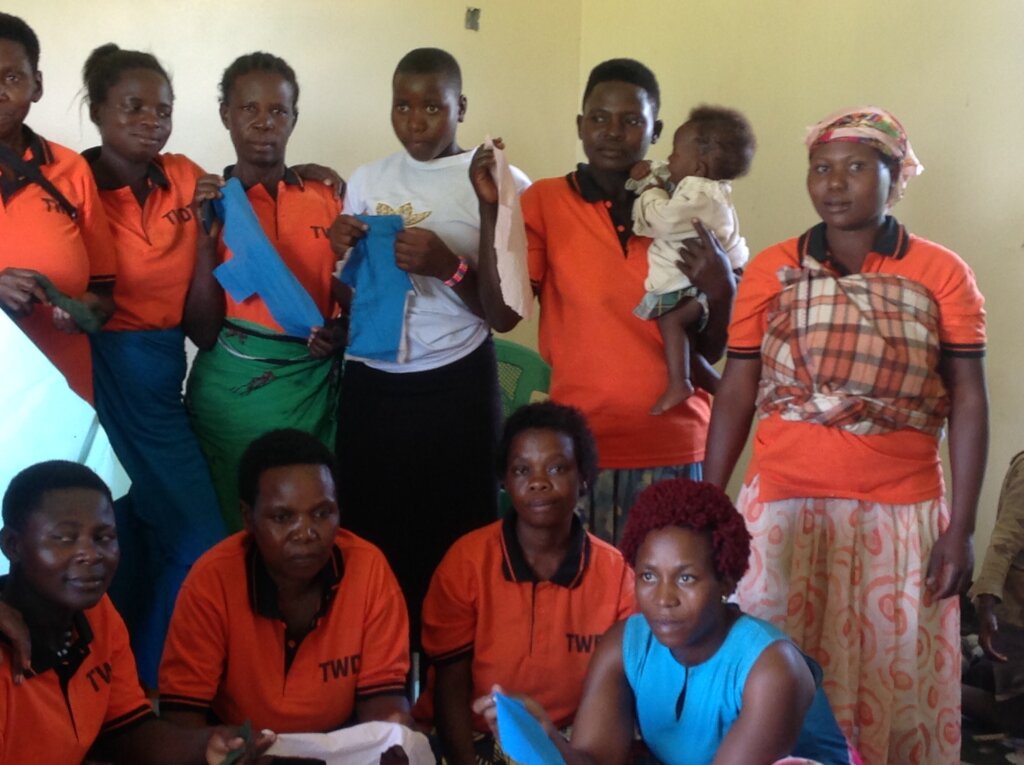
The health education sessions covered menstrual hygiene management, proper body cleanliness during menstruation, the safe use and care of sanitary materials, and the importance of maintaining a clean and healthy environment. Learners were also guided on how to make reusable sanitary pads using locally available materials, including cloth, needles and sisal. The practical demonstrations encouraged creativity, affordability and the use of locally accessible resources to support menstrual hygiene management.
The project reached learners at Kayanja Primary School, Equator High Primary School and Nyakasonjo Primary School, creating opportunities for children to learn, ask questions and gain practical knowledge about menstrual health. The sessions also encouraged boys and girls to understand menstruation as a normal biological process and to promote respect, dignity and support for girls during menstruation.
Achievements and Expected Impact
The activities strengthened awareness of menstrual hygiene and introduced learners to a low-cost, locally adaptable approach to reusable sanitary pad production. By promoting accurate information and practical skills, Twase Women Development Trust seeks to contribute to improved menstrual health, reduced stigma, greater confidence among girls and a more supportive school environment.
Conclusion
Twase Women Development Trust remains committed to promoting children’s health, dignity and well-being through school-based health education. Continued menstrual hygiene education, practical demonstrations and follow-up support will help learners apply the knowledge acquired and encourage sustainable menstrual hygiene practices within schools and communities.
Project reports on GlobalGiving are posted directly to globalgiving.org by Project Leaders as they are completed, generally every 3-4 months. To protect the integrity of these documents, GlobalGiving does not alter them; therefore you may find some language or formatting issues.
If you donate to this project or have donated to this project, you can receive an email when this project posts a report. You can also subscribe for reports without donating.



Support this important cause by creating a personalized fundraising page.
Start a Fundraiser