Women fighting Climate Change through Agroecology

by Soil Health & Climate Action Network (SHCAN)
Women fighting Climate Change through Agroecology

Project Report | Jul 21, 2026
Strengthening the Resilience of Rural Women

By Oliver Namusisi | Project Leader

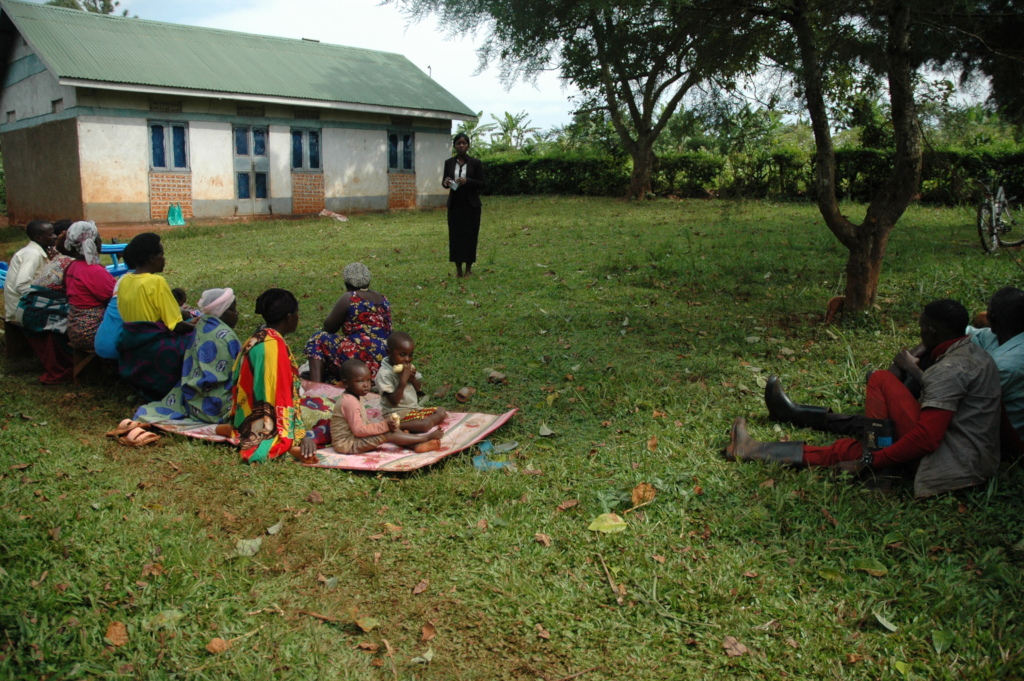
Farmers attending training

The Women Fighting Climate Change through Agroecology project aims to strengthen the resilience of rural women to the impacts of climate change by promoting sustainable agricultural practices. The project empowers women with practical knowledge and skills in agroecology, enabling them to improve household food security, restore soil health, conserve biodiversity, and increase their incomes while protecting the environment.

SHCAN continued implementing project activities across the target communities through farmer training, demonstration gardens, monitoring visits, and community engagement. SHCAN implemented the following activities below;

1. Farmer Training on Agroecological Practices

Training sessions were conducted for women farmers covering topics such as:

  • Soil fertility improvement using organic manure and compost.
  • Mulching and moisture conservation.
  • Crop diversification and intercropping.
  • Integrated pest and disease management using environmentally friendly methods.
  • Seed selection and preservation.
  • Climate-smart farming practices.

The trainings enhanced participants' knowledge and confidence in adopting sustainable farming methods.

2. Demonstration Gardens

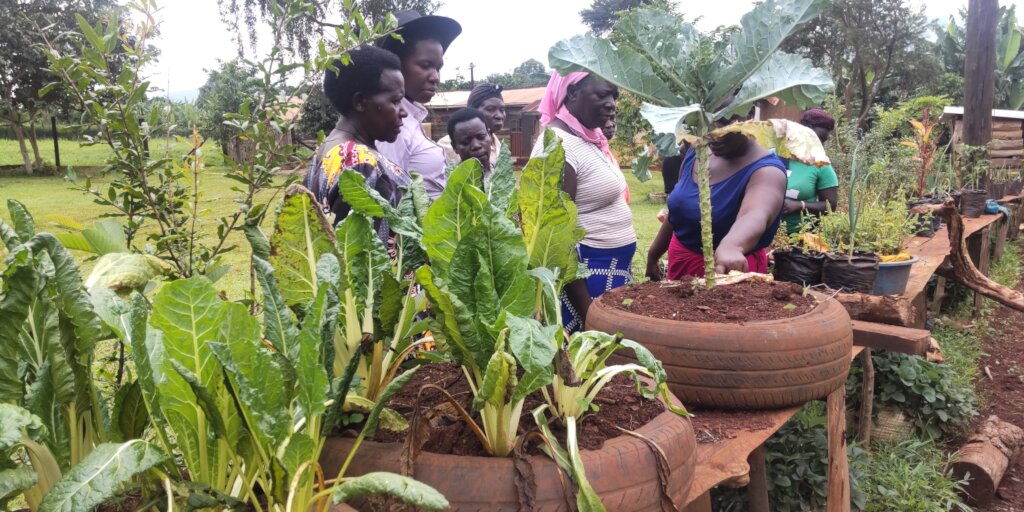
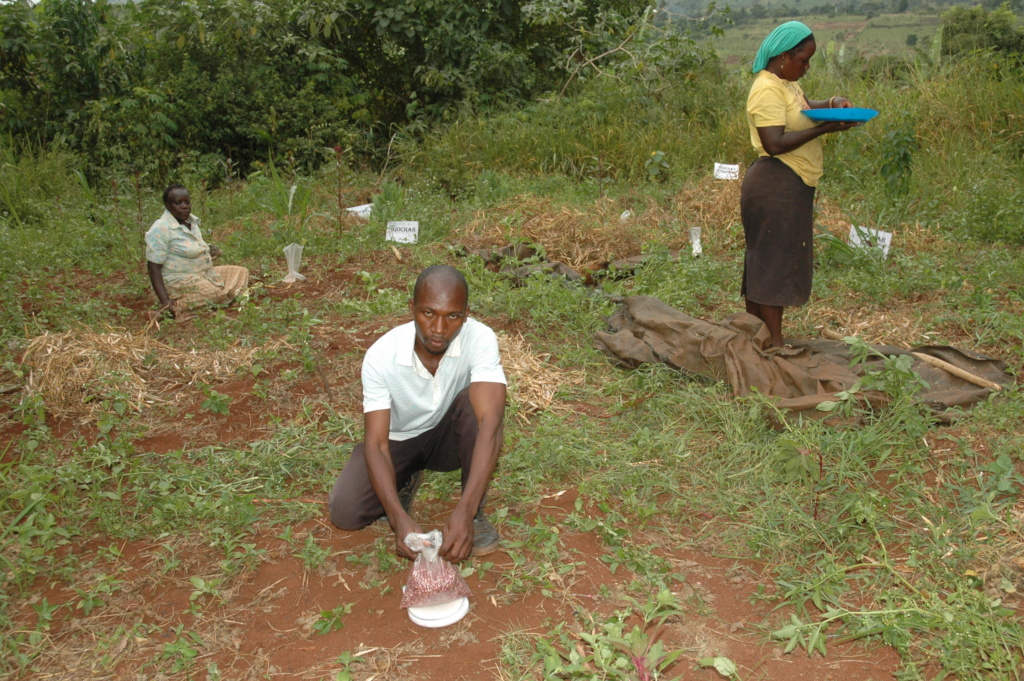
Demonstration gardens continued to serve as practical learning sites where women farmers observed and practiced agroecological techniques. Farmers regularly visited the gardens to learn about: ways of improving soil fertility using organic treatments like compost, biochar and urine, proper crop spacing and soil and water conservation measures. The gardens have become important community learning centres for neighbouring farmers.

3. Community Monitoring and Farmer Support

Routine monitoring visits were conducted to provide technical guidance and assess the adoption of agroecological practices. During these visits, SHCAN staff:

  • Visited beneficiary households.
  • Provided on-site technical advice.
  • Identified farming challenges.

Most beneficiaries demonstrated continued application of the recommended practices.

Project Achievements

During the reporting period, the project registered several positive outcomes:

  • Increased adoption of organic farming practices.
  • Improved soil moisture retention through mulching.
  • Greater use of compost and farmyard manure.
  • Enhanced knowledge of climate-resilient agriculture among women farmers.
  • Increased participation of women in community environmental conservation activities.
  • Improved household food production through diversified cropping systems.

Challenges

Despite the progress made, several challenges were encountered:

  • Unpredictable rainfall affected planting schedules.
  • Some farmers had limited access to quality planting materials.
  • Pest and disease outbreaks affected a few crops.
  • Financial constraints limited

Lessons Learned

  • Practical demonstrations greatly improve farmer understanding and adoption.
  • Continuous follow-up visits increase farmers' confidence in implementing new practices.
  • Agroecological practices improve resilience to climate variability while reducing production costs.

Conclusion

The Women Fighting Climate Change through Agroecology project continues to demonstrate that empowering women with agroecological knowledge is an effective strategy for improving household livelihoods while addressing climate change. The growing adoption of sustainable farming practices is contributing to healthier soils, improved food security, and stronger community resilience. SHCAN remains committed to supporting women farmers in building climate-resilient agricultural systems that benefit both people and the environment.

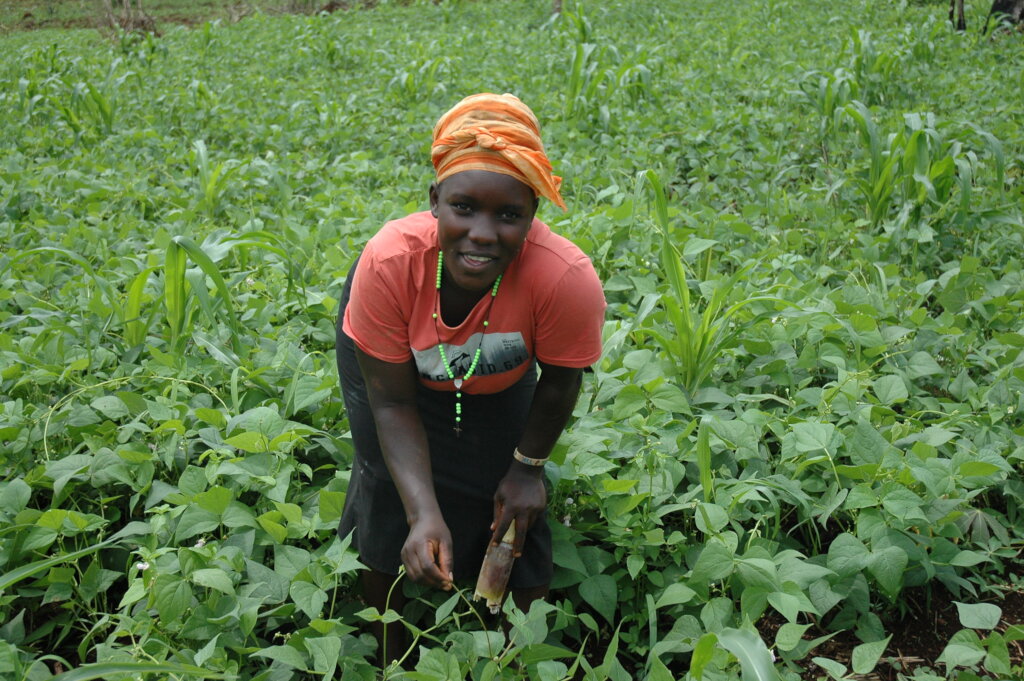
Women supporting in harvesting in SHCAN garden
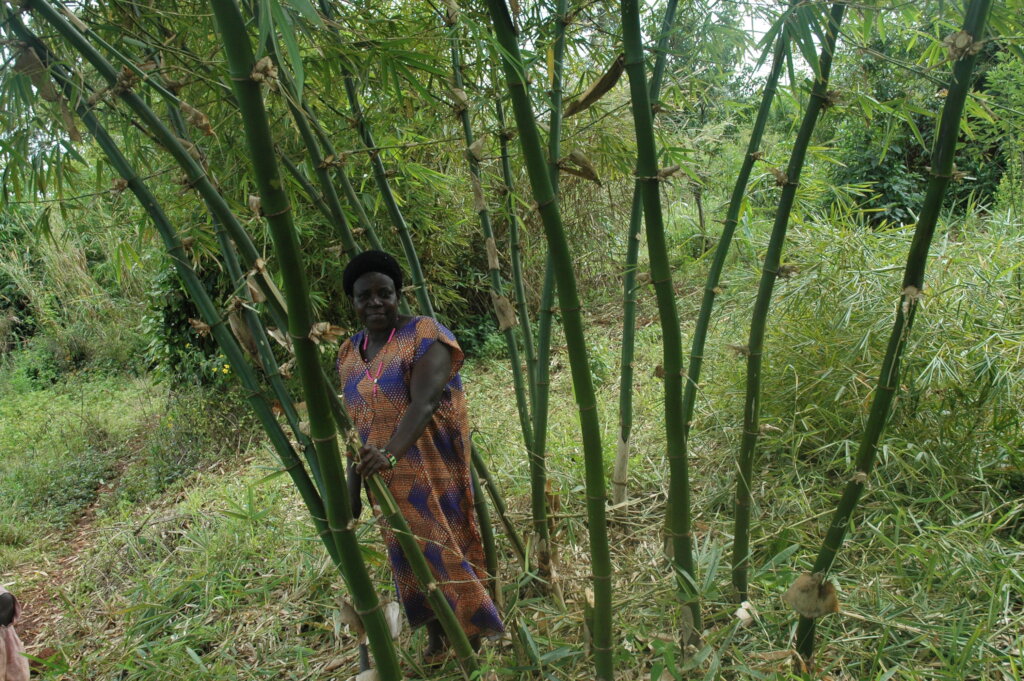
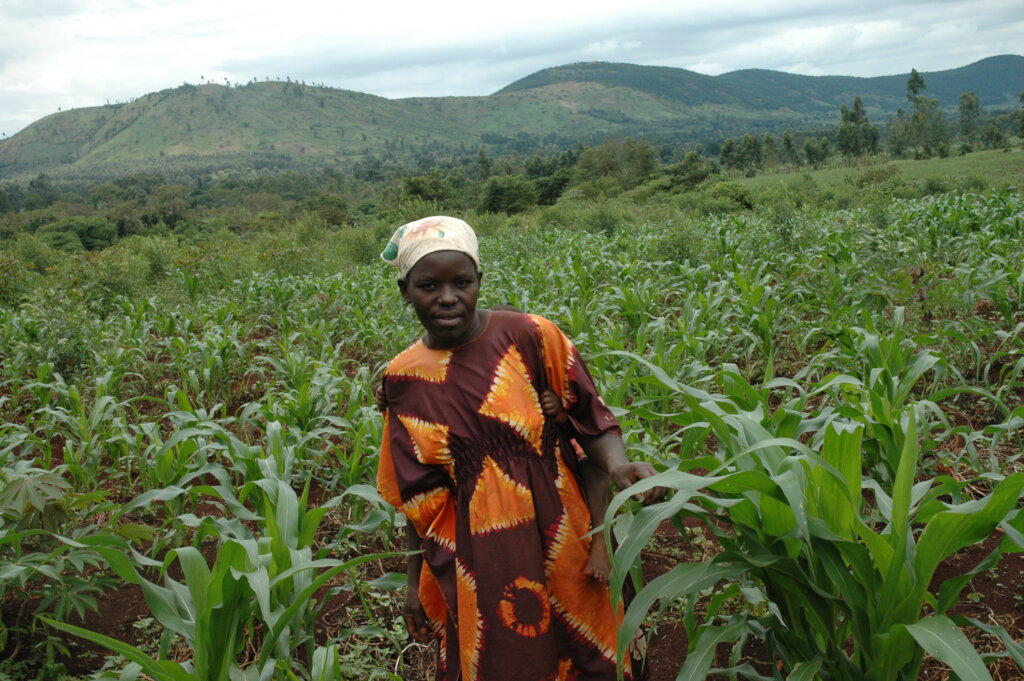
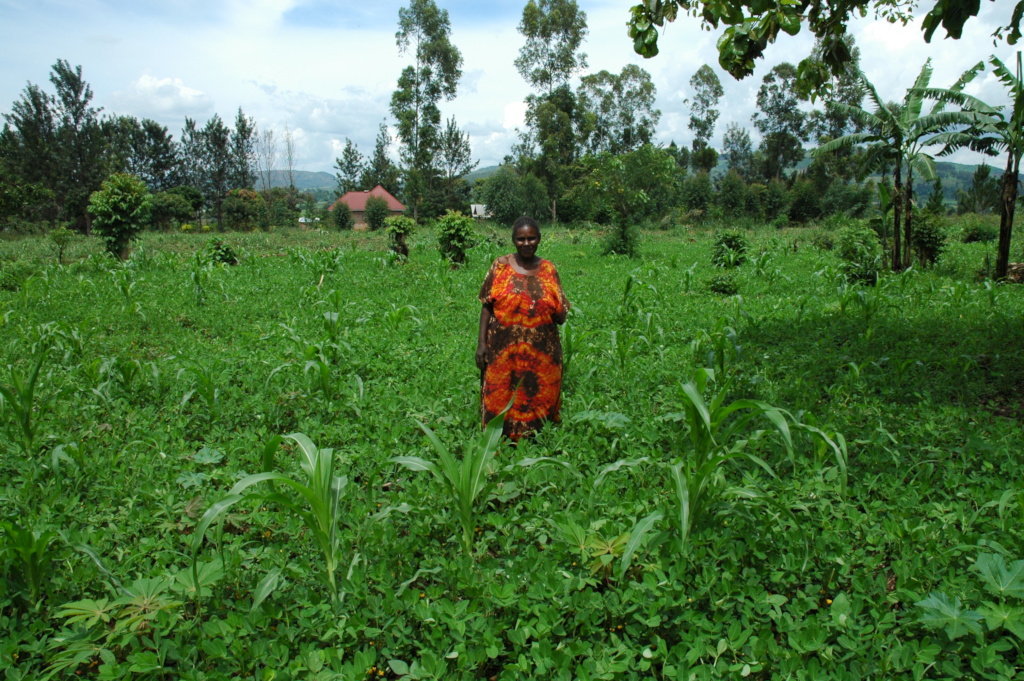
Women standing in her garden during staff visit
Share on Twitter Share on Facebook

About Project Reports

Project reports on GlobalGiving are posted directly to globalgiving.org by Project Leaders as they are completed, generally every 3-4 months. To protect the integrity of these documents, GlobalGiving does not alter them; therefore you may find some language or formatting issues.

If you donate to this project or have donated to this project, you can receive an email when this project posts a report. You can also subscribe for reports without donating.


Sign up for updates

Organization Information

Soil Health & Climate Action Network (SHCAN)

Location: Hoima, WE - Uganda
Website:
Facebook: Facebook Page
Project Leader:
Nolbert Muhumuza
Hoima , WE Uganda
$199 raised of $1,000 goal
 
7 donations
$801 to go
Donate Now
lock
Donating through GlobalGiving is safe, secure, and easy with many payment options to choose from. View other ways to donate

Soil Health & Climate Action Network (SHCAN) has earned this recognition on GlobalGiving:

Help raise money!

Support this important cause by creating a personalized fundraising page.

Start a Fundraiser

Learn more about GlobalGiving

Teenage Science Students
Vetting +
Due Diligence

Snorkeler
Our
Impact

Woman Holding a Gift Card
Give
Gift Cards

Young Girl with a Bicycle
GlobalGiving
Guarantee

Get incredible stories, promotions, and matching offers in your inbox

WARNING: Javascript is currently disabled or is not available in your browser. GlobalGiving makes extensive use of Javascript and will not function properly with Javascript disabled. Please enable Javascript and refresh this page.