By Jason Graber | Resource Development Officer
International Medical Corps has partnered with The Association for Aid and Relief (AAR) Japan to build the capacity of Japanese community organizations to offer greater protection to people with disabilities in the aftermath of a disaster. In the March 2011 earthquake and tsunami, the mortality rate of people with disabilities was more than double than that for the average population. While AAR responded quickly and effectively, in the aftermath of the earthquake, it became clear that there was a critical gap in addressing the needs of people with disabilities (PWDs). As a result, International Medical Corps and AAR Japan are working to build the capacity of local communities and agencies to improve preparations for rescue, relief and recovery efforts that better reflect the needs of the entire population, with a special focus on PWDs.
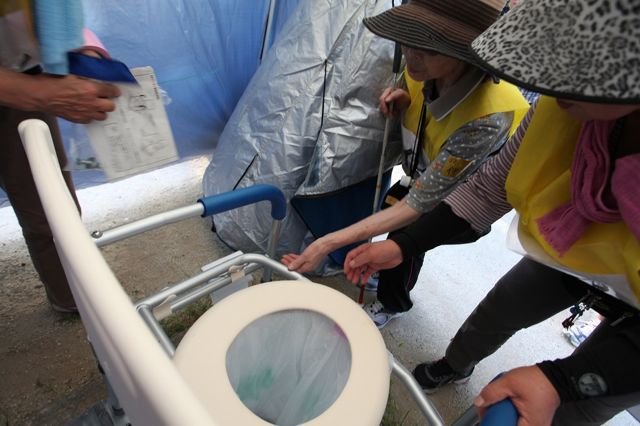
Some of the factors that led to the disproportionate casualties experienced by the elderly and disabled were: physical inaccessibility of the temporary shelters (e.g. not accessible by wheelchair, difficult to access bathrooms, etc.); difficulty of PWDs in communicating needs; existing social attitudes toward the disabled; lack of access to critical information; and a lack of necessary medication/medical equipment at the shelters.
To ensure these groups do not suffer the same difficulty in a future disaster, International Medical Corps and AAR believe that it is important to establish emergency response standards that are applicable to all people, including the elderly and PWDs. Our agencies agreed that as a first step, persons with disabilities must be actively engaged in the earliest planning stages in non-disaster times. Their unique perspective and experience, based on International Medical Corps’ global approach to disaster risk reduction and emergency preparedness, is essential to the reducing PWD vulnerabilities and building capacity toward becoming self-reliant their stated need to be both respected and supported.
As part of our initiative, International Medical Corps and AAR Japan are partnering with Iwaki Jiritsu Seikatsu Center (IJSC), a local non-profit organization supporting PWDs in Iwaki City, Fukushima Prefecture, to pilot two inclusive emergency shelter exercises to a wide variety of local community members. There are two important goals for this activity. The first is to help develop assertive behavior among PWDs in Iwaki City so that they can articulate their needs and take ownership in the management of emergency shelters. The other goal is to raise awareness in the local community about the varied needs of persons with disabilities and the roles and responsibilities they can take on in times of disaster.
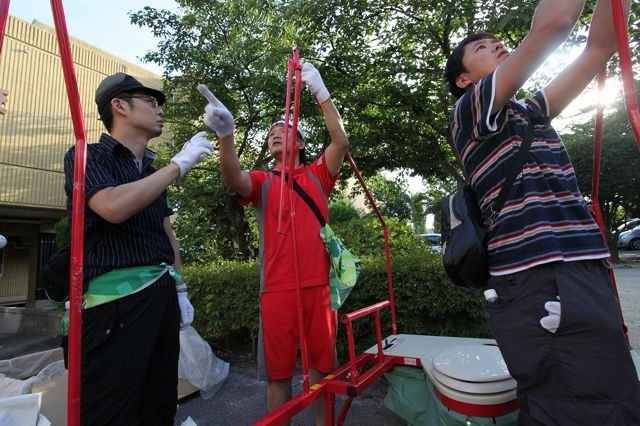
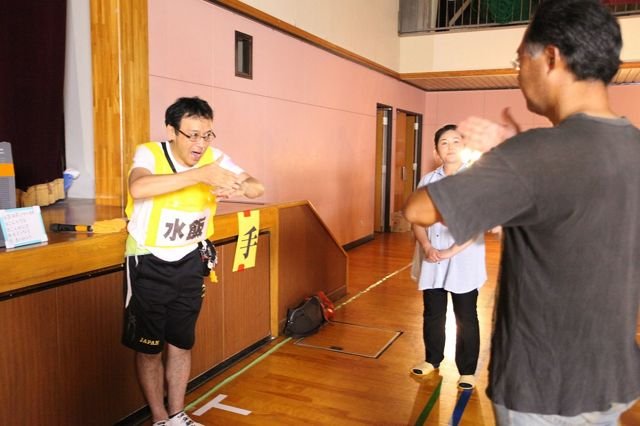
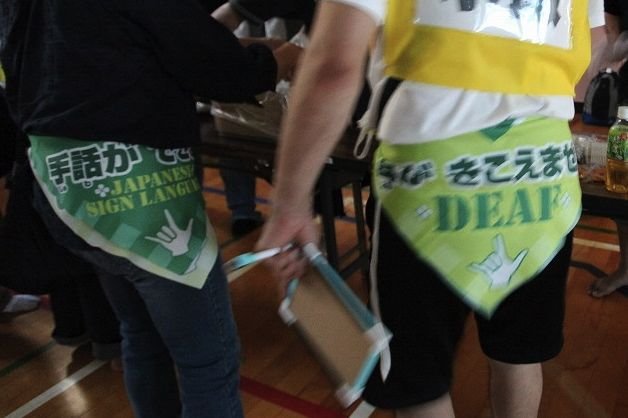
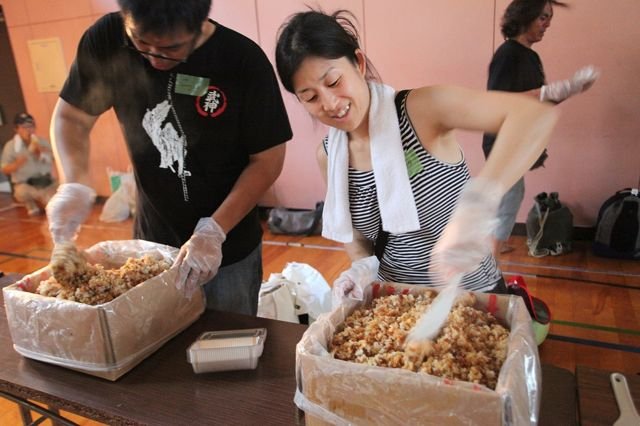
The model for the emergency exercise was developed and base-lined by observing another non-profit organization that does similar work in Koshigaya City, Saitama Prefecture. A local non-profit organization supporting PWDs had hosted an annual two-day emergency shelter event, beginning in 2011, that emphasized the active participation of traditionally vulnerable populations including persons with disabilities, children, women, and the elderly. According to Hide Higami, who is the Head of Koshigaya Sleep-Over Emergency Shelter Event Committee and also a person with disabilities, the purpose of this event is to have people experience what it is like to be in an emergency shelter on “Day One” of a big disaster.
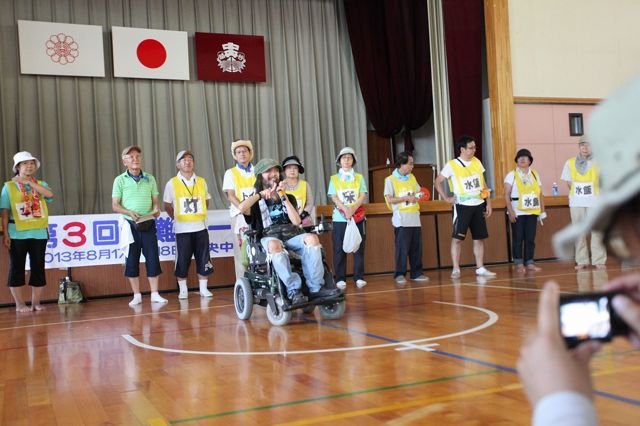
On August 17–18, 2013, International Medical Corps Country Representative Yumi Terahata, AAR Japan Fukushima Program Coordinator Atsushi Naoe, and Iwaki Seikatsu Jiritsu Center staff member Yoshi Komatsu participated in Koshigaya’s third annual event. It was an incredibly educational experience for all three partner organizations, providing a number of ideas to incorporate into our own initiative. International Medical Corps and AAR will leverage this new relationship with the event committee members who facilitated this experience to utilize their advice and expertise, while also exploring ways to collaborate across prefectures in the future.
The first of International Medical Corps supported emergency shelter exercises in Iwaki City will take place later in 2013. The simulation, based on International Medical Corps’ emergency simulation exercises across the globe, will include an impromptu run-through (i.e., with no preparation and minimal information passed on to the participants regarding the nature of the exercise) which will allow all participants to experience what it would be like to suddenly be thrust into an emergency shelter without any personal provisions. A public school gymnasium will serve as the site of the drill, and International Medical Corps and AAR will invite a wide range of participants including persons with disabilities, women with small children, and the elderly to make this exercise as realistic and inclusive as possible.
The location of this exercise has been chosen because it is not up to universal design standards, like many emergency shelters in Japan (e.g., without ramps for wheelchair accessibility, etc.). Persons with disabilities will be paired with other members of the local community and will work together to note the various issues and obstacles around making a shelter accessible to persons with different needs. Building on the lessons learned during the first drill, participants will work together to improve the shelter plan. We plan on practicing the improved plan in the first quarter of 2014.
Project reports on GlobalGiving are posted directly to globalgiving.org by Project Leaders as they are completed, generally every 3-4 months. To protect the integrity of these documents, GlobalGiving does not alter them; therefore you may find some language or formatting issues.
If you donate to this project or have donated to this project, you can receive an email when this project posts a report. You can also subscribe for reports without donating.