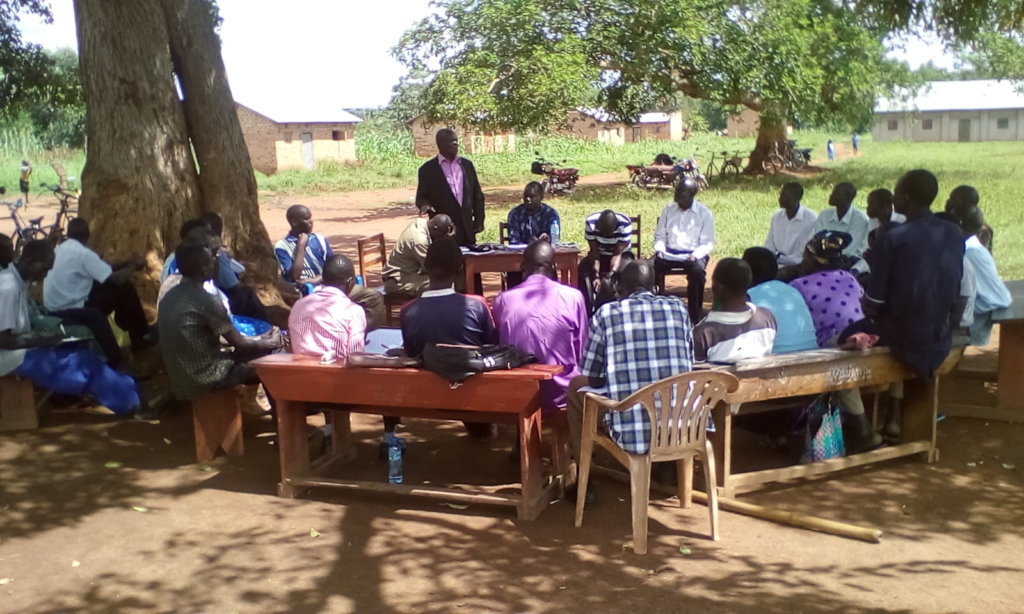
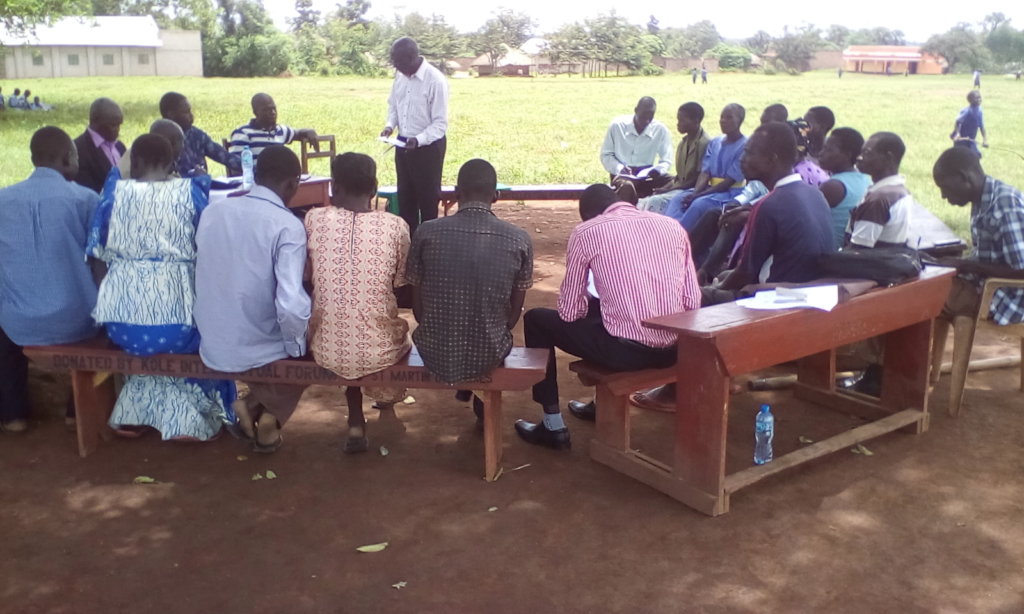
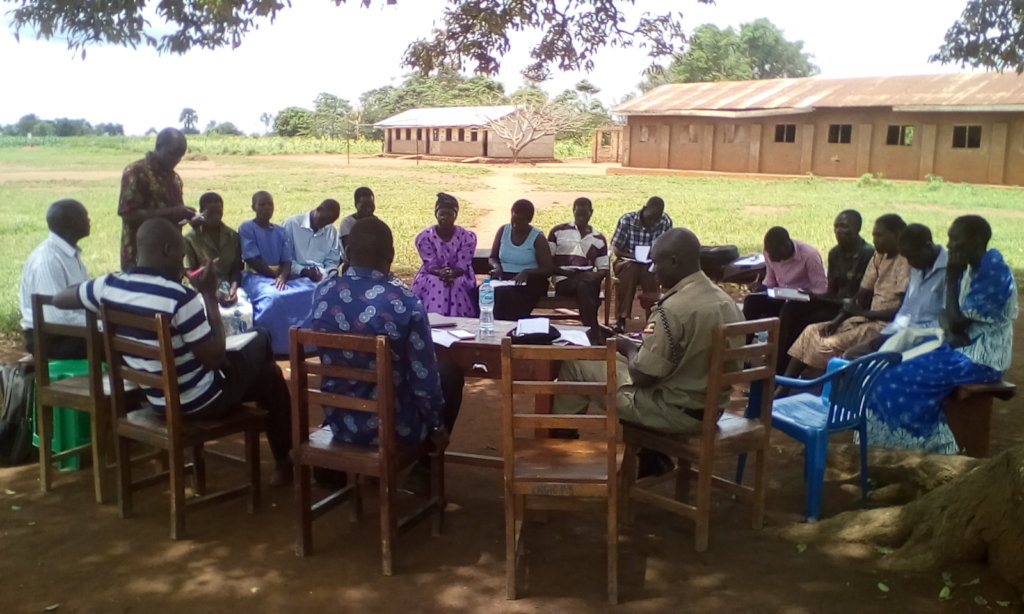
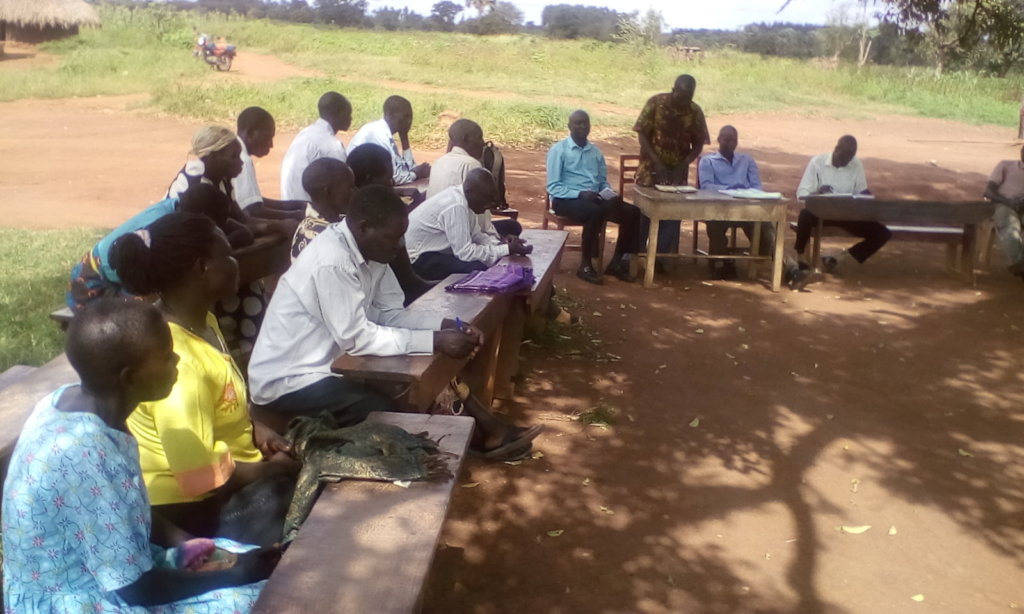
Incorporating Environment in Home Economics
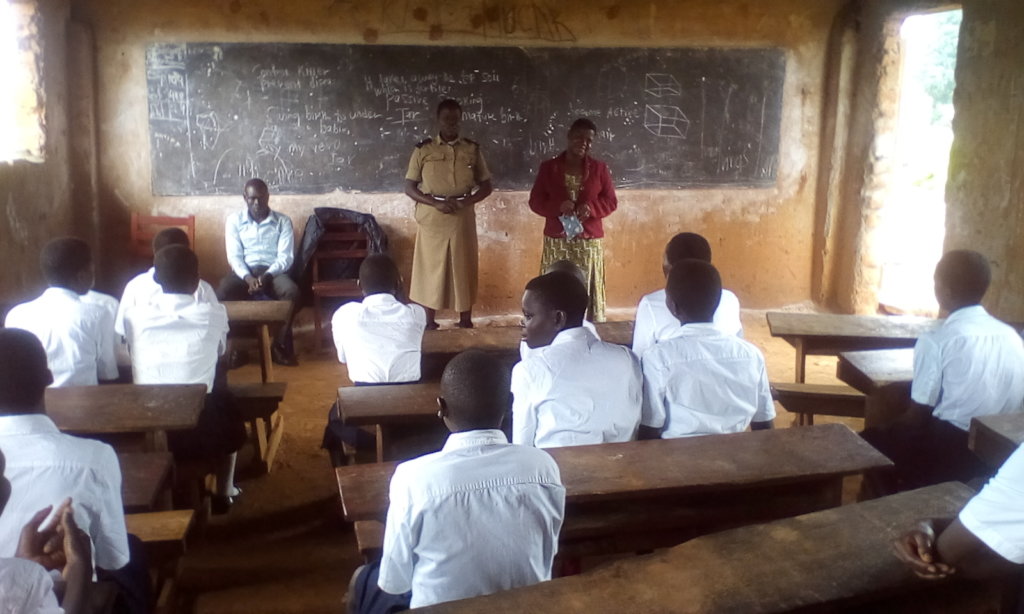
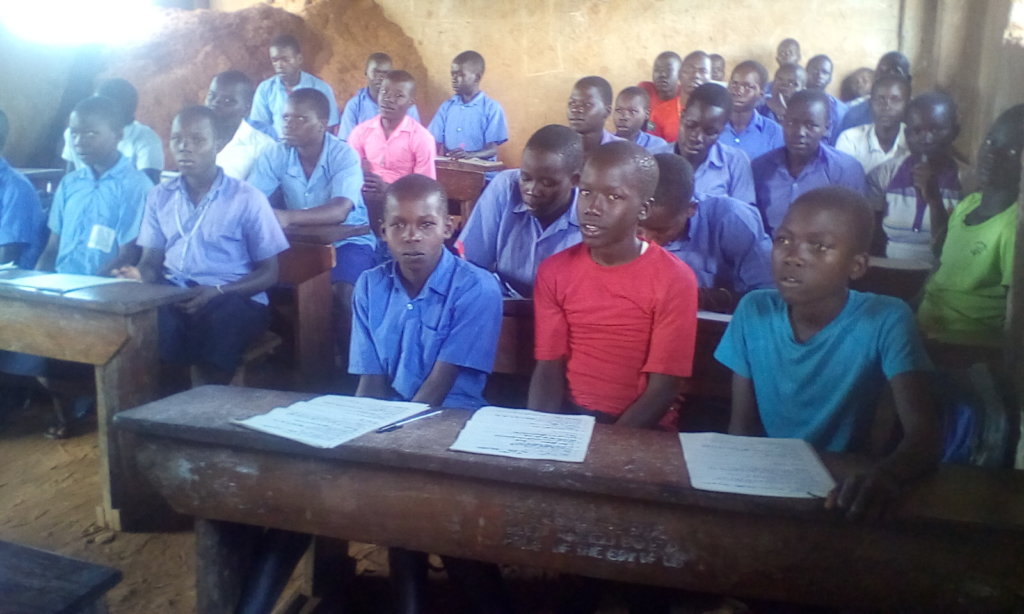
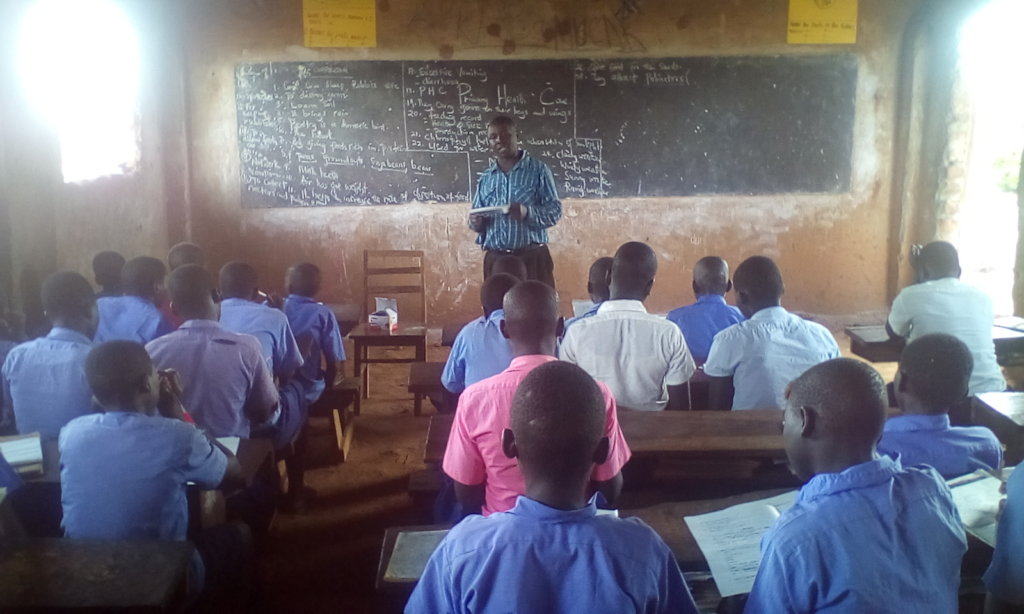
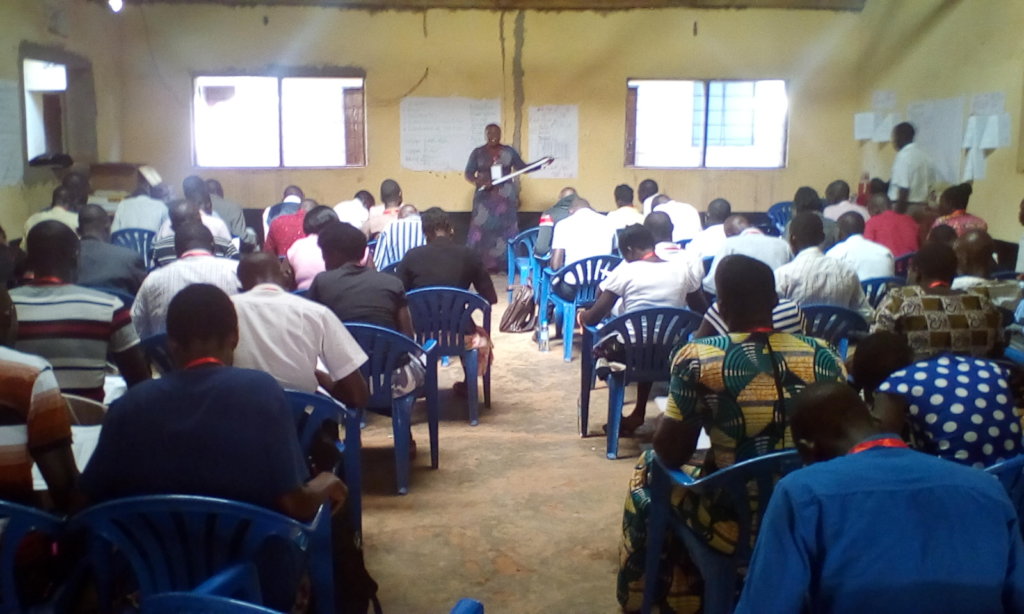
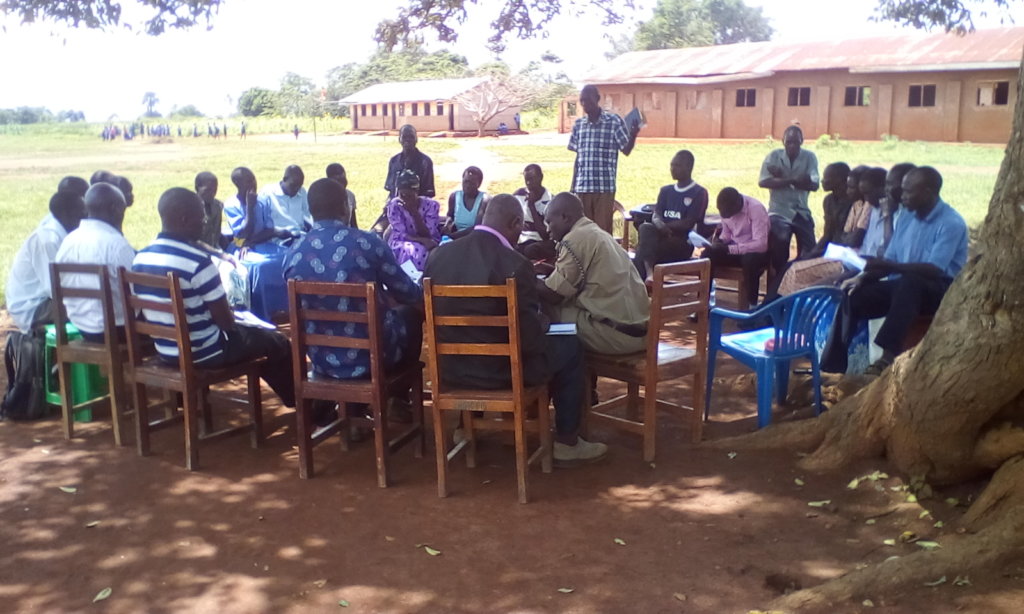
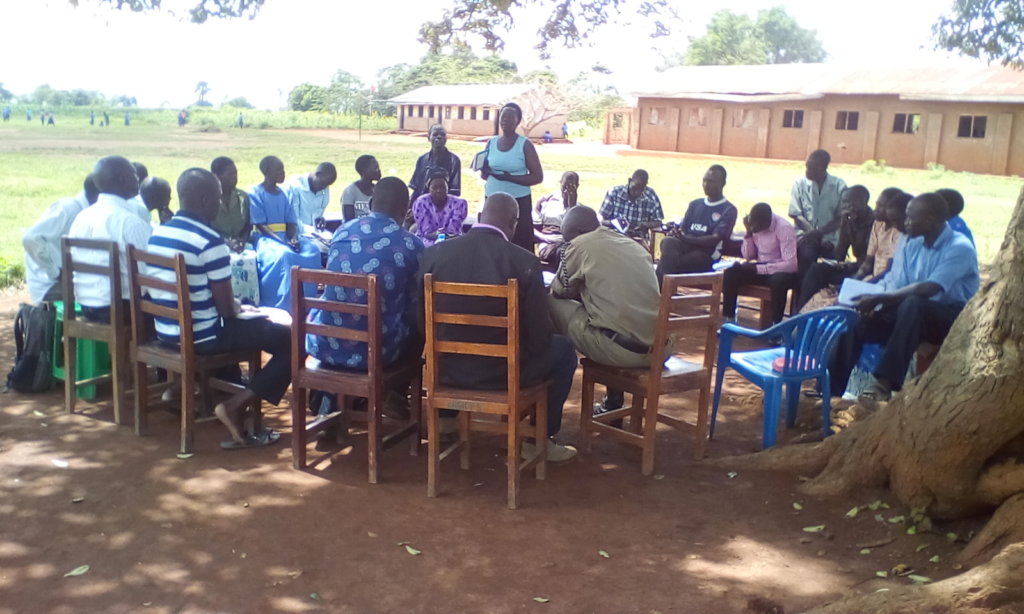
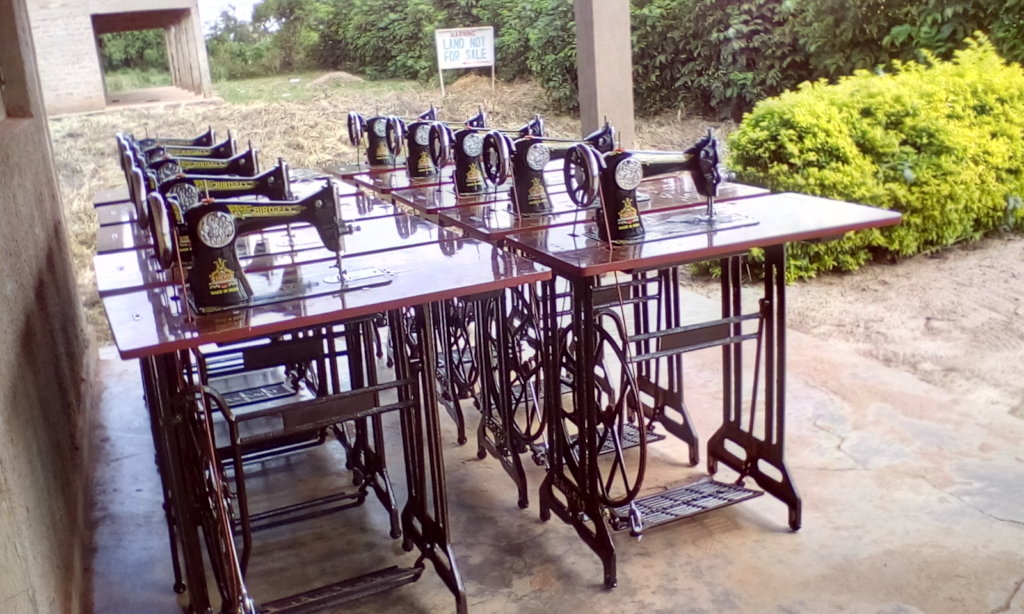
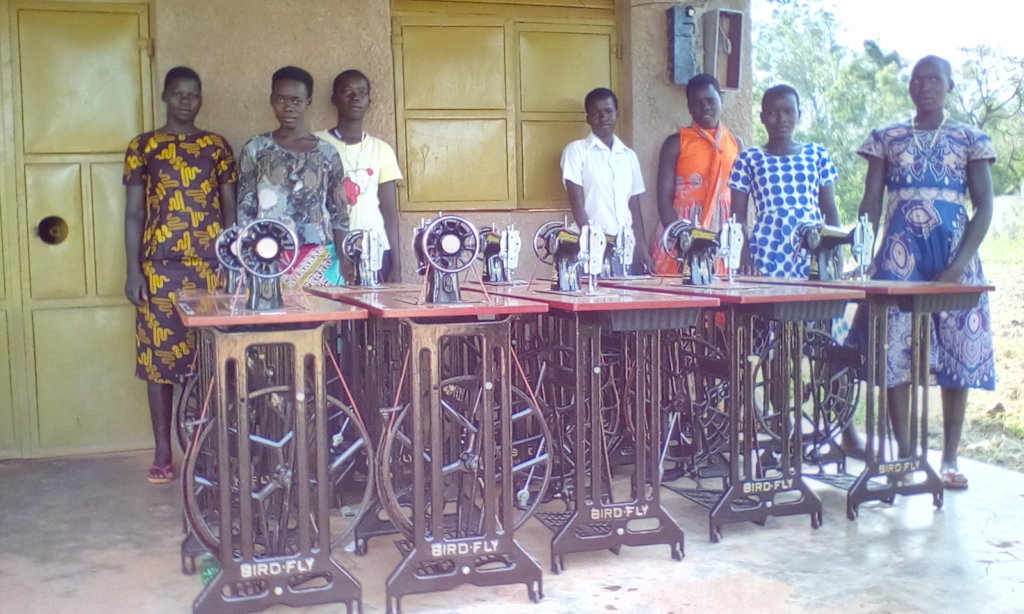
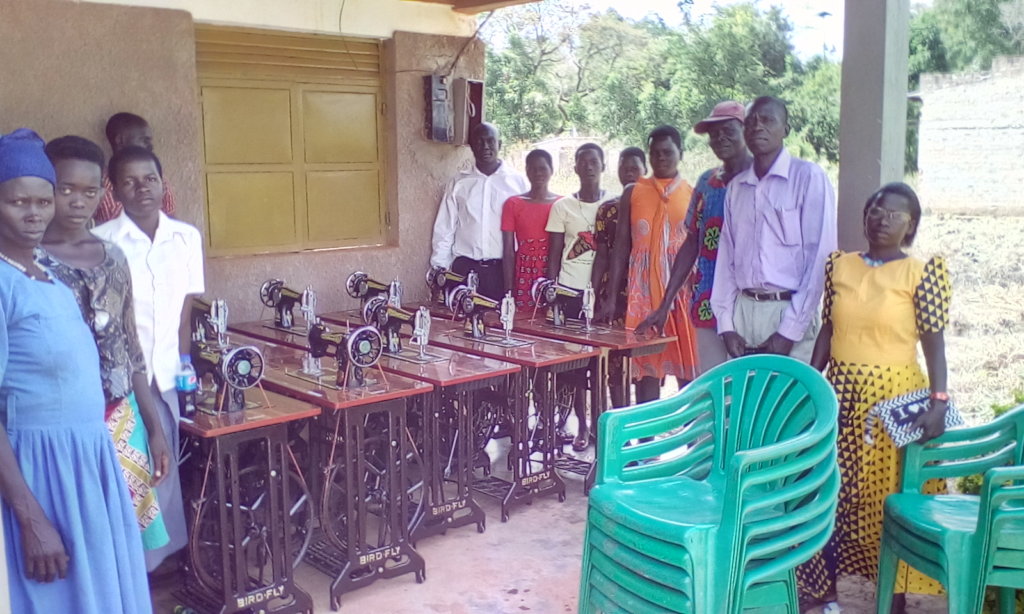
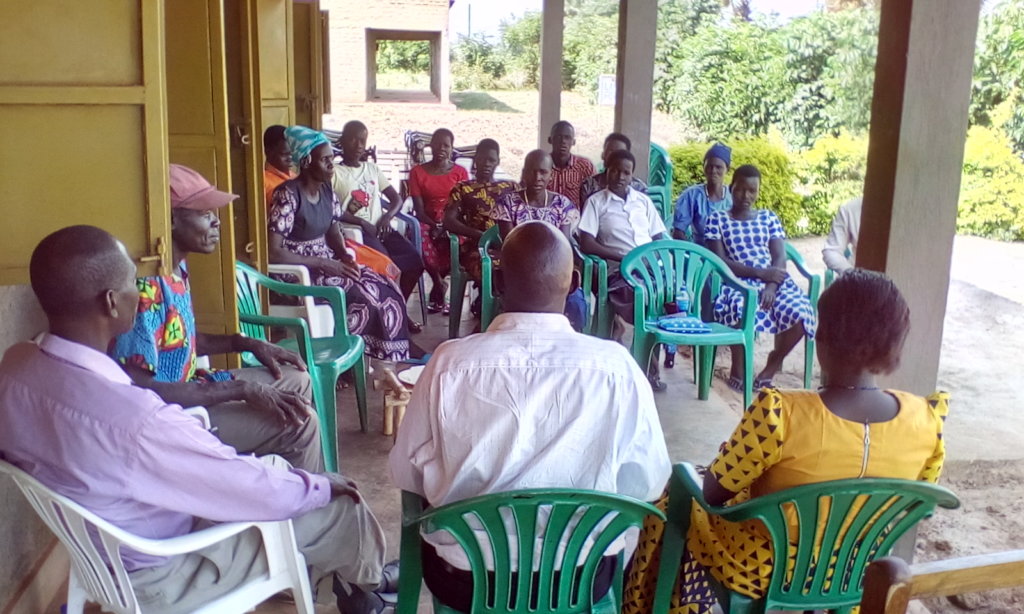
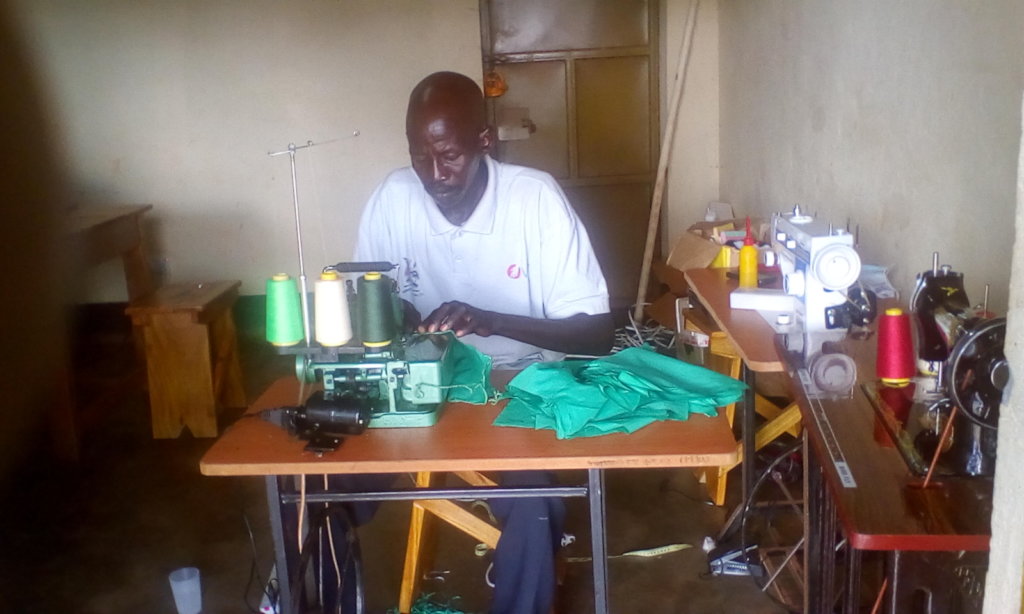
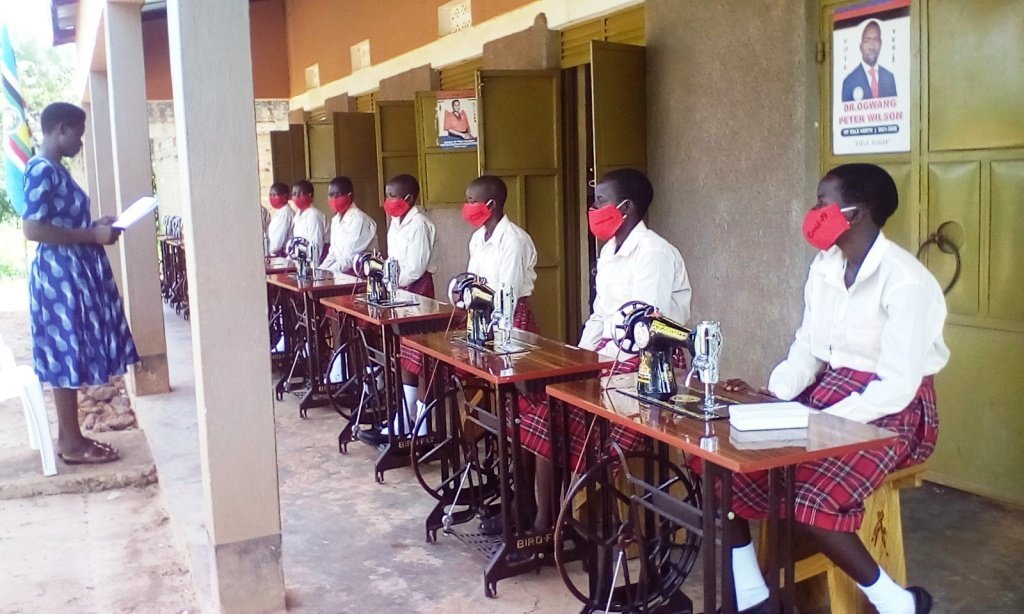
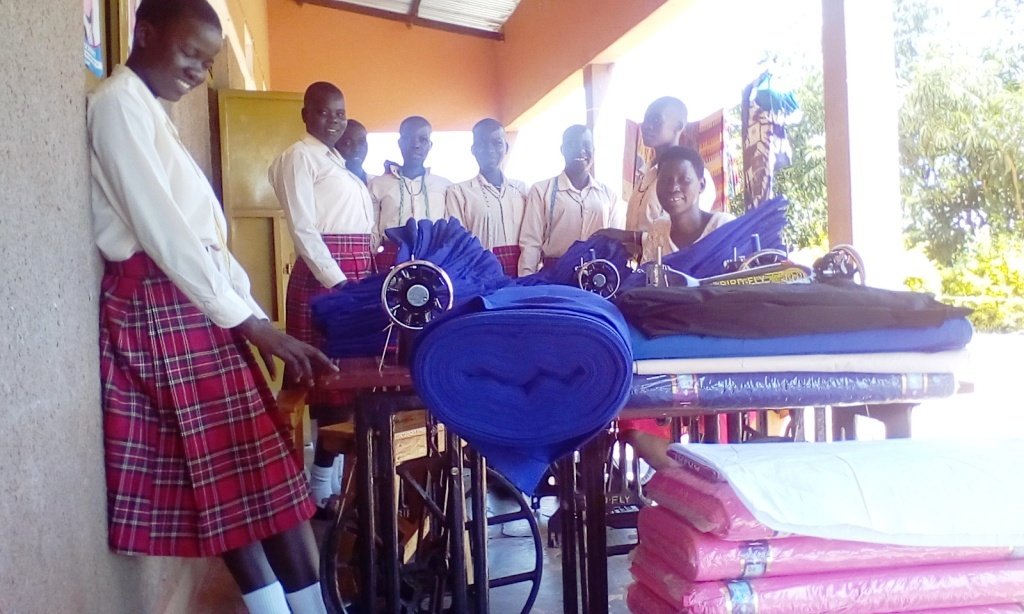
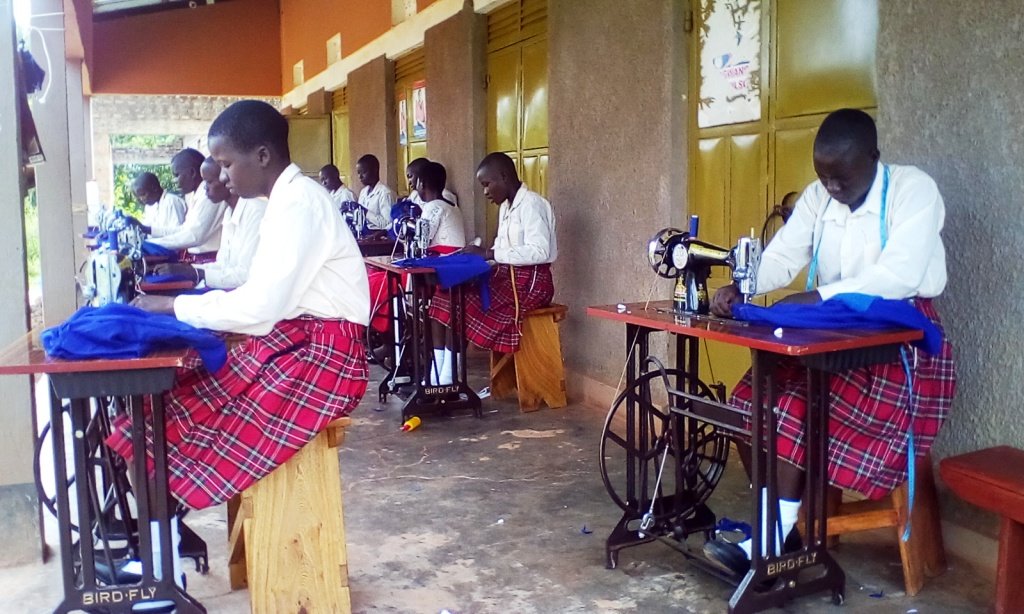
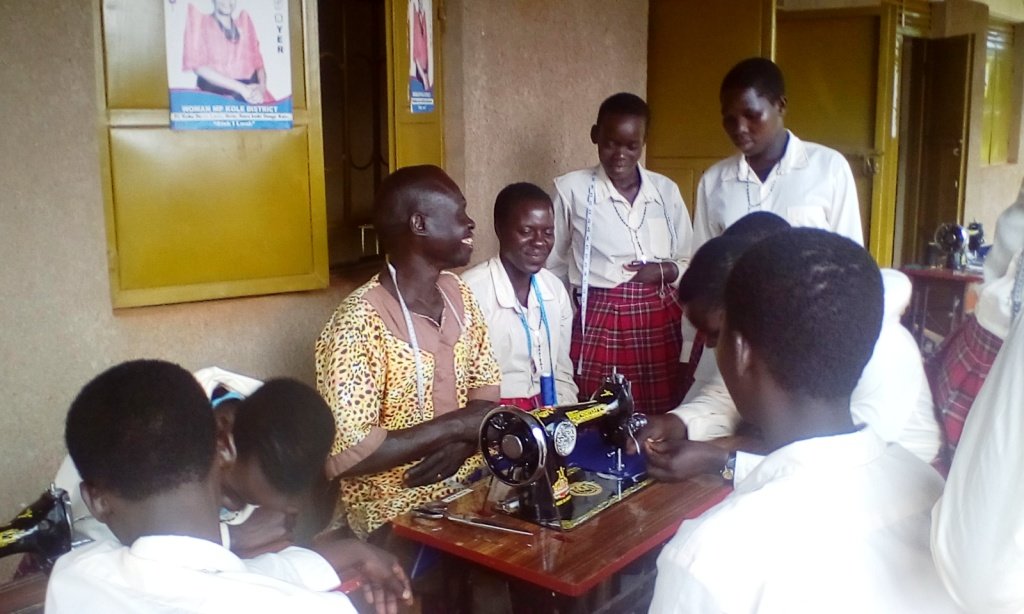
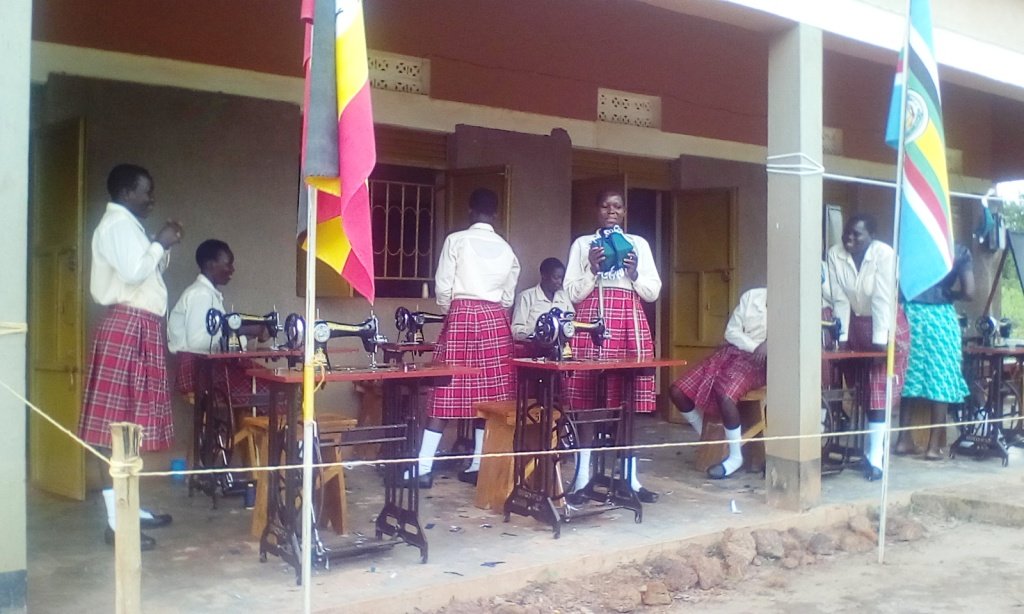
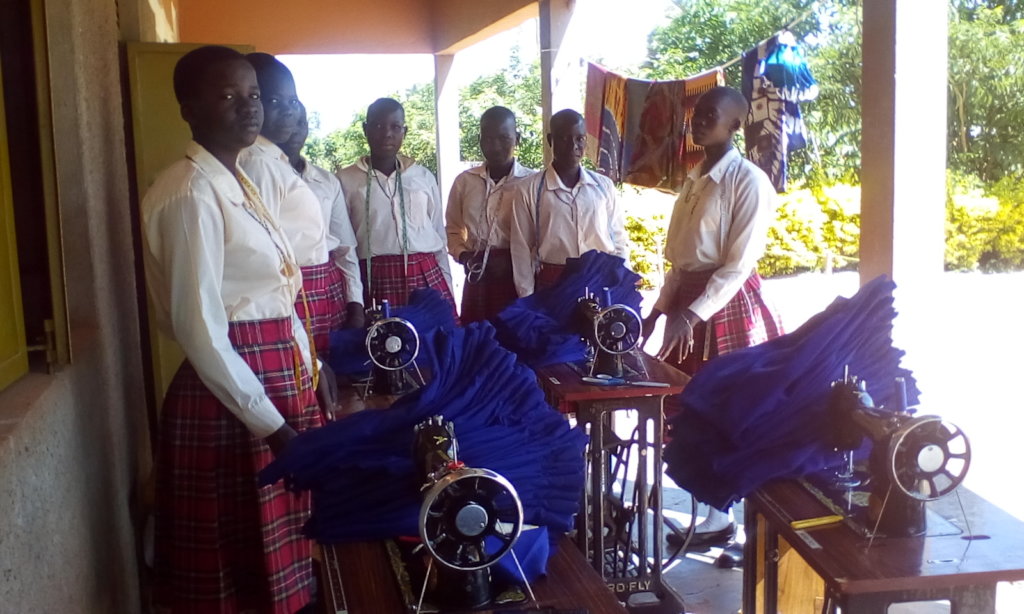
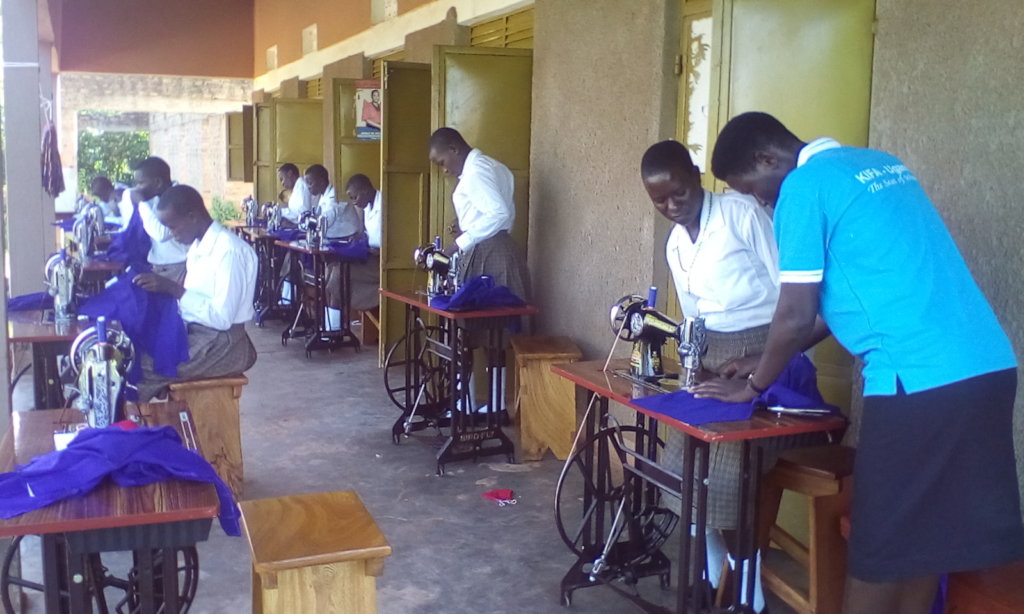
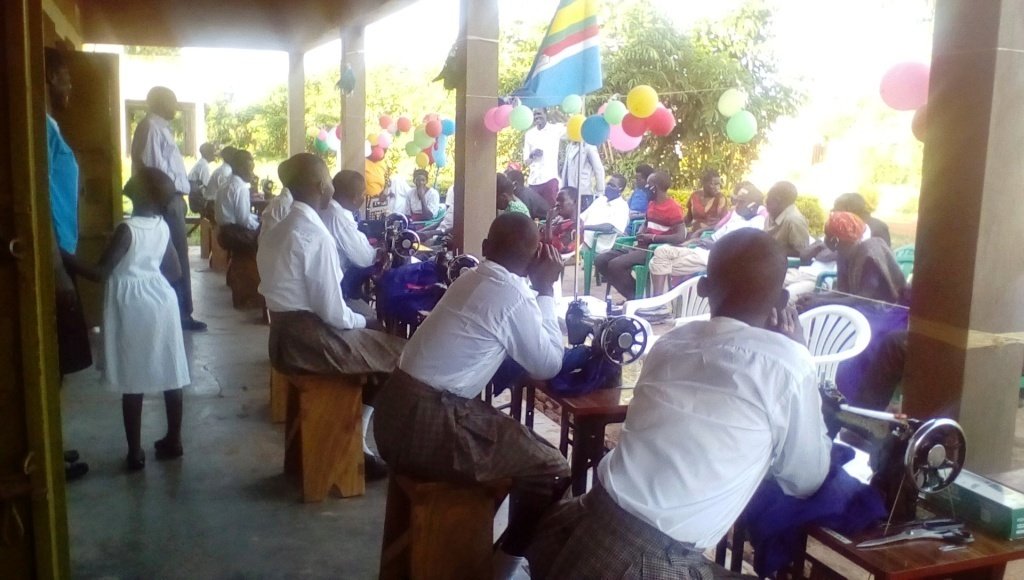
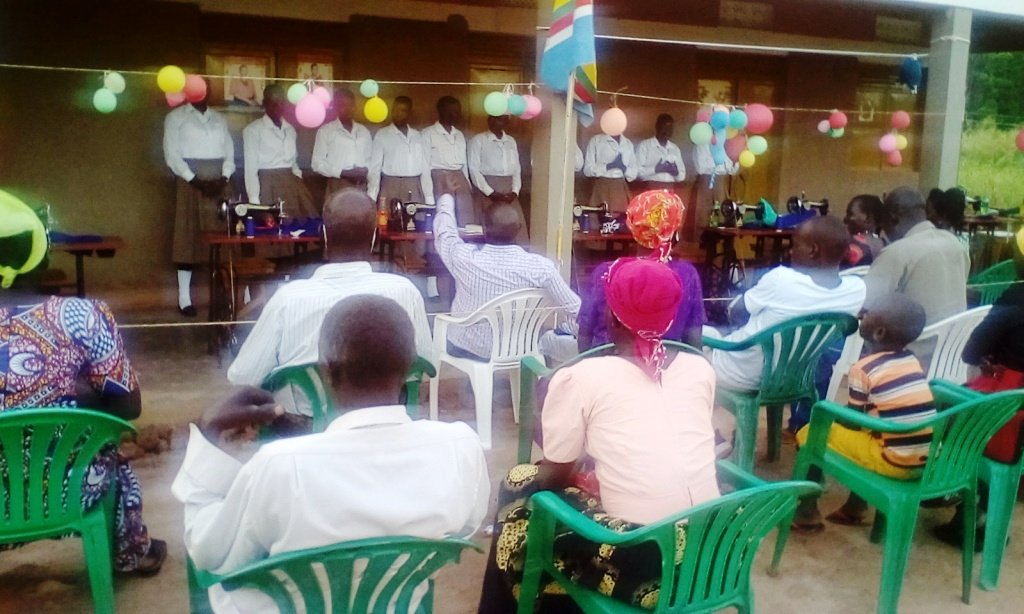
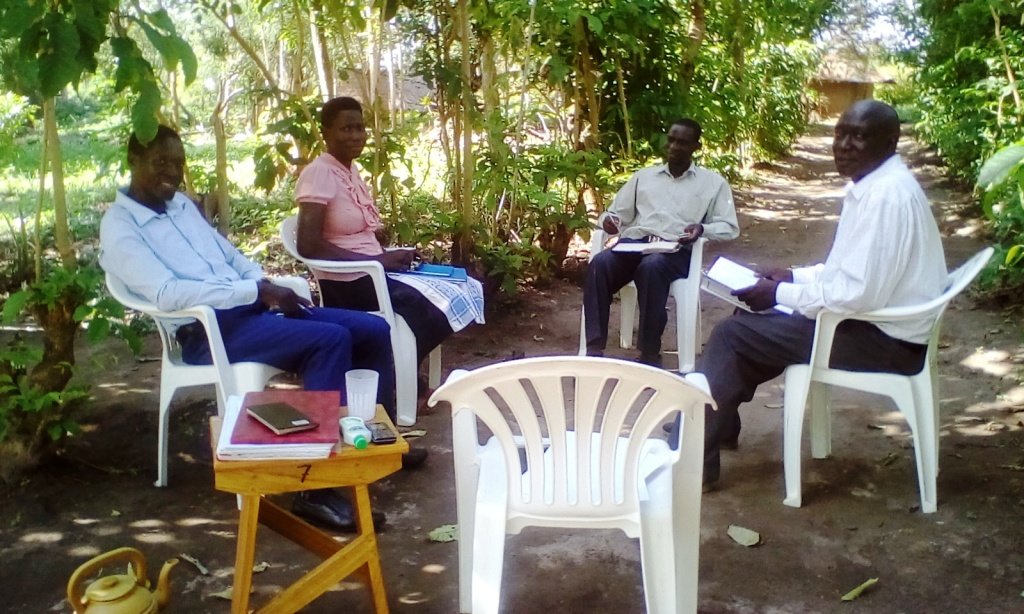
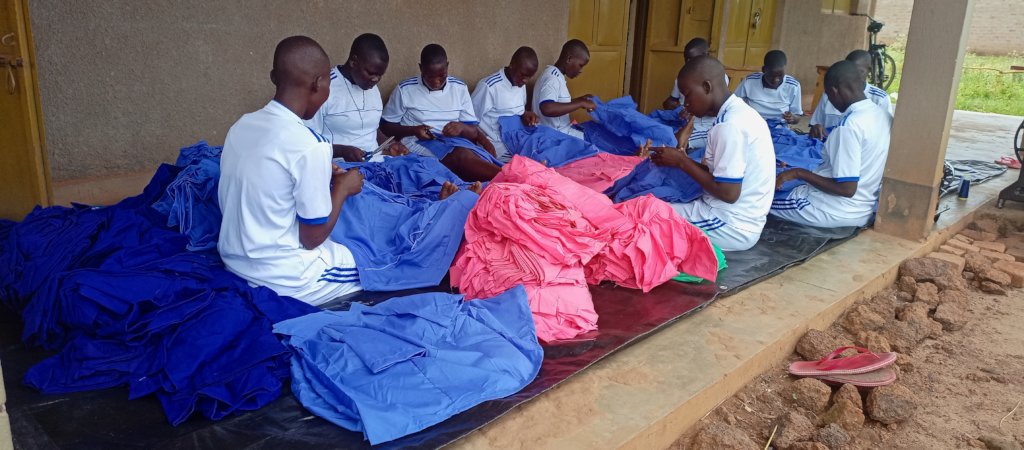
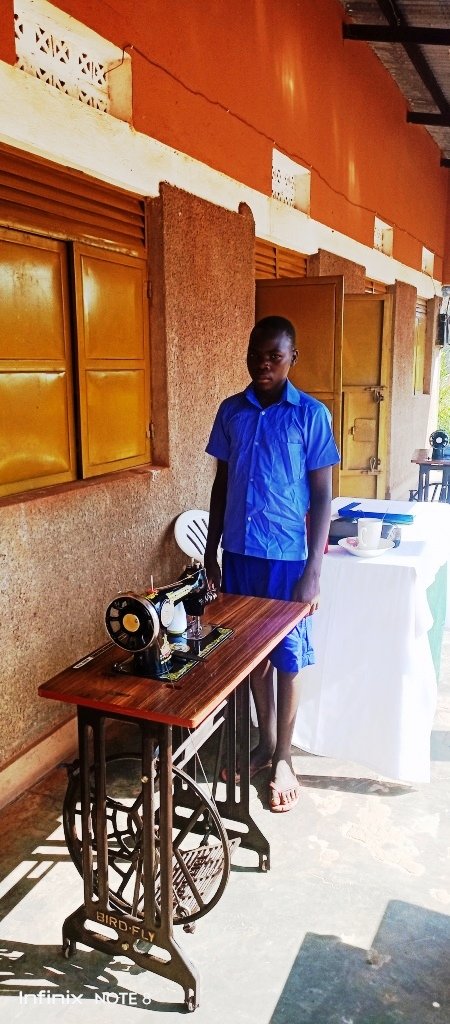
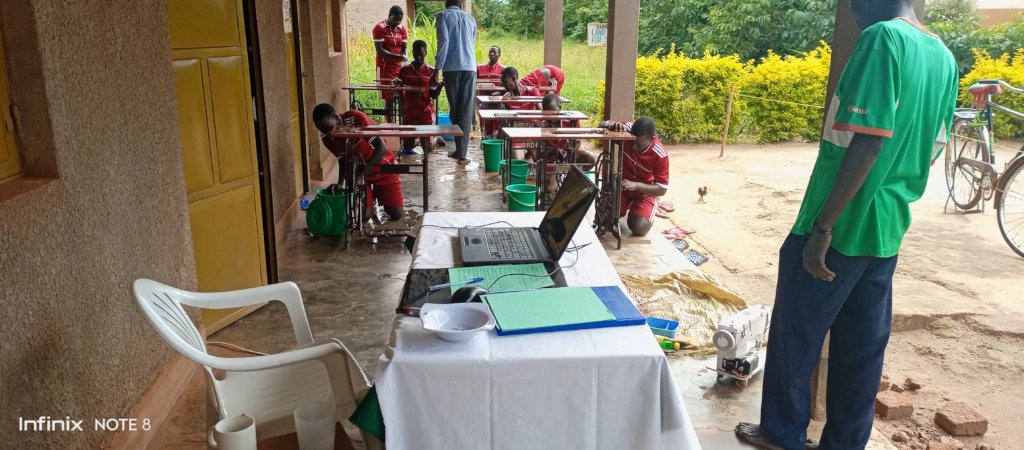
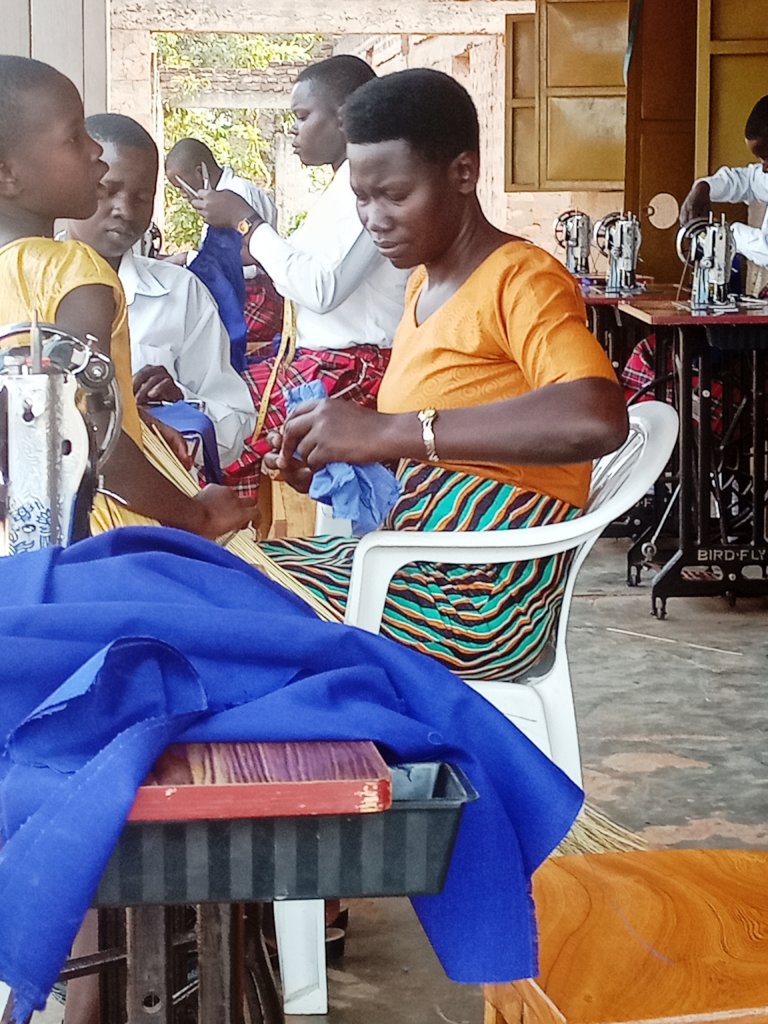
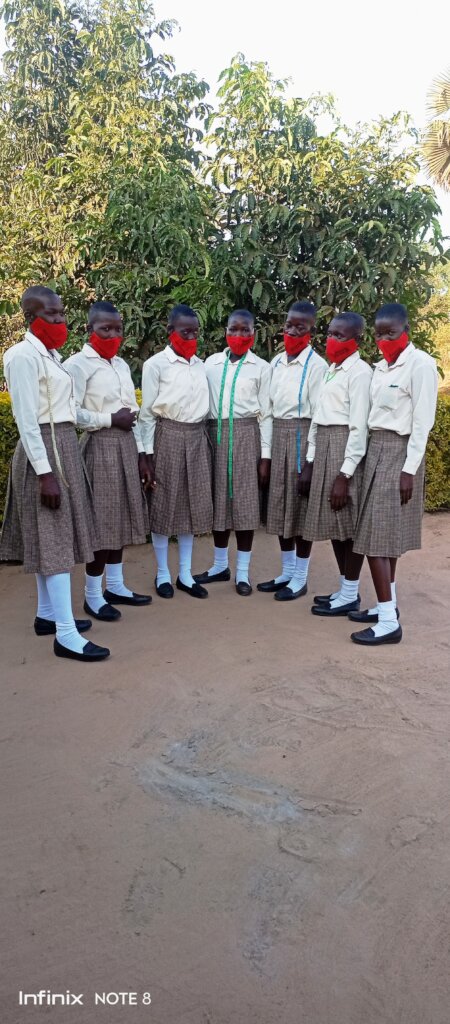
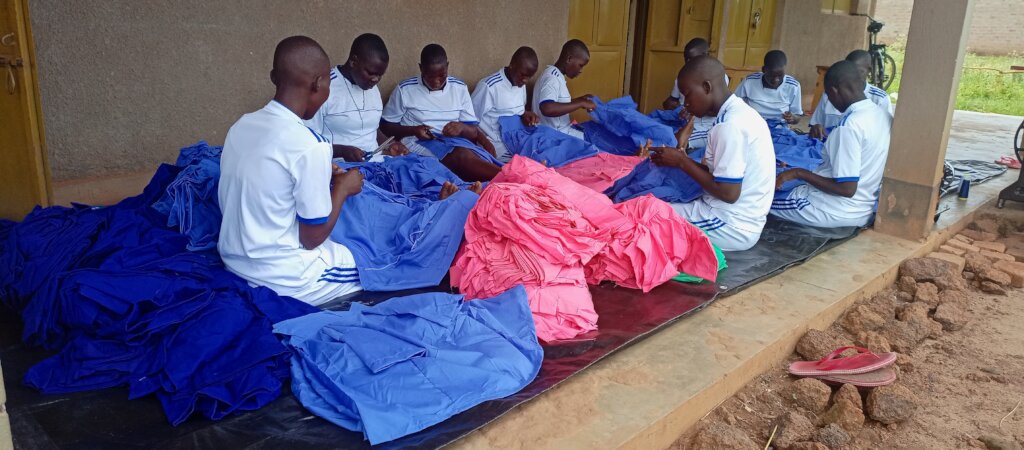
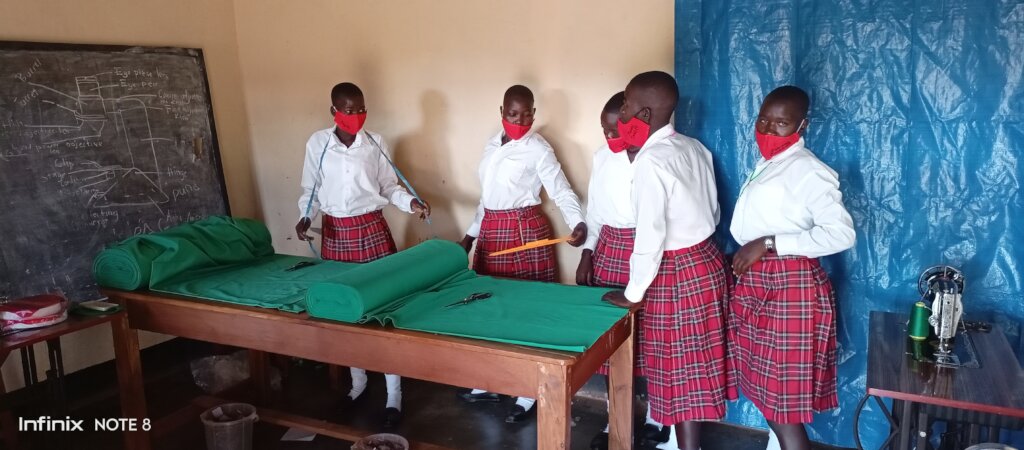
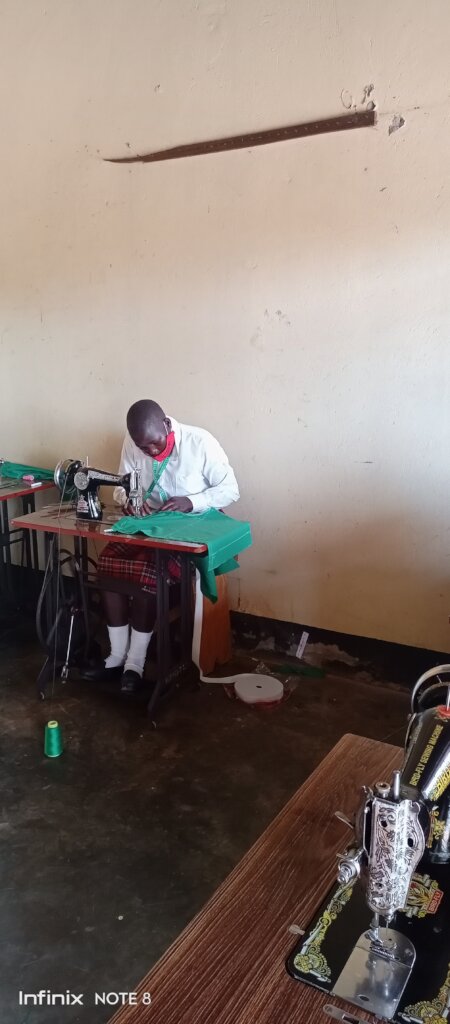
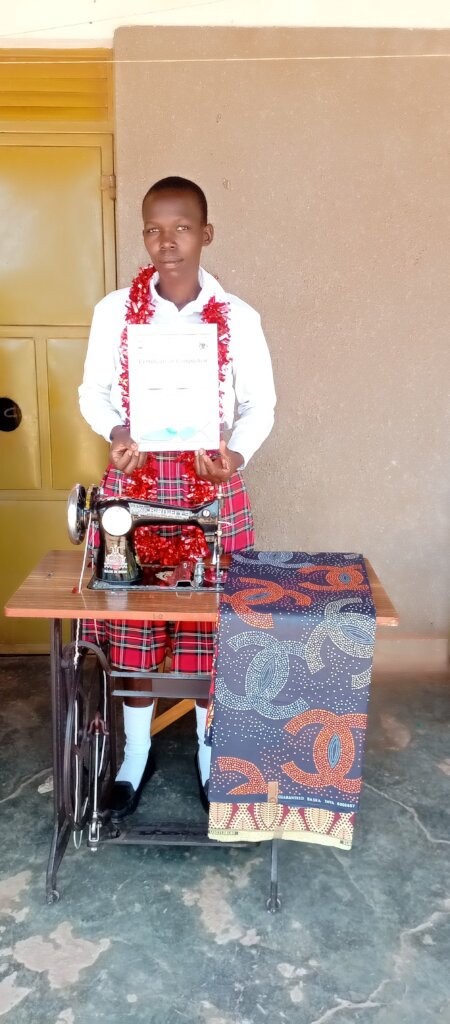
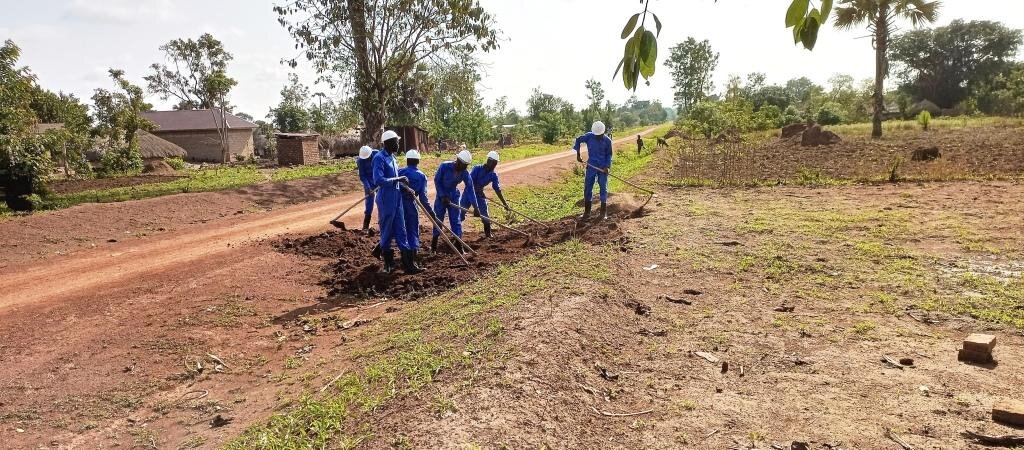
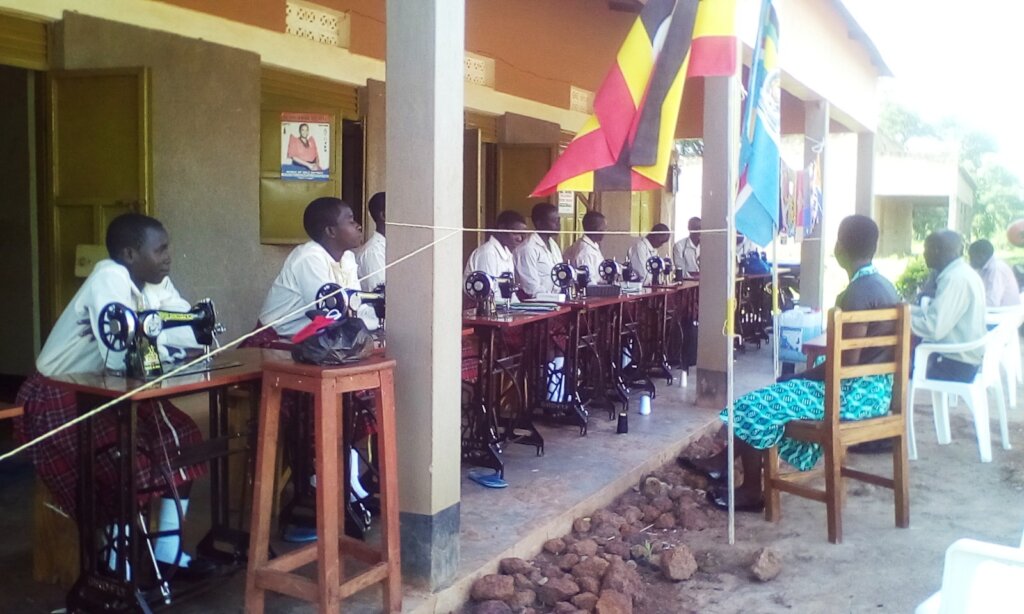
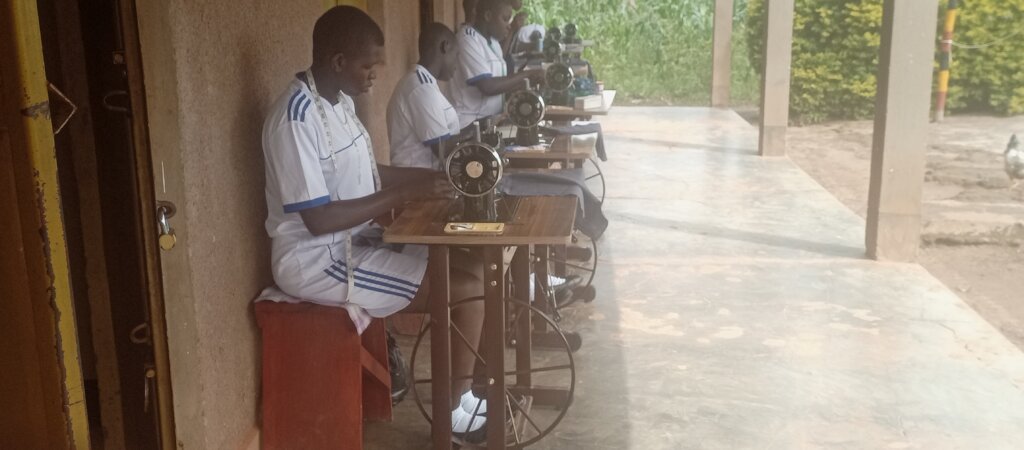
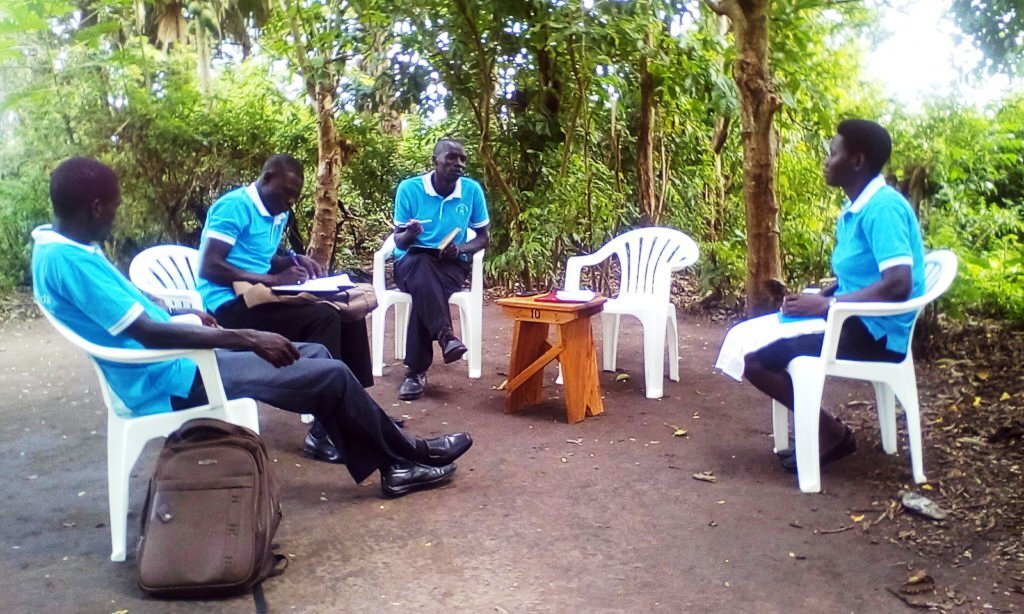
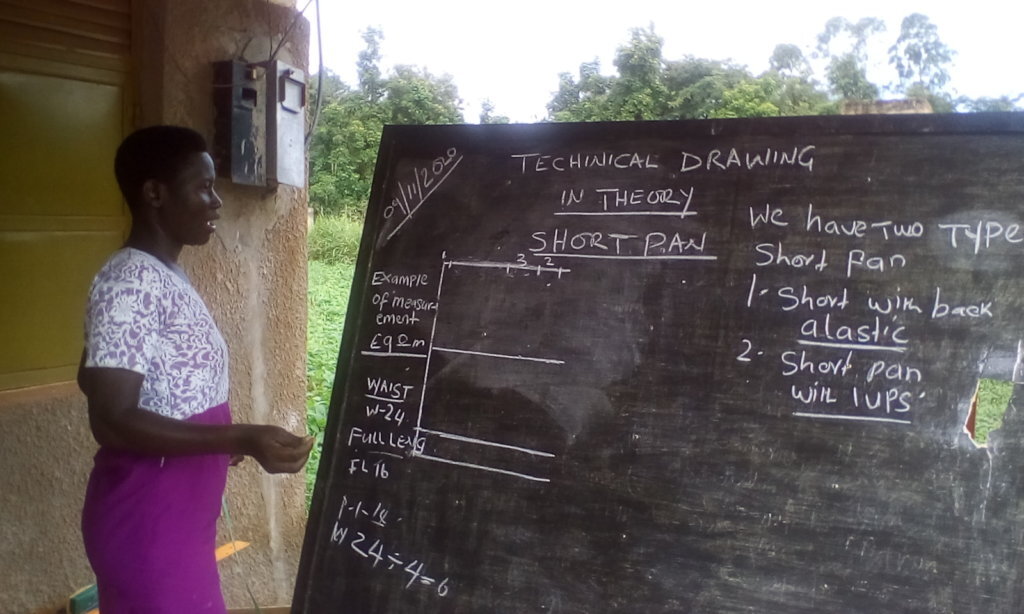
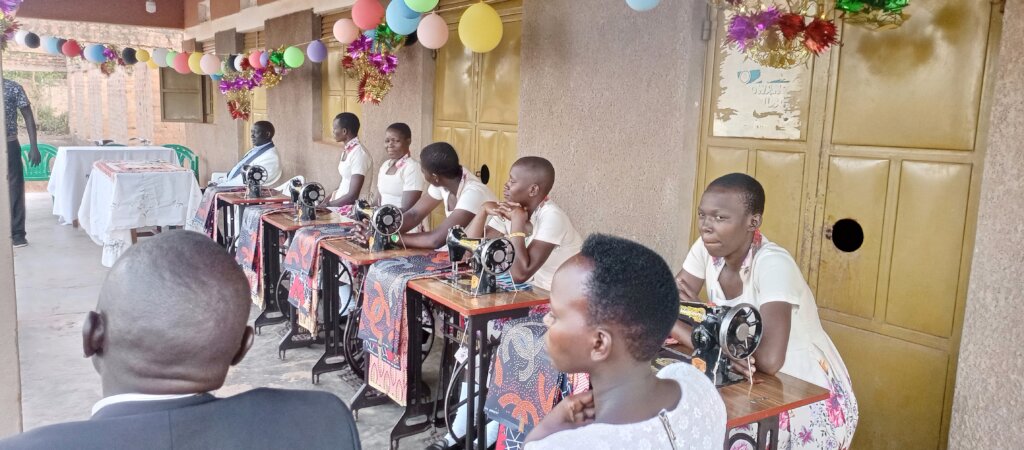
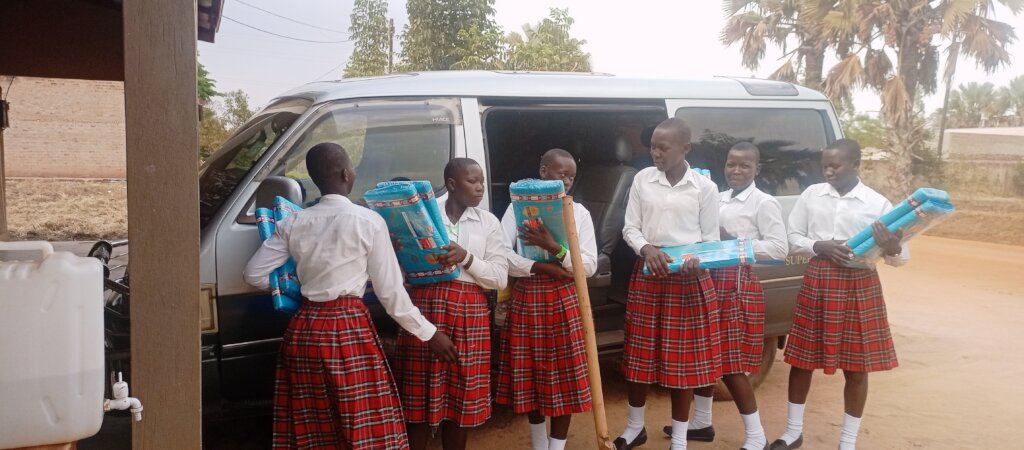
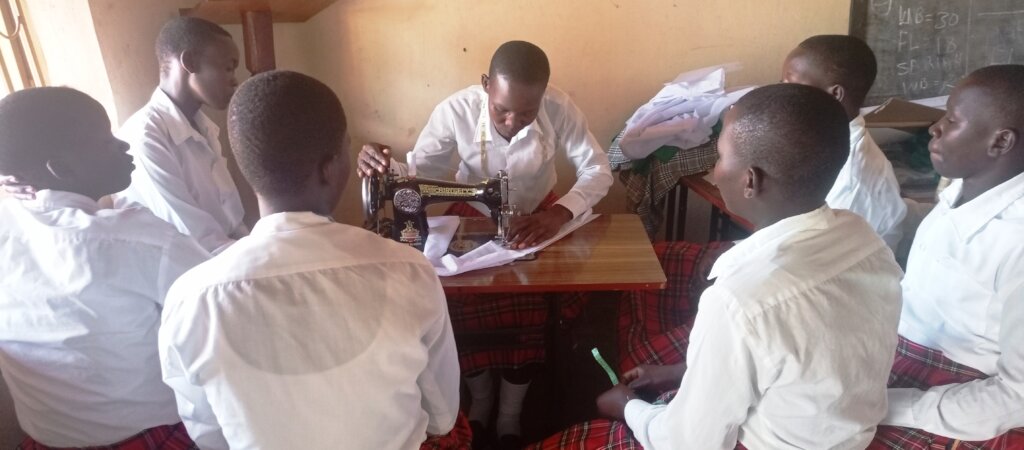
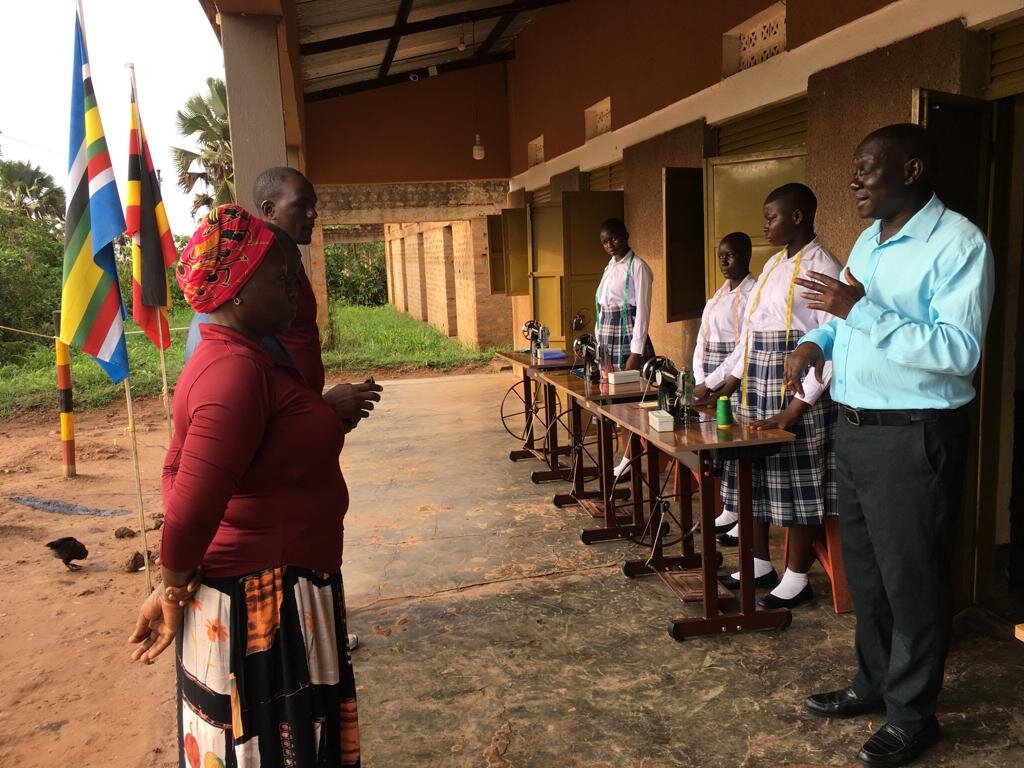
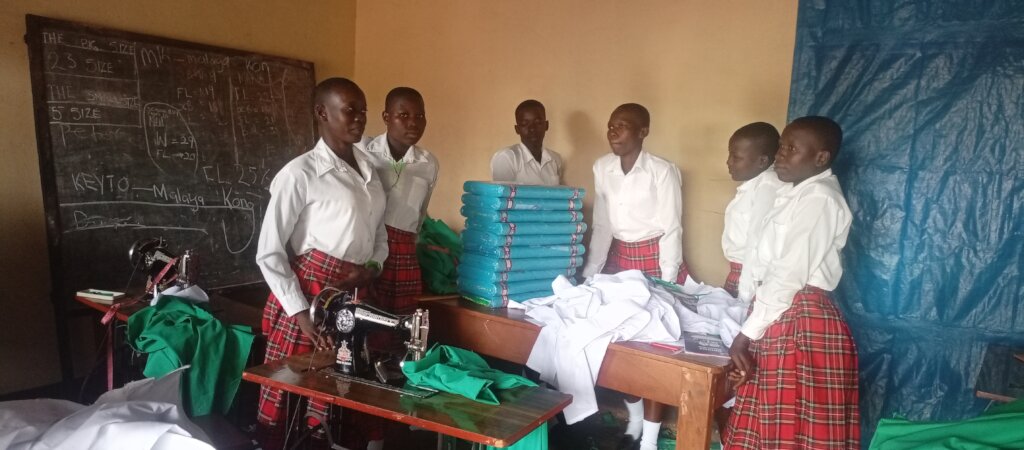
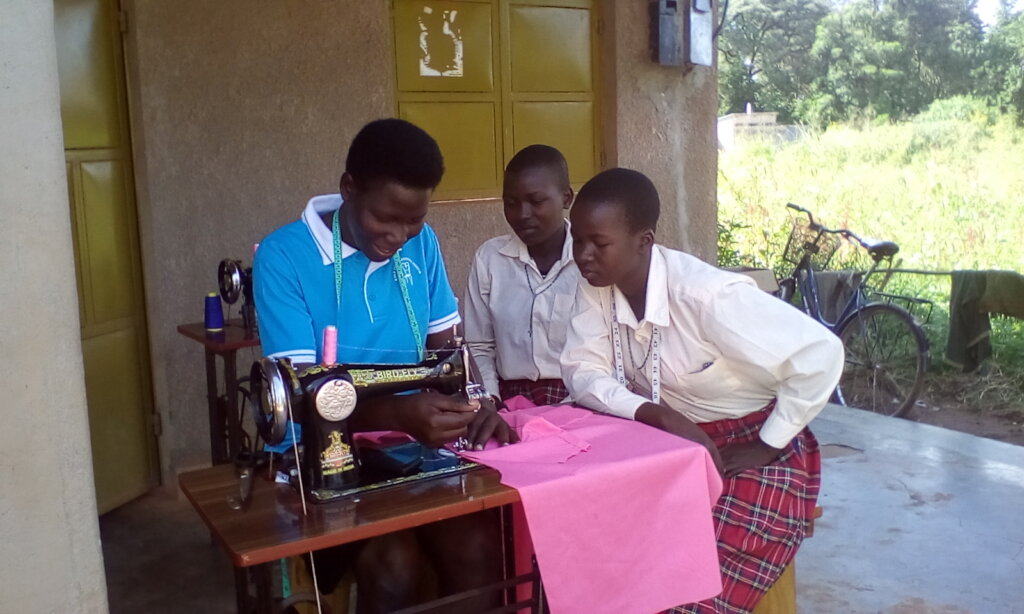
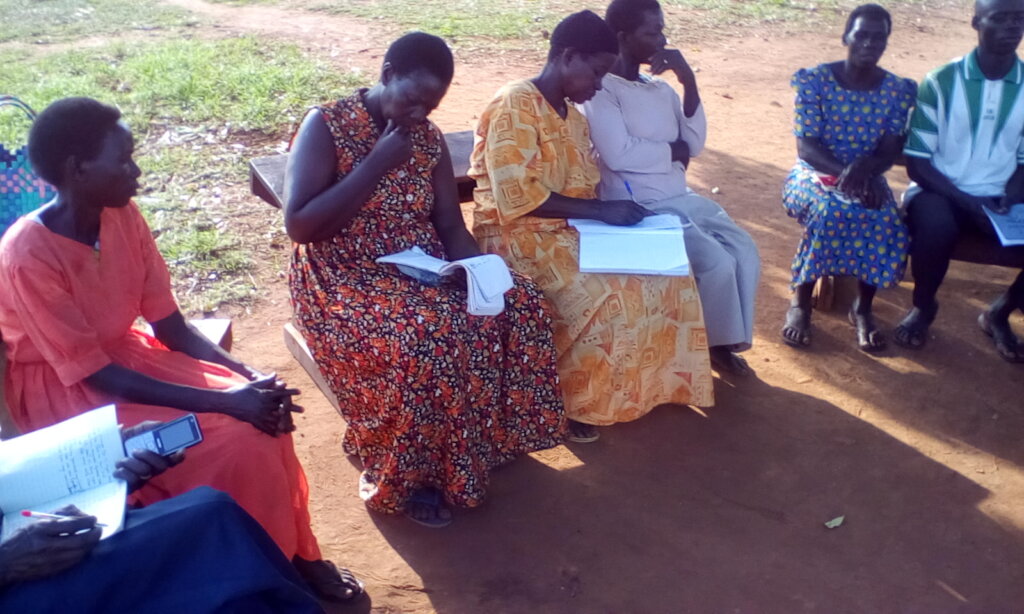
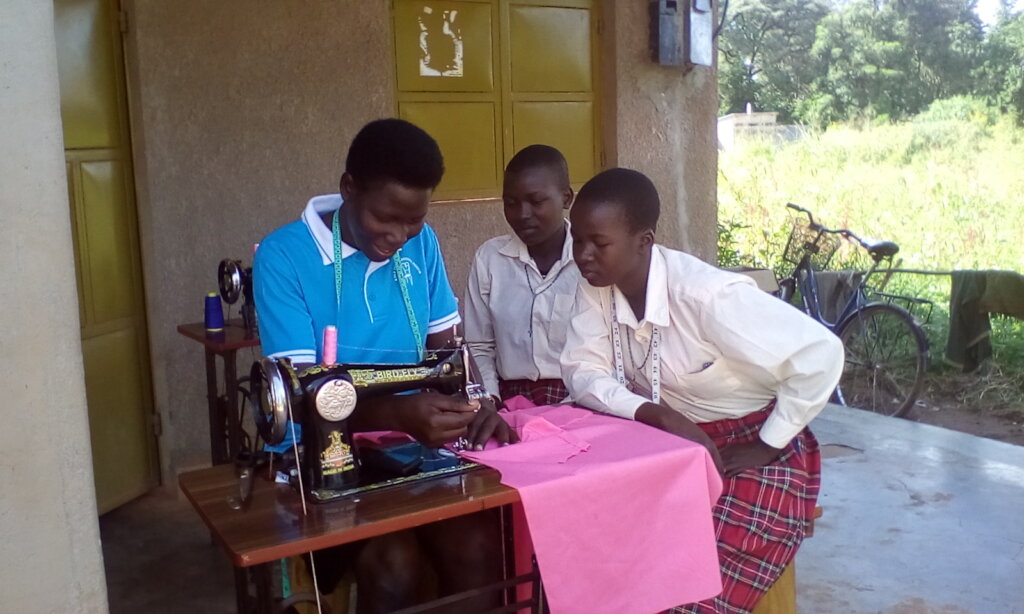
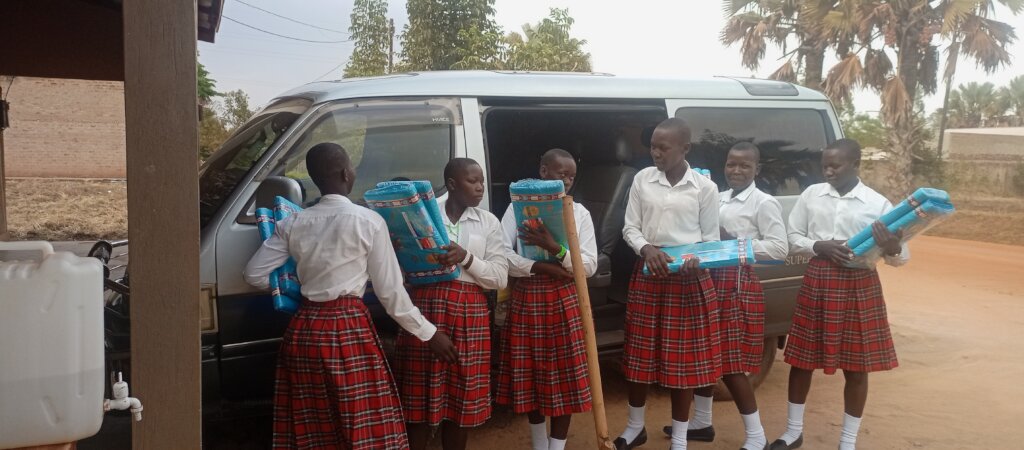
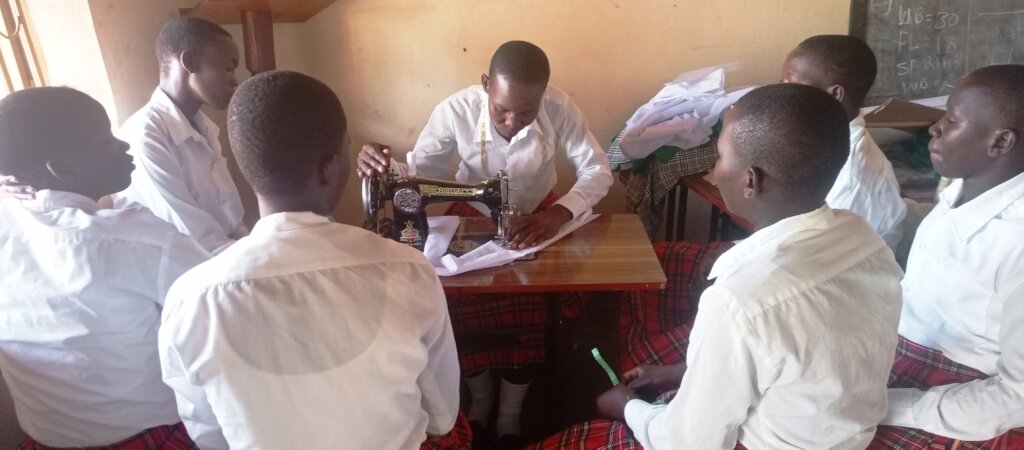
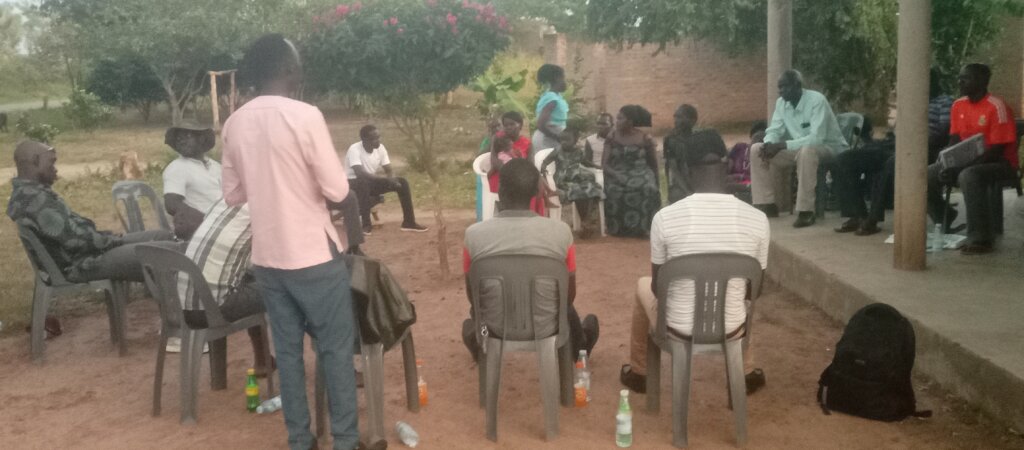
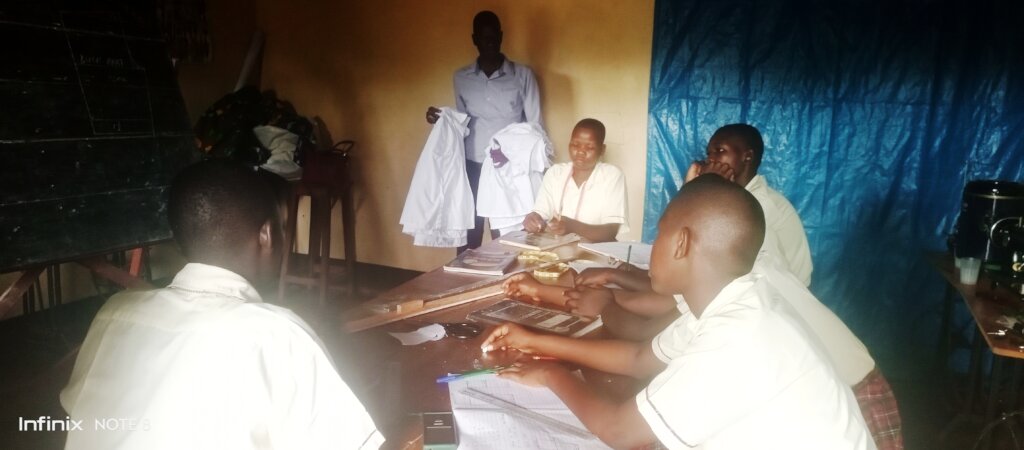
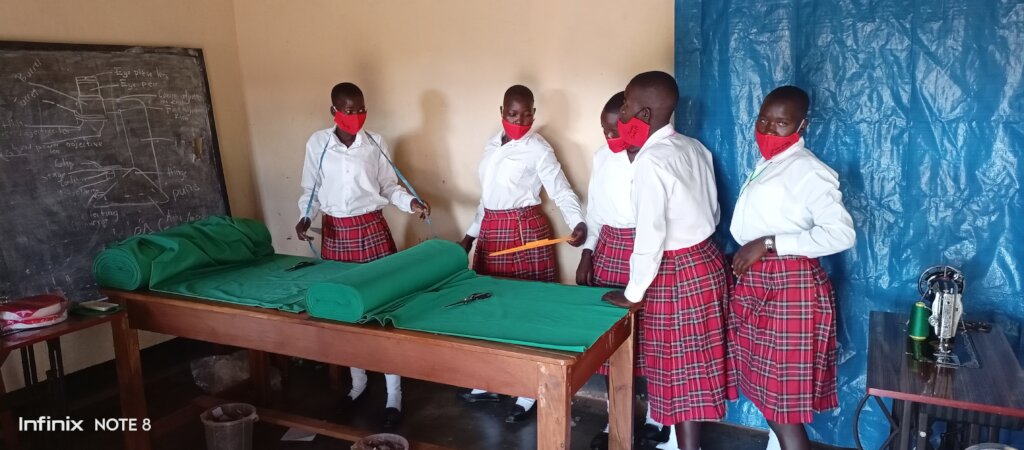
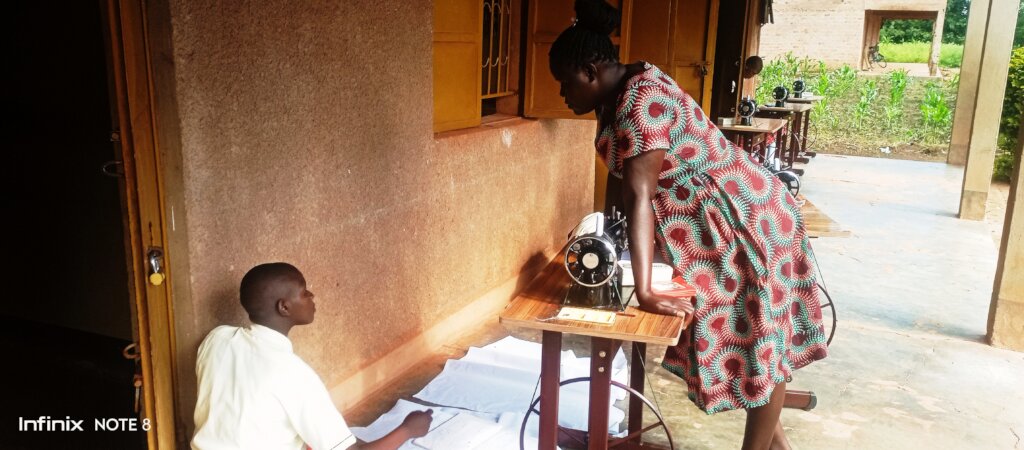
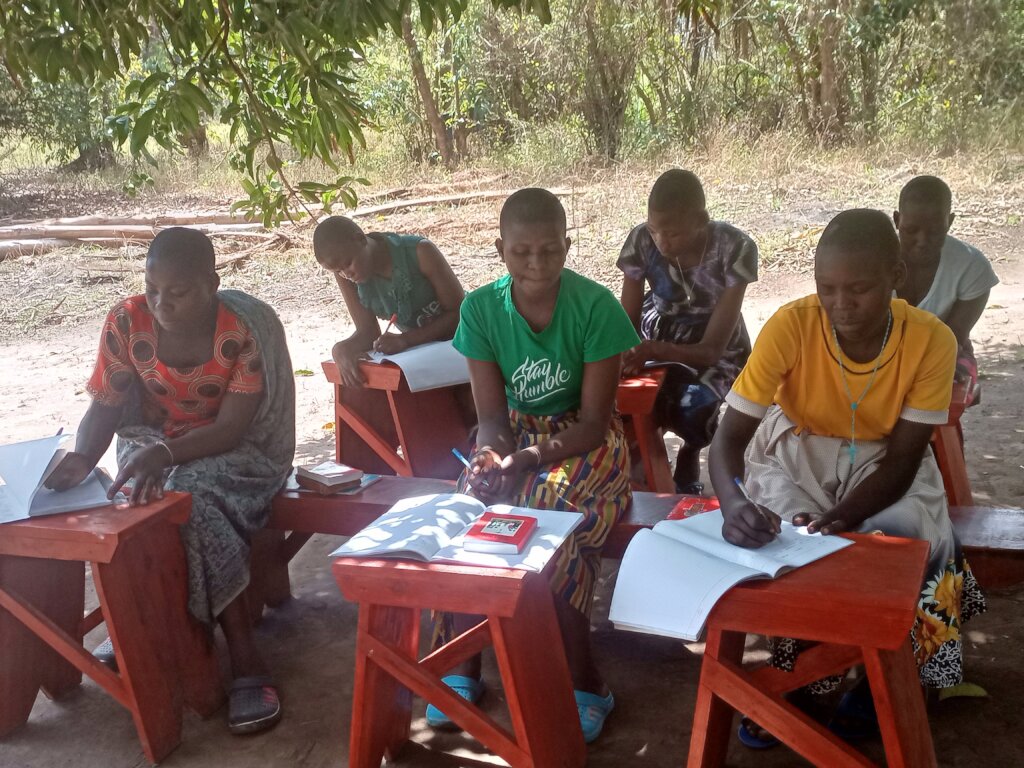
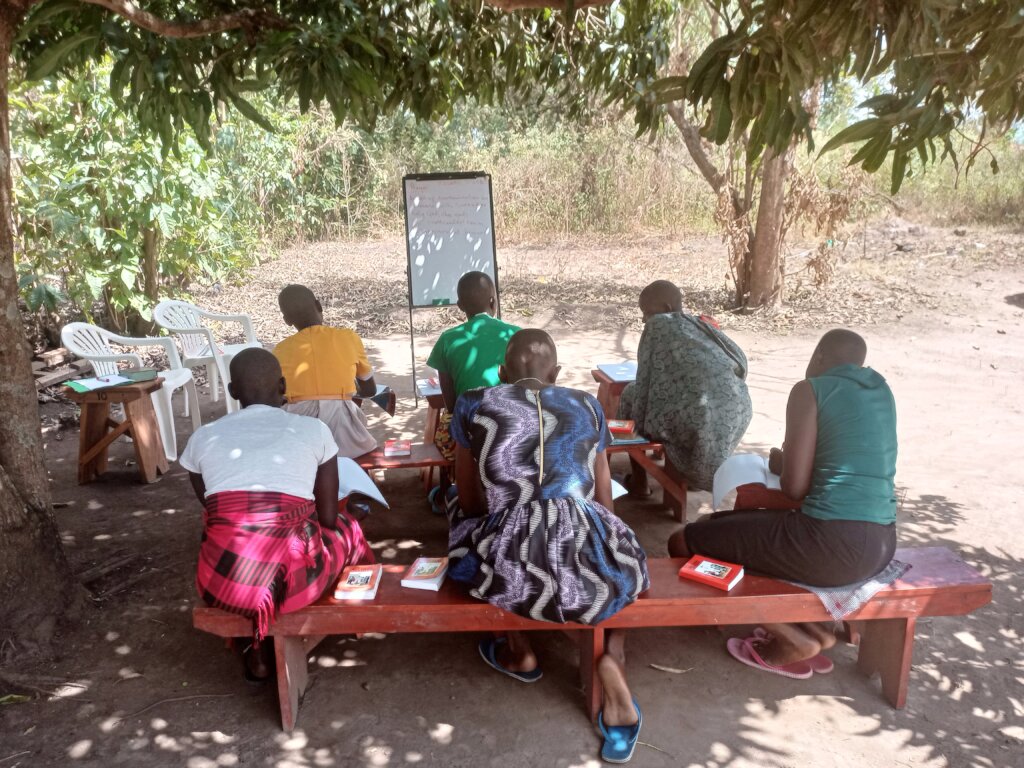
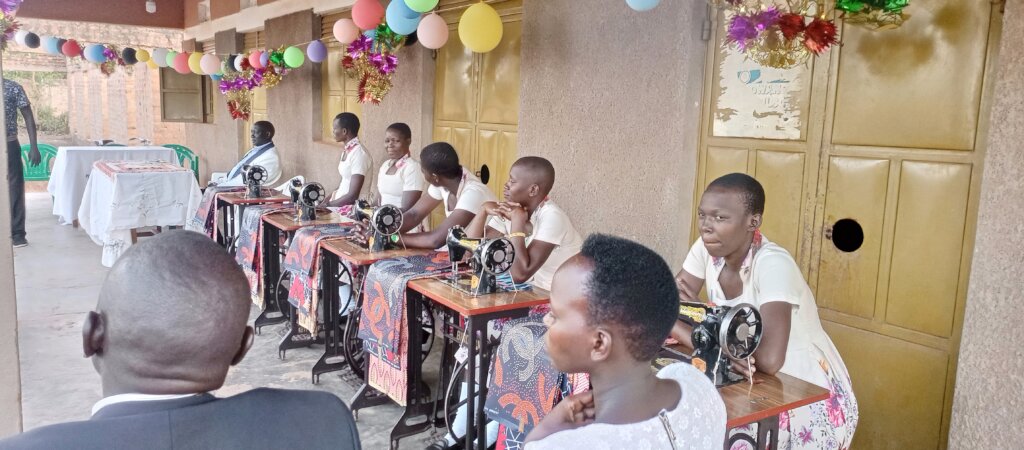
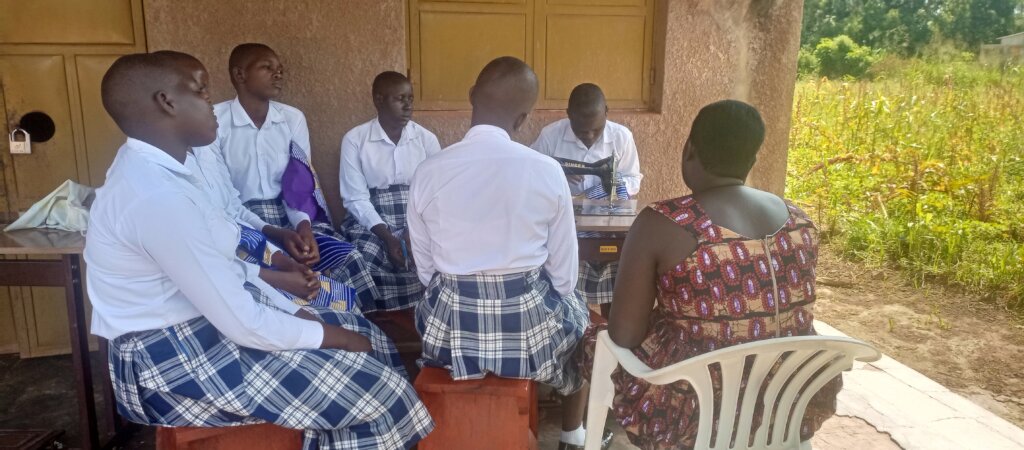
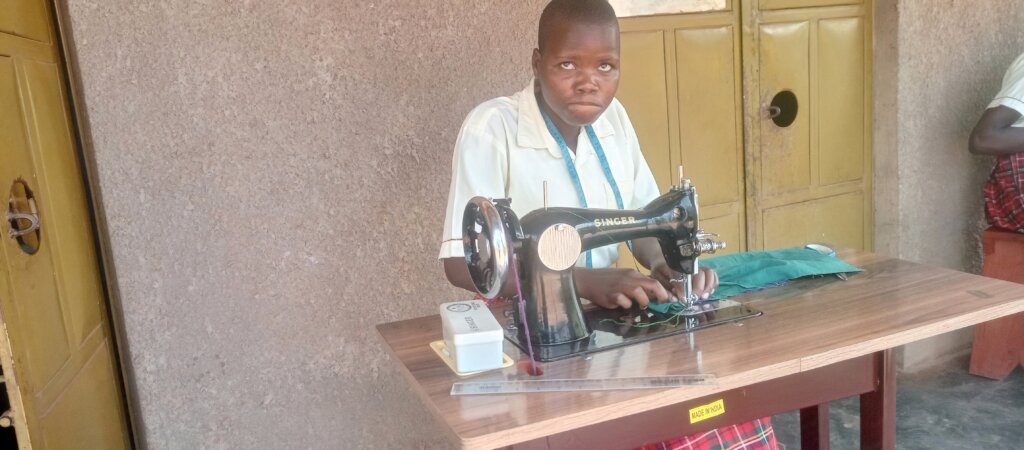
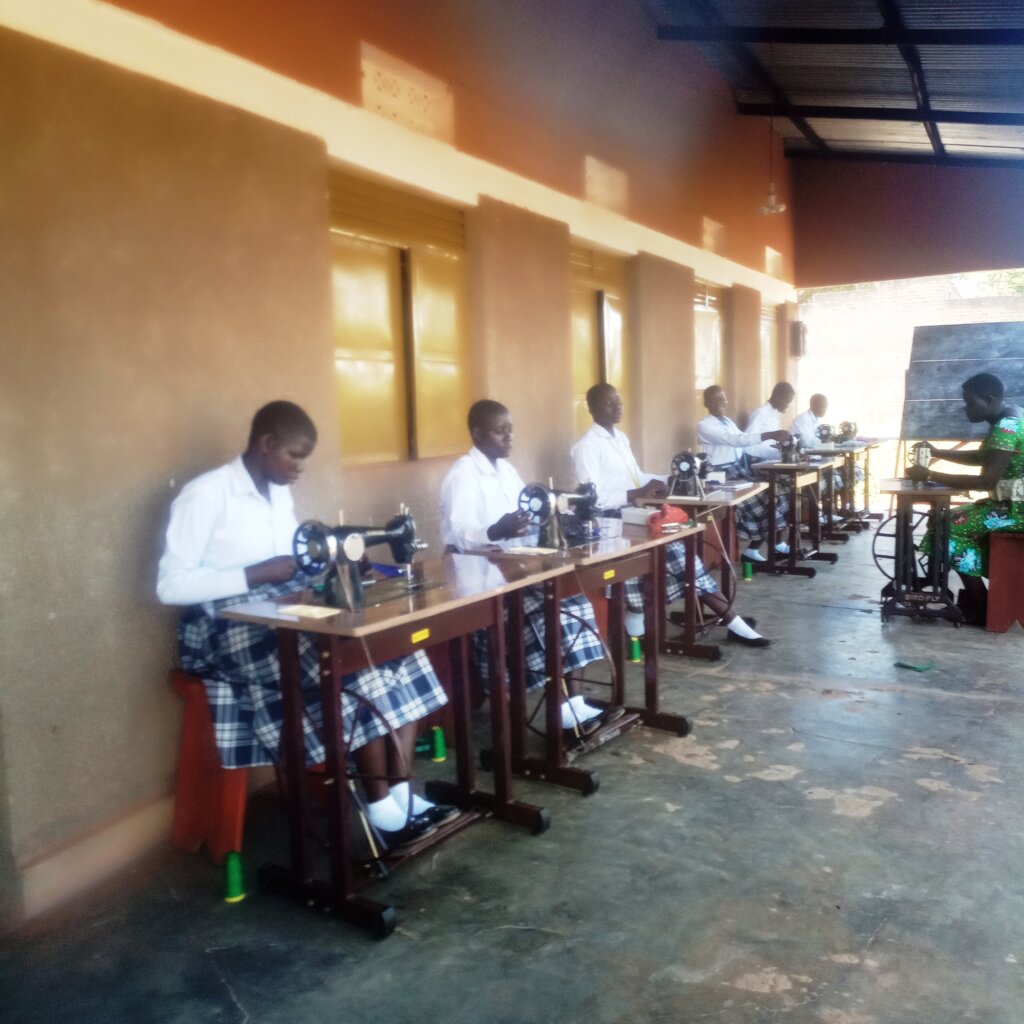
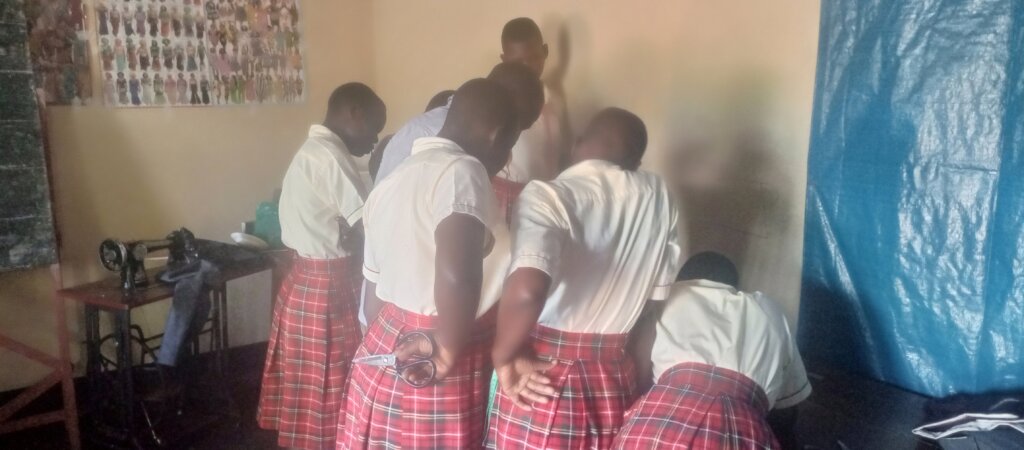
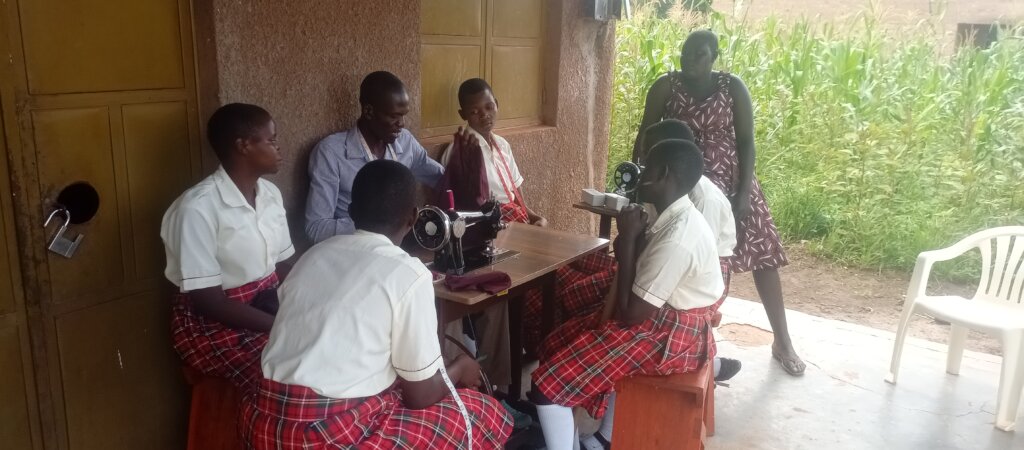
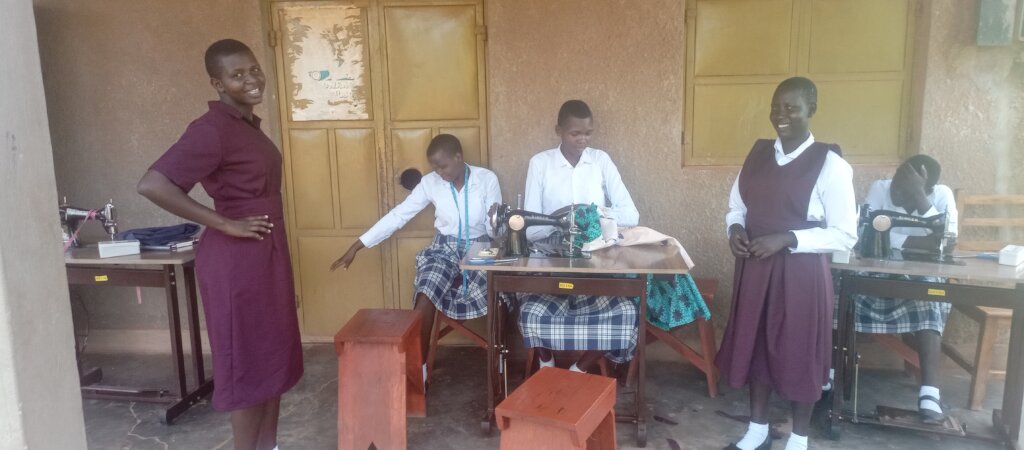
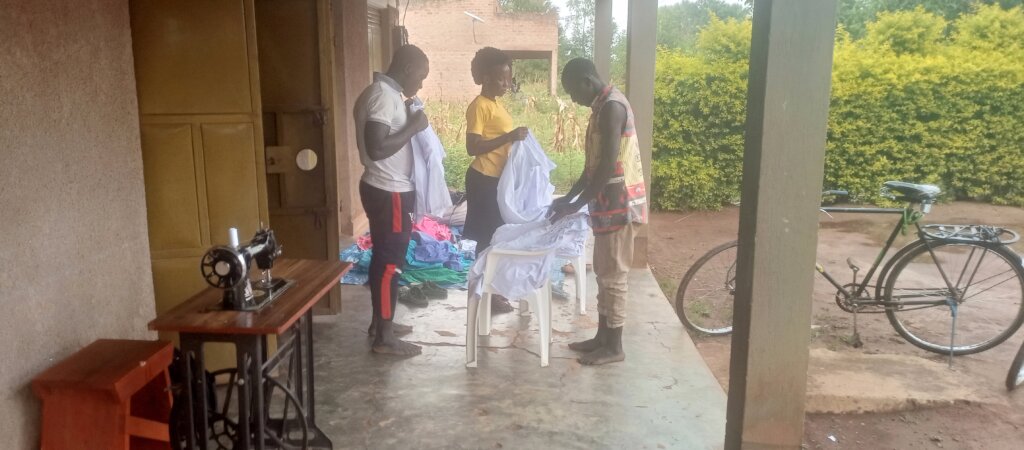
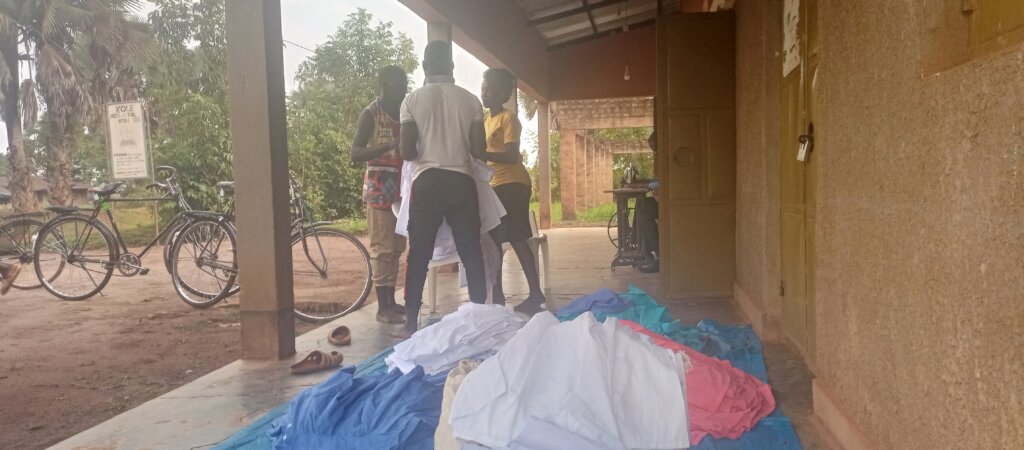
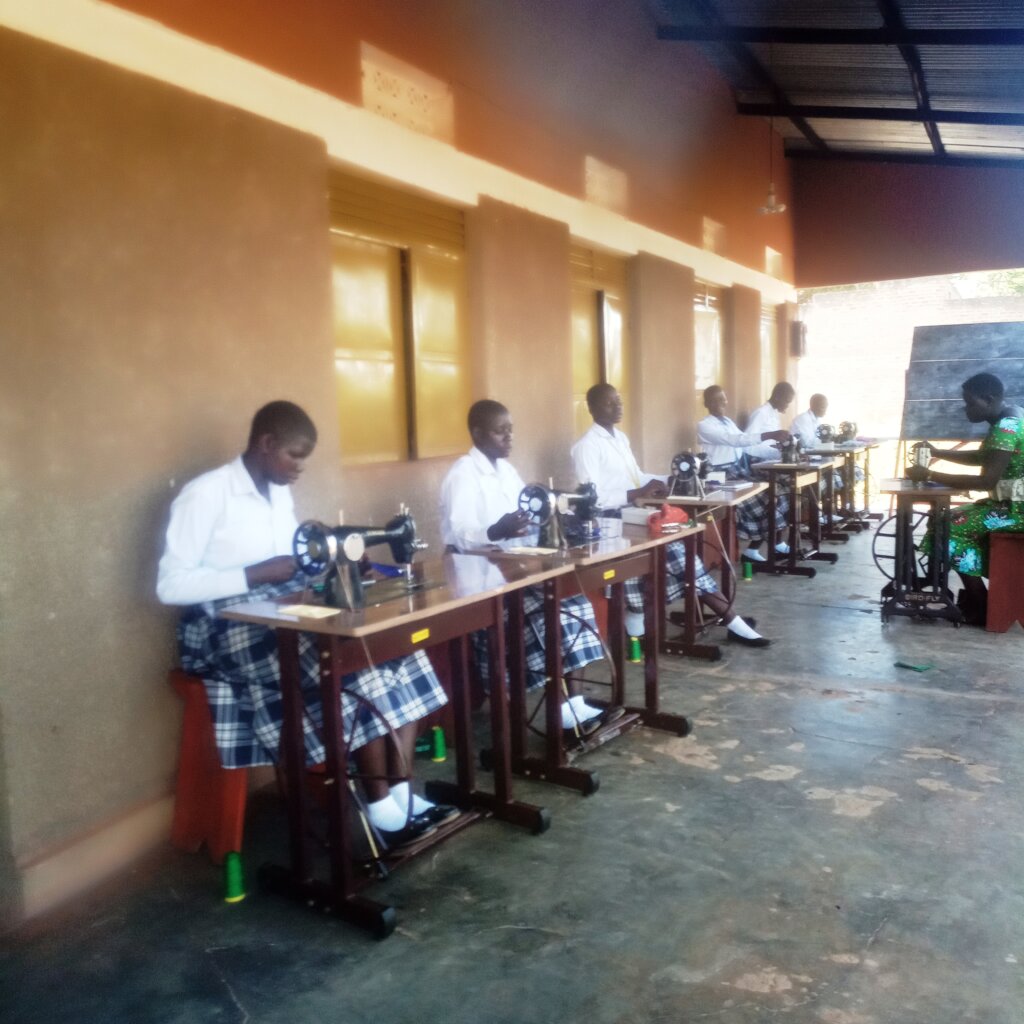
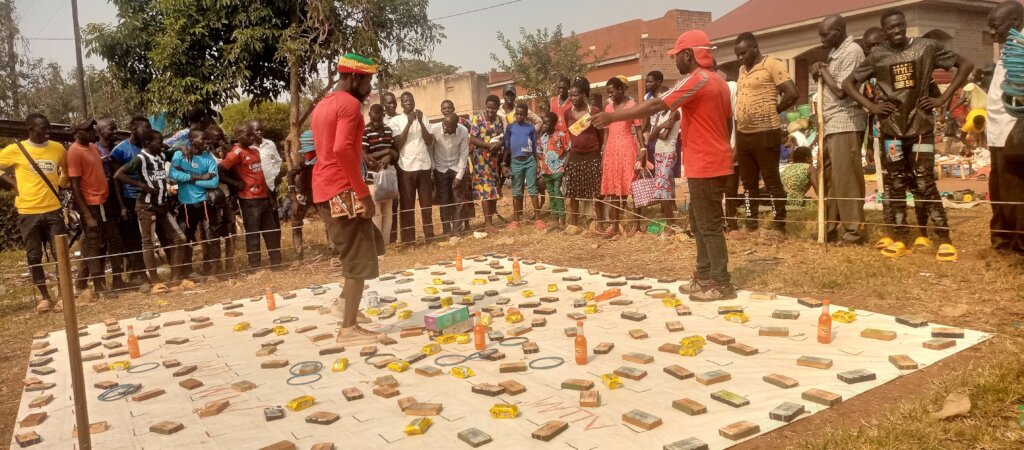
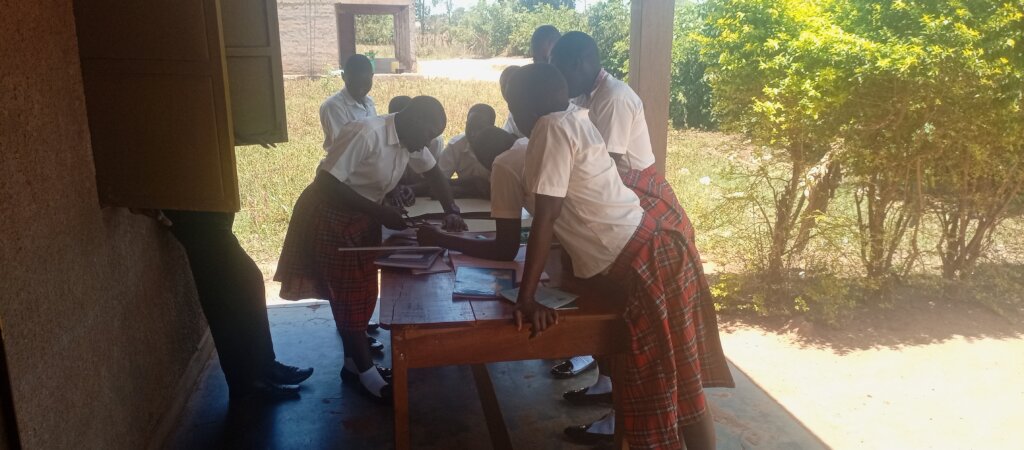
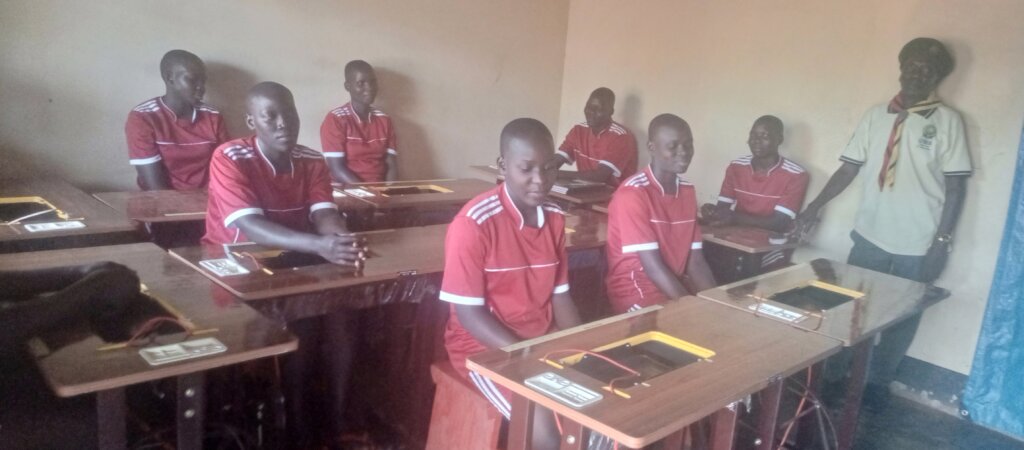
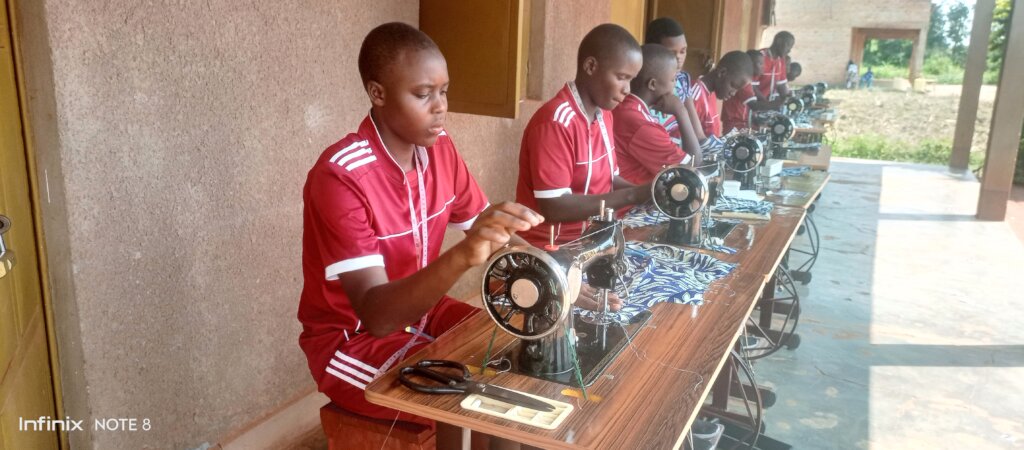
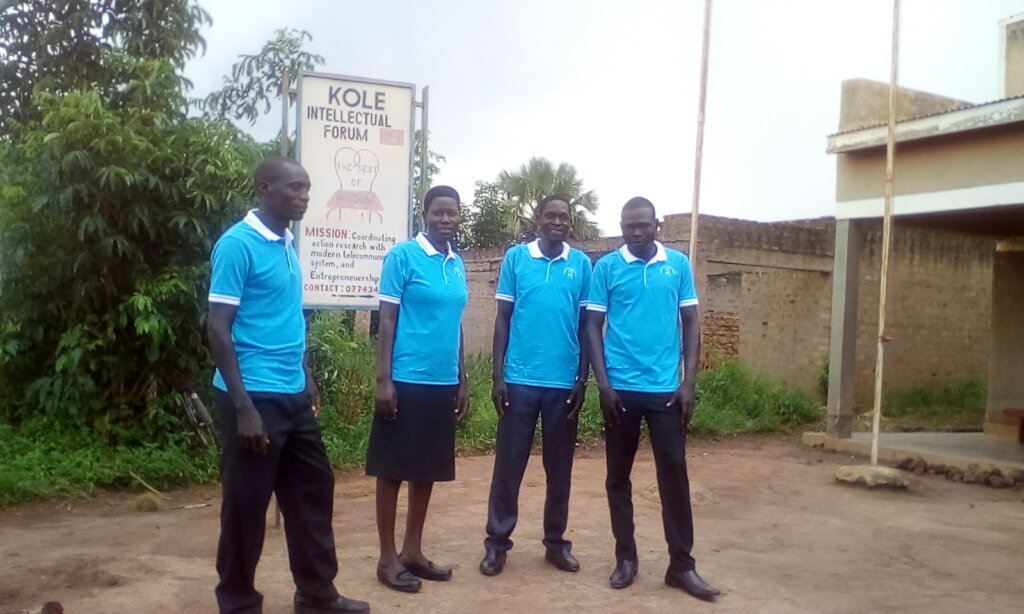
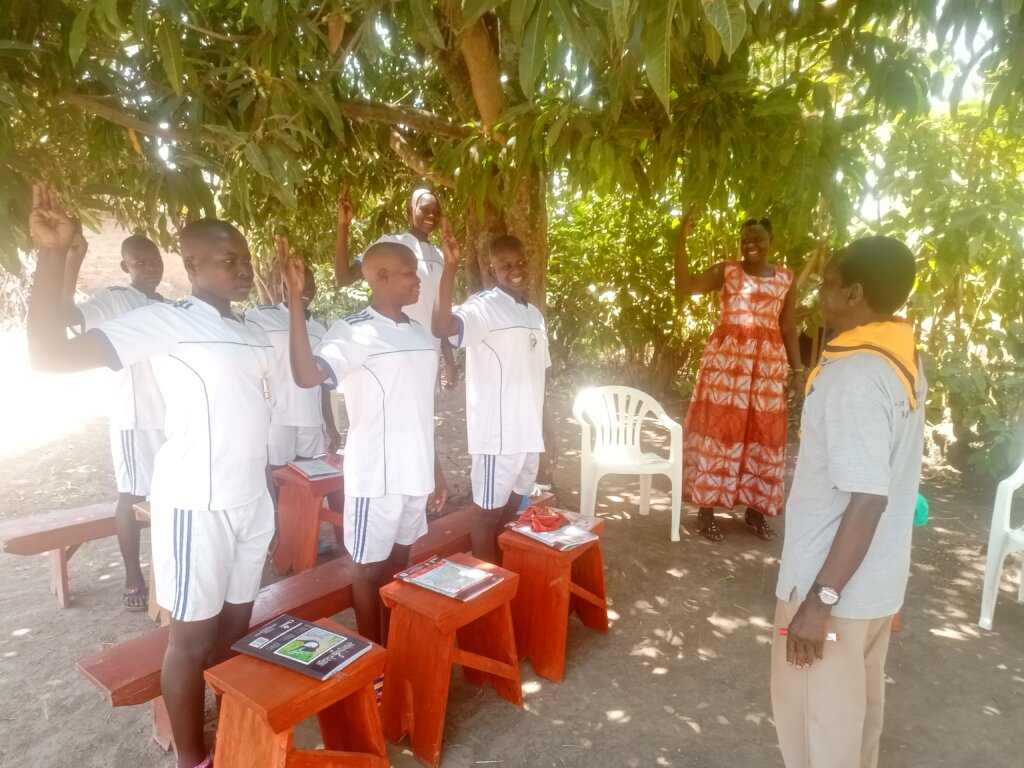
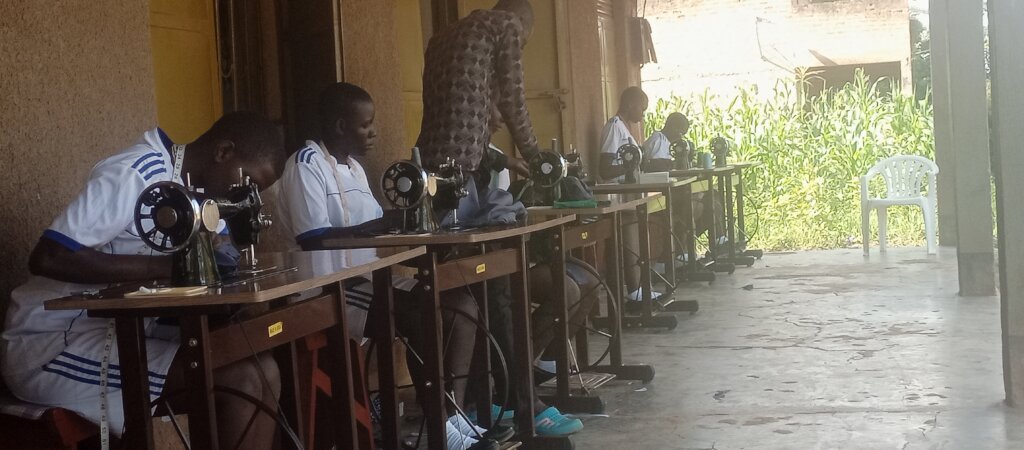
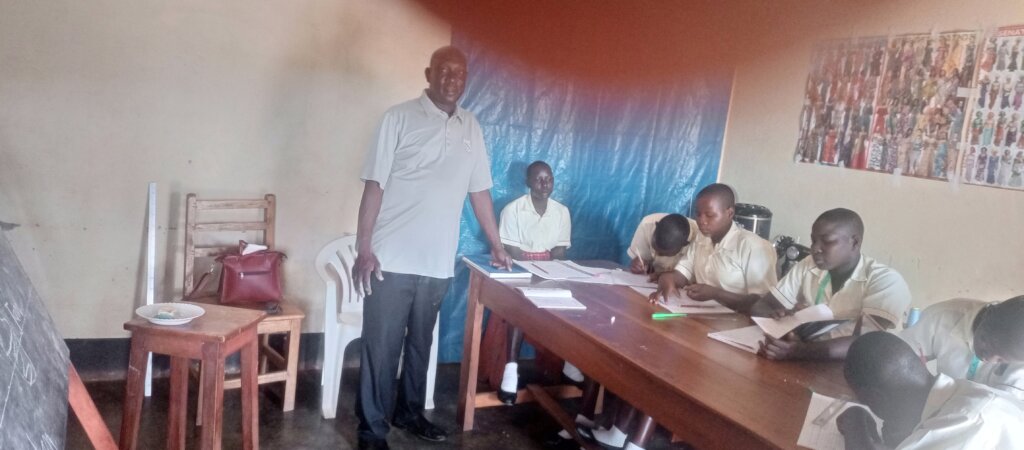
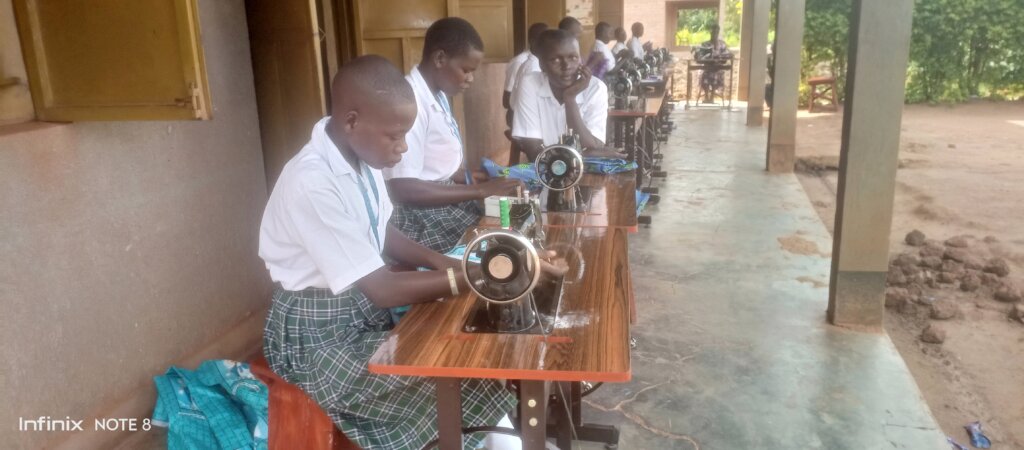
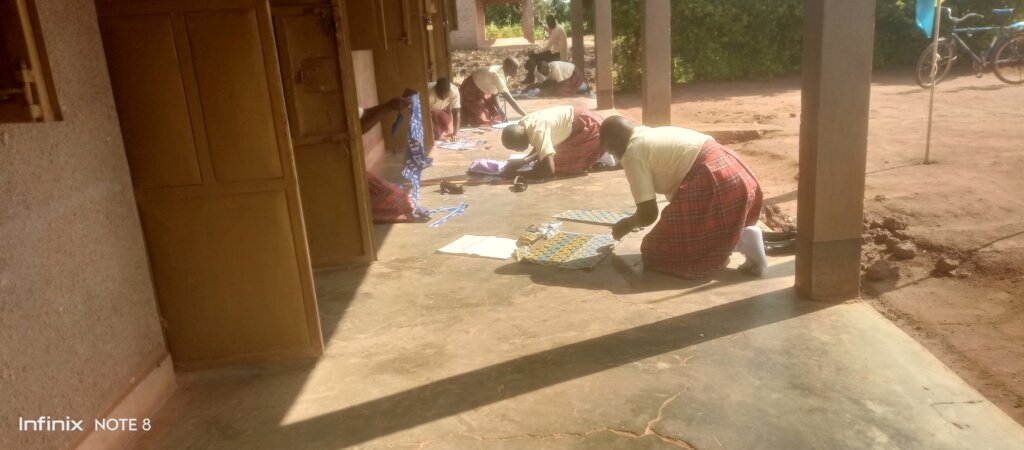
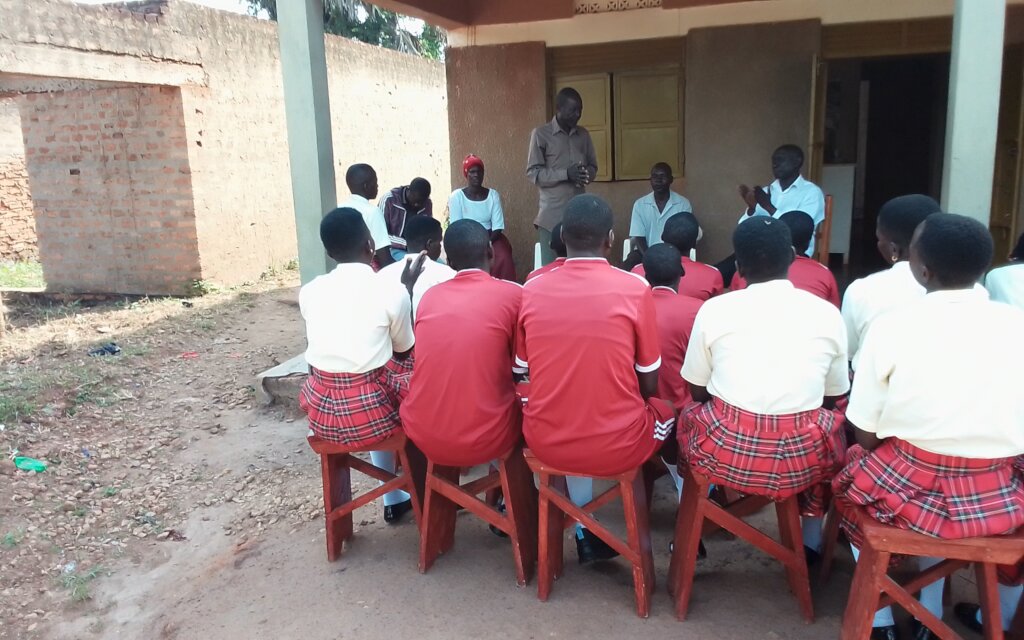
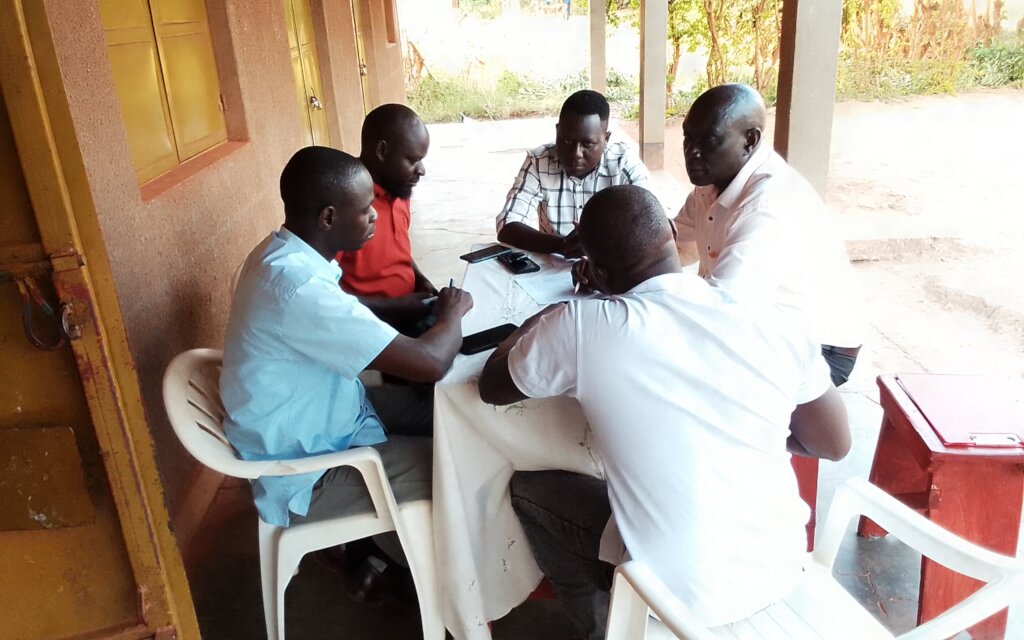
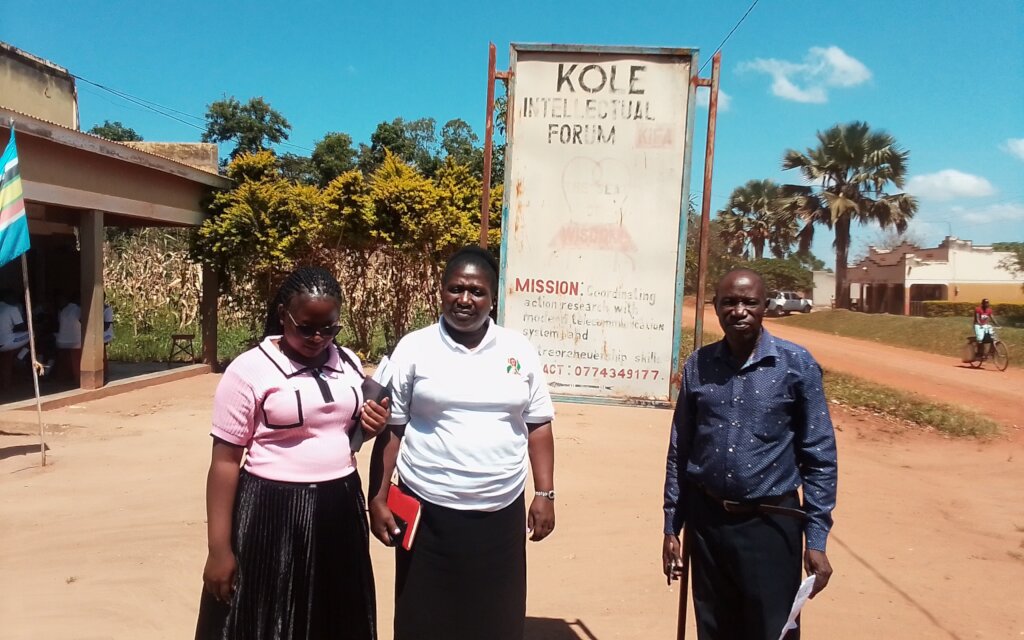
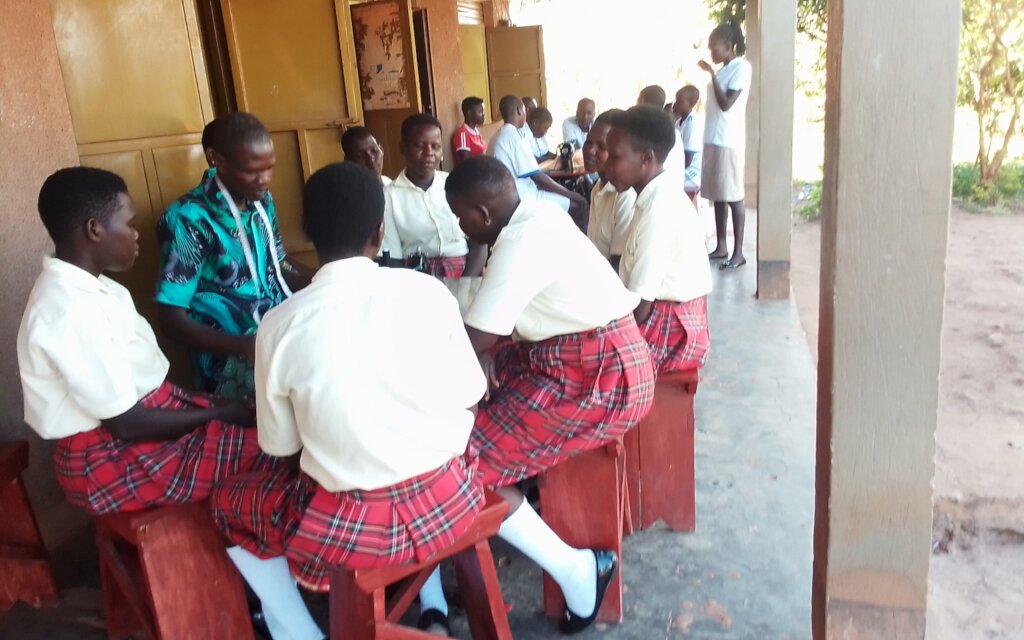
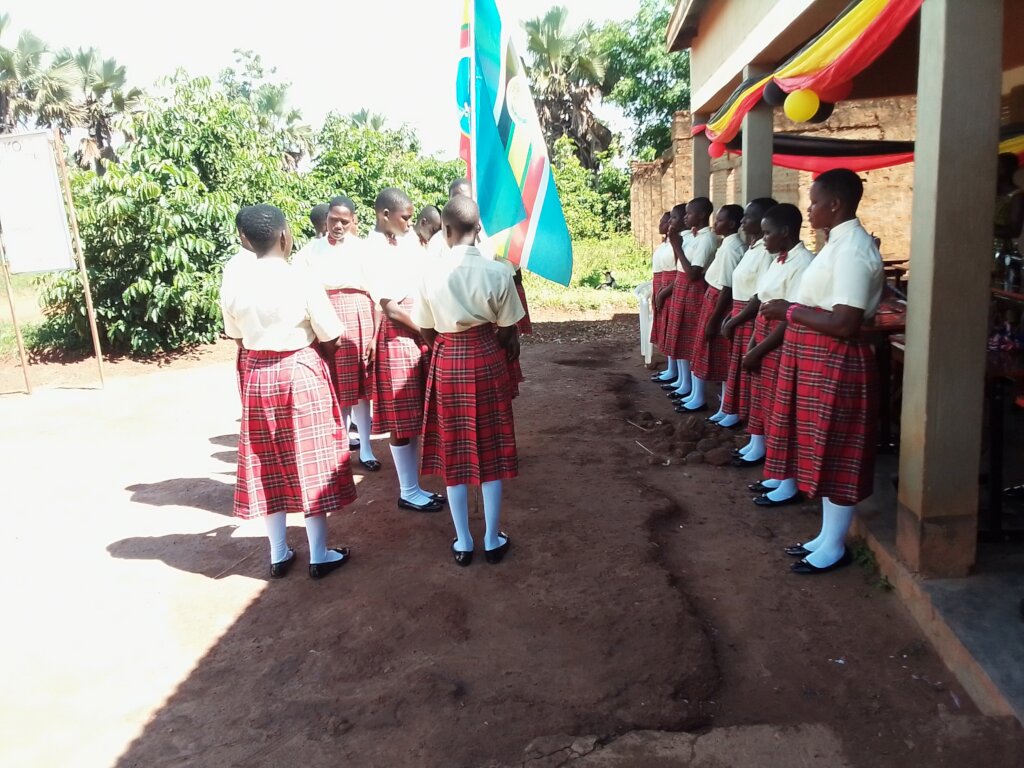
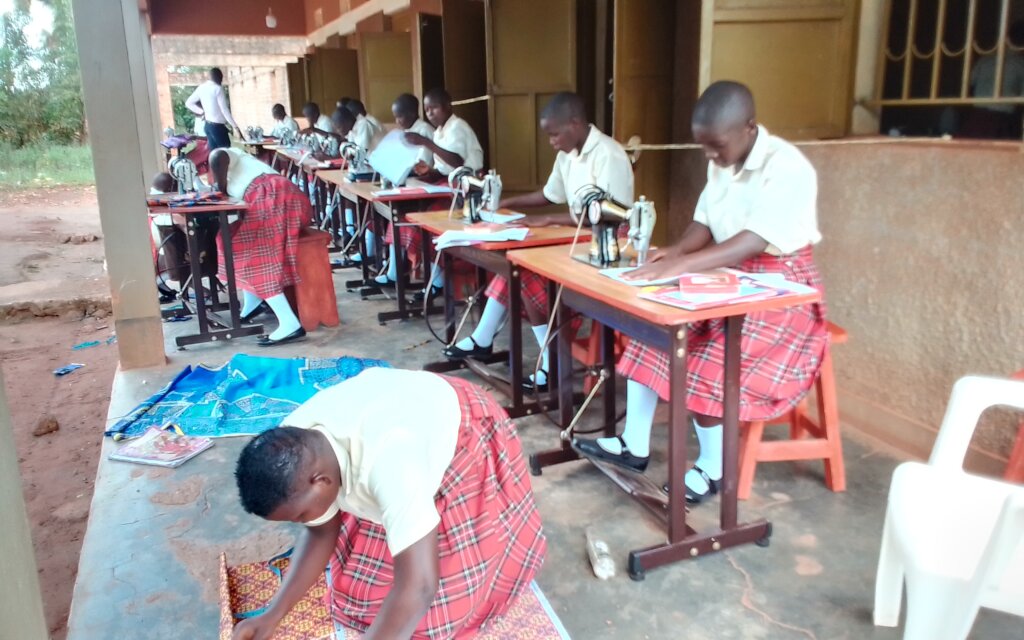
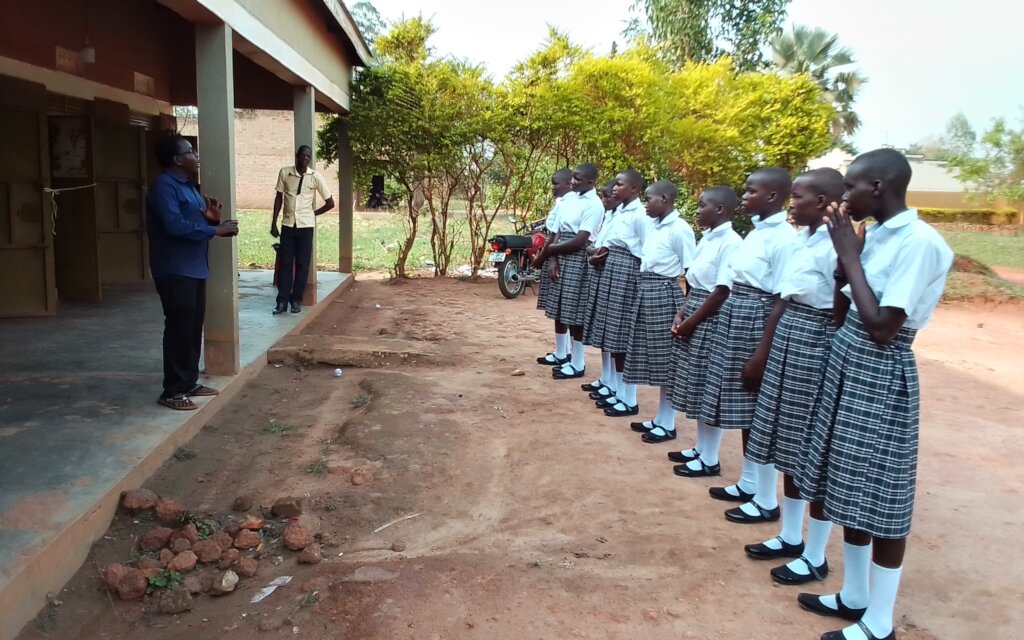
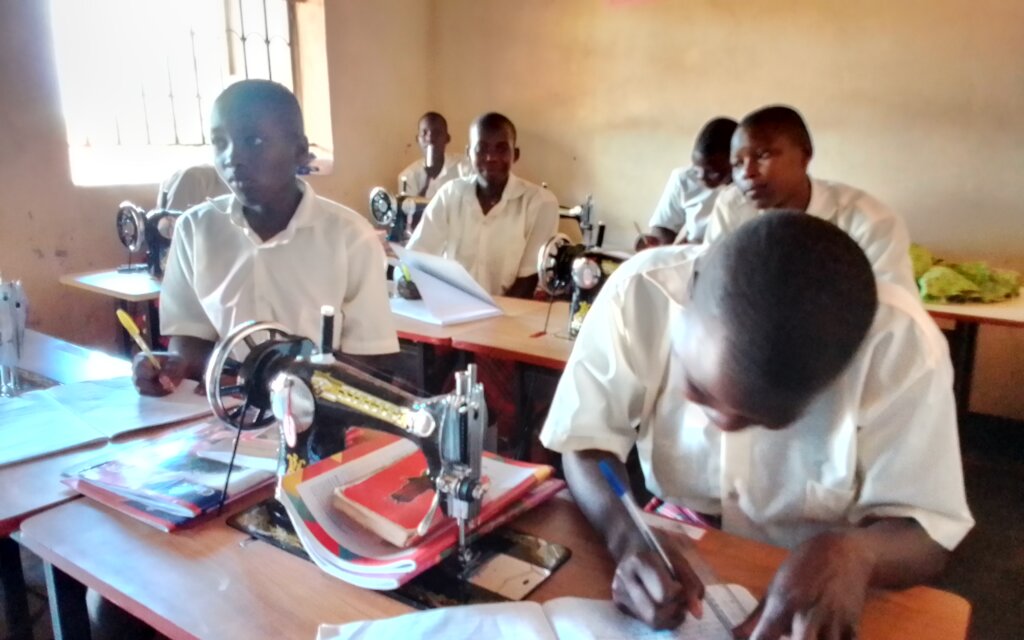
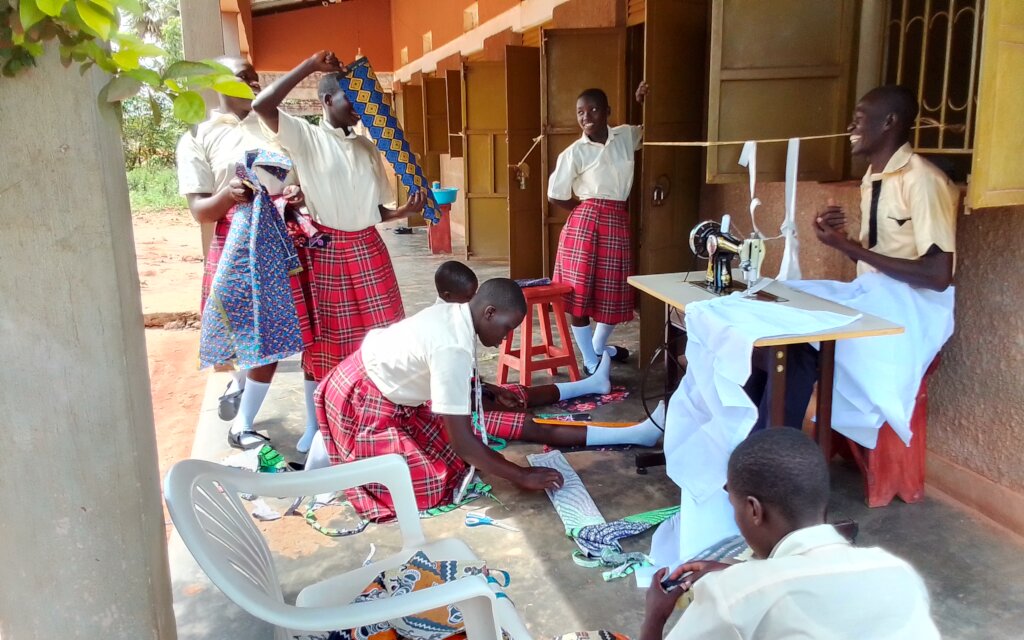
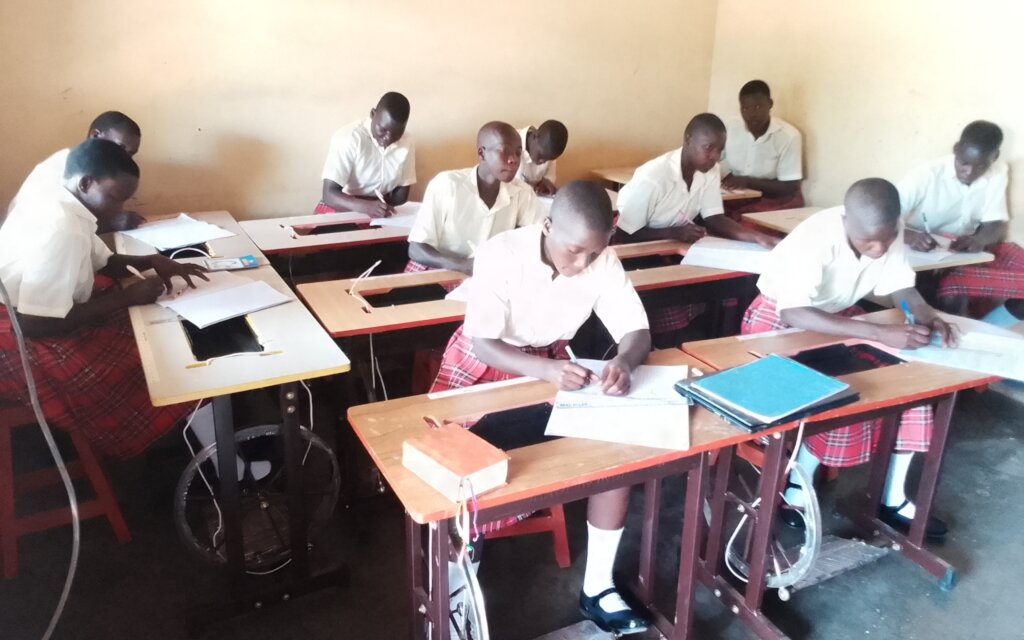
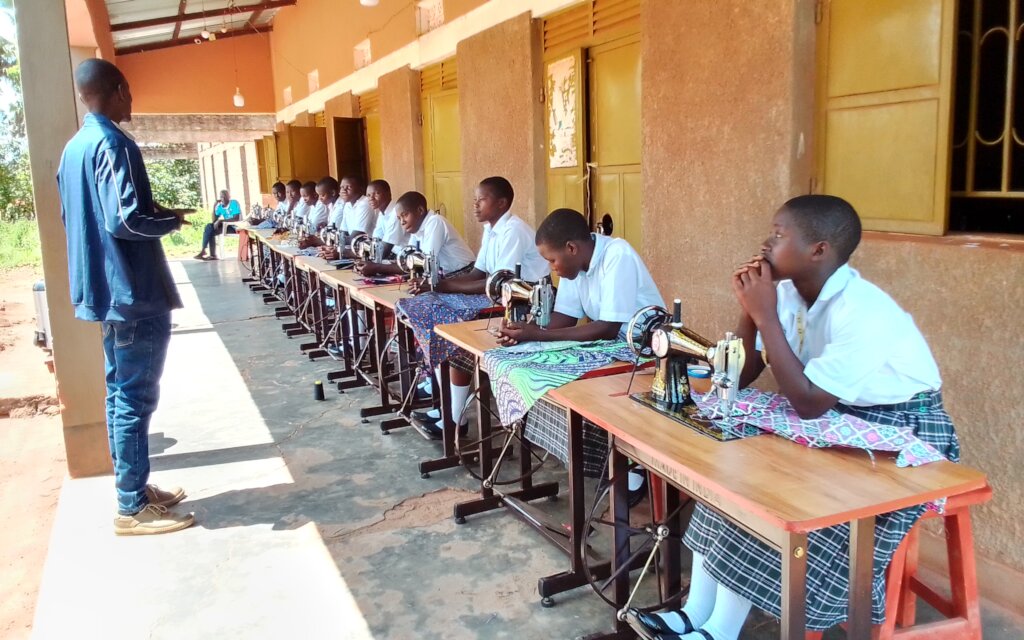
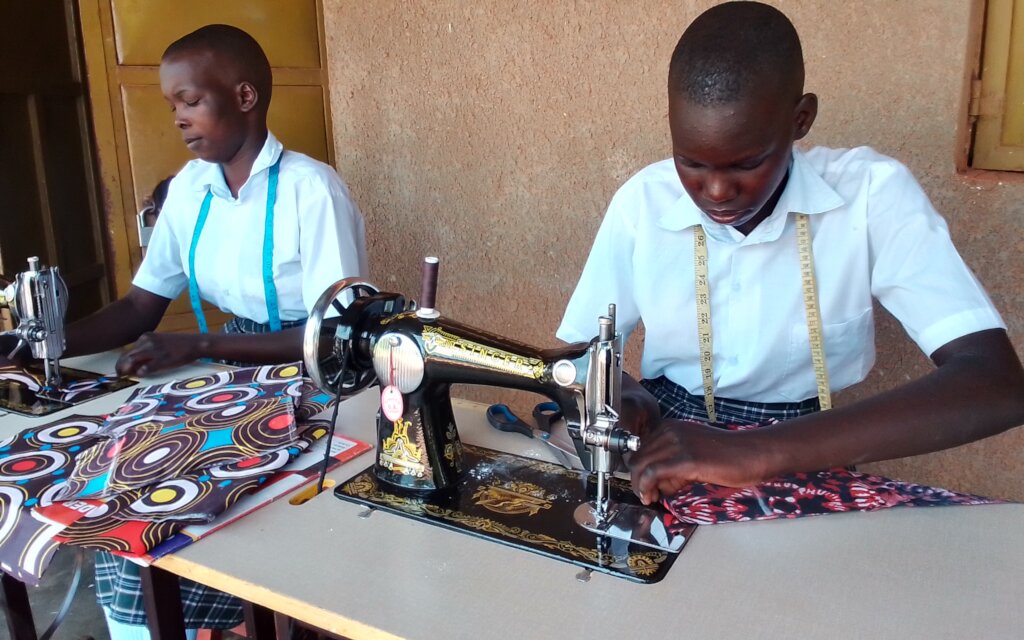
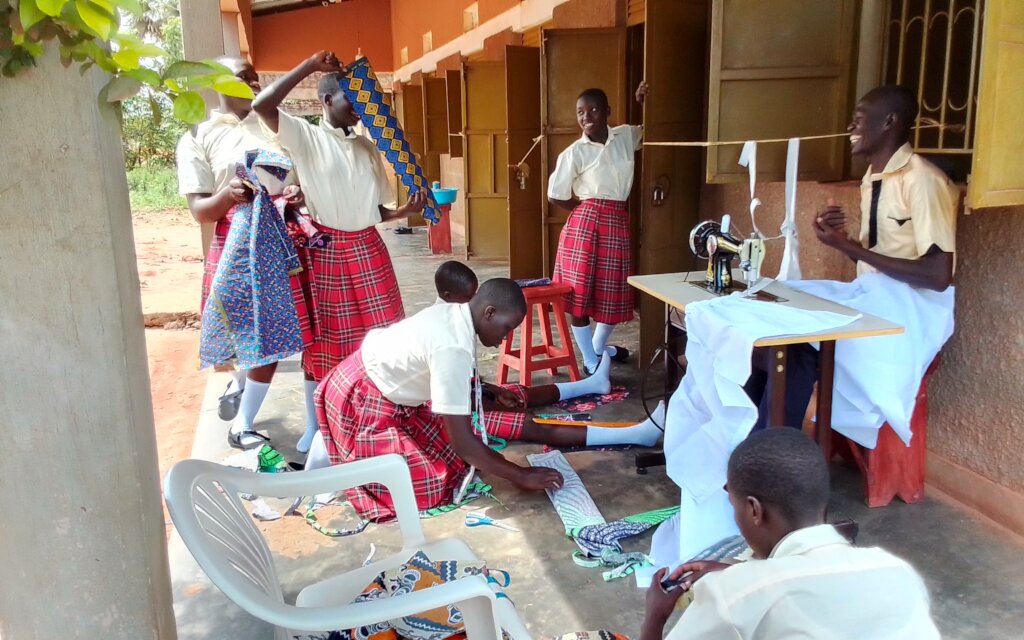
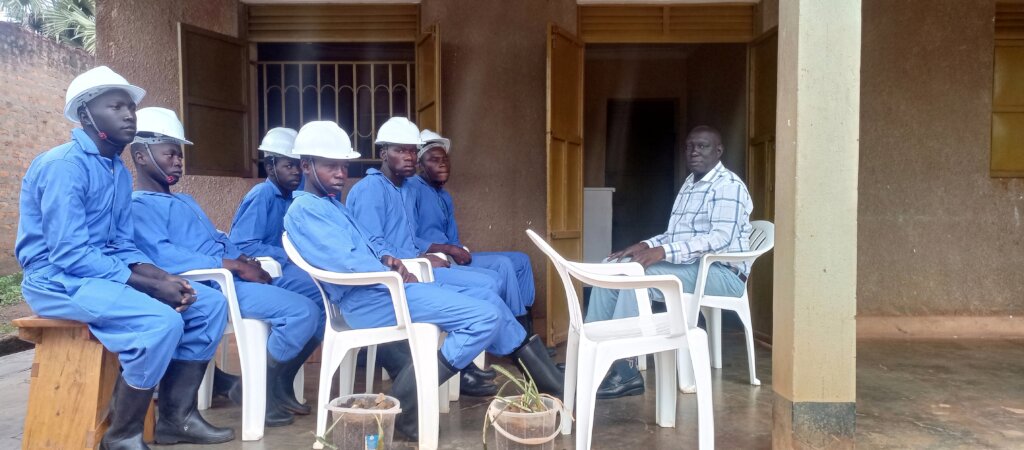
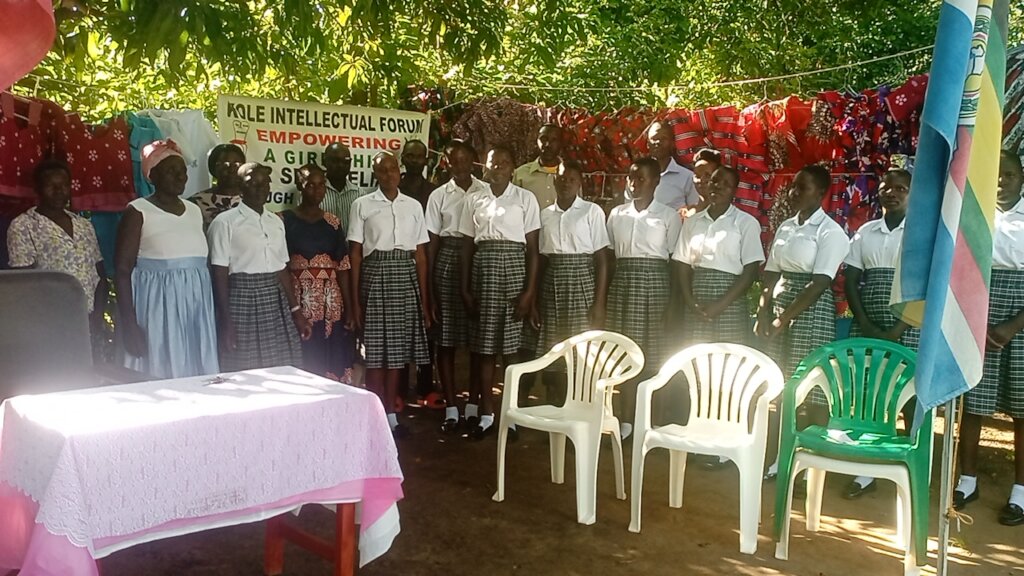
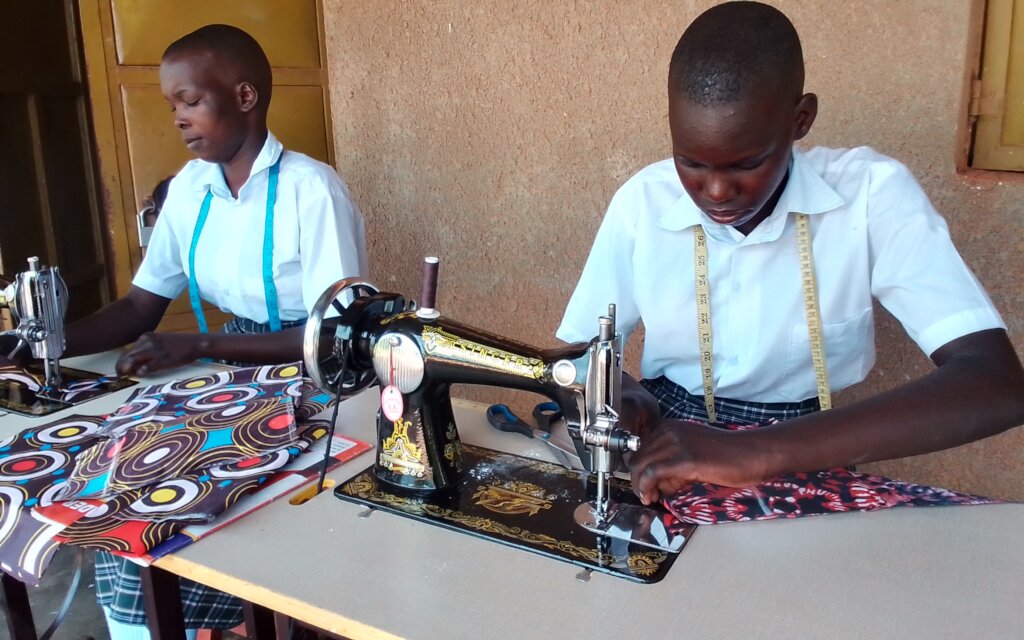
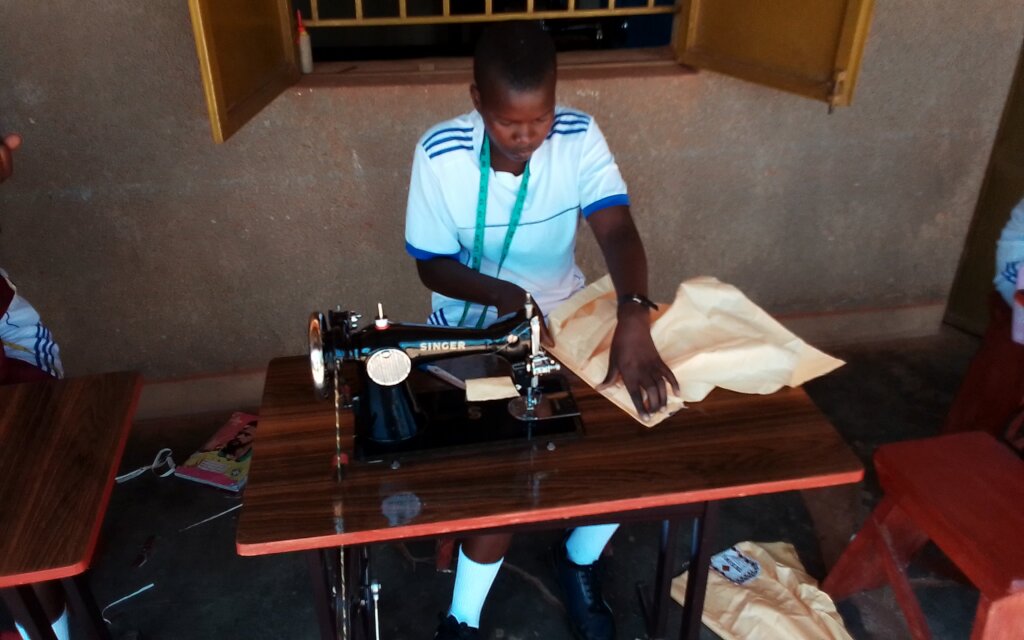
To achieve a good result out of this (environment) on Home Economics; Kole Intellectual Forum is enduring to arrive at going through, sustainable, healthy, and efficient households, which has led to a reduction resource use (energy, water), better family well-being (nutrition, safety, mental health), economic savings, and stronger communities by integrating ecological principles into daily life, from waste management to energy-efficient design. In the teaching of Home Economics, they are teaching practical skills to manage resources and create healthier living spaces, directly improving quality of life while minimizing environmental impact, making homes resilient and thriving ecosystems.
The approach is covering,
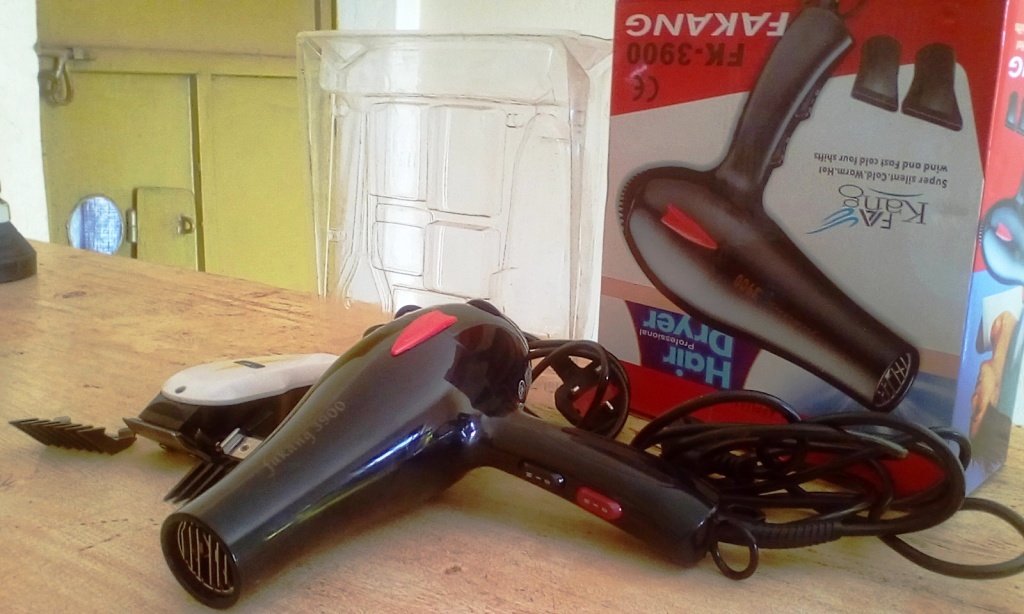
- Resource Efficiency: Implementing strategies like energy-efficient appliances, smart home tech, and water conservation reduces household costs and carbon footprints, fostering sustainability.
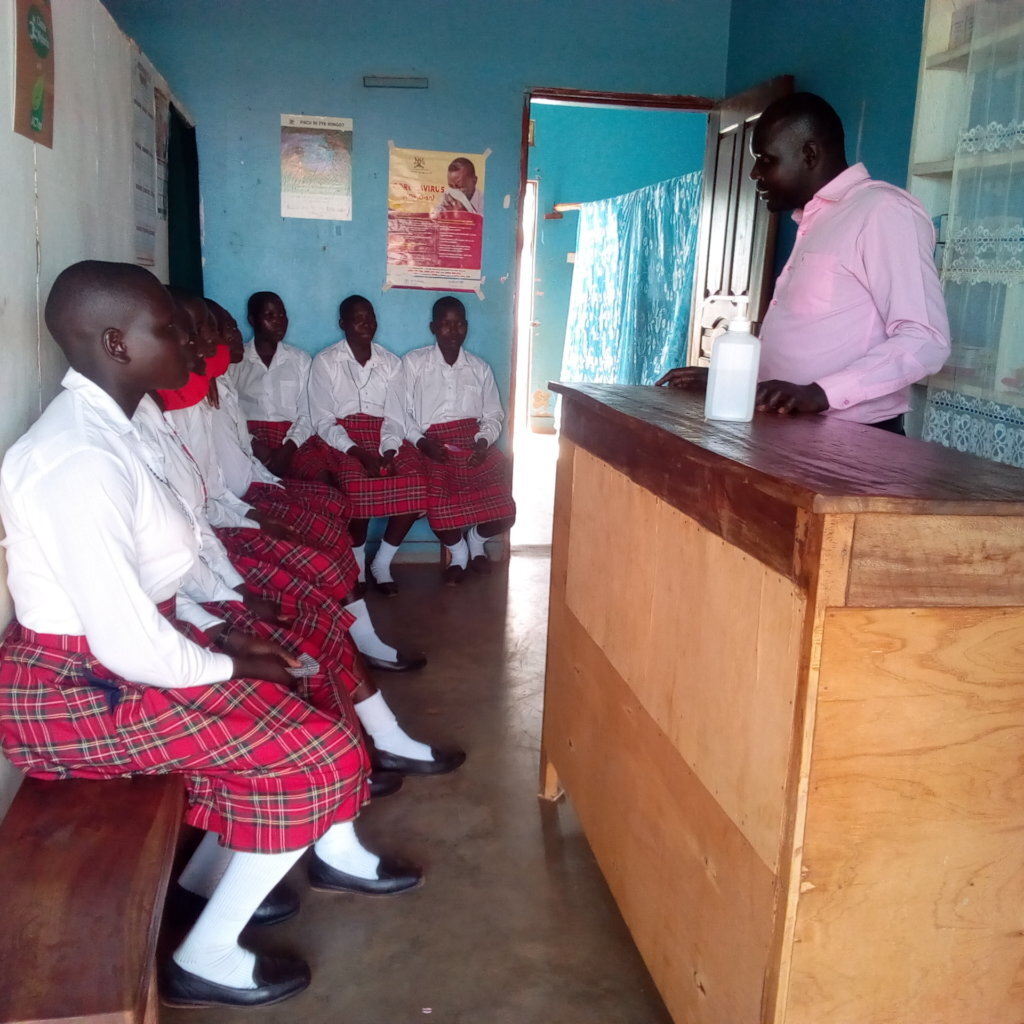
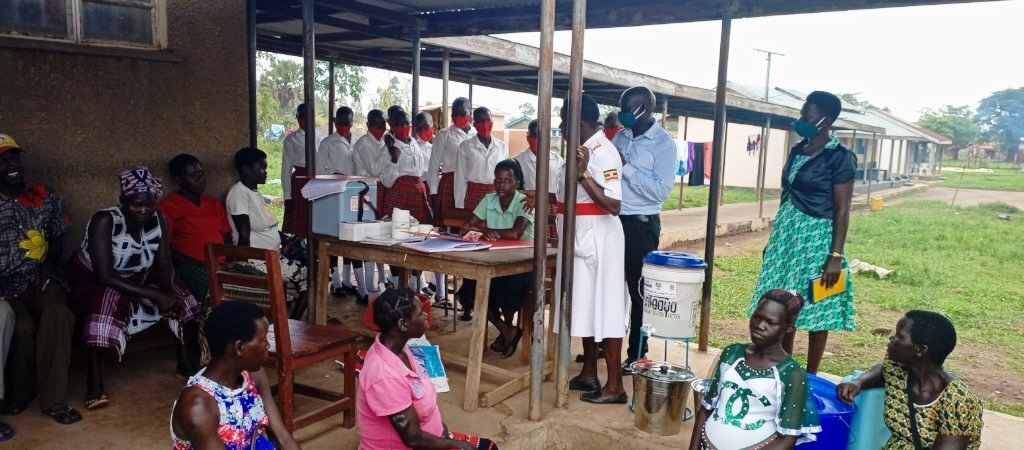
- Health & Well-being: A focus on healthy diets, clean environments (reducing pollution), and ergonomic spaces supports physical and mental health for all family members.
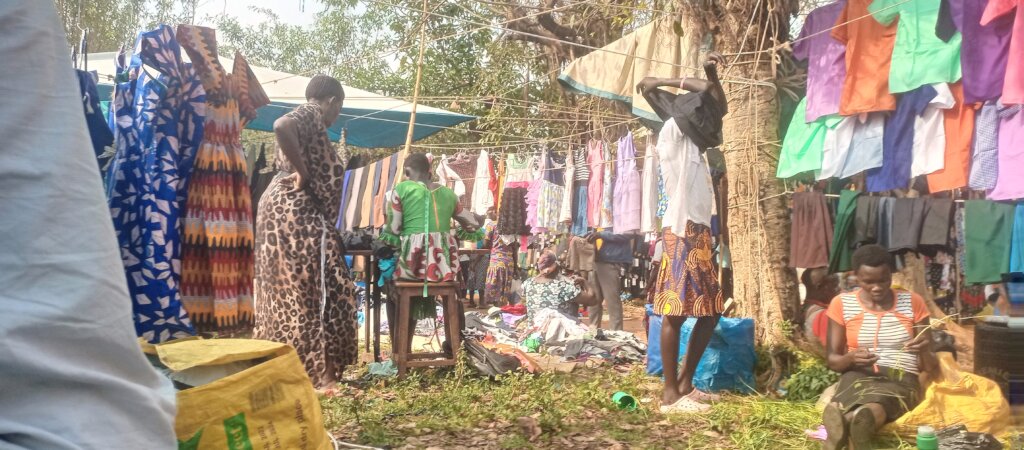
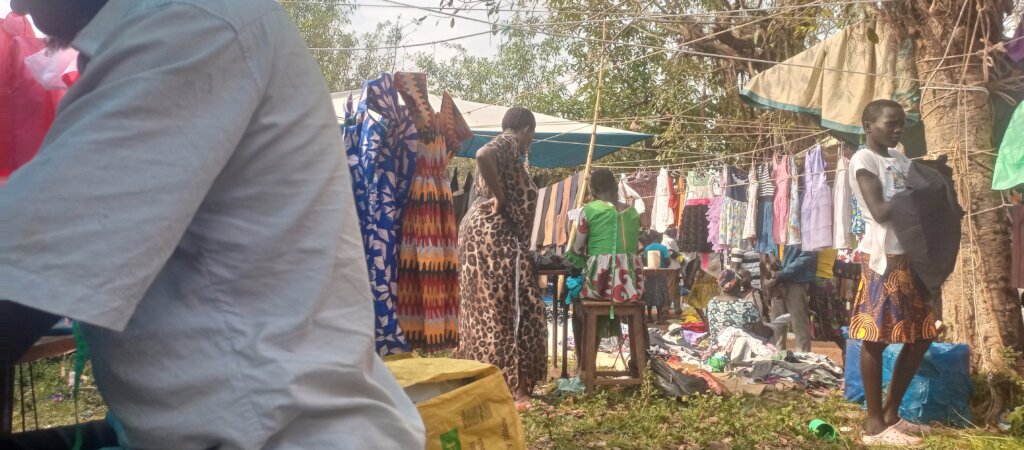
- Economic Stability: Managing budgets, reducing consumption, and making informed choices about energy and food saves money, strengthening family finances and community economic development.
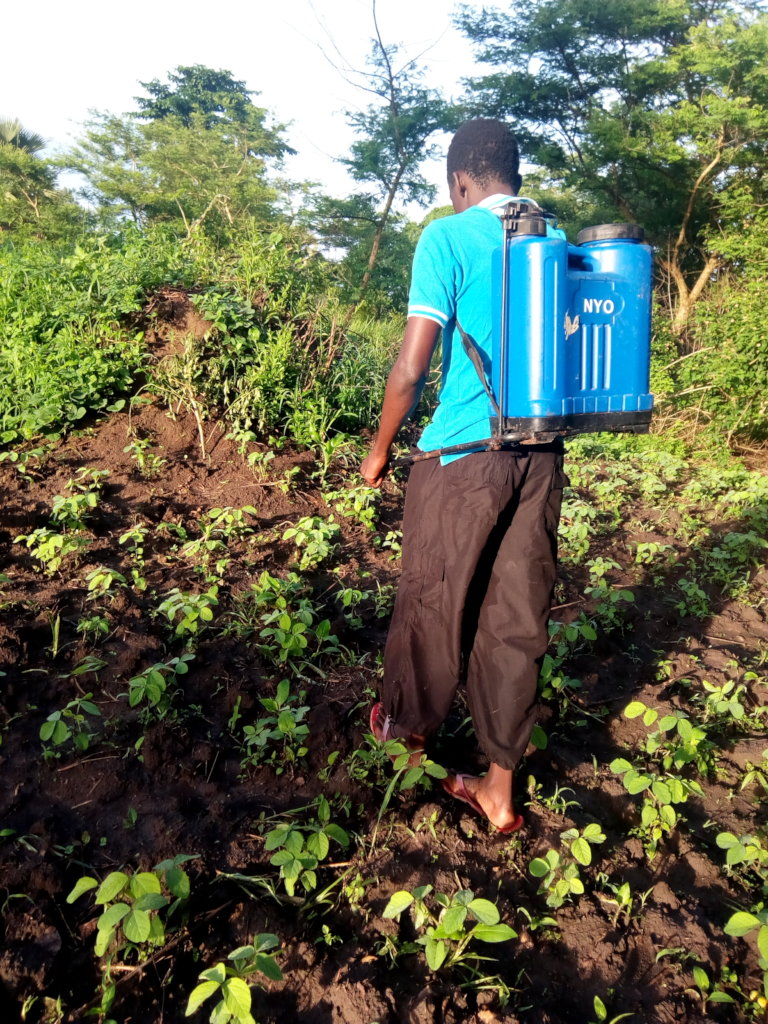
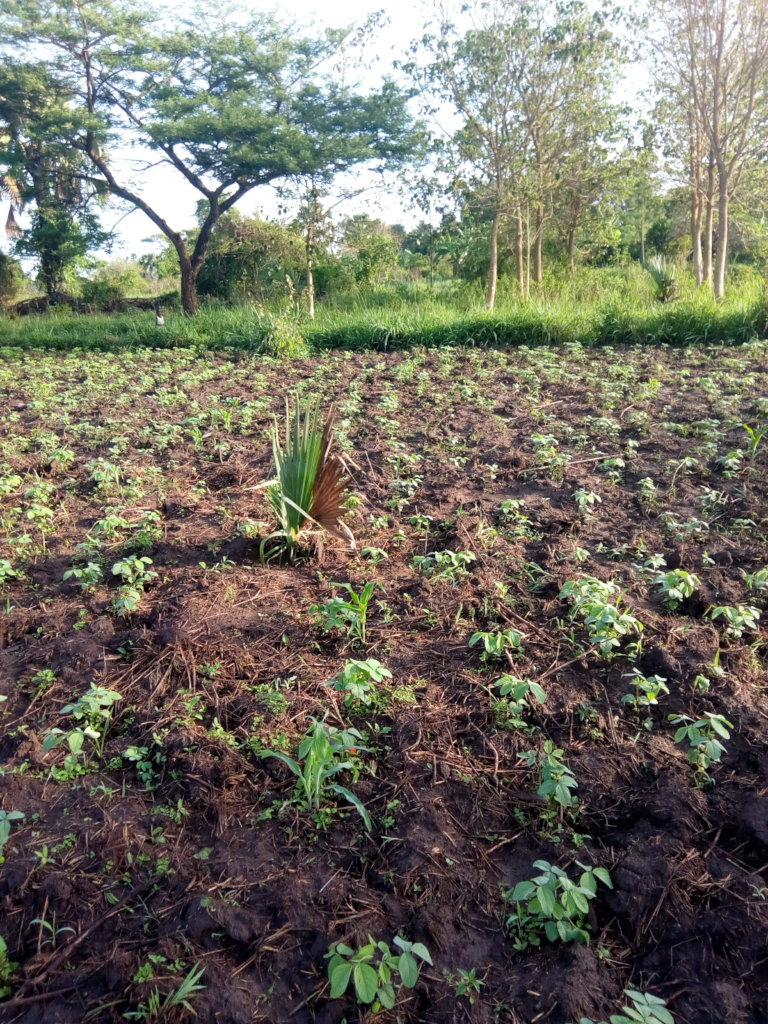
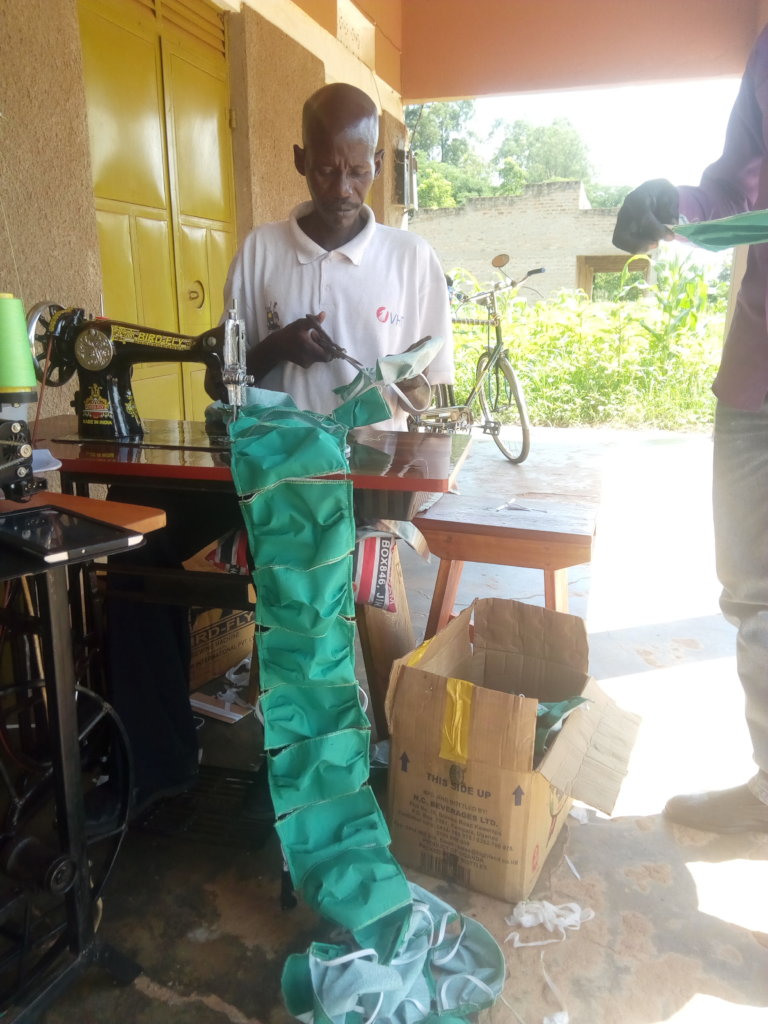
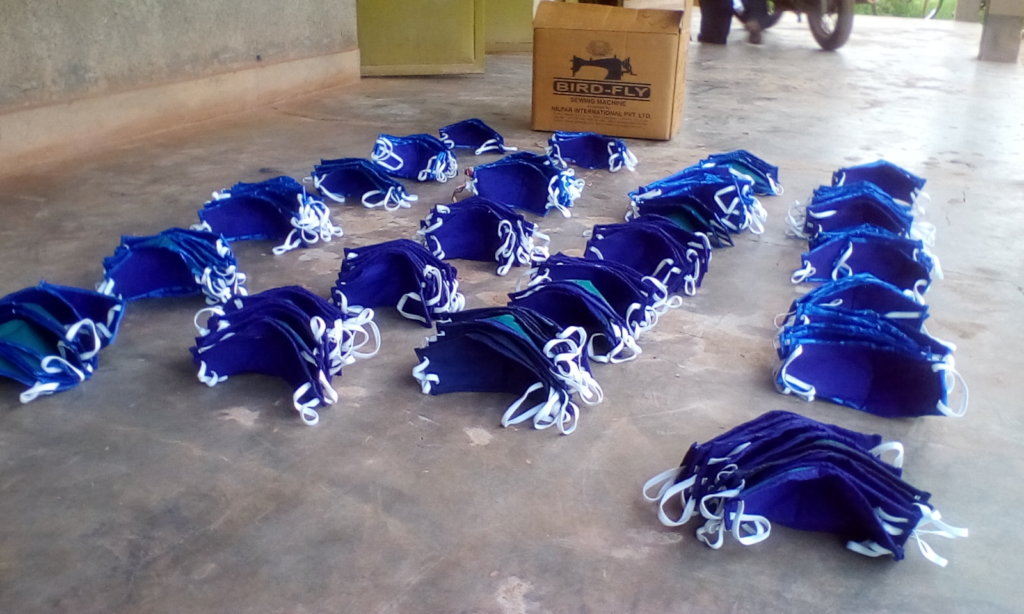
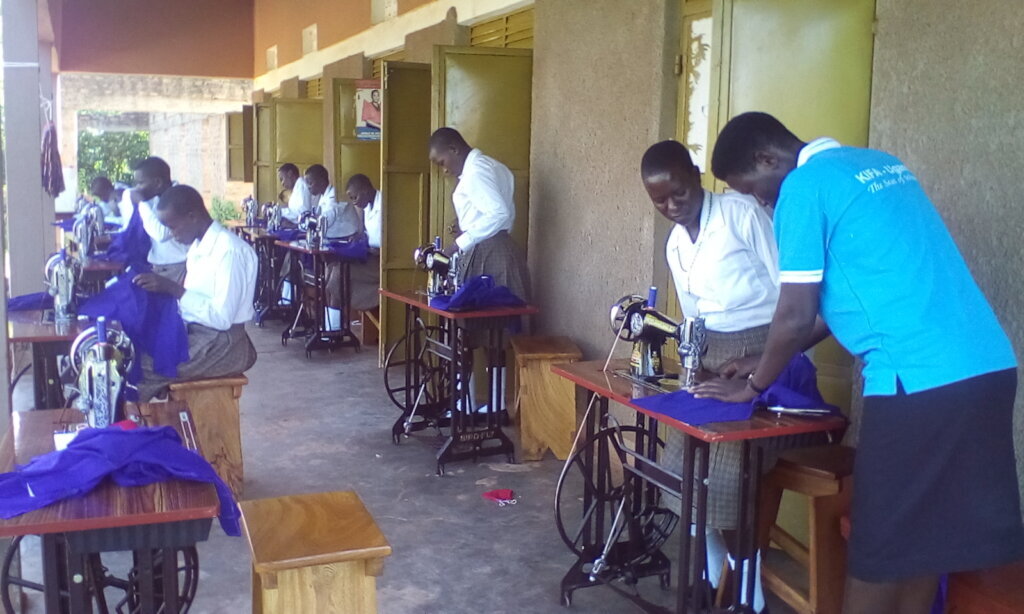
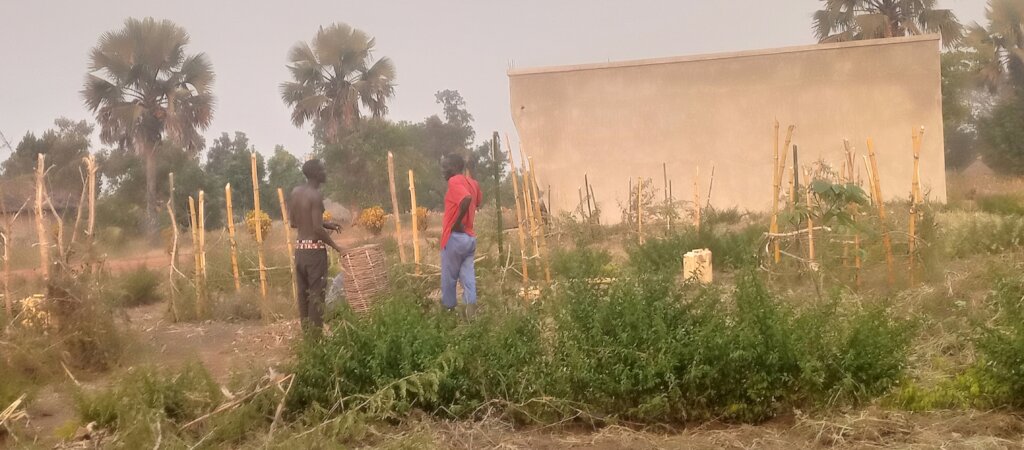
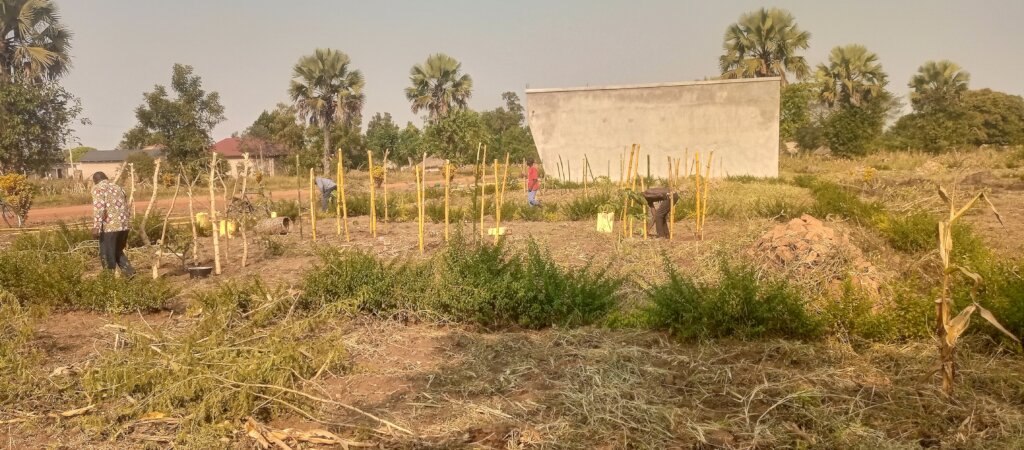
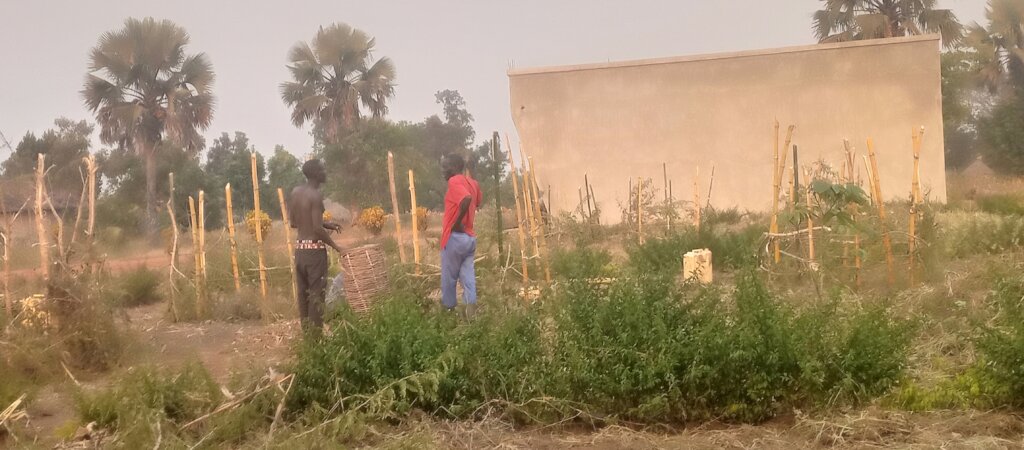
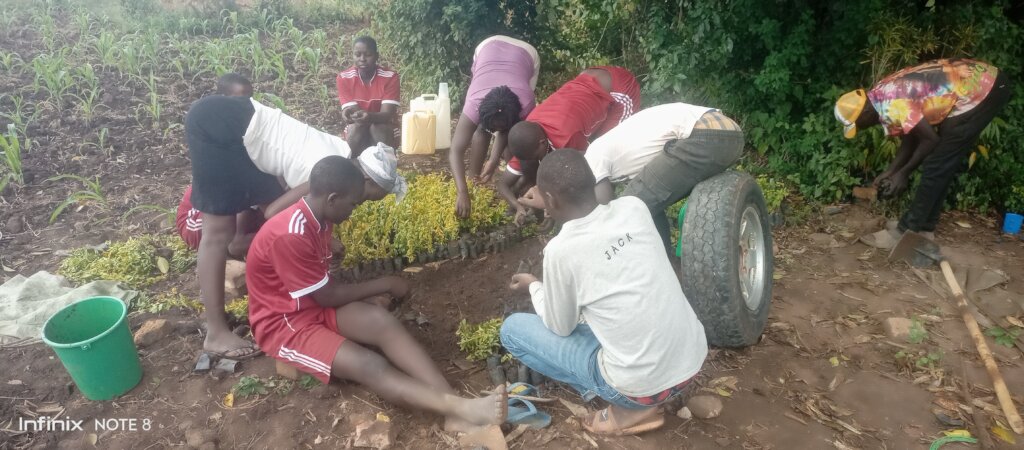
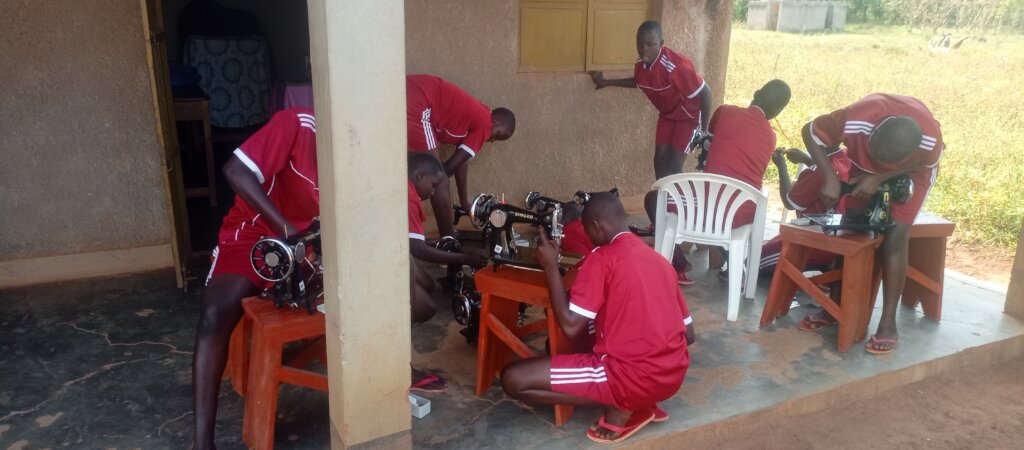
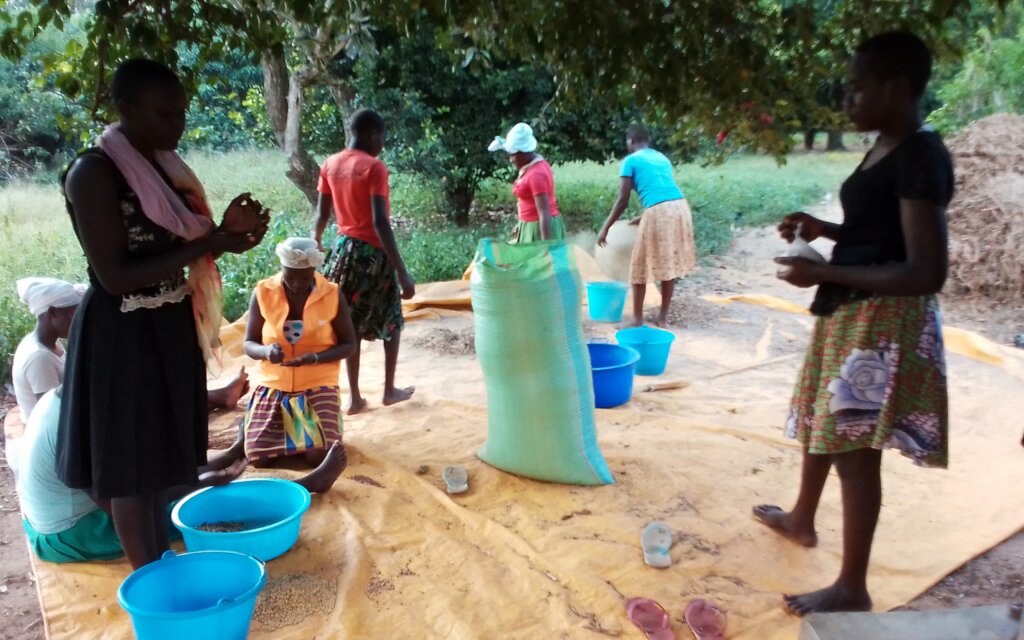
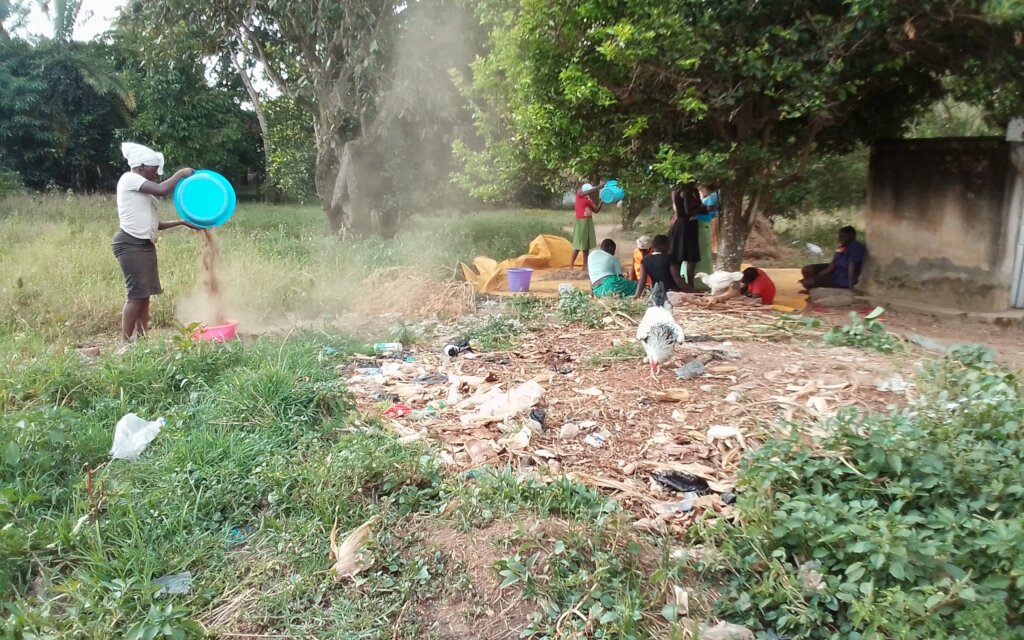
- Sustainable Living: Teaches practical skills like reducing waste (recycling, composting), growing food, and repairing items, shifting focus from consumerism to responsible living.
- Community Building: Healthy homes become building blocks for stronger, more cohesive communities, addressing broader societal needs through family-level action,.
Hence, it is observable that, Home Economics leverages environmental understanding to create functional, nurturing, and sustainable homes, promoting individual self-reliance and collective responsibility for the planet.