Project Report
| Dec 16, 2025
Campaigning for better hygiene & Sanitation

By George Obua | Project Leader
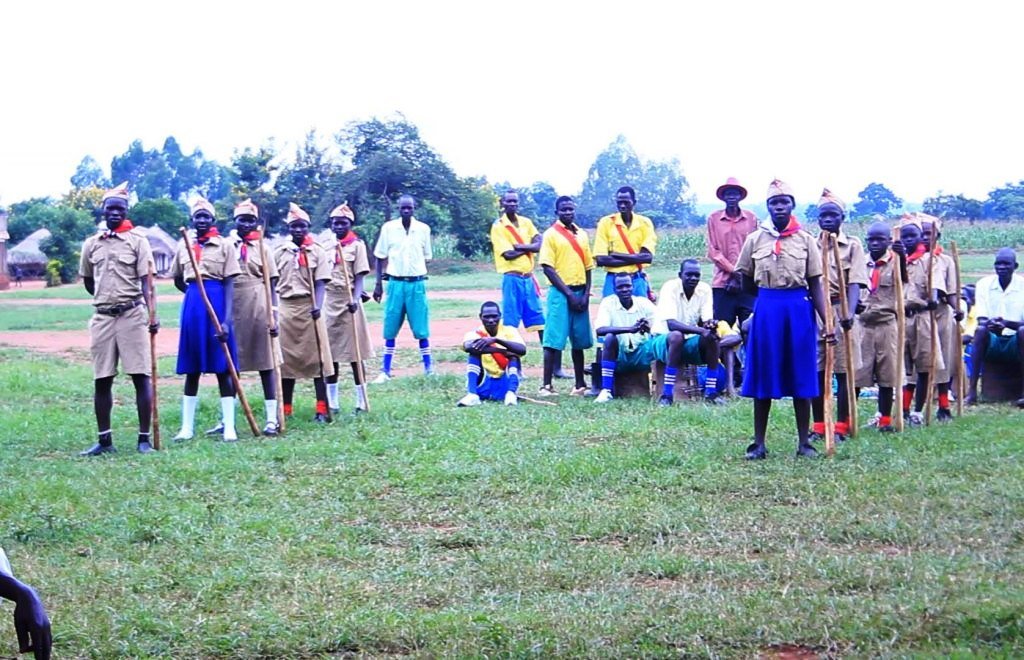
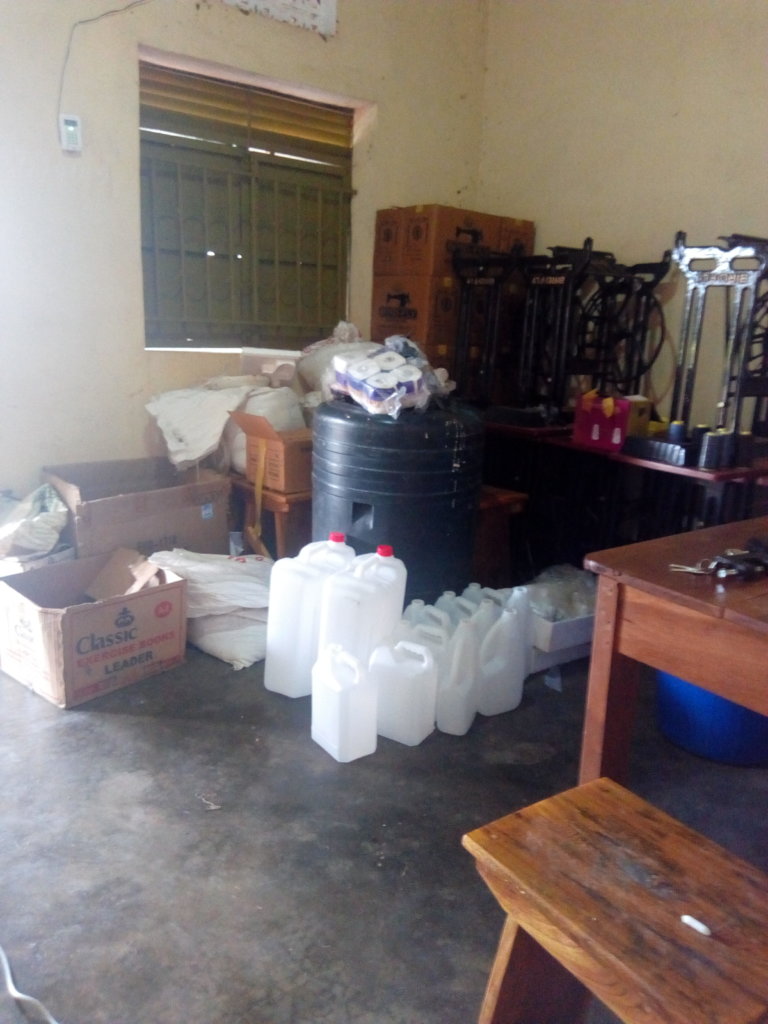
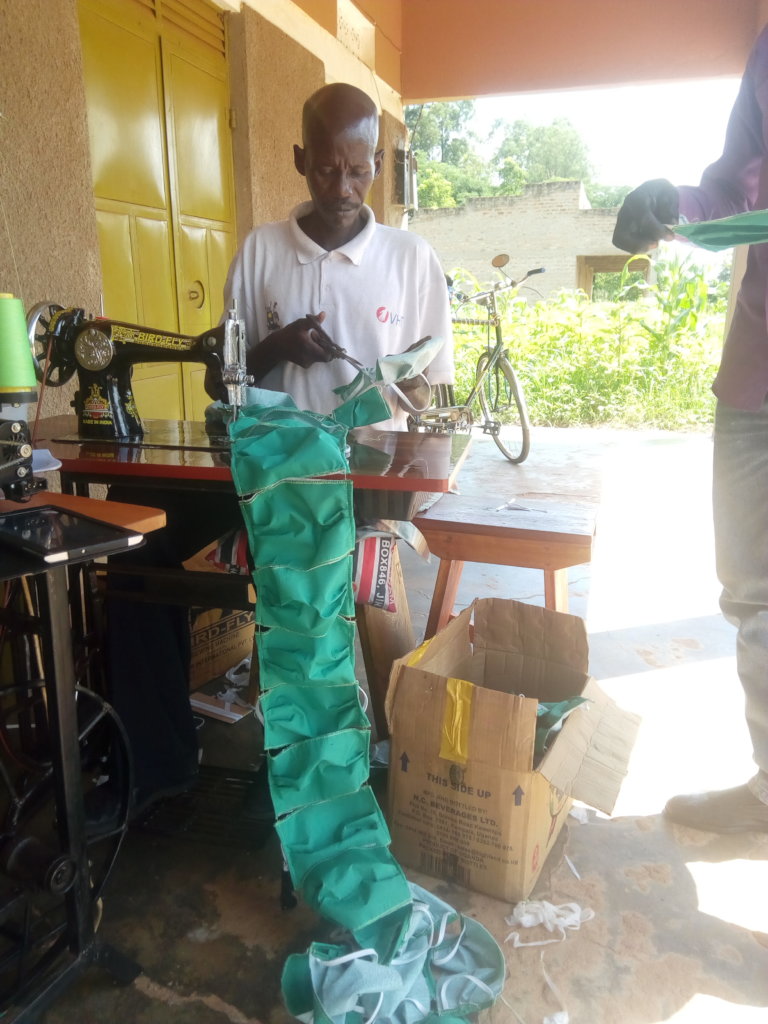
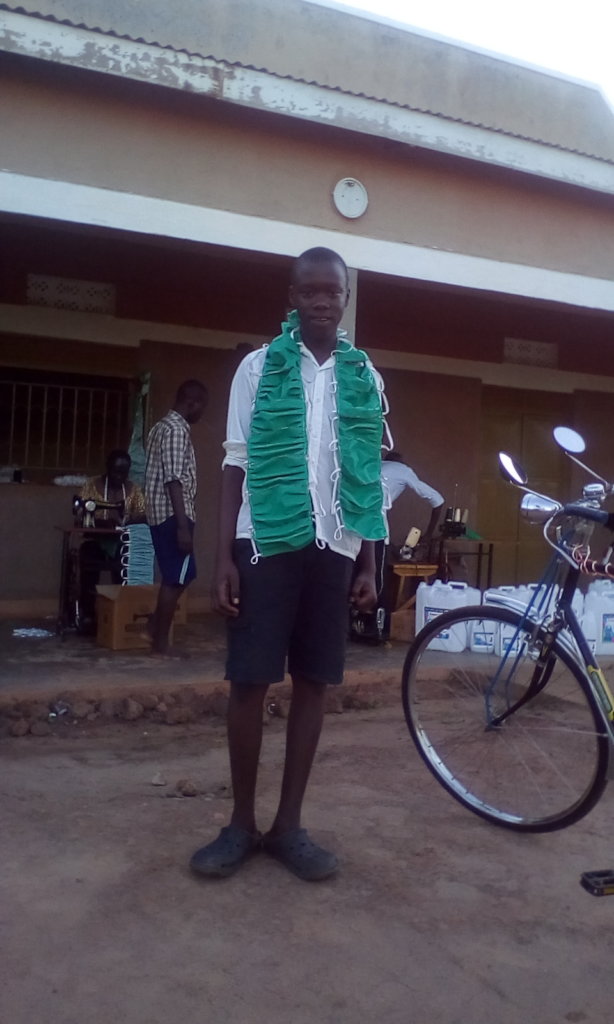
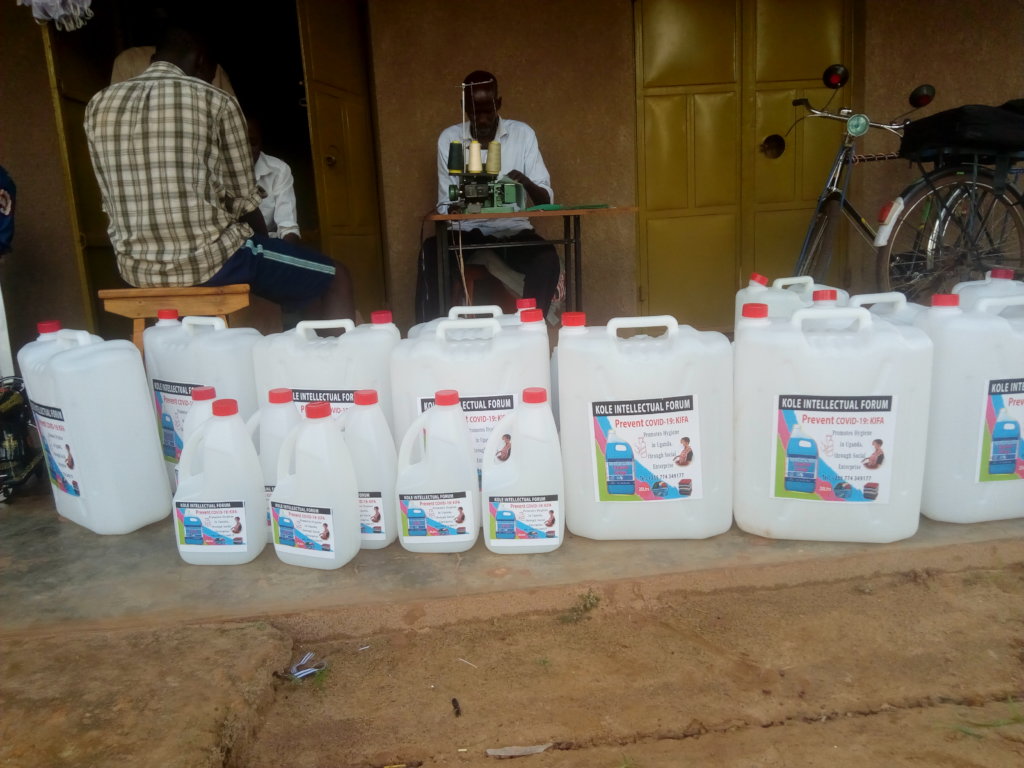
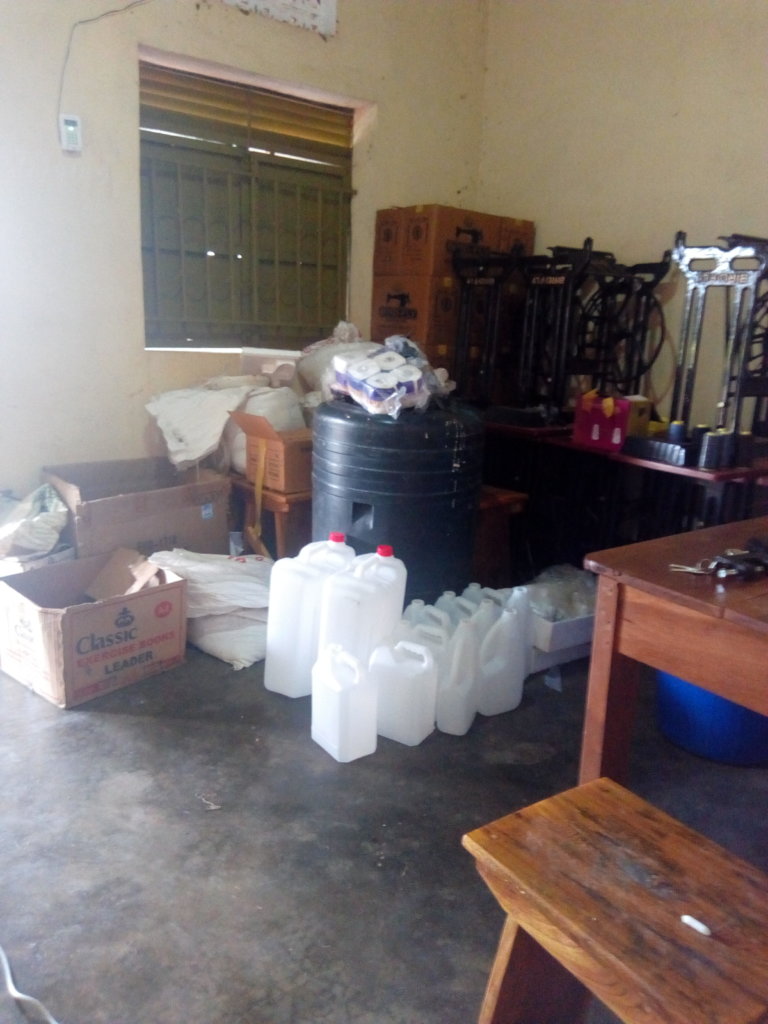
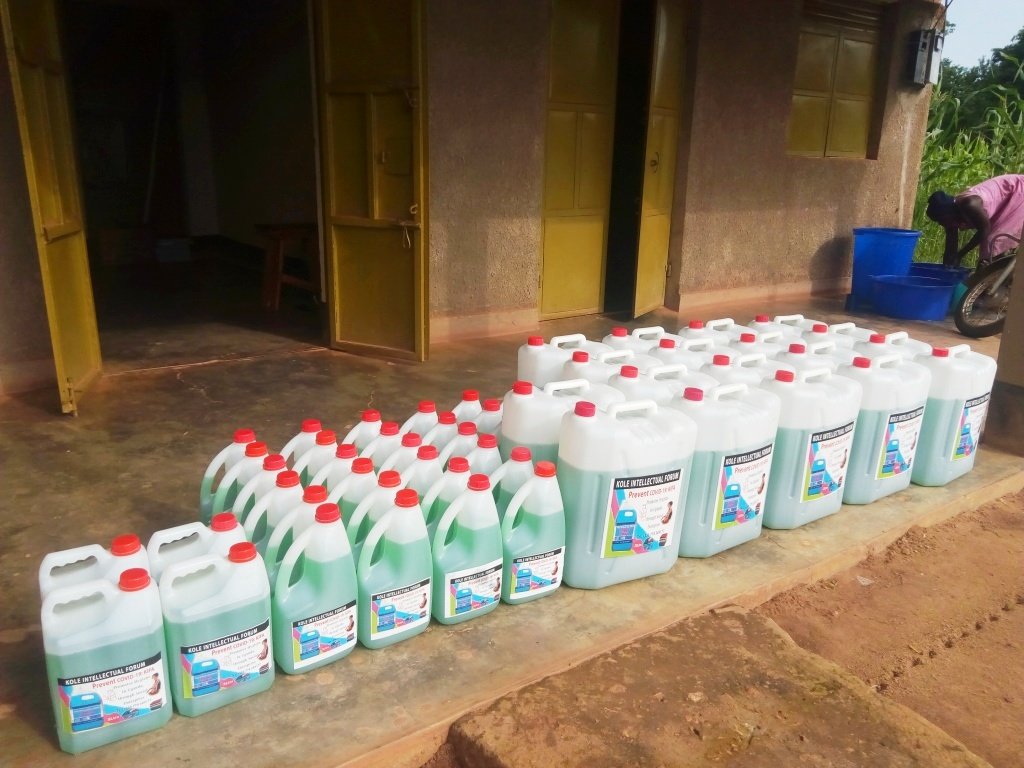
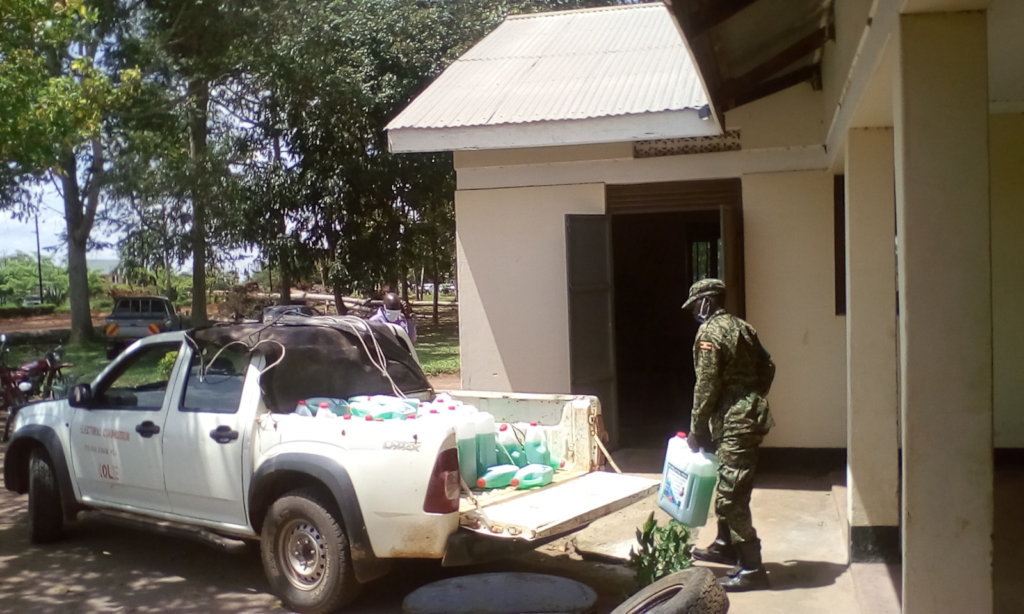
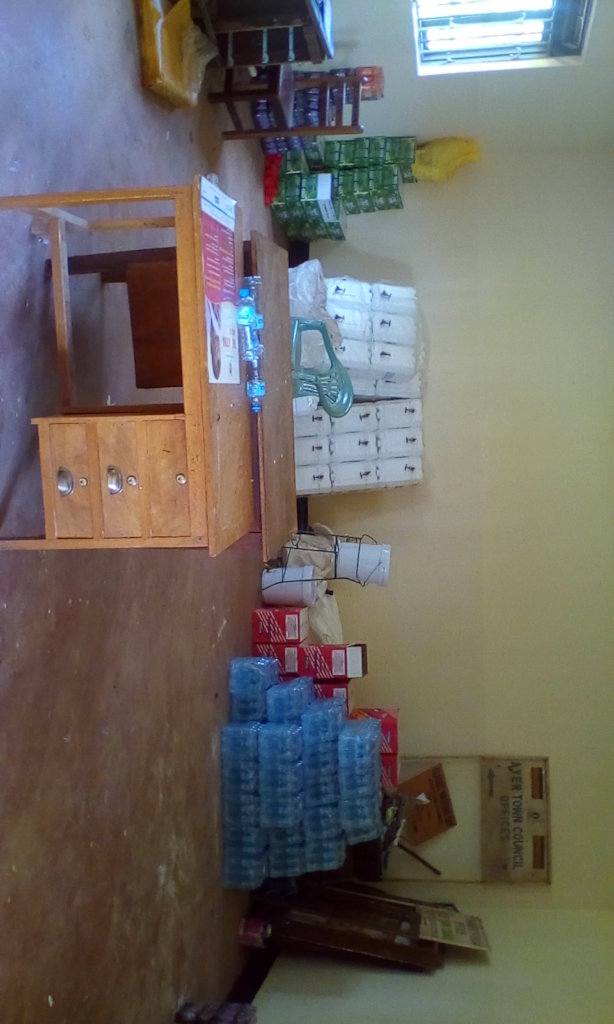
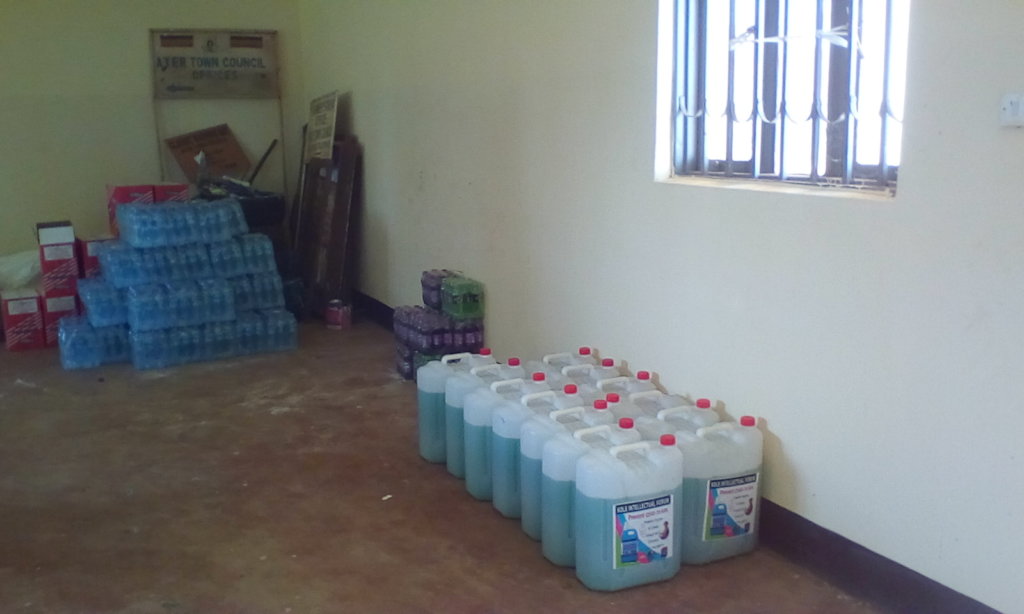
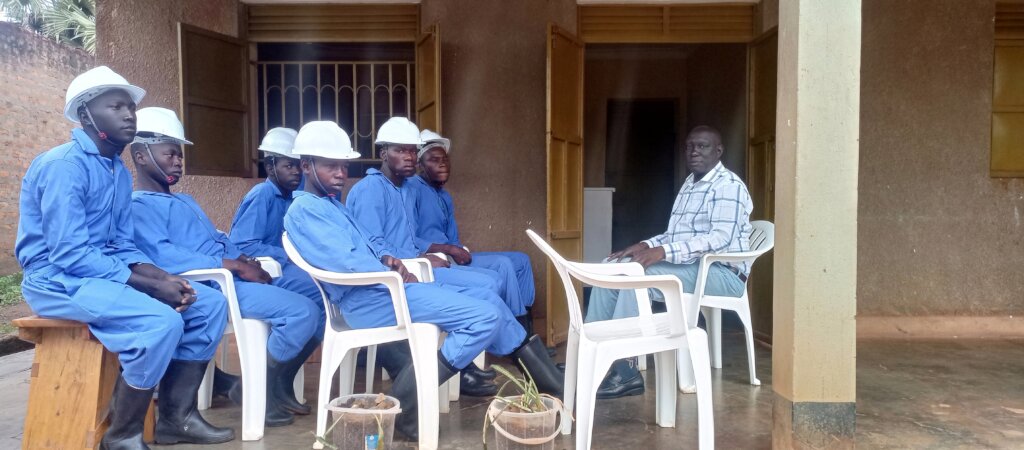
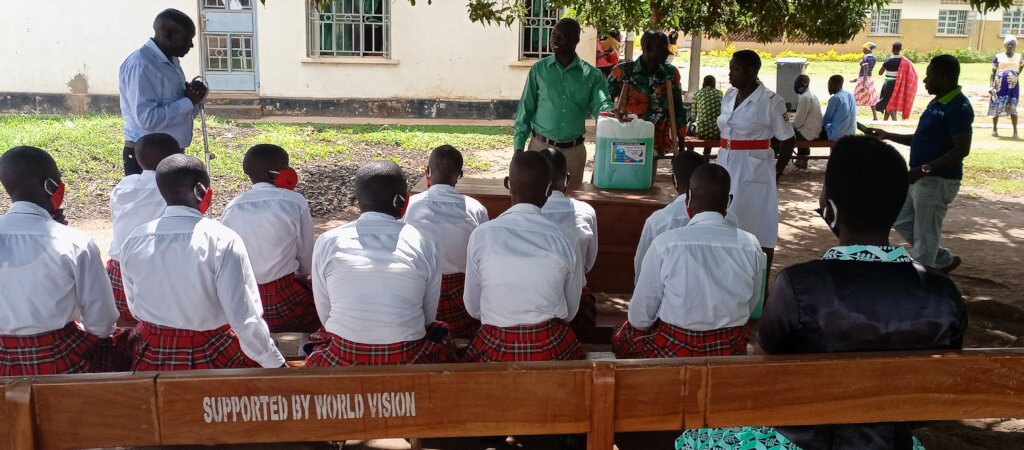
![Making of liquid soap & providing them to offices]()
Making of liquid soap & providing them to offices
Campaigning for better hygiene & Sanitation

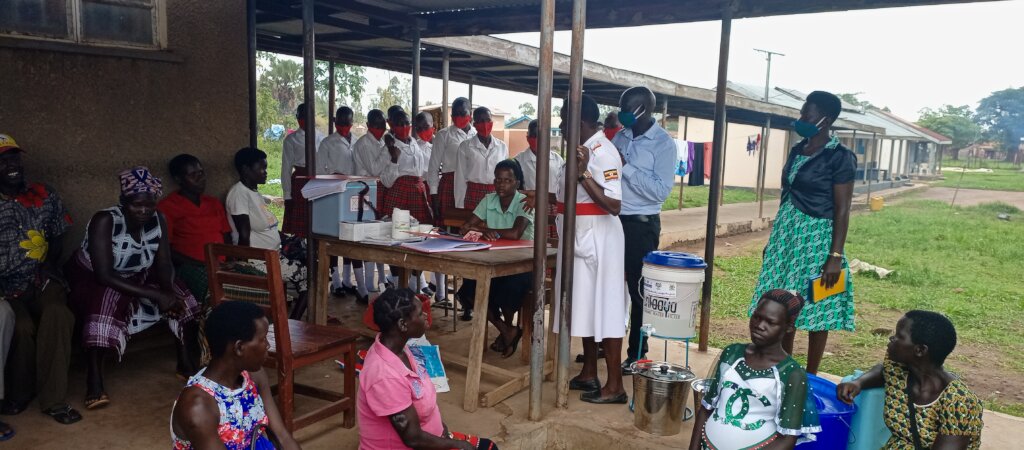
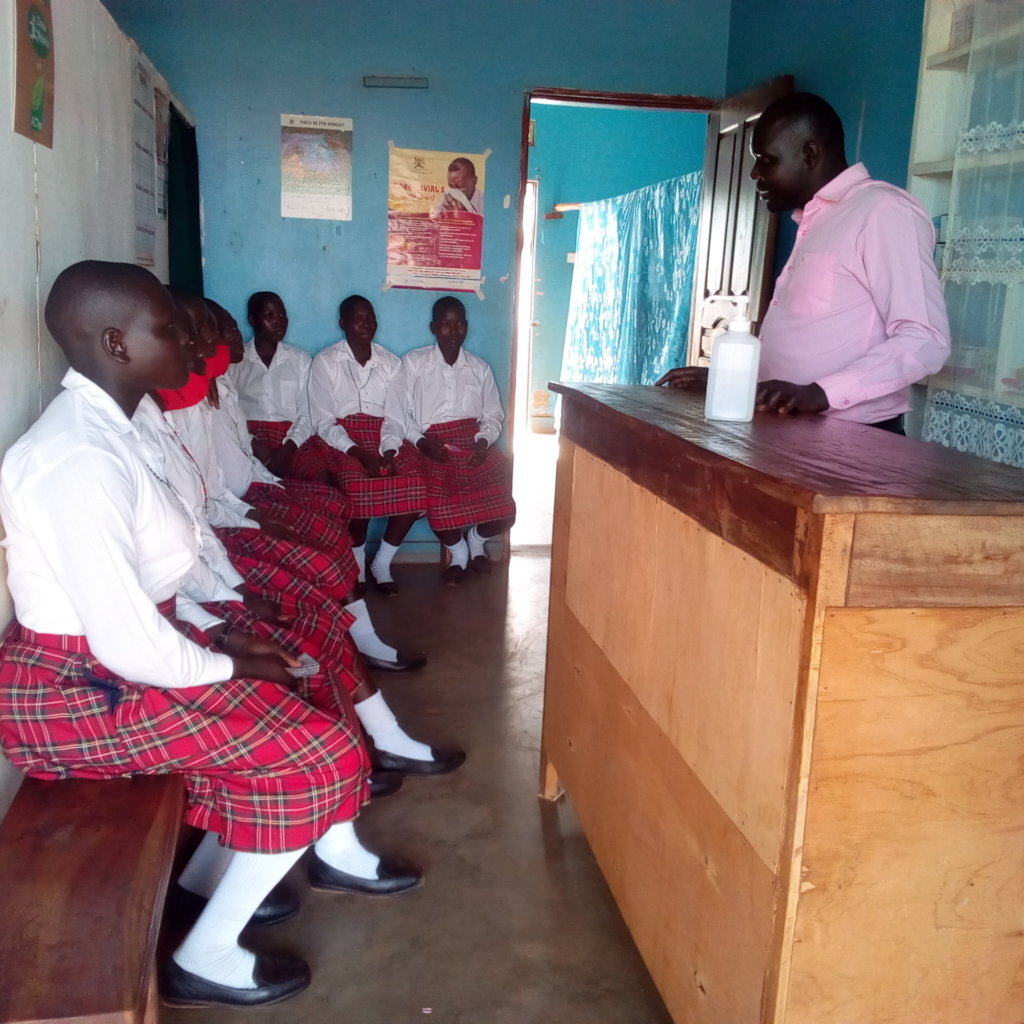
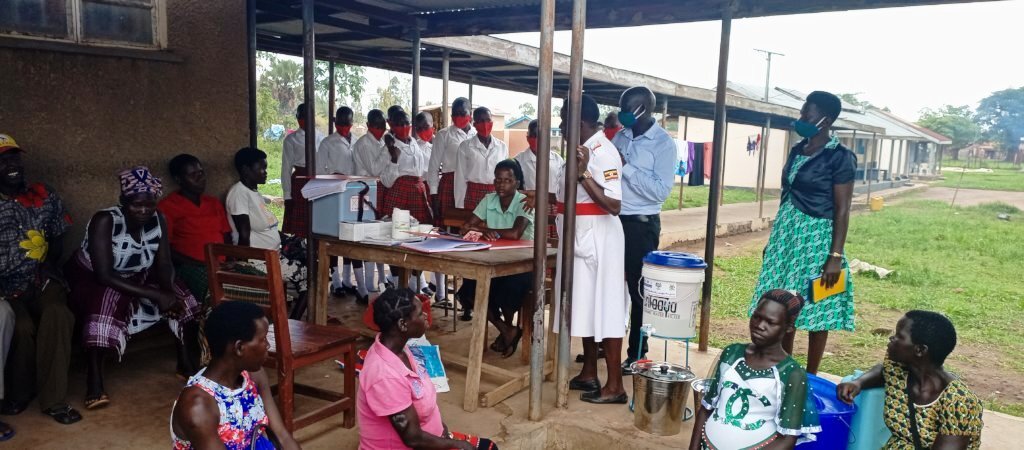
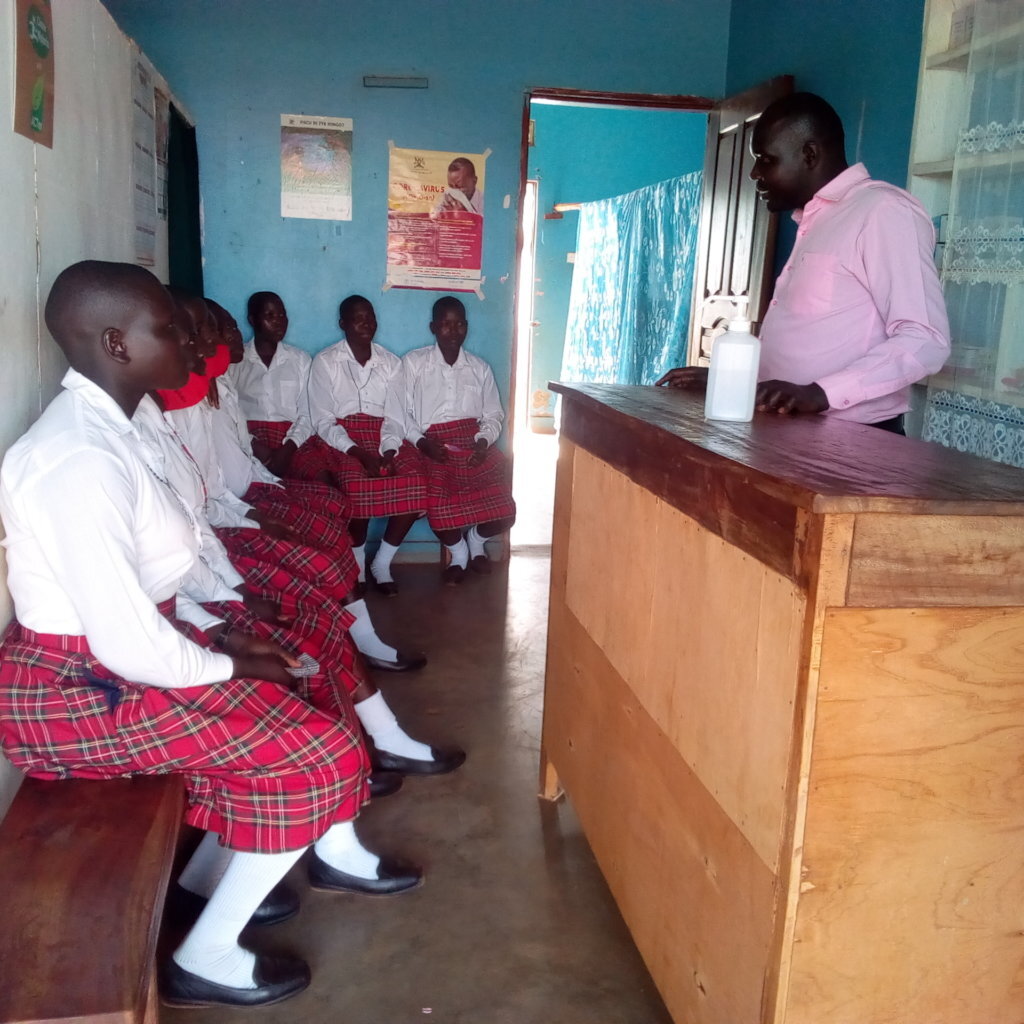
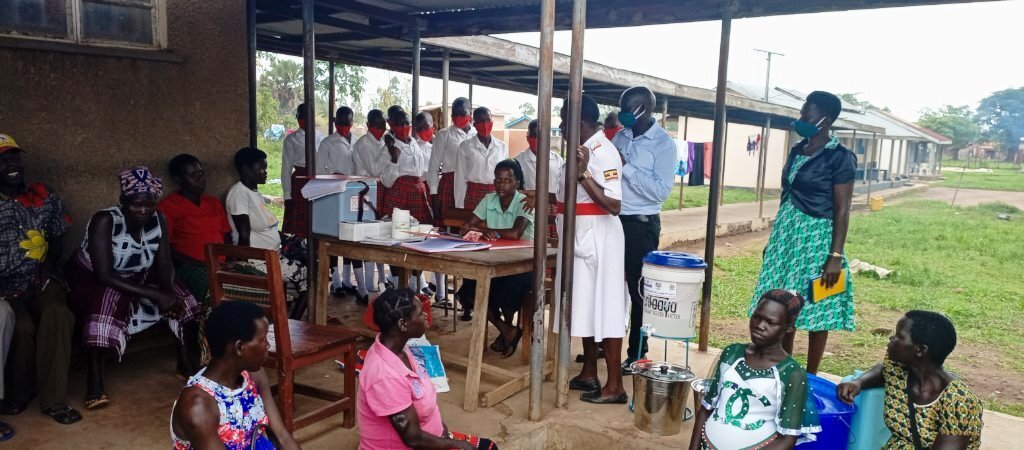
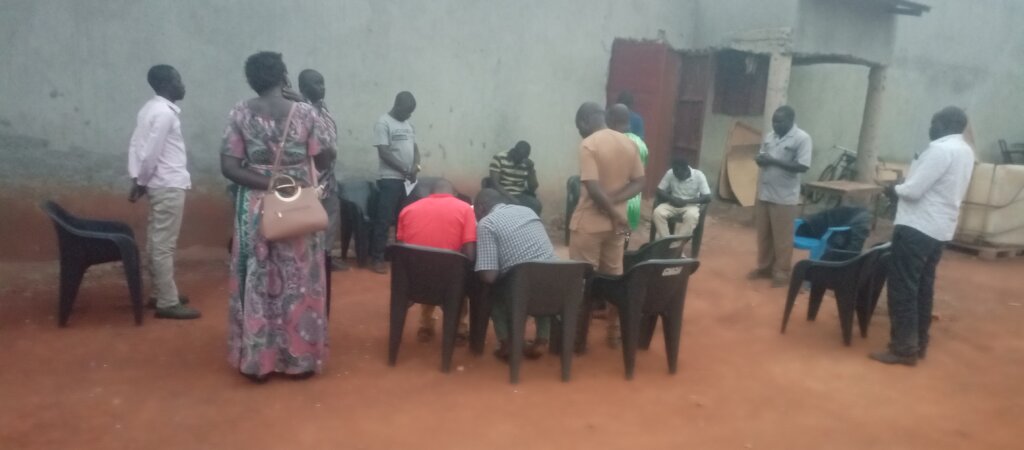
To have the most effective hygiene and sanitation campaigns in its areas of operation; Kole Intellectual Forum is using a multifaceted, community-centric approach that can combine awareness-raising, the provision of necessary infrastructure (e.g., soap and water access), and community mobilization to ensure long-term behavioral change are observed. This campaign has been used through the underlying strategies;
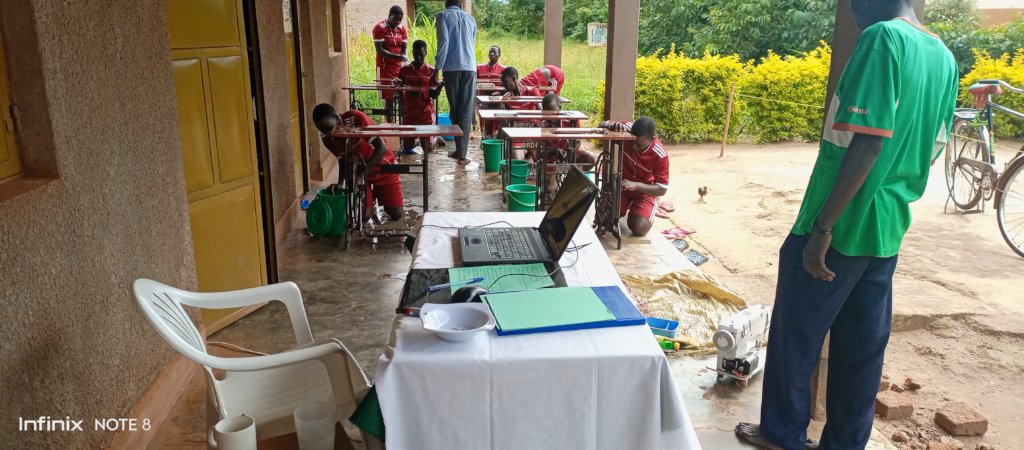
- Community-Led Initiatives: that is engaging the community in identifying and addressing their specific hygiene problems. Approaches like Community-Led Total Sanitation (CLTS) and Participatory Hygiene and Sanitation Transformation (PHAST) empower local members to take ownership of sanitation improvements, which is crucial for sustainability.
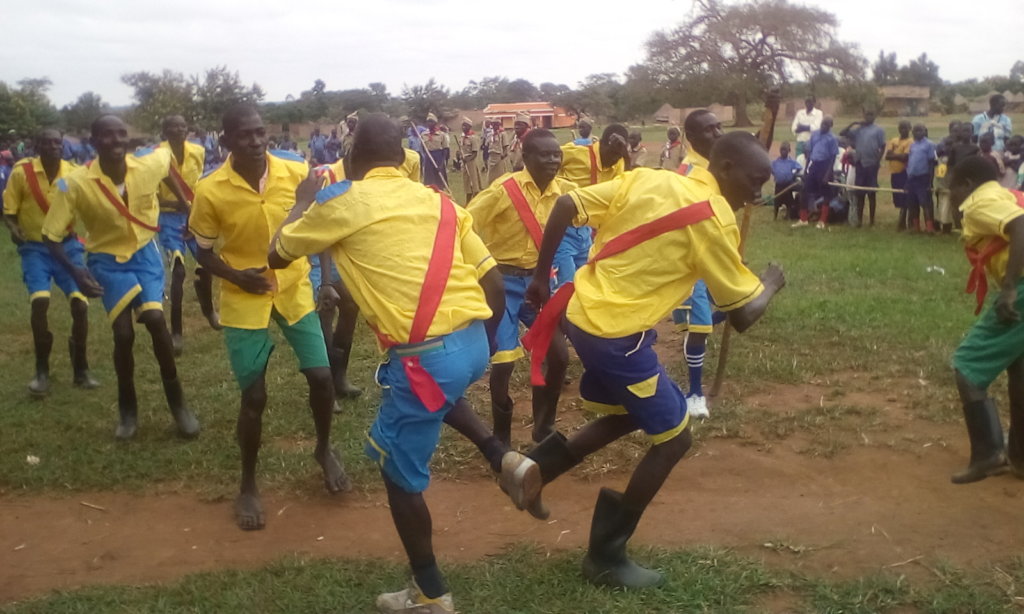
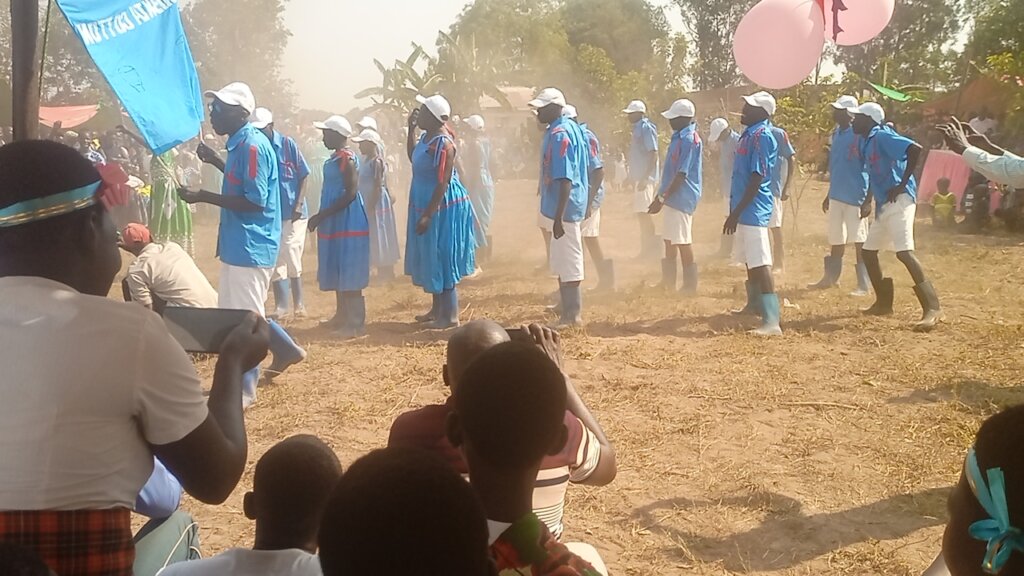
- Education and Awareness: by also conducting educational workshops on topics such as hand washing techniques, safe food handling, and proper waste disposal methods. These sessions are made to be interactive, using methods like drama, role-plays, songs, and visual materials such as posters and cartoons, tailored to local cultural norms and literacy levels.
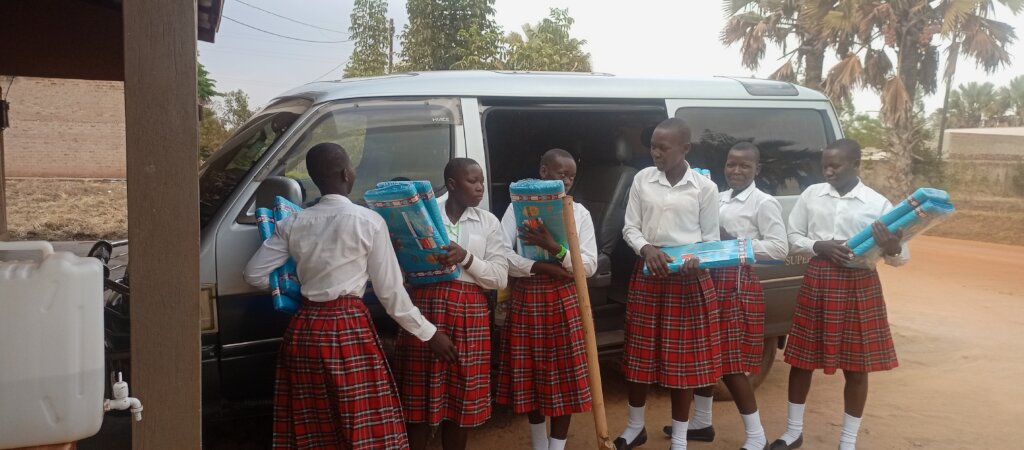
- Infrastructure Provision: that is when education must be complemented by tangible resources. This includes improving access to: safe drinking water.; functional sanitation facilities (latrines); and hand washing stations with soap in homes, schools, and public places like markets and so on.
Dec 16, 2025
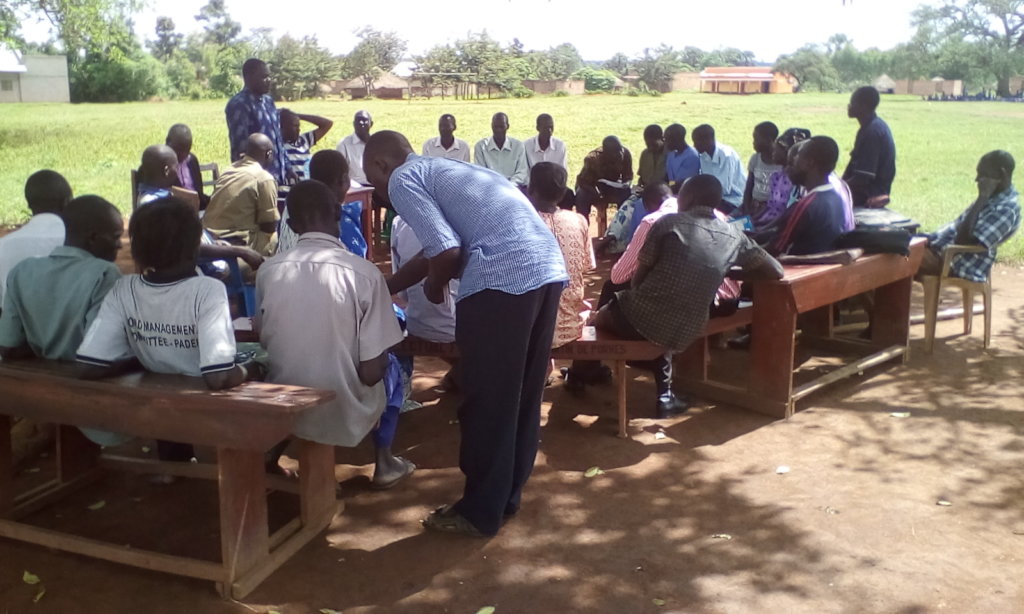
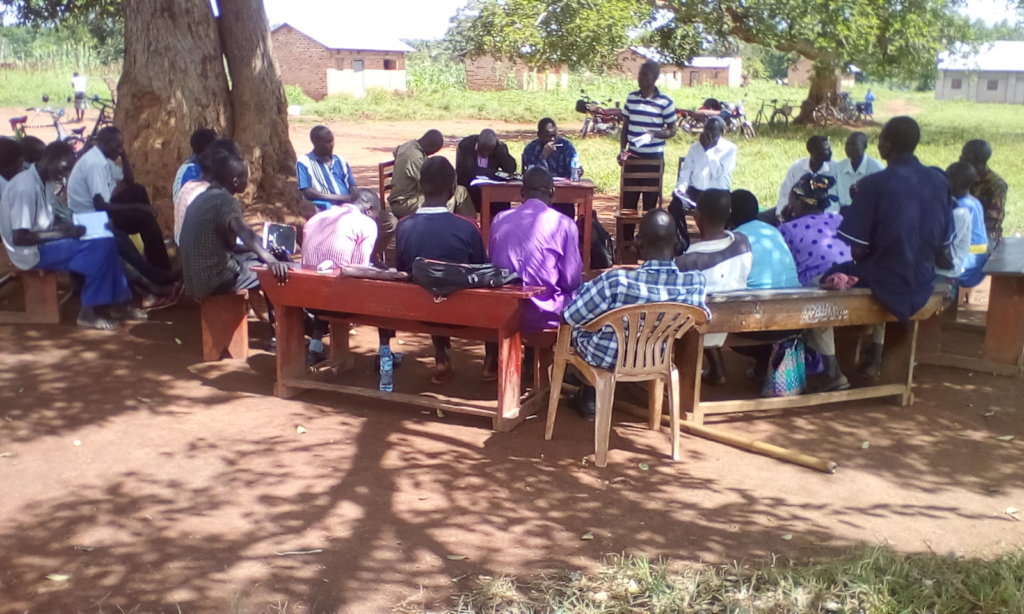
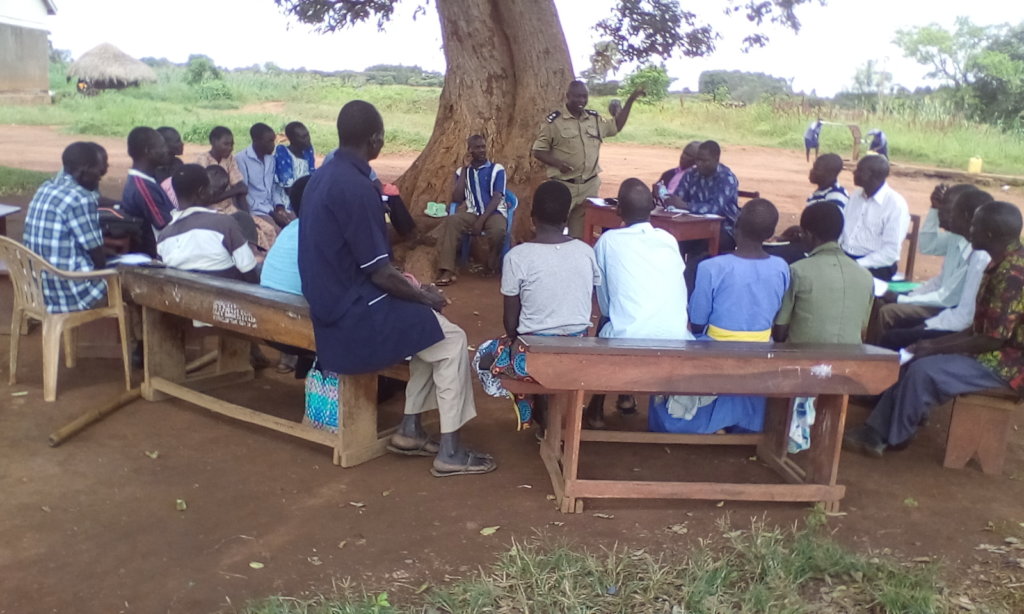
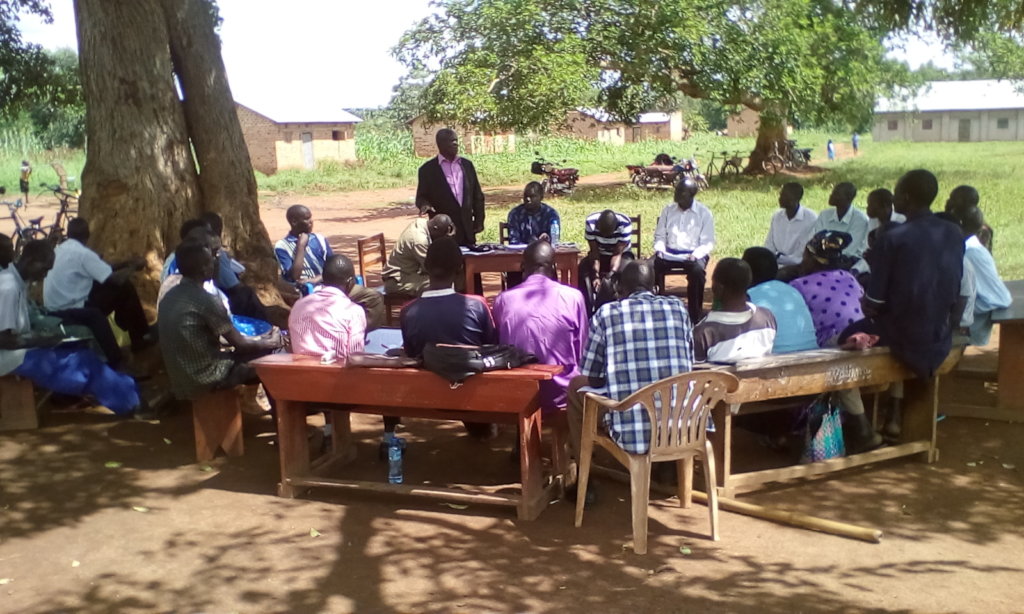
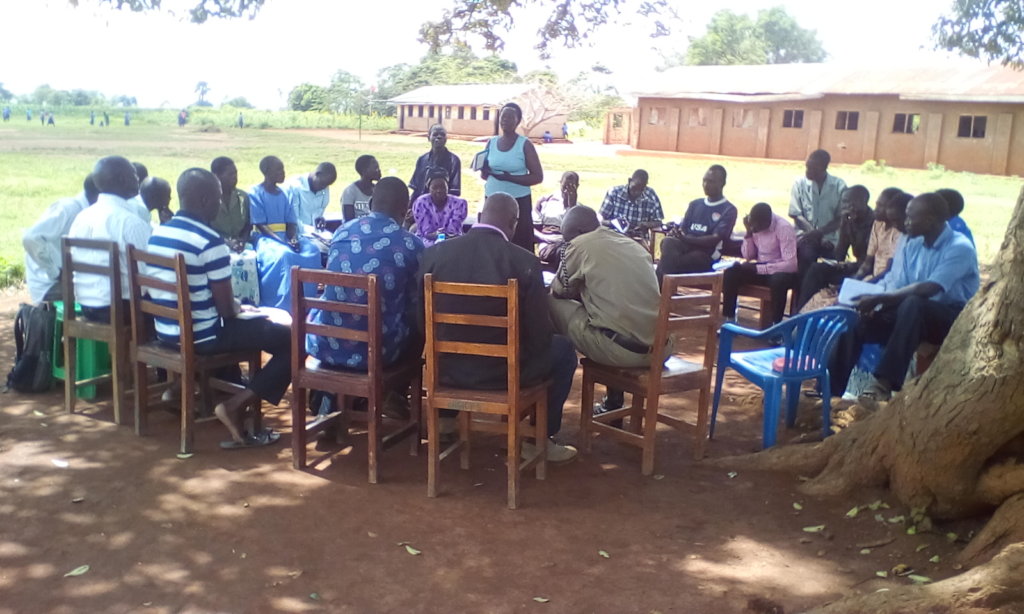
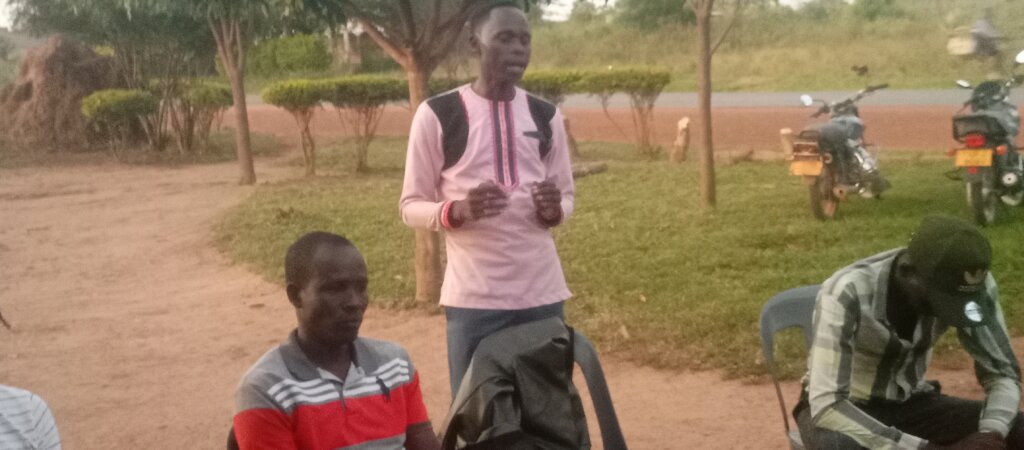
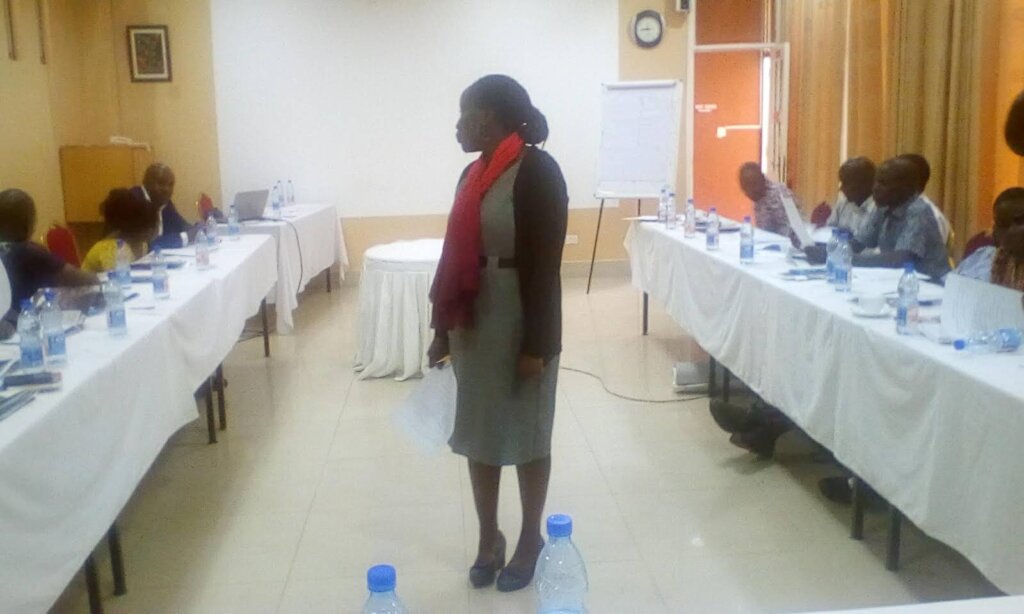
Purposes of Community Engagement: Projects
By George Obua | Project Leader
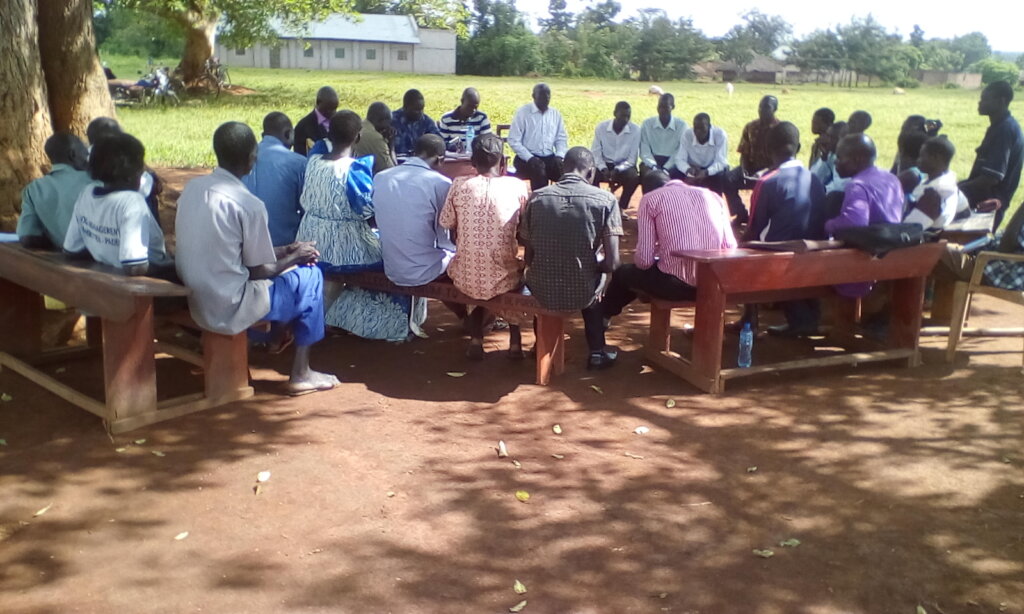
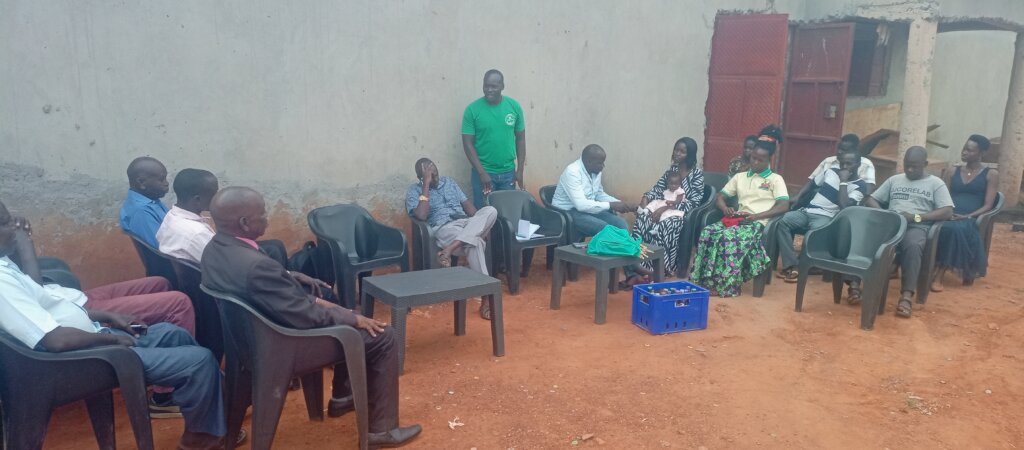
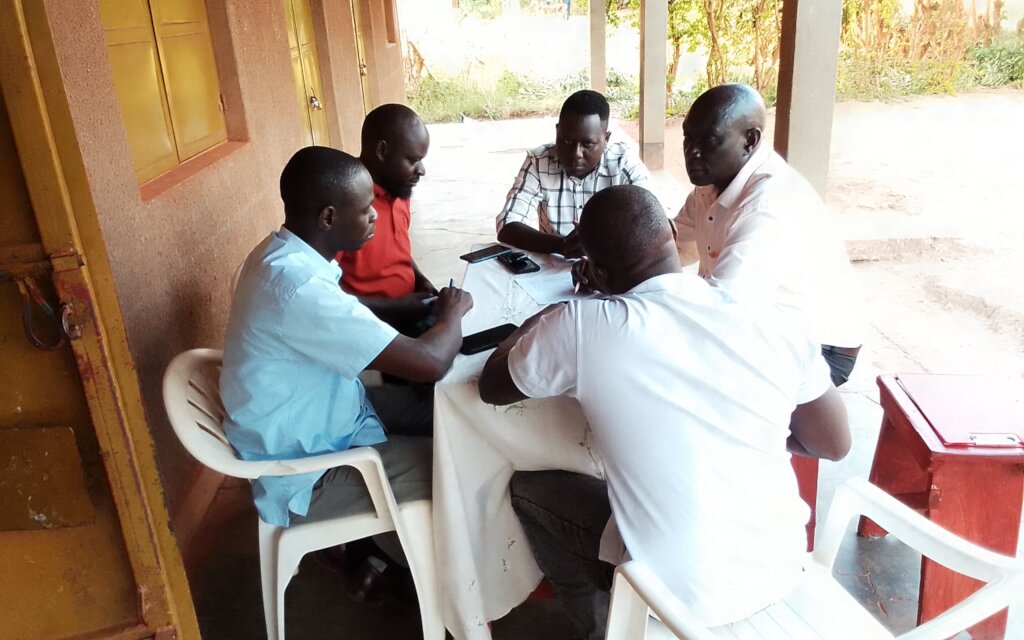
![Community Engagement in local decision]()
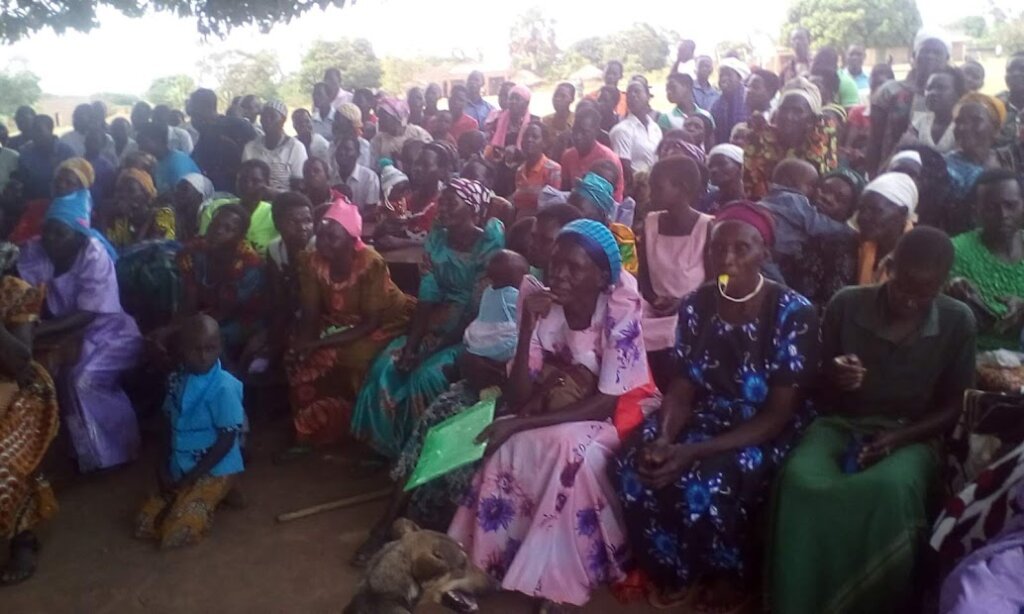
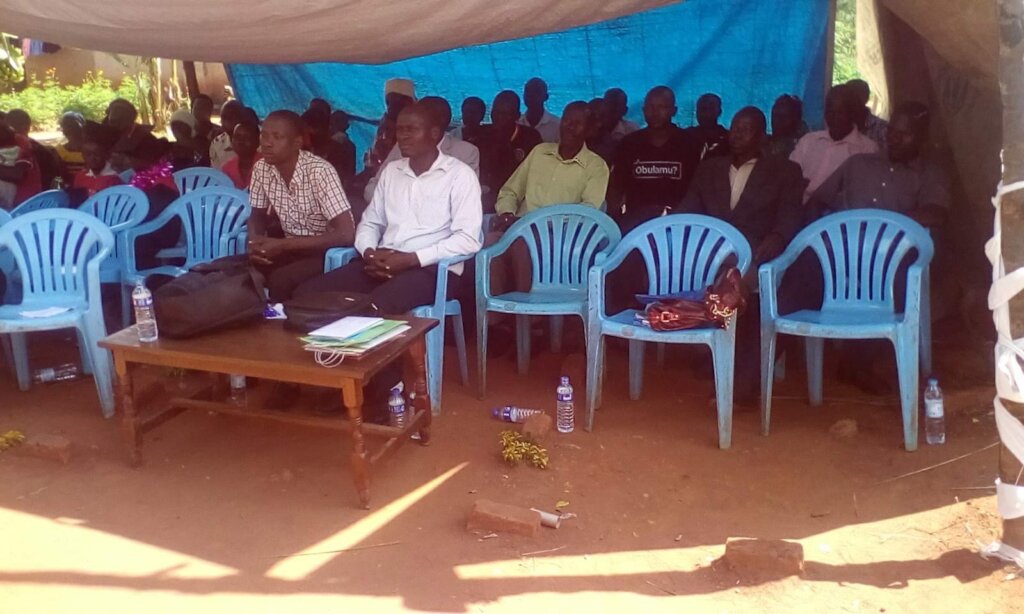
Community Engagement in local decision
Purposes of Community Engagement: Projects
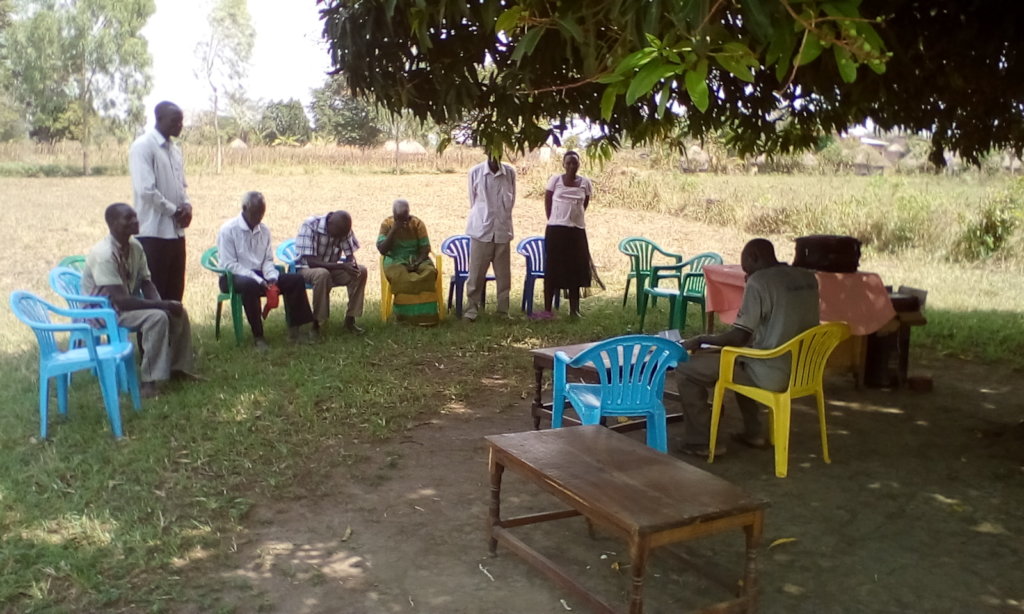
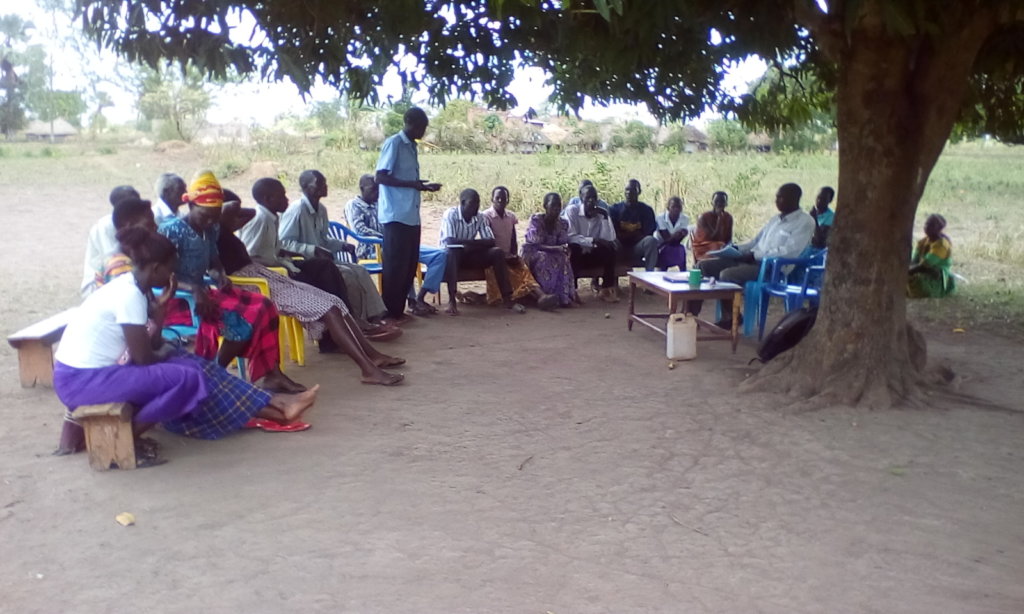
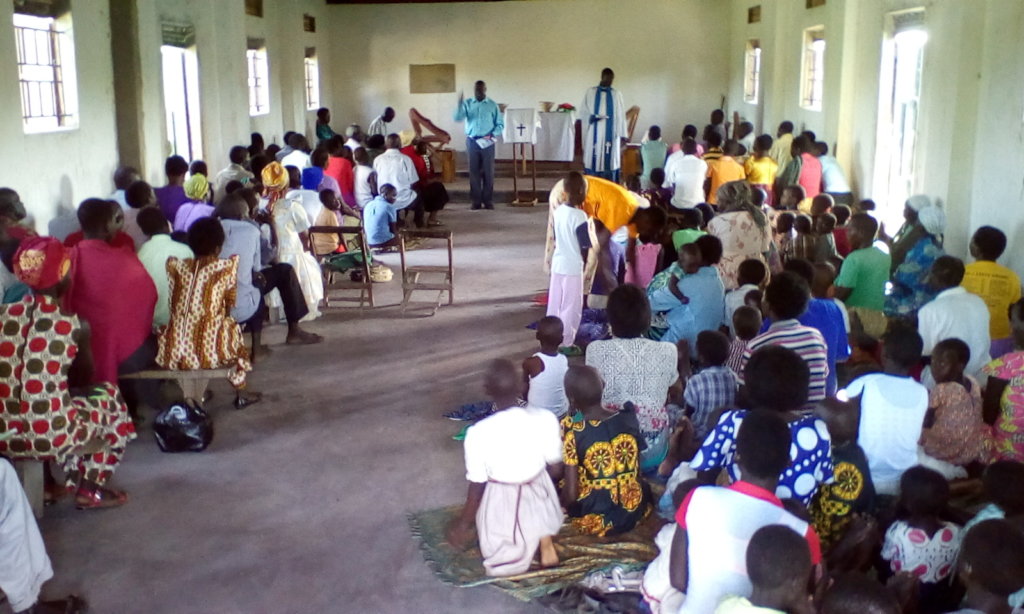
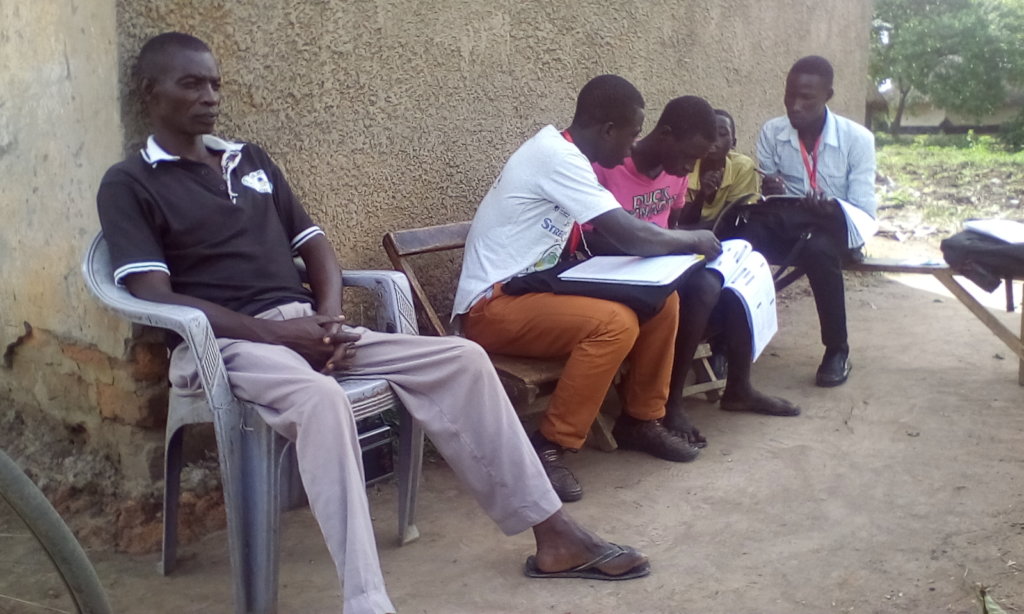
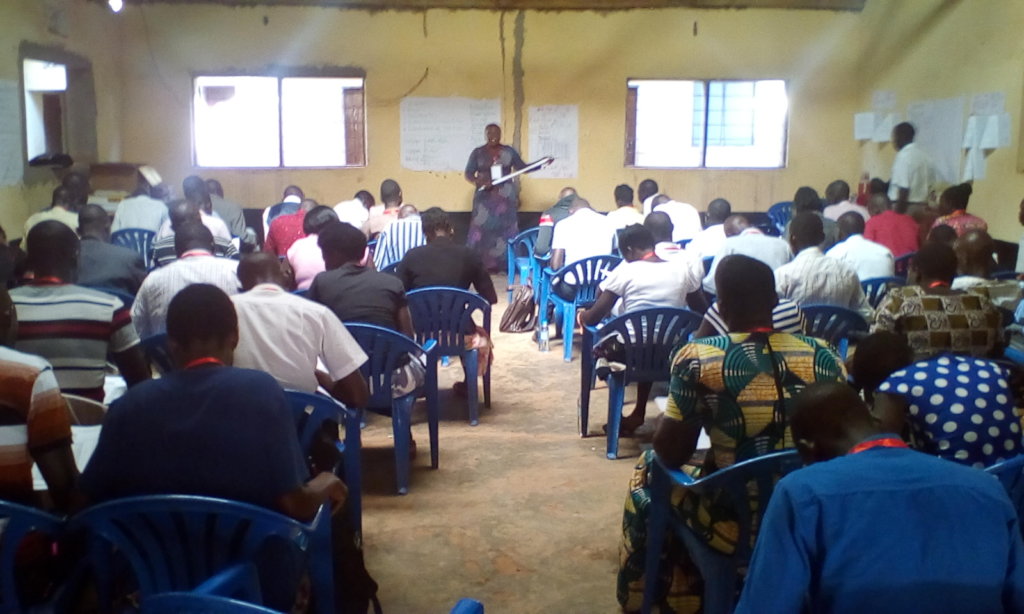
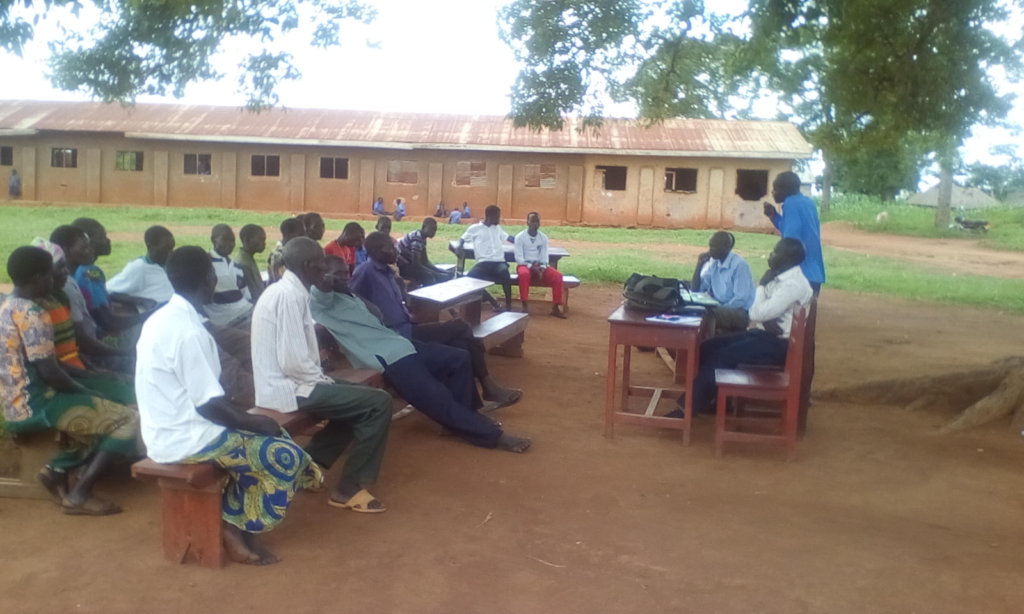
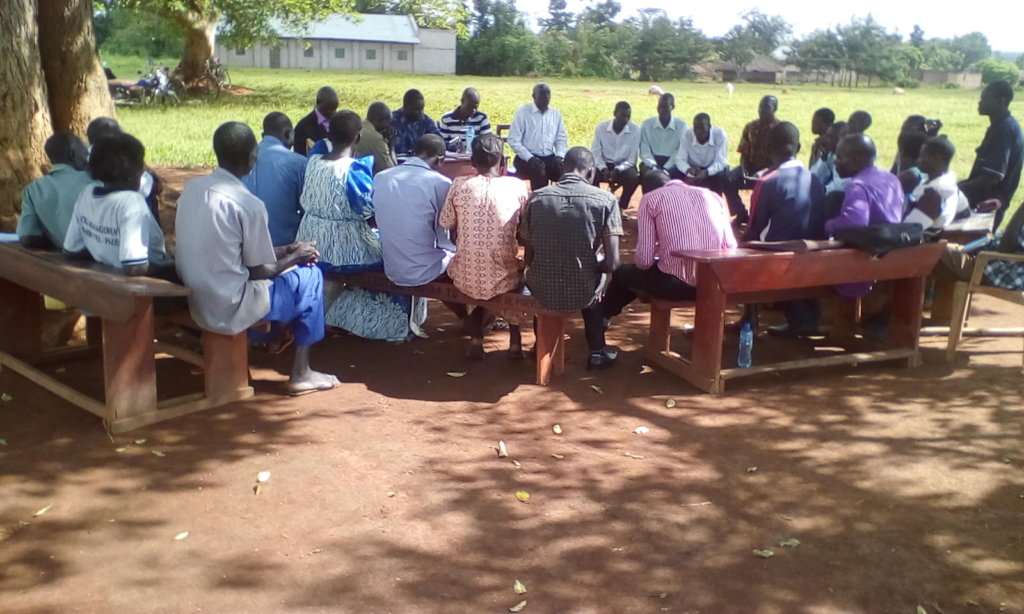
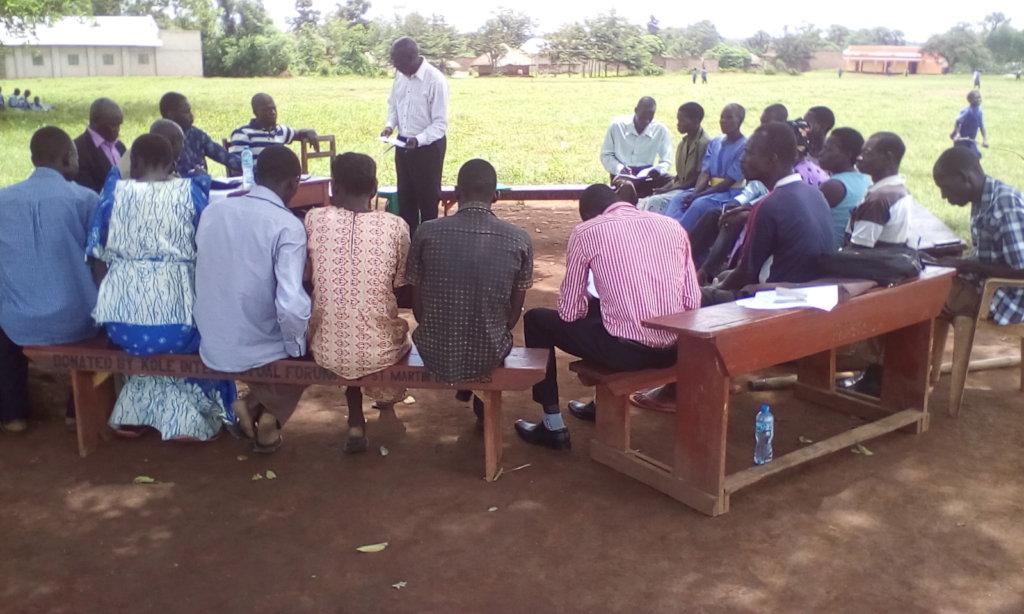
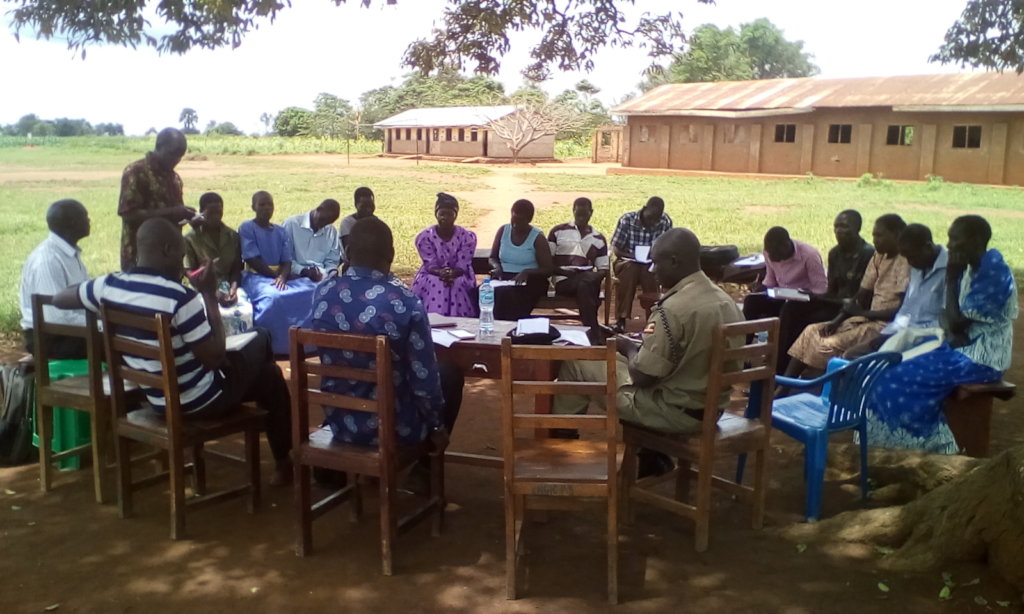
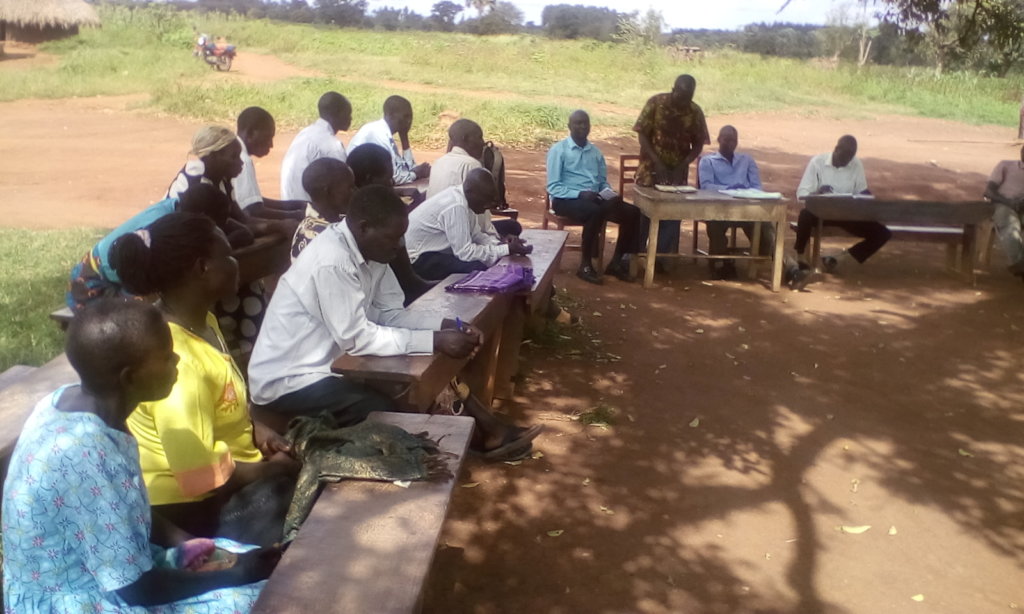
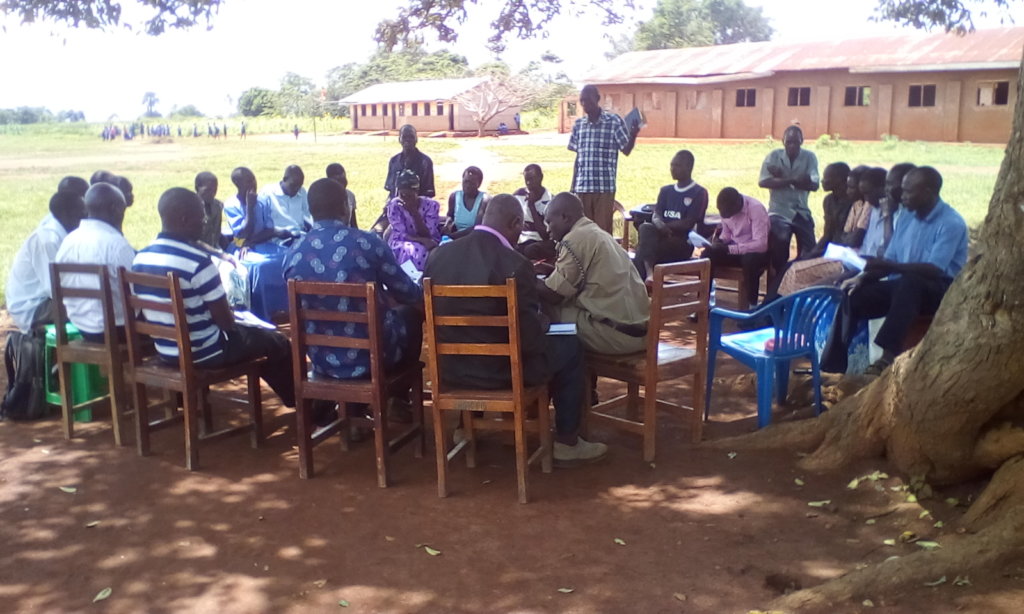
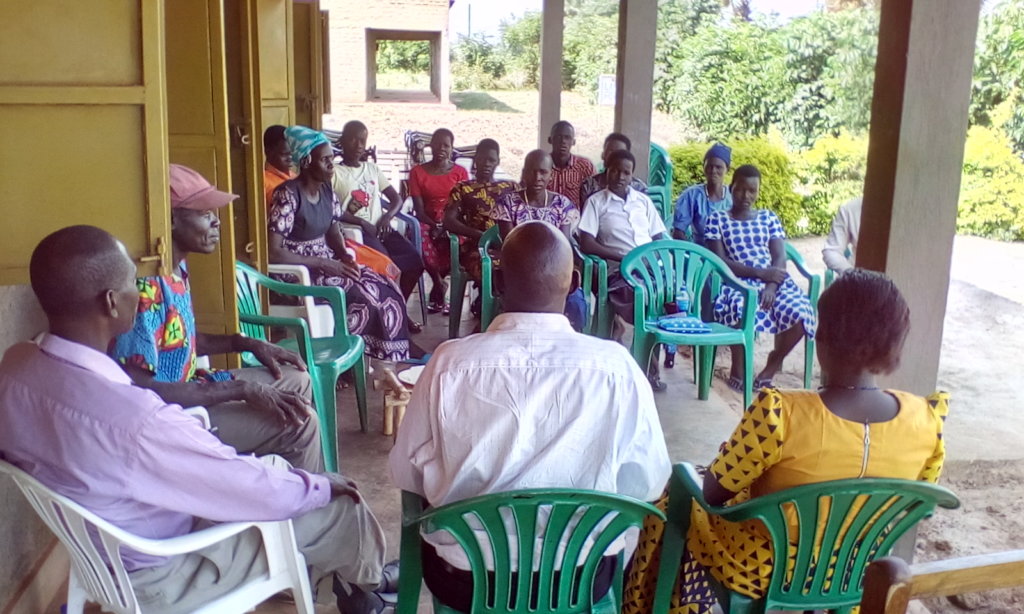
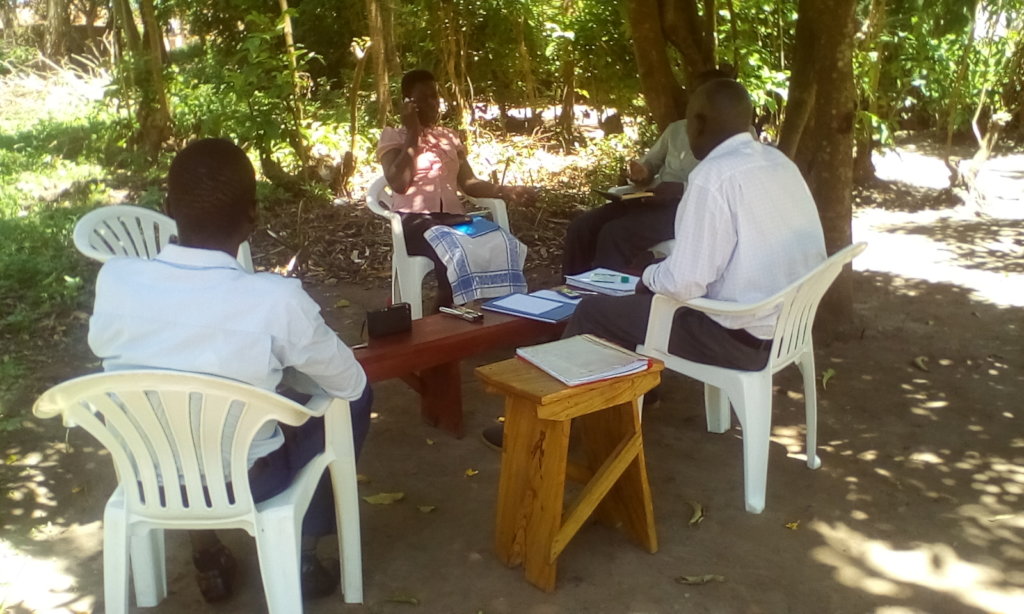
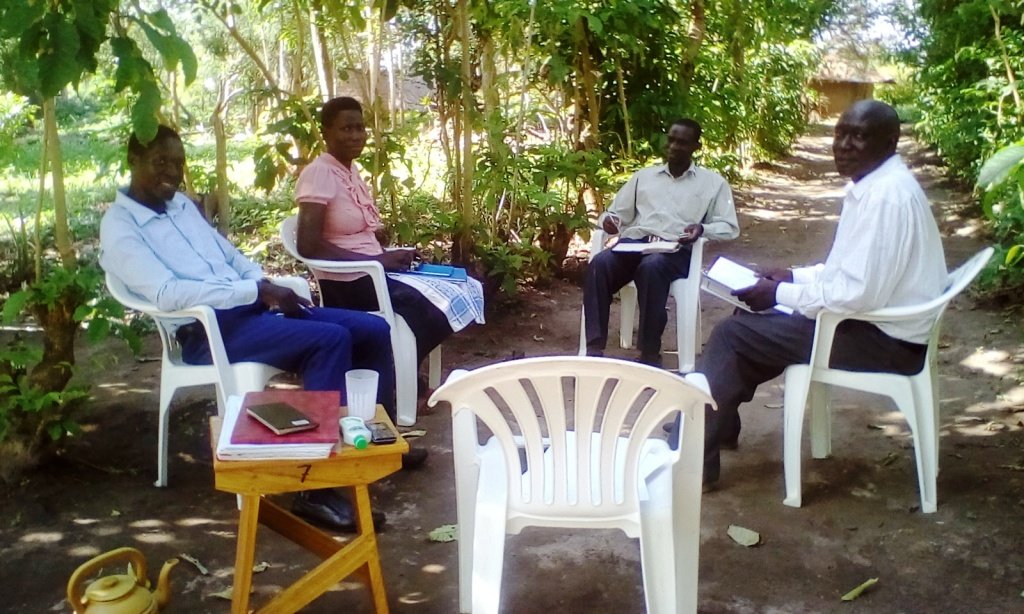
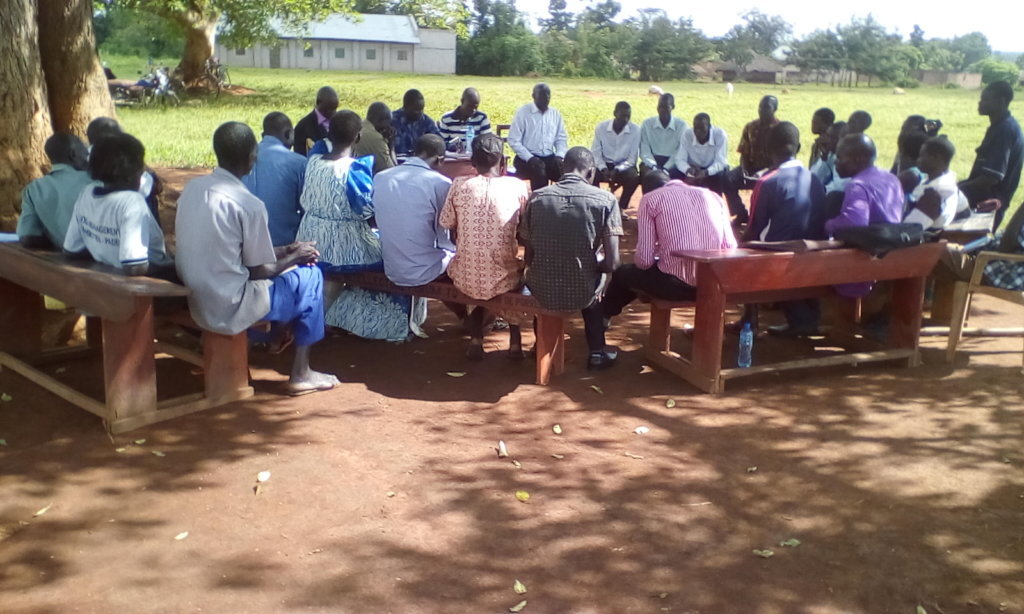
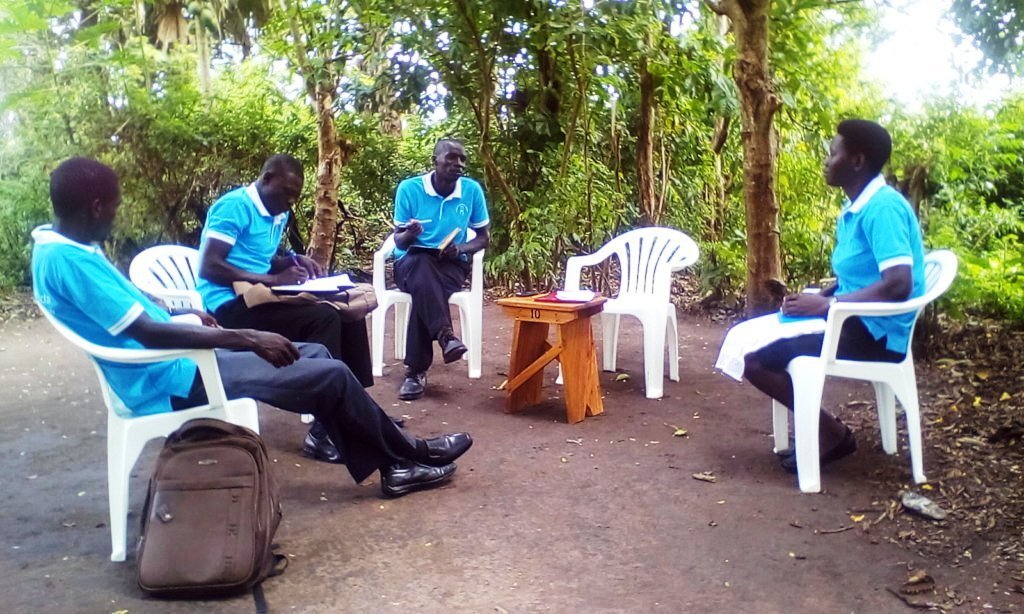
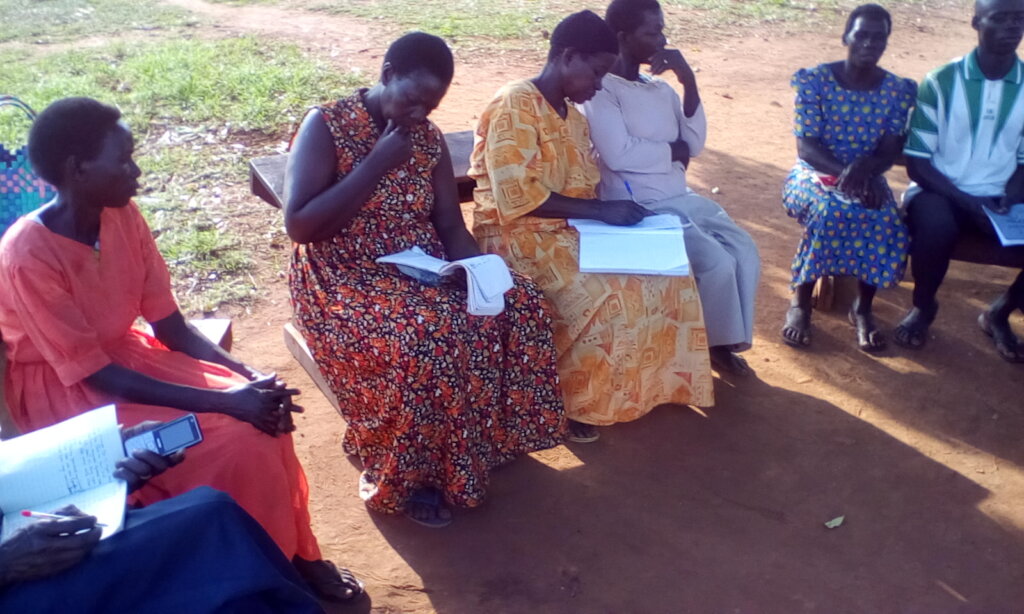
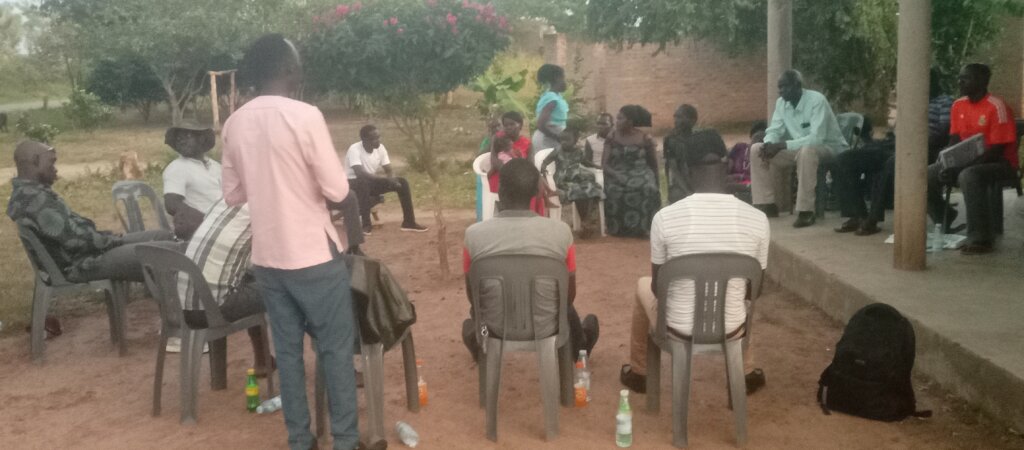
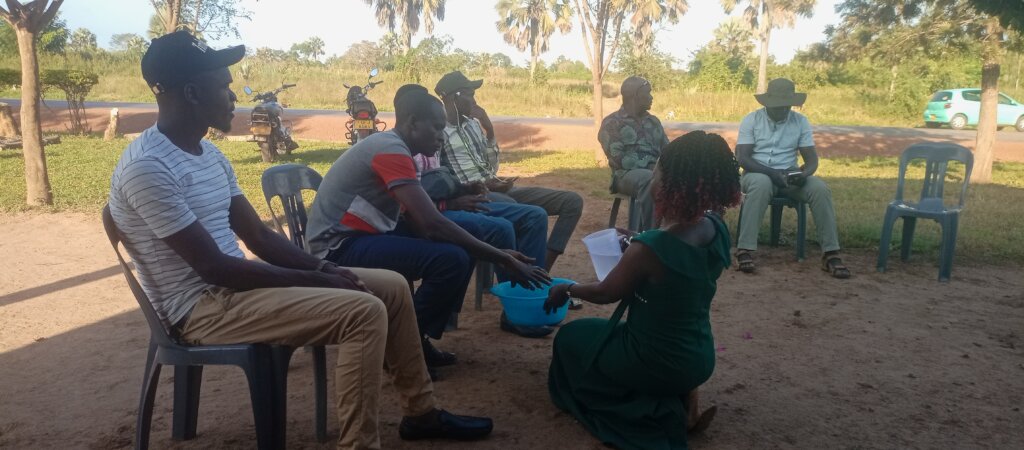
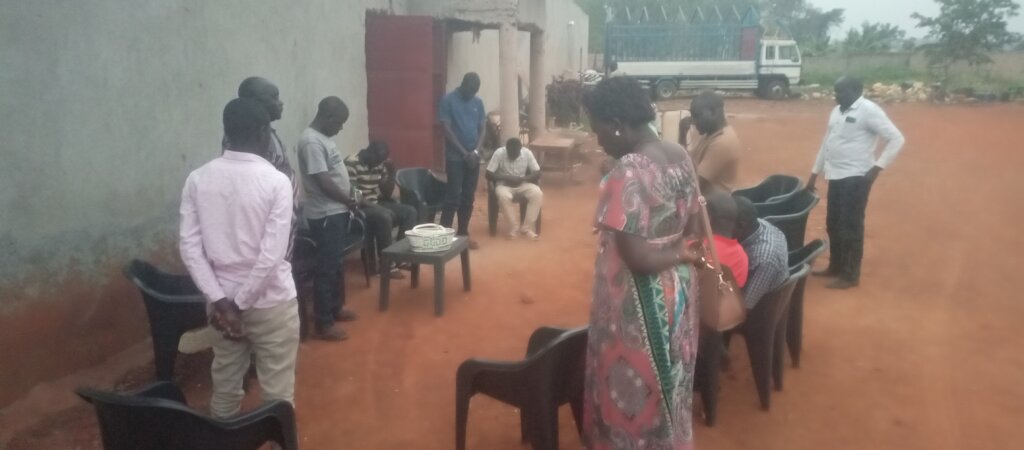
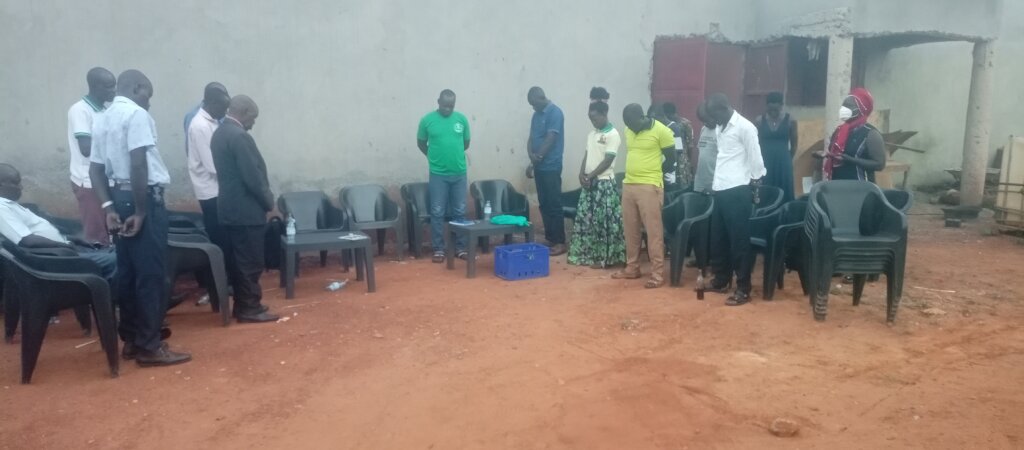
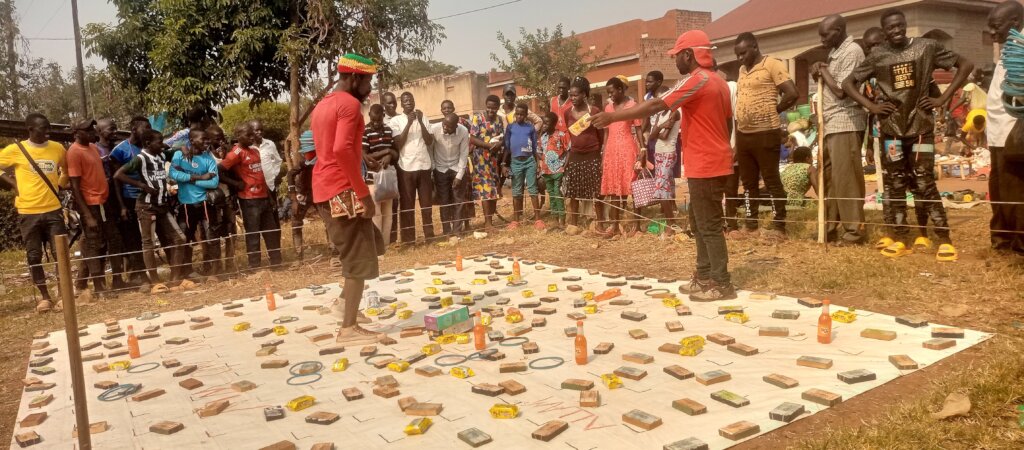
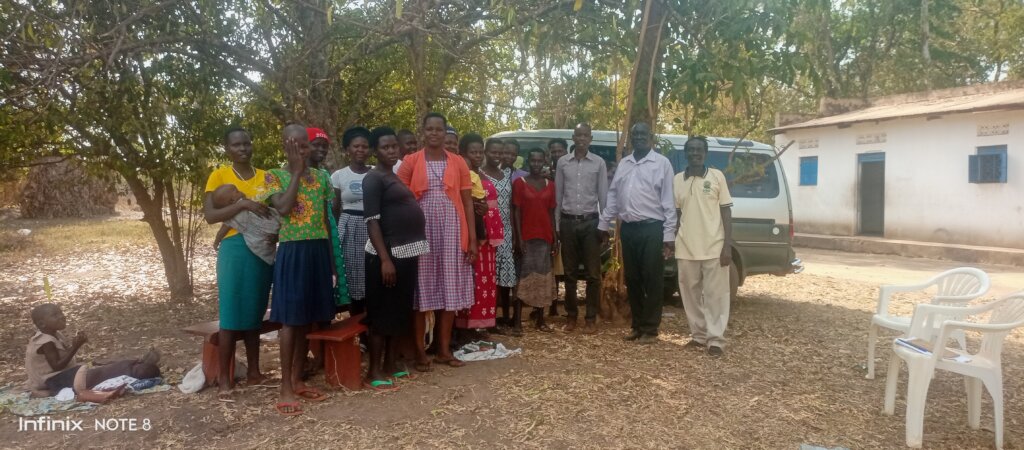
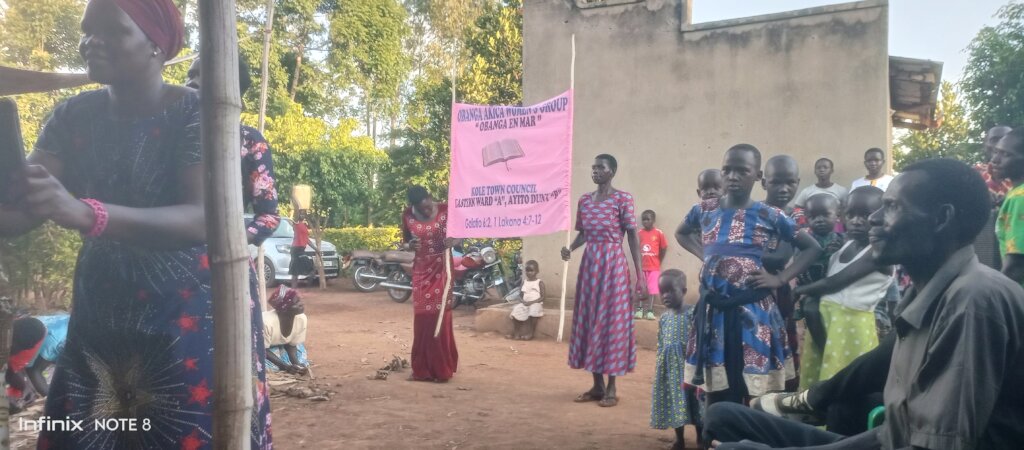
Kole Intellectual Forum, has found out that: for the purposes of making their projects to relevant, effective, and sustainable to the community, rather than being top-down solutions that miss the mark; they have to call on to the community engagement into their project design; and these community involvement are drawn for the purposes of the following reasons:
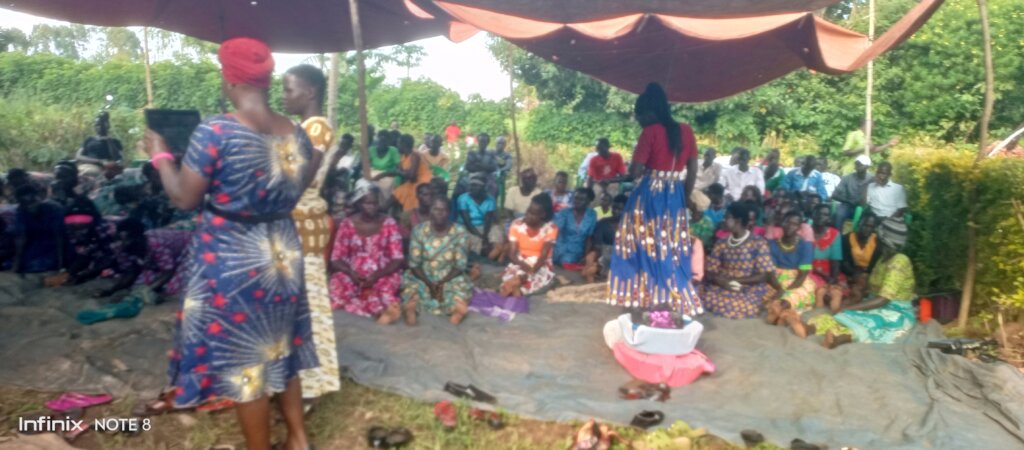
- Increased Relevance and Appropriateness: Local communities possess intimate knowledge of their own needs, priorities, resources, and cultural nuances. By engaging them, KIFA ensures that, the projects address real issues and are designed in culturally appropriate ways.
- Sustainability and Ownership: KIFA believes that, when community members are involved in planning and implementation, they develop a sense of ownership over the project outcomes. This increases the likelihood that activities and benefits will continue long after the NGO's direct involvement ends.
- Improved Effectiveness and Efficiency: Local input as per se, can lead to more practical solutions and better resource allocation, leveraging existing community networks and assets. This collaborative approach are seen too, as the often results in better overall project success rates.
Dec 16, 2025
Allocation of resources: Beneficiaries' food
By George Obua | Project Leader
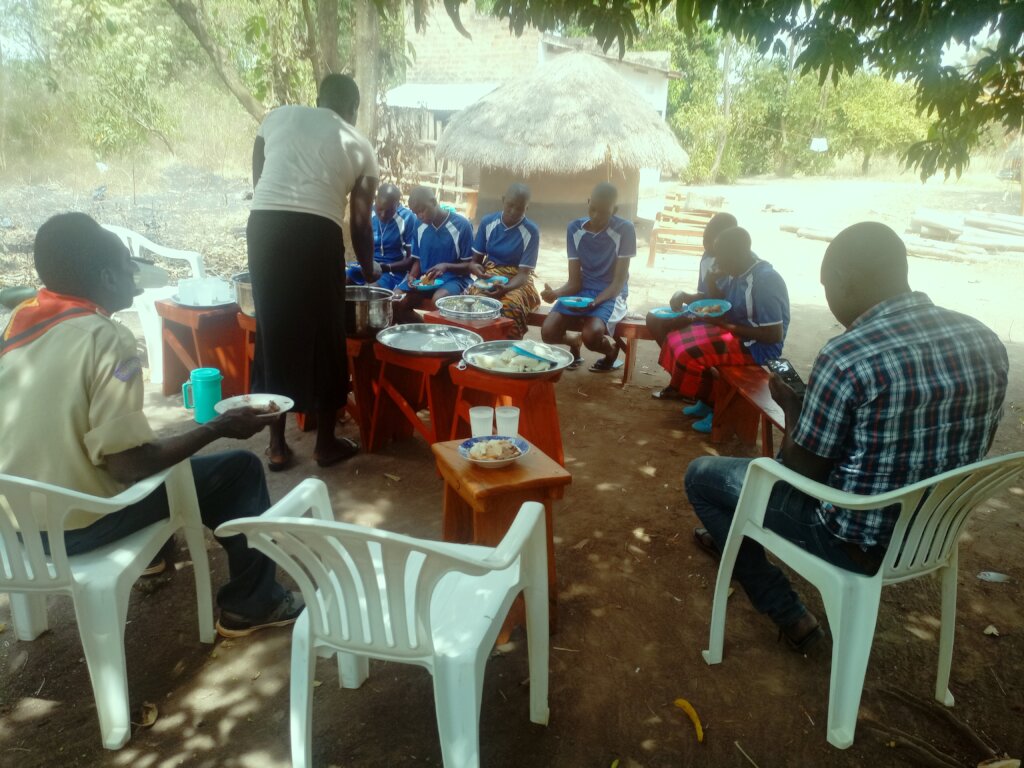
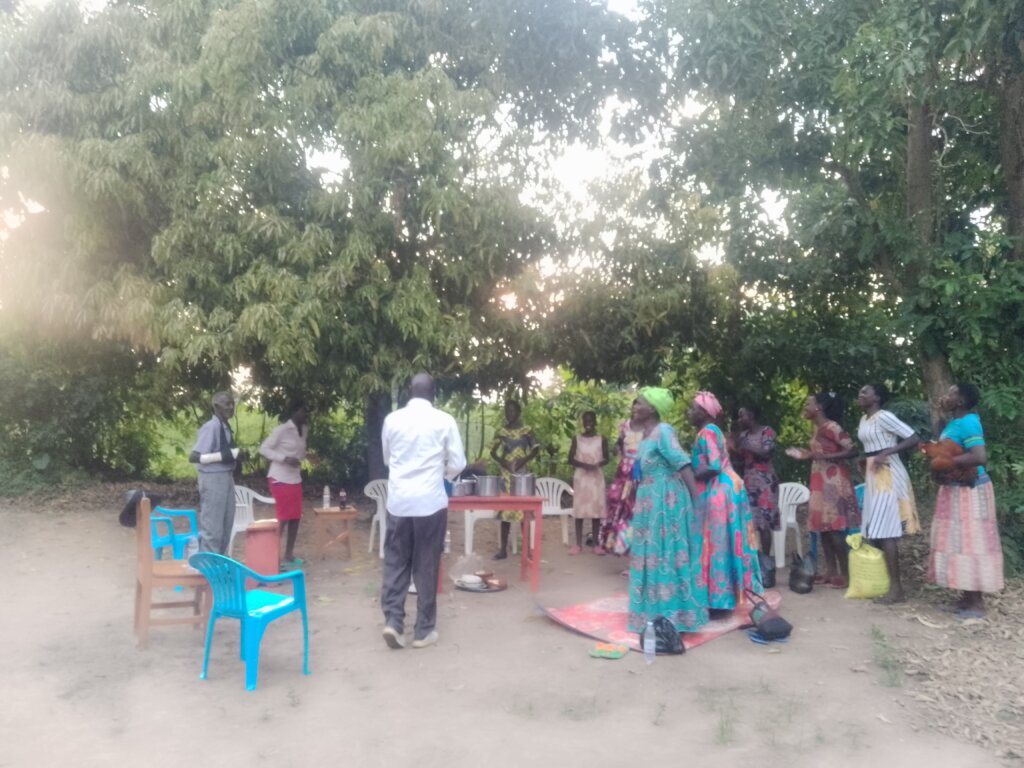
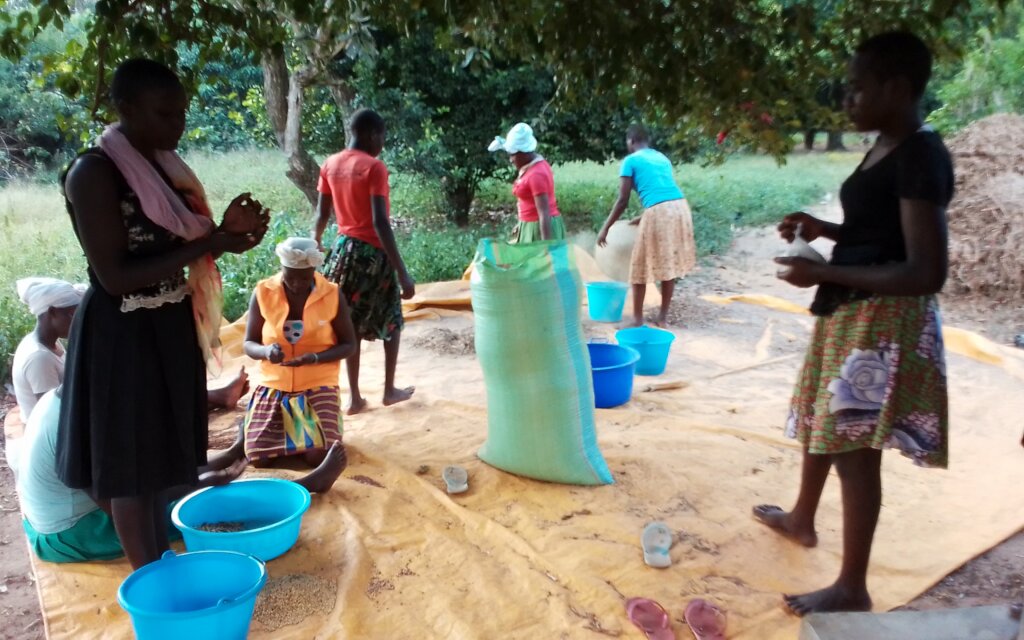
![Provision of food staff]()
Provision of food staff
Allocation of resources: Beneficiaries’ food
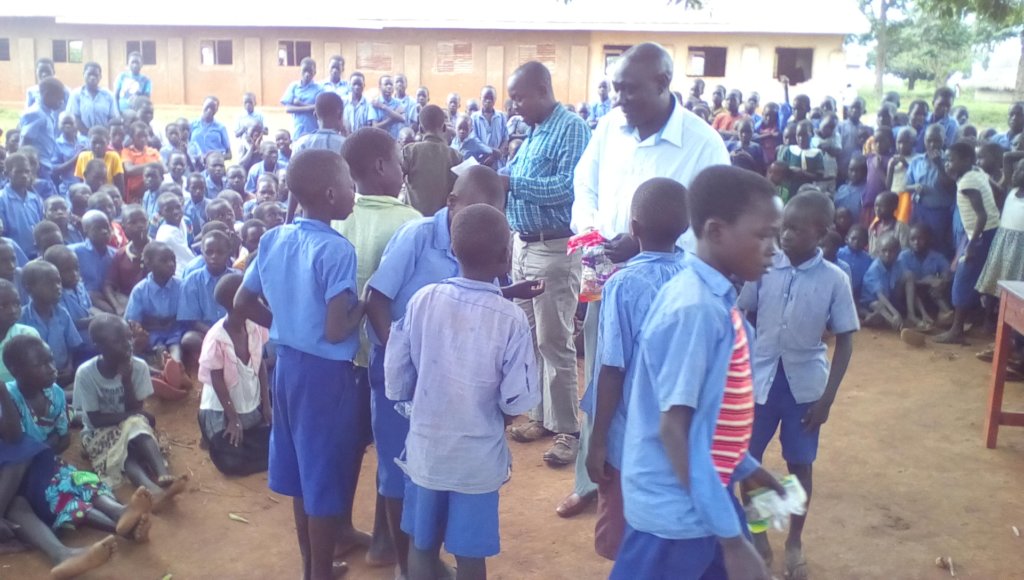
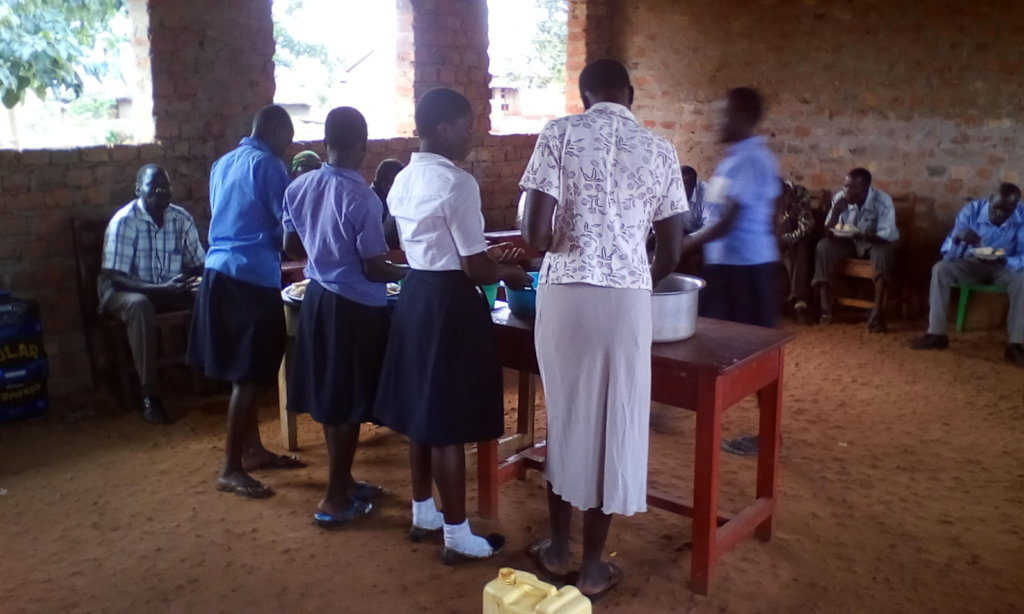
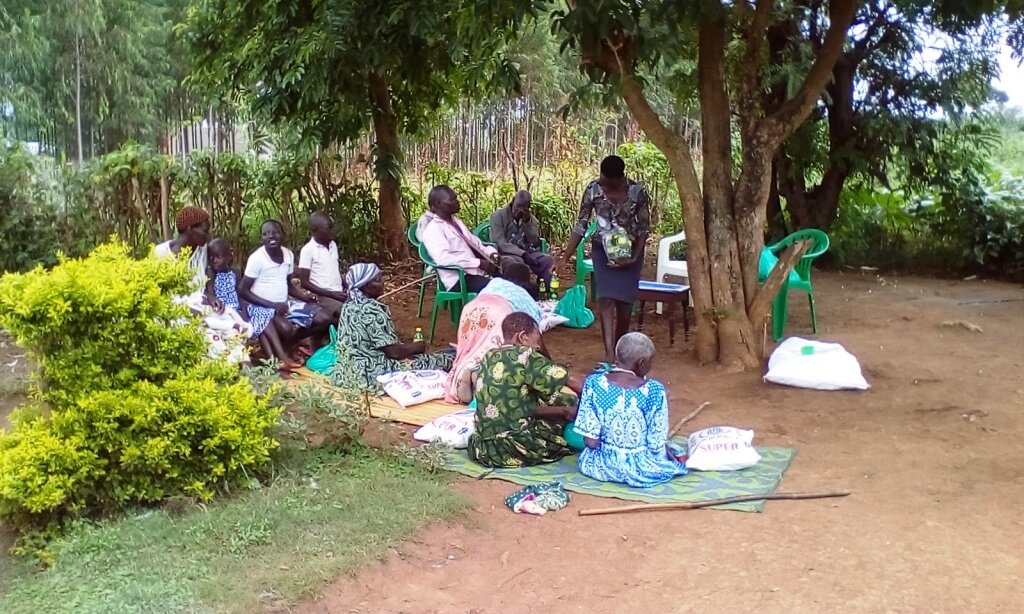
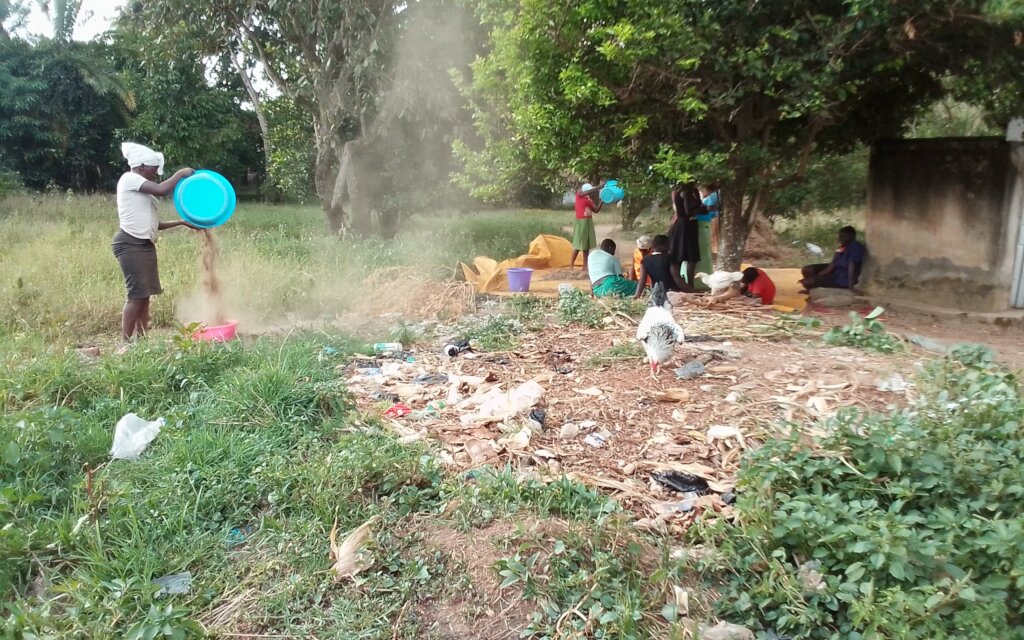
With the limited resource that Kole Intellectual Forum gets from the donors; it would have not be easy for the organization to provide for the beneficiaries food staff and other necessities; had it not to be because the good and lovely generosity of the donors; especially, from the donors found on the platform of GlobalGIving. About 90% of the donations being received by Kole Intellectual Forum comes from that platform.
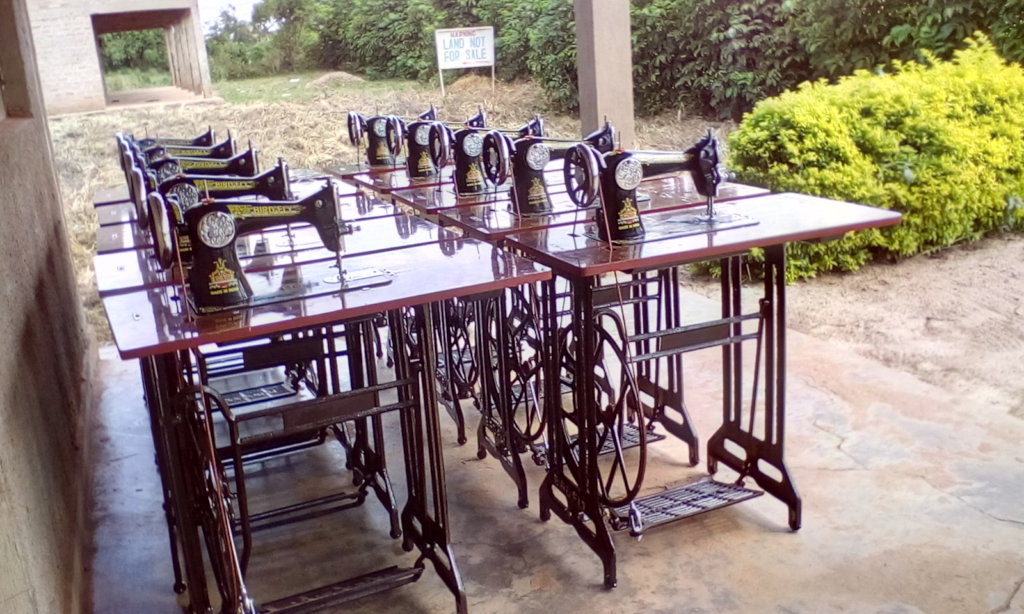
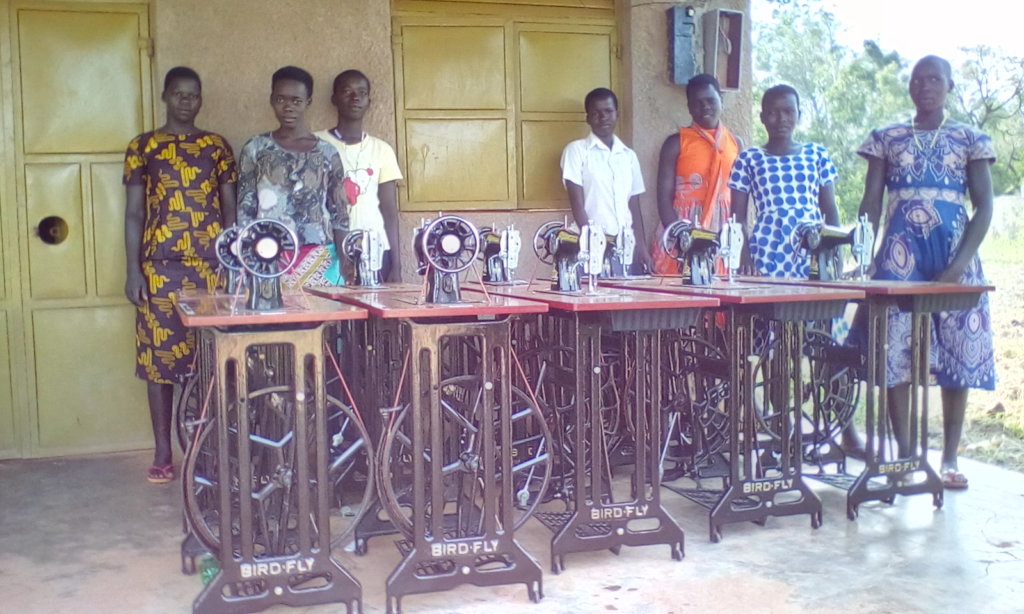
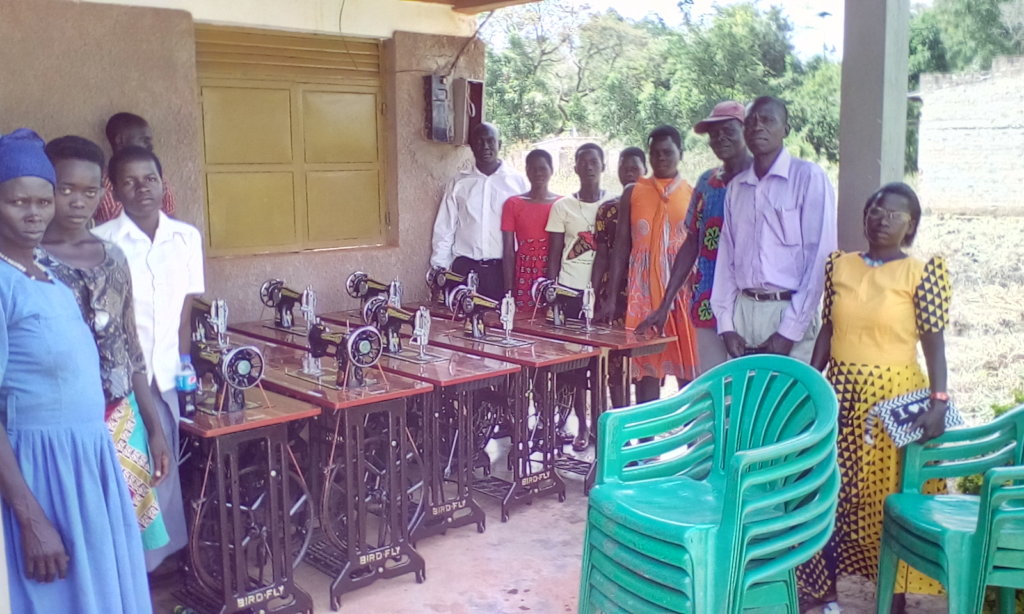
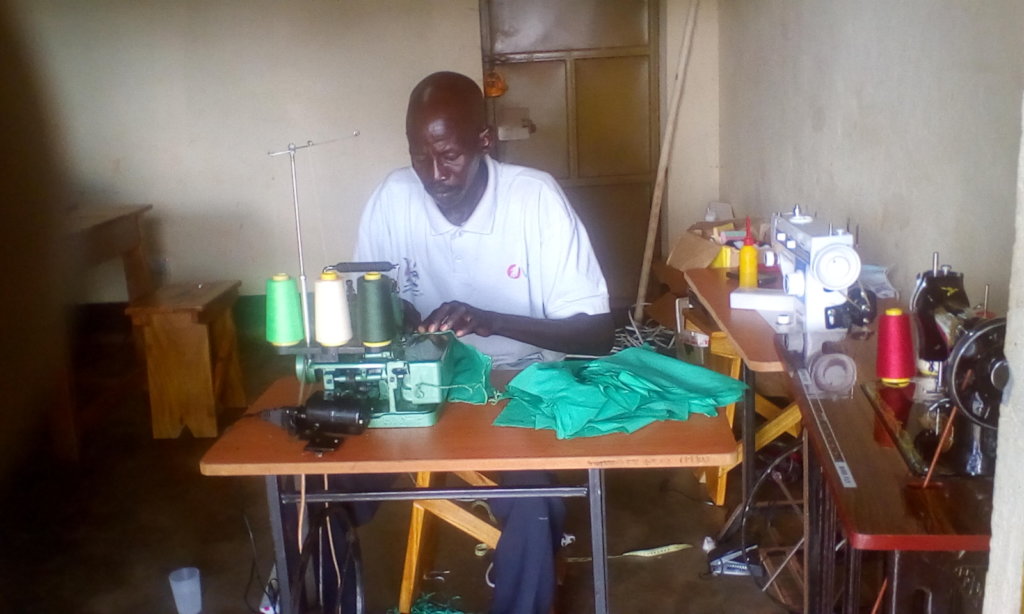
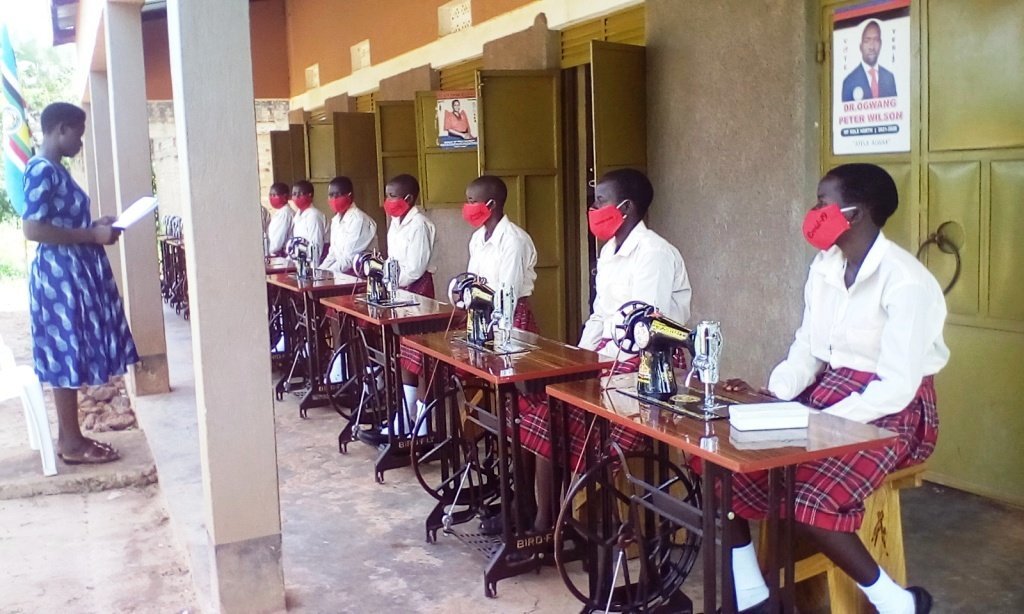
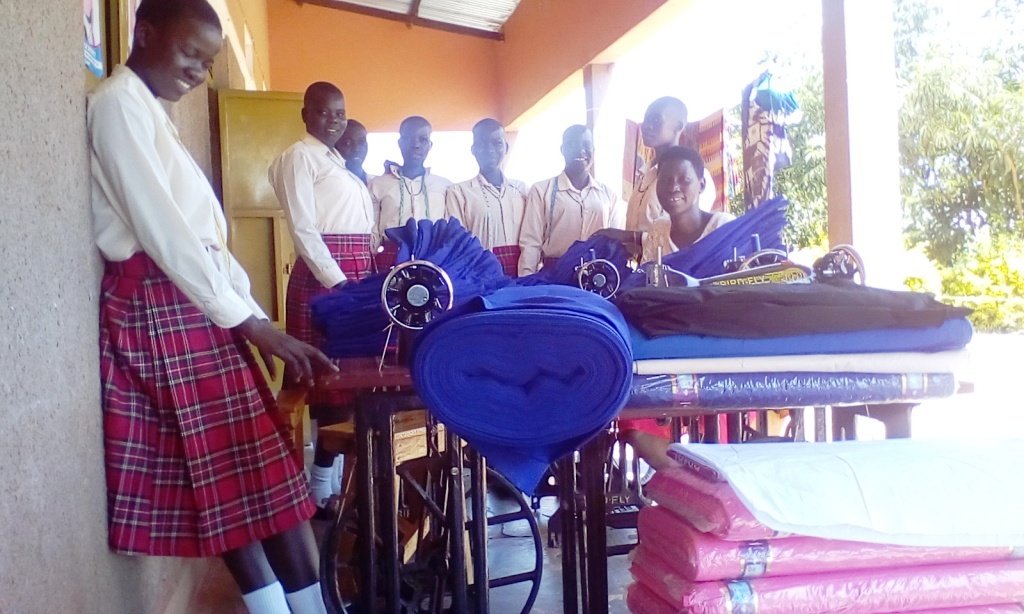
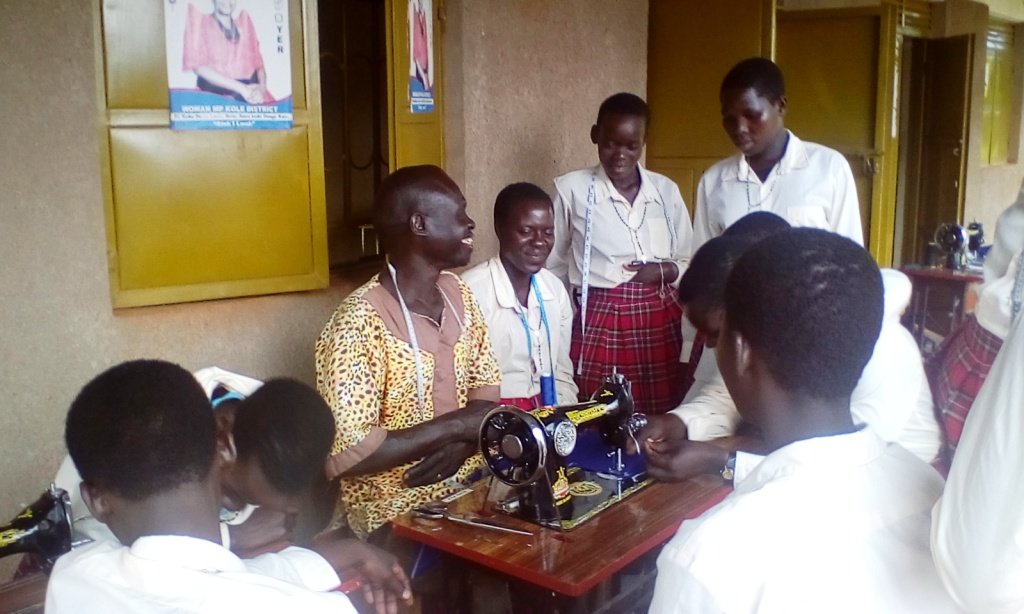
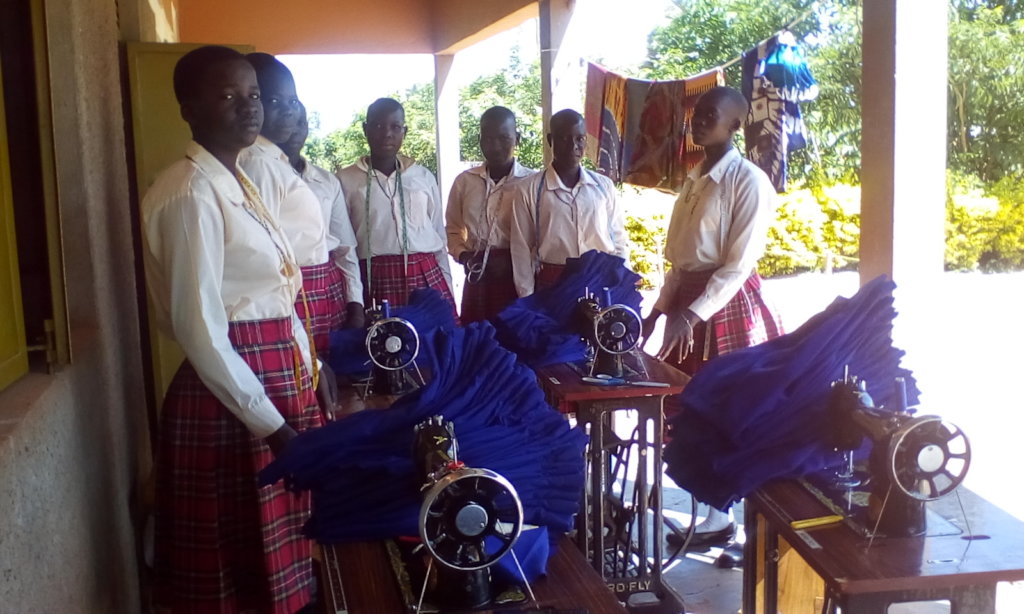
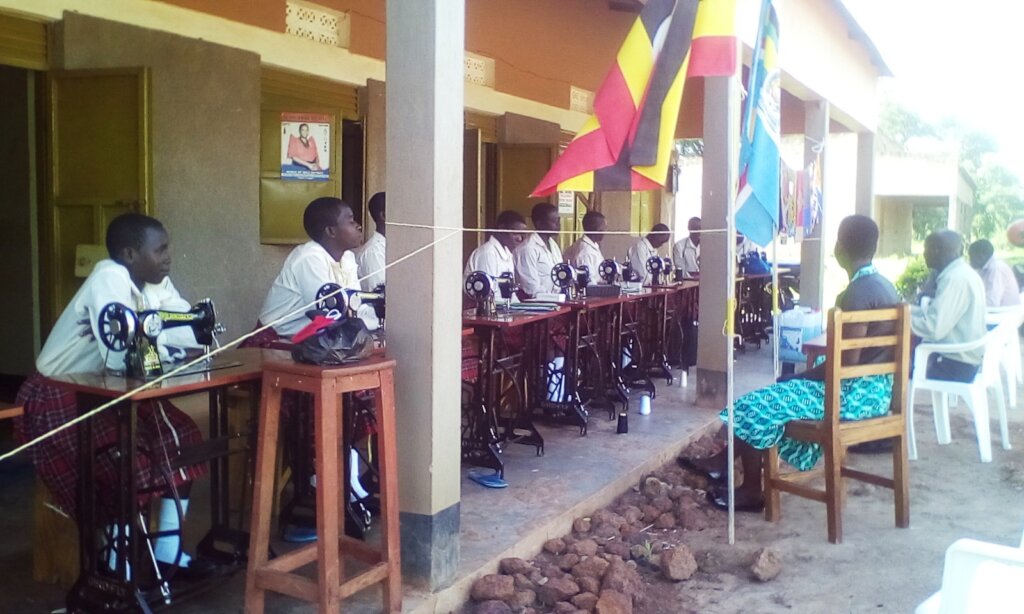
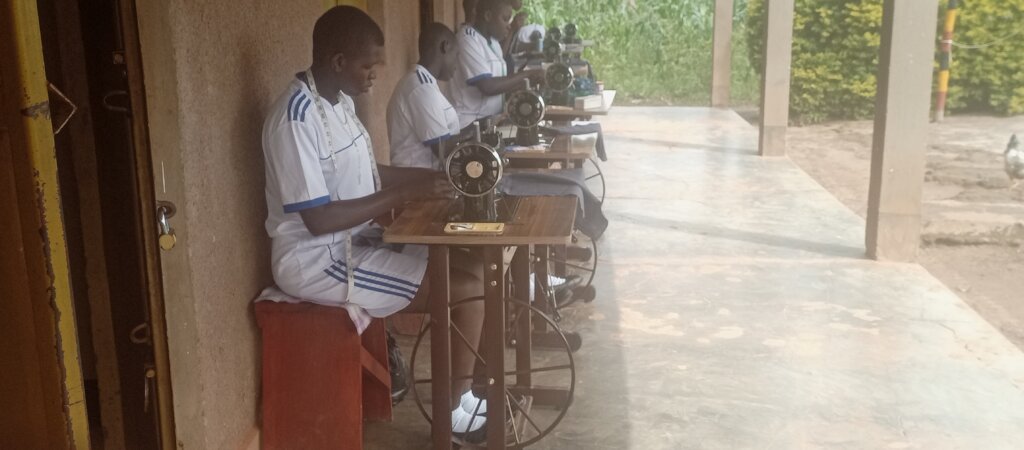
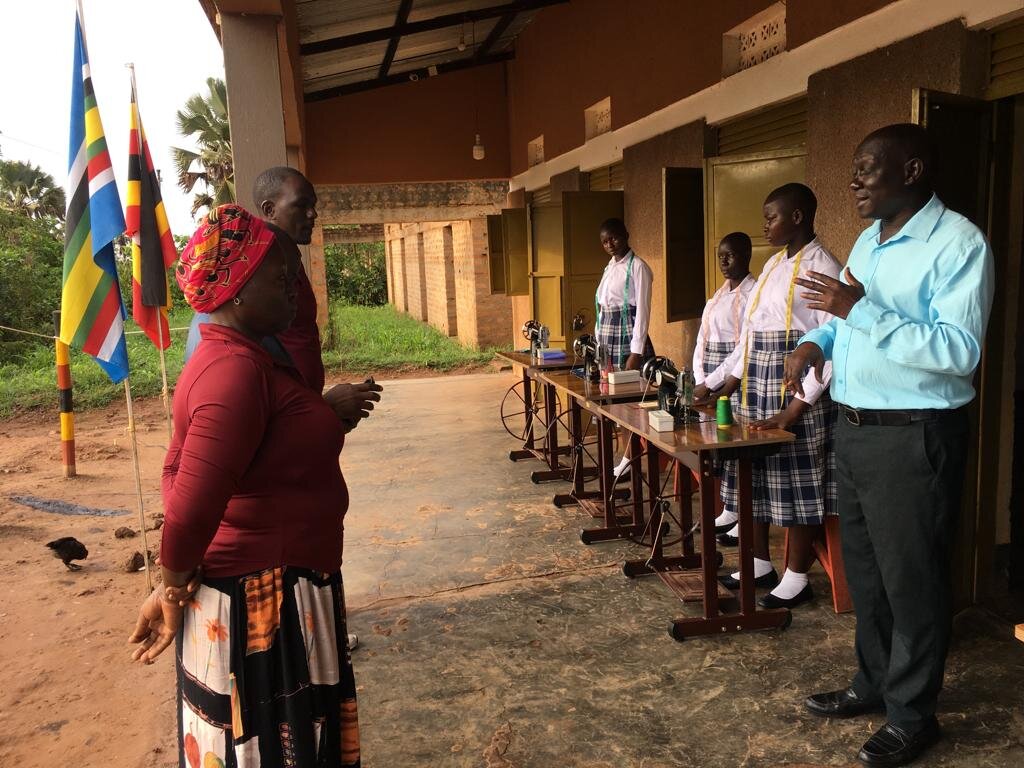
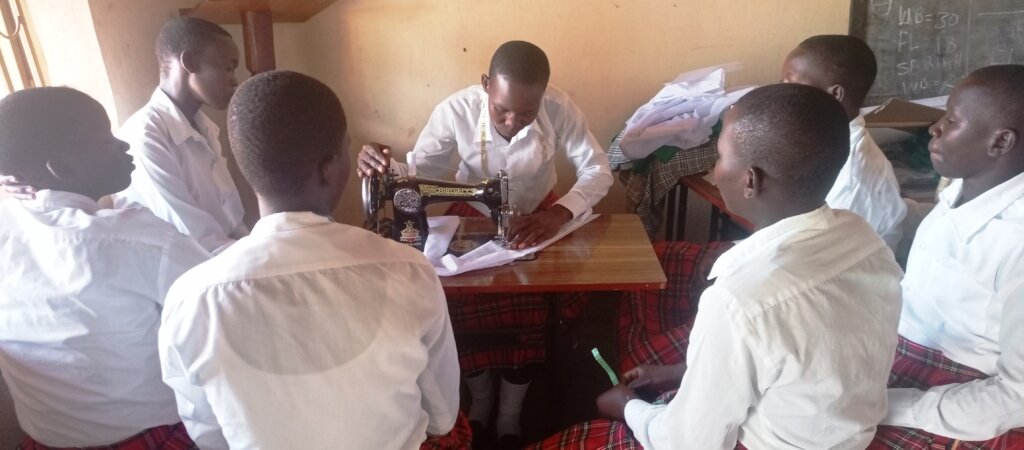
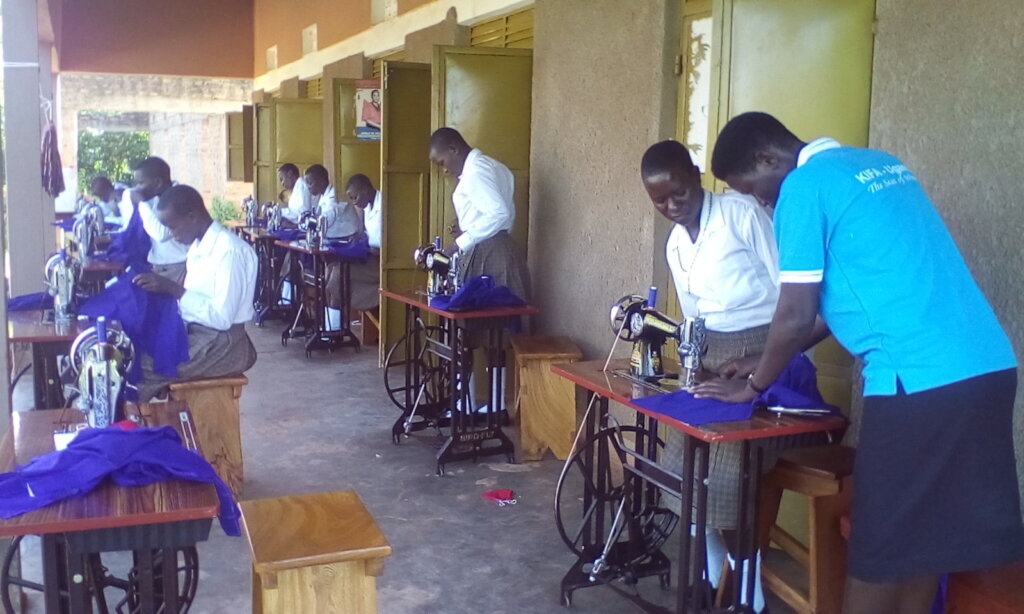
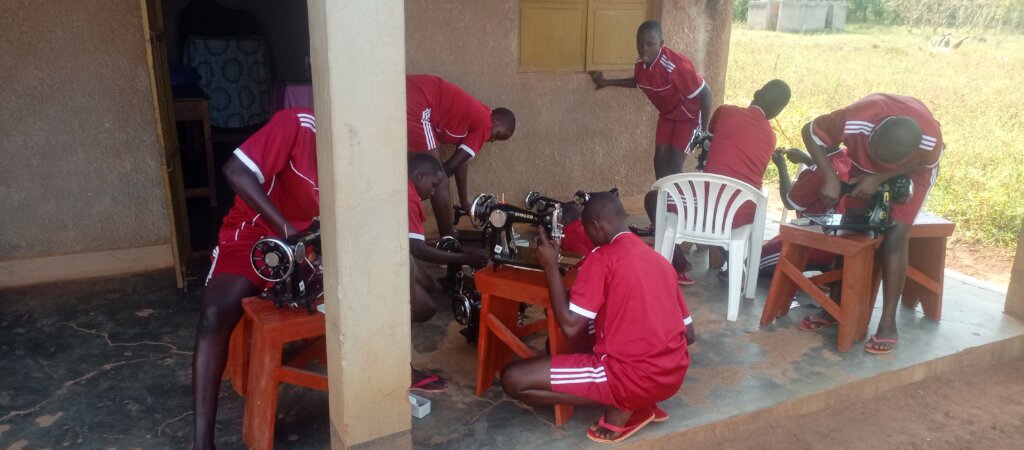
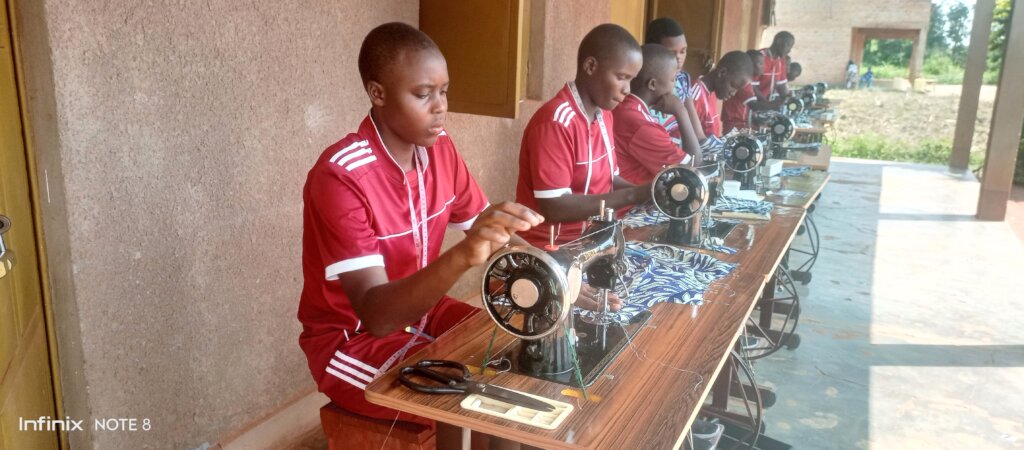
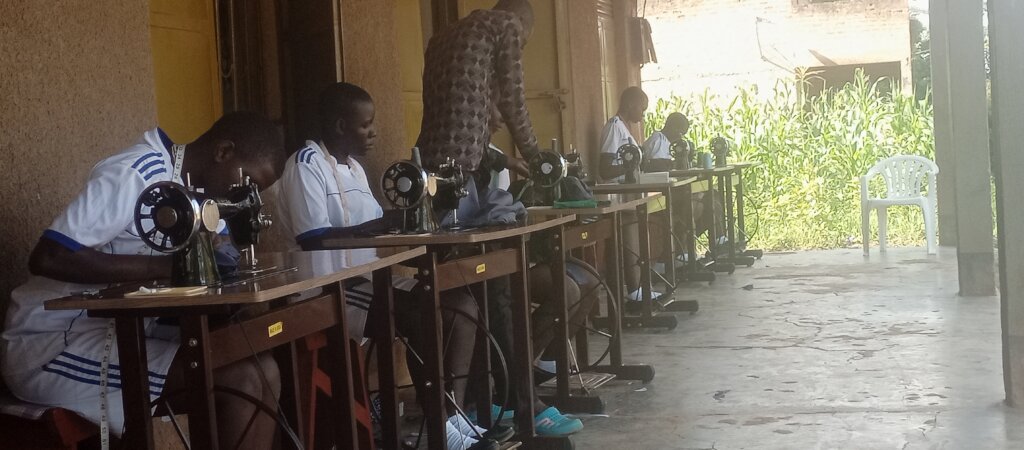
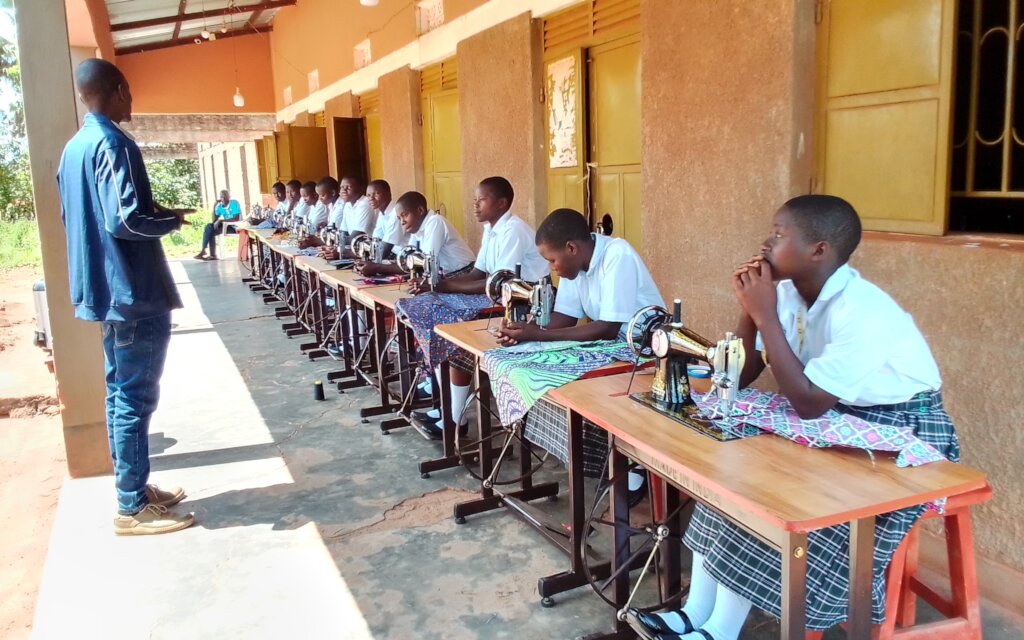
This fund is able to do a lot of things for the organization. From renting the Institute to paying staff, to buying food for the beneficiaries to the buying sewing machines and also carrying out the research as the principle activity of the organization among others.