By Plan International | Plan International
Across the world, conflict is exposing children to extreme harm, from violence and abduction to loss of education and healthcare. The United Nations recognizes 6 grave violations against children in conflict. These violations show the scale of the risks children face, and why urgent action is needed to protect them.
The United Nations Security Council identifies six grave violations against children in conflict:
International humanitarian law requires armed forces and armed groups to take measures to protect children and all civilians but too often this is disregarded. Grave violations against children in conflict are tragically part of this pattern. Children’s lives, families and futures can be destroyed.
How are girls affected by conflict?
For girls, conflict often brings additional risks. Girls are often targeted or used as weapons of war. They may face recruitment by armed forces and armed groups, sexual violence, forced marriage, trafficking, child labour, early pregnancy, and attacks on their education. Their specific needs are often overlooked in humanitarian responses and by those in power, even though they are among those most affected.
Plan International works with girls and children, families, communities and partners in conflict-affected countries to help protect children, support survivors ensuring they can access the services, education and care they need.
Plan International also advocates at all levels to prevent and end grave violations against children in conflict. We strive in humanitarian responses and in our humanitarian diplomacy to ensure that children are protected.
How conflict is shaping children’s lives around the world
Conflict affects children in different ways, depending on where they live and what they face. Here are some examples of how children’s lives are being shaped and how they are finding ways to cope and recover.
Nigeria: protecting girls from abduction and violence
During 2024, the UN verified 2,436 grave violations against 1,037 children (386 boys, 651 girls). Cases were verified for the following grave violations against children: the killing and maiming of children; the recruitment and use of children; sexual violence against children; abduction of children, and attacks against schools or hospitals.
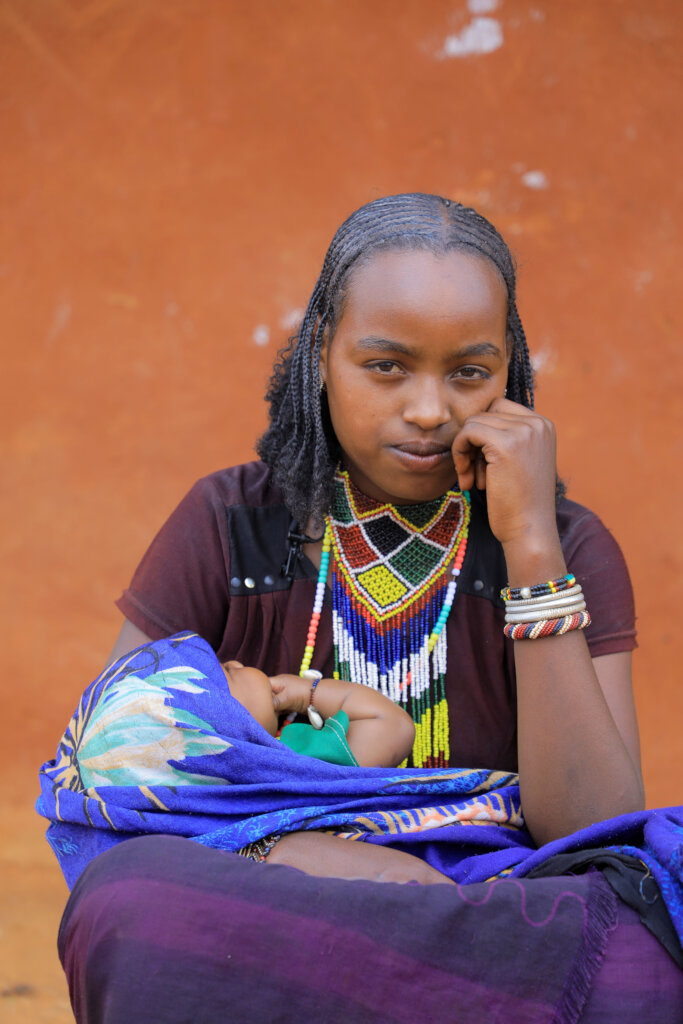
In parts of Nigeria, conflict and insecurity have placed children at serious risk of abduction, displacement and exploitation. Girls are particularly vulnerable to being taken from their families, forced into marriage, or exposed to sexual violence.
For children who have already experienced trauma, recovery can take years. Many need safe spaces, psychosocial support, access to education and help rebuilding their confidence.
Plan International works in Nigeria to support children affected by conflict, including through child protection services, education support, safe spaces and community-based protection systems. We work with local partners to help children recover, stay safe and access the support they need.
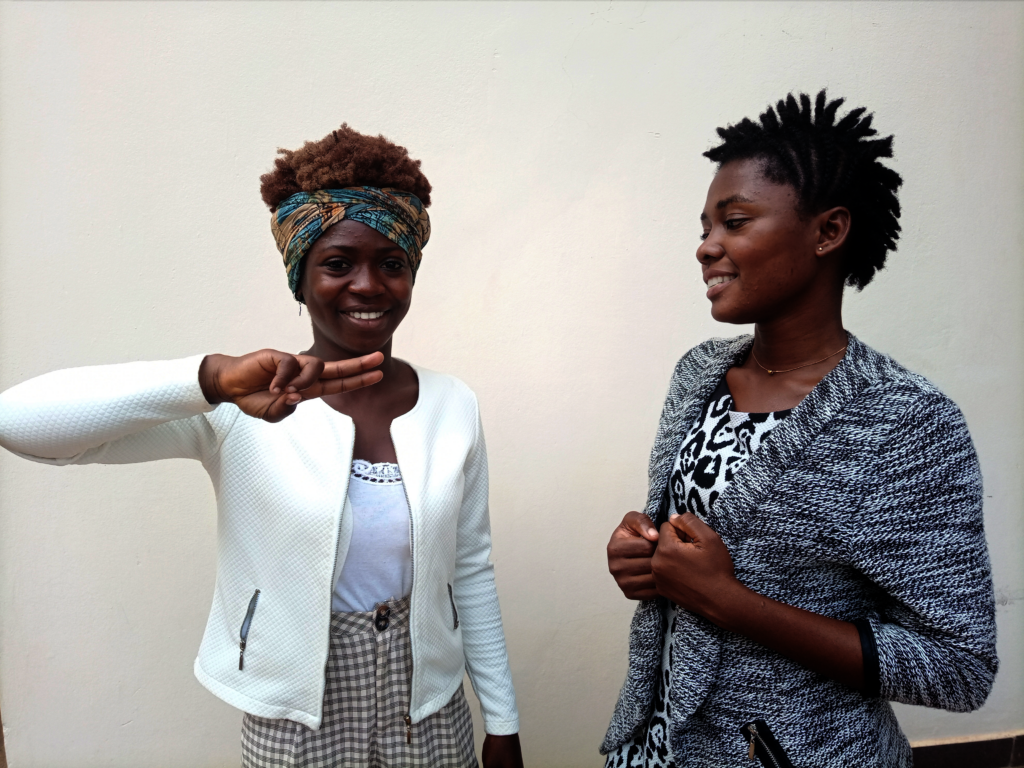
When gunmen attacked her grandmother’s village, nine-year-old Asiya* was taken. She spent eight years in captivity and was forced to marry one of her captors. When she became pregnant, her husband let her go.
Six months pregnant, Asiya walked day and night through dense undergrowth for two days, with no food or water. “I was so tired and hungry, but I kept walking,” she says.
Asiya eventually found her way to Plan International’s Women-to-Women Support Group, where she received healthcare, nutrition support for her baby, and psychosocial counselling. “I used to feel scared, like my senses were incomplete,” she says. “But now I feel whole.”
Ethiopia: supporting children forced from home
In 2024, the UN verified 844 grave violations in Ethiopia against 458 children (236 boys, 151 girls, 71 gender not specified). Cases were verified for all six grave violations against children: the killing and maiming of children; the recruitment or use of children; sexual violence against children; abduction of children; attacks against schools or hospitals, and denial of humanitarian access.
Conflict in Ethiopia has forced many children and families to flee their homes. Displacement can leave children without food, shelter, school, healthcare or protection.
Children separated from their families are at heightened risk of violence, exploitation and abuse. Girls may face additional threats, including sexual violence, child marriage and being forced to take on unpaid care work.
Plan International supports conflict-affected communities in Ethiopia by helping children access protection, education, psychosocial support and essential services. We also work with communities to strengthen safeguarding and reduce risks for girls and boys.
“Before, I was shy. I didn’t play with other children,” says Hana, 14, who lives in a site for internally displaced people in Adidaero. “There was nowhere for us to learn or be together.”
Now, she spends her days in a child-friendly space supported by Plan International, drawing, painting and making friends.
“I enjoy creative activities and I can balance school and play,” she says. Alongside this, Hana receives health and wellbeing support.
“This support is our hope while we live here. We pray it continues until we find a permanent home.”
Ukraine: helping children continue learning
In 2024, the UN verified 1,914 grave violations against 673 children (379 boys, 294 girls). Cases were verified for the following grave violations against children: the killing and maiming of children; the recruitment and use of children; attacks against schools or hospitals, and the denial of humanitarian access.
The war in Ukraine has had a devastating impact on children’s lives. Schools have been damaged or destroyed, families have been displaced, and children have had to cope with fear, uncertainty and disruption.
Attacks on schools and the disruption of education are among the gravest violations children can experience in conflict. Without safe access to learning, children lose more than lessons – they lose routine, stability, friendships and hope.
Plan International works with partners to support children affected by the war in Ukraine, including through education, mental health and psychosocial support, protection services and assistance for displaced families.
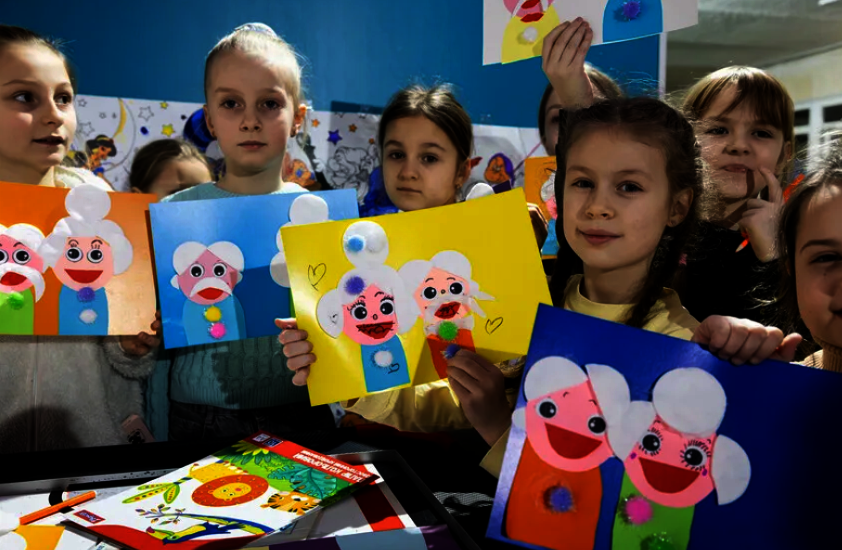
“We have activities for different age groups all day, every day, and we run training courses and therapy sessions for parents, too,” explains Hanna, a project coordinator at a childfriendly space in Kropyvnytskyi, supported by Plan International and our local partner Slavic Heart.
“One morning it’s soft play and board games, then the next it’s computer skills, followed by dancing and painting. We try to make the programme as diverse as we can.”
Gaza: responding to children’s urgent humanitarian needs
In 2024, the UN verified 4,856 grave violations against children in the Gaza Strip. Cases were verified for the following grave violations against children: the killing and maiming of children; the recruitment and use of children; denial of humanitarian access, and attacks on schools and hospitals.
Children in Gaza are facing catastrophic levels of harm. Many have been killed or injured, while others have lost family members, homes, schools and access to basic services.
When humanitarian access is denied or restricted, children are left without the food, water, medicine, shelter and protection they urgently need. This can deepen suffering and increase the risk of disease, malnutrition and trauma.
Plan International works with partners to support children and families affected by crisis, including through emergency response, child protection, access to essential supplies and support for girls’ specific needs during humanitarian emergencies.
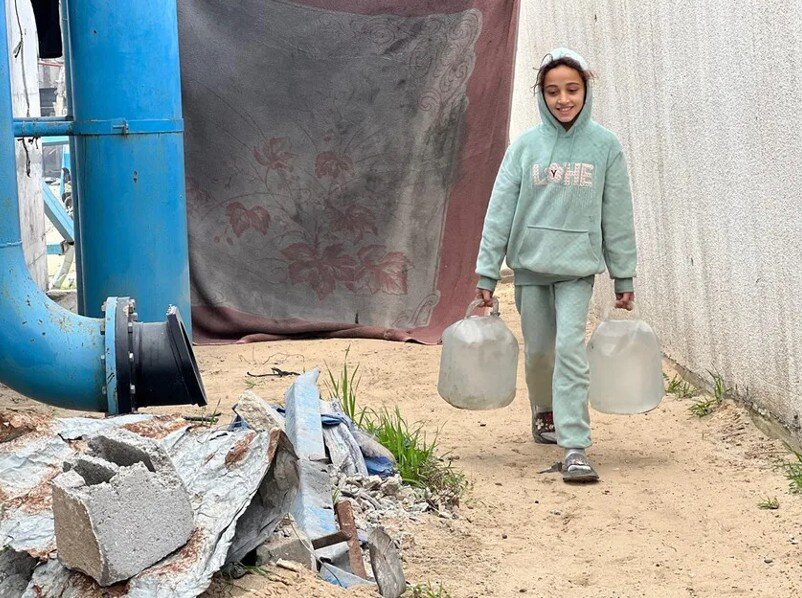
Farah shares a tent, no larger than a small room, with 11 members of her family. Made from thin fabric, it offers little protection from Gaza’s harsh seasons.
“I don’t want to live in a tent. I want to go back home,” says Farah. “All 12 of us live there. It’s small, like a small room, and it doesn’t fit us properly.”
Support from Plan International’s partner, Juzoor for Health and Social Development, has provided some relief. The family has received food vouchers, clothing and medical care.
After missing fourth and fifth year entirely, Farah has now returned to school. “I am happy because I love school and I like to learn. We need schools like the rest of the world.”
Haiti: protecting children from recruitment, violence and exploitation
In 2024, the UN verified 2,269 grave violations against 1,373 children (699 girls, 618 boys, 56 gender not specified) and 24 grave violations that occurred in previous years. Cases were verified by the UN for all six grave violations against children.
In Haiti, escalating violence and insecurity have placed children at growing risk. Armed conflict and attacks on schools expose children to recruitment, sexual violence, abduction and exploitation.
When schools close and families lose income, children become even more vulnerable. Girls may be at increased risk of child sexual exploitation.
Plan International supports children and young people in Haiti through child protection, education, youth engagement, community-based support and cash assistance. Our work helps children stay safer, access services and rebuild a sense of stability.
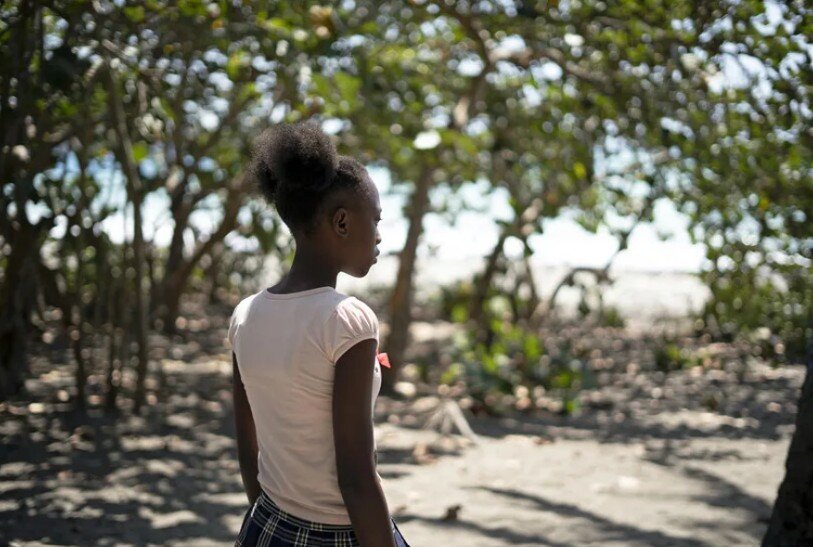
Barbara*, 15, fled her home in Port-au-Prince after armed groups killed four of her cousins. Now living in a displacement site, she worries constantly about violence. “What makes me sad is thinking about how I used to live at home compared to how I am living now. They are two completely different realities.
“Right now, the biggest difficulty is the violence. The armed men are always shooting. Even when I can go to school, sometimes it’s closed because of the violence. The area isn’t safe. I’ve lost so many days, weeks, even months just sitting at home.”
Barbara has received multi-purpose cash assistance and dignity kits from Plan International, and attends one of our child-friendly spaces.
Sudan: protecting children from sexual violence and denial of access to humanitarian support
In 2024, the UN verified 2,041 grave violations against 1,882 children (1,081 boys, 564 girls, 237 gender not specified) and 127 violations that occurred in previous years. Cases were verified by the UN for all six grave violations against children.
The conflict in Sudan has created one of the world’s largest child displacement crises. Millions of children have been forced from their homes, while many face violence, hunger, sexual assault and loss of education.
By late 2024, 17 million children were out of school (UNICEF), and hundreds of schools have been damaged or used as shelters. In Darfur, families are living in makeshift sites with little protection, where children face growing risks of violence and exploitation.
Denial of humanitarian access has also left many children without food, healthcare, clean water or protection services, putting lives at immediate risk.
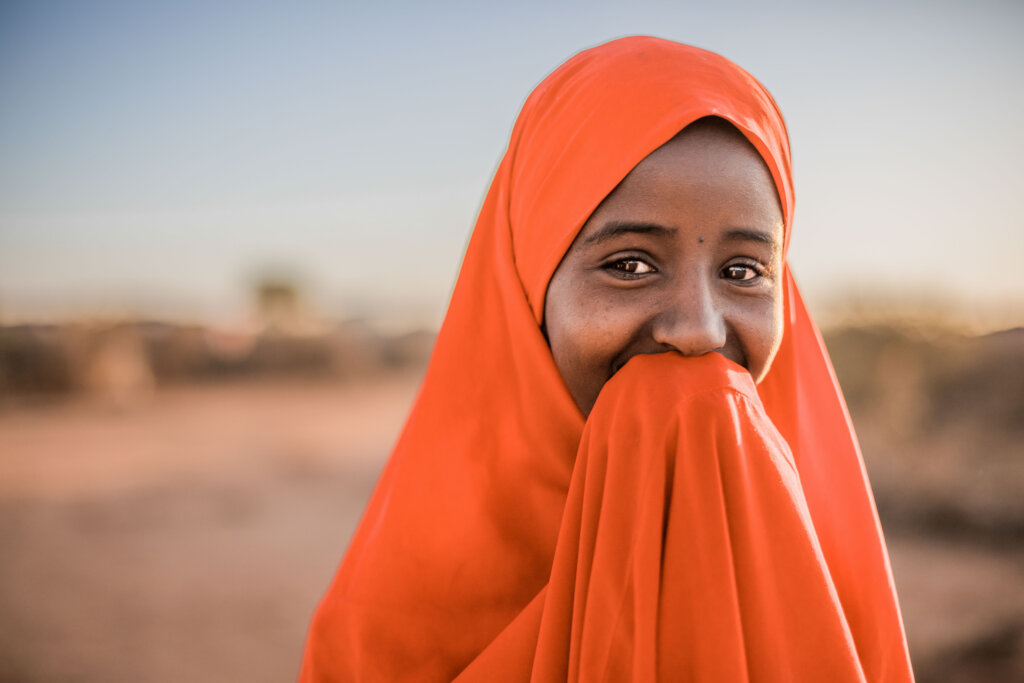
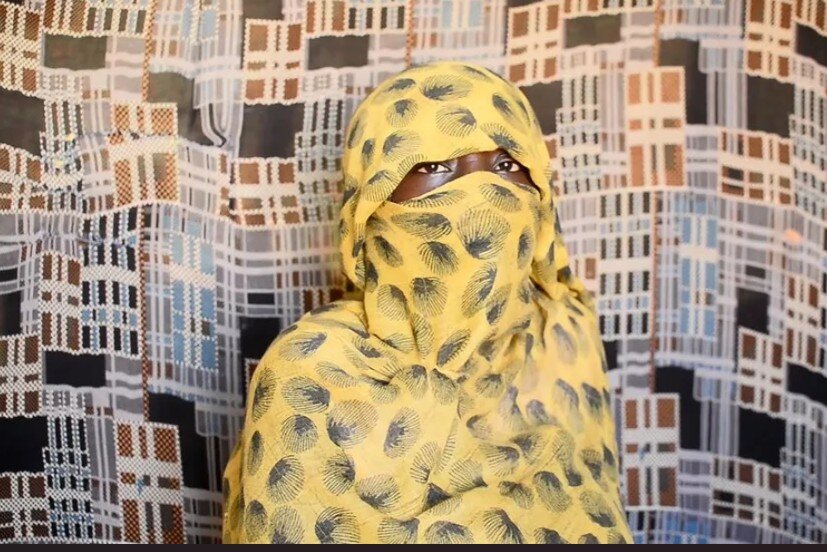
Eighteen-year-old Mariam* fled the fighting in El Fasher in North Darfur with her family after violence engulfed the city. Armed groups attacked civilians, and sexual violence was widespread.
“There was shelling and fighting,” Mariam recalls. “They beat people in the streets. They kill and mutilate bodies. They humiliate and displace people.”
While collecting water with other girls, Mariam and her friends were attacked. “There were many of them. They intercepted us in the street, threatened us with weapons, insulted us, and beat us. One of them raped me.”
Plan International is responding by setting up temporary learning spaces that combine education, psychosocial support and protection. For many children, these spaces are often the only safe place for them to learn, play and begin to recover.
Why protecting children in conflict matters
Conflict does not only threaten children’s lives today. It can shape their entire future.
A child who is forced from home may lose their school, friends and support networks. A girl who experiences sexual violence may face stigma, trauma and health risks. A child recruited by an armed group may struggle to return to family and community life. A child denied humanitarian assistance may not survive.
Protecting children in conflict means more than responding after harm has happened. It means preventing violence, supporting survivors, keeping children in education, listening to girls and young people, and ensuring humanitarian responses are safe, inclusive and child-centred.
Plan International’s work with children in conflict
Plan International has long-standing experience supporting children and communities affected by conflict and humanitarian crises.
Our work includes:
Children affected by conflict are not only victims. They are rights holders, survivors, learners, leaders and agents of change. Their voices must be heard in the decisions that affect their lives.
No child should grow up in fear
No child should be targeted in conflict or used as a weapon of war. Every child has the right to live free from violence. Every child has the right to learn, play, be protected and grow up with dignity.
The six grave violations against children in conflict are a stark reminder of what is at stake. But they are also a call to action.
Governments, armed actors and the international community must do more to protect children in conflict, uphold international law, ensure humanitarian access and support organisations working directly with affected communities.
The grave violations against children in conflict must be prevented and must be stopped.
Children in conflict need safety, care and justice — now and for the future.
* Names changed to protect identity.
Links:
Project reports on GlobalGiving are posted directly to globalgiving.org by Project Leaders as they are completed, generally every 3-4 months. To protect the integrity of these documents, GlobalGiving does not alter them; therefore you may find some language or formatting issues.
If you donate to this project or have donated to this project, you can receive an email when this project posts a report. You can also subscribe for reports without donating.



Support this important cause by creating a personalized fundraising page.
Start a Fundraiser