By Shaylyn Stanley | Plan International USA
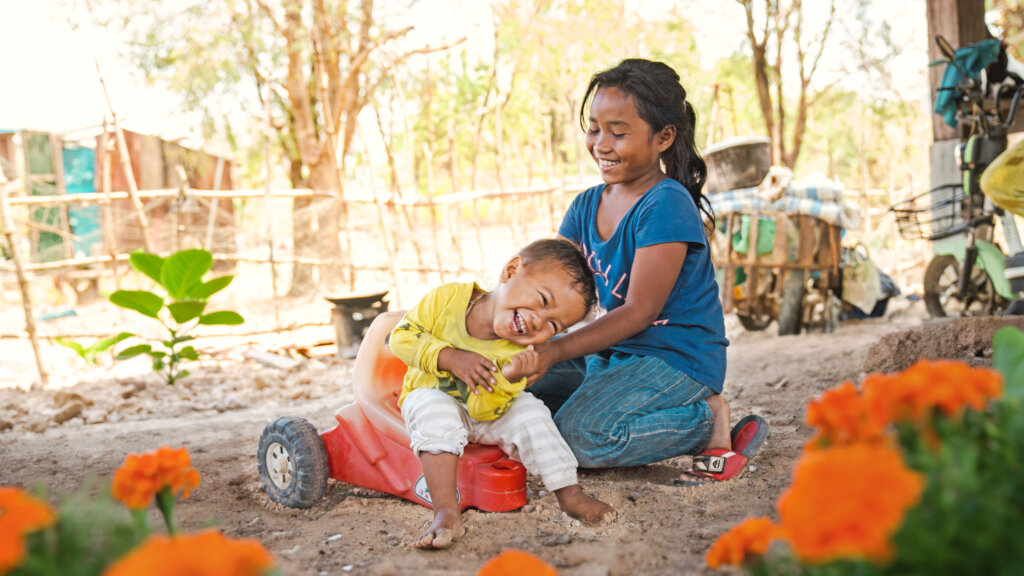
Jessica is the youngest of five children in a low-income family in El Salvador. She is motivated and a hard-worker but struggles to remain in school due to the family’s socio-economic situation.
For Jessica to pursue education past the sixth grade, she would have to leave her family for a different community where violence would pose a serious threat to her safety. Indeed, girls and young women throughout the country are frequently exposed to elevated levels of crime, gang violence, and instability leading to higher levels of marginalization and physical or emotional abuse. For girls to overcome these obstacles, they need male allies to become role models within their communities.
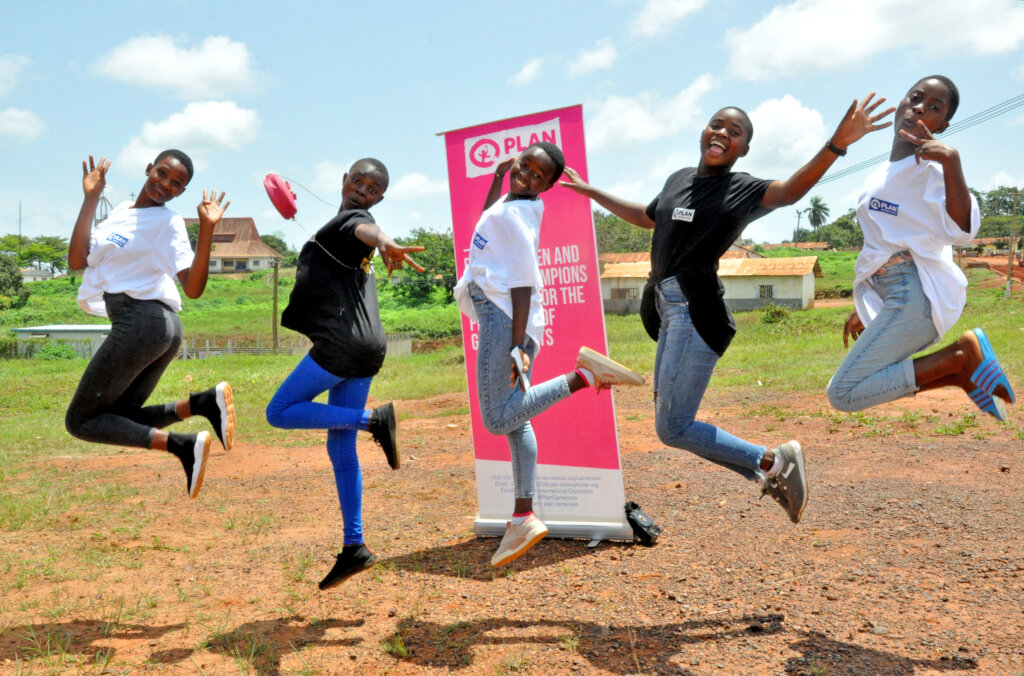
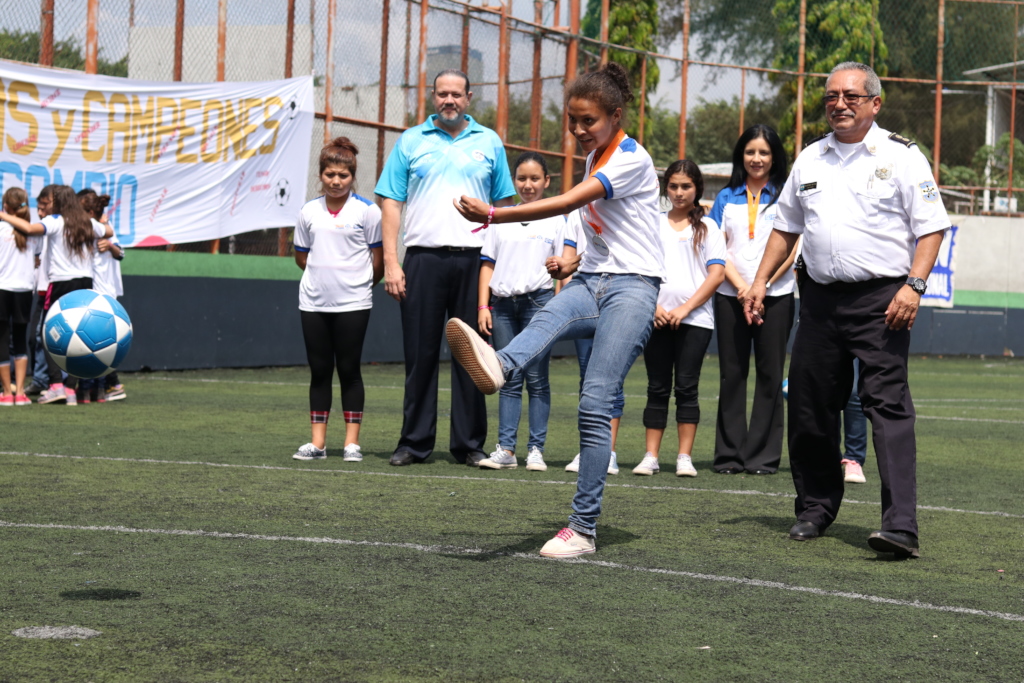
With the introduction of Plan International’s Champions of Change Project last year, girls and boys are given the opportunity to work together to examine behaviors in their families and communities that limit educational opportunities for girls. Through co-ed activities like the Champions of Change soccer leagues, participants become change agents and allies that challenge gender bias, sexual behaviors, and learn about non-violent conflict resolution strategies in a safe, inclusive, and fun environment. Together, young people throughout El Salvador are leveling the playing field by breaking the cycle of poverty and violence through community engagement, collaboration, and equal opportunities for girls.
With Champions of Change, Jessica is helping to build a community where she feels safe to express her opinions, gain self-esteem, and have the opportunities she needs to be successful and thrive.
From all of us here at Plan International USA, thank you for your continued support. Your generosity makes our work for children around the world possible.
-Plan International USA
By Shaylyn Stanley | Plan International USA
By Alim Bari | Plan International
Project reports on GlobalGiving are posted directly to globalgiving.org by Project Leaders as they are completed, generally every 3-4 months. To protect the integrity of these documents, GlobalGiving does not alter them; therefore you may find some language or formatting issues.
If you donate to this project or have donated to this project, you can receive an email when this project posts a report. You can also subscribe for reports without donating.



Support this important cause by creating a personalized fundraising page.
Start a Fundraiser