Project Report
| Nov 5, 2025
Water Rangers Report - November 2025
By Julia Groenfeldt | Development Manager
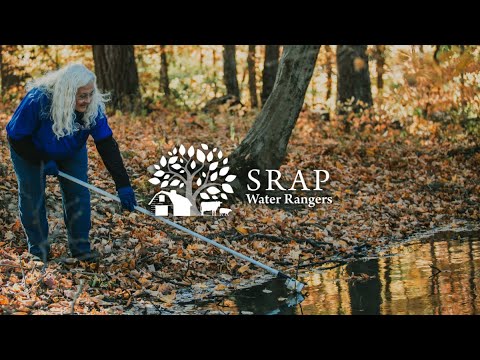
The Water Rangers Program has continued to grow its reach, leading three training sessions in North Dakota and Missouri. These included a general training in Richland County, North Dakota, and a general and site-specific training in Daviess County, Missouri. Each session equipped community members with practical tools to monitor water quality and document pollution.
This quarter also marked an important step in Tribal engagement. In late July, Water Rangers staff visited Isabella County, Michigan, where a 3,500-head dairy CAFO has long polluted a nearby waterway and racked up violations. Joined by Good Sky Guidance, a native-led consulting firm, the team met with members of the Saginaw Chippewa Indian Tribe to hear their experiences with CAFOs and to build relationships. They also collaborated with the Tribal environmental team to conduct water testing on the impaired waterway, laying the groundwork for ongoing partnership and culturally relevant monitoring. Water Rangers staff is currently working with the community to find more information on the new construction of a digester and satellite lagoon at the facility.
The Water Rangers team is also currently working with the Legal team to develop more partnerships with universities conducting research related to CAFOs and water contamination. The team is still working with the Jay Lab at UCLA, recently set up a partnership with a student research group at the University of Colorado, and is in discussions with the Harkin Institute at Drake University to provide water monitoring training.
![Share on Twitter]()
![Share on Facebook]()
Jul 15, 2025
Water Rangers Report | July 2025
By Julia Groenfeldt | Development Manager
The Water Rangers Program continued to grow its reach in the second quarter of 2025, conducting 12 training sessions across six states and drawing a total of 100 participants. These included general trainings in Pennsylvania, Nebraska, Minnesota, Wisconsin, and Michigan, as well as site-specific trainings tailored to local communities in Newton County, Missouri, Marinette County, Wisconsin, Isabella County, Michigan, and with the Saginaw Chippewa Indian Tribe. SRAP also hosted a national training in late May, which brought together 38 participants from across the country. Earlier in the quarter, SRAP also joined the UCLA lab group studying antibiotic resistance for a water sampling effort near Green Bay, Wisconsin. This collaboration is part of ongoing research that will help shed light on the links between CAFO pollution and antimicrobial threats-more updates will be shared as research findings are published. This quarter also marked a deeper commitment to Tribal outreach in Michigan. With support from Native consultant, Good Sky Guidance, the Water Rangers team continued its ongoing work building relationships with Native Nations, learning more about how industrial livestock operations are affecting Tribal communities, and identifying opportunities for culturally relevant water monitoring and advocacy. The team is working toward an in-person visit with the Saginaw Chippewa Indian Tribe this summer to strengthen those connections.
![Share on Twitter]()
![Share on Facebook]()
Mar 26, 2025
Water Rangers Report
By Julia Groenfeldt | Development Manager
The Water Rangers Program has had a strong start to 2025, achieving several key milestones. They have conducted three training sessions so far — two public trainings for Indiana/Ohio and Illinois/Wisconsin and a private training for Washtenaw County, Michigan. There were 60 individual attendees across these three trainings, many of whom requested water testing kits and expressed interest in further engagement. Additional training sessions are scheduled, including a national training and state trainings for Michigan, Nebraska, and Minnesota. Ongoing efforts are being made to organize sessions in Missouri and Pennsylvania.
In March, Cole Dickerson, Water Rangers Program Manager, presented at the National Monitoring Conference, highlighting the role of SRAP’s GIS portal in water monitoring and advocacy efforts. Community engagement efforts also have been a focus this quarter, with listening sessions conducted for Missouri, Wisconsin’s Lower Sugar River Watershed, and GreenLatinos. SRAP is also expanding its outreach to Native Nations in Michigan and other key regions through collaboration with Good Sky Guidance. Additionally, SRAP has strengthened its advocacy efforts by officially joining the Illinois Livestock Reform Coalition to further expand water protection initiatives. These combined efforts continue to build momentum in supporting local advocates in their fight against concentrated animal feeding operations (CAFO) pollution and protecting water resources.
![Share on Twitter]()
![Share on Facebook]()