Project
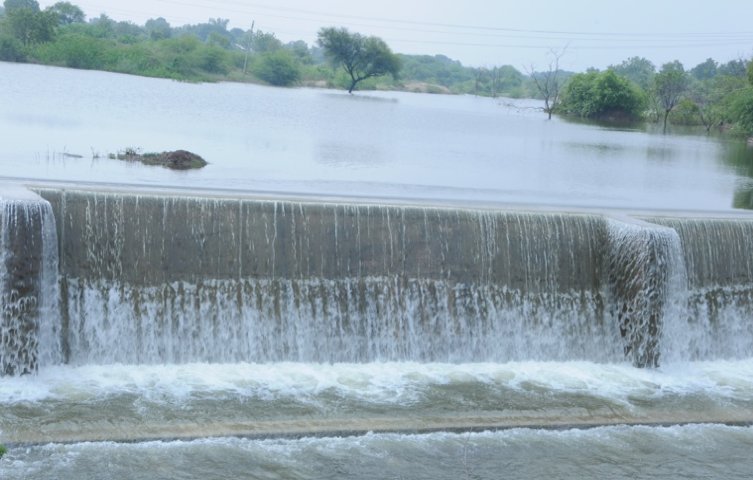
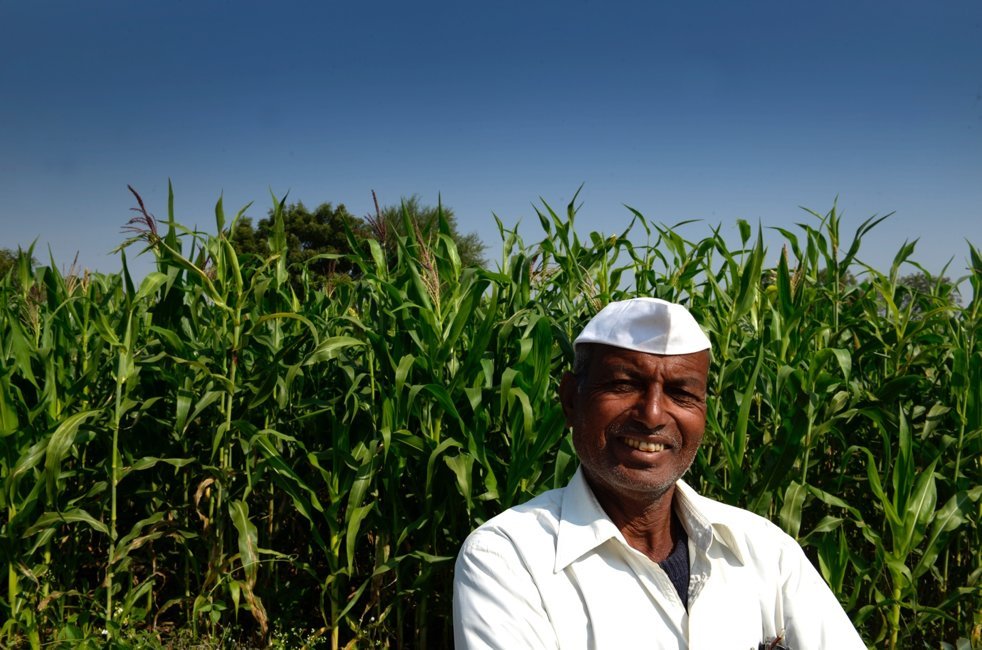
In an attempt to combat severe drought in the Mann Taluka area in Maharashtra, the Mann Deshi Foundation, completed the construction of nine check dams over the past 5 years. These dams have transformed the lives of rural farmers in the region by increasing crop yields and soil fertility, leading to a dramatic reduction in suicide rates and rural to urban migration in surrounding communities. Following the success of the initial dams, the Mann Deshi Foundation hopes to build three new dams in the region to improve the livelihoods of even more farmers and residents in Mann Taluka. This fundraiser is aimed at funding one just of those three dams.
The Problem
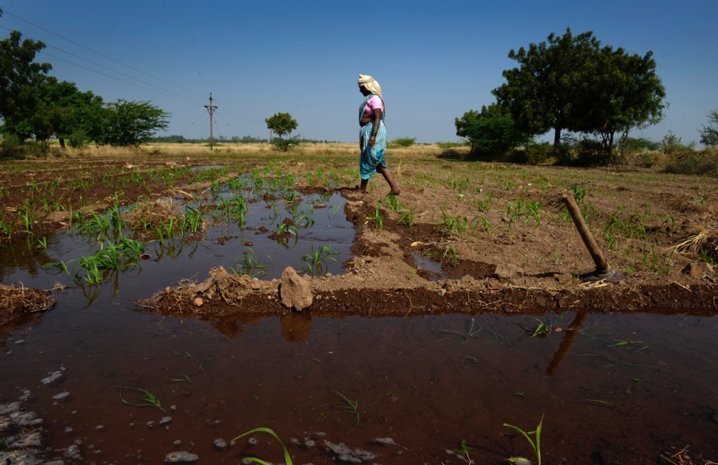
Mann Taluka is one of the most drought prone areas in Maharashtra, receiving just 4-5 inches of rainfall each year. Home to predominantly farmers, the residents of Mann Taluka are severely affected by drought, and migrate as far as 300km during the dry season to find work, often as labourers in Mumbai and other surrounding cities. Migration results in the interruption of their children’s education and the separation of the family unit. The lack of food during droughts also result in people resorting to selling their livestock thereby losing their long-term sources of income and remaining trapped in a cycle of poverty. As a result, Maharashtra has one of India’s highest farmer suicide rates.
How will this project solve this problem?
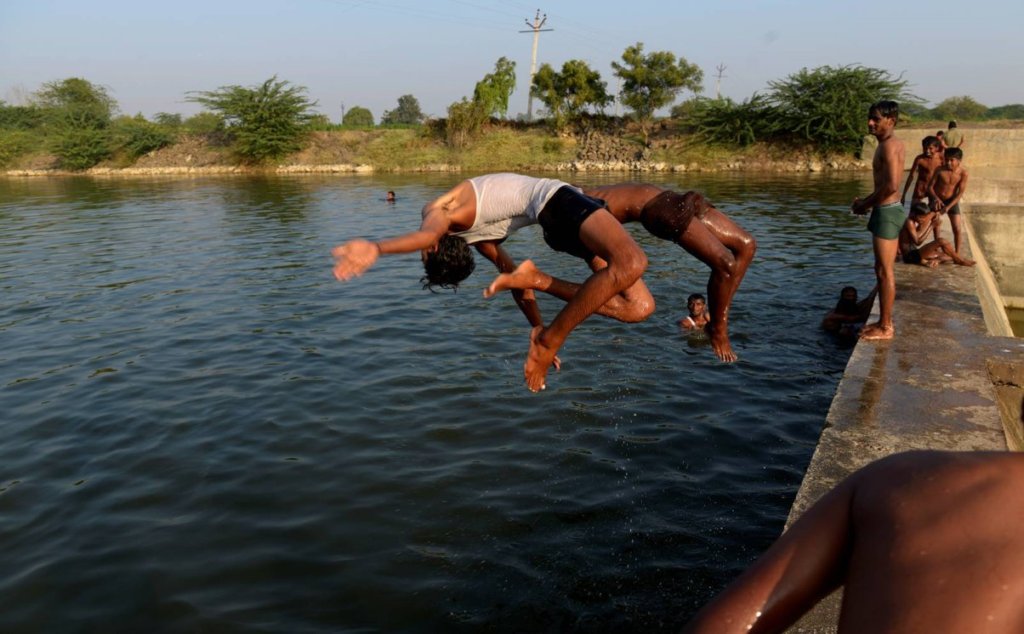
These new dams are expected to benefit a total of 345 hectares of farm land and around 73 water wells. More water for crops means an increase in the volume and frequency of crop yields throughout the year. This in turn means that fewer families will be forced to migrate, allowing their children to stay in school for the full school year. Furthermore, a plentiful source of water near their homes will save women from having to walk an average of 5km daily to fetch water. The increased availability of water also allows farmers to diversify and grow water intensive crops such as pomegranates, lentils, corn and sugarcane thereby also diversifying their sources of income.
Long-Term Impact?
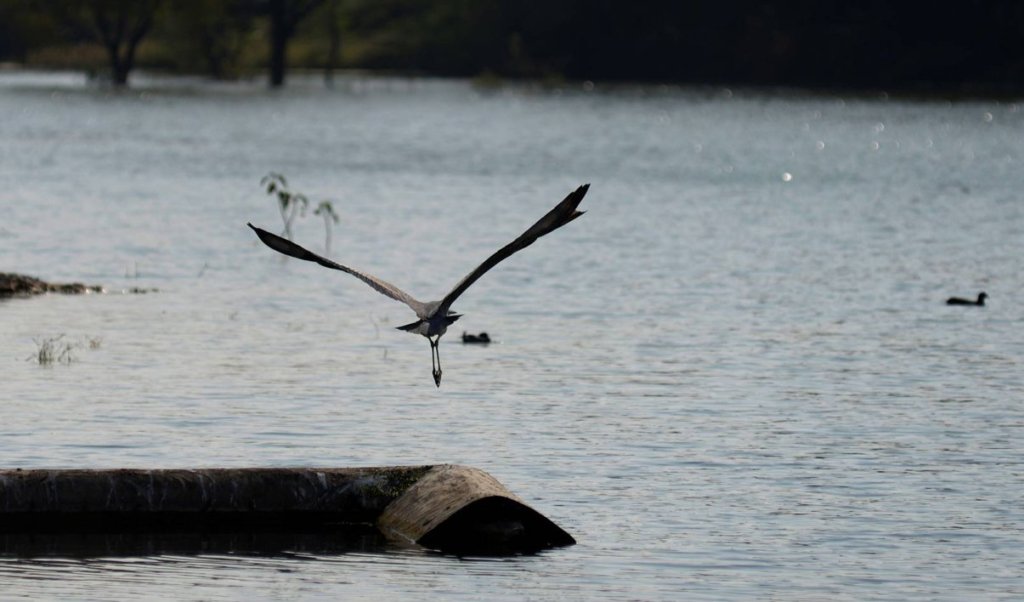
The proposed dam will have an unquantifiably large impact on the environment. Increased availability of water will lead to afforestation and an increase in plant and animal biodiversity. The older dams already sport a green canopy along its edges and residents have witnessed an increase in plant and animal diversity as storks, kingfishers and other water birds have begun frequenting the area. There has also been an increase in the number of fish in the region, enabling around 25-30 families in Mann Taluka to sustain themselves entirely through fisheries. Furthermore, more children in school throughout the year means that future generations in the area will be better educated than their parents allowing them to break out of the cycle of poverty in just one generation.
Attachments:
![Share on Twitter]()
![Share on Facebook]()