By Paulomi Bhattacharyya | Project Leader
Dear Friends of CREATE!,
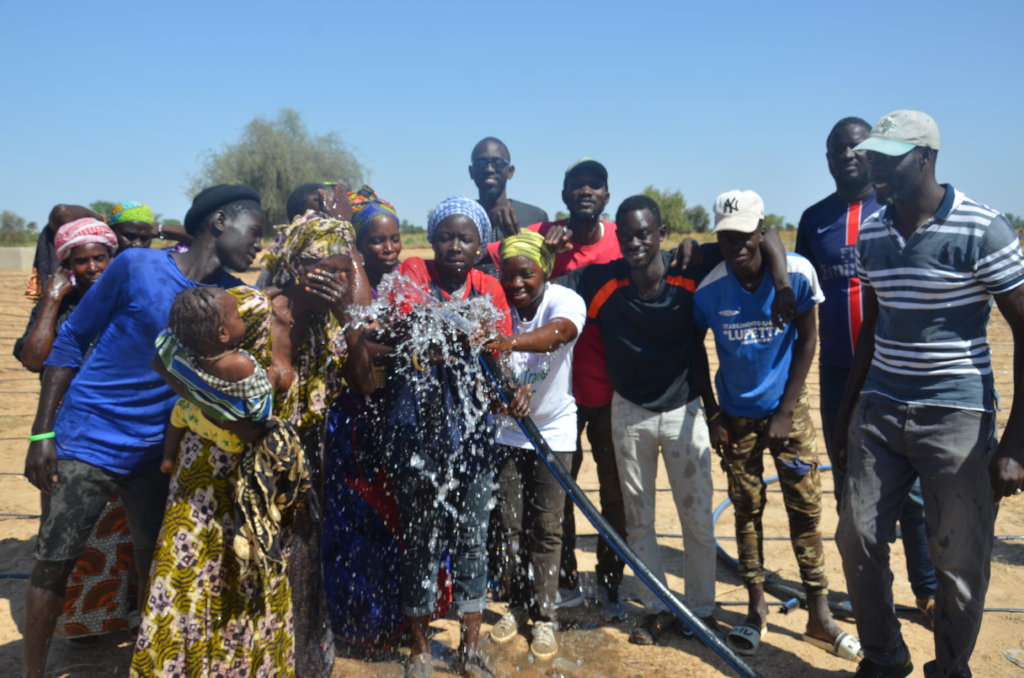
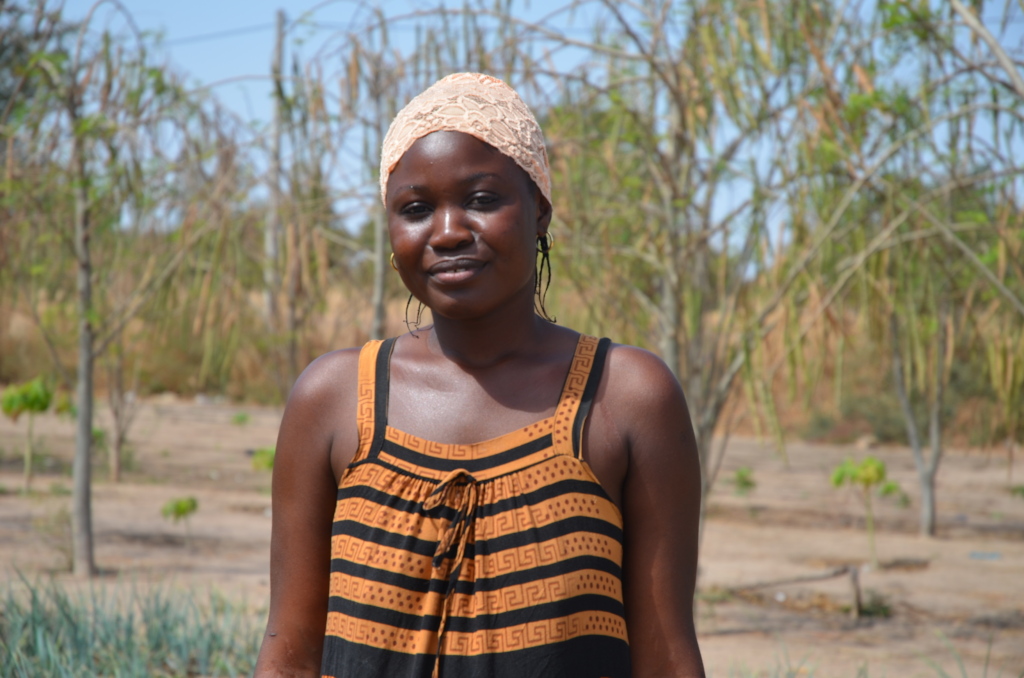
At CREATE!, we firmly believe that access to clean water and nutritious food is the foundation for healthier families and sustainable livelihoods. Your generous support enables us to bring our beliefs to fruition, helping communities in rural Senegal overcome the challenges of water scarcity, food insecurity, and a changing climate. Today, I want to share with you the story of the women from the community of Keur Birane and how that community is becoming increasingly self-sufficient—growing food for their families, generating income from their harvests and businesses, and managing the water resources on which their community depends. How the women cope with challenges, especially during the harsh summers in Senegal, is a powerful reminder of what they can accomplish when they have the tools, resources, and opportunity to lead.
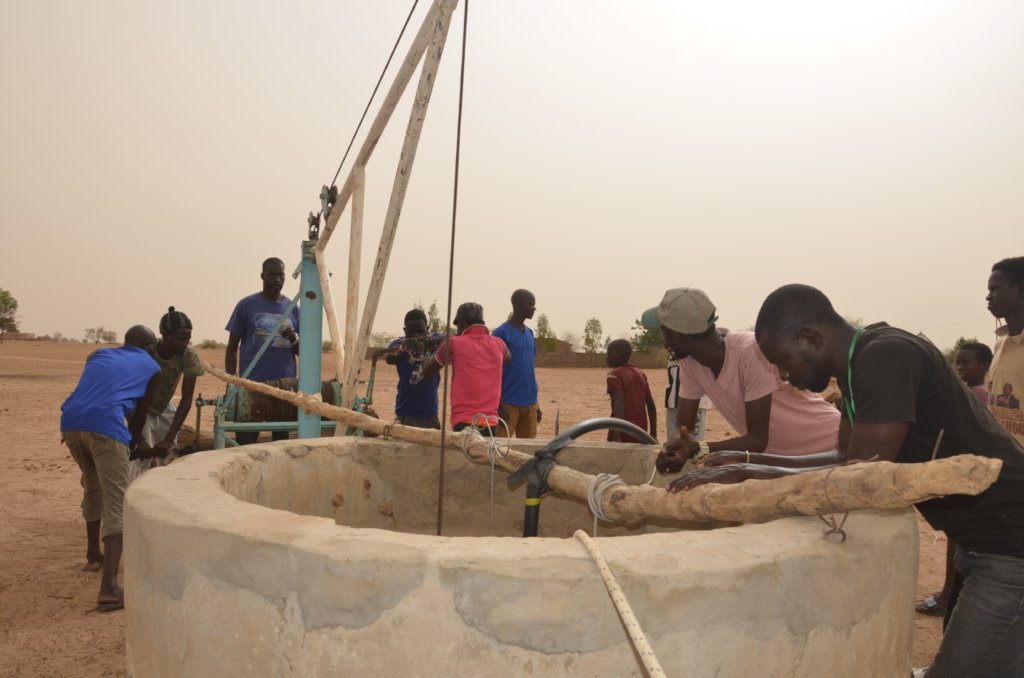
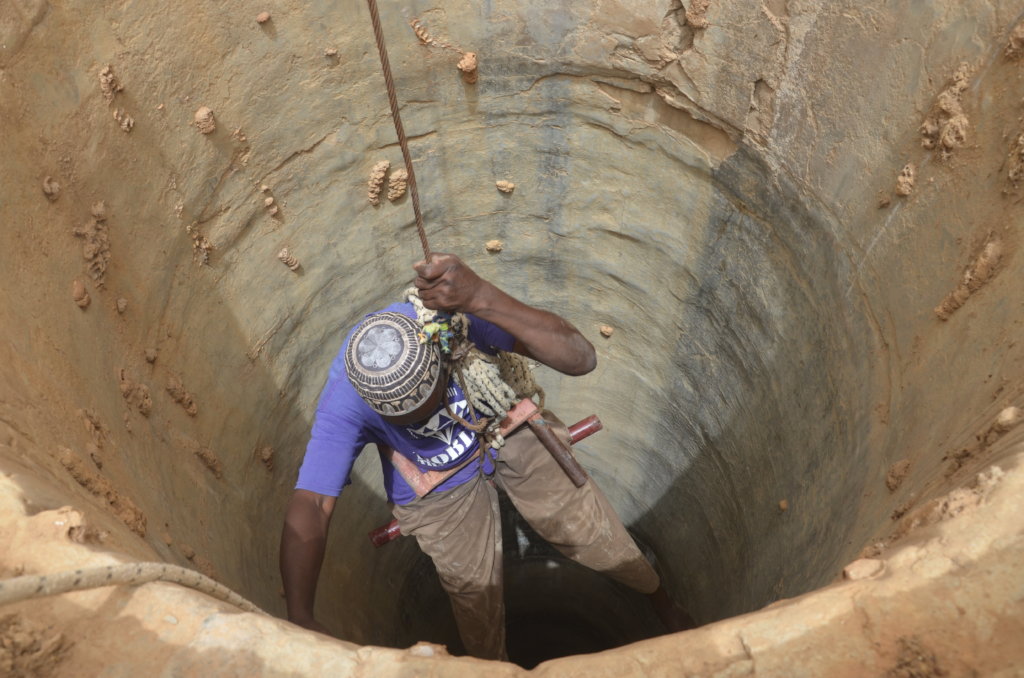
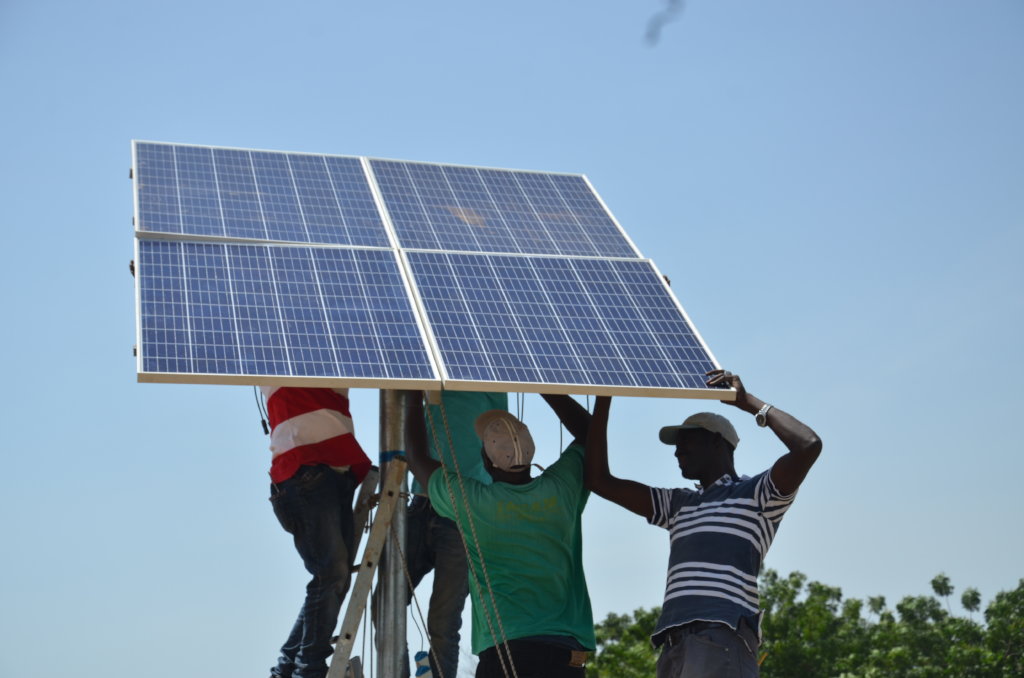
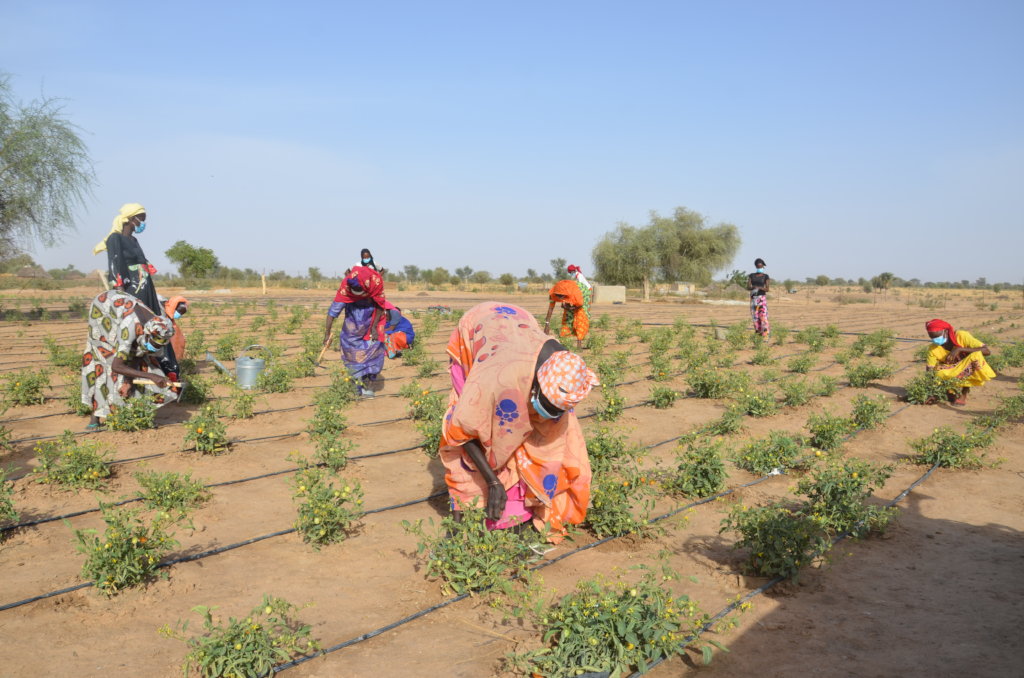
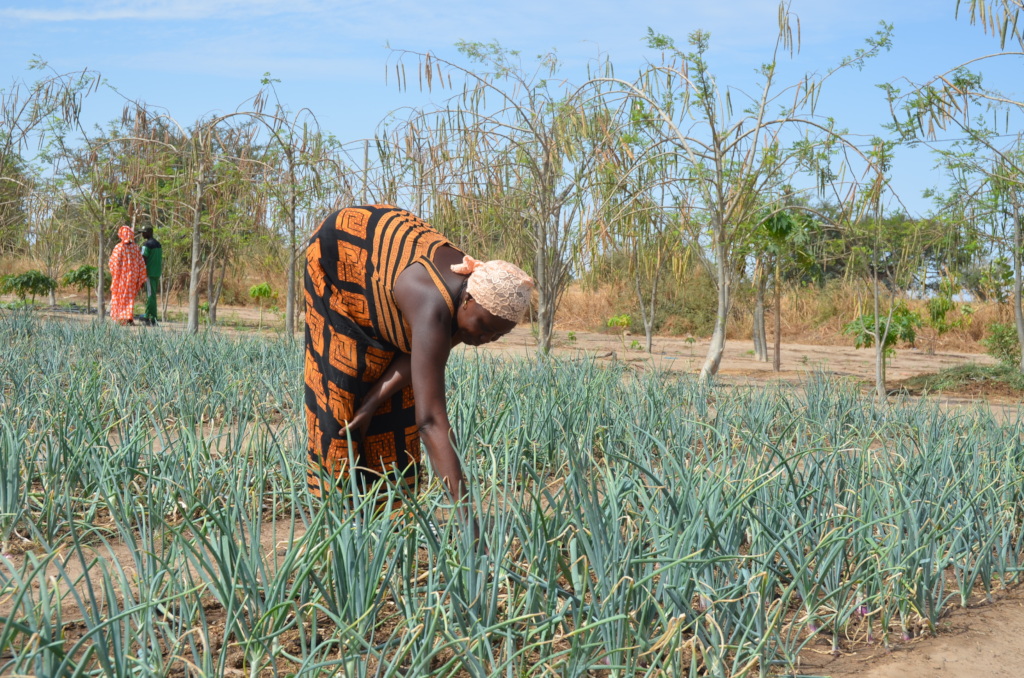
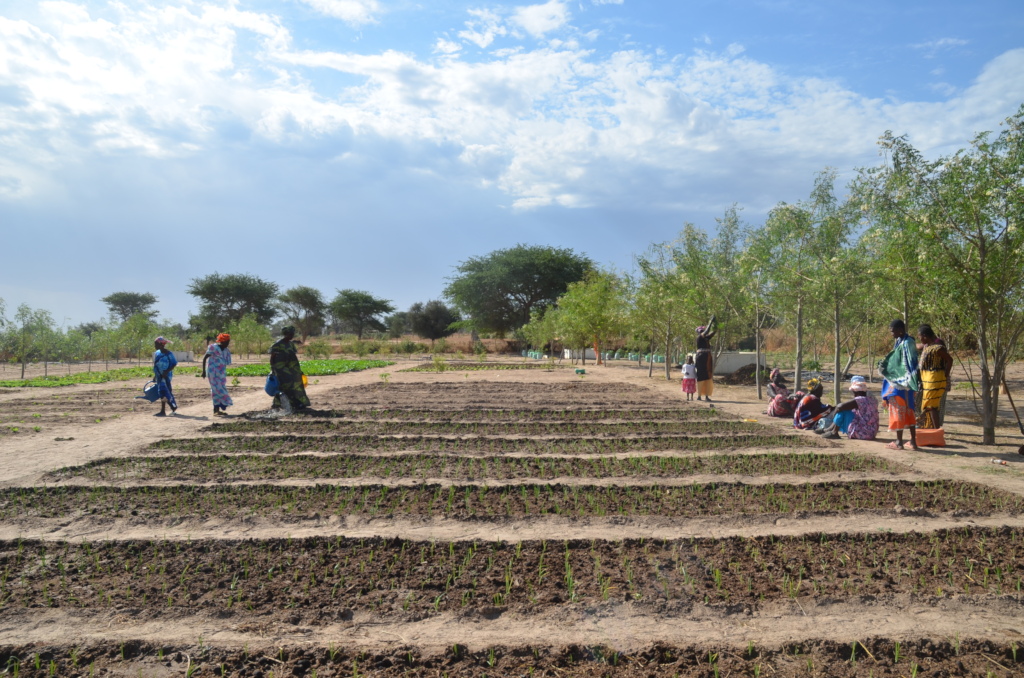
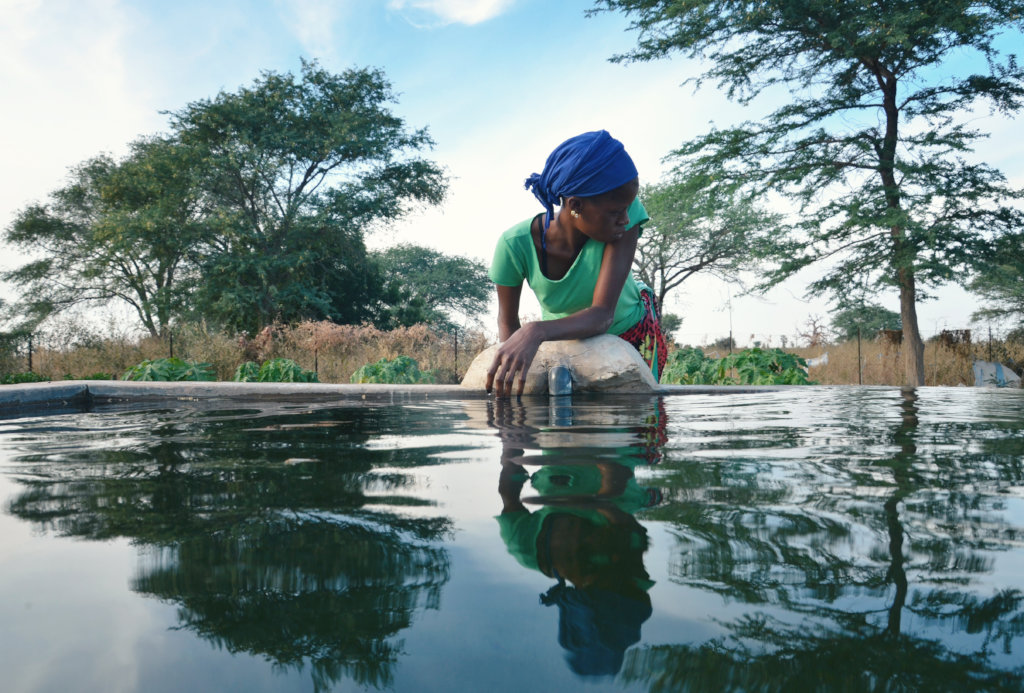
During the summer of 2026, the heat arrived with little relief. April, May, and June brought the intense conditions of Senegal’s dry season, with temperatures climbing above 101°F (38°C) and the rains still weeks away. For the women tending the community garden, every drop of water mattered. They adapted their daily routines, watering in the cool hours of early morning and late evening to protect the soil from losing moisture to the midday sun. Their solar-powered pump continued to run reliably, supplying the garden with the water it needed, while the women carefully maintained the well and irrigation system. Rather than allowing the harsh conditions to dictate what was possible, they adjusted their practices and kept planting, harvesting, and preparing the land for the season ahead.
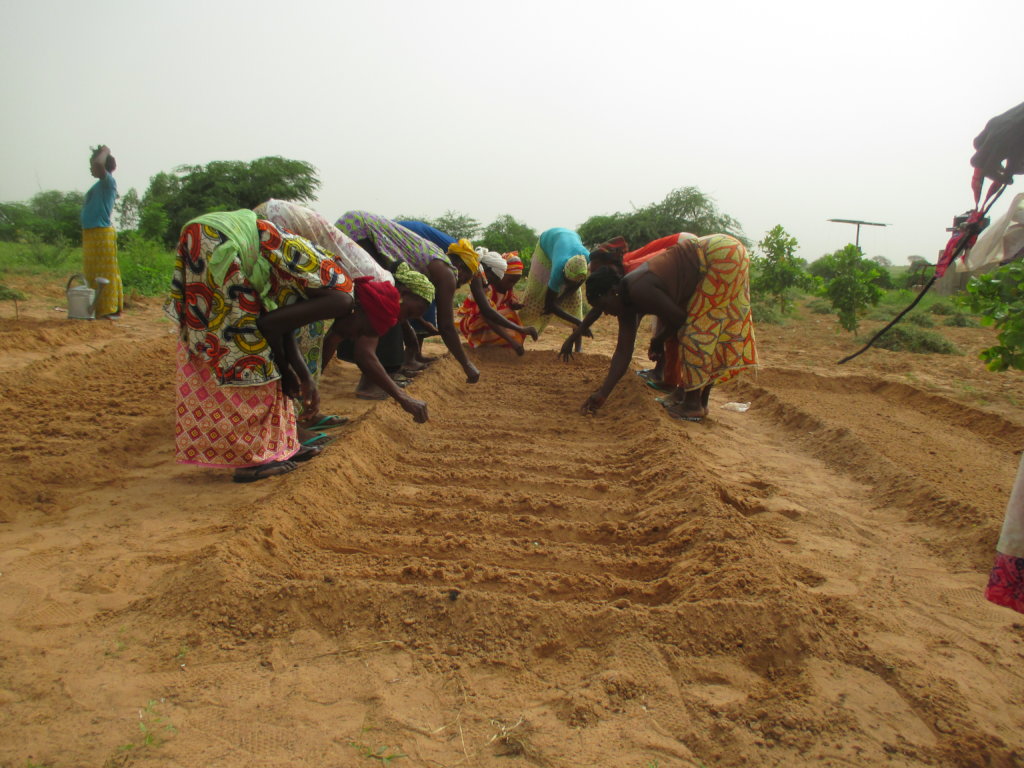
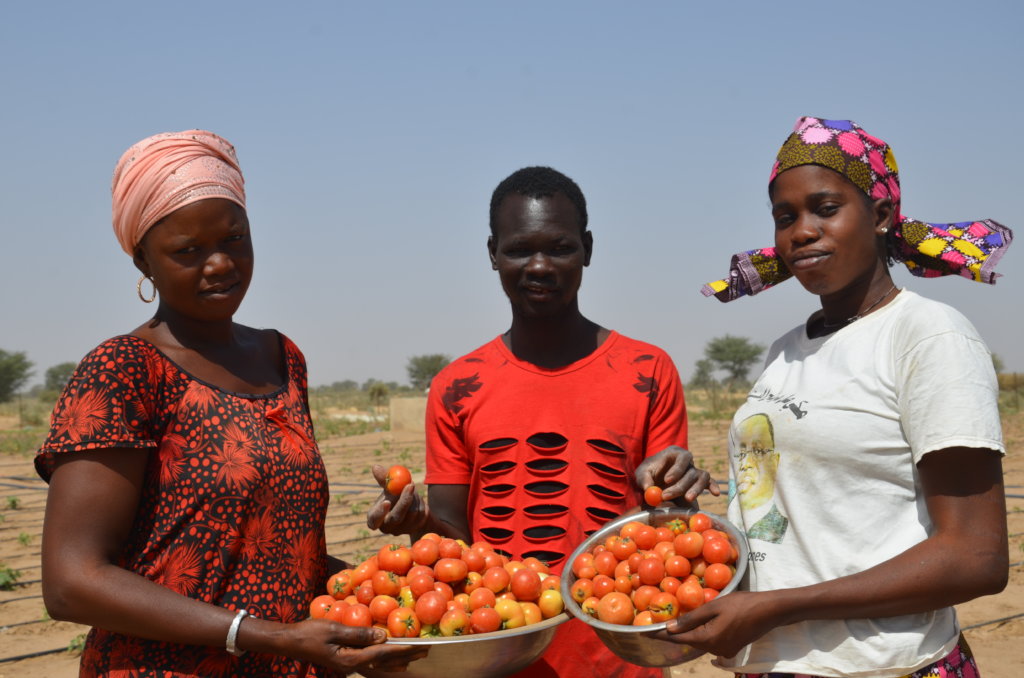
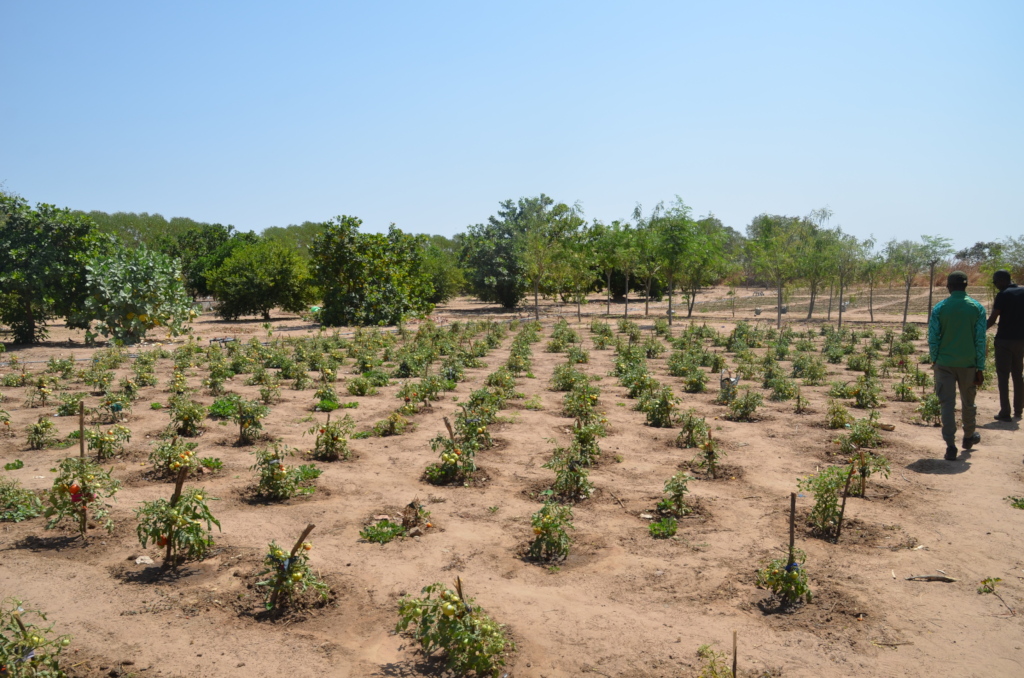
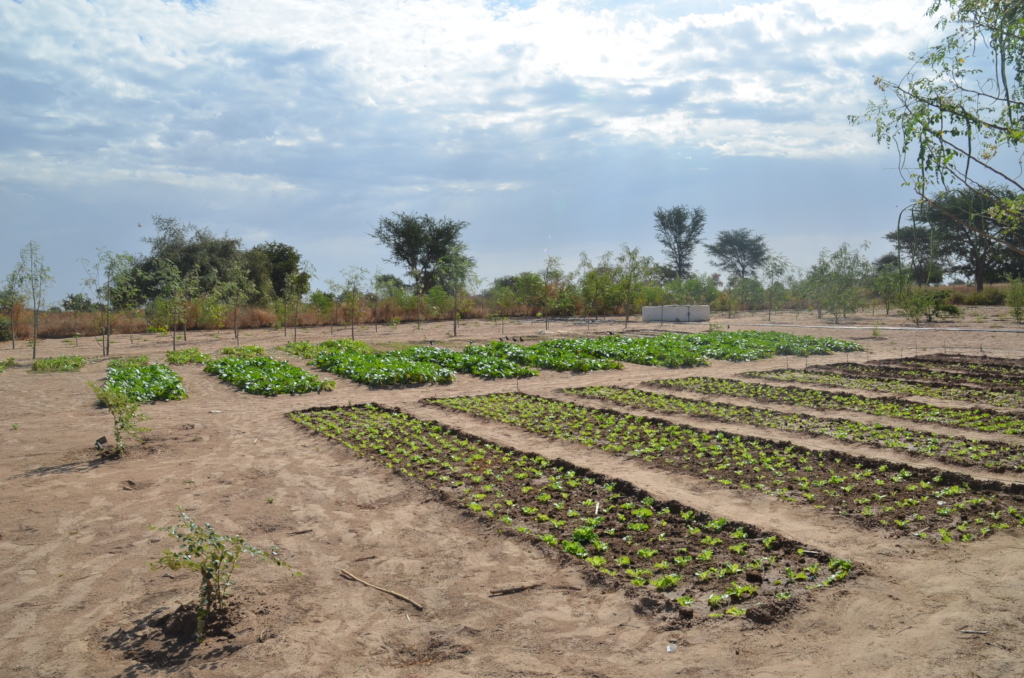
Inside the garden, the work of the women was beginning to show. A successful lettuce harvest provided fresh vegetables for their families, while the surplus was sold within the local community. The proceeds were not simply divided among the members; the women chose to place the earnings into their collective savings, strengthening the group for the future. Meanwhile, they were already preparing for the next harvest. They dug carefully spaced planting holes, planted okra directly into the soil, transplanted young eggplant seedlings, and established a new five-square-meter lettuce nursery. Their nursery beds also expanded to include chili as well as bitter and sweet eggplants. By the end of the quarter, the garden had produced 325 kilograms of onions, 131 kilograms of okra, 34 kilograms of turnips, 21 kilograms of lettuce, and 5 kilograms of bird’s eye chili. Onions alone generated 1,950,000 CFA ($3,395) in sales. After feeding their families, the women brought their surplus to local markets, turning the garden into both a source of nourishment and a growing source of financial independence.
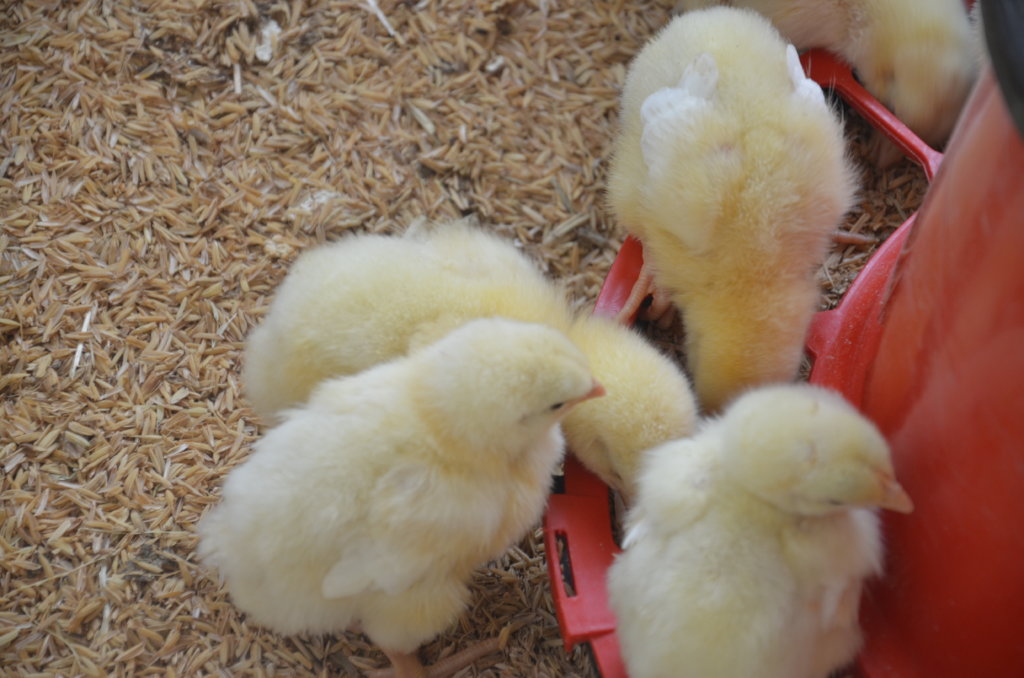
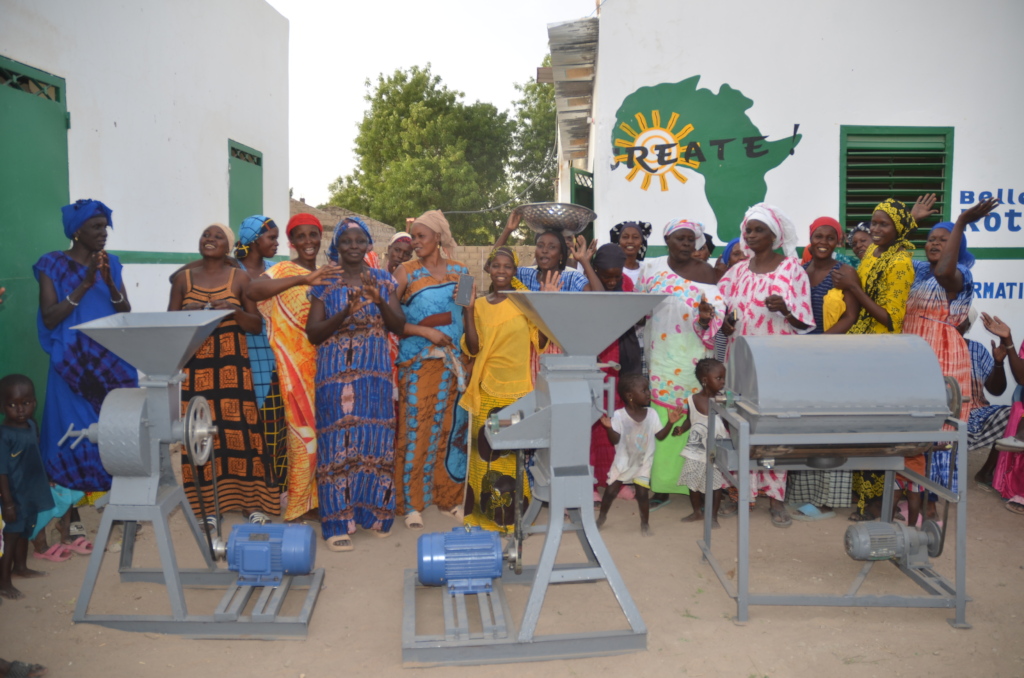
But the garden is only one part of the story unfolding in Keur Birane. The women are steadily building an economy around it, finding new ways to earn, save, and reinvest together. Their poultry enterprise came alive during the Tamkharit celebration, when demand for meat rose and the group sold 388 chickens, generating 1,320,000 CFA ($2,298). Their Village Savings and Loan Association provided another foundation for this growing financial independence: savings reached 1,083,500 CFA ($1,884) in April, followed by a 506,775 CFA ($881) share-out in May, with savings beginning to build again in June. Instead of distributing every profit, the women began putting their earnings back into the community. They purchased event chairs that can be rented for weddings, religious celebrations, and other gatherings, creating an income stream that does not depend on rainfall or harvests. They also invested in a motorized grain mill, replacing hours of physically demanding manual labor with a faster and more hygienic process. Their food-processing enterprise added another 74,000 CFA ($129) in income during the quarter, while a solar-powered refrigerator enabled them to produce ice, preserve food, and experiment with locally made hibiscus and moringa juices. Each investment reflects the same idea: that today's earnings can become tomorrow's opportunity.
Beyond the immediate income and harvests, the women are also thinking about what will sustain Keur Birane years from now. They continued nurturing papaya, lemon, moringa, and ziziphus trees, harvesting 20 kilograms of papaya in April and earning 12,000 CFA from its sale. In June, they turned their attention to the soil itself, collecting animal and plant waste, ashes, and sand to make organic compost and return nutrients to the land. After two and a half years of project implementation, Keur Birane now has a functioning solar-powered water system, a productive year-round garden, a poultry enterprise, food-processing facilities, and new community businesses. What is emerging is more than a collection of projects—it is a community steadily building the tools, skills, and confidence to shape its own future.
Links:
Project reports on GlobalGiving are posted directly to globalgiving.org by Project Leaders as they are completed, generally every 3-4 months. To protect the integrity of these documents, GlobalGiving does not alter them; therefore you may find some language or formatting issues.
If you donate to this project or have donated to this project, you can receive an email when this project posts a report. You can also subscribe for reports without donating.



Support this important cause by creating a personalized fundraising page.
Start a Fundraiser