By Zachery Onyango | Project Leader
Dear Donor,
An Ebola outbreak affects entire communities—not only people who become infected. Families can experience fear, stigma, disruption of livelihoods, interrupted education and difficulty accessing essential services.
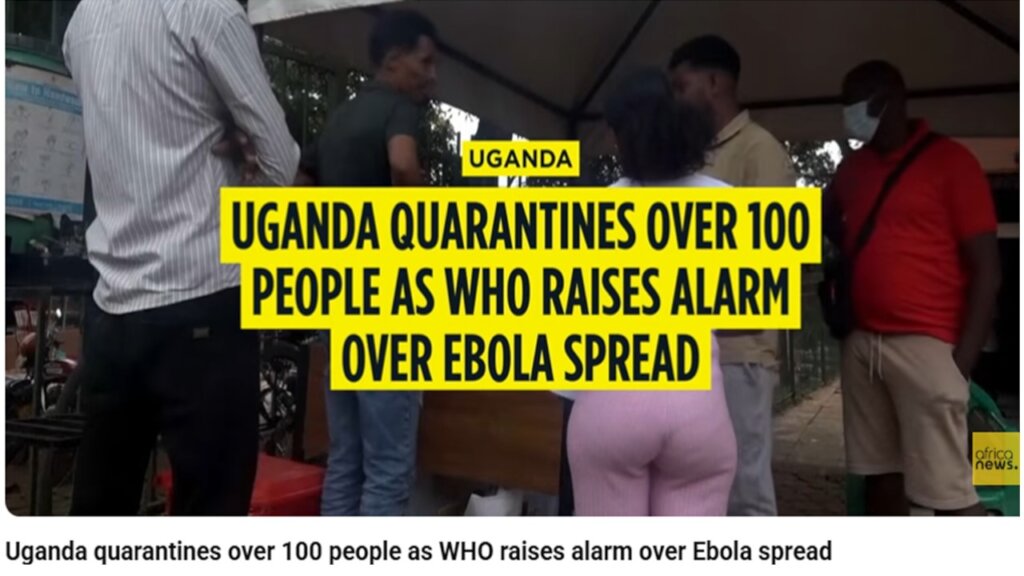
The DRC has now reported 7,258 confirmed Ebola cases and 3,510 deaths, according to WHO data through 13 September. The outbreak is affecting 62 health zones across seven provinces.
Development Alert continues emphasizing that vulnerable families must remain visible within emergency preparedness.
Our community engagement activities pay particular attention to households that may face barriers to receiving health information, including remote rural families, elderly people, children, people living with disabilities and households with limited financial resources.
Health messages need to reach these communities in accessible language and through trusted local networks.
We also recognize the importance of dignity. Families affected by suspected or confirmed Ebola should not be blamed or stigmatized. Fear can isolate households at precisely the time when they need accurate information and appropriate assistance.
Community leaders and volunteers can help connect families with established health and humanitarian services while discouraging discrimination.
We also encourage families to follow appropriate health guidance during contact monitoring, referral or other public-health measures.
Development Alert's broader humanitarian experience shows that health emergencies often create secondary needs. A household affected by illness may struggle with food, transportation, childcare or income. Effective preparedness therefore requires compassion alongside disease-control measures.
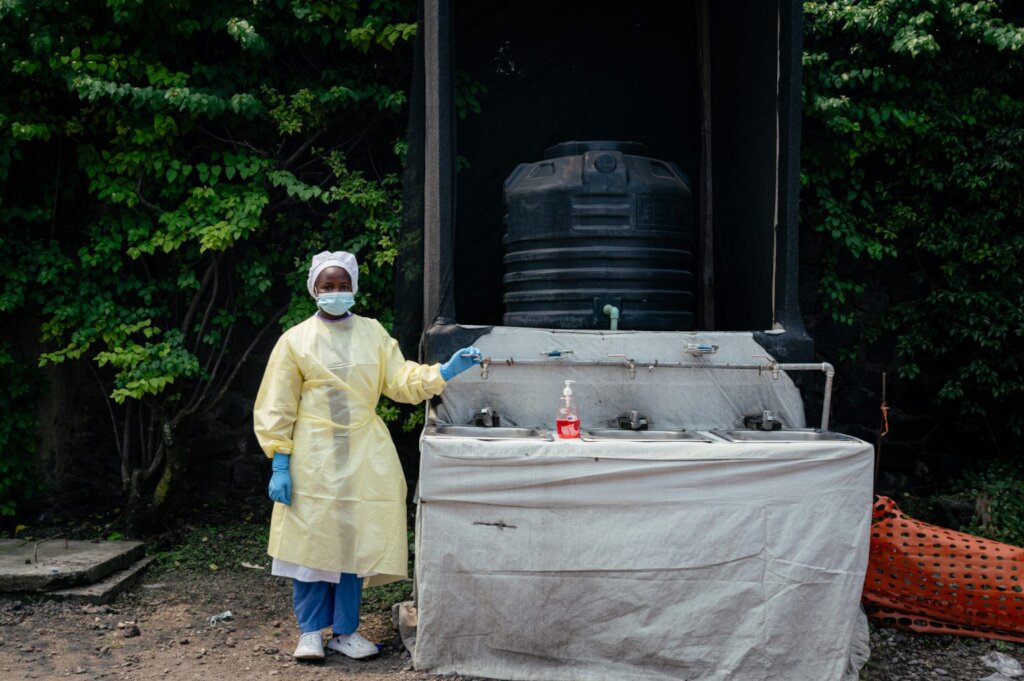
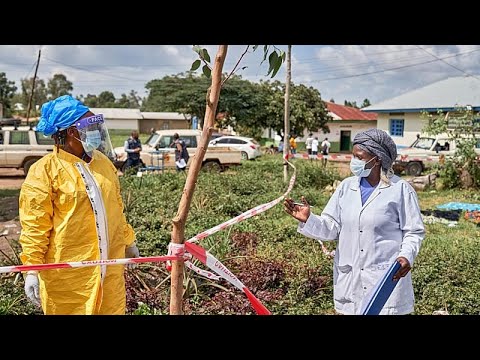
WHO's current response includes community engagement, clinical care, surveillance, logistics and support for essential health services.
Our grassroots role is to help ensure that vulnerable households are not left behind.
Your support helps us place people at the center of preparedness—protecting not only communities from disease, but also their dignity and ability to recover.
Project reports on GlobalGiving are posted directly to globalgiving.org by Project Leaders as they are completed, generally every 3-4 months. To protect the integrity of these documents, GlobalGiving does not alter them; therefore you may find some language or formatting issues.
If you donate to this project or have donated to this project, you can receive an email when this project posts a report. You can also subscribe for reports without donating.



Support this important cause by creating a personalized fundraising page.
Start a Fundraiser