By Rafael Moreno | director pais
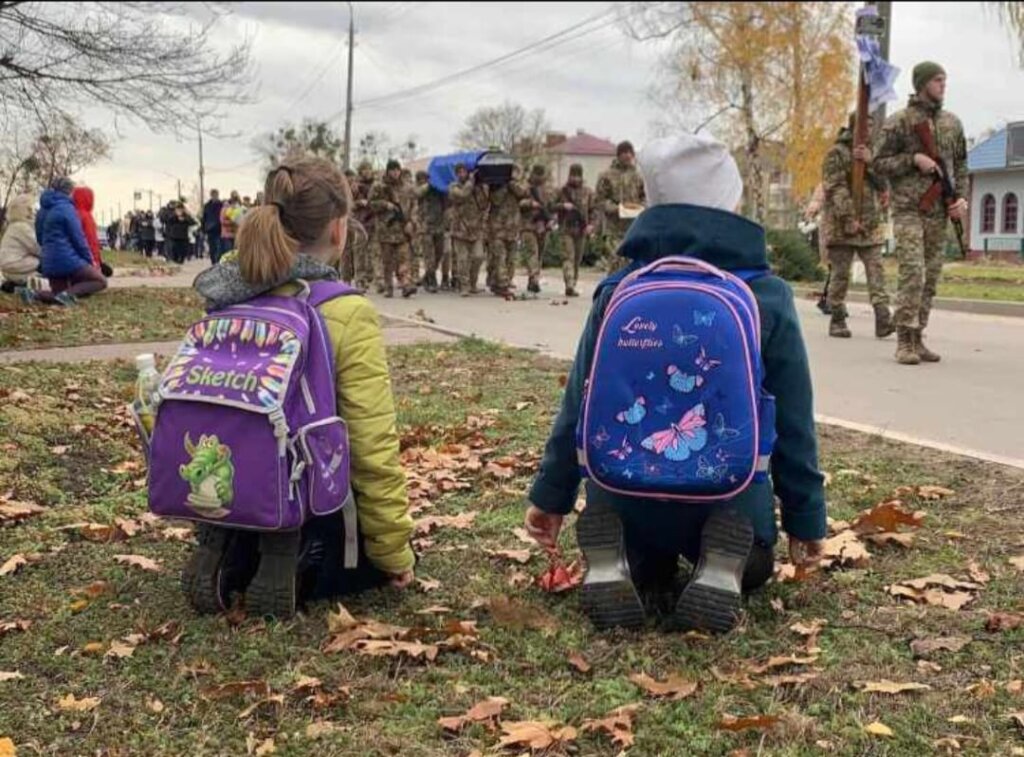
Five years of sirens. Of basements that became bedrooms. Of children who learned to count seconds between the flash and the sound of an explosion before they learned to ride a bike. Of parents who went to the front and did not come back. Of a kind of tiredness that sleep cannot fix — because the body is exhausted, yes, but what is really worn out is something deeper. Something that does not show up on an X-ray.
According to the WHO, 72% of Ukrainians experienced anxiety or depression in the past year. Only one in five asked for help. Not because they did not need it. Because in five years of war, asking for help has not gotten any easier.
This quarter, 1,852 people decided to ask anyway. Every single one of them took a step that cost them something.
What we are hearing
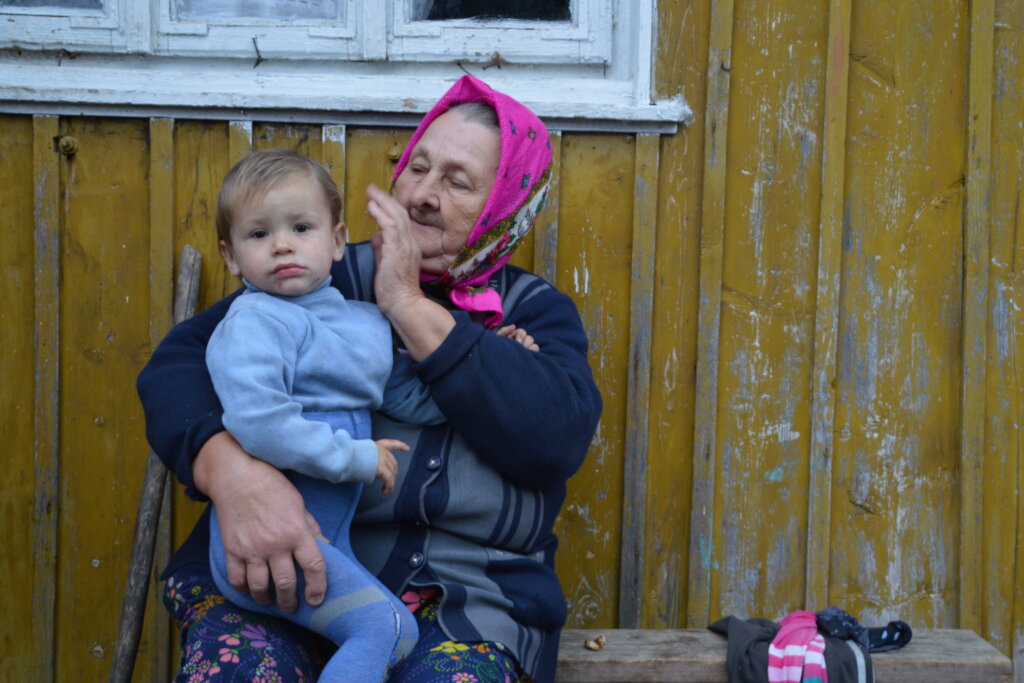
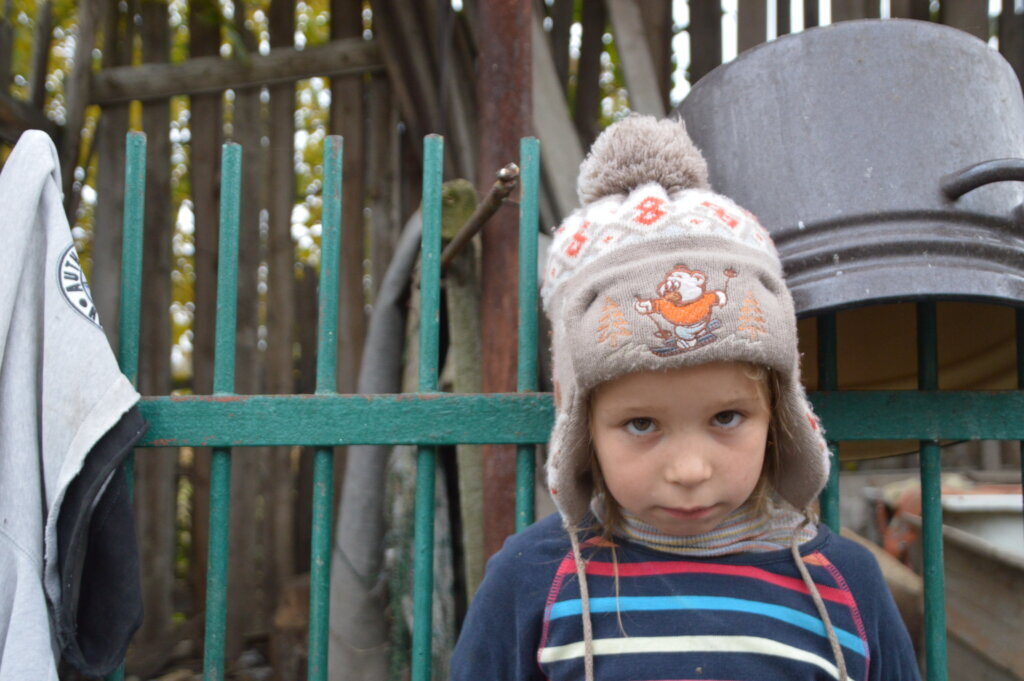
They are not coming to us in acute crisis anymore — or at least, not only that. They are coming with something heavier: five years of accumulated weight. A soldier who survived the front but cannot survive the silence at home. A woman who lost her son in Bakhmut and has spent two years telling herself she is fine. A teenager who does not remember what it felt like to not be afraid.
IRC teams working across Ukraine say the same thing we are seeing: people no longer need a single conversation. They need someone to stay. Long-term, consistent, specialised care — the kind that does not disappear after the next funding cycle.
Near the front line, it is worse. A survey from early 2026 found that 72% of families in frontline areas have no access to any mental health support whatsoever. Not because they do not want it. Because no one is there.
We are there.
1,852 sessions. And 100 tonnes of something else.
Here is something we have learned: you cannot heal a person who is hungry.
You can sit with them. You can listen. You can offer every technique and every framework that evidence-based trauma care has to offer. And if they walked to the session wondering whether there would be food at home tonight, part of them will not be in that room with you.
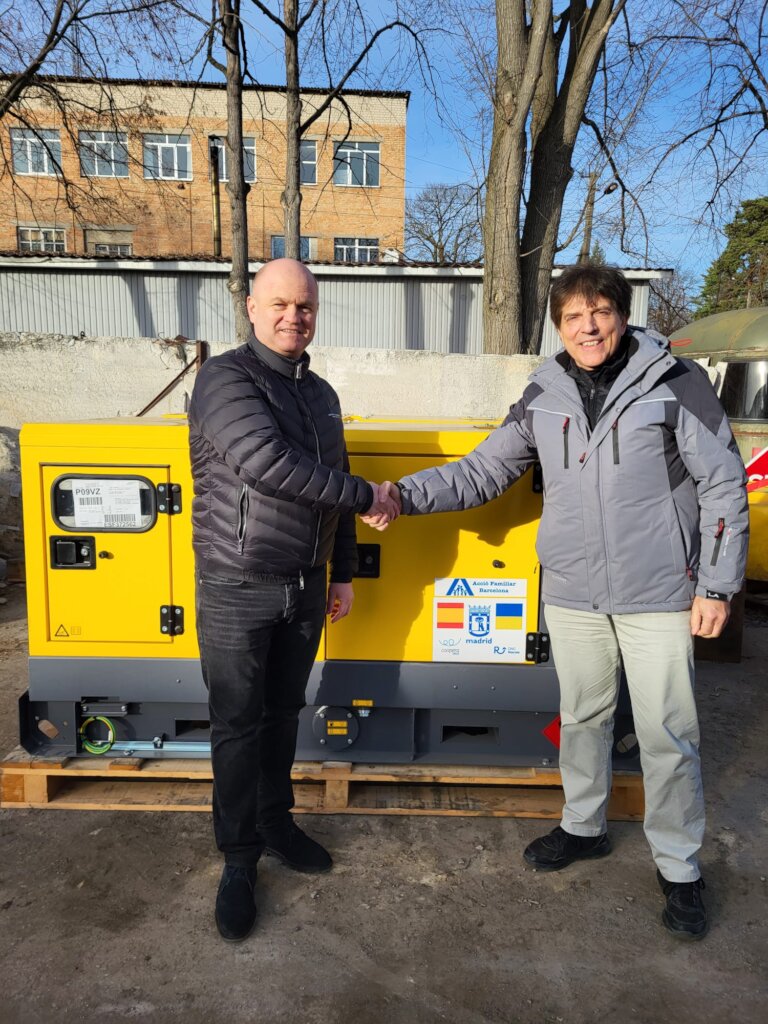
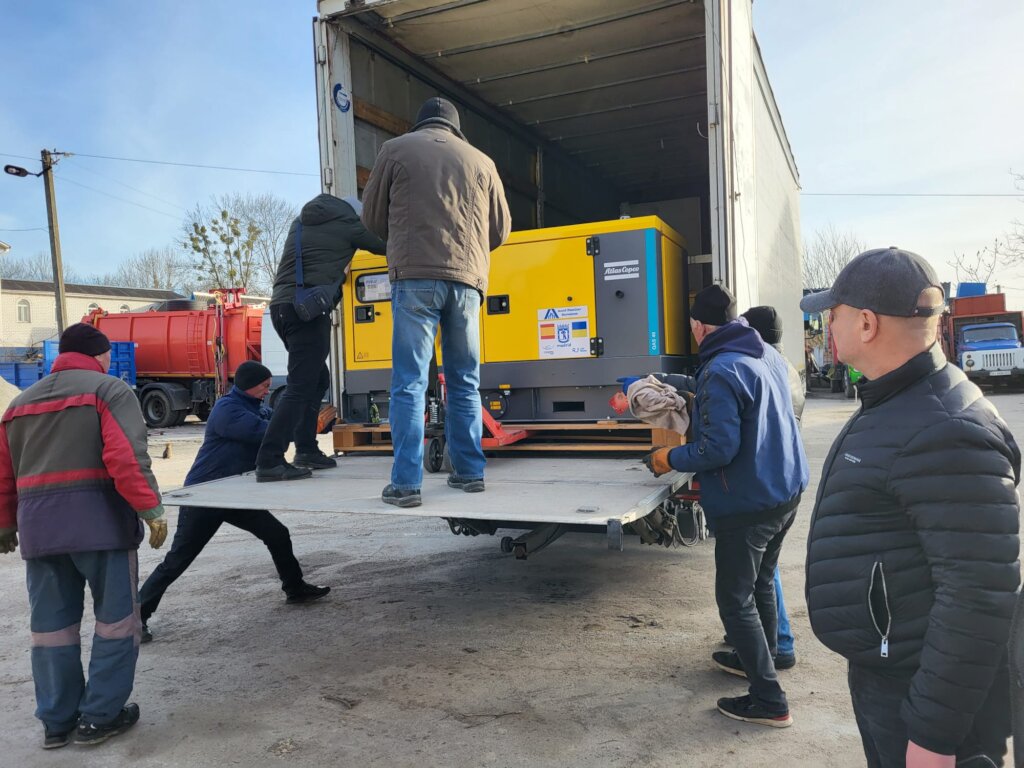
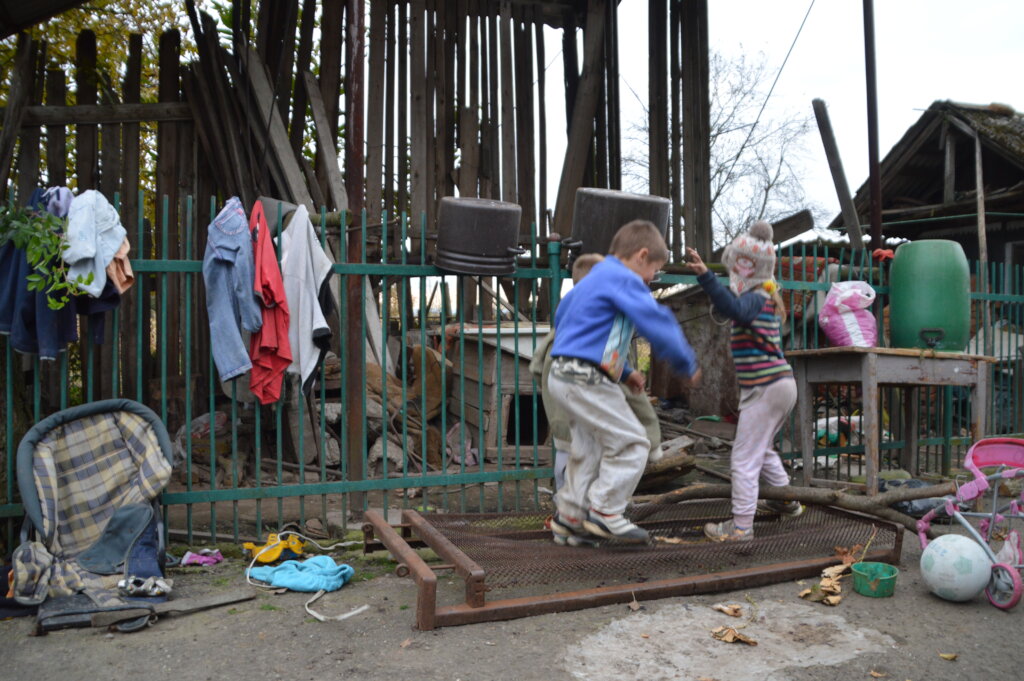
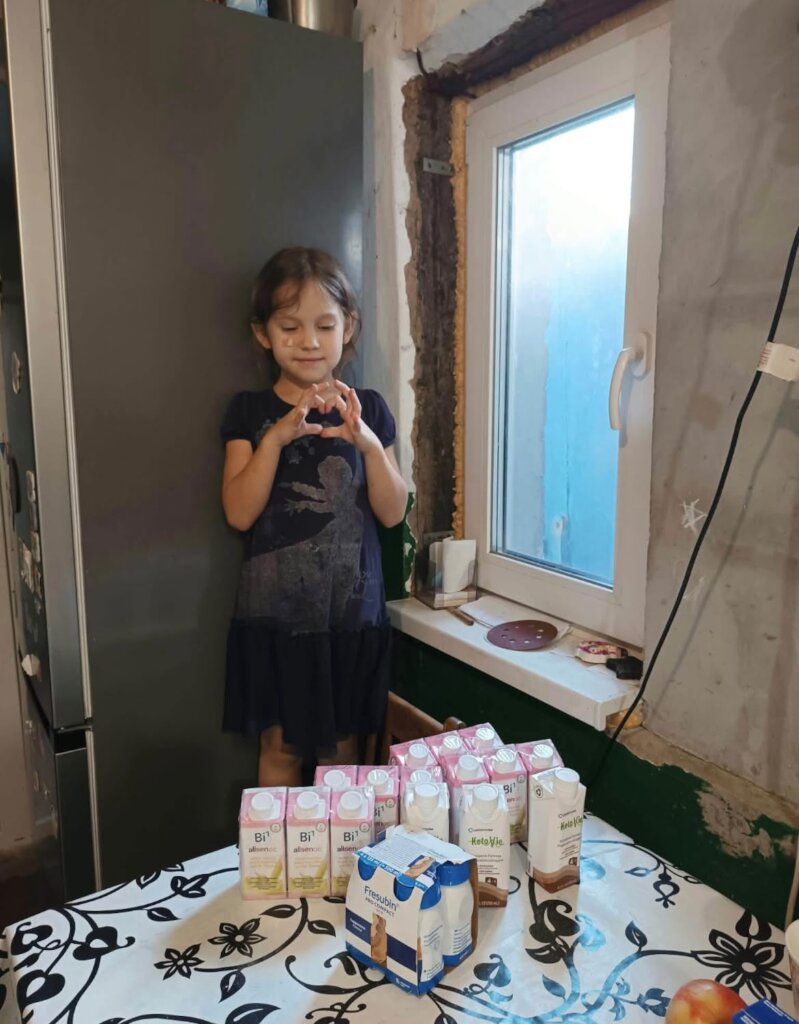
That is why, this quarter, alongside our psychosocial work, we sent 100 tonnes of food to families living on the front line. Not to logistics hubs. Not to distribution centres in safe cities. To the people who stayed — the elderly man who built his house with his hands and refused to abandon it, the mother who cannot cross the checkpoints alone, the families the big convoys do not always find.
One hundred tonnes. Because dignity and healing are not separate things. They arrive together, or not at all.
What five years really means
The UN is clear about what lies ahead: the mental health consequences of this war will shape Ukrainian society for a generation. The wounds inside people do not close when a ceasefire is signed. They need time, attention, and someone who does not give up on them.
We are not giving up.
Not after five years. Not after everything this country has absorbed. Not on the 1,852 people who trusted us enough this quarter to walk through the door.
Thank you for being part of why that door stays open.
By Rafa Moreno | tecnico de proyectos
By Olga Khomyakova | tecnico de proyectos
Project reports on GlobalGiving are posted directly to globalgiving.org by Project Leaders as they are completed, generally every 3-4 months. To protect the integrity of these documents, GlobalGiving does not alter them; therefore you may find some language or formatting issues.
If you donate to this project or have donated to this project, you can receive an email when this project posts a report. You can also subscribe for reports without donating.


Support this important cause by creating a personalized fundraising page.
Start a Fundraiser