By Rafa Moreno | tecnico de proyectos
Four years. That is how long Ukraine has been at war. Four years of sirens, of shelters, of waiting for news from the front that sometimes never comes. Four years of losses that pile up so fast that many people have stopped counting — because counting would mean breaking down completely, and they cannot afford to break down. There are children to feed. There is a life to hold together.
But the body keeps the score. And in Ukraine today, the score is devastating.
According to the International Rescue Committee, 15 million people in Ukraine currently need psychological support. Sixty percent of those seeking help are battling anxiety so severe it stops them from functioning. One in five is struggling with depression. By early 2026, more than 1.4 million Ukrainians had been registered as veterans — triple the 2022 figure — many of them returning home wounded, displaced, and carrying invisible trauma that the healthcare system is nowhere near equipped to absorb. And still, stigma continues to prevent many men from coming forward for psychological support, while most of those seeking help are women, often carrying the weight of the entire family alone.
500 people who decided to ask for help
In the middle of all this, something quiet and powerful has been happening through your support.
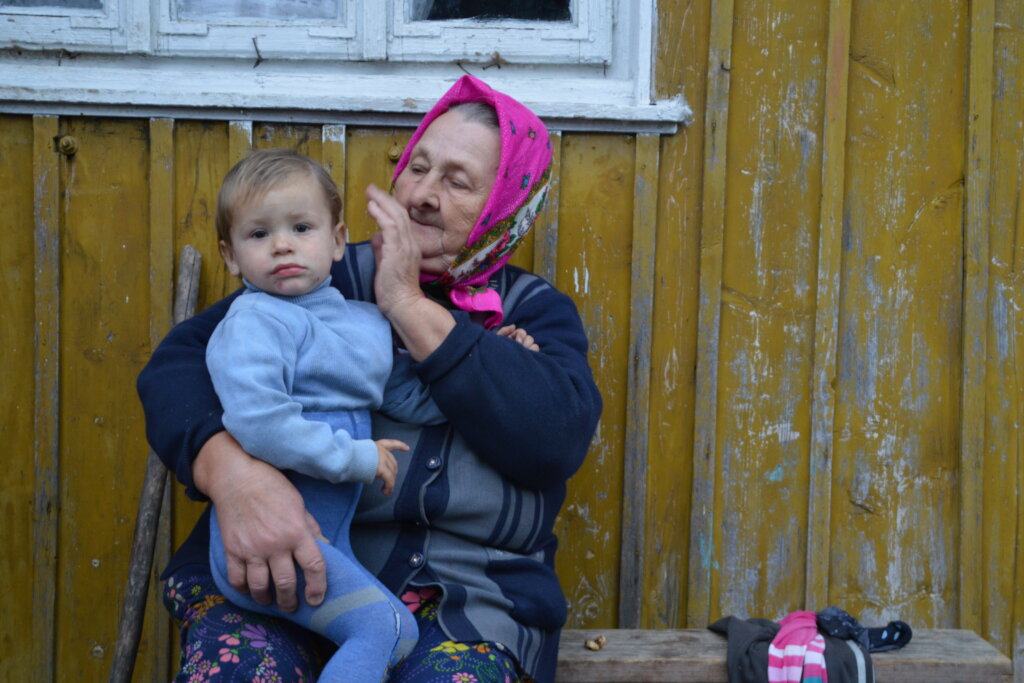
Over the past six months, we have reached more than 500 people with severe mental health needs — people whose lives had been fractured by the war in ways that go far beyond what a doctor can see on an X-ray. Soldiers who came back from the front and could no longer sleep in a bed. Mothers who lost sons and kept setting the table for them out of habit. Elderly people who survived two world wars' worth of trauma compressed into four years, alone, in apartments that had lost their windows to a blast.
They came. And we were there.
One of them was a woman in her fifties from the Kharkiv region. She had lived through a bombardment that destroyed the building next to hers. She was not physically injured. But for months afterward, she could not leave her apartment. She could not shower without panicking. She told our psychologist: "I feel like I am still inside that moment. Like it never ended." After several months of trauma-focused support, she started going outside again. Small steps. But hers.
Why this work cannot wait
The cumulative impact of the war, worsened by a particularly harsh winter and the absence of any real prospect of relief, continues to erode families' ability to cope and carry on with daily life. The mental health system in Ukraine was already stretched before the full-scale invasion. Now it is overwhelmed. One in four Ukrainians reports a decrease in access to medical services since 2022, and 35% have postponed care they need because they simply cannot afford it.
The people we are serving do not have the luxury of waiting for the system to catch up. They need support now. And the longer untreated trauma is left to grow, the harder it becomes to heal.
The road ahead
In the second half of 2026 we will keep expanding our reach — because 500 people, as significant as each one of them is, are a drop in an ocean of need. We will keep training local mental health workers, keep running group support spaces, keep making sure that the people who find the courage to ask for help find someone ready to listen.
Ukraine is a country that has refused, again and again, to give up. The least we can do is refuse to give up on its people.
Project reports on GlobalGiving are posted directly to globalgiving.org by Project Leaders as they are completed, generally every 3-4 months. To protect the integrity of these documents, GlobalGiving does not alter them; therefore you may find some language or formatting issues.
If you donate to this project or have donated to this project, you can receive an email when this project posts a report. You can also subscribe for reports without donating.



Support this important cause by creating a personalized fundraising page.
Start a Fundraiser