By Tory Watts & Kim Worsham | UGANDA REPORT: KIRUHURA EPICENTER (Phase III)
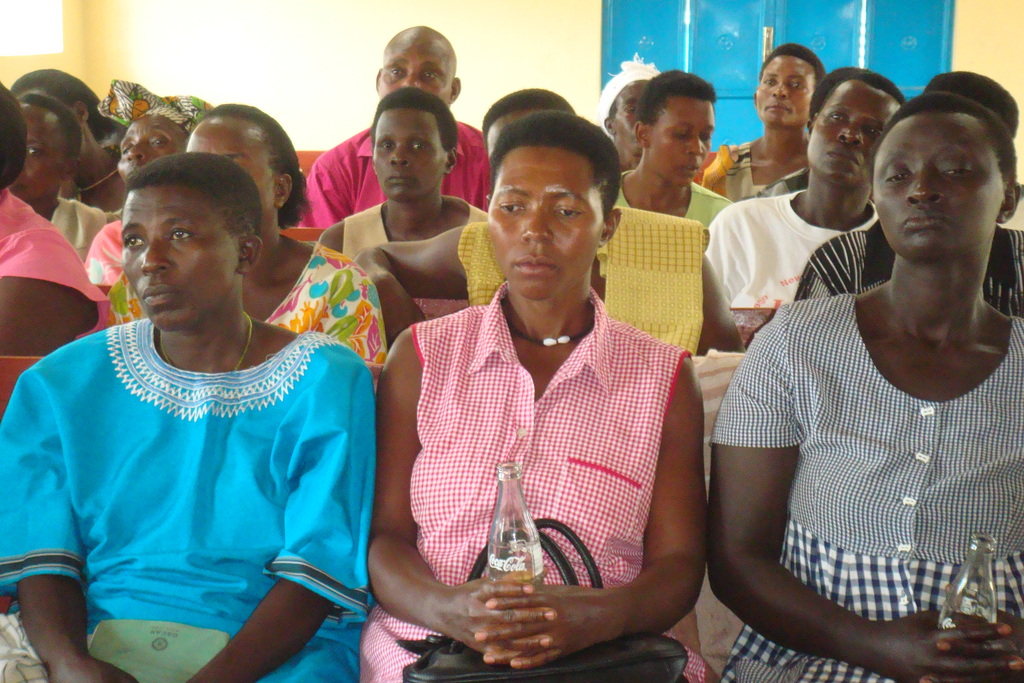
On every measure, Kiruhura Epicenter has improved the lives of its members and the surrounding populations. Importantly, these epicenter partners take full ownership over the continued gains, ensuring the epicenter’s sustainability. Prior to the creation of the epicenter, community members participated in neither local government activity planning nor budgeting processes. However, male and female partners alike now regularly demand services from the local government, promoting sustainable service provision in and around Kiruhura.
Furthermore, THP-Uganda’s Monitoring & Evaluation activities (see below) demonstrate real gains in every program area. Epicenter members are accessing safe drinking water, more children are attending school, microfinance participants are enrolled in adult literacy and numeracy classes, and healthcare is a regularly provided service through the clinic. Importantly, recent surveys show that most households now access at least two meals a day. This trend is sure to continue, as Kiruhura’s Vision, Commitment and Action workshops (VCAs) have now succeeded in firmly establishing epicenter leaders at all local levels to lead development in the community.
Six Month Achievements: Kiruhura From April 1, 2010 to September 30, 2010
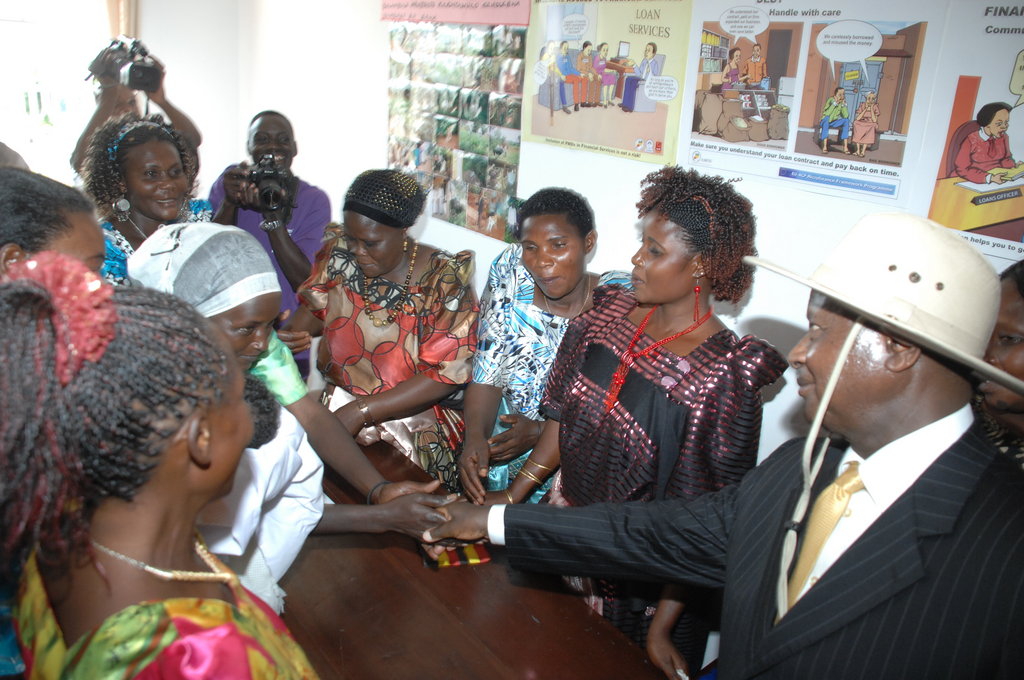
Kiruhura has seen a lot of improvements over the last six months. In 2009, no loans were dispersed at Kiruhura Epicenter; in 2010, about 30 loans were dispersed, showing a successful initiation of the Microfinance Program.
The Epicenter Food Bank more than tripled the kilos of seeds distributed to partners, and in 2010 distributed 1,270 kilos.
Health precautions and preventative care are being adopted by the community, with over 30 malaria bednets distributed to partners.
Over 50 adult partners have now been enrolled in the adult literacy classes.
Partner Story: Betty Ayebazibwe
Betty Ayebazibwe, a 45-year-old mother of four children, is a happy member of Kiruhura Epicenter. She comes from Rwemamba Bakyaara Tweheyo in Rwemamba parish, located in Kashongi sub-county. THP-Uganda’s Project Officer, James Tinkamanyire, recorded this success story during one of his field visits:
Betty started their conversation with a brief background of her initial predicament. She said: “Being a single mother, I did not have money to pay school fees for my children, although I loved to see them go school. In an effort to see my children go to school, I approached the head teacher of the nearby school to allow me sell labor to the school in return for fees for my children, but all in vain since there were many casual laborers, a response I received from the head teacher.” Betty, however, did not stop at that; she tried her luck elsewhere until she landed a small job on a farm, which fetched her 10,000 Ugandan shillings (US $4.50) per month. She depended on this amount for her day to day household needs.
However, Betty’s daily demands and having four children to look after meant that her means were enormously stretched on a mere 10,000 shillings per month. She lived in a ramshackle mud-and-wattle house, which later collapsed following a heavy storm. As she was unable to provide sufficient meals for the family, her young children used to fall sick and Betty could not afford the medicine necessary to treat them. She recalled a low point following the heavy storm, when she spent over two weeks sleeping outside with her children in an open shelter. Betty noted that “it was during this period that Ms. Leocadia Byakatonda [THP community representative and Betty’s neighbor] found me cooking in the open and yet it was raining.” Leocadia’s visit seems to have been the turning point in Betty’s life. The following week, Leocadia accompanied her as Betty became a member of the Kiruhura Epicenter.
Betty praises for THP: “This is an organization that shall bring hope and happiness to women in this village.” Betty added that, in the past, she never heard of organizations that give loans to the needy persons like her. She confirmed that when she attended three VCA workshops conducted by THP leaders, she realized that THP has come to reignite people’s willingness to work for a better future. “I now know many people from this village who have become my friends and they are very helpful; I was able to access a loan after attending microfinance trainings, the VCAWs have ‘opened my eye’”.
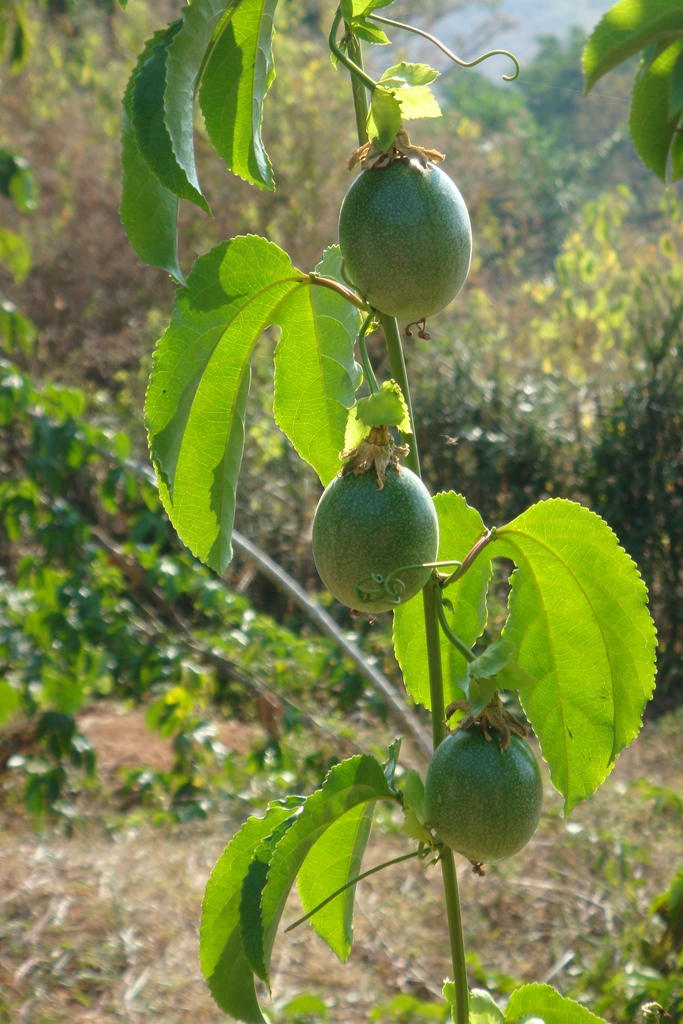
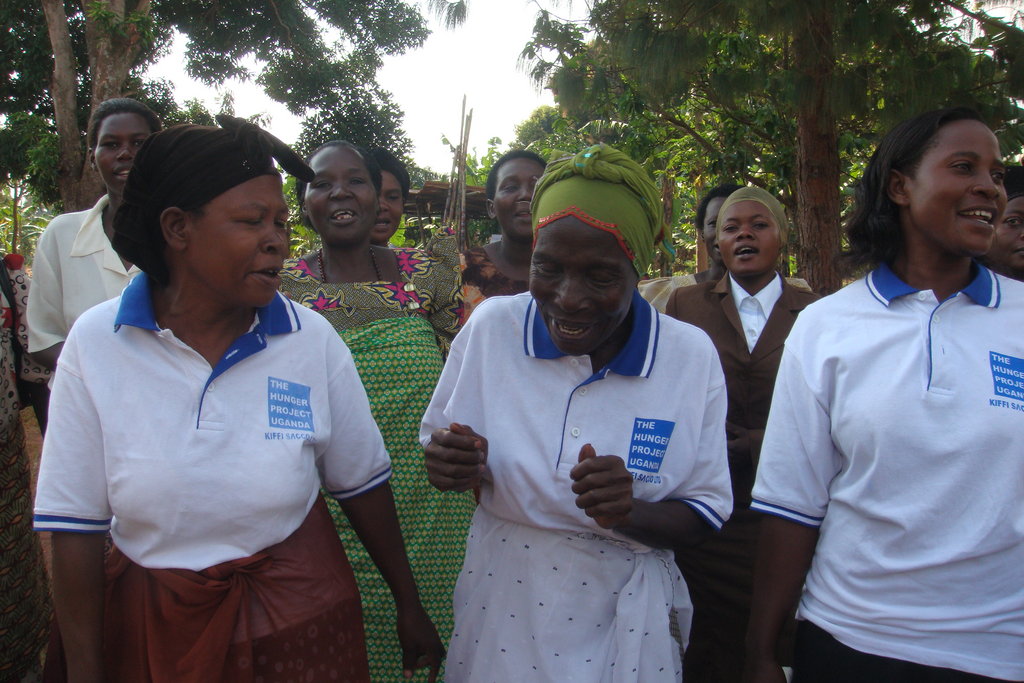
Betty received her first loan as part of a group of 14 other women who belong to the Rwemamba Bakyaara Tweheyo group (‘Tweheyo’ means they are committed to working very hard). The group’s first loan amounted to 2,250,000 shillings (US $1,000) and Betty’s share of the loan was 150,000 shillings ($67)*. She used part of the loan to purchase high-quality maize and bean seeds to plant across two acres. Another part of her loan bought uniforms for her school-aged children and covered their school fees.
Betty’s house is truly becoming her family’s home. Betty made the walls of the house herself, and her small children fetched water for mixing mud, making sure that they smeared the house before school each morning and after school each evening. Betty was soon able to take out a second loan. For the past six months, Betty has been servicing a second loan of 300,000 shillings (US $134), of which she used a balance of 150,000 shillings (US $67) to purchase three goats. Luck was on Betty’s side when two of the goats gave birth just a few days later, nearly doubling her flock to five goats. Betty feels revitalized by her new, completed house and the reliable income from her goats. Betty told us that she had long looked for a loan, but every lender she met required her to produce some sort of collateral. Betty’s ‘Tweheyo’ loan group with THP allowed her to safely take out a loan while realizing a better future for her children.
* THP’s group loans provide a social safety net for first-time loans. The group loan ensures that individuals receive the encouragement and support to commit to repayment, and allows THP to shift some loan follow-up work to community members themselves, both increasing community ownership of the microfinance program while cutting THP’s overhead.
Project reports on GlobalGiving are posted directly to globalgiving.org by Project Leaders as they are completed, generally every 3-4 months. To protect the integrity of these documents, GlobalGiving does not alter them; therefore you may find some language or formatting issues.
If you donate to this project or have donated to this project, you can receive an email when this project posts a report. You can also subscribe for reports without donating.