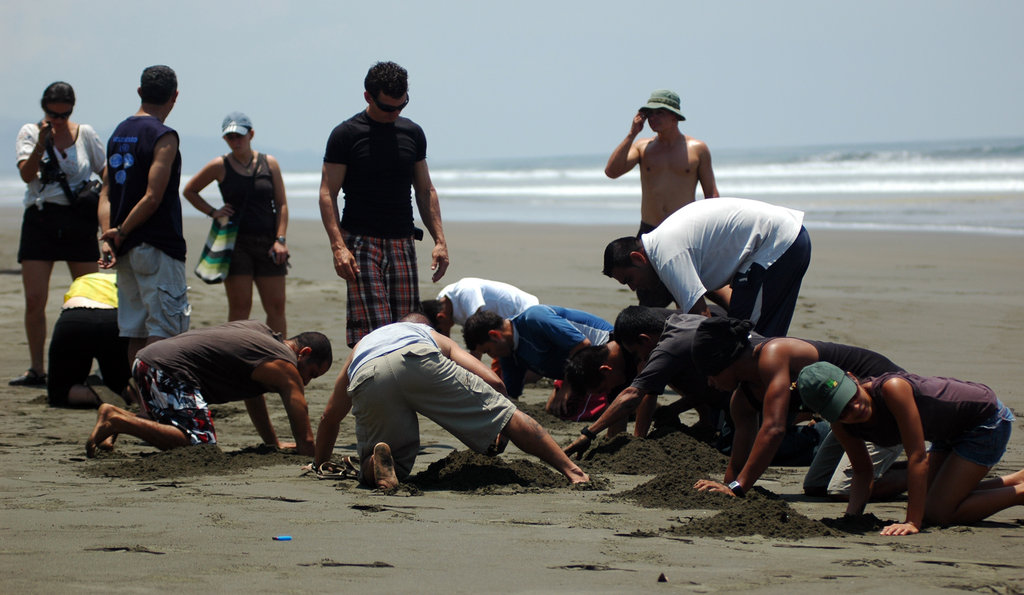
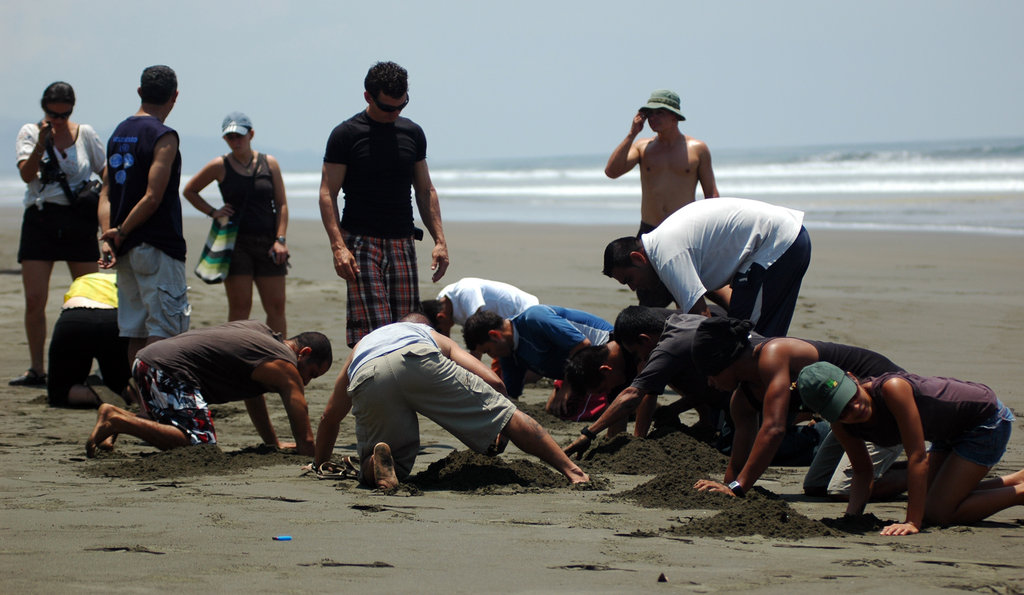
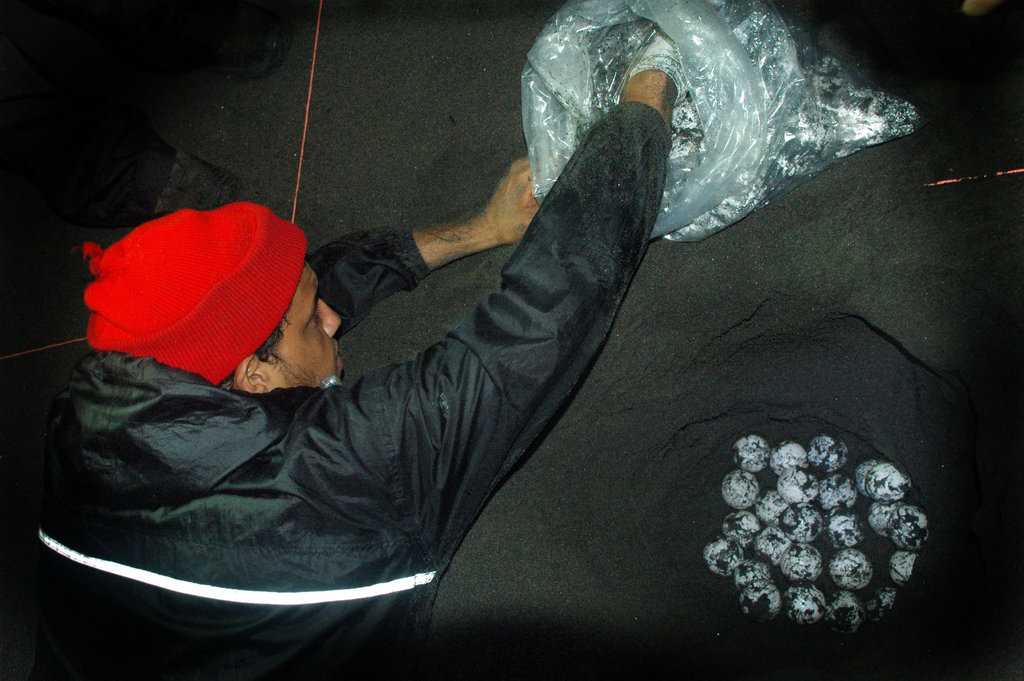
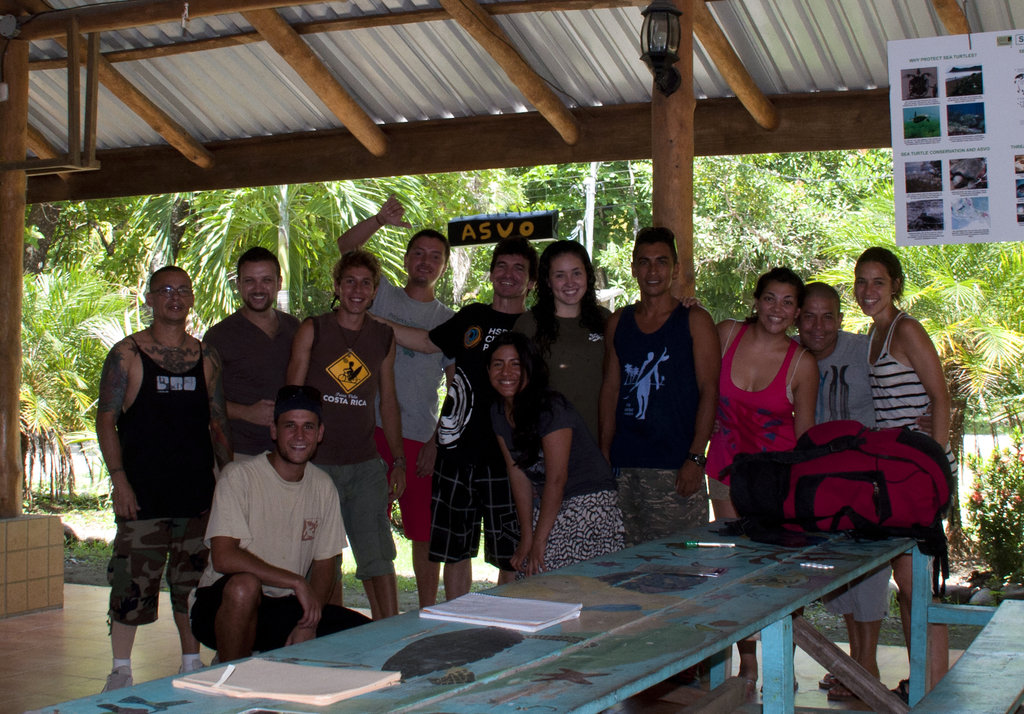
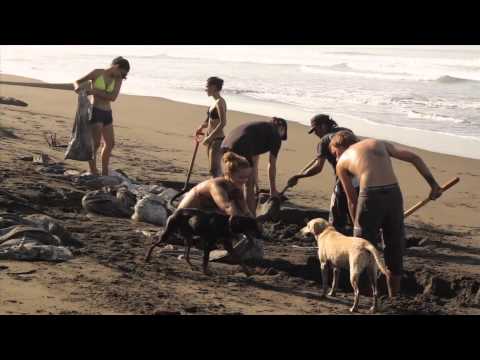
Nest poaching is rife in Costa Rica, and many communities see turtle egg as as a source of income. Within a small community on the central pacific coast, where we have a research station, we see the potential in training local youths to become turtle patrol leaders, and to offer them an alternative income. Not only will this offer a salary for otherwise underprivileged families, but this program with have an educational impact on the community, raising awareness about environmental issues.
In rural Costa Rica, job opportunities are hard to find, and many parents have to travel long distances for further education and work. Within small coastal communities, residents have long depended upon the oceans resources to provide an income, and a meal, for their families. This includes the illegal extraction of turtle eggs from the beaches. A poacher can earn $2 per dozen turtle eggs - and each nest can be between 80 and 100 eggs - providing a steady income with little or no investments.
This project aims to create employment in an area of expertise for the poachers - looking for nesting turtles. By training locals in conservation methods, jobs would then be created in leading patrols with volunteers and tourists during nesting season. The pacific nesting season coincides with rainy season, so all tourism income is low. This project will provide an alternative income to poaching and selling turtles eggs on the black market.
Joining this training project with our environmental education program and the school and high school, will benefit the community immensely. For the children to see the adults practising what we teach would support our conservation project. With more local experienced patrol guides, we would be able to offer more guided tours to visitors, brining in more income for families. More educational tours means more awareness about sea turtle conservation to international visitors
This project has provided additional documentation in a Microsoft Word file (projdoc.doc).