By MiracleFeet | Project Leader
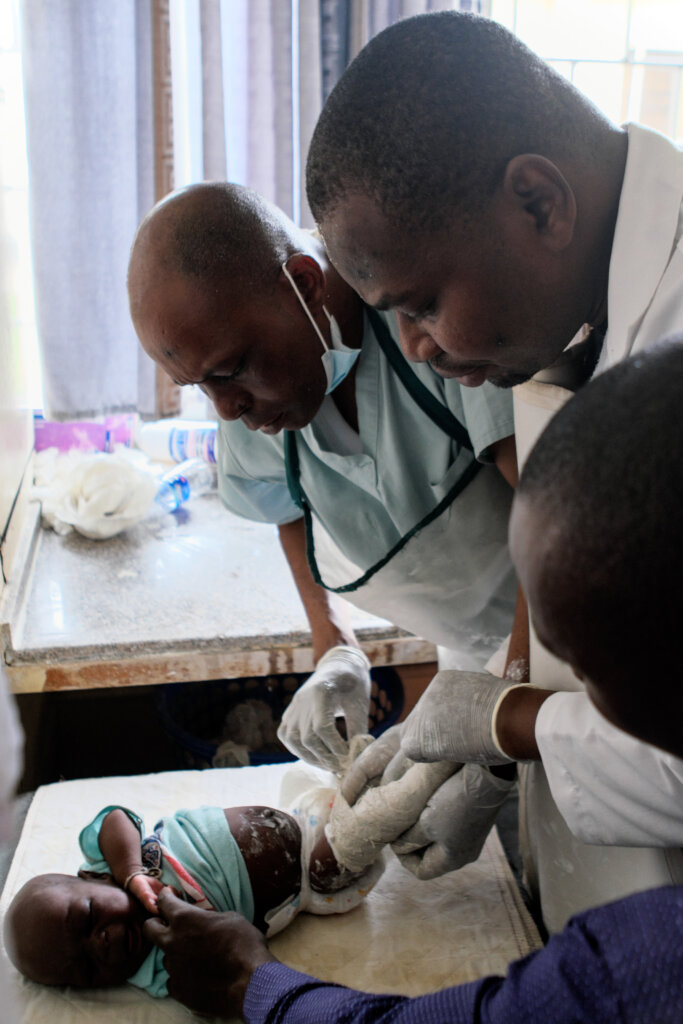
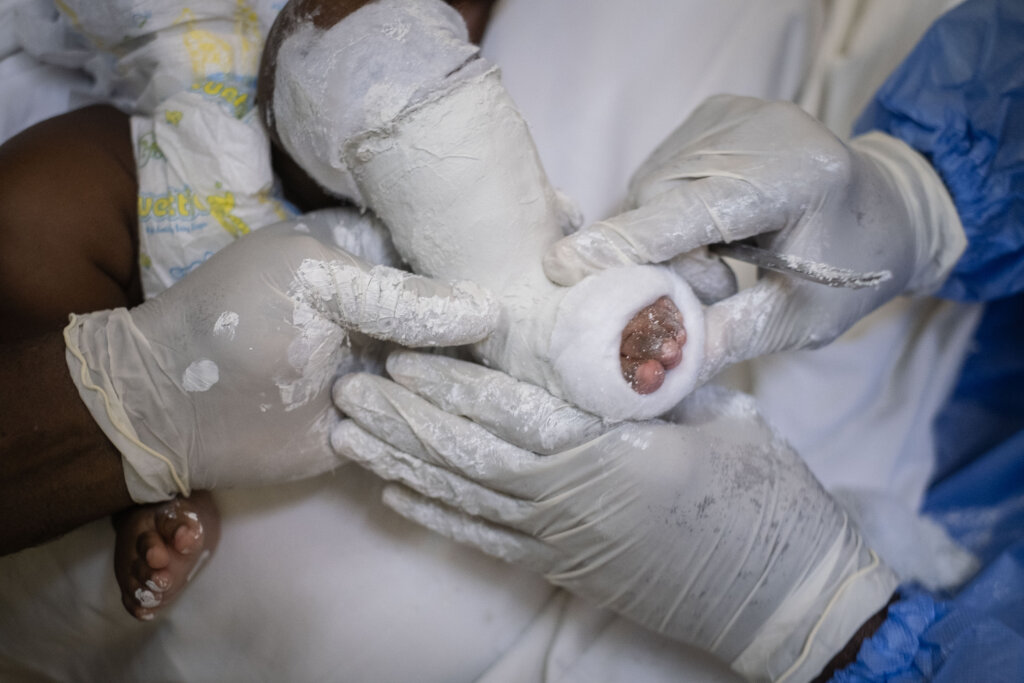
Overview: The Nigeria clubfoot program remains a strong performer in MiracleFeet’s global portfolio. During FY26 (July 2025-June 2026), we enrolled over 2,500 new patients in clubfoot treatment, opened 22 new clinics across the country, met targets for four treatment quality metrics, and supported the rollout of the National Birth Defects Surveillance Guideline by the Federal Ministry of Health. Challenges in Nigeria do persist, including high levels of poverty, rising inflation, political and social insecurity, and poor road infrastructure, which can impact treatment access and patient retention. MiracleFeet remains committed to supporting patient families to overcome these and other barriers, which has minimized their impact on the program.
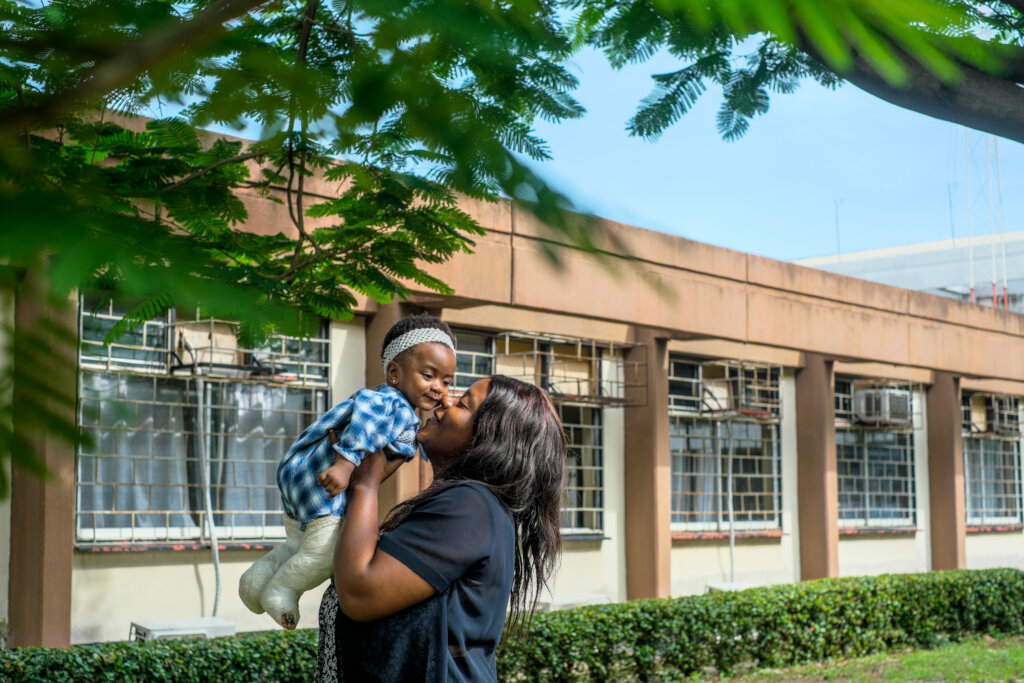
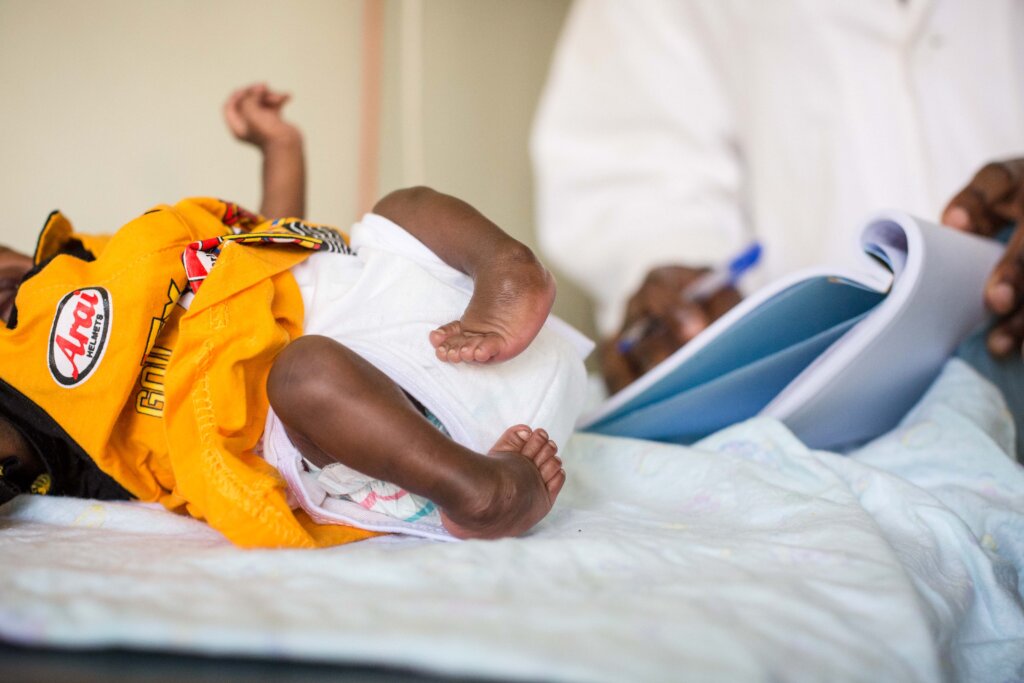
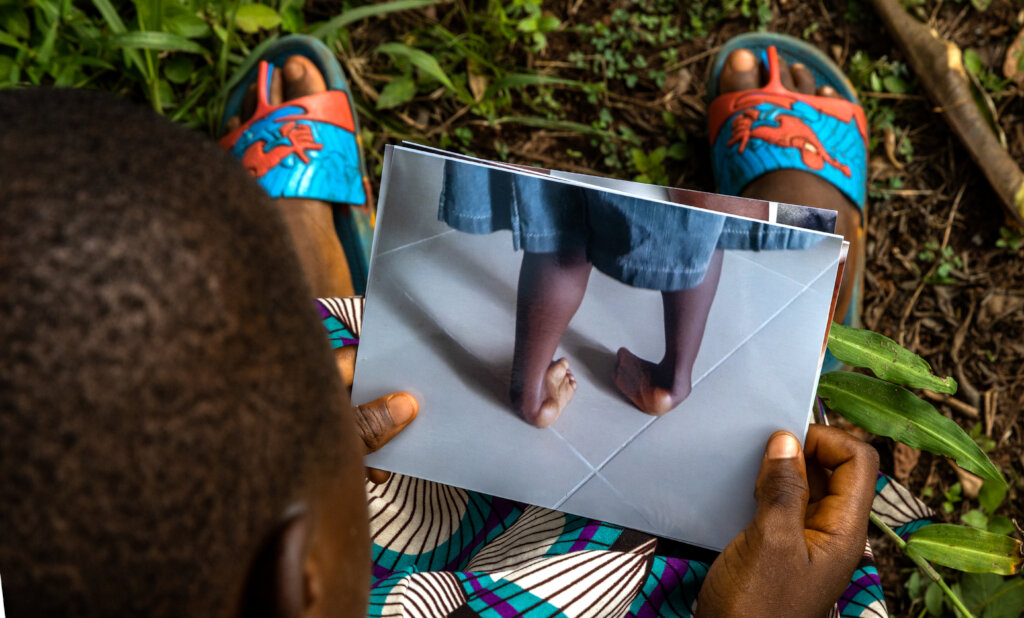
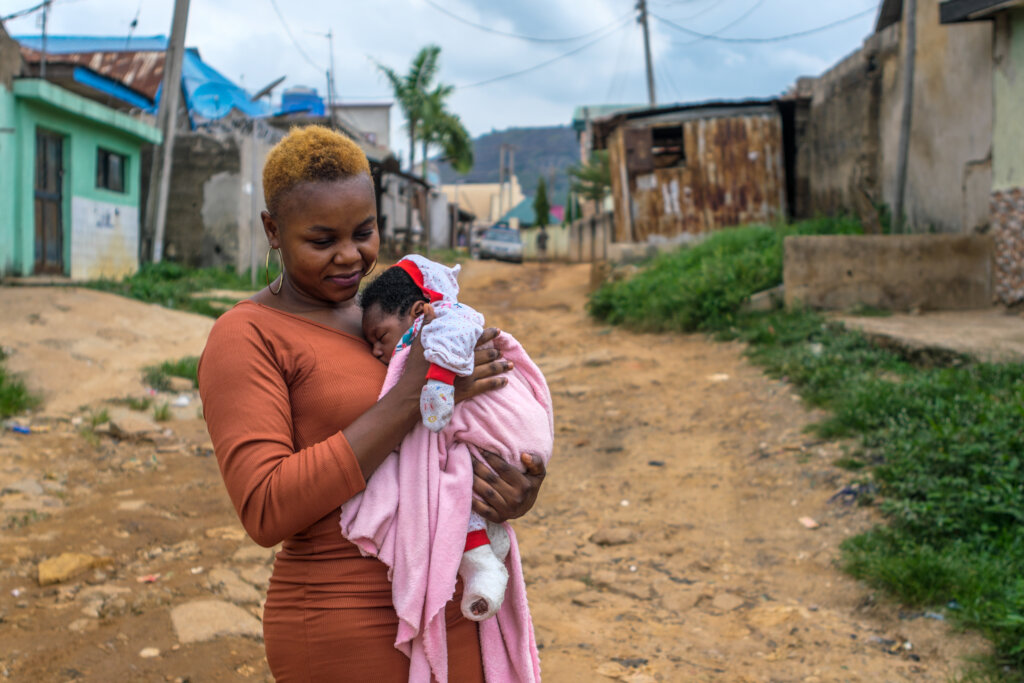
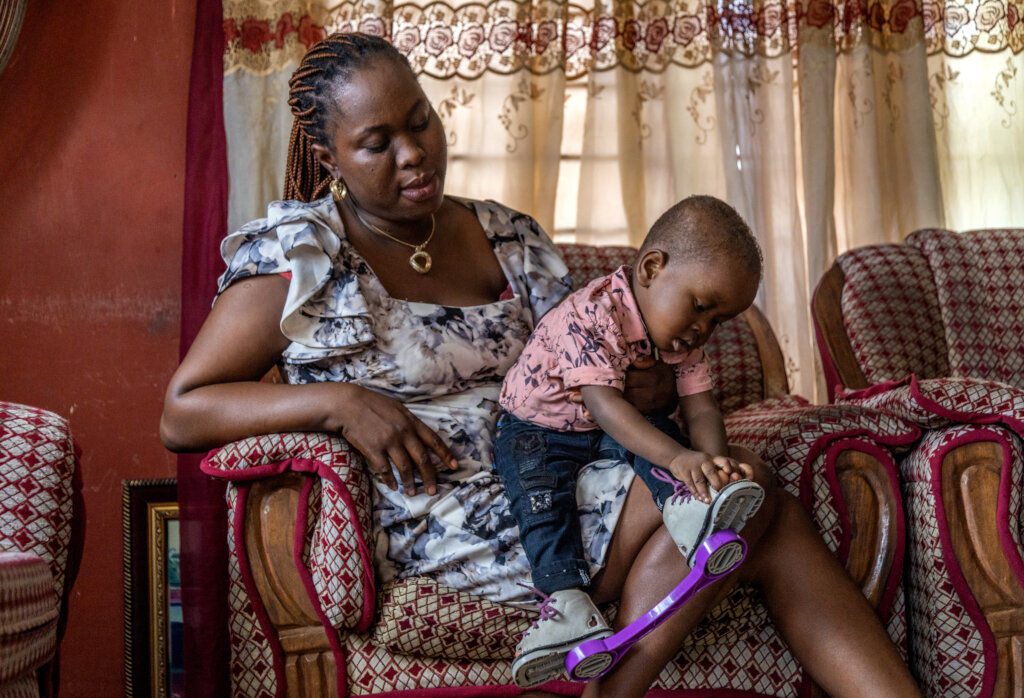
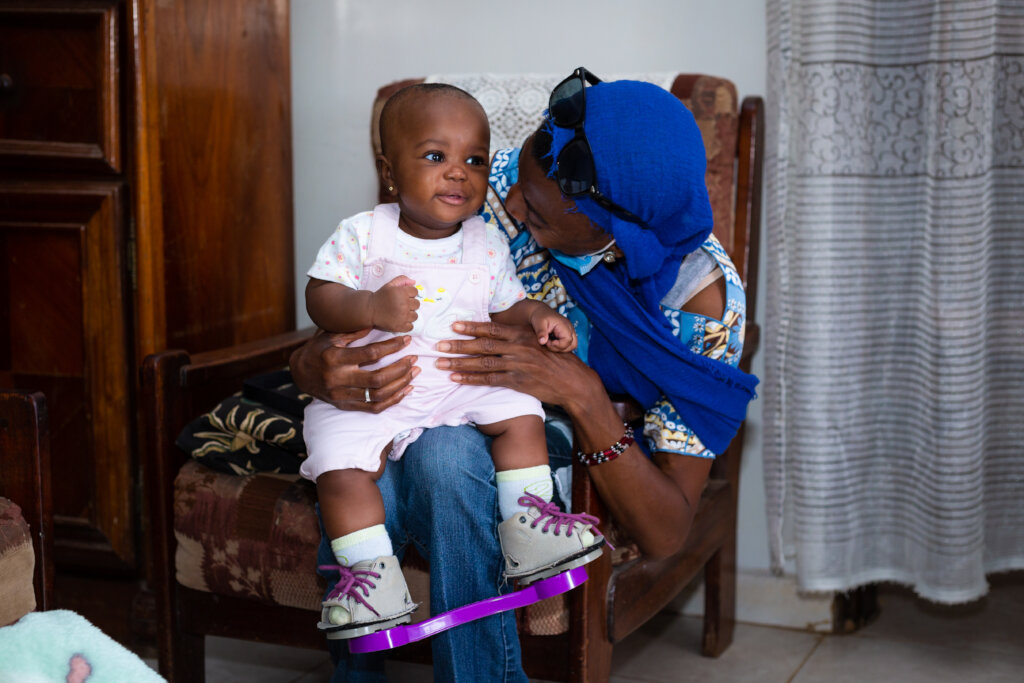
Enrollment: In FY26, MiracleFeet delivered clubfoot treatment to over 6,500 children across 35,250 treatment visits. This included 2,569 new patients enrolled this year, bringing MiracleFeet's all-time enrollment in Nigeria to 8,828. The coverage rate (the percentage of all babies born with clubfoot each year that we are reaching) is now 18%, up from 10% just two years ago.
Clinics: We currently support clubfoot treatment at 87 clinic sites across Nigeria. The 22 new clinics opened in FY26 have enrolled 342 new patients to date. Large teaching hospitals in Lagos, Abakaliki, Benin City, Enugu, Lokoja, Irrua, Uyo, and Nnewi continue to see high clinic activity and contribute significantly to new patient enrollment.
Treatment Quality: As we expanded, treatment quality remained high. The program met targets for four key performance indicators for treatment quality: the percentage of patients who receive a tenotomy, the average number of casts per child, and casting and bracing dropout rates. The fifth KPI, the percentage of patients <1 at their first appointment, fell below the global benchmark due to a large number of children with untreated clubfoot in Nigeria who are now accessing treatment for the first time. Performance on this metric, however, has been steadily improving over the last several years as we address this backlog of untreated cases.
Trainings: We supported 44 clinical trainings including 22 Basic Ponseti trainings, 13 Advanced trainings for providers ready to expand their skillsets to treat more complex cases, and 9 Refresher trainings to refine the skillsets of providers previously trained. In addition, we supported 43 early detection and referral (EDR) workshops for midwives, maternity nurses, vaccination workers, and other frontline health workers, teaching them to identify clubfoot in newborns and refer them to treatment. An additional 13 awareness-raising sessions for community members were held as a complementary strategy to drive enrollments.
Health Systems Integration: In October 2025, Nigeria’s Federal Ministry of Health and Social Welfare formally released and began circulating its National Birth Defect Surveillance Guideline 2025—the country’s first standardized, national framework for birth defect surveillance, reporting, and data management. Importantly for MiracleFeet’s work, clubfoot is explicitly included among the congenital anomalies prioritized for national surveillance.
The guidelines establish a hospital-based national surveillance system, beginning with 12 tertiary hospitals across the country, with the goal of strengthening EDR, data visibility, case management, and evidence-based planning for congenital conditions nationally. The document institutionalizes many of the principles central to our long-term strategy inNigeria, such as integration into routine newborn and child health services and standardized national data systems.
This was a major victory for the program in FY26 and represents a meaningful example of the broader systems-level progress underway in Nigeria—not simply expansion of services, but increasing incorporation of congenital conditions, including clubfoot, into national policy and public health architecture.
Project reports on GlobalGiving are posted directly to globalgiving.org by Project Leaders as they are completed, generally every 3-4 months. To protect the integrity of these documents, GlobalGiving does not alter them; therefore you may find some language or formatting issues.
If you donate to this project or have donated to this project, you can receive an email when this project posts a report. You can also subscribe for reports without donating.



Support this important cause by creating a personalized fundraising page.
Start a Fundraiser