By ALLMEP | Legacy Document for Our Trauma-Informed Work
As our project concludes, we reflect on the foundational legacy of our work in Israel and Palestine, where cycles of violence continue to reshape political and personal realities. Communities in this region carry cumulative and intergenerational trauma that directly impacts trust, leadership, and the fundamental ability to engage in peacebuilding efforts. This initiative was born from the realization that for civil society organizations, trauma is no longer a peripheral issue but the very condition under which peacebuilding operates. Over the past two years, our work has confirmed that without integrating trauma-informed approaches into the core of these programs, social impact simply cannot be sustained.
The rationale behind this project stems from the heavy burden placed on a generation growing up amid repeated instability and shrinking horizons. When left unaddressed, trauma acts as an invisible barrier that limits participation and openness, shapes how communities perceive one another, and reinforces cycles of polarization. We recognized a critical gap: while many practitioners felt the need to address these issues, efforts remained fragmented and disconnected. Our initiative responded by positioning the organization as a field connector and enabler, focusing on coordination rather than direct service provision.
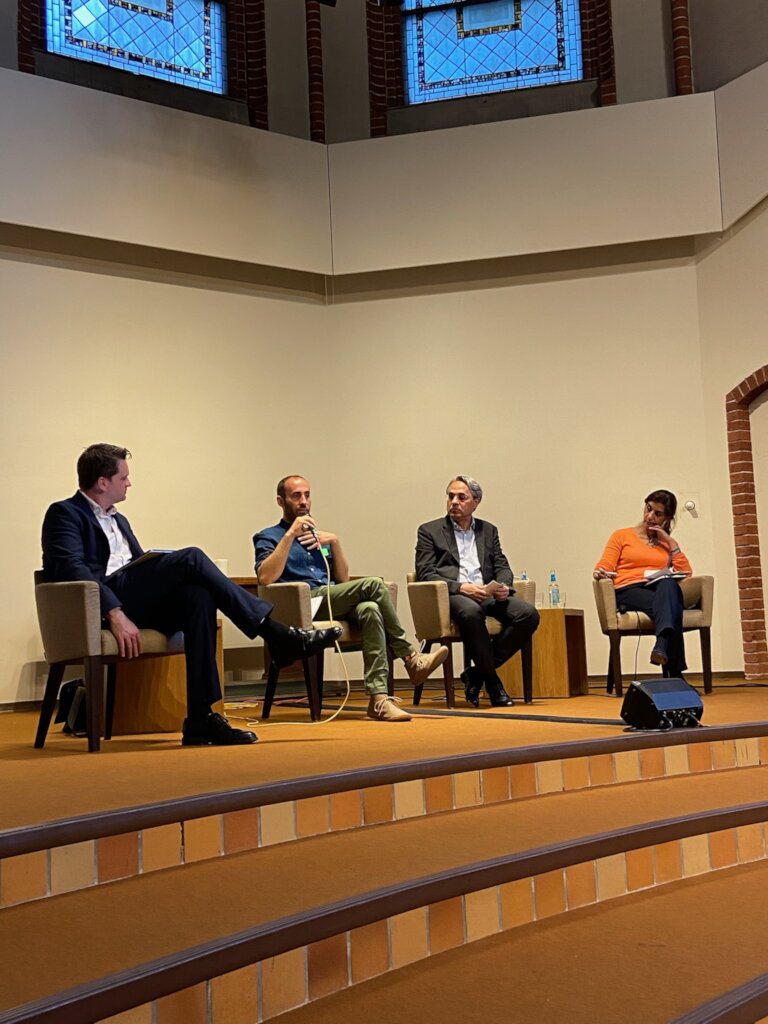
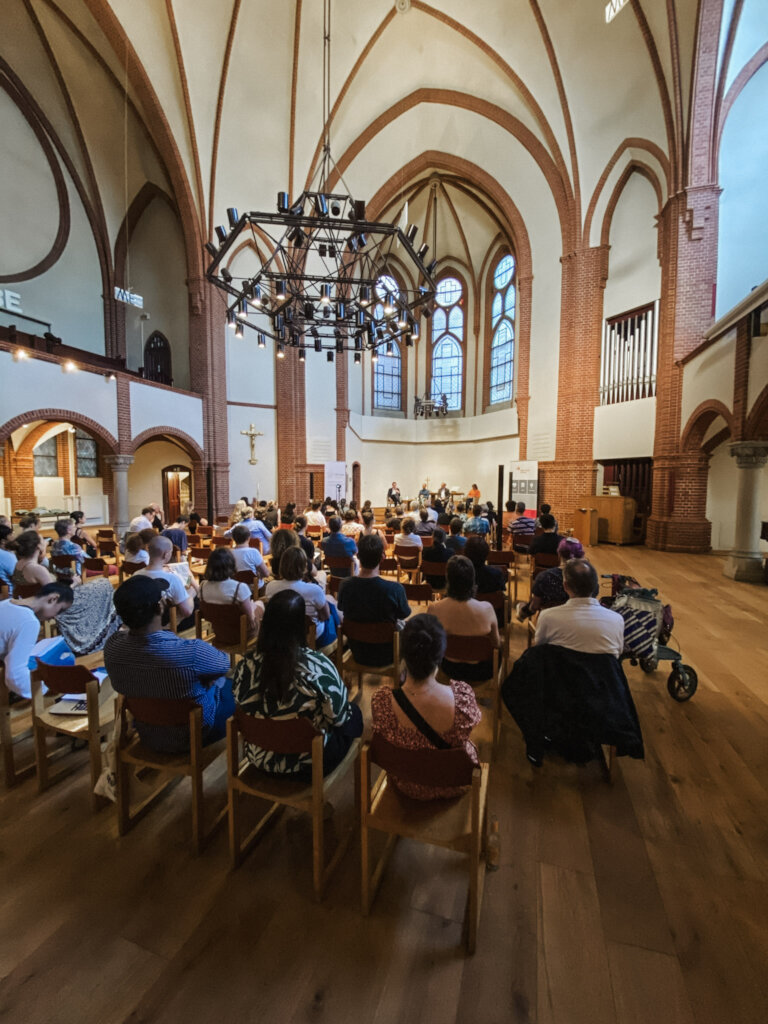
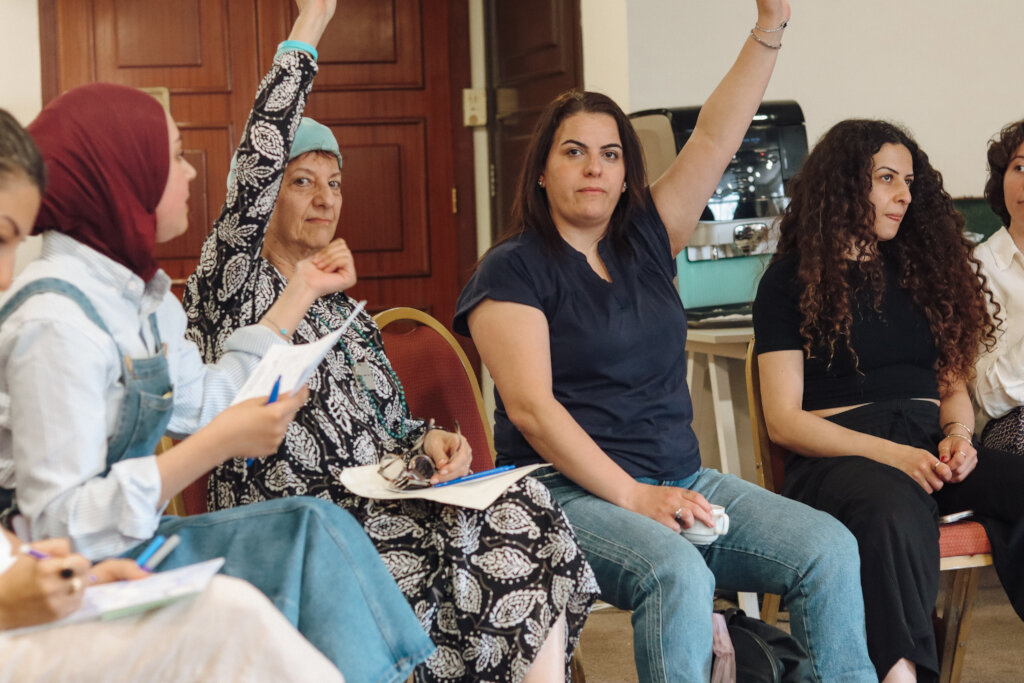
Central to our success were three core components designed to foster field cohesion. We established a Trauma-Informed Affinity Group, providing a structured space for experts and practitioners to exchange methodologies and identify cross-sector opportunities. Furthermore, our Field Learning and Knowledge Development track mapped existing approaches and captured insights from the field. These efforts have culminated in a practical resource toolkit, translating collective lived experiences into clear, usable guidance for organizations moving forward.
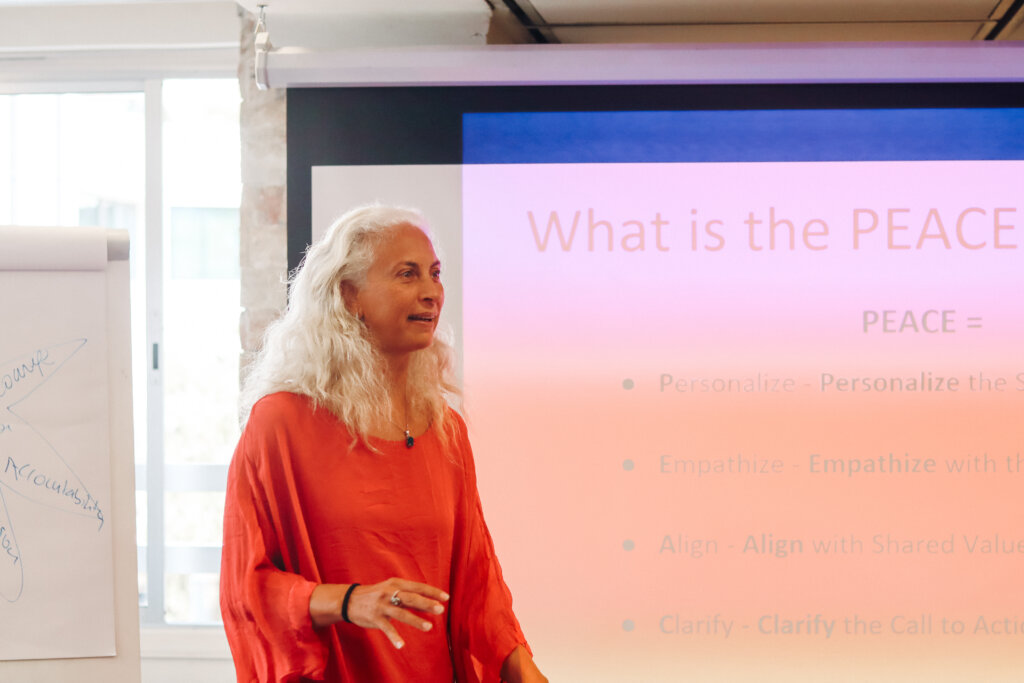
To ensure these concepts translated into tangible changes, we implemented targeted organizational support through an "Hour Bank". This allowed a select number of organizations to receive one-on-one consultations and tailored guidance on adapting their specific programs to real-time needs. By leveraging our core strengths—convening diverse actors and bridging practice with shared knowledge—we have successfully maximized impact without expanding operational complexity. This approach emphasized integration and sustainability over standalone, temporary interventions.
Looking ahead, the outcomes of this project represent a significant shift in the peacebuilding landscape. We have seen an increased adoption of trauma-informed approaches and a stronger alignment between field practice and shared knowledge across our network. By strengthening how organizations respond to intergenerational trauma, we are building a field that is more resilient and better equipped to support long-term change. Ultimately, this work honors our responsibility to ensure that future generations inherit the tools and pathways necessary to transform the burdens of conflict into a foundation for lasting peace.
By ALLMEP | ALLMEP
Project reports on GlobalGiving are posted directly to globalgiving.org by Project Leaders as they are completed, generally every 3-4 months. To protect the integrity of these documents, GlobalGiving does not alter them; therefore you may find some language or formatting issues.
If you donate to this project or have donated to this project, you can receive an email when this project posts a report. You can also subscribe for reports without donating.



Support this important cause by creating a personalized fundraising page.
Start a Fundraiser