By Mwamini Mussa | Project Leader
1. INTRODUCTION AND ACKNOWLEDGMENT
Direct Relief Tanzania is pleased to present this progressive report on our ongoing initiative to provide sustainable, clean water access to the rural communities of Mpwapwa District.
First and foremost, we extend our deepest gratitude to our generous donors and supporters. Your compassion and commitment have been instrumental in making our work possible. Because of your support, we have made significant progress in addressing the critical water crisis affecting the people of Igoji and surrounding villages.
2. PROJECT BACKGROUND AND CHALLENGE
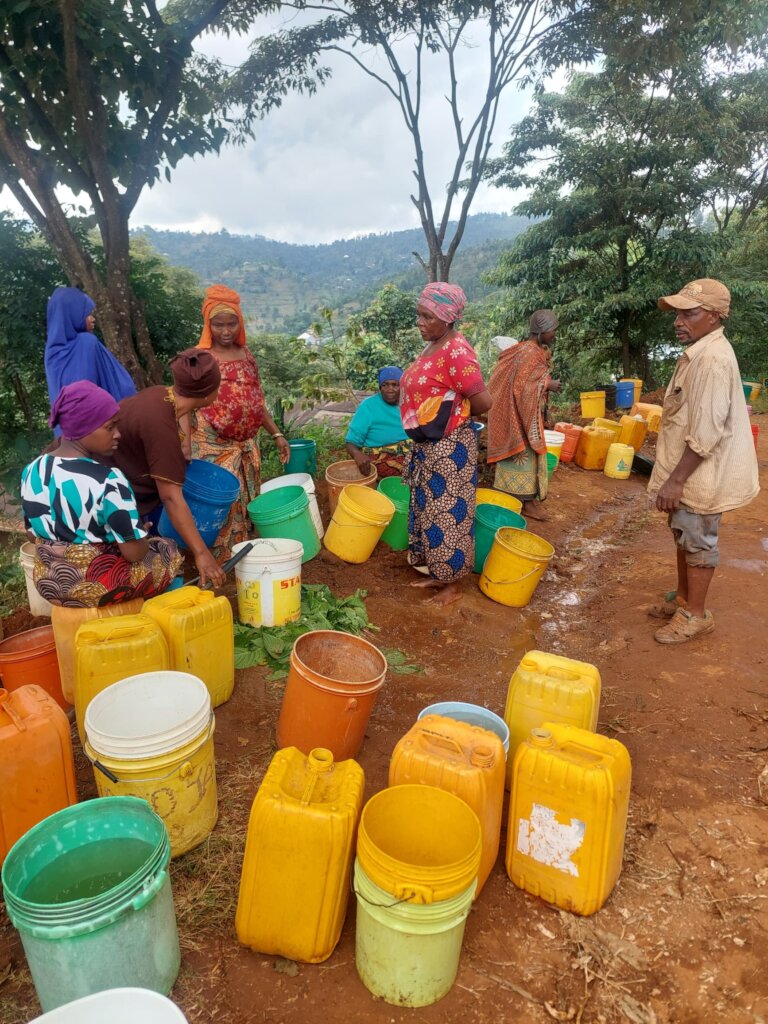
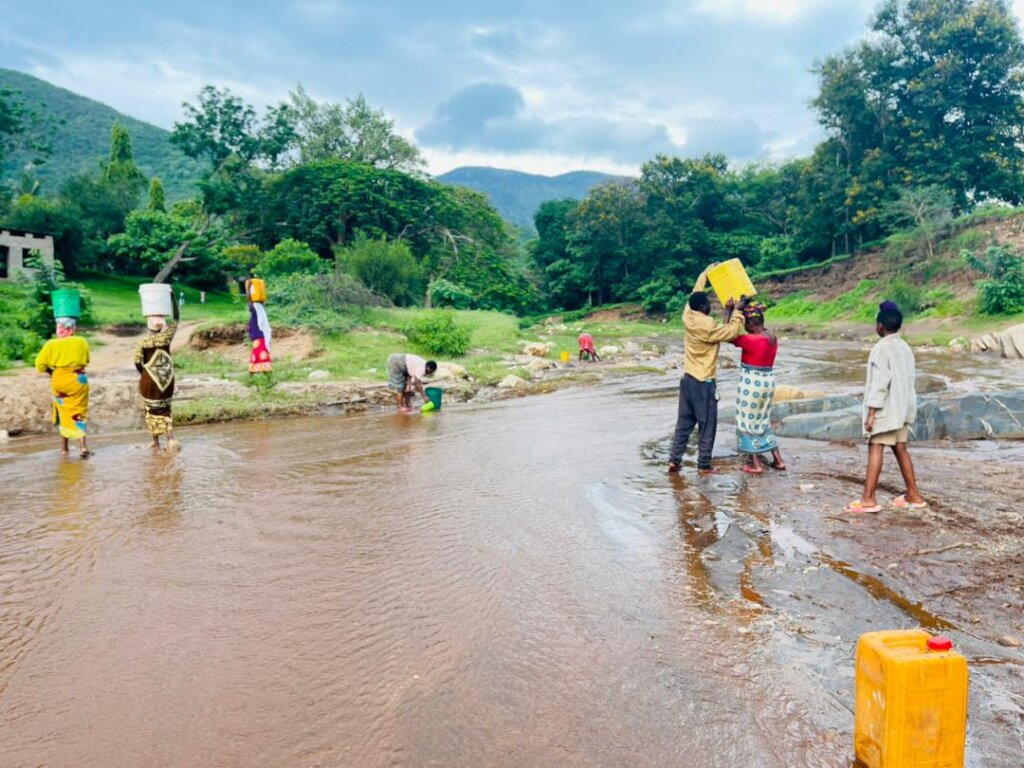
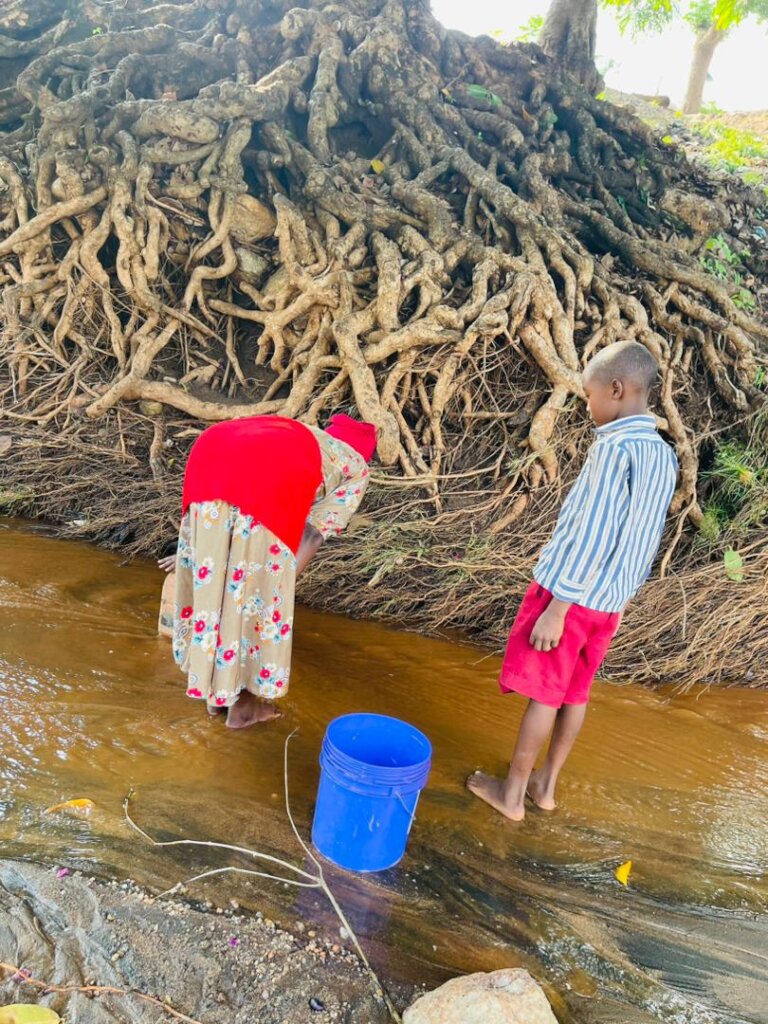
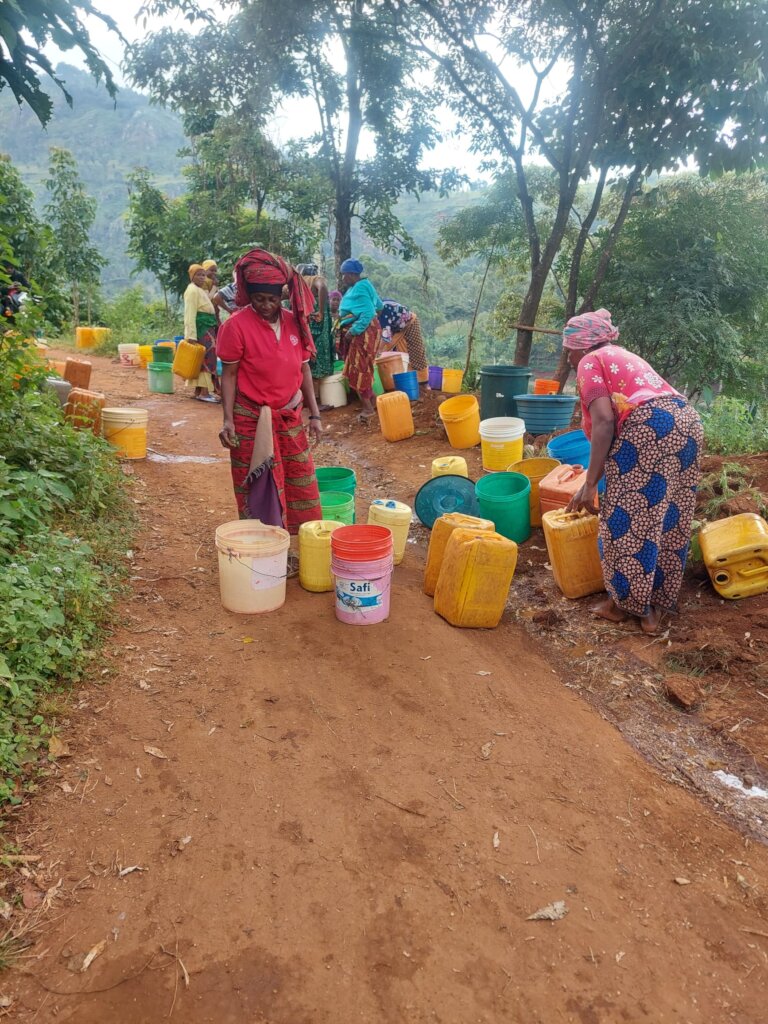
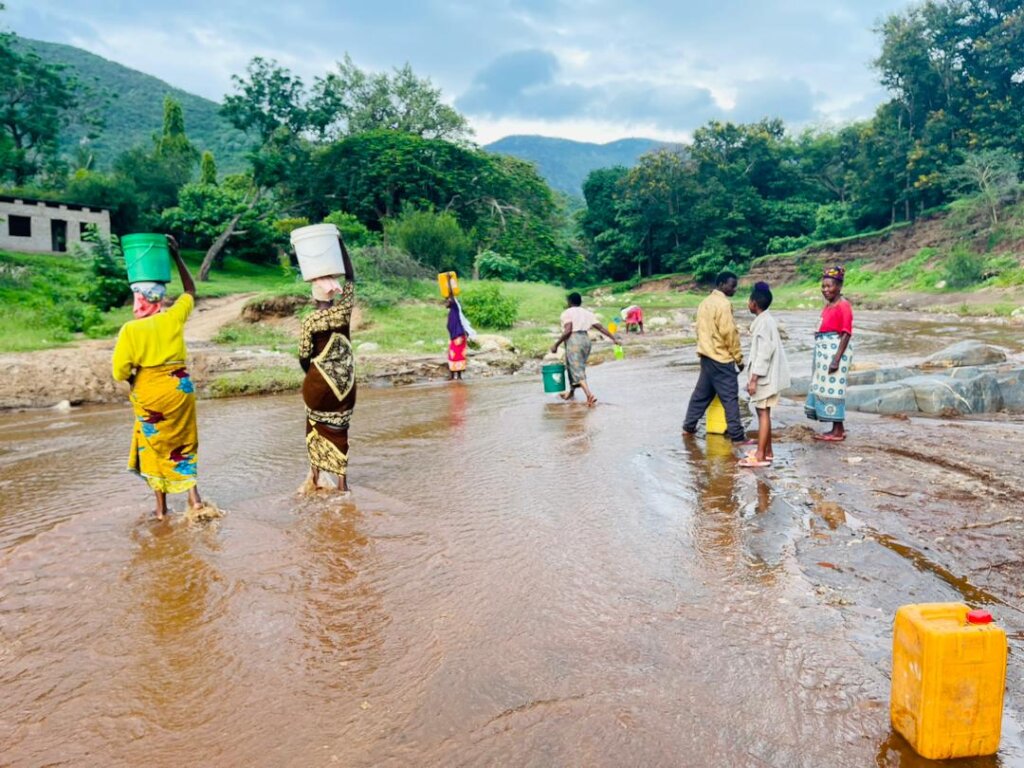
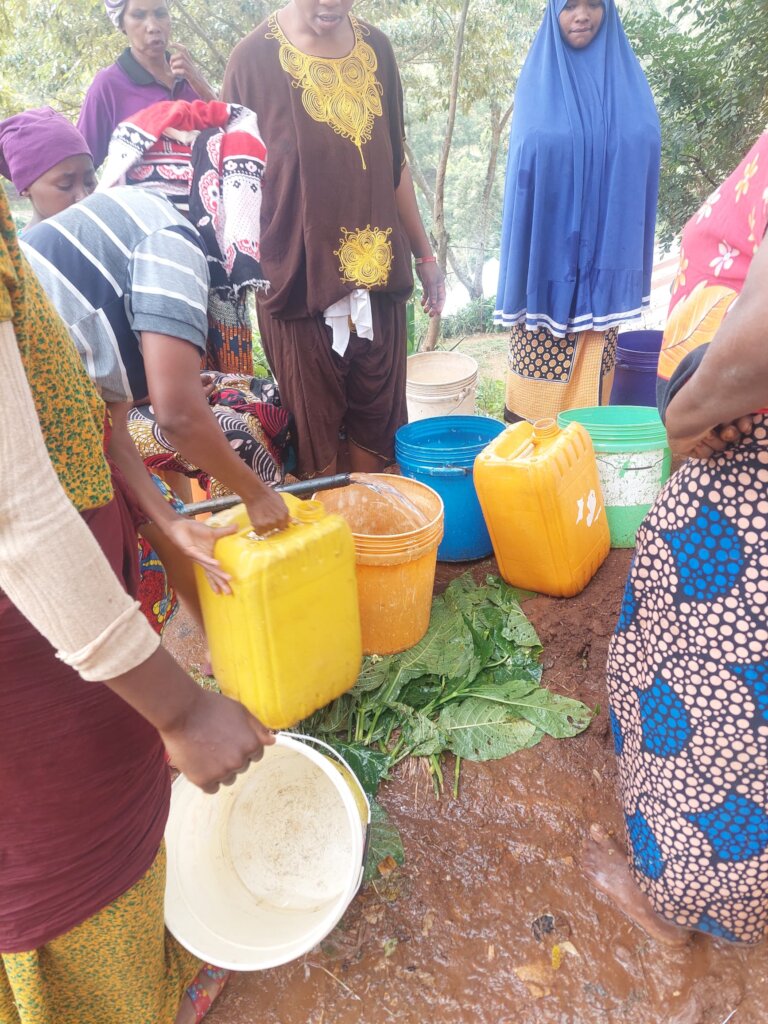
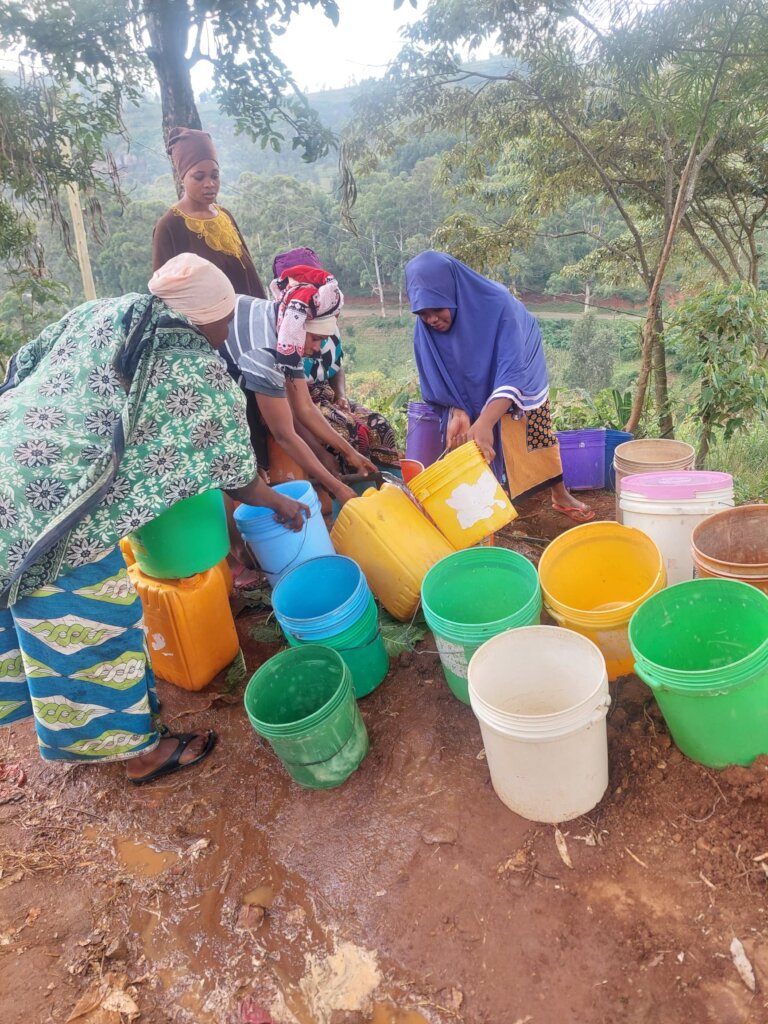
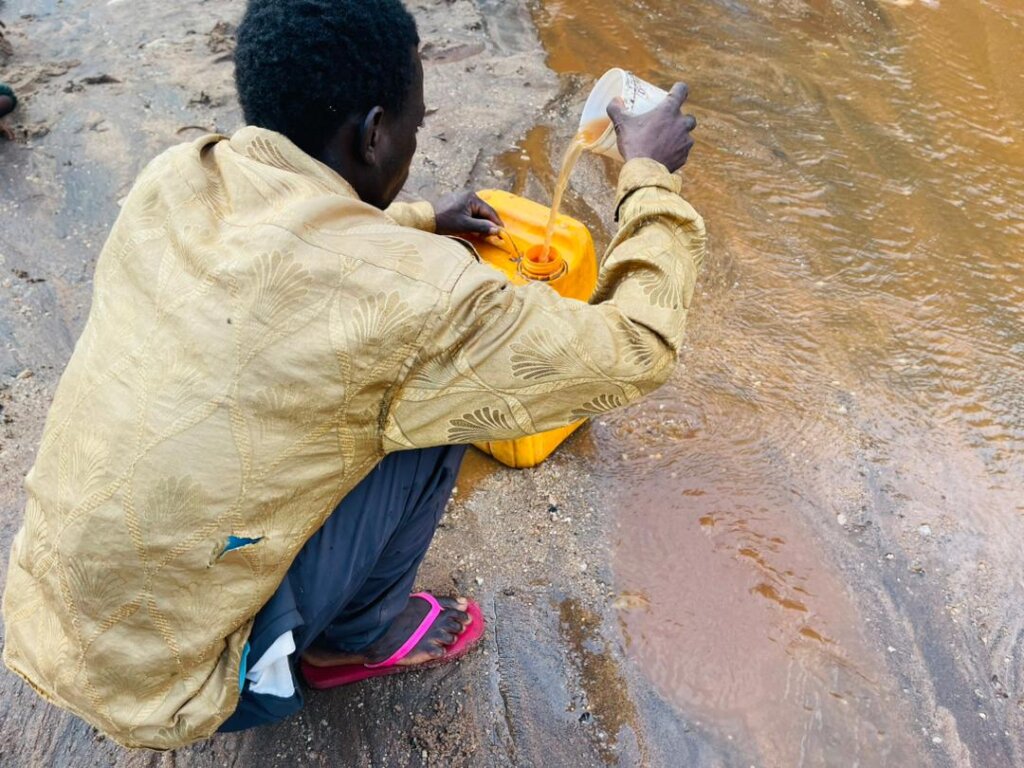
Mpwapwa's rural areas face a severe shortage of safe, clean water a challenge that directly impacts health, education, and economic productivity. Only 58% of the population currently has access to clean water . Women and girls bear the heaviest burden, often walking over five kilometers daily to fetch water, which limits their time for education and income-generating activities .
Our project aims to construct wells equipped with solar-powered pumps across five villages: Pwaga, Itende, Igoji, Chinyika, and Sazima. This sustainable solution will provide reliable, clean water close to home, reducing the daily trek for 42% of the population without safe water, empowering women and girls, improving health outcomes, and boosting local economies.
3. PROGRESS AND ACHIEVEMENTS DURING PREVIOUS MONTHS
Despite financial constraints, we are proud to report that Direct Relief Tanzania successfully managed to dig a well in Igoji village a significant milestone that now serves the community with accessible groundwater. This achievement was made possible through community mobilization, local resource contributions, and the steadfast support of our donors.
Additionally, we initiated the renovation of a community well in Chinyika village, which had fallen into severe disrepair . Before this intervention, the well was structurally damaged, unsafe, and frequently non-functional, forcing residents to walk long distances to alternative, often contaminated, water sources .
Working closely with community leaders and residents, we rehabilitated the well structure, repaired damaged components, and improved the surrounding area to enhance safety and usability. Community members volunteered labor and provided locally available materials, strengthening local ownership and ensuring the project's sustainability .
4. IMPACT AND COMMUNITY RESPONSE
The completion of the Igoji well and the renovation at Chinyika have already yielded measurable benefits:
5. CHALLENGES AND THE ROAD AHEAD
While we celebrate these achievements, significant effort is still needed. The primary challenge has been insufficient funding to meet all project needs fully . Rising material costs and limited access to technical equipment have constrained our ability to:
6. APPEAL FOR CONTINUED SUPPORT
We earnestly and kindly appeal to our donors and partners to continue supporting this vital project. Lives, especially those of marginalized women and children, depend on reliable access to clean water.
Your continued generosity will help us:
7. CONCLUSION
Together, we are transforming lives. The progress made in Igoji and Chinyika demonstrates that change is possible when communities and supporters unite. We thank you for standing with us and invite you to continue this journey toward a healthier, more prosperous Mpwapwa.
Thank you for your unwavering support.
Project reports on GlobalGiving are posted directly to globalgiving.org by Project Leaders as they are completed, generally every 3-4 months. To protect the integrity of these documents, GlobalGiving does not alter them; therefore you may find some language or formatting issues.
If you donate to this project or have donated to this project, you can receive an email when this project posts a report. You can also subscribe for reports without donating.



Support this important cause by creating a personalized fundraising page.
Start a Fundraiser