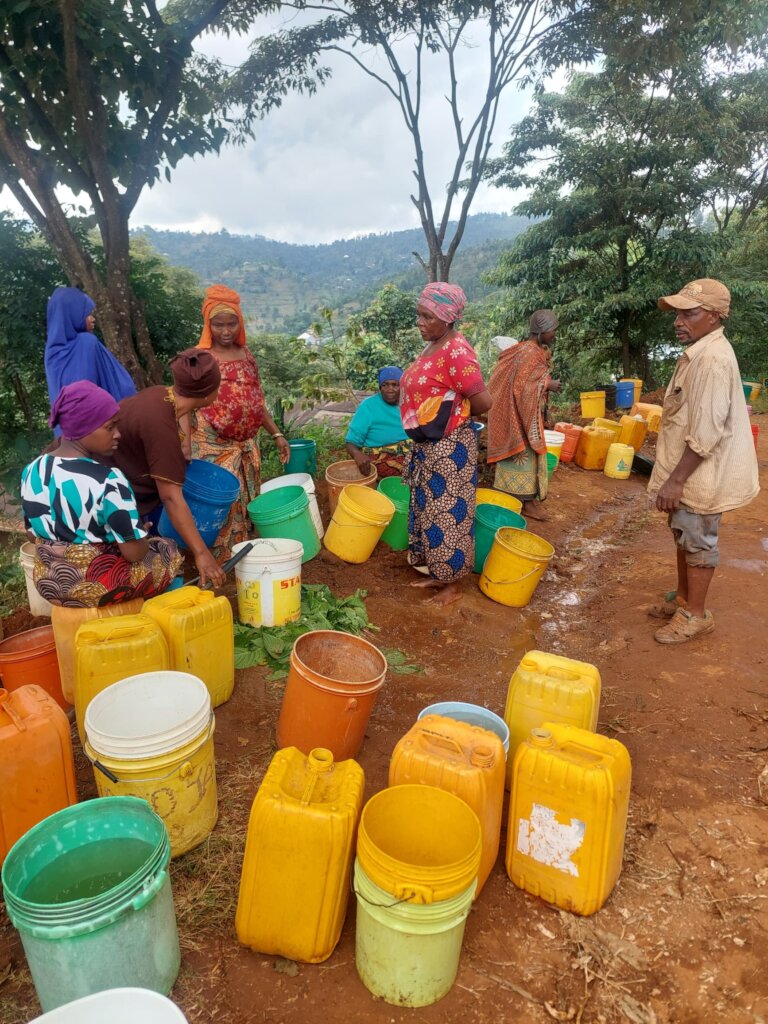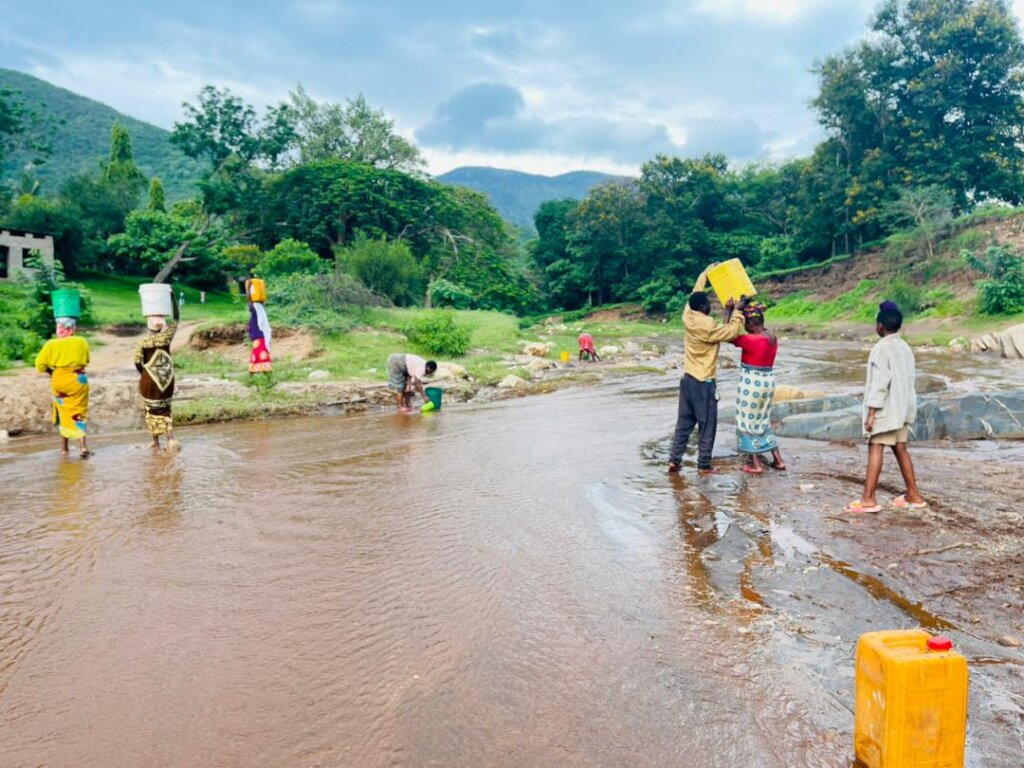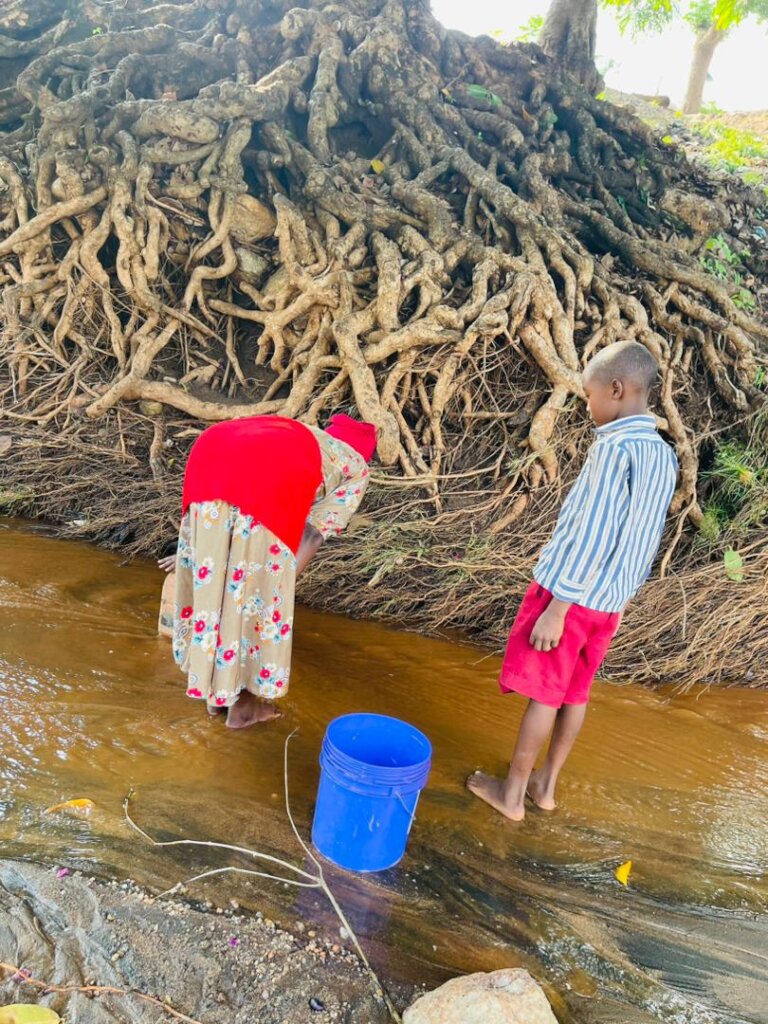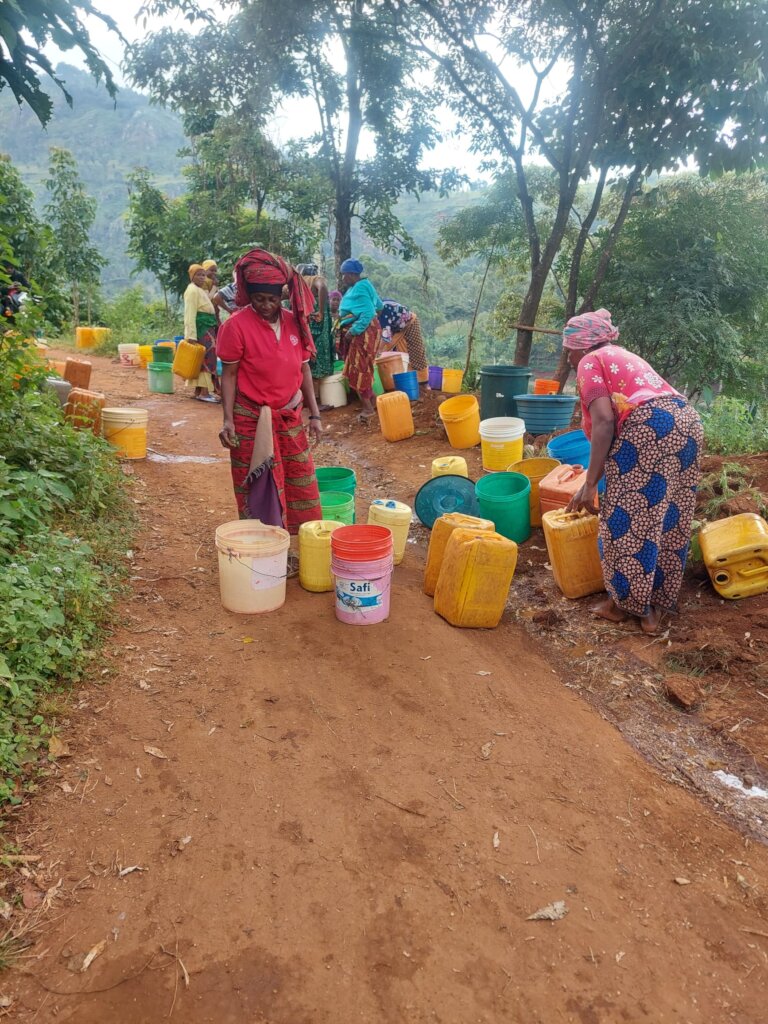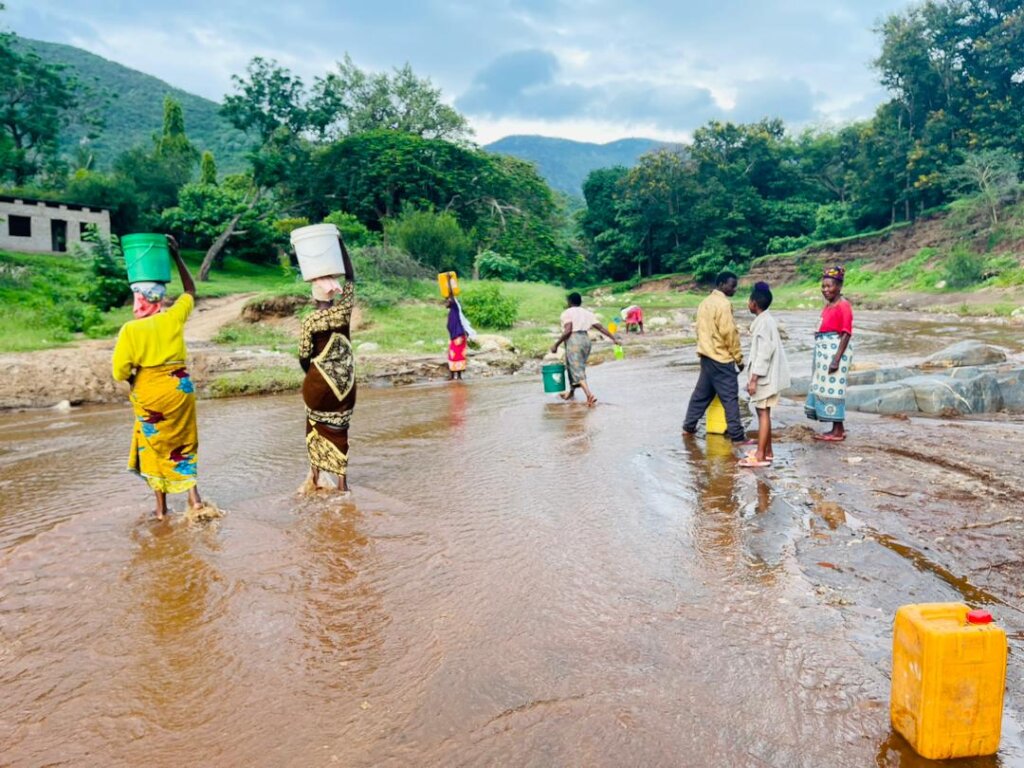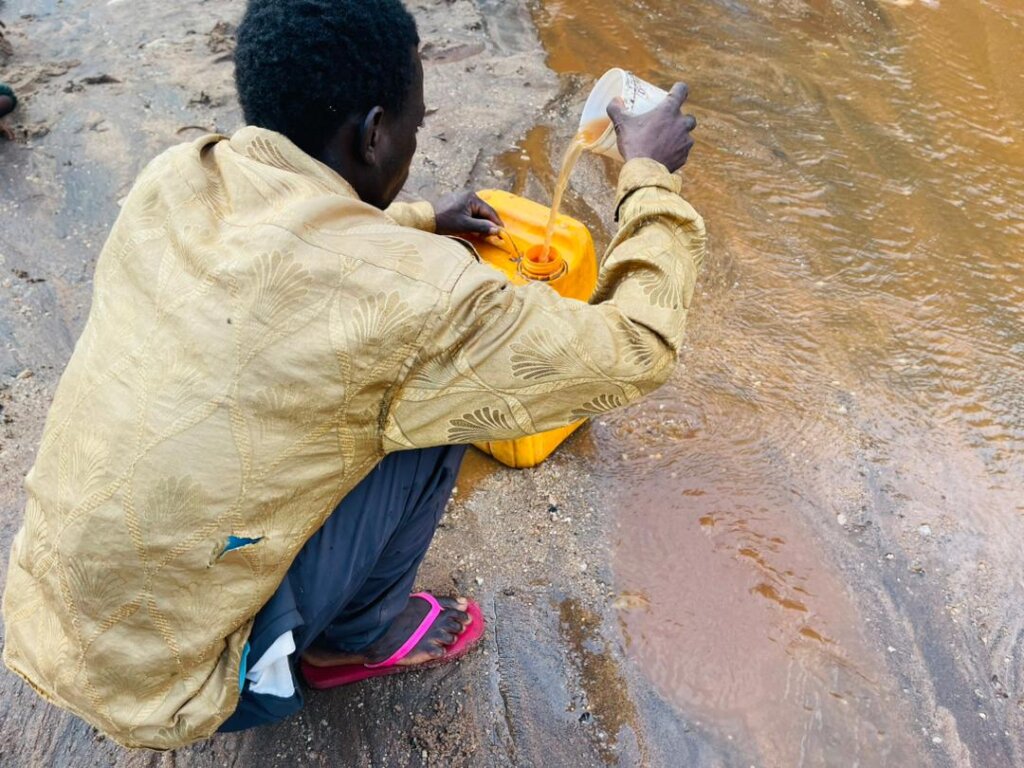
In Mpwapwa's rural villages of Pwaga, Itende, Igoji, Chinyika and Sazima only 58% of residents have access to clean water. This project addresses that gap by constructing solar-powered wells, reducing the daily 5+ km walk for water. Over 8,000 people will gain reliable access, saving 5.8 million hours annually. The solution promotes better health, boosts local economies, and empowers women and girls with more time for education and work, creating lasting change in the community.
In Mpwapwa's rural areas, lack of access to safe and clean water poses a major challenge, affecting health, education, and economic productivity. Only 58% of the population has access to clean water (Tanzania Water Sector Status Report, 2022). Women and girls are most affected, often walking over 5 km daily to fetch water, limiting their time for education and income-generating activities (UNICEF Tanzania, 2024)
Constructing wells with solar-powered pumps in Pwaga, Itende, Igoji, Chinyika and Sazima village will transform lives by providing reliable, clean water close to home. This sustainable solution will reduce the 5+ km daily trek for 42% of the population without safe water, empower women and girls with more time for school and work. Solar energy will ensure continuous water supply, improve health and boosting local economies. Together, these 5 villages will see improved well-being.
The project will directly impact over 8,000 people across the 5 villages, providing them with reliable access to clean water. By eliminating the daily 5+ km walk to fetch water, each person will save approximately 2 hours per day, totaling over 5.8 million hours saved annually. This time will be redirected toward education, income-generating activities, and community development especially empowering women and girls. The long-term impact promises healthier families and thriving local economies.



Support this important cause by creating a personalized fundraising page.
Start a Fundraiser