By Donatien NDIZEYE | M&E Leader
Introduction
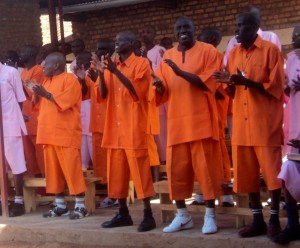
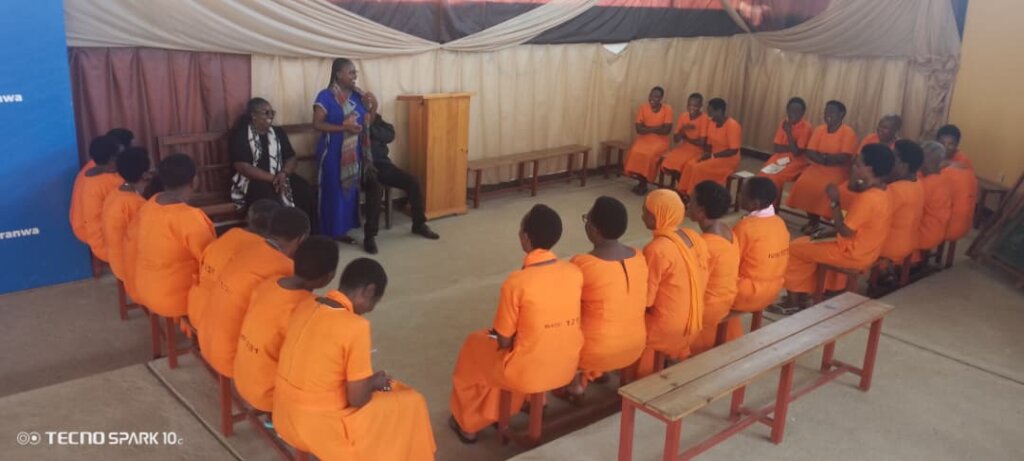
Friends Peace House (FPH) implemented a series of Transformative Mediation Basic and Advanced Trainings in Nyamagabe Prison and Rusizi Prison. The initiative aimed to strengthen the capacity of prisoners and prison staff to manage conflicts peacefully, improve relationships, and contribute to a more respectful and harmonious prison environment.
The approach focused not only on resolving individual conflicts but also on transforming relationships, strengthening personal empowerment, recognition of others, and promoting constructive communication.
Activities Implemented
Date Location Training Participants
April 21–23, 2026 Nyamagabe Prison Basic Transformative Mediation Training Prisoners
May 5–7, 2026 Rusizi Prison Basic Transformative Mediation Training Prisoners
June 11–13, 2026 Nyamagabe Prison Basic Training Prison Staff
June 15–17, 2026 Rusizi Prison Advanced Transformative Mediation Training Prisoners
July 8–10, 2026 Nyamagabe Prison Advanced Transformative Mediation Training Prisoners
Why We Included Prison Staff
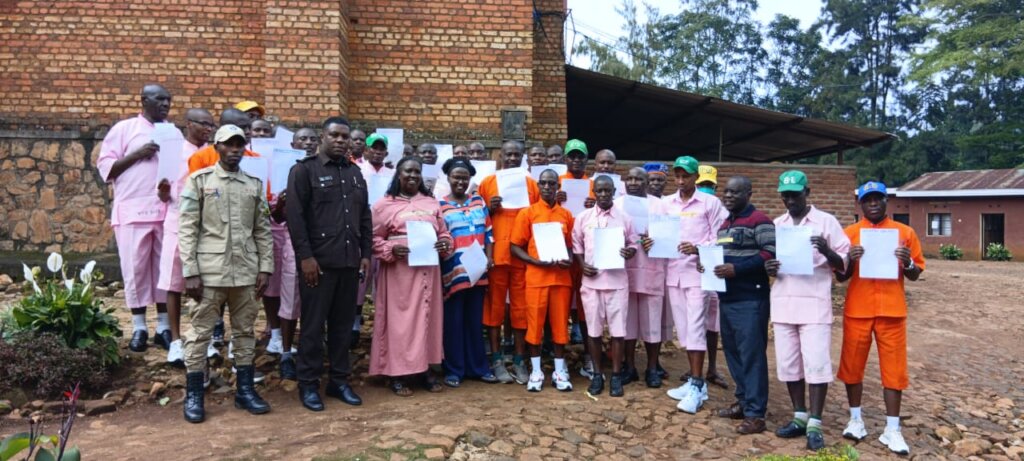
At Nyamagabe Prison, FPH made a deliberate decision to include prison staff in the training. We recognized that training prisoners alone, without involving the staff members who work closely with them every day, could limit the effectiveness and fairness of the intervention.
By engaging both prisoners and staff, the project promoted a shared understanding of conflict transformation, respectful communication, and peaceful interaction. This approach creates greater potential for the skills learned to be practiced throughout the prison community.
What We Did:
During the Basic Trainings, participants were introduced to the principles and practices of transformative mediation. They explored how conflicts affect individuals and relationships and learned ways of responding to disagreements without violence.
The Advanced Trainings built on the knowledge gained during the Basic Trainings. Prisoners from Nyamagabe and Rusizi were given opportunities to deepen their mediation skills, strengthen their ability to understand different perspectives, and practice constructive approaches to conflict.
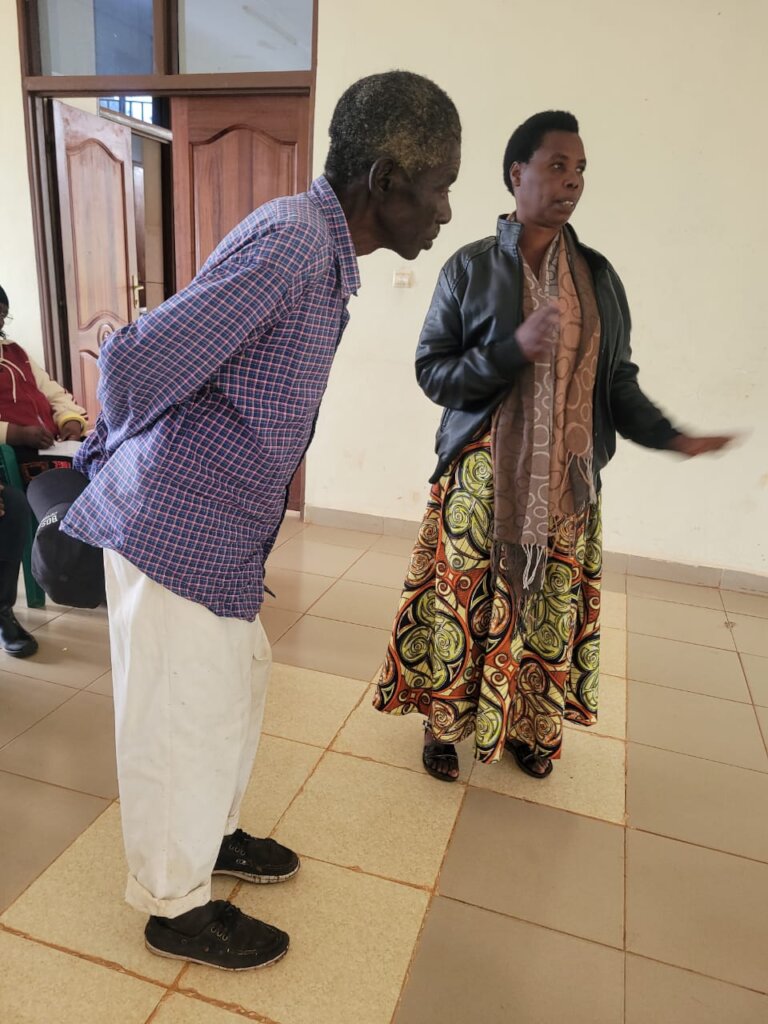
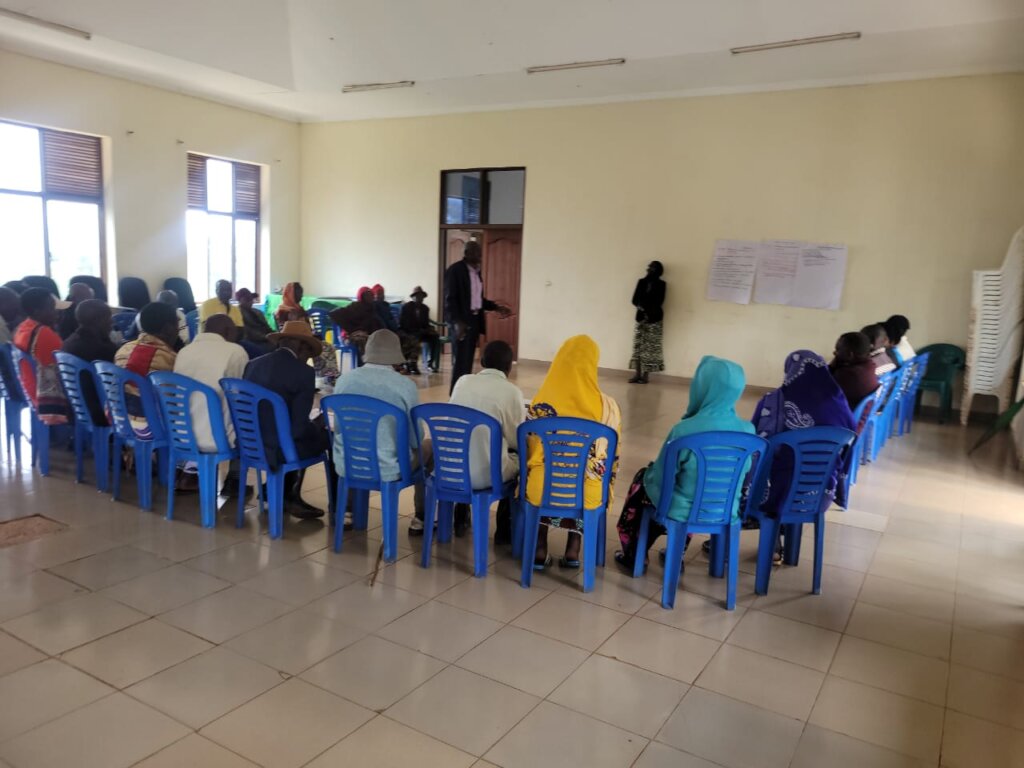
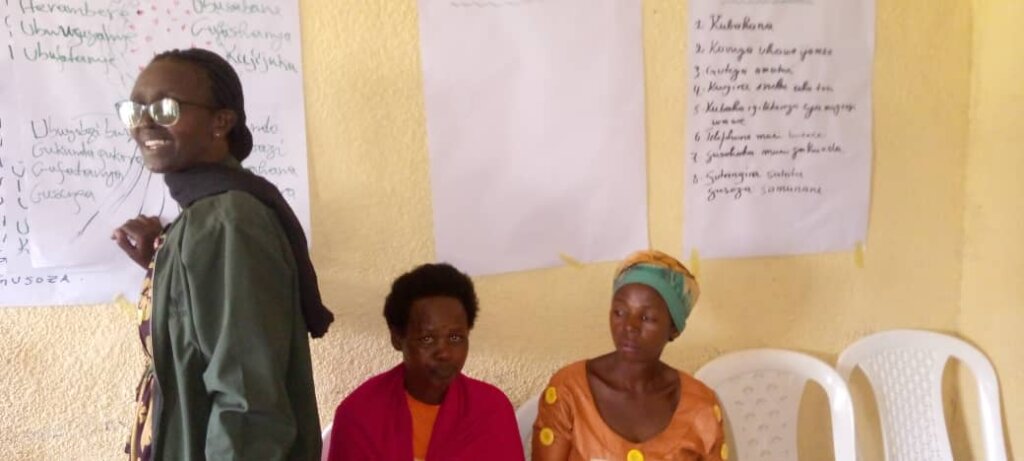
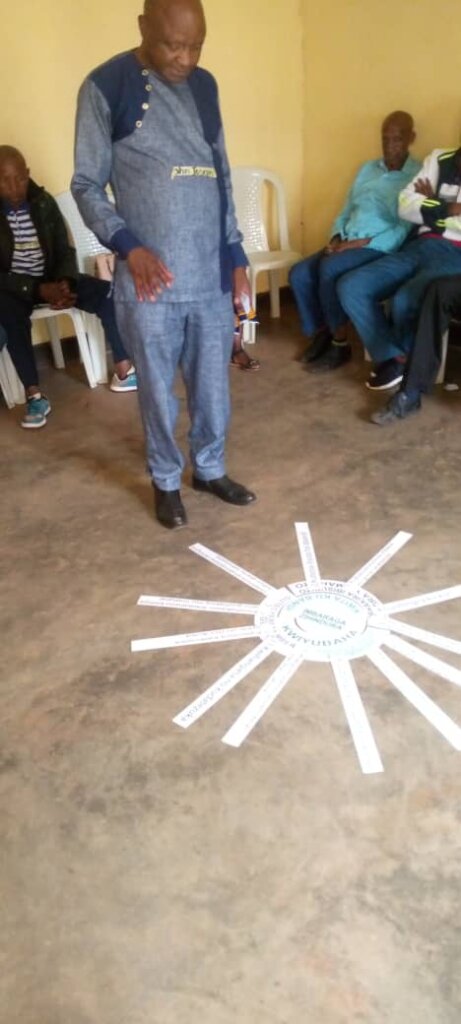
The sessions used participatory methods, including group discussions, practical exercises, reflection, role plays, and experience sharing. These methods enabled participants to connect the training content with situations they experience in their daily lives.
Key Results and Impact
The trainings contributed to:
Lessons Learned
One of the key lessons from the project was that transformative mediation is more effective when different groups involved in the same environment are included. The participation of prison staff at Nyamagabe helped create a more balanced approach and encouraged shared responsibility for maintaining peaceful relationships.
The trainings also demonstrated that prisoners can become important agents of positive change when they are equipped with appropriate mediation and conflict-transformation skills.
Challenges
The implementation of activities in prison environments requires careful coordination with prison authorities and compliance with security procedures. The availability of participants can also be affected by prison schedules and other institutional responsibilities.
Despite these challenges, FPH successfully implemented all planned training sessions with the cooperation of prison authorities and participants.
Sustainability and Next Steps
Participants are encouraged to apply the skills gained from the trainings in their daily interactions and to share peaceful conflict management approaches with others. FPH will continue seeking opportunities to strengthen transformative mediation capacity among prisoners and prison staff and to support the development of peaceful and respectful prison communities.
Conclusion
Between April and July 2026, Friends Peace House successfully conducted five Transformative Mediation training sessions in Nyamagabe and Rusizi prisons, covering Basic and Advanced levels for prisoners and Basic training for Nyamagabe prison staff.
The initiative strengthened participants' capacity to understand conflicts, communicate respectfully, recognize different perspectives, and seek peaceful transformation of relationships. Through these efforts, FPH continues to contribute to peacebuilding, reconciliation, and social transformation within Rwanda's prison communities.
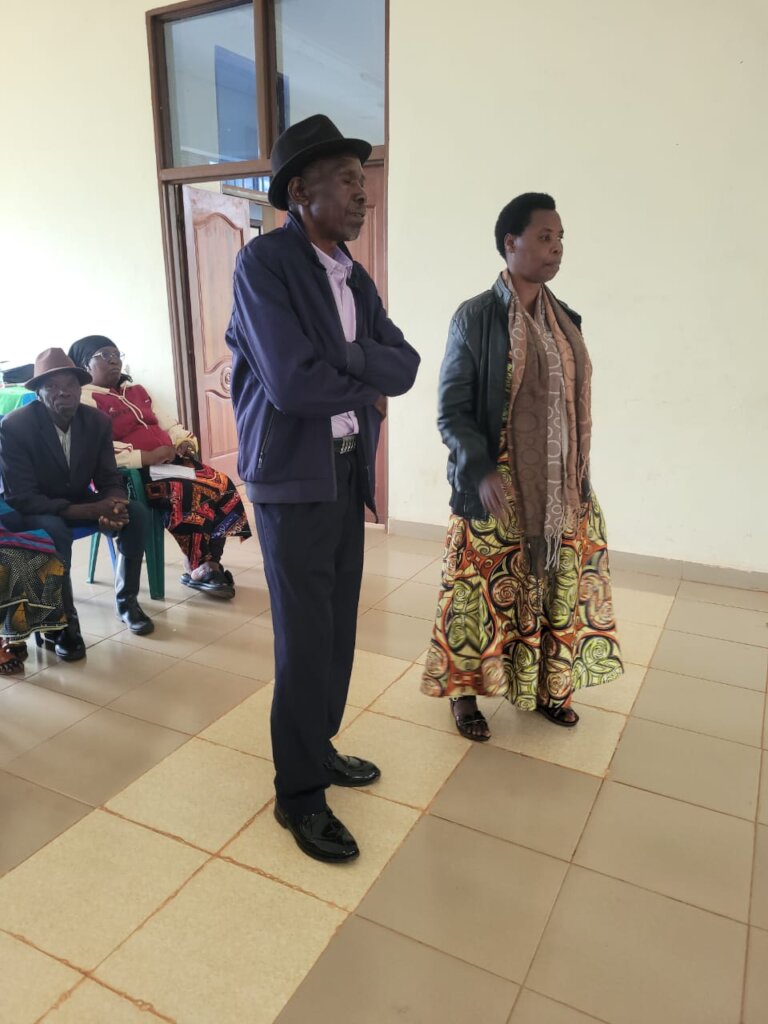
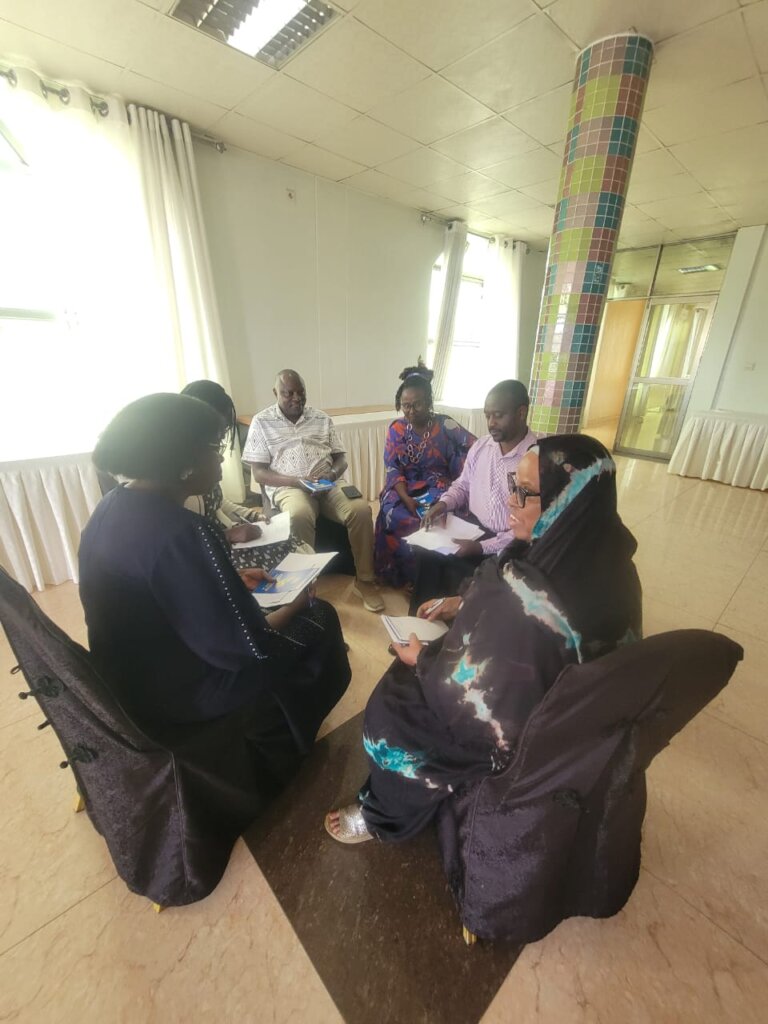
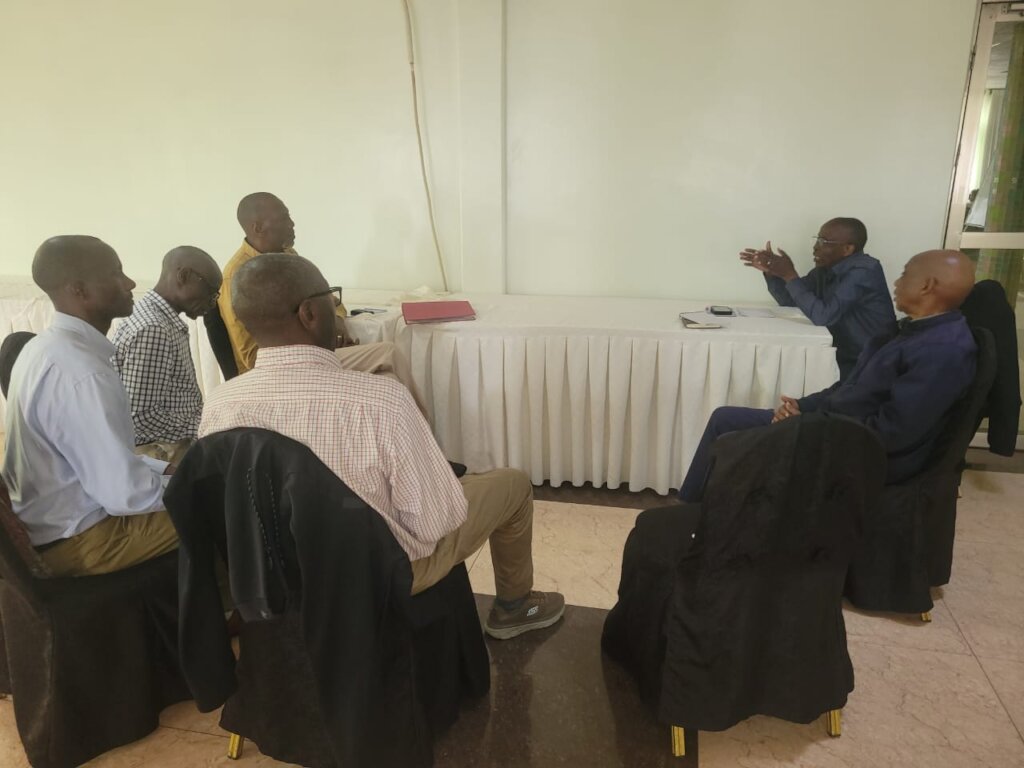
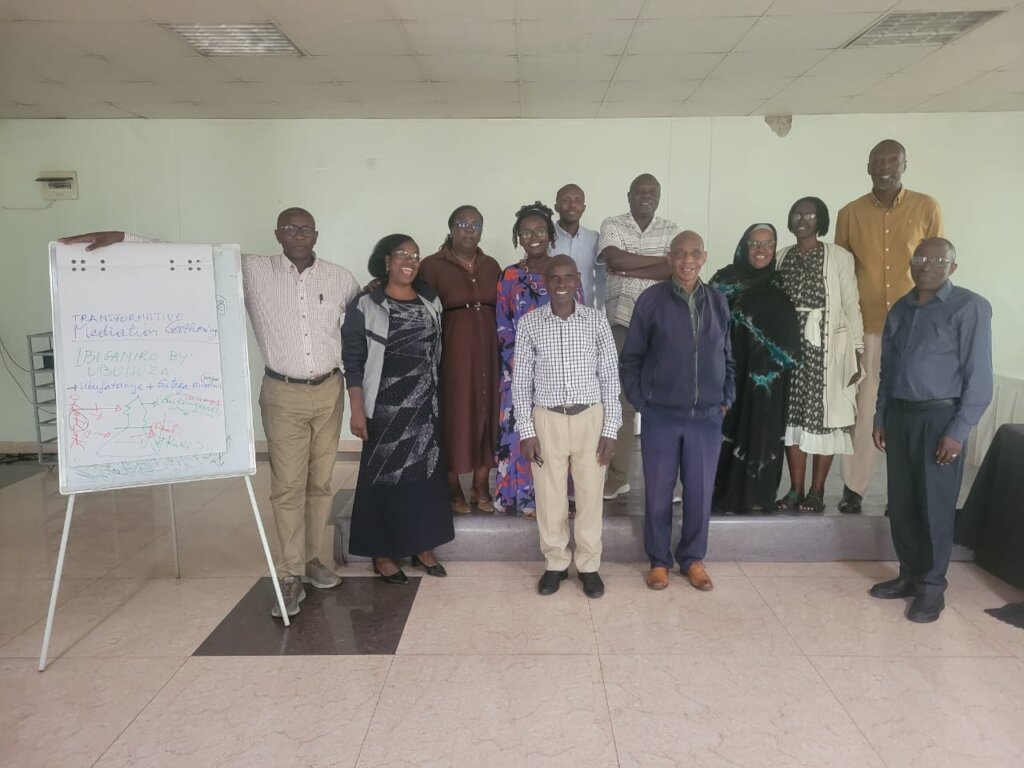
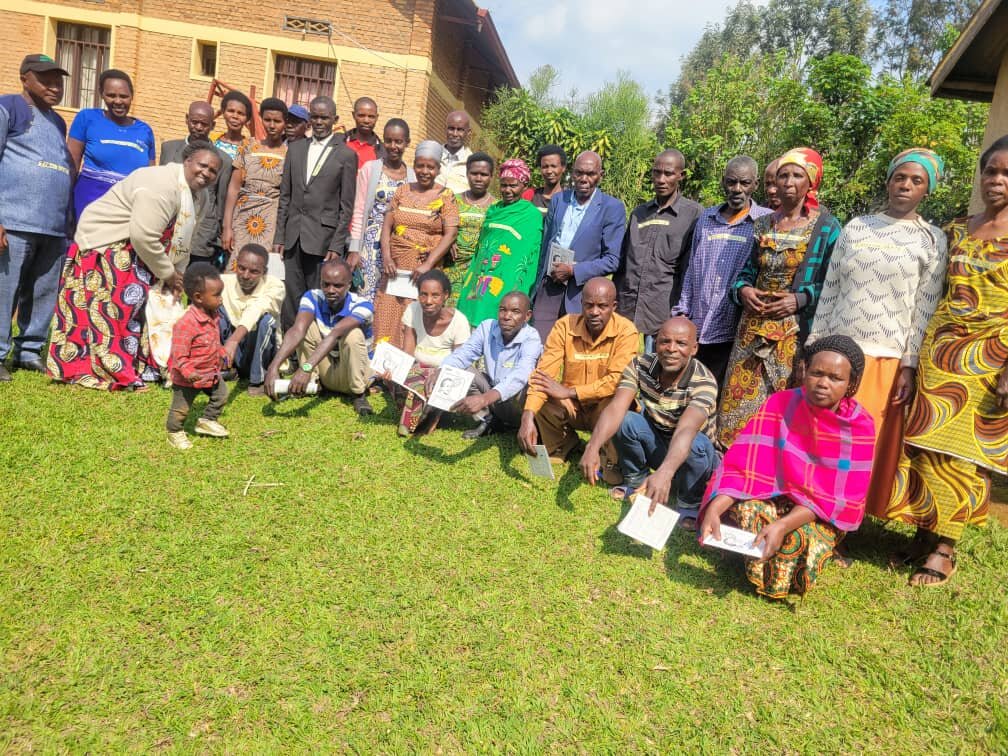
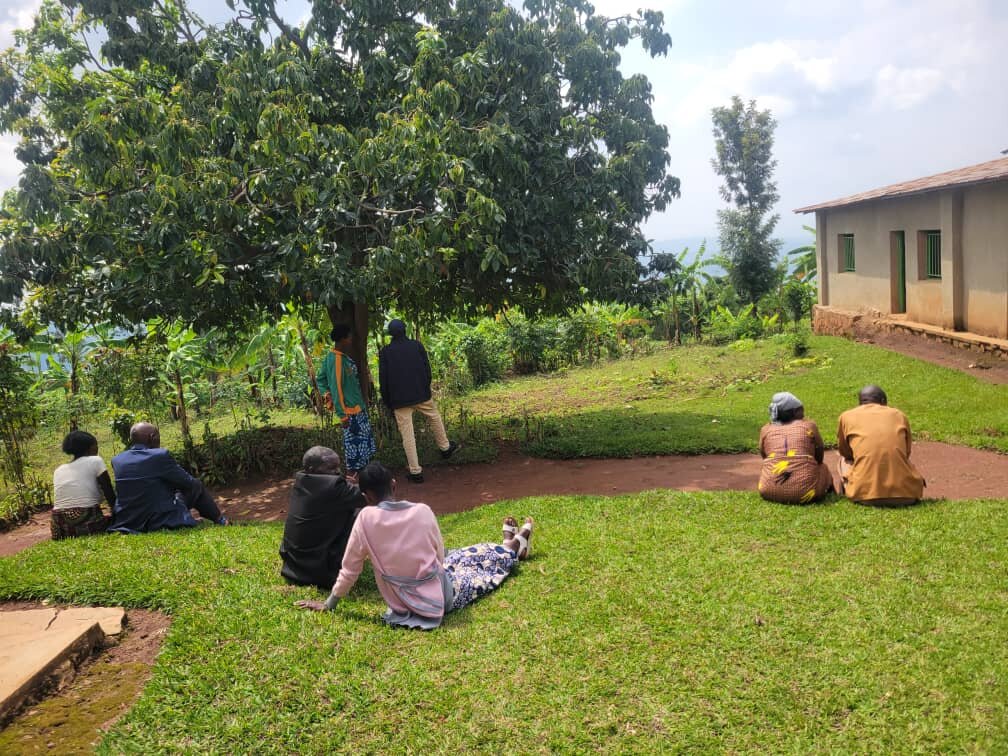
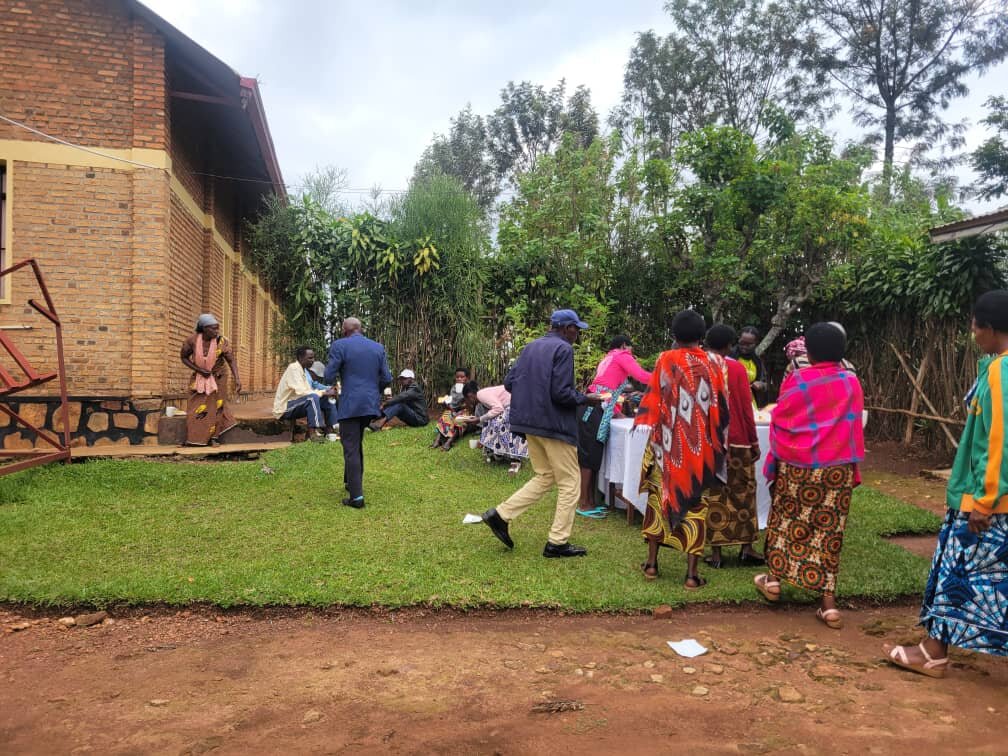
Attachments: Photos of prisoners and prison staff participating in the Transformative Mediation training sessions.
By Doantien NDIZEYE | M&E Leader
By Donatien Ndizeye | M&E Leader
Project reports on GlobalGiving are posted directly to globalgiving.org by Project Leaders as they are completed, generally every 3-4 months. To protect the integrity of these documents, GlobalGiving does not alter them; therefore you may find some language or formatting issues.
If you donate to this project or have donated to this project, you can receive an email when this project posts a report. You can also subscribe for reports without donating.



Support this important cause by creating a personalized fundraising page.
Start a Fundraiser