By Pranshi Upadhyay | Fellow, Teach For India
When you are a teacher, there’s the kind of student that is your motivation to go for work every day, one that seems so troubled that you break down every living second of your life analyzing their behavior. You want to dig in deep and redeem the sensitive soul behind the troublemaking presence in class.
Then there is the kid who makes for a good ending to your days. They’re the confident ones, quick at grasping things and fun to have around.
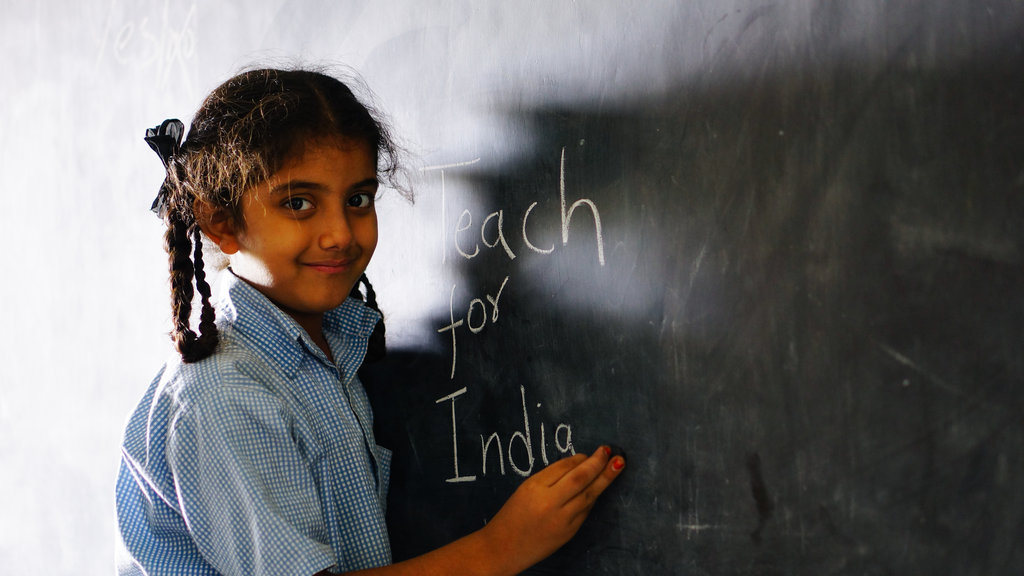
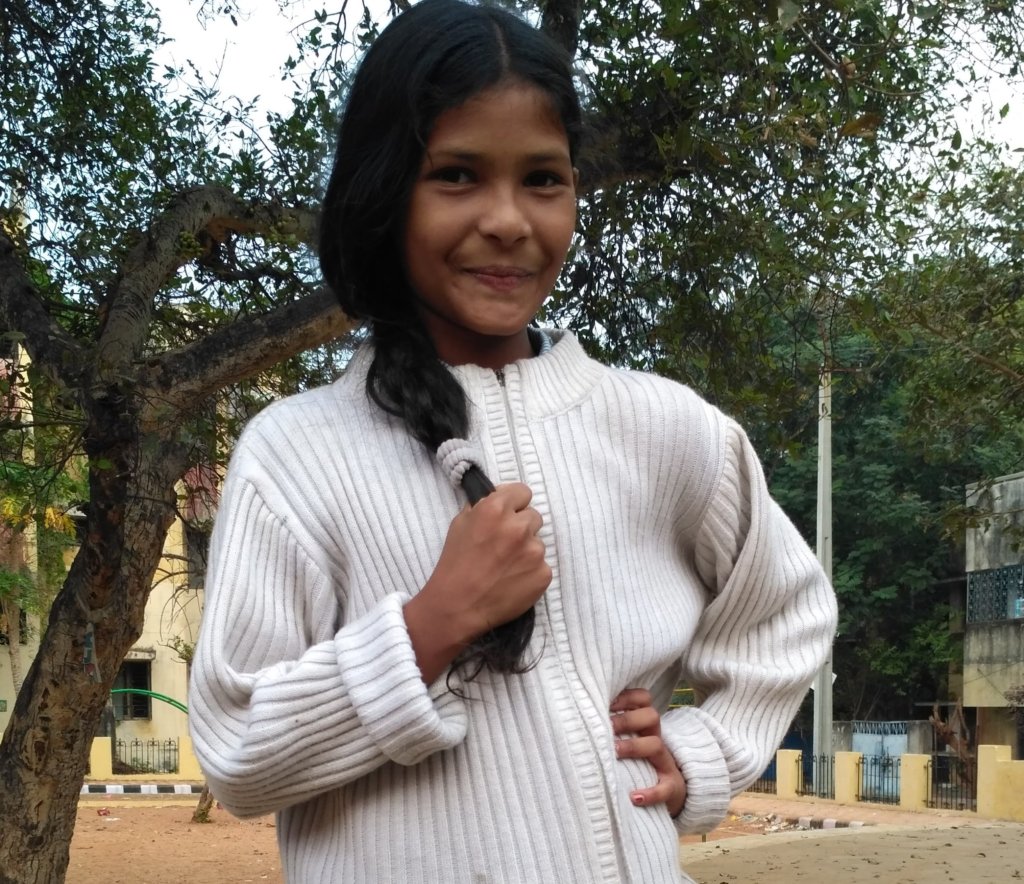
Usha is one such student of mine. When I met her first, one and a half years back, I was amazed by how amiable this girl was. At first sight she is one of the top scoring, extremely active ones in the class. She would be motivated to study and keep her scores up and would seem to have a strong purpose in whatever she did.
I took some time to realize there was something amiss.
She would always eat alone. She had literally one friend in the class, who she’d often get into fights with and didn’t seem to like talking to anyone else. She would cry every other day for the smallest of tiffs in class. Her conversational skills were a matter of pride for the school, yet you would not find her ever sharing warmly with anyone. I was quite puzzled to witness this duality and all my efforts to get her to open up to me would go in vain.
Since talking and spending more time with was one of the many ways that I could reach through to some other students, I did the same with her. I would constantly try to coax her into having lunch with me and other students, something she would first amusingly ignore, then take seriously to and walk away. What was worse was that in a very counter-effective way, her reading levels started going down.
Teaching and witnessing the behavioral spectrum sometimes makes me wish I were a psychologist. But I’m not. And it took a lot of sharing experiences with other teachers and online research to figure out that increased confidence in oneself is one key that can overcome some of the biggest personal barriers.
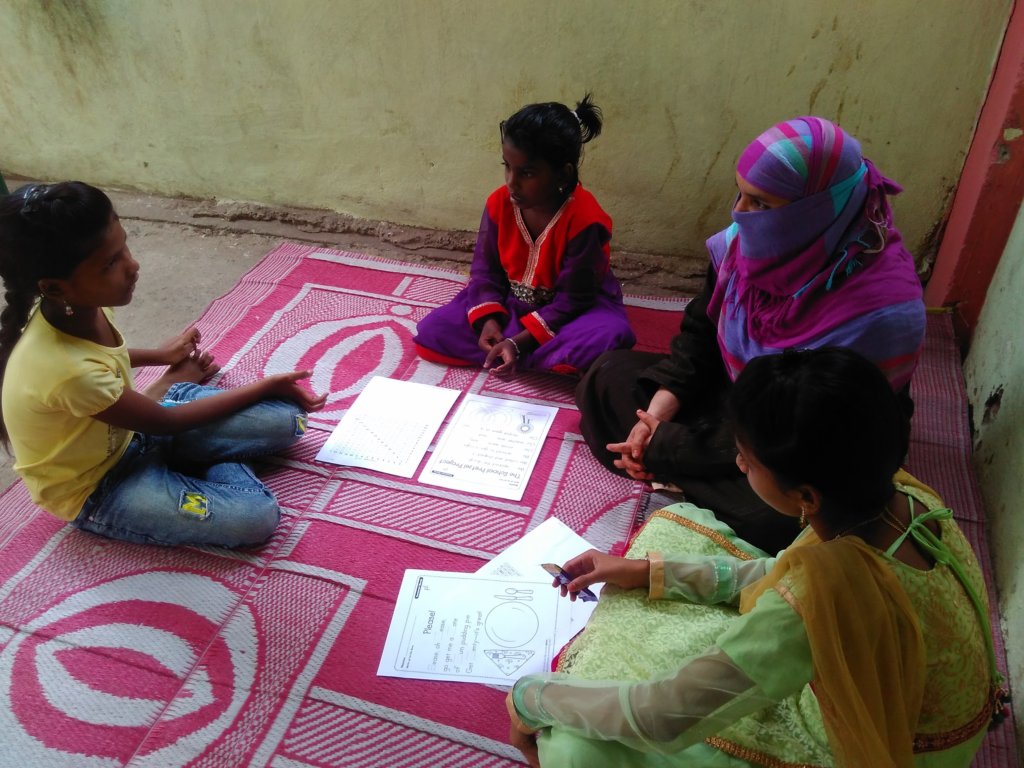
What I did next was shower her with experiences, and the rest of my kids proved mighty helpful in that. I got her to sing and dance every once in awhile in class (she finds great delight in both) and the class would regularly encourage and appreciate her. She participated in a drama competition and sailed through the entire experience. Her reading level took a leap of one and a half years in just a few months and she would approach me everyday to ask, “Didi, how did I do today?”
One of my biggest moments of pride was when I held a parents-teachers meet that was student led. Usha had her due responsibilities, but the most amazing part was when she improvised during the most mature conversations with the parents, addressed them and translated everything I was saying to Telugu. She also handled individual conversations regarding progress of her teammates in class with their parents.
She’s been a brighter and happier child ever since. Somewhere during all this I found out that she is subjected to discriminatory treatment against her brother at her home. I would never know the extent to which it affected her, but what’s for sure is that with all this increased confidence in herself, you could clearly see her doubting herself less and feeling more content.
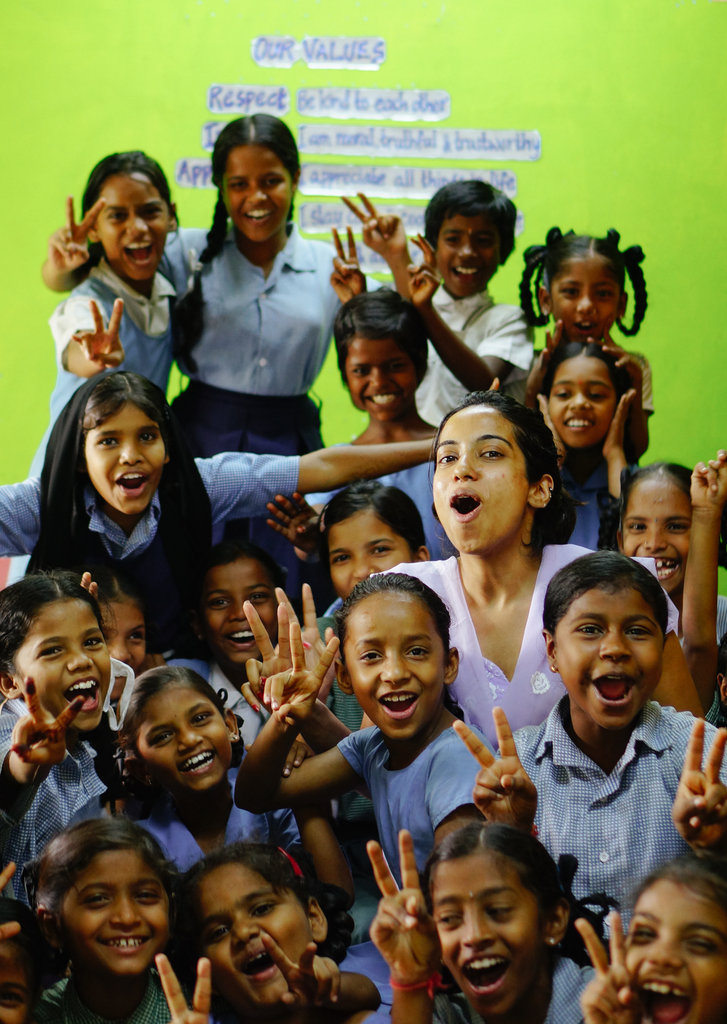
Needless to say, we all sit around and have lunches together now.
Project reports on GlobalGiving are posted directly to globalgiving.org by Project Leaders as they are completed, generally every 3-4 months. To protect the integrity of these documents, GlobalGiving does not alter them; therefore you may find some language or formatting issues.
If you donate to this project or have donated to this project, you can receive an email when this project posts a report. You can also subscribe for reports without donating.



Support this important cause by creating a personalized fundraising page.
Start a Fundraiser