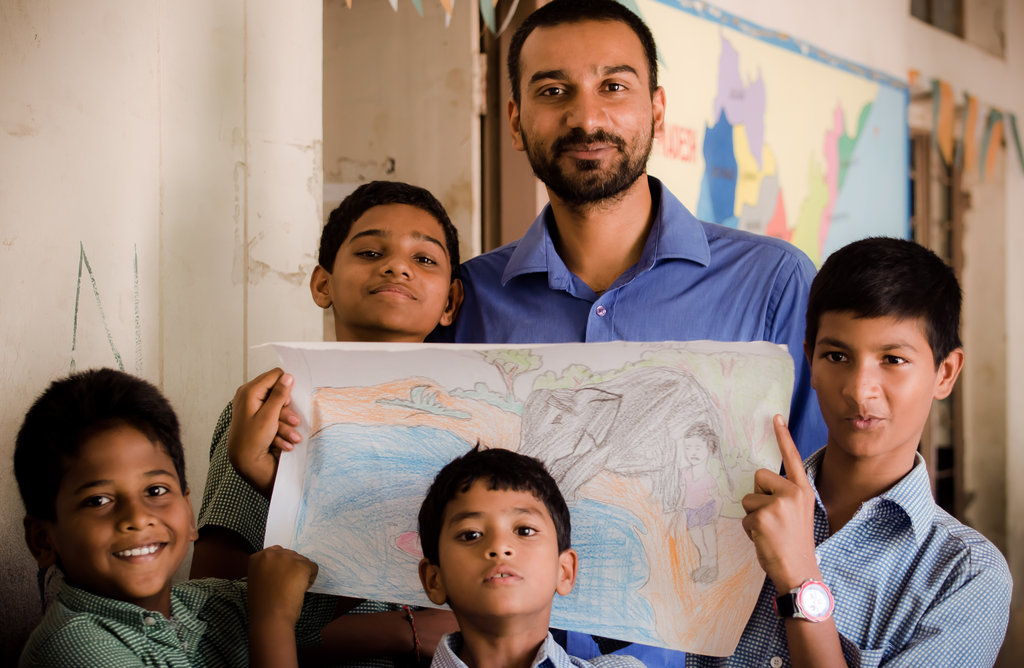
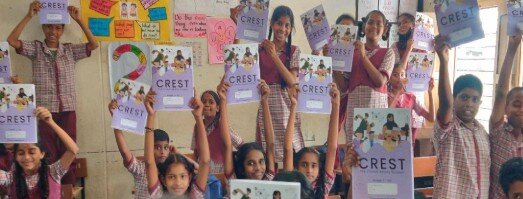
Two years ago, I walked into my classroom for the first time, greeted by twenty-five students who carried with them a mix of excitement, hesitation, and uncertainty. Many of them had spent their foundational learning years in lockdown, struggling with basic literacy and numeracy. Some had never spoken English beyond a few words, and others had never been encouraged to think critically or ask questions. I could see it in the way they looked at me—waiting to be told what to do, unsure if they belonged in this space.
I knew from the start that my role was not just to teach but to help them believe in themselves. The first challenge was breaking the silence that filled the room whenever I asked a question. No one wanted to raise their hand, fearing they might be wrong. I started with small steps—creating a class culture where mistakes were celebrated as part of learning, where students felt safe to express themselves. Every morning, I asked a simple question: “What is one thing you are proud of today?” At first, they struggled to answer, unsure if their small achievements mattered. But over time, they started sharing—“I helped my mother cook,” “I read a full page on my own,” “I spoke in English with my friend.” Their voices grew stronger, and so did their confidence.
One of my students, Riya, was especially quiet. She never volunteered to read aloud, always keeping her head down. I noticed her hesitation and started giving her small reading tasks in one-on-one sessions, encouraging her without pressure. One day, during a class reading session, she raised her hand. Her voice was shaky, but she read an entire paragraph without stopping. The class applauded, and for the first time, she smiled, proud of herself. That moment was more than just about reading—it was about overcoming fear.
I set a goal to visit at least seventy-five percent of my students' homes, to understand their realities beyond the classroom. These visits changed the way I taught. I saw parents who wanted the best for their children but didn’t always have the resources or knowledge to support them. I saw students who were responsible for household chores, younger siblings, or even part-time work. Education, for them, was not just about learning—it was about finding a way to a better future.
Attendance was a challenge for some students, especially Meera, who had stopped coming to school after her twin brother was transferred to another school. She had lost her motivation, feeling disconnected and alone. I kept reaching out, sending her small notes through her friends, reminding her that she was missed in class. After weeks of hesitation, she finally returned. She was quiet at first, reluctant to participate, but slowly, she started engaging again. Over time, she became one of the most active voices in class discussions. That experience reinforced something I had always believed—when we reach out, when we show up consistently, students begin to trust that they matter.
Technology played a significant role in transforming my classroom. Partnering with Uber India, we secured a projector, whiteboards, sports equipment, and books. The first time we used the projector, the students’ eyes widened in excitement. “It feels like a real movie!” one of them whispered during a lesson. What seemed like a simple resource to some was a turning point for my students. The classroom became more interactive, more engaging, and more connected to the world beyond our school walls.
Being part of the Aspiring School Leadership Track reshaped my understanding of education. Attending the iTeach bootcamp gave me a firsthand look at what it takes to build and sustain a school—how to design systems that prioritize student needs, how to create a culture of learning that goes beyond textbooks. Mentoring in-service teachers through the Firki Flagship Program helped me see that my impact could extend beyond my own classroom.
At the heart of my work is a simple belief: empowerment leads to transformation. When students believe in themselves, they take ownership of their learning. When teachers are supported, they create stronger, more engaging classrooms. When communities are involved, education becomes a shared responsibility. This belief has guided every decision I made in my classroom and will continue to guide me in my future work.
As I transition out of the classroom, I know that the need for Teach For India’s presence remains strong. The gaps caused by the pandemic have not disappeared. Students still need teachers who see them, who believe in them, who help them find their voice. Teach For India is not just about teaching—it is about redefining what education can be for students in under-resourced schools. It is about making classrooms places of joy, curiosity, and limitless possibilities.
I leave this journey knowing that my students are on a path toward something bigger. And I leave with the hope that more passionate educators will step in, ready to continue this work. Because in the end, our impact is not measured by what we teach, but by what we leave behind.