By Amna Mazhar | Project Leader
Dear Friend,
Thank you for continuing to support Teach For Pakistan through your Zakat. Your generosity helps create classrooms where children ask questions, explore their curiosity, and develop the skills and confidence to shape their own futures.
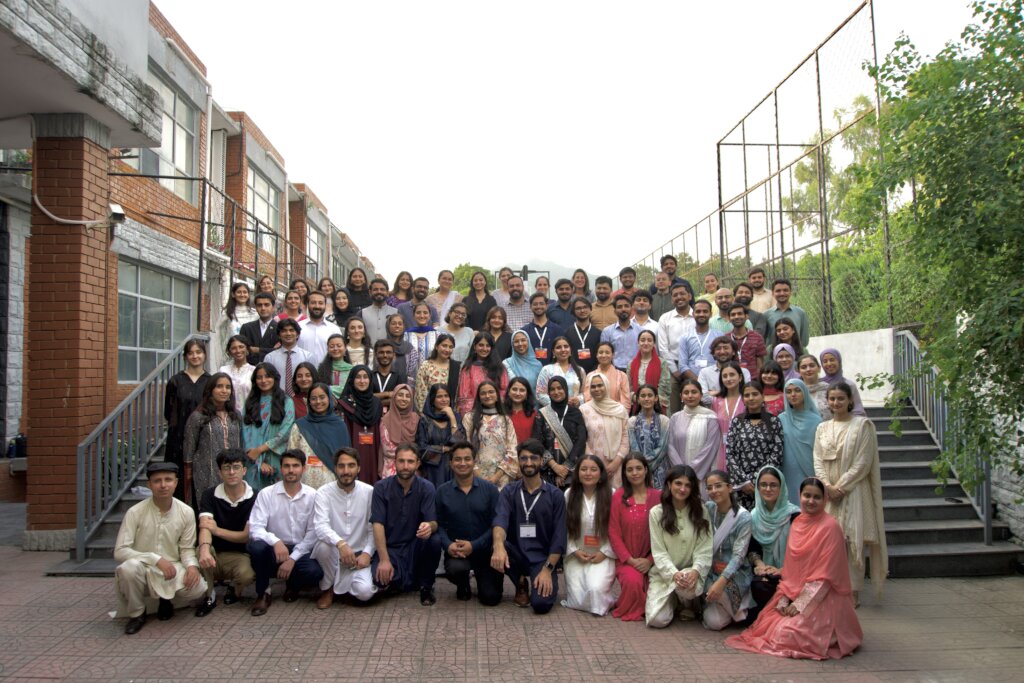
Making this kind of learning possible requires leaders who help children realise their potential. This summer, 70 emerging leaders graduated from Teach For Pakistan’s pre-Fellowship Training Institute and stepped into classrooms across Islamabad and Karachi as part of the 2026 Fellowship cohort. Over six weeks, they built their teaching and leadership foundations, practised their skills during Summer School, and prepared to support students in their learning journeys.
As Fellows across the movement continue working towards this vision, your Zakat helps make more meaningful learning experiences possible for children and their communities.
Bringing Science to Life
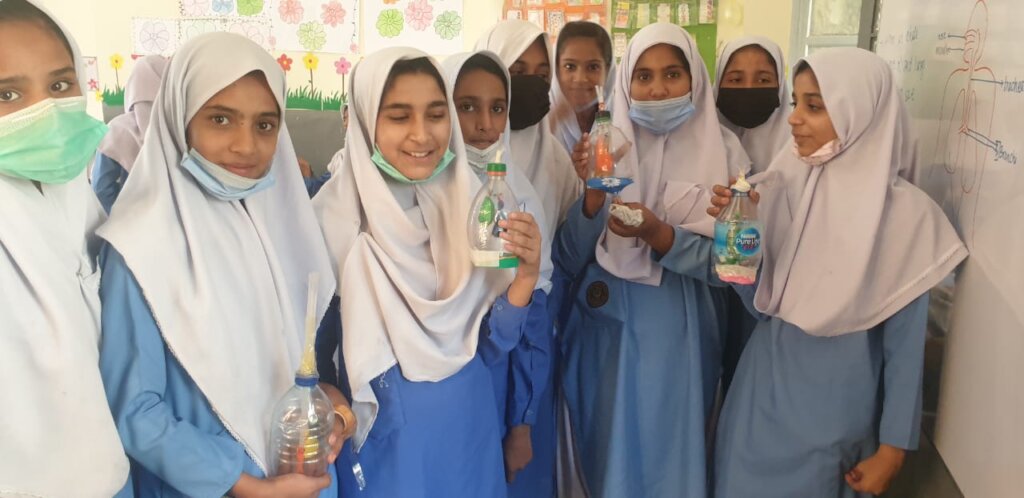
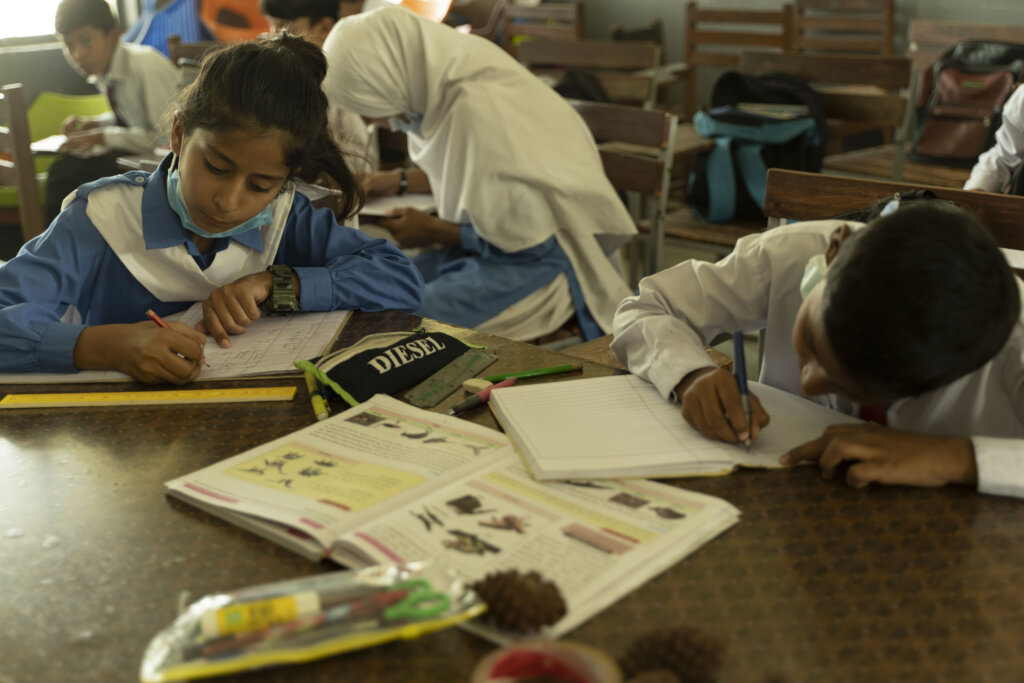
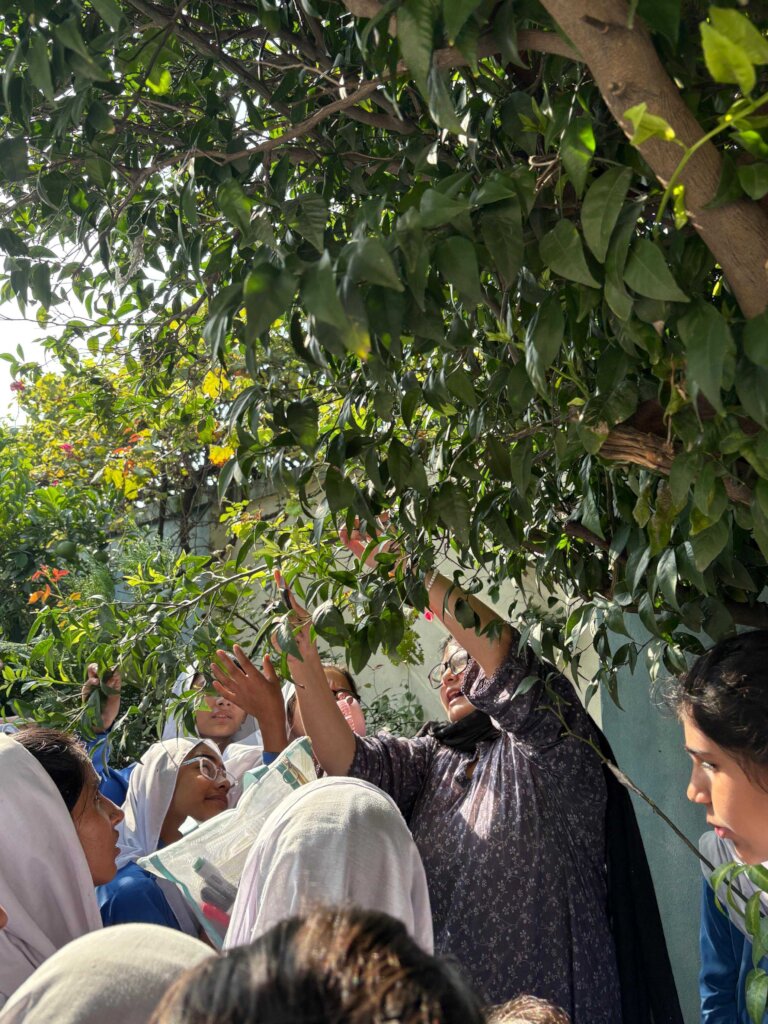
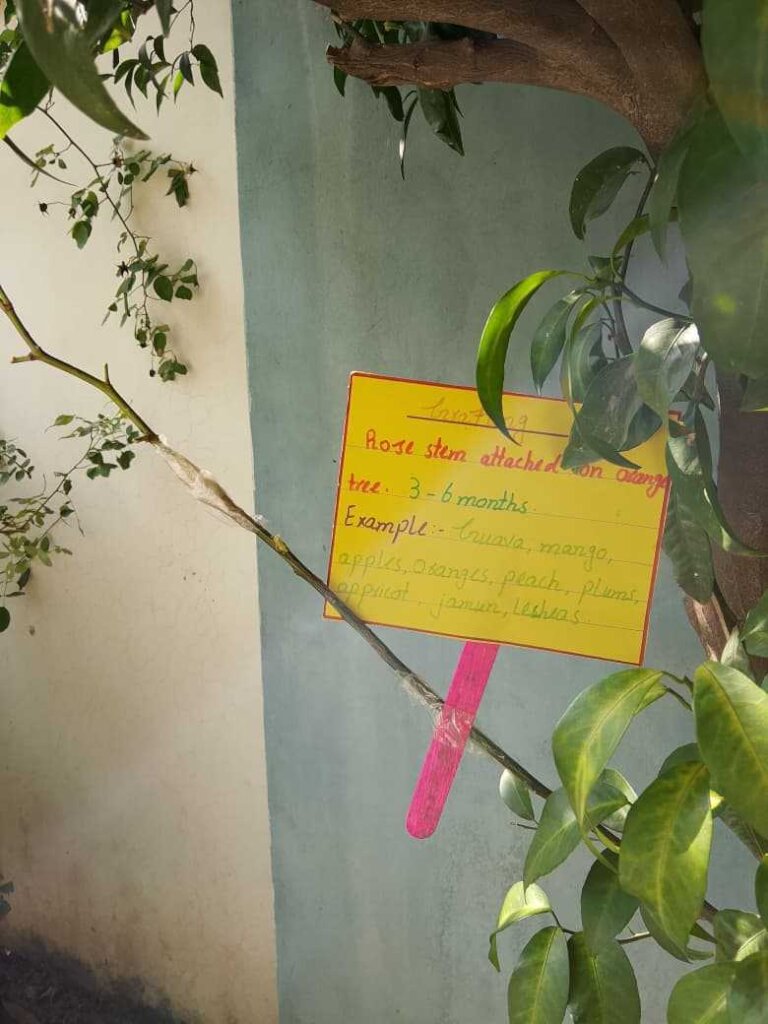
While teaching Grade 6 students about vegetative propagation, Fellow Izzah took her science lesson beyond the textbook. Students explored cutting, grafting, and air layering, using rose stems for cutting and orange trees for grafting and air layering. They recorded their observations and labelled the techniques on the trees as they worked.
The lesson continued beyond the classroom. Excited to observe how their experiments develop over the coming months, many students decided to try the techniques in their own gardens. Others recognised how the methods could be useful in farming, connecting their classroom learning to practices in their own communities.
What could have been a theoretical lesson became something students could see, touch, and experiment with, helping them discover that science is not just something to learn, but something they can apply in the world around them.
From School Projects to Real-World Solutions
When Fellow Urooj’s students were asked to prepare school projects, she challenged them to move beyond the usual models and presentations. Instead, she asked them to identify a real-life problem and think about a solution they could create.
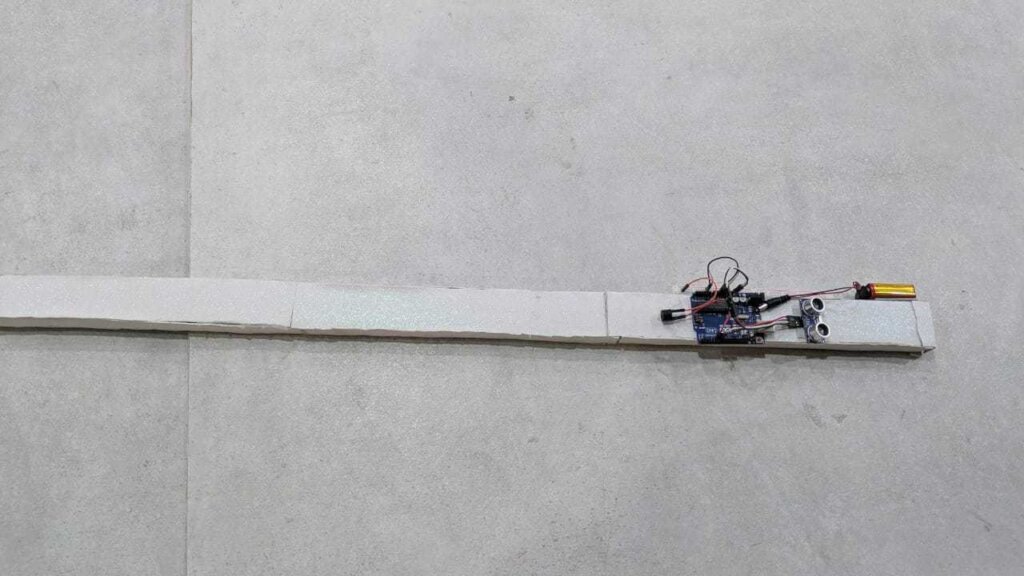
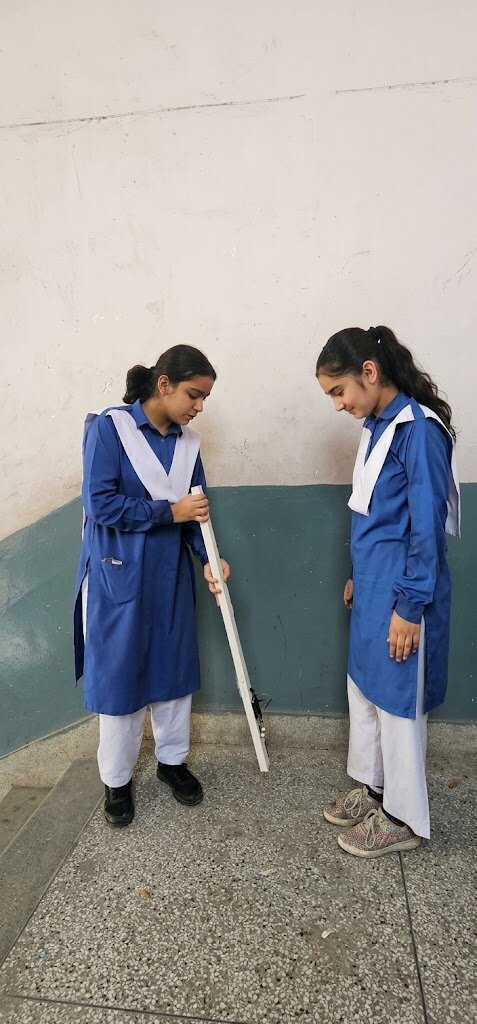
Two students, Halima and Mehrab, took up the challenge by designing and building a functioning, sensor-based smart blind stick for people with visual impairments. The device detects obstacles and alerts the user to help them navigate more safely.
For Urooj, what stood out was not only that her students had built a working prototype, but the thinking behind it. They identified a challenge experienced by others and used their learning to imagine a more accessible world.
Their project shows what can happen when children are given the space and trust to explore their ideas. They begin to see themselves not simply as students, but as problem-solvers capable of creating solutions that can make a difference!
Thank you for making stories like these possible. Your Zakat continues to create change, one student, one classroom, one community at a time.
Project reports on GlobalGiving are posted directly to globalgiving.org by Project Leaders as they are completed, generally every 3-4 months. To protect the integrity of these documents, GlobalGiving does not alter them; therefore you may find some language or formatting issues.
If you donate to this project or have donated to this project, you can receive an email when this project posts a report. You can also subscribe for reports without donating.


Support this important cause by creating a personalized fundraising page.
Start a Fundraiser