By Doris Kananu | Program Director
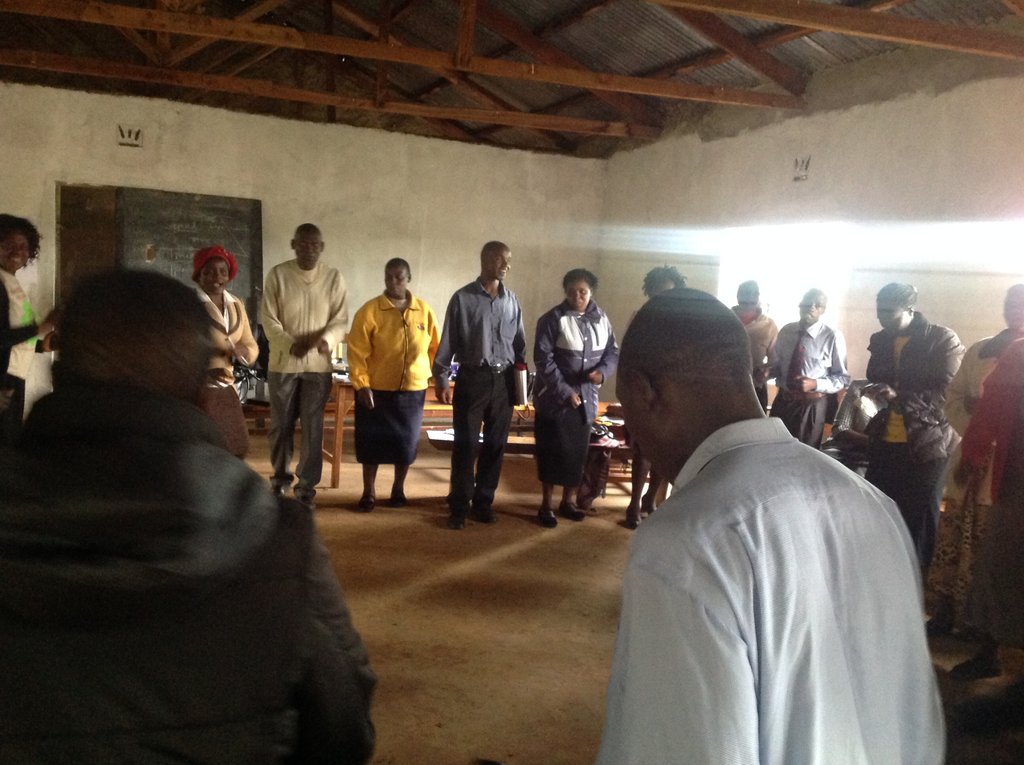
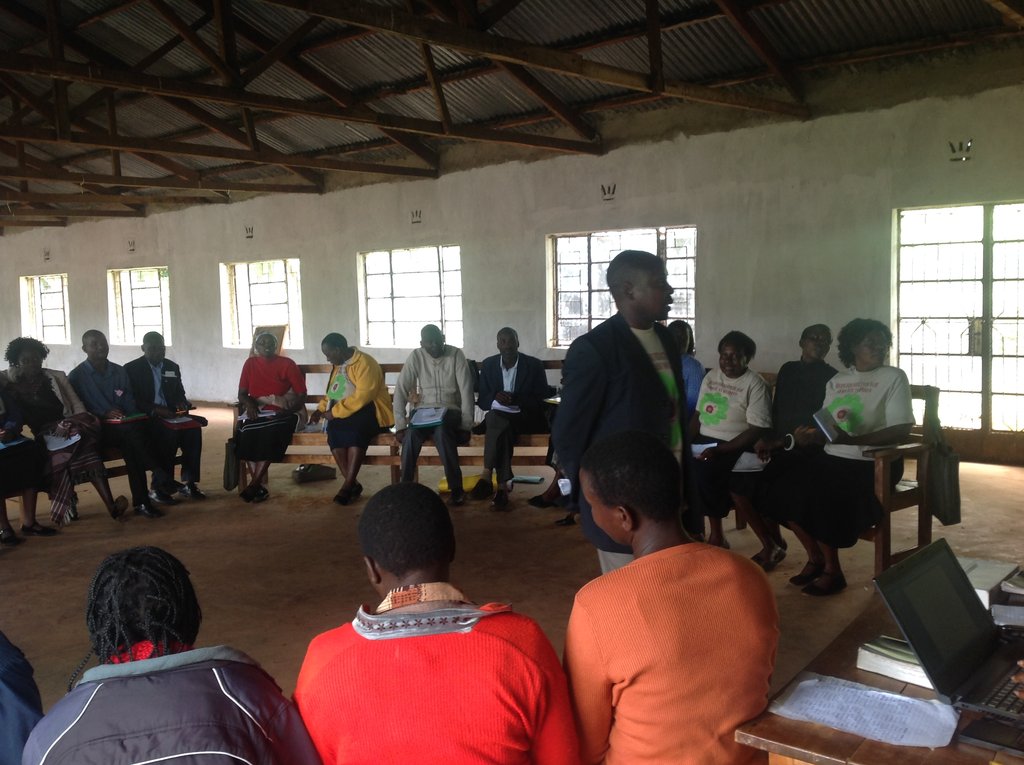
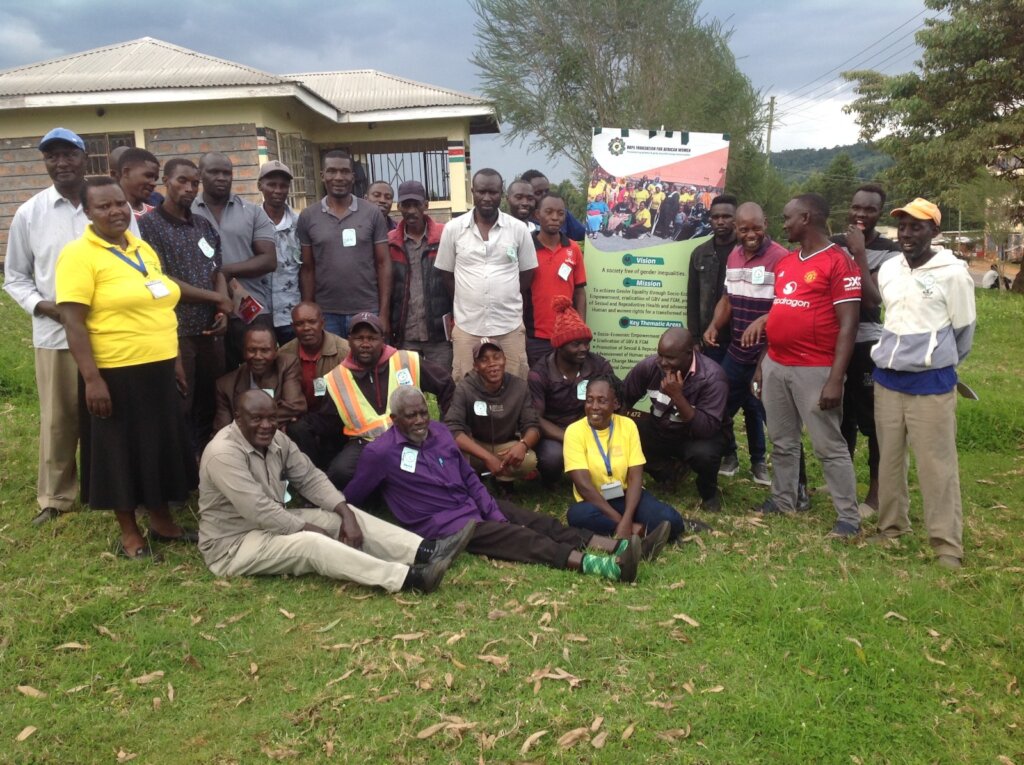
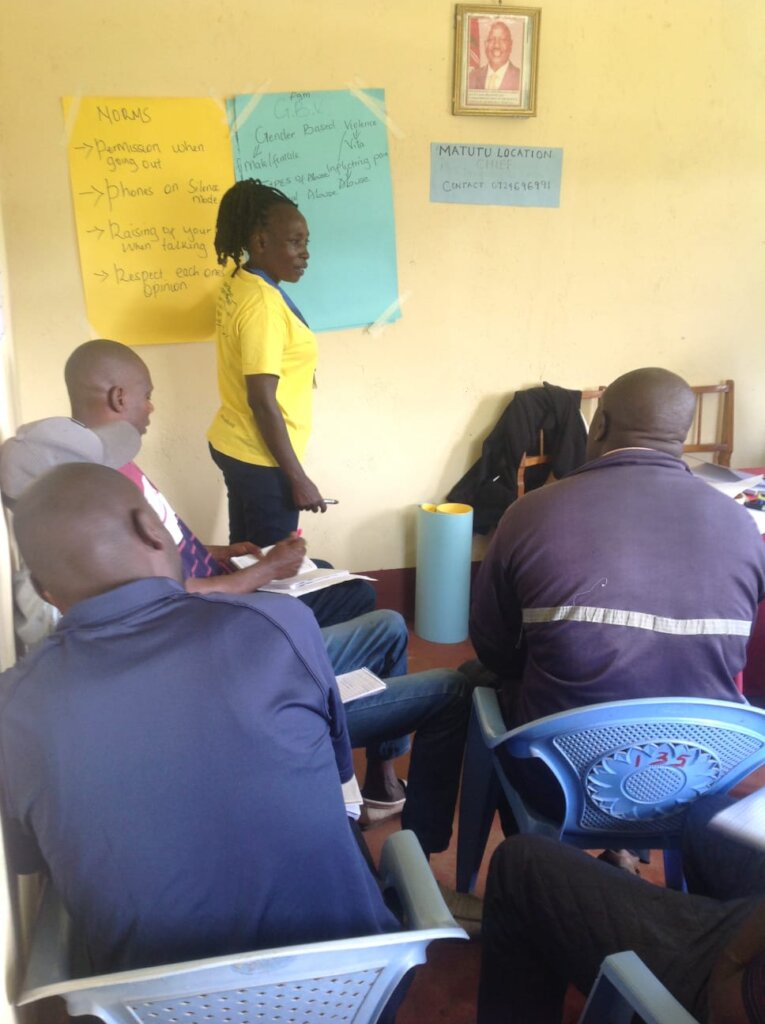
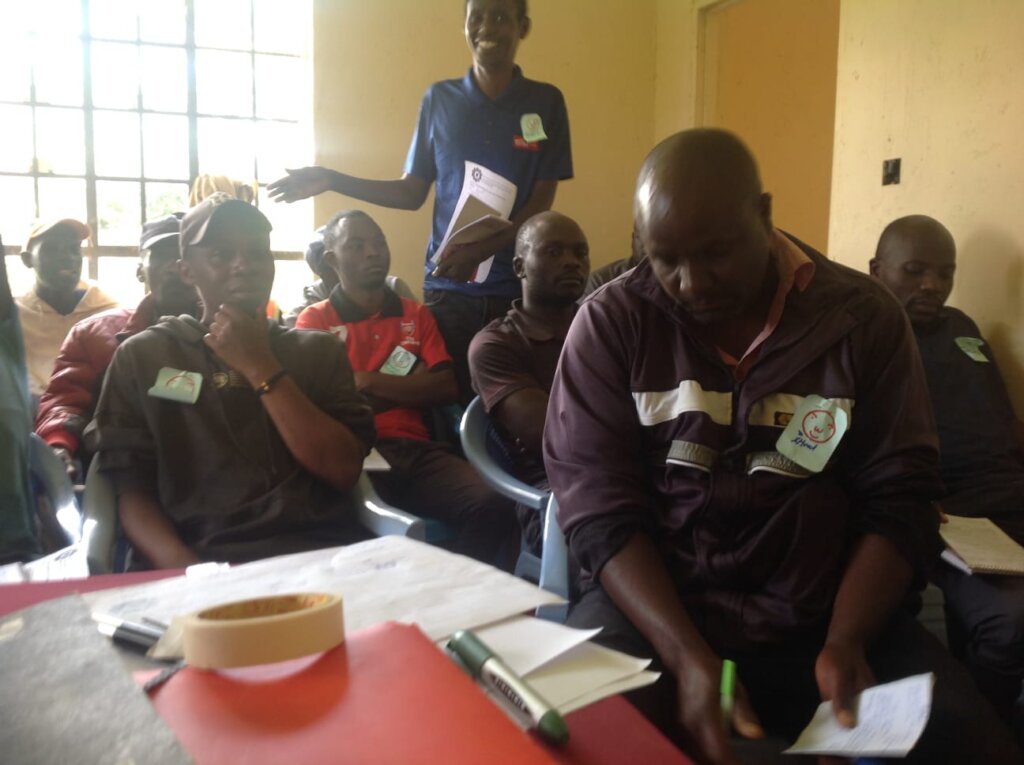
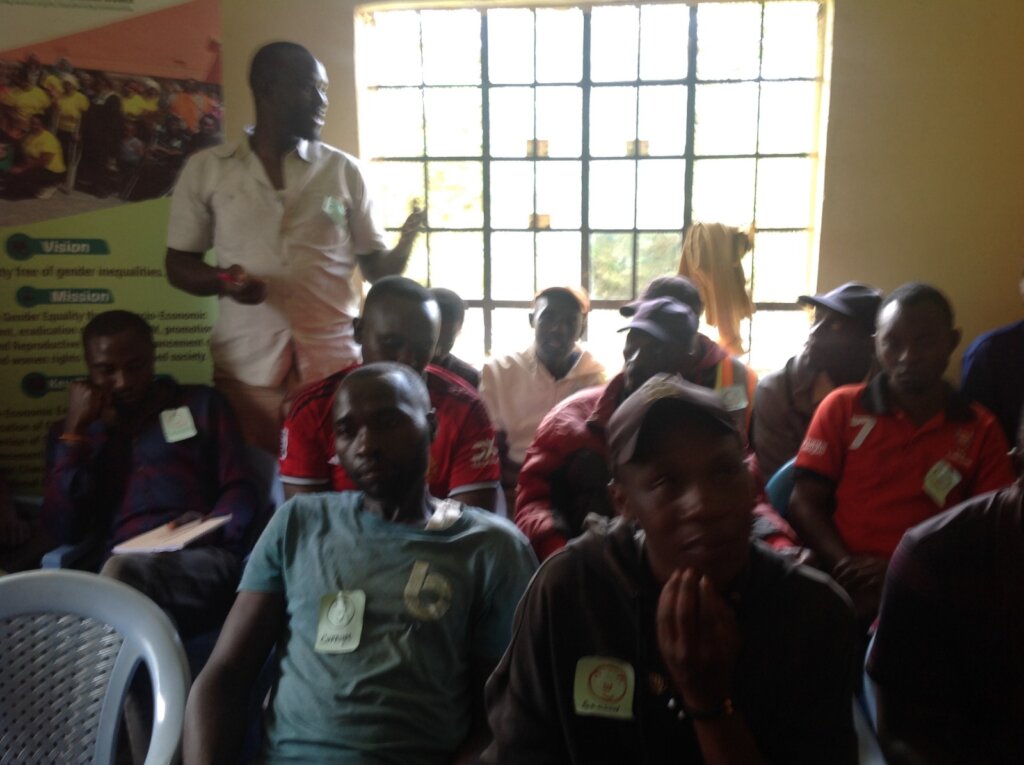
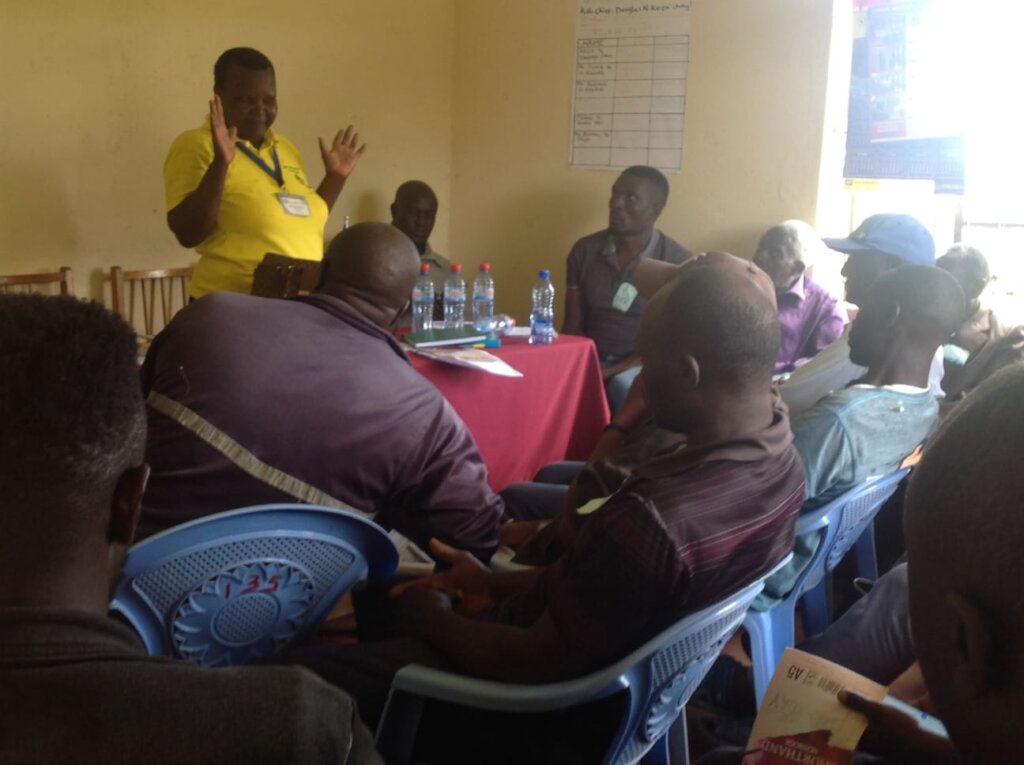
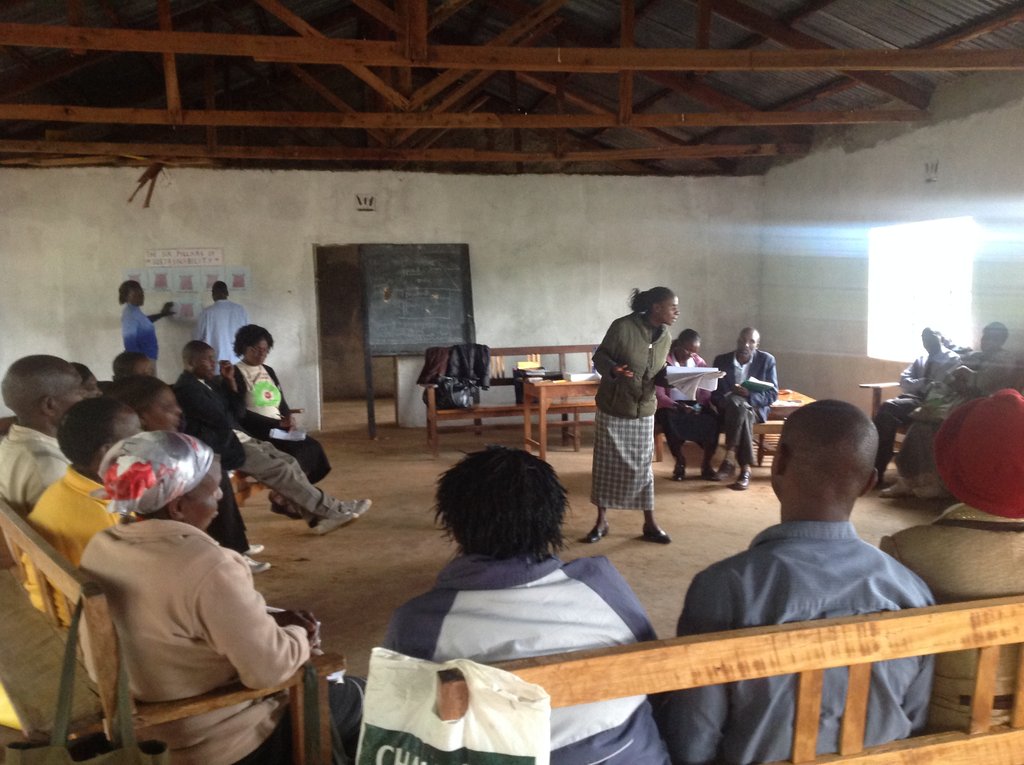
Female Genital Mutilation (FGM) remains a harmful practice sustained by social and cultural norms, with men playing a significant role as fathers, husbands, decision-makers, and community influencers. To strengthen men's involvement in ending FGM, a male engagement training was conducted at Matutu, bringing together 27 male community members, including local leaders, fathers, youth, and other influential community members.
The training focused on increasing participants' understanding of the health, psychological, social, and legal consequences of FGM and strengthening their role in protecting girls and supporting the abandonment of harmful cultural practices. Particular attention was given to men as consumers and decision-makers in relation to FGM, highlighting how men's attitudes and expectations can either sustain or challenge the practice.
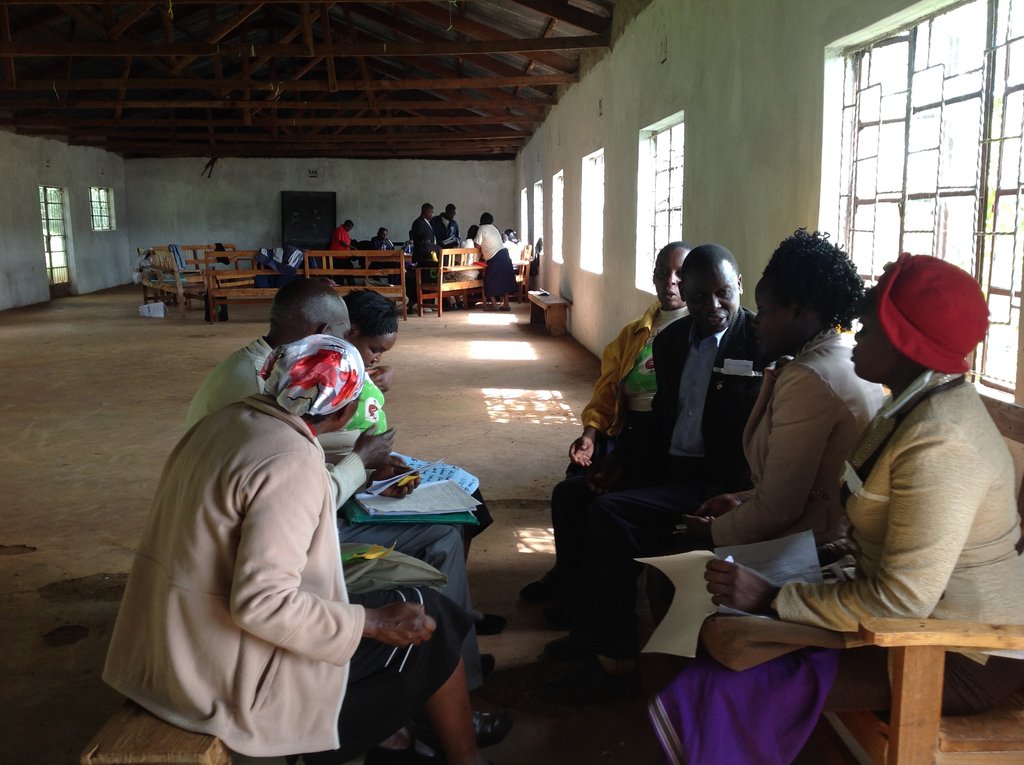
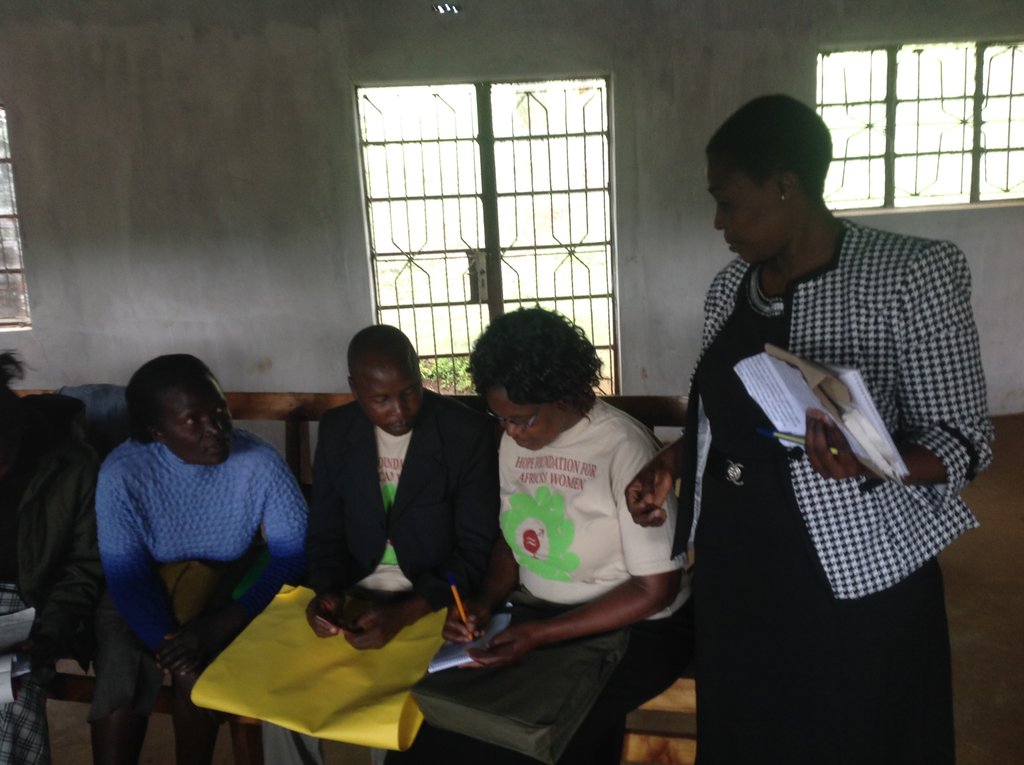
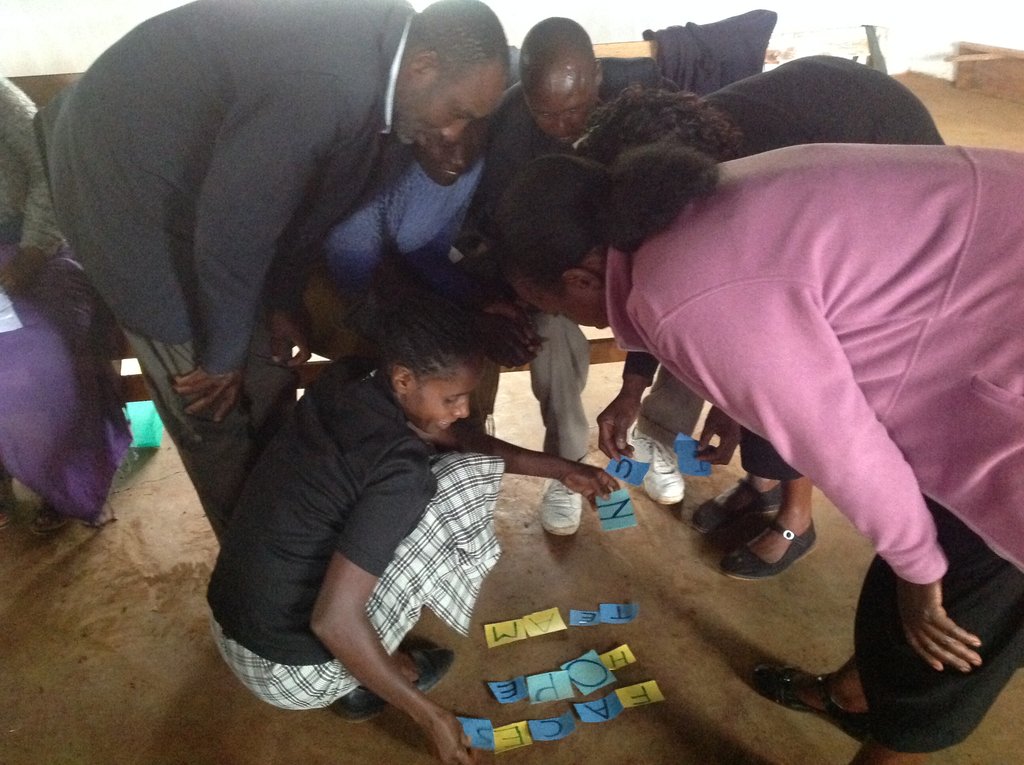
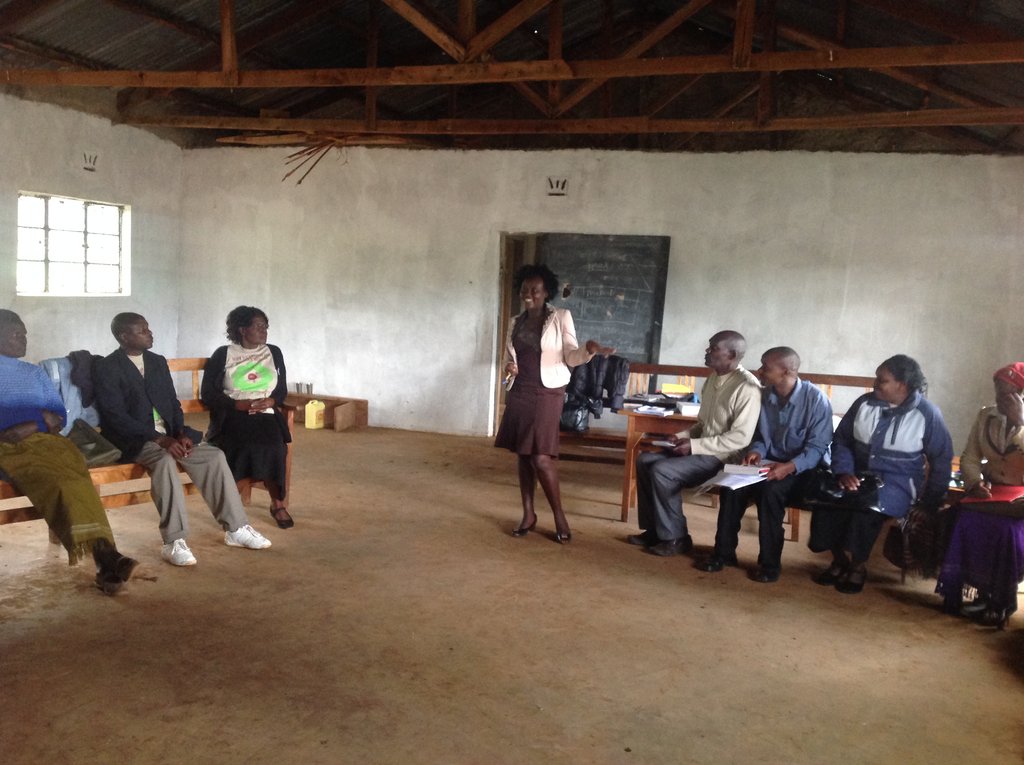
Through interactive presentations, group discussions, experience sharing, and question-and-answer sessions, participants explored the effects of FGM, men's responsibility in protecting girls, legal provisions prohibiting FGM in Kenya, and community reporting and referral mechanisms.
Participants actively engaged with the facilitators and raised important questions. Otieno asked, “How can fathers effectively protect their daughters from FGM?” while Moturi asked, “How can men influence cultural change within the community?” Maroko sought clarification on the immediate and long-term health effects of FGM, while Onchoke asked what action should be taken when a girl is suspected to be at risk. Nyabuto also asked, “Why do some families continue practicing FGM despite the law prohibiting it?”
The discussions provided an opportunity to challenge harmful beliefs and encourage positive masculinity. One participant reflected, “As men, we have a responsibility to change what we tell our sons and daughters. We cannot continue supporting a practice simply because it has been done for generations.” Another added, “A father should be the first person to protect his daughter. If we know she is at risk, we should not wait until something happens before we act.”
Participants also discussed the importance of reporting planned or suspected FGM cases. One participant observed, “Sometimes men hear about these things but keep quiet because they think it is a family matter. We now understand that protecting a girl should come before protecting harmful traditions.”
The training resulted in increased knowledge of the harmful effects of FGM, improved understanding of men's responsibility in prevention, and strengthened commitment to protecting girls from harmful cultural practices. Participants pledged to educate their families and communities, support girls' education, reject FGM, and report suspected cases through appropriate authorities and referral structures.
Despite the positive outcomes, participants acknowledged that deep-rooted cultural beliefs remain a challenge and that sustained community sensitization is necessary. The training therefore highlighted the need for regular male engagement forums, stronger collaboration with local administration, religious leaders and community elders, and increased support for grassroots anti-FGM champions.
The Matutu Male Engagement Training successfully strengthened men's participation in the fight against FGM. By engaging 27 men as potential advocates and community influencers, the session demonstrated that men have an important role to play in challenging harmful norms and protecting girls. As one participant concluded, “Ending FGM cannot be left to women alone. Men must also stand up and say no.” Continued male engagement will be essential in achieving sustainable abandonment of FGM and promoting the rights, dignity, and well-being of girls and women.
We sincerely thank our donors for their continued support in advancing our anti-FGM work. We kindly request you to continue supporting and sharing our work with your networks to help us reach more communities and strengthen our impact.
Project reports on GlobalGiving are posted directly to globalgiving.org by Project Leaders as they are completed, generally every 3-4 months. To protect the integrity of these documents, GlobalGiving does not alter them; therefore you may find some language or formatting issues.
If you donate to this project or have donated to this project, you can receive an email when this project posts a report. You can also subscribe for reports without donating.



Support this important cause by creating a personalized fundraising page.
Start a Fundraiser