Project Report
| Sep 26, 2026
EMPOWERING MEN AND BOYS IN MENSTRUAL HEALTH
![]()
1. BACKGROUND:
The African Child and Youth Development Initiative (ACYDI), in partnership with OVCEG-CSO, co-implemented the Community Led Monitoring (CLM) project in Buvuma District with support from TASO Uganda and the Global Fund TB/Malaria Project. The project aimed to enhance HIV prevention efforts and improve health service delivery, including Menstrual Hygiene Management (MHM) , through a participatory, community-driven approach.
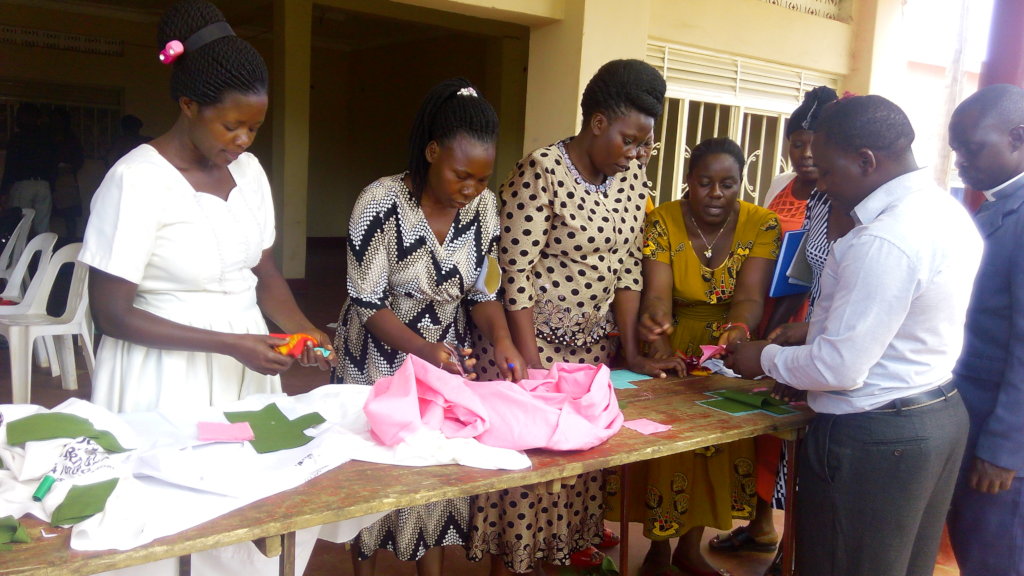
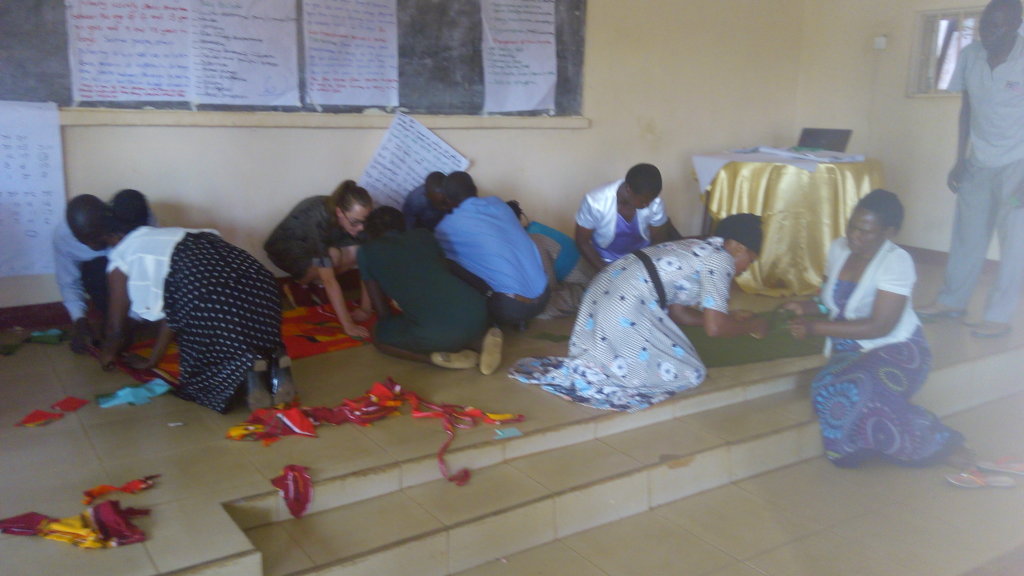
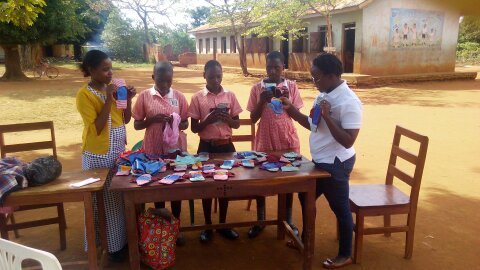
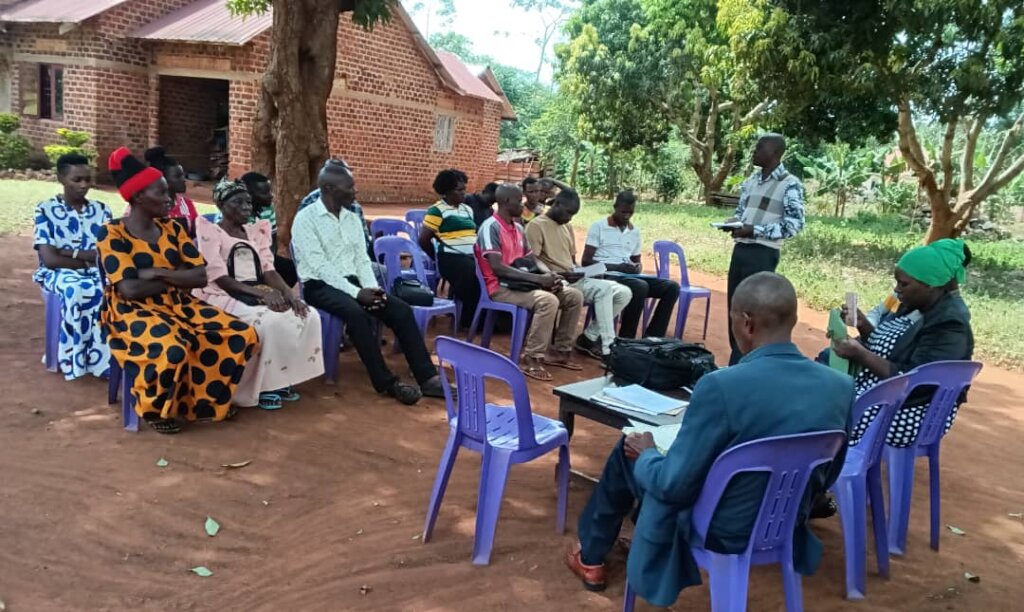
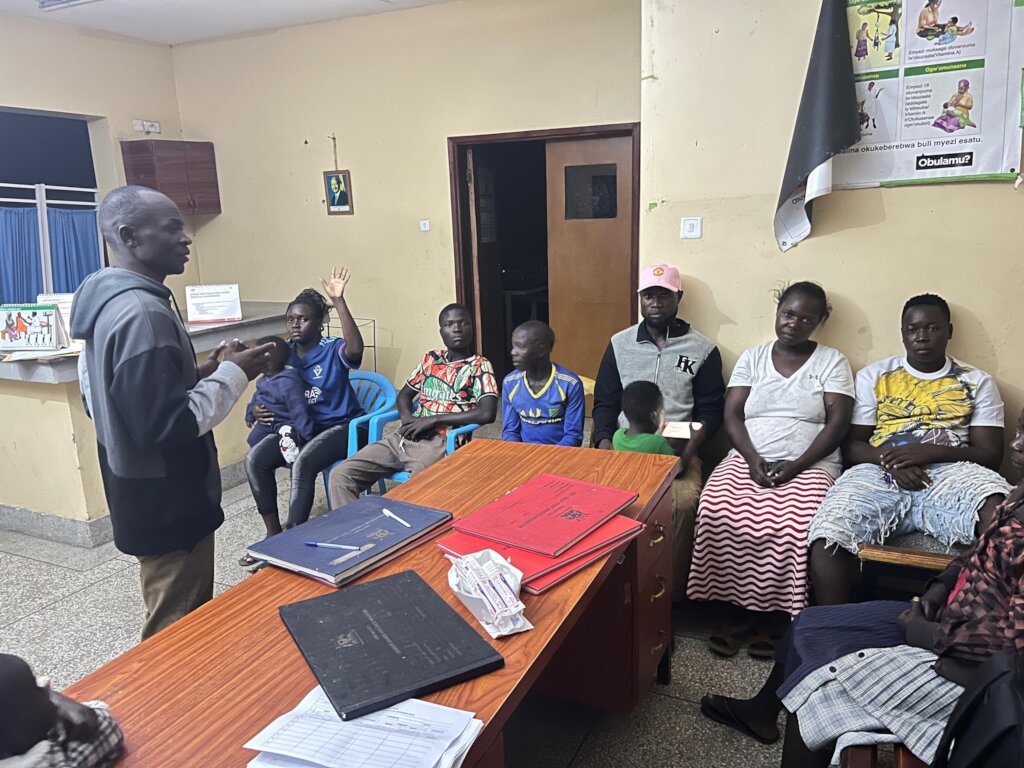
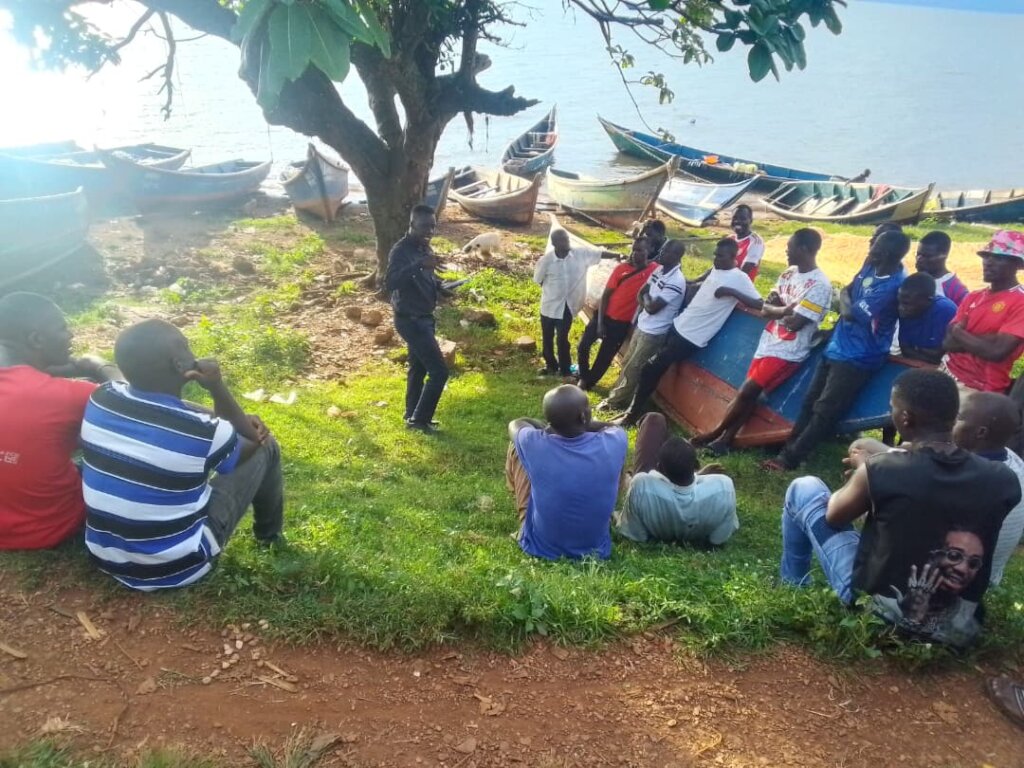
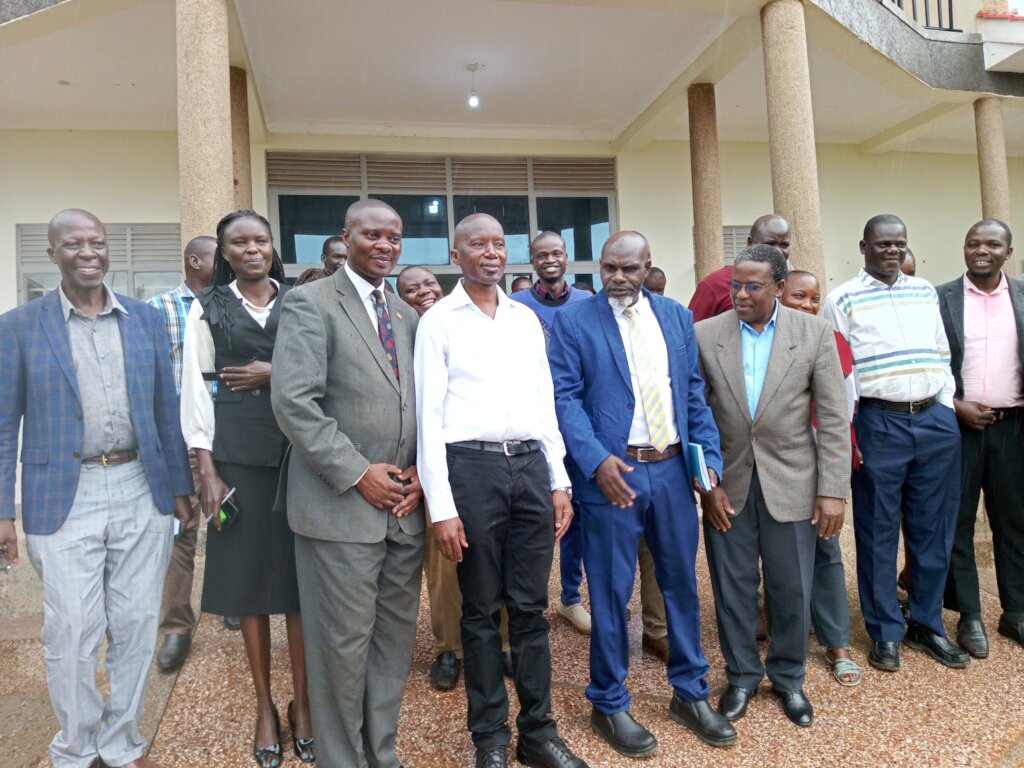
A key focus of the project was the deliberate inclusion of men and boys as beneficiaries and active participants. Recognizing that menstrual health and HIV prevention are not solely women's issues, the project engaged 100 men and 40 boys in training and sensitization sessions. This approach sought to break cultural silences, reduce stigma, and foster supportive family and community environments for adolescent girls and young women (AGYW).
Through this participatory model, community members men, women, boys, girls, and AGYW contributed to strengthening the quality, access, and accountability of health service delivery, supporting the realization of national health priorities.
2. OBJECTIVES:
The project sought to:
- To enhance HIV prevention efforts in Buvuma District through community-led monitoring.
- To improve health service delivery, including MHM and HIV prevention services.
- To engage men and boys as key stakeholders in menstrual health and HIV prevention.
- To strengthen community participation in evidence-based monitoring and advocacy.
- To promote accountability and responsiveness of health facilities to community needs.
3. KEY ACHIEVEMENTS:
3.1. Inclusion of Men and Boys
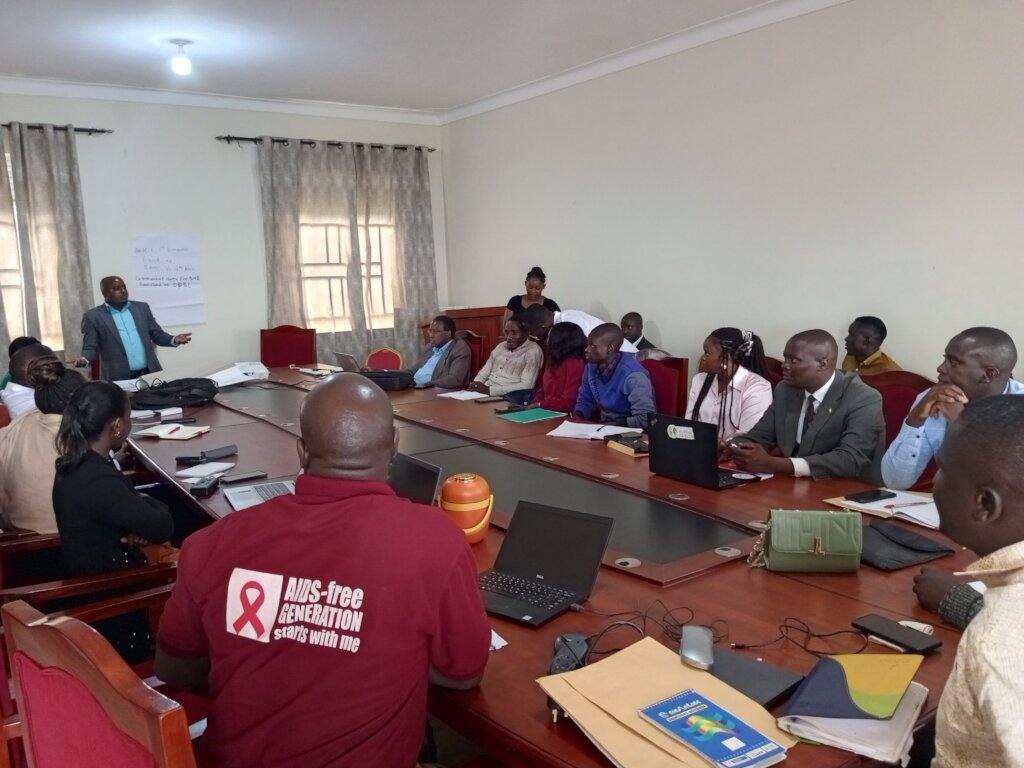
- Trained 100 men and 40 boys on menstrual hygiene management, HIV prevention, and the importance of supporting women and girls in health-seeking behaviours.
- Engaged men and boys as advocates within their households and communities, reducing stigma and promoting open dialogue on MHM and HIV prevention.
- Increased male participation in community feedback meetings, ensuring that health services are responsive to the needs of all community members, including boys and men.
3.2. Data Collection & Monitoring
A variety of data collection tools and approaches were employed to capture both qualitative and quantitative data:
- Structured questionnaires administered to health workers and patients.
- Key Informant Interviews (KIIs) with facility in-charges and frontline health workers.
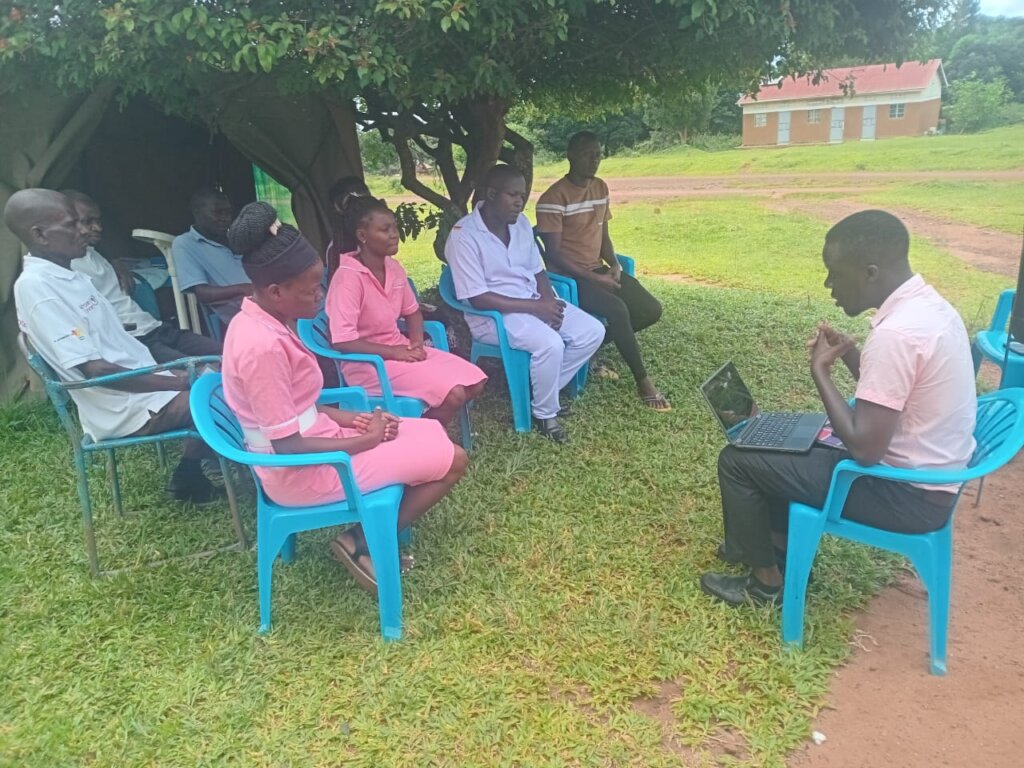
- Focus Group Discussions (FGDs) conducted separately with community members and service users including men and boys to explore experiences, perceptions, and suggestions.
- Facility observations to assess infrastructure, availability of essential medicines and commodities, and client flow.
- Triangulation of tools to ensure validity and depth of findings.
3.3. Stakeholder Engagement & Commitments
- Stakeholders pledged to continue monitoring health service delivery and following up on progress to ensure challenges are addressed and services improved.
- Health workers recognized the importance of patient satisfaction, reducing waiting times, and enhancing patient care.
- Stakeholders agreed to support health facilities in improving HIV prevention services, including increasing access, reducing stigma, and enhancing health education.
- The community feedback meeting enhanced community capacity in evidence-based monitoring, advocacy, and long-term impact.
- The community pledged support in improving HIV prevention services.
- Stakeholders appreciated the Steering Committee members' efforts in mobilization.
- The feedback meeting promoted accountability among health facilities to be more responsive to community needs.
- Health service delivery was promoted at facility levels after identifying areas for improvement and implementing changes.
- The feedback meeting with communities addressed health service challenges and contributed to better healthcare outcomes.
4. CHALLENGES ENCOUNTERED:
4.1. Access & Transport
- Long distances to facilities made them inaccessible to community members, resulting in very few patients available for interviews.
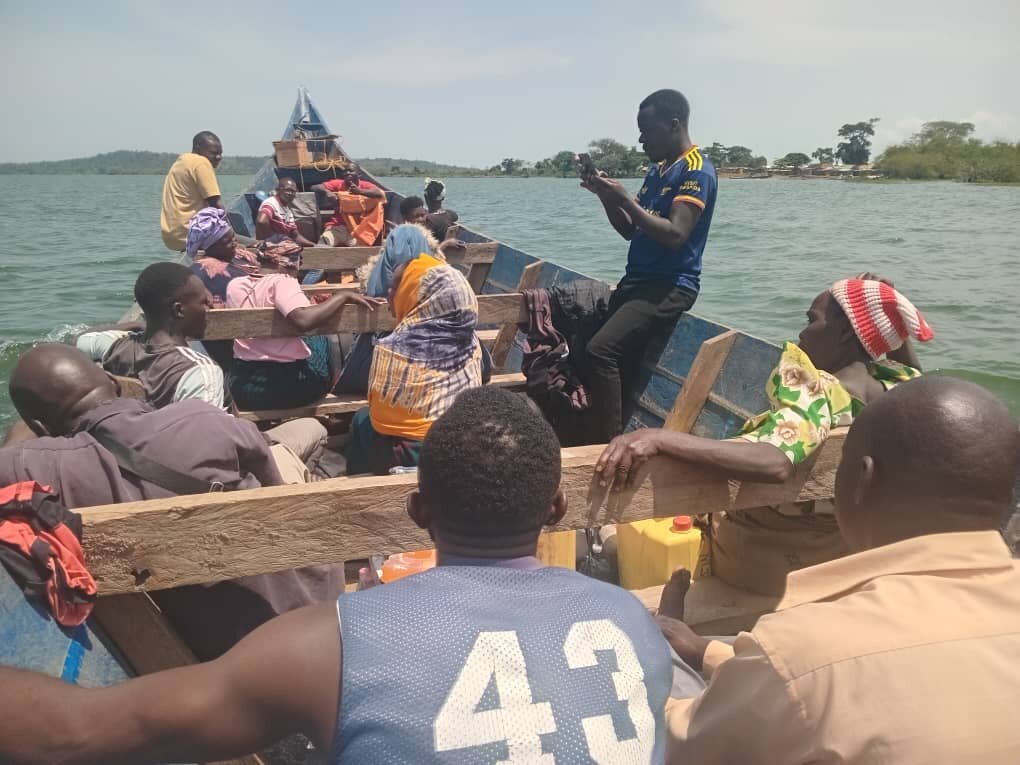
- Transport challenges due to unstable waters on Lake Victoria.
- High transport costs forced people to move from island to island to seek healthcare, often resulting in them not reaching the facility at all.
- Accessibility issues for special interest groups, including Persons with Disabilities (PWDs) , due to the scattered nature of the 52 islands.
4.2. Stigma, Confidentiality & Trust
- Stigma and discrimination, with community members expressing fear of being judged or stigmatized by healthcare providers, preventing them from seeking HIV prevention services.
- Compromised confidentiality and privacy at health facilities.
- Stakeholders raised concerns about the confidentiality of HIV testing and treatment services, which can erode trust in the healthcare system.
4.3. Service Delivery Gaps
- Long waiting times at health facilities, deterring people from seeking services.
- Stockouts and supply chain issues, with frequent stockouts of essential HIV prevention commodities such as condoms and lubricants.
- Stakeholders noted that supply chain inefficiencies can lead to delays in the delivery of HIV prevention services and commodities.
- Stakeholders noted that some HIV prevention services, such as PrEP, may not be consistently available or accessible to all community members.
- Inadequate health education and awareness, with community members expressing a need for more information about HIV prevention methods, including PrEP and PEP.
4.4. Gaps in Youth and Male Engagement
- Lack of youth-friendly services and inadequate services for young people, men, and boys on MHM. Community members expressed concerns that HIV prevention services may not be tailored to the needs of young people, creating barriers to access.
- Cultural and linguistic barriers, where health education materials may not be linguistically appropriate for all community members, creating barriers to understanding and accessing HIV prevention services.
4.5. Project Visibility & Identification
- Lack of CLM IEC materials (e.g., brochures, banners) for project visibility.
- Lack of identification for CLM Monitors, who do not have uniforms to wear to work but rather casual street clothes.
5. LESSONS LEARNED
- The feedback meetings at community levels have prioritized improving HIV prevention services, including increasing access, reducing stigma, and enhancing health education.
- There is still a need for the dissemination of CLM findings at different levels regional and national to influence policy and scale up the approach.
- Engaging men and boys as beneficiaries and advocates has proven effective in reducing stigma and promoting supportive attitudes toward MHM and HIV prevention.
6. RECOMMENDATIONS FOR PERFORMANCE IMPROVEMENT:
- Increase staffing of health workers to reduce waiting times and improve service delivery.
- Provide training for healthcare providers on stigma reduction, confidentiality, and non-judgmental service delivery.
- Provide CLM IEC materials (e.g., brochures, banners) for project visibility.
- Implement and enforce strict confidentiality protocols to protect client information.
- Develop targeted health education programs for specific populations, including young people, men, boys, and key populations.
- Develop an action plan to implement the recommendations, including timelines, responsible individuals, and resources required.
- Develop and disseminate sensitive health education materials that cater to diverse community needs.
- Strengthen supply chain management to prevent stockouts and ensure consistent availability of HIV prevention commodities for boys and men.
7. CONCLUSION:
The CLM project in Buvuma District has made significant strides in engaging men and boys as beneficiaries and partners in menstrual health and HIV prevention. By training 100 men and 40 boys, the project has contributed to reducing stigma, increasing community awareness, and fostering a more supportive environment for AGYW. However, challenges remain particularly in supply chain management, youth-friendly services, and accessibility for remote island communities. Additionally, continued advocacy, targeted training, and strengthened supply chains are essential to sustaining and scaling up these gains.
![]()
![]()
![Share on Twitter]()
![Share on Facebook]()