Project Report
| May 30, 2026
Integrating Boys, Men and AGYW in MHM and CLM
![]()
Target Beneficiaries:
- 98 Persons living with HIV (PLHIV) primarily women
- Boys and men (as allies in menstrual health)
- Women and fisherfolks
- 340 Adolescent Girls and Young Women (AGYW aged 10-24 years)
- Geographic Focus: Buvuma islands, Uganda (52 isolated islands)
Menstrual Hygiene Management (MHM) Achievements:
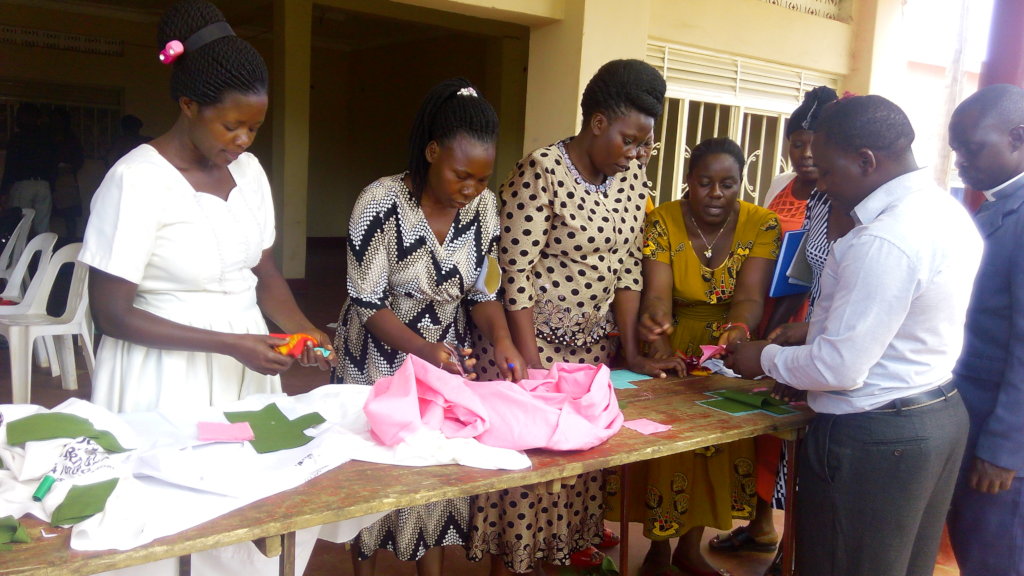
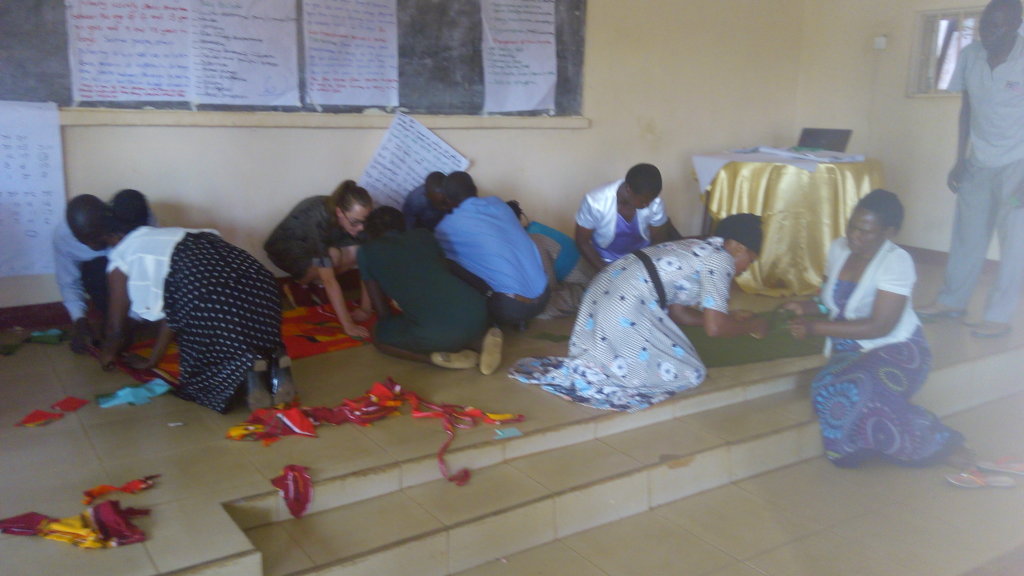
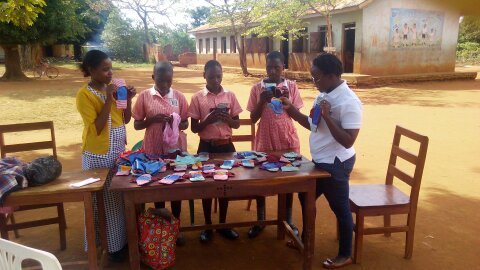
- Comprehensive MHM training delivered, 98 PLHIV (women), boys, men, women, fisherfolks, and all 340 AGYW received training on menstrual hygiene management, including proper use of reusable pads, disposal methods, and breaking menstrual taboos
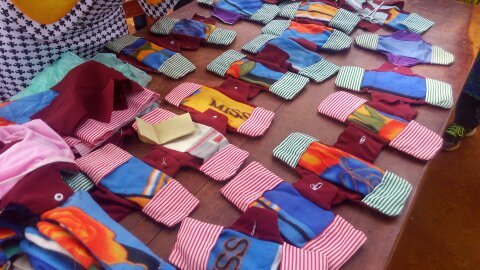
- Through partnerships, reusable sanitary pads were provided to AGYW and PLHIV, reducing reliance on expensive disposable products and enabling girls to attend school during menstruation
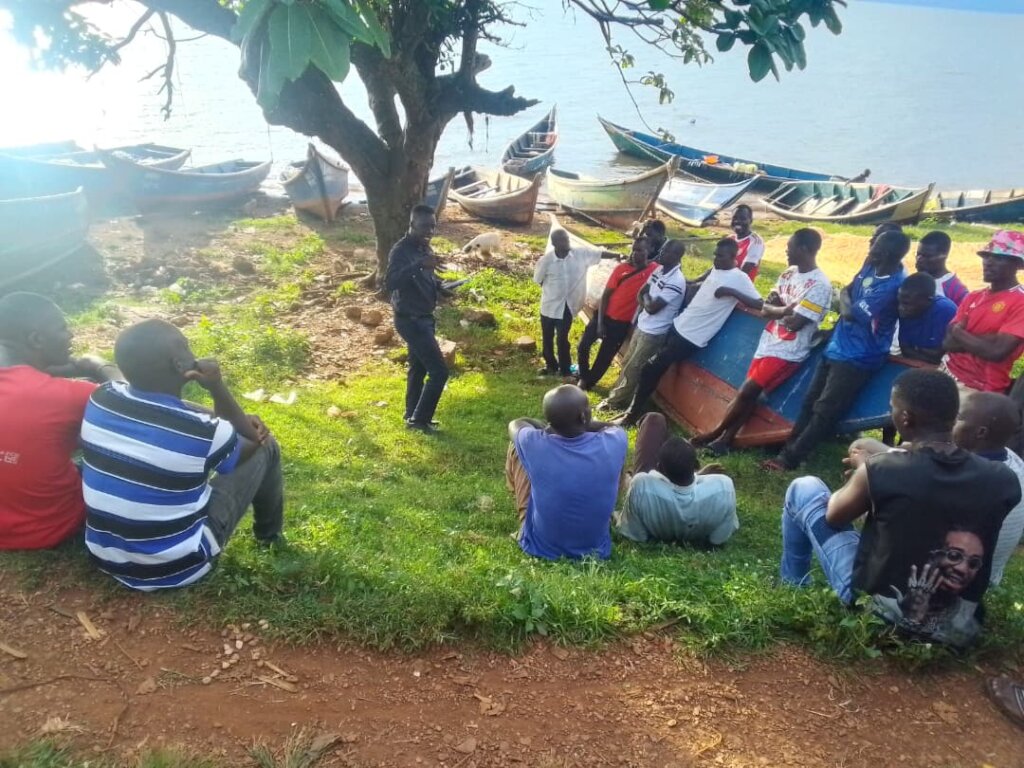
- Boys and men were engaged as allies in menstrual health, creating supportive home and community environments for menstruating girls and women.
- Community feedback meetings recorded reduced stigma around menstruation, with men and boys participating in MHM discussions for the first time in many island communities
- AGYW reported improved school attendance during menstruation due to access to reusable pads and reduced fear of leakage or stigma
- HIV Prevention, Care and Treatment Achievements
- Integrated HIV services reached 340 AGYW All 340 AGYW received integrated HIV prevention education, linkage to testing services, and treatment support, reducing vulnerability among this high-risk group
- CLM monitors documented increased HIV testing rates among AGYW and fisherfolks following targeted outreach and sensitization
- 98 PLHIV (primarily women) received ongoing care, treatment adherence support, and psychosocial support through the project
- AGYW and PLHIV testing positive were successfully linked to antiretroviral therapy (ART) services at Lubya Health Centre III and other facilities
Community-Led Monitoring (CLM) Achievements:
- Community members were trained as CLM monitors and deployed across Buvuma islands to track MHM supplies, HIV service availability, and report gaps
- CLM data collection documented recurrent stockouts of MHM supplies (sanitary pads), HIV ARVs, malaria medicines, and condoms at Lubya Health Centre III and other facilities
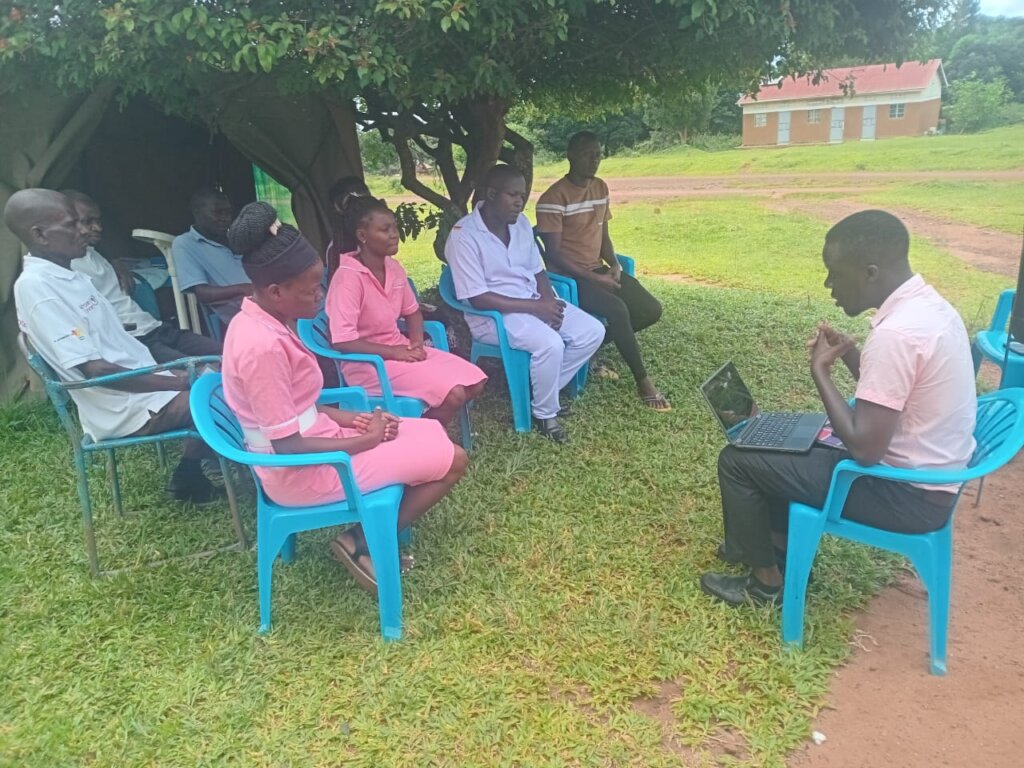
- CLM findings were presented to health facility management committees and district health teams, leading to initial corrective actions at Lubya Health Centre III
- Regular quarterly feedback meetings were established, bringing together CLM monitors, health workers, Health Unit Management Committees, and community representatives
- Previously unreported issues (lack of confidentiality, long waiting times, health worker attitudes) were documented and escalated through structured CLM reporting channels
Empowerment and Capacity Building Achievements:
- All 340 AGYW remained engaged throughout the project, with documented improvements in knowledge, confidence, and health-seeking behavior
- Members of the fishing community, traditionally hard-to-reach, participated in MHM and HIV prevention sessions
- AGYW peer mentors were identified and trained, creating sustainable support structures within island communities
- Local Village Health Teams (VHTs) received additional training on MHM and HIV referral pathways
Challenges Encountered During CLM and MHM Implementation:
- CLM monitors documented recurrent lack of sanitary pads at Lubya Health Centre III and other facilities, forcing girls and women to use unsafe alternatives (rags, leaves, ash)
- Recurring shortages of antiretrovirals and condoms at Lubya Health Centre III undermined HIV prevention and treatment efforts for PLHIV and AGYW
- Health facilities had no dedicated budget for procuring sanitary pads, making MHM supply reliant on donor projects.
- Reaching remote islands for CLM data collection and MHM training required boat transport costing 50,000 to 100,000 UGX per trip, limiting frequency of community engagement
- Absence of clean water at health facilities and schools made it impossible for girls and women to wash reusable pads or maintain hygiene during menstruation
- No designated rooms for menstrual hygiene management (changing, washing reusable pads, disposal) at Lubya Health Centre III or island schools.
- Lack of electricity at Lubya Health Centre III affected lighting for night consultations, vaccine refrigeration, and ability to charge communication devices for CLM reporting
- Despite progress, cultural taboos persisted in some island communities where menstruating women and girls are still isolated or prevented from handling food or attending gatherings
- Some PLHIV and AGYW living with HIV feared disclosure when participating in group MHM sessions, leading to lower attendance for integrated HIV/MHM activities
- Engaging men and boys proved difficult at the start due to perceptions that menstruation is a "women-only issue"
- CLM monitors reported that some health workers were dismissive of MHM concerns, and lack of confidentiality discouraged AGYW from seeking HIV or MHM services
- AGYW and women living on remote islands traveled 2 to 5 hours by boat to reach Lubya Health Centre III, often arriving too late for services or finding medicines unavailable
- Health workers frequently arrive late, delaying start of clinical services and causing patients to wait for hours
Lessons Learnt:
- Involving men and boys reduced stigma and created supportive households; future MHM programs must include male engagement from the start.
- Combining MHM training with HIV prevention and treatment support for AGYW and PLHIV reached more beneficiaries with limited resources
- Boat transport costs are a major barrier; future projects must budget for fuel and boat hire to ensure regular CLM monitoring and MHM outreach
- Unlike disposable pads, reusable pads do not require constant resupply and are cost-effective for island communities with limited access to shops
- AGYW preferred learning from trained peer mentors rather than older adults; peer-led MHM clubs should be expanded
- One-time sensitization is insufficient; ongoing community dialogues and feedback sessions are necessary to shift deep-rooted cultural norms
- Some health workers lacked knowledge about MHM and were insensitive; training health workers improved service delivery and patient trust
- Engaging fisherfolks required scheduling sessions around fishing hours (early morning or late evening) and using boat-to-boat outreach where possible.
Recommendations:
- Procure and distribute MHM supplies (reusable pads) to all health facilities in Buvuma district on a quarterly basis
- Install solar power systems (minimum 5 kW) at Lubya Health Centre III and all island health facilities
- Construct boreholes or rainwater harvesting systems at all health facilities to ensure clean water supply
- Construct private, lockable MHM rooms with water access at health facilities and schools
- Train all health workers on menstrual hygiene management, confidentiality, and stigma reduction
- Establish a dedicated boat ambulance and routine MHM outreach boat schedule for remote islandsAddress stockouts of HIV ARVs, malaria medicines, and condoms through last-mile delivery systems and real-time stock visibilityExpand male engagement in MHM to all island parishes through targeted community dialogues
- Scale up peer-led MHM clubs for AGYW in all 52 islands, with regular meetings and mentorship
- Integrate MHM indicators into CLM monitoring tools to track supply availability and service quality
- Budget adequately for boat transport and fuel in all island-based projects (minimum 20% of logistics budget)
- Establish a revolving fund for reusable pad production at community level, led by local women's groups
- Hold quarterly CLM feedback meetings with health facility management committees and district health teams
- Develop simplified visual IEC materials (picture-based) for low literacy community members
- Form village health clubs focused on MHM and HIV prevention, with elected leaders and regular meeting schedules.
- Establish safe spaces for AGYW to discuss menstruation and HIV without stigma (e.g., designated rooms or confidential meeting times)
- Integrate MHM awareness into existing community gatherings (church, mosque, market days, fishing landing sites)
Conclusion:
The partnership between ACYDI and OVCEG successfully empowered 98 PLHIV (women), boys, men, women, fisherfolks, and 340 Adolescent Girls and Young Women across Buvuma islands through integrated menstrual hygiene management and HIV prevention, care, and treatment services. The key achievements included breaking menstrual taboos, engaging men as allies, distributing reusable pads, establishing CLM structures, and using community-generated data to advocate against stockouts and service delivery gaps. However, persistent challenges remain: stockouts of MHM supplies, HIV ARVs, and condoms; lack of water and solar power at Lubya Health Centre III; long distances and high transport costs; and stigma around both menstruation and HIV. Lessons learnt confirm that male engagement, peer led models, reusable pads, and CLM feedback loops are effective strategies for island contexts. The MHM project recommends that district and national authorities invest in MHM friendly infrastructure (water, solar, private rooms), address supply chain gaps, and provide boat ambulances. CSOs should expand peer led AGYW clubs, male engagement, and CLM monitoring while budgeting adequately for island transport. Community structures must take ownership of MHM clubs and peer networks.
![]()
![Share on Twitter]()
![Share on Facebook]()