By Abdi Mohamed | Monitoring and Evaluation Officer
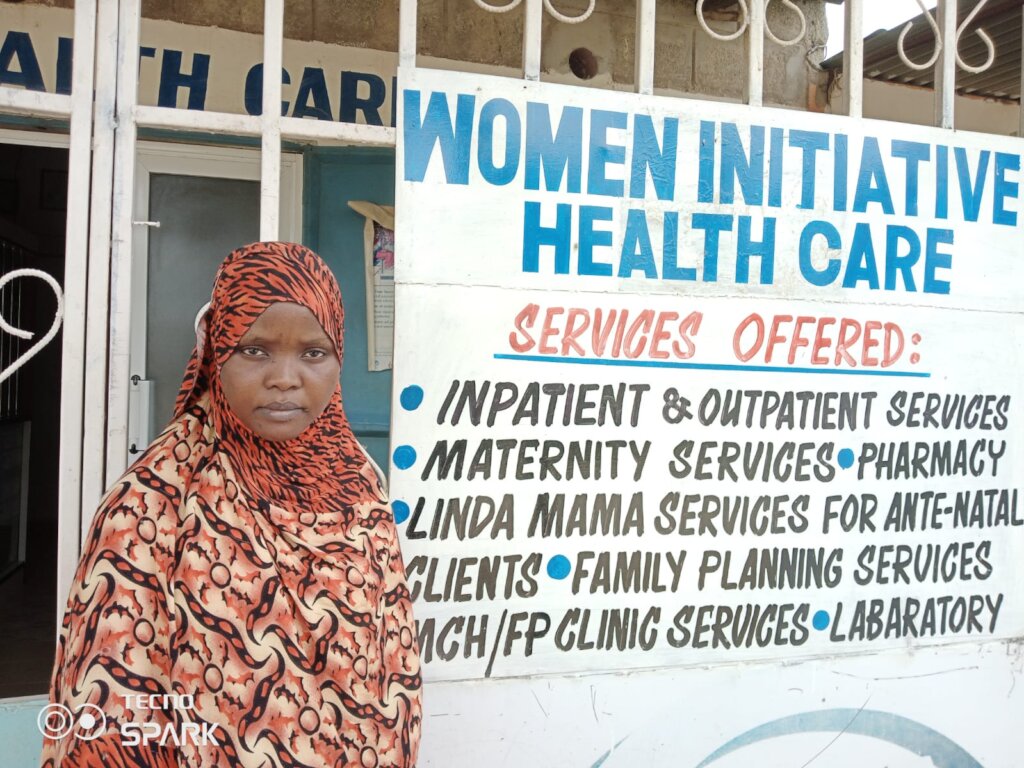
Women Initiative Health and Development (WIHCU) is an indigenous, non-profit community-based organization (CBO) dedicated to improving the health and well-being of pastoralist communities in Garissa and Tana River Counties. Through strategic partnerships with the government, WIHCU aims to foster a healthy community environment by implementing integrated health and behavioral change projects.
Key Activities:
The organization has undertaken several initiatives, including:
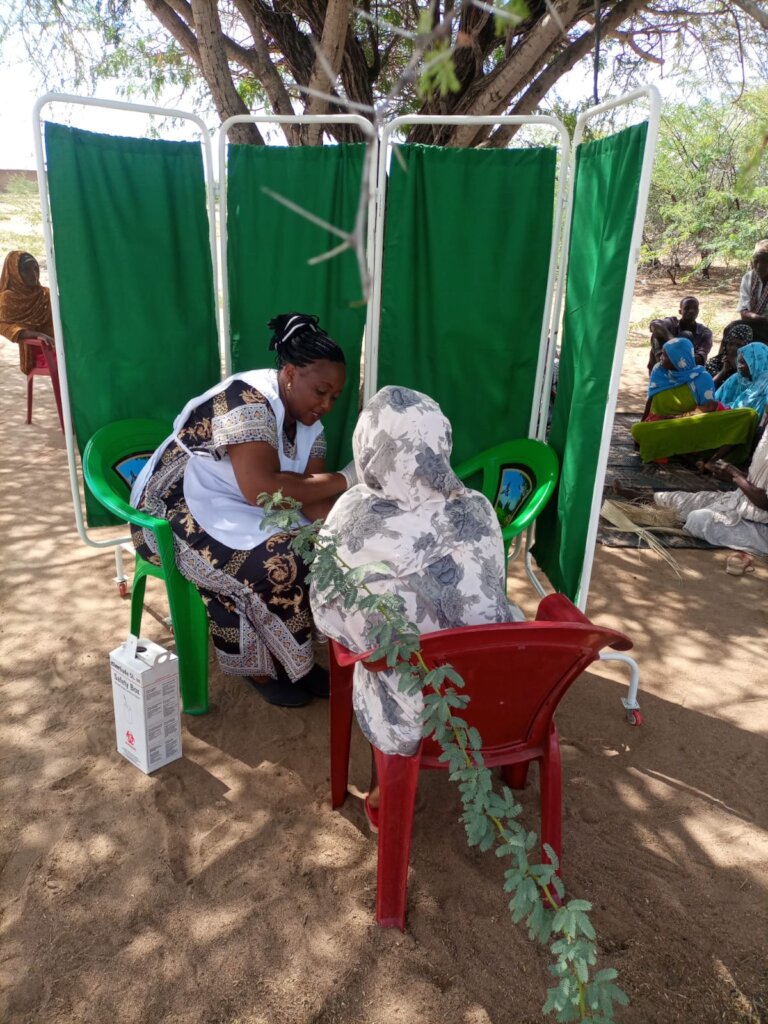
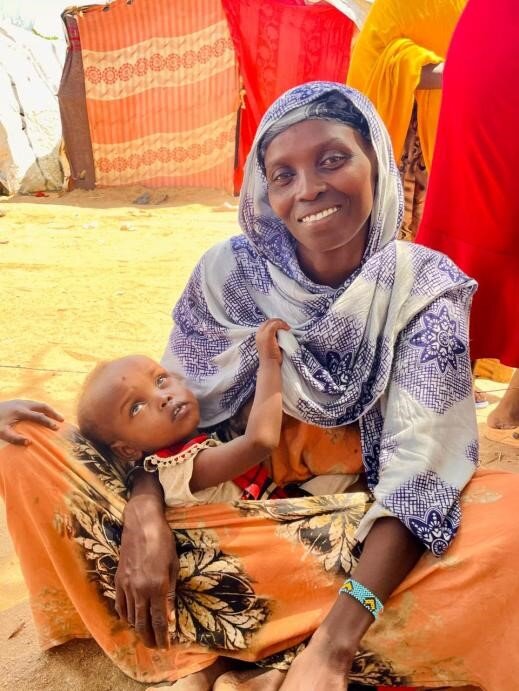
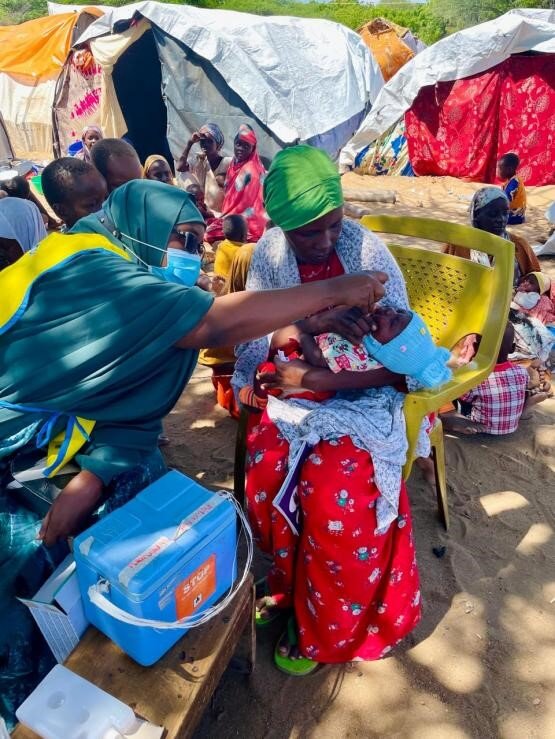
Integrated Outreach for Maternal and Child Health (MCH): Targeting hard-to-reach communities to provide essential health services.
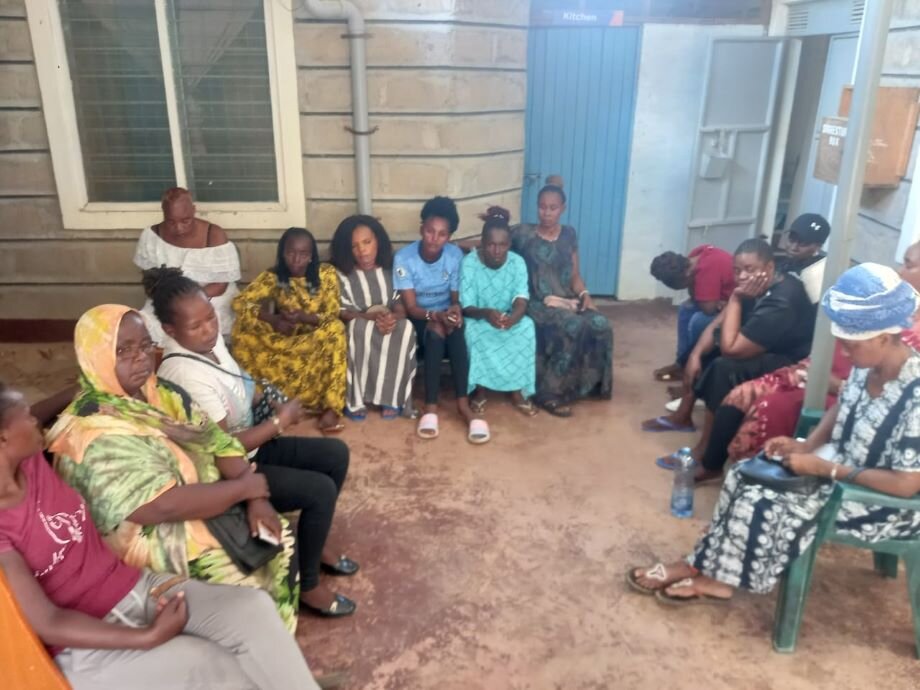
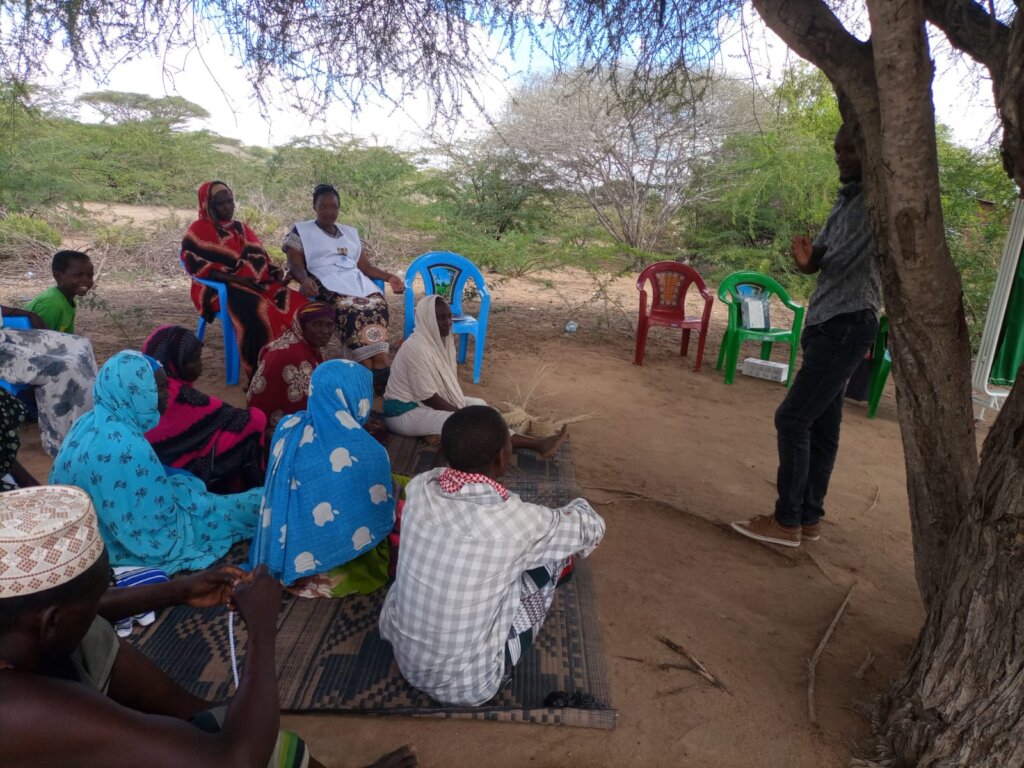
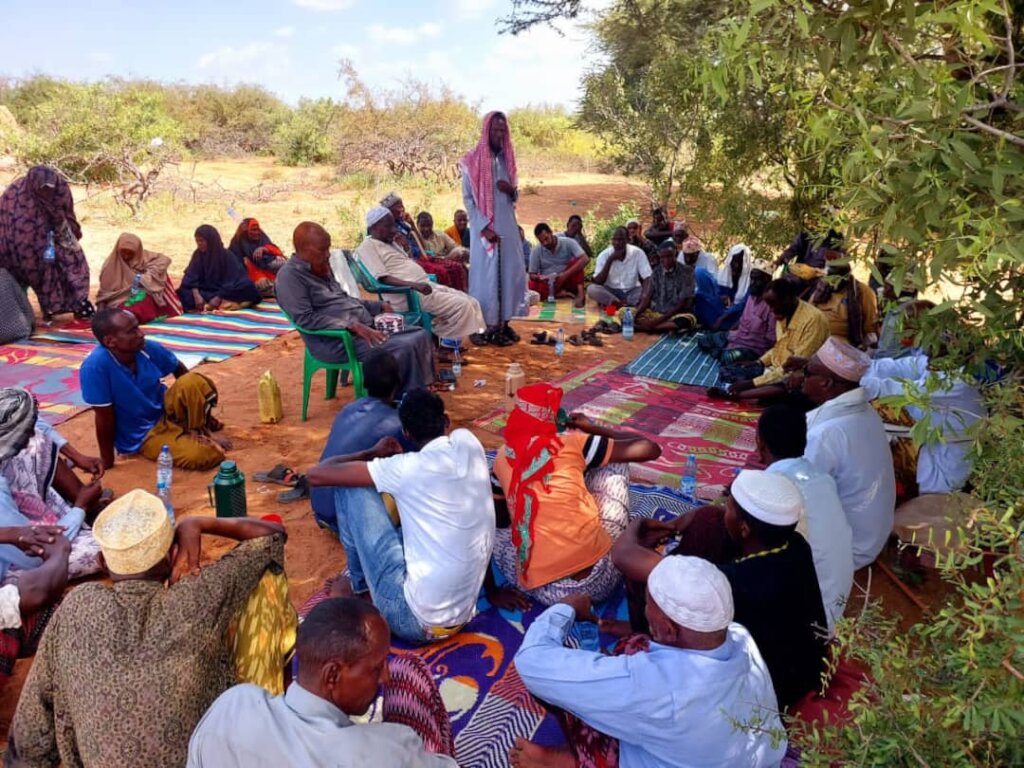
Community Health Forums: Engaging local populations in discussions to discourage harmful cultural practices, such as Female Genital Mutilation (FGM) and others.
Despite the progress, the quarter faced significant challenges, particularly due to technical issues such as desktop crashes that hindered operations.
Vision:
WIHCU envisions a future where quality primary healthcare is accessible to pastoral communities. The organization strives to empower vulnerable populations through the implementation of sustainable development projects that enhance health outcomes.
Mission:
The mission of WIHCU is to create lasting solutions for pastoralist communities by focusing on health, sanitation, and empowerment. This includes building capacity for both preventive and curative health services within the targeted communities.
Quarterly Activity Statistics:
Total Number of Children Immunized: 49
Number of PMTCT (Prevention of Mother-to-Child Transmission): 0
New Antenatal Registrations: 0
Antenatal Revisits: 11
Vitamin A Supplementation for Lactating Mothers: 0
Referrals to Maternal Shelters: 1
Total Referrals: 4
Traditional Birth Attendants (TBAs) Reached:21
Challenges:
1. Organizational Capacity: The ability of WIHCU to sustain the MCH program remains a significant challenge.
2. Resource Limitations: The organization's resource base is narrowing due to a lack of funding support.
3. Government Support Deficiency: There is insufficient support from government leadership in terms of medical supplies, family planning commodities, and malaria prevention resources.
Recommendations:
To address these challenges, it is crucial to secure funding support to enhance the organization’s capacity. This includes:
Increasing Financial Resources: Actively seeking additional funding to ensure a steady supply of medical resources and commodities.
Strengthening Partnerships: Collaborating with government bodies and other stakeholders to bolster support for health initiatives.
Links:
Project reports on GlobalGiving are posted directly to globalgiving.org by Project Leaders as they are completed, generally every 3-4 months. To protect the integrity of these documents, GlobalGiving does not alter them; therefore you may find some language or formatting issues.
If you donate to this project or have donated to this project, you can receive an email when this project posts a report. You can also subscribe for reports without donating.