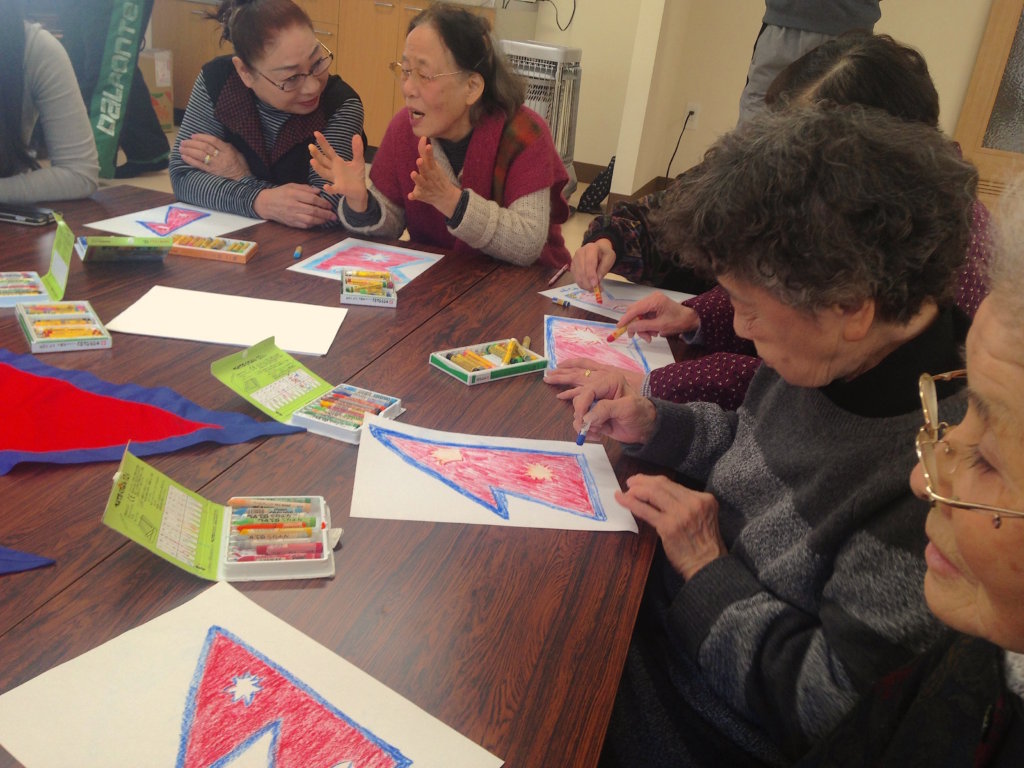
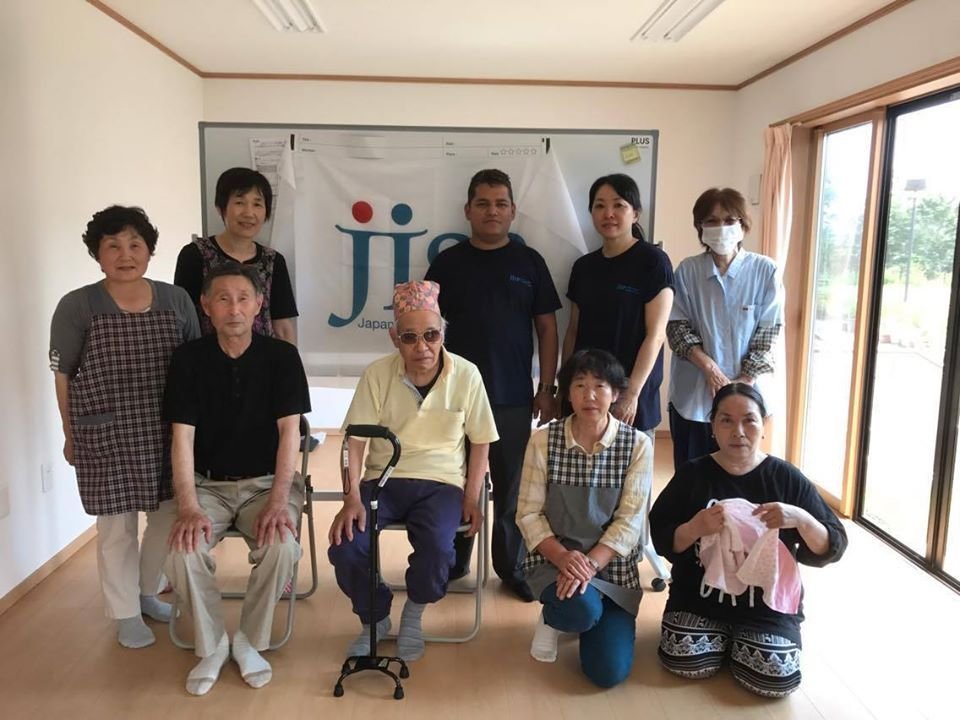
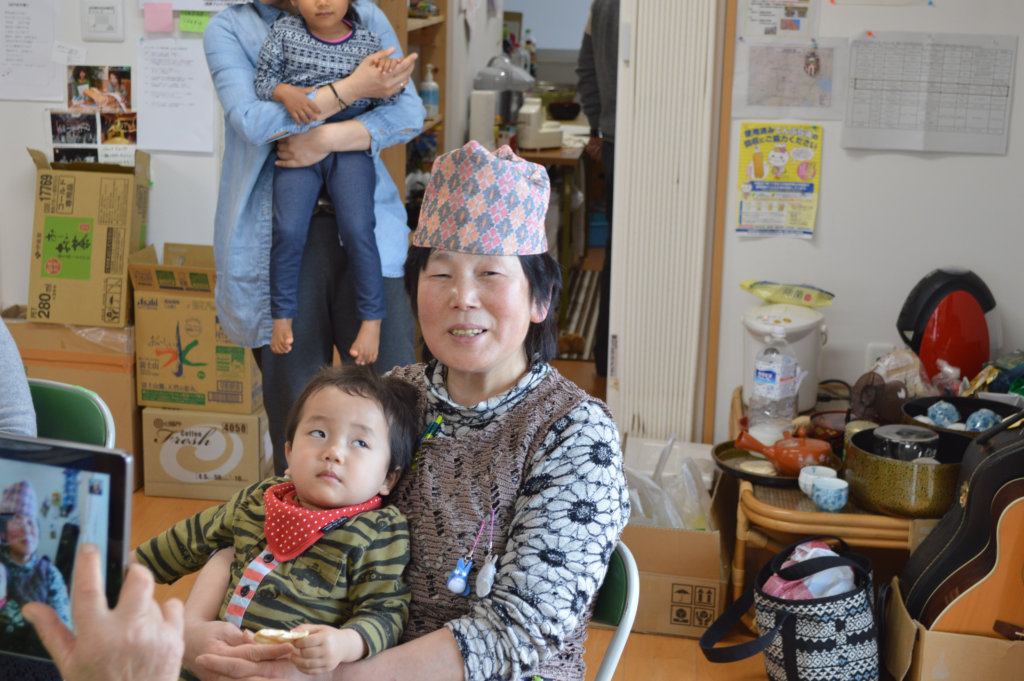
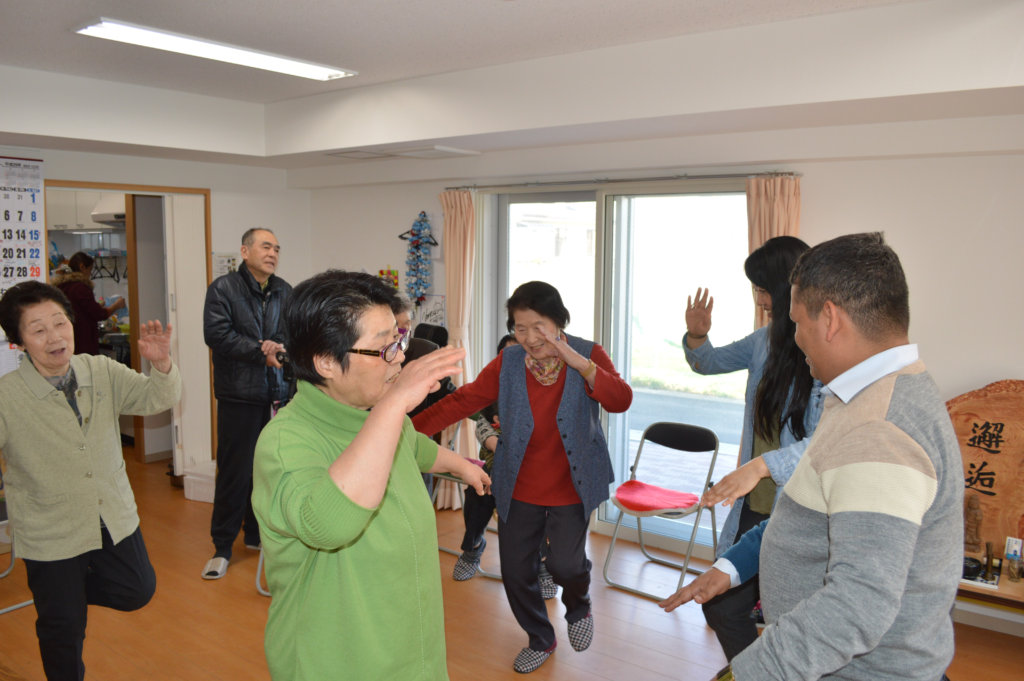
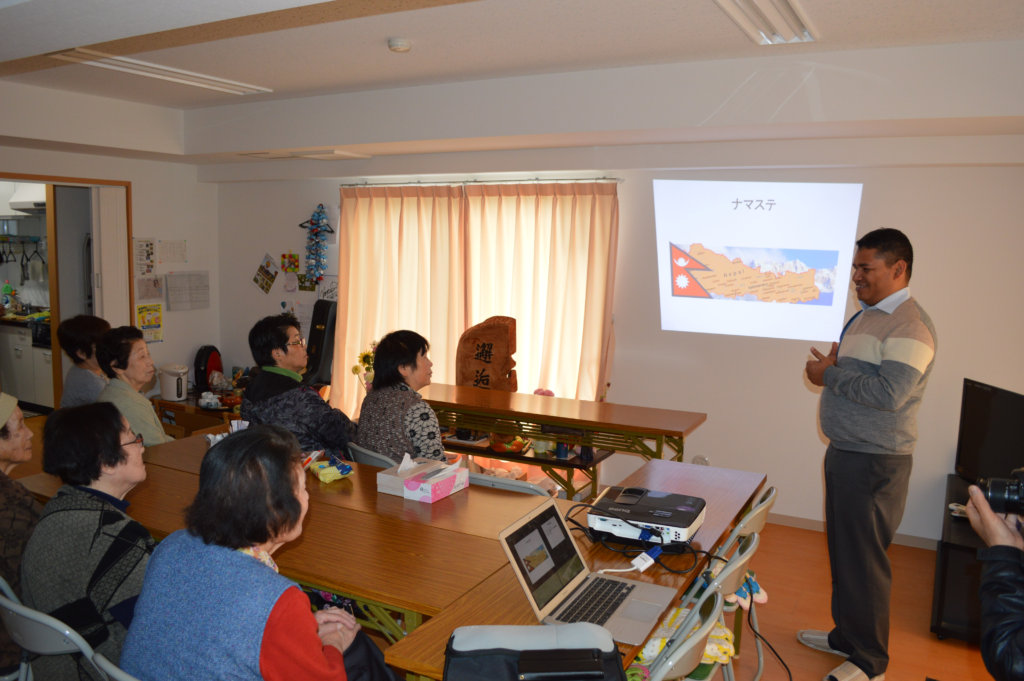
In early July, the JISP team visited a newly established public housing complex of 9 house-holds in Ofunato town, Iwate Prefecture.
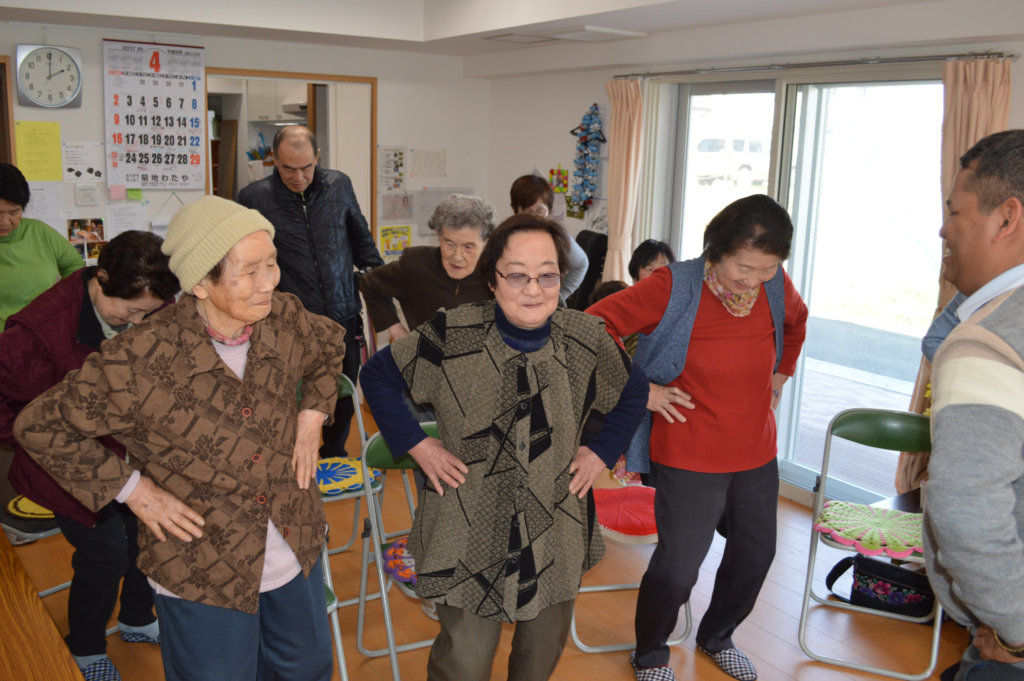
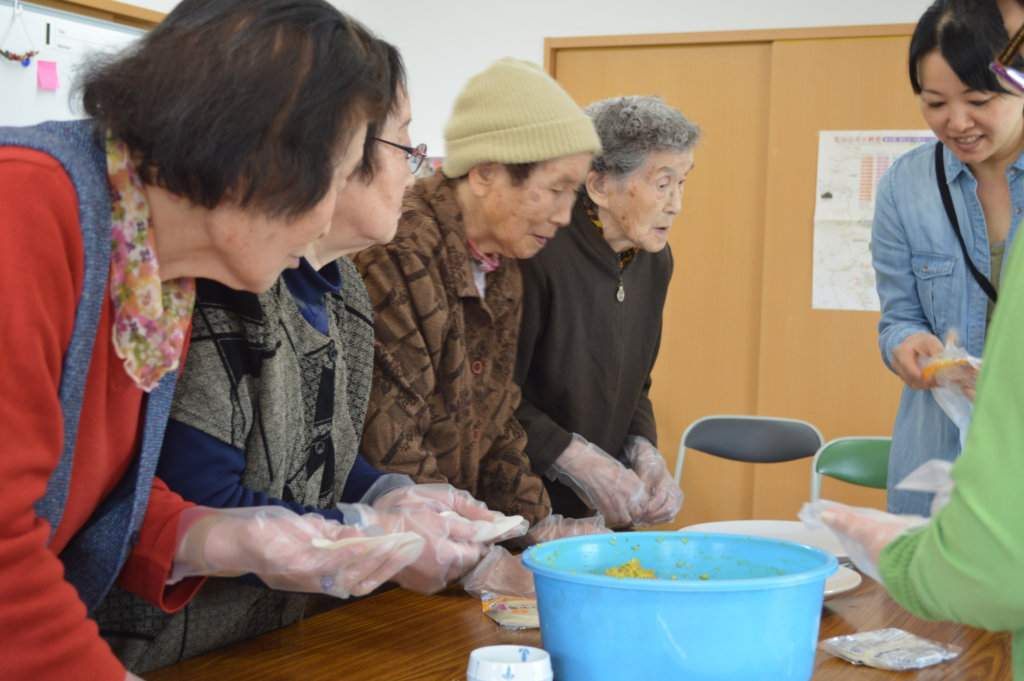
This was the first time the new residents were able to gather together, in what became a precious opportunity to facilitate neighborly relations among the new community. 11 residents participated in the workshop.
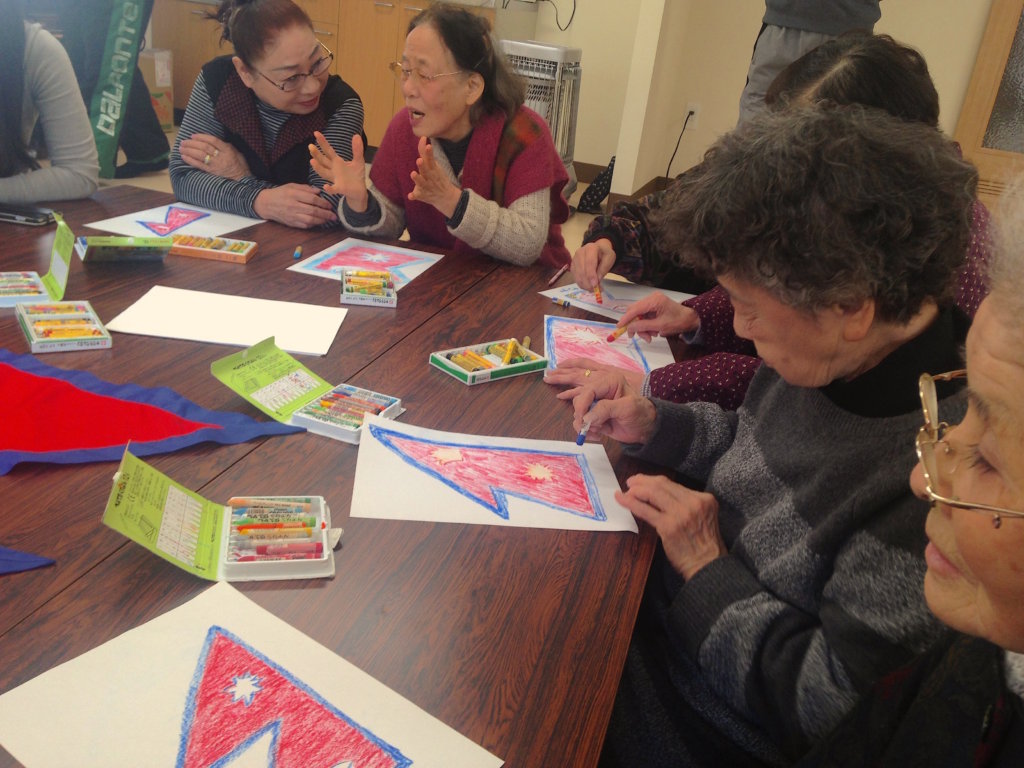
JISP's Mental Health Psycho-Social Support Team, led by the facilitator Dr. Bijay Gyawali, introduced Nepali handwriting, culture, and food and the participants showed some great team-work. We also conducted a mindfulness session for the participants.
It was heart-warming to see the participants' positive attitude toward their new neighbors and toward their new community.
Why Community Building?
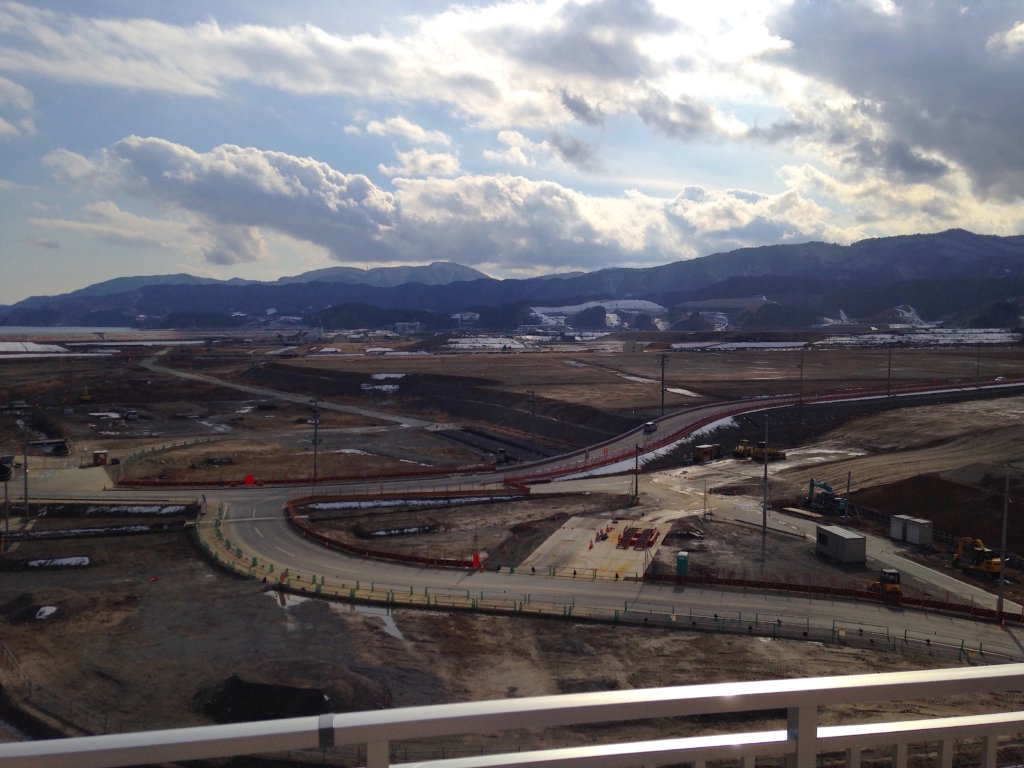
6 Years after the triple disaster hit Tohoku, the majority of those who lost their homes in the Tsunami (about 470,000 people in total) have setteled in new homes.
Still, 147,000 people still live in temporary housing across the Tohoku region (as of July 2016).
86% of the people who found new homes reside in newly built public-housings (as of March 2017).
But both those who found a new home and those who still live in termporary-housing often find themselves with new neighbours: the old social fabric was disrputed and the challenge is to create a renewed sense of community.
The purpose of this project is to facilitate healthy interaction among residents and care providers of public housings and temporary housings, build after the triple disaster in March 2011.
We believe that by encouraging the residents of the Sanriku coastal areas to communicate and express their thoughts and feelings, a more supportive and resilient community will emerge.
Our aim is thus to help create a safe environment that promotes such interaction.
Entering the 7th year after the disasters, Japan IsraAID Support Program remains committed to the people of Tohoku, and continues to work to meet the current challenge of rebuilding communities.
Thank you for your kind support!