By Fiona Beckerlegge | Clinical Director
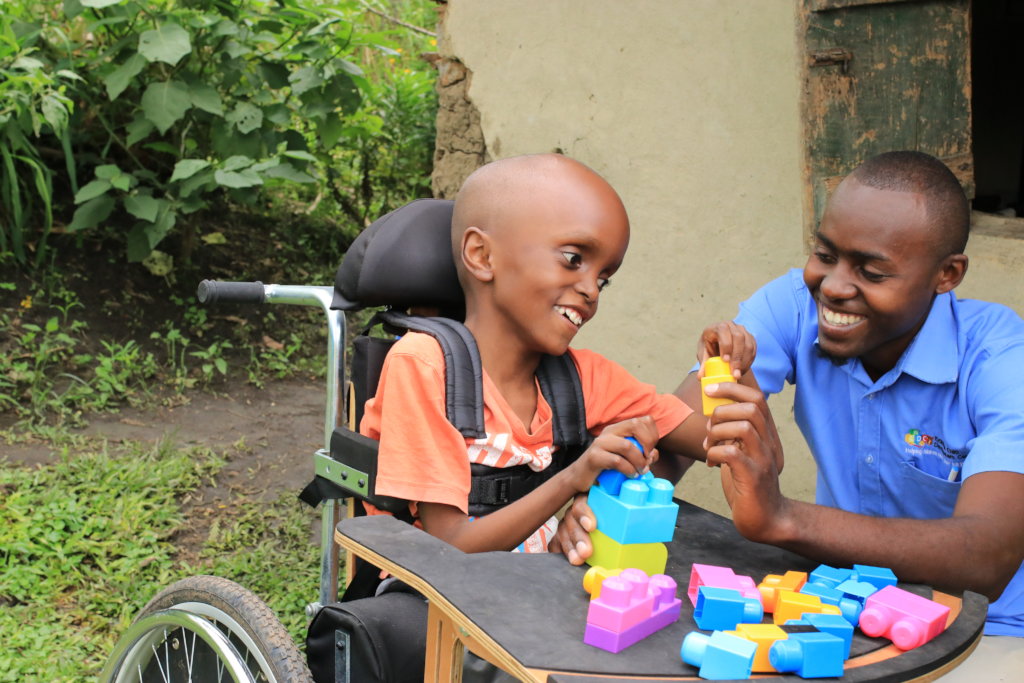
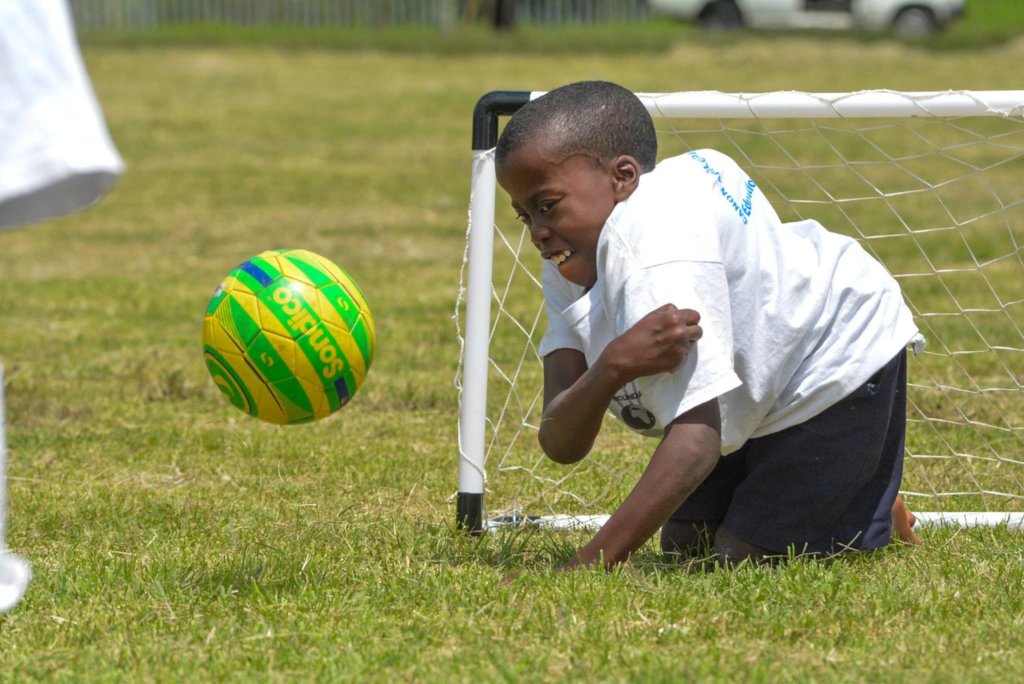
Children with special needs, including physical, intellectual and communication disabilities, need rehabilitation in order to live as independent life as possible.
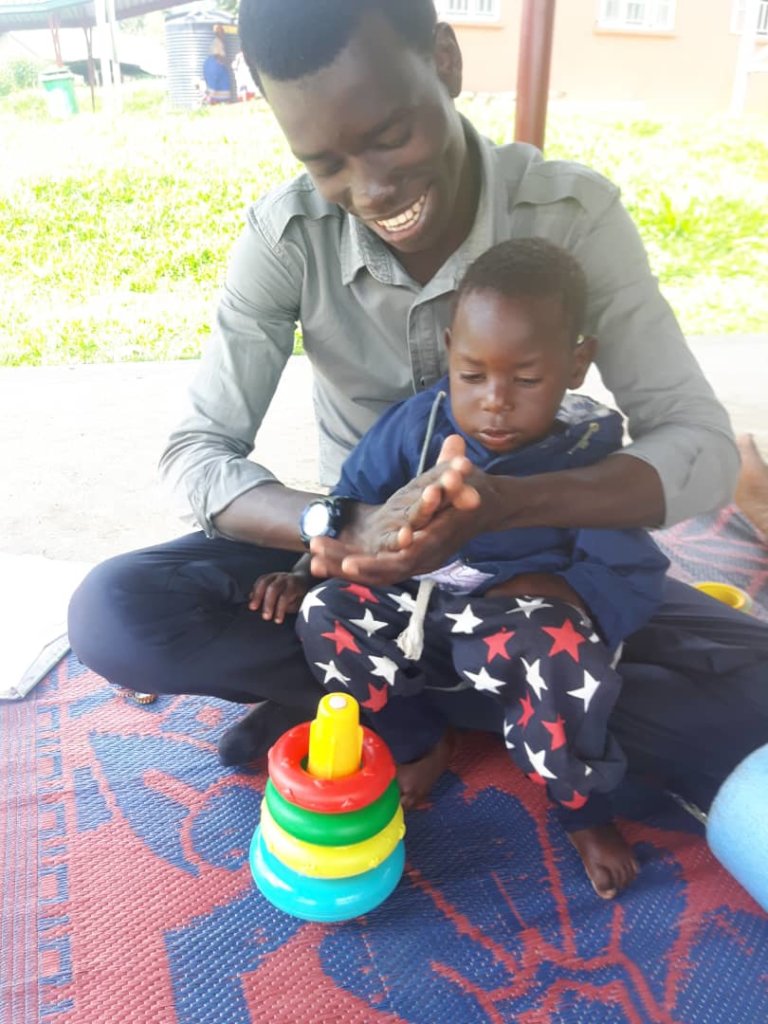
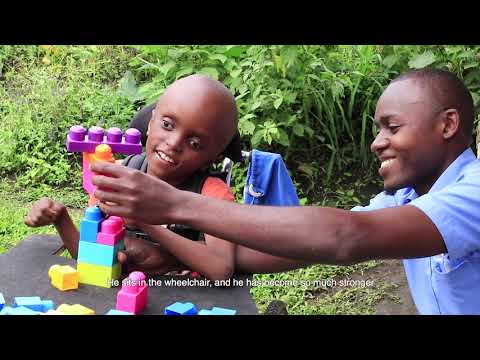
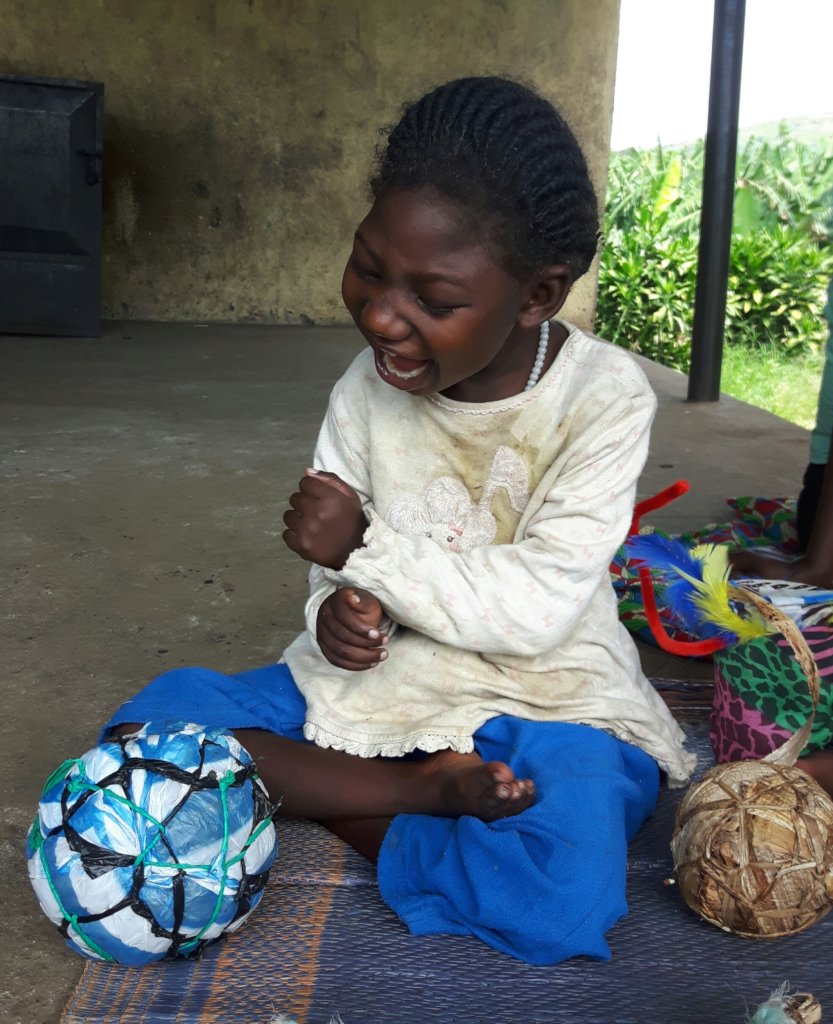
The stories of two children who have benefitted from the therapy interventions provided by Kyaninga Child Development Centre are shared here by their occupational therapists, Patrick and Jackson.
Gloria’s story, by Patrick
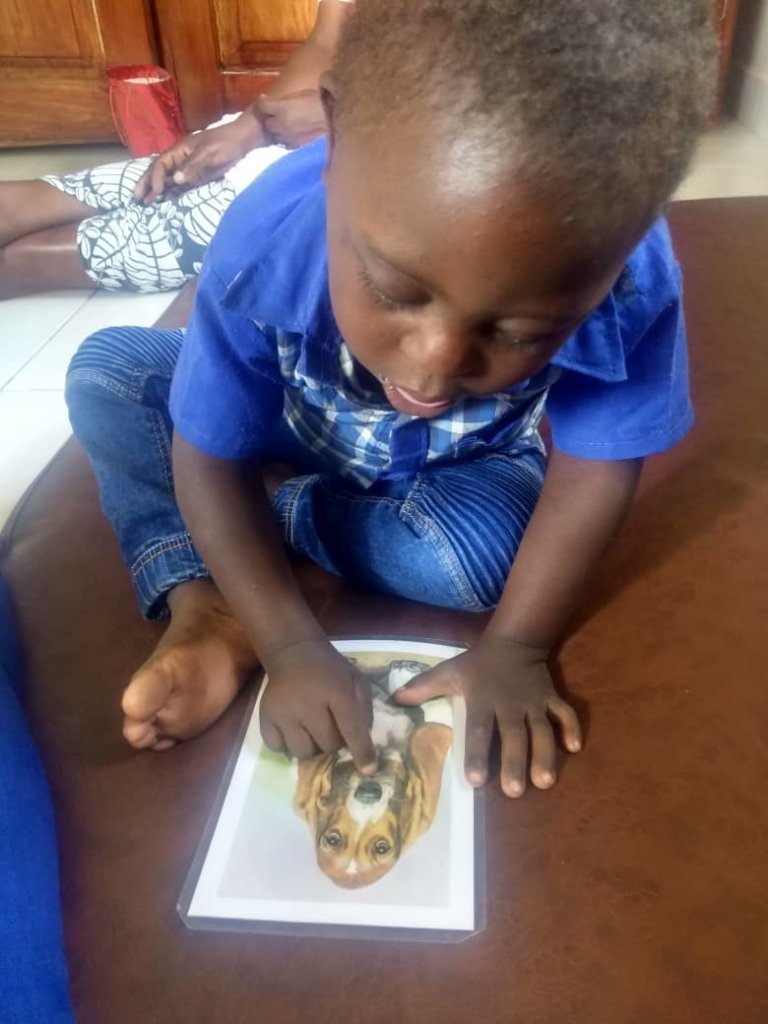
Gloria is now 6 years old and has been receiving physio and occupational therapy since January 2016 because she has cerebral palsy, with moderate spasticity in her right arm and leg as well as epilepsy secondary to premature birth. The family realised that something was wrong when her twin sister was progressing much faster with her developmental milestones.
What were the concerns?
On assessment, Gloria was unable to sit independently or crawl, she had a weak right side with slightly increased muscle tone in the wrist and ankle joints and was unable to use two hands together, demonstrating difficulties completing bilateral activities of daily living, but she did have good cognitive function and good communication.
What treatment interventions did we give?
The long-term goal of treatment was to increase functional independence in personal activities of daily living, such as bathing, dressing, feeding etc.
Treatment interventions were developed based on priorities of developmental needs and these include
What have achieved?
With consistent interventions over the past 5 years through home-based and clinic based sessions with the physio and occuapational therapists, Gloria can now
What are we still working on?
To achieve full independence in personal activities of activities of daily living our team is collaborating with family to continue assisting Gloria in self-care tasks with minimal assistance and possible home modifications
She also requires a wheelchair so that she can attend school as she is unable to walk the necessary distance to the local school and is getting too big for her mother to carry.
Any other stake holders involved?
Gloria is attending a nearby nursery school to improve her academic and interaction skills and will be transitioning to Primary one in the new school year.
Any other supportive device?
Gloria uses Pedro boots that were donated from the UK to support her feet and ankles in standing to assist with walking
She uses a walker to help increase walking stability and safety
We built parallel bars in the garden to assist with her walking practice, muscle strengthening and using two hands.
Sharon’s Story, by Jackson
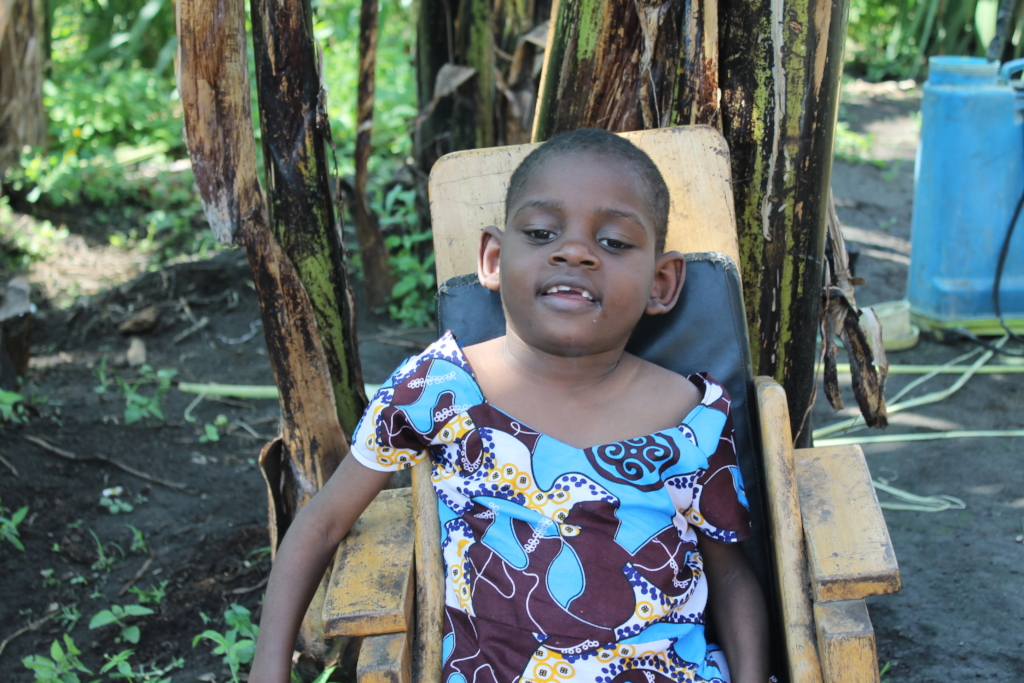
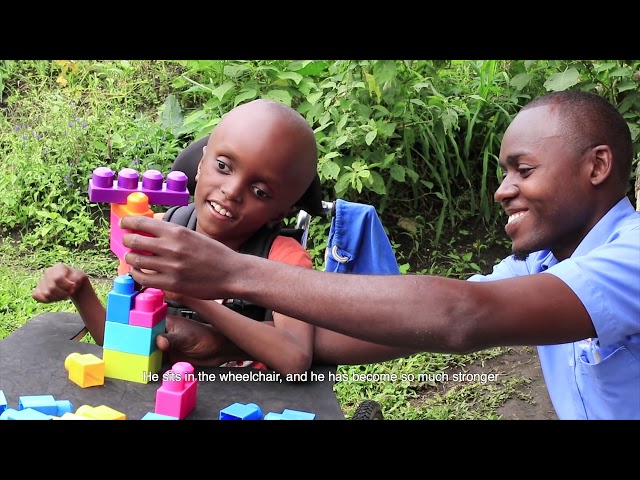
Sharon has been receiving therapy interventions from the KCDC multidisciplinary team since May 2019 at the age of 2, at one of our community outreach clinics at a local health centre. She had been found on the side of the road, having been abandoned, likely because of her disability. She was also underweight, but was being well cared for by a guardian.
What were the concerns?
Sharon has athetoid cerebral palsy and on her initial assessment she was unable to:
Over the next 12 months of regular visits at the outreach clinic, improvement was noticed in her weight, her sitting balance, she had increased speech, and was able to stand with support and explore for objects which was a great achievement following the joint therapy from multidisciplinary KCDC team.
However, she still had challenges in
After the review in November 2020, the goal of “improving in co-ordination and balance in independent sitting and standing” was set jointly by an occupational therapist and the physiotherapist.
What are we still working on?
From the home visit made in August 2021, a great improvement was observed. She was able to
Next goal
Increasing independence in her activities of daily living including washing her face and brushing her teeth.
Recommendations
By donating to Kyaninga Child Development Centre you are helping more children like Gloria and Sharon to increase their independence, reach their full potential and live fulfilling and meanigful lives.
Thank you
Links:
Project reports on GlobalGiving are posted directly to globalgiving.org by Project Leaders as they are completed, generally every 3-4 months. To protect the integrity of these documents, GlobalGiving does not alter them; therefore you may find some language or formatting issues.
If you donate to this project or have donated to this project, you can receive an email when this project posts a report. You can also subscribe for reports without donating.



Support this important cause by creating a personalized fundraising page.
Start a Fundraiser