By Isabella Ajio | Project Coordinator
A shift in the delivery of therapy for Children with Disabilities in the time of the COVID-19 pandemic
Currently, Uganda is seeing a sharp increase in COVID-19 cases, forcing its health officials to take stern emergency measures. From 200 cases per day in April, the East African country is now recording over 1,000 cases per day amid a looming vaccine shortage after receiving a total of 822,000 vaccines in March. With a population of 47.2 million people and 4,129 fully vaccinated, this leaves a total of only 1.9% of the population that have received at least one dose of the vaccine.
According to the Ministry of Health, Uganda received a donation of 175,200 doses of AstraZeneca vaccines on June 17th from the government of France, however, this is still not sufficient for the 812,118 people who are either due for the second dose or are nearing the eight-week time from which they should go for the second round. An additional 688,000 vaccines are meant to arrive in August but some health officials believe this will be too late. With current cases standing at 75,537, recoveries at 50,350, and 781 registered deaths, the current lockdown restrictions might be extended until a higher percentage of the population has been fully vaccinated. This has doubled the numbers from the previous 12 months in just 1 month.
In response to the first wave of the COVID-19 global pandemic, the Ugandan Government introduced a set of strict measures in mid-March 2020, to prevent the transmission of the virus in the country. These restrictions were put in place as the healthcare system would be unable to cope with the high numbers of cases seen in other countries. The restrictions that were put in place last year certainly slowed the transmission of the virus but severely impacted people’s livelihoods, and the negative socioeconomic effects have continued into this year as well. As of June 18th, 2021, a new set of lockdown measures were enforced, further negatively impacting our families, who survive on a meagre daily income of less than $1 a day. They are now experiencing increased levels of poverty, increased food insecurity, and decreased access to basic health care and education services and therefore, a growing need for support.
During the nationwide lockdown last year, we recognized the growing desperation and need for ongoing therapy, medical, nutritional, and education services from our clients. KCDC then launched a small campaign called Buckets of Love after the initial response and was able to raise $5000 which enabled us to continue to support more of our families during the ongoing pandemic including families affected by the seasonal flooding in the Kasese district. We were able to reach over 400 families to provide therapy, education, and nutrition packs as well as epilepsy medication.
With new lockdown measures in place, the growing need for support for our poorest and most vulnerable families is rising. The need for children with disabilities to be provided with therapy, nutrition interventions, special education support, and essential epilepsy medications during this time is as important as oxygen support for children without disabilities. Without our support, our children who are already vulnerable are at risk of regression in therapy milestones, increased health complications, and possible death.
Through our Community Nutrition Program KCDC has intensified home visits in order to provide nutrition services and therapy following the Standard Operating Procedures in efforts to address humanitarian relief concerns, cognizant of the growing need for medical services and the increasing number of children reported to be suffering from malnutrition.
Nutrition
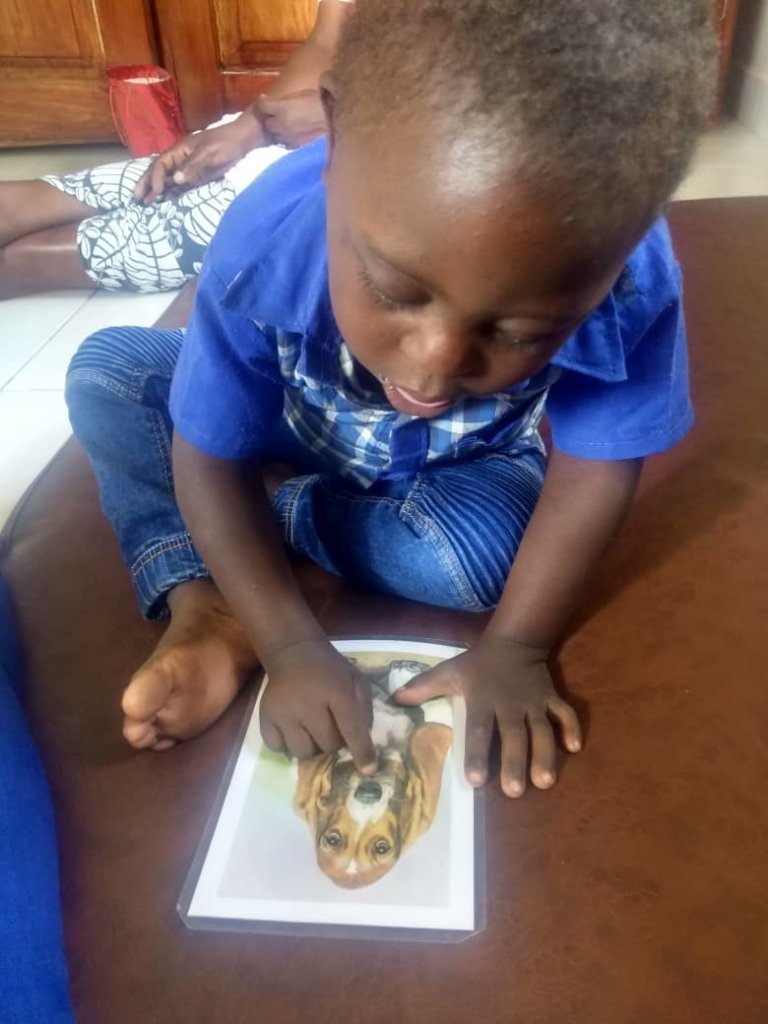
Charles - Speech and Language therapist, and Rehema - Nurse
“Derrick, now aged 2 years and 10 months presenting with Cerebral palsy and seizures, was seen by KCDC team in march 2021, brought by a grandma who for the last 2 weeks took care of him after being abandoned by his mum who had already moved on for another marriage.
Derrick was found to be severely malnourished weighing 6.4kgs and very weak and passive and could not undergo physiotherapy. He also had significant feeding difficulties which could have contributed to the malnutrition.
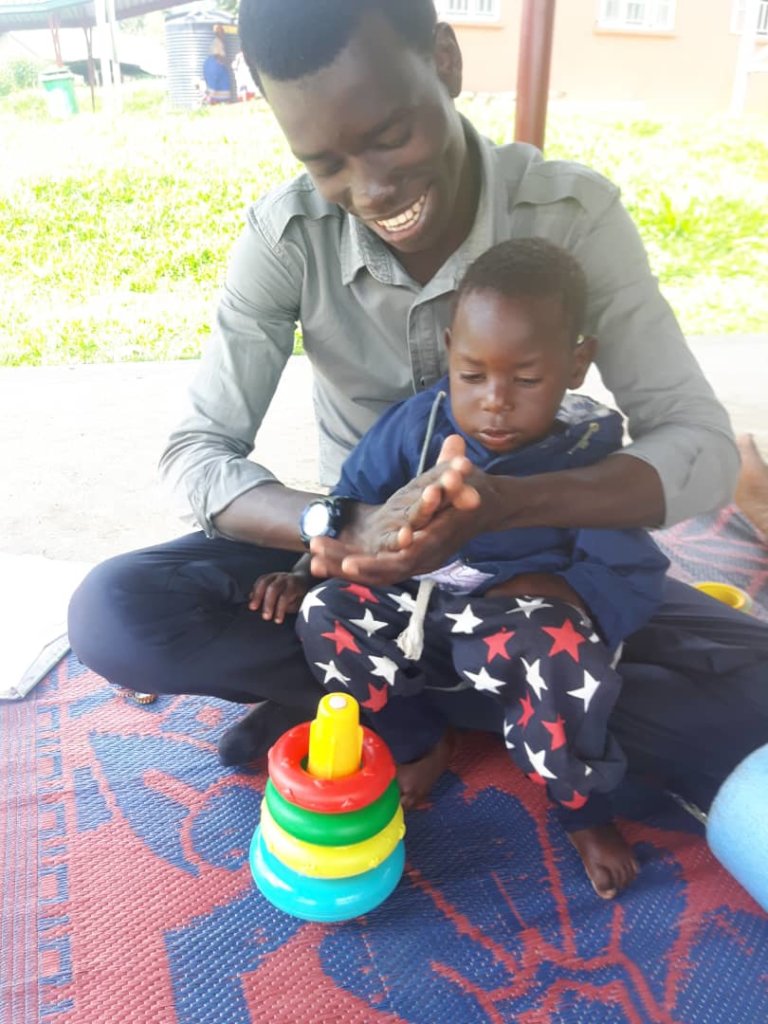
Feeding therapy was done and a referral was made to Fort-Portal regional referral hospital for further management of malnutrition and seizures.
Derrick greatly improved from severe acute malnutrition to mild malnutrition and controlled seizures. He is now more active, responsive to stimulation, tries to explore his environment, started physiotherapy, and now makes attempts to sit.”
Without adequate nutrition for Children with Disabilities (CwDs), therapy interventions will not be successful. The children are already weak and any energy they have left is being used for basic survival and therefore no extra energy to build and develop muscle mass. Nutrition is not only key for CwDs overall health but also plays a major role in their therapy.
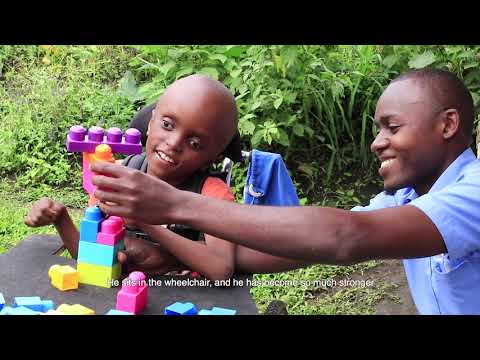
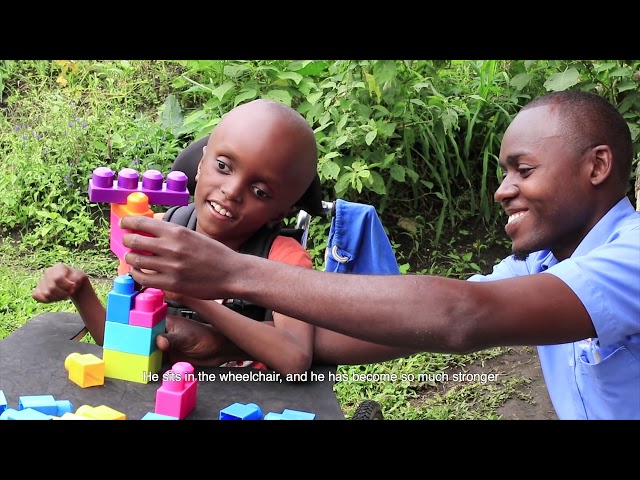
KCDC’s main goal is to ensure that CwDs have access to equal opportunities and can thrive without stigma and discrimination in their communities using a holistic, community-based approach which includes; provision of specialist therapy services, raising awareness of disability amongst community members, providing training to caregivers, healthcare workers, and teachers and providing economic empowerment training to caregivers of CwDs.
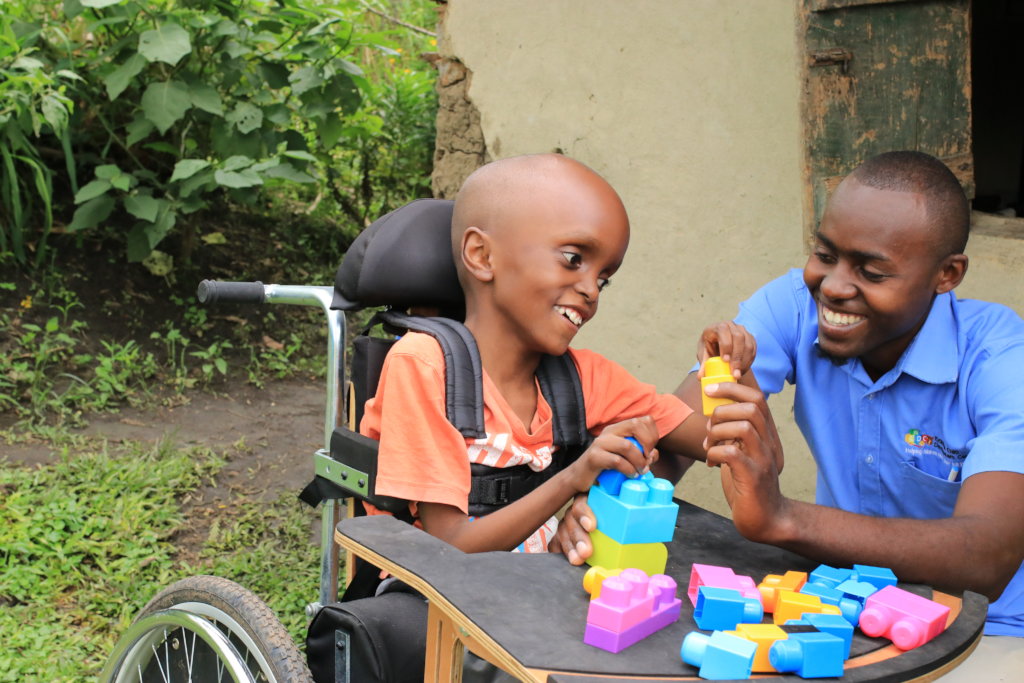
Due to the current nationwide lockdown and restrictions, including the closure of all schools, we have had to suspend all our outreach and community activities and are focusing on home-based therapy, education, nutrition, and medical interventions.
When restrictions are finally lifted, we will resume our normal outreach and community activities however due to the current situation, we would like to carry out the following to address the current needs of our children and families:
Increase the number of home visits due to travel restrictions where some families are not able to come to outreaches due to social distancing and limits on gatherings at local health centres and distribute essential epilepsy medication to our children.
Provide home-based physiotherapy intervention to children and families that are recovering from COVID-19.
Provide Ready to Use Therapeutic Foods (RUTF), basic foodstuffs, and high yield seeds for sustainable nutrition to combat malnutrition and increased food insecurities faced by families.
Provide awareness materials to empower our parent group leaders, who are extremely valuable as they are on the ground, to educate their peers and community members about the gravity of the new strain of the virus and the importance of keeping their children who are already vulnerable as safe as possible to prevent further health complications.
Provide PPE to our therapists and special education team to ensure their safety as well as protecting our children and families from contracting Covid-19.
Conduct home-based education sessions using Individual Learning Plans (ILPs) to ensure children are supported in their learning so that when schools eventually reopen, they are in a better position to be reintegrated in the classroom.
Project reports on GlobalGiving are posted directly to globalgiving.org by Project Leaders as they are completed, generally every 3-4 months. To protect the integrity of these documents, GlobalGiving does not alter them; therefore you may find some language or formatting issues.
If you donate to this project or have donated to this project, you can receive an email when this project posts a report. You can also subscribe for reports without donating.



Support this important cause by creating a personalized fundraising page.
Start a Fundraiser