By Dr. Gladys Kalema-Zikusoka | Founder and CEO
This report covers Conservation Through Public Health’s Gorilla Guardians of Bwindi, Uganda (#44078 on GlobalGiving). In June 2026, the project had received 575 donations totalling $38,255. Donations have since increased to $39,268 out of our $10,000 fundraising goal. The following activities were accomplished during the quarter.
Gorilla Health monitoring
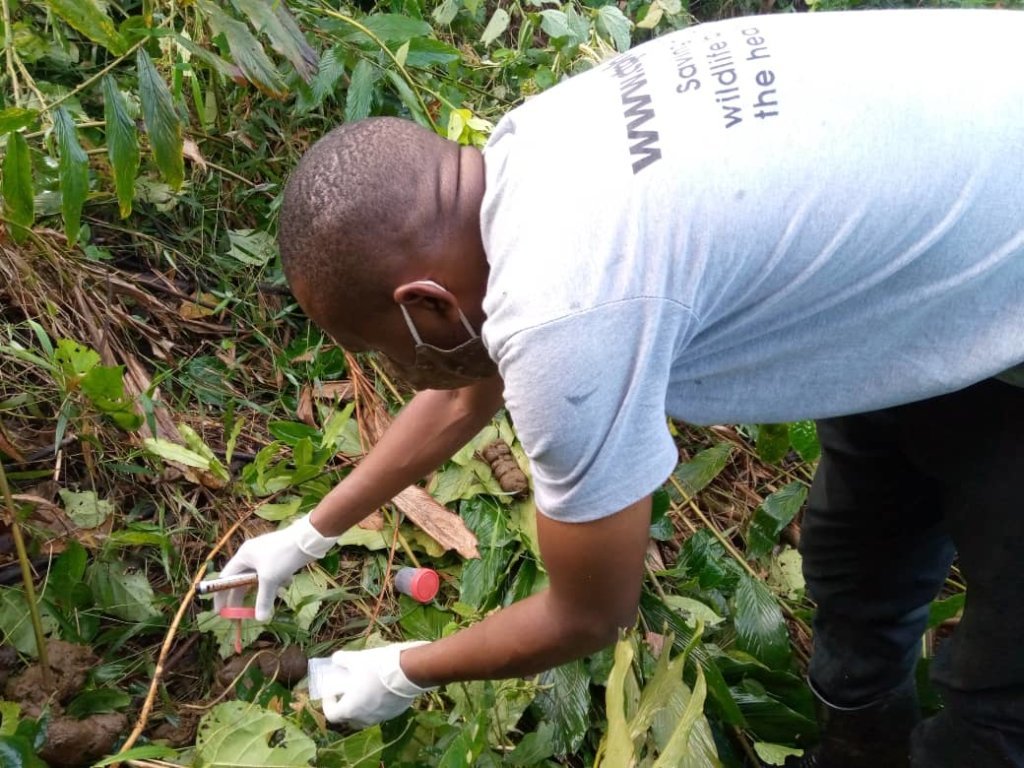
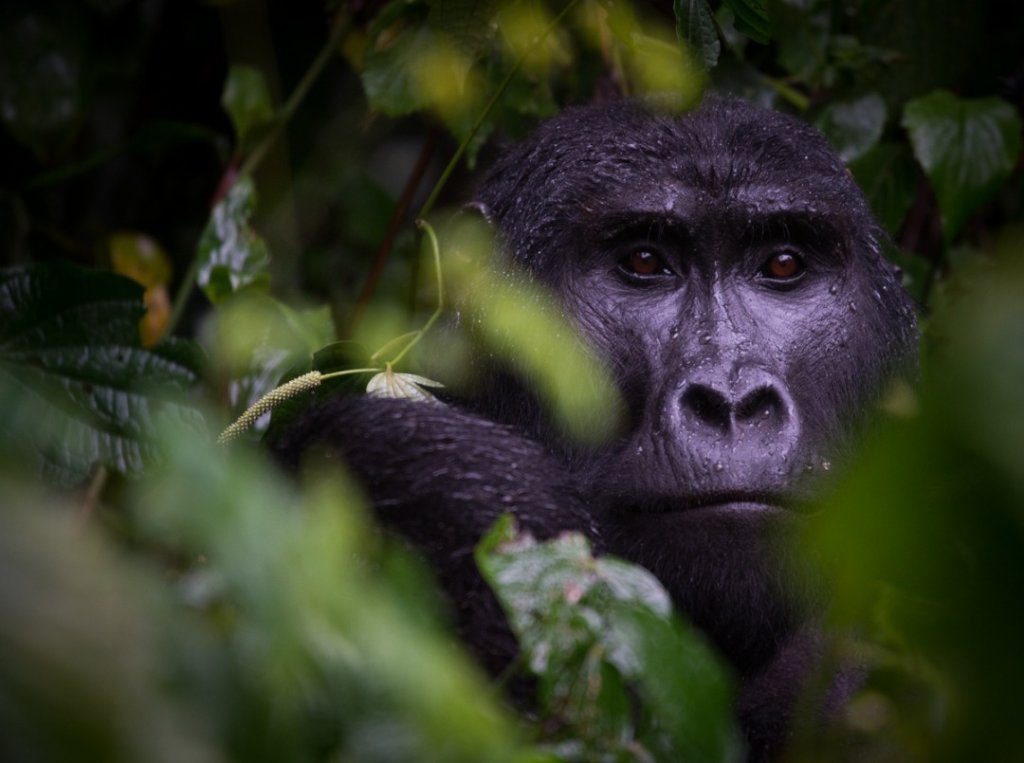
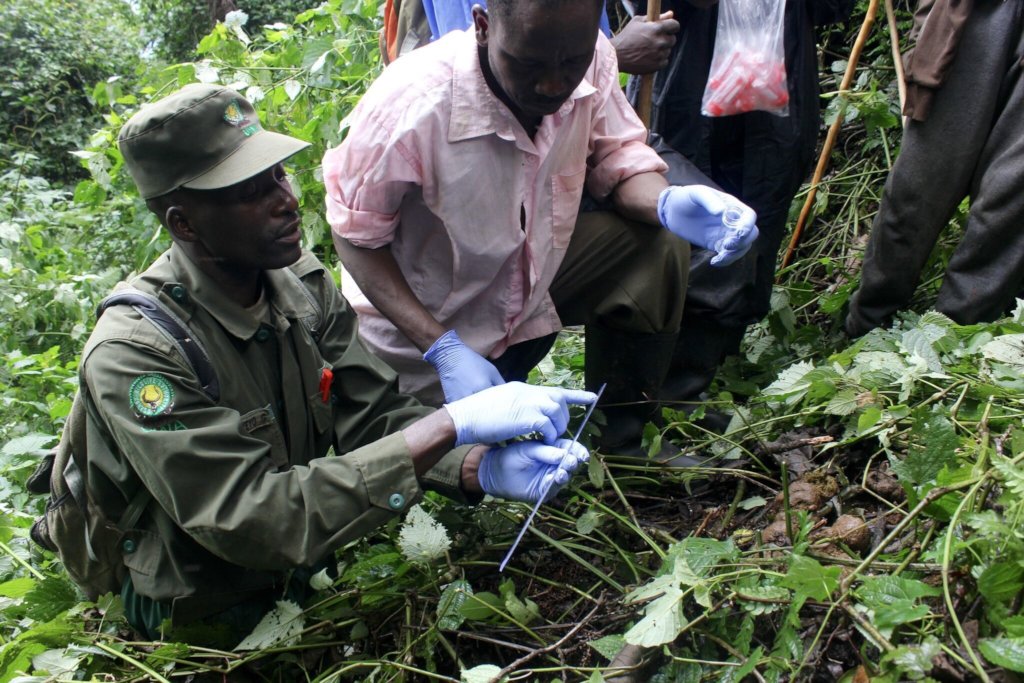
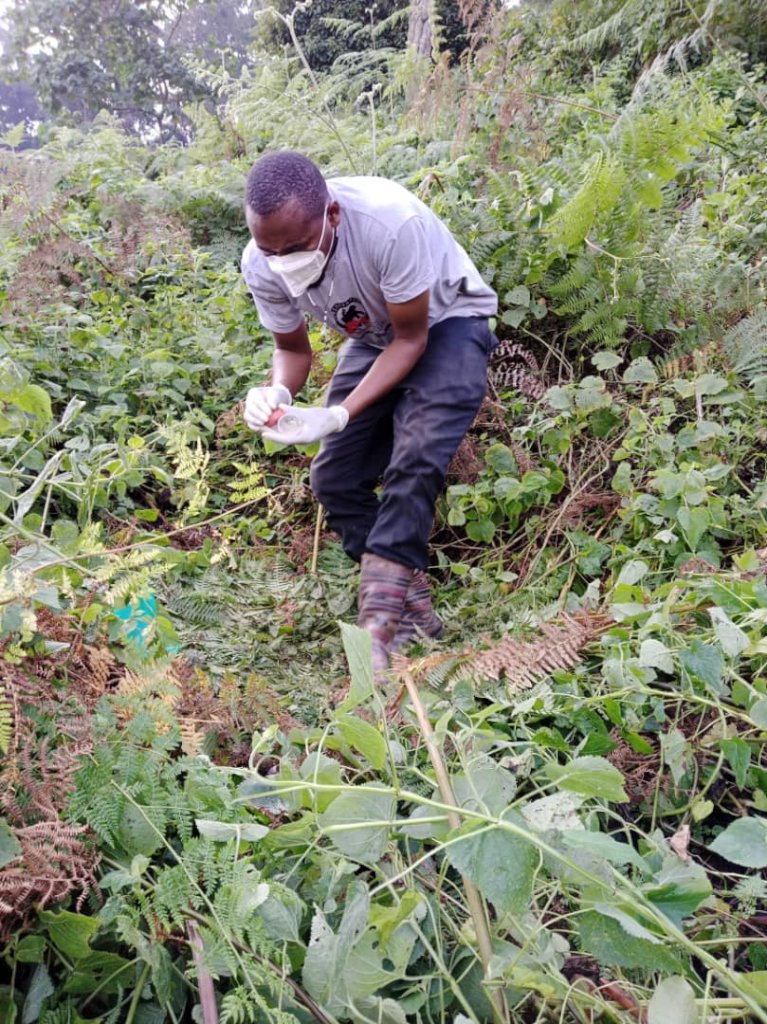
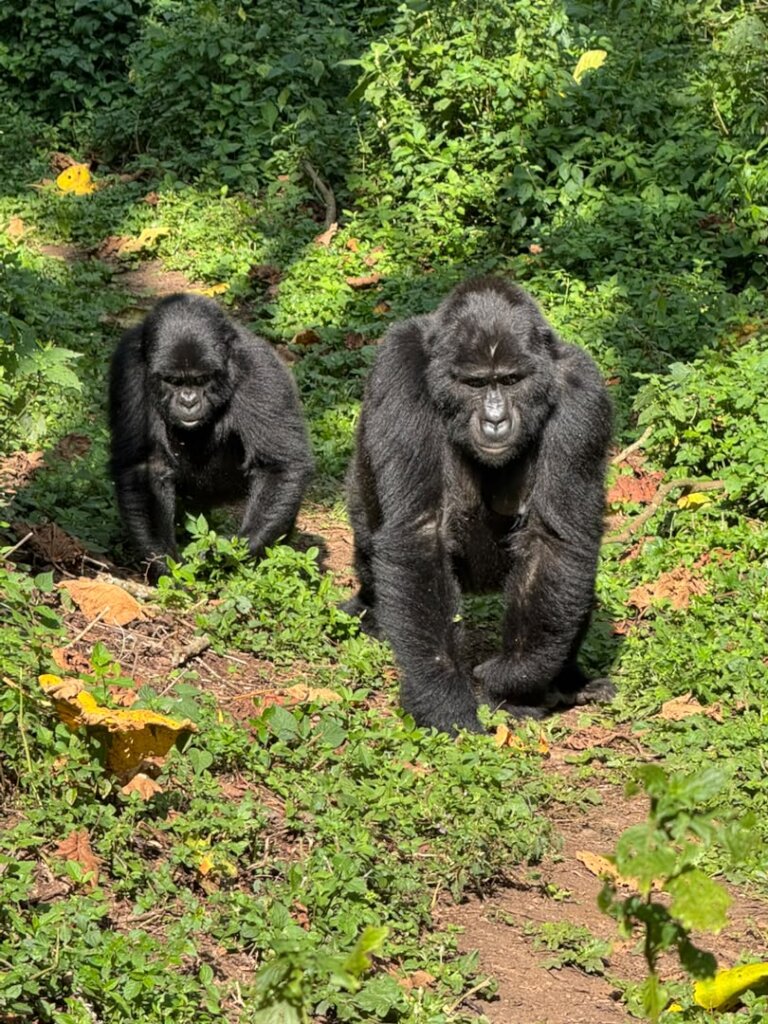
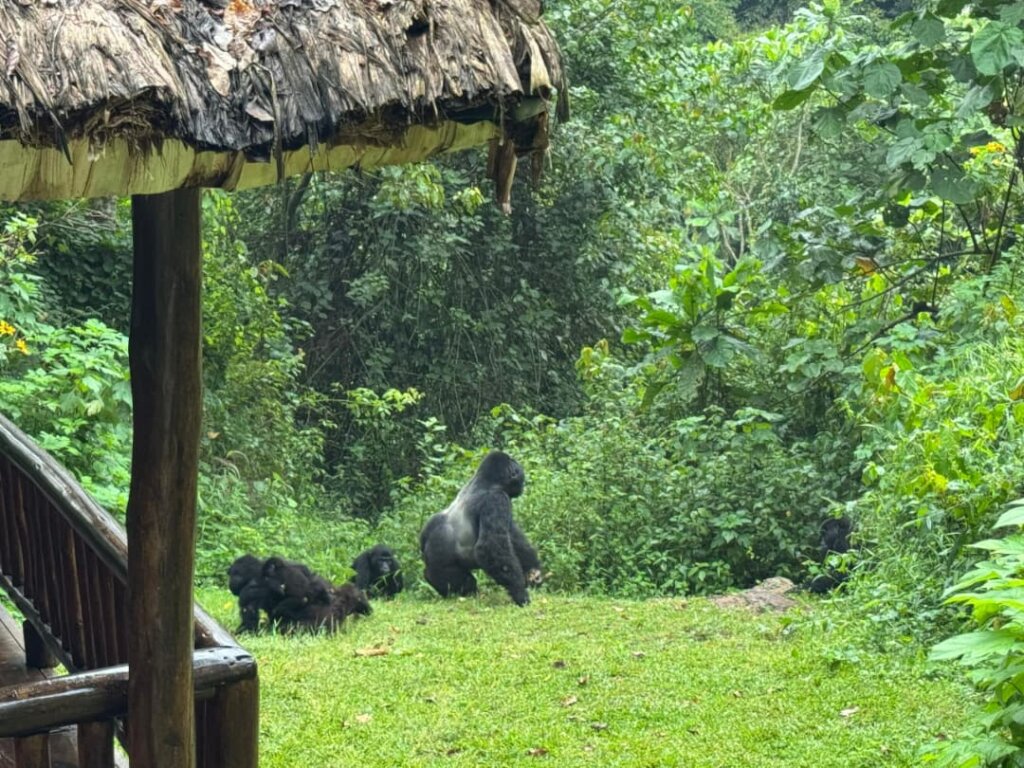
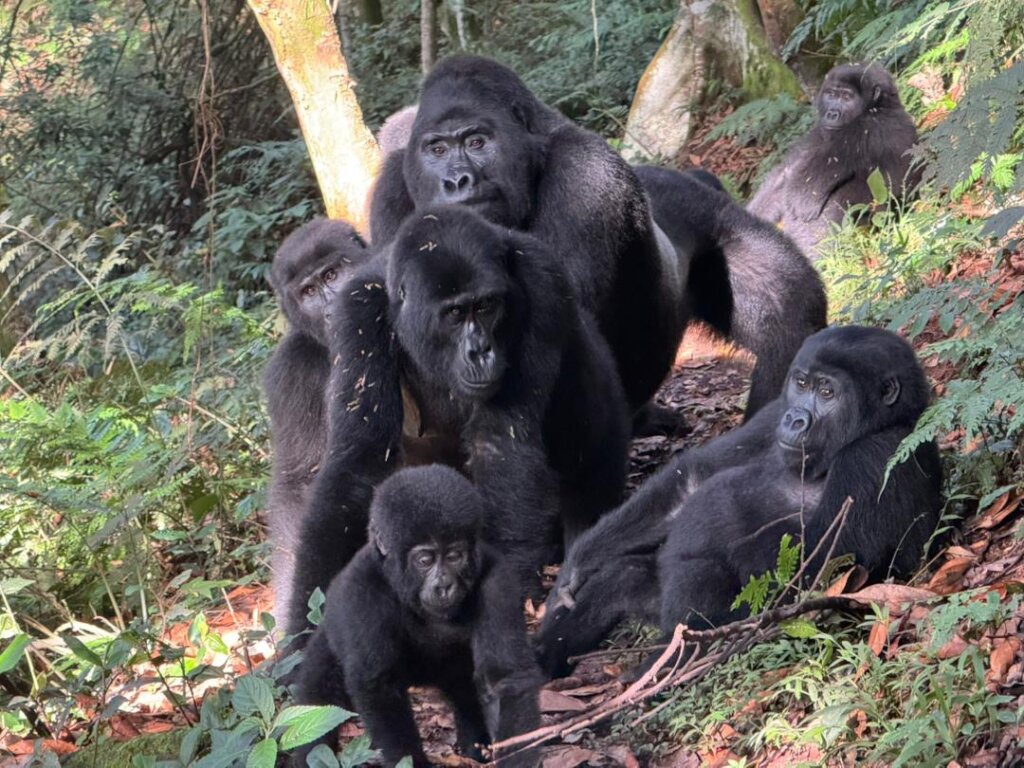
Routine gorilla health monitoring continued. Four adult female gorillas in the Busingye family were found with a high burden of Strongyloides. Our team together with Uganda Wildlife Authority (UWA) intervened, and the gorillas are now improving. The Bikyingi gorilla family was found with Trichuris and Ascaris, parasites associated with human contact; the gorillas had been feeding near Batwa settlements in Higabiro village in southern Bwindi. Gorillas in the Nkuringo gorilla family were found with Trichostrongylus and Oesophagostomum. CTPH plans to study these parasites in Nkuringo next quarter and do the necessary interventions.
Gorilla Births
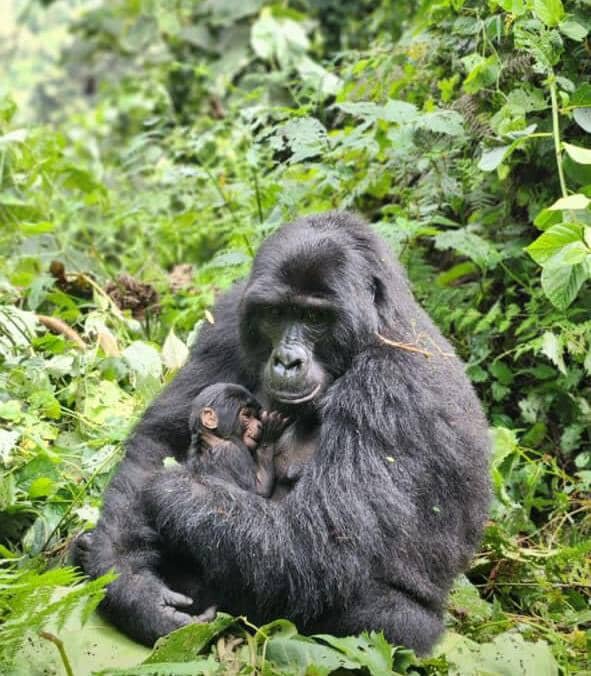
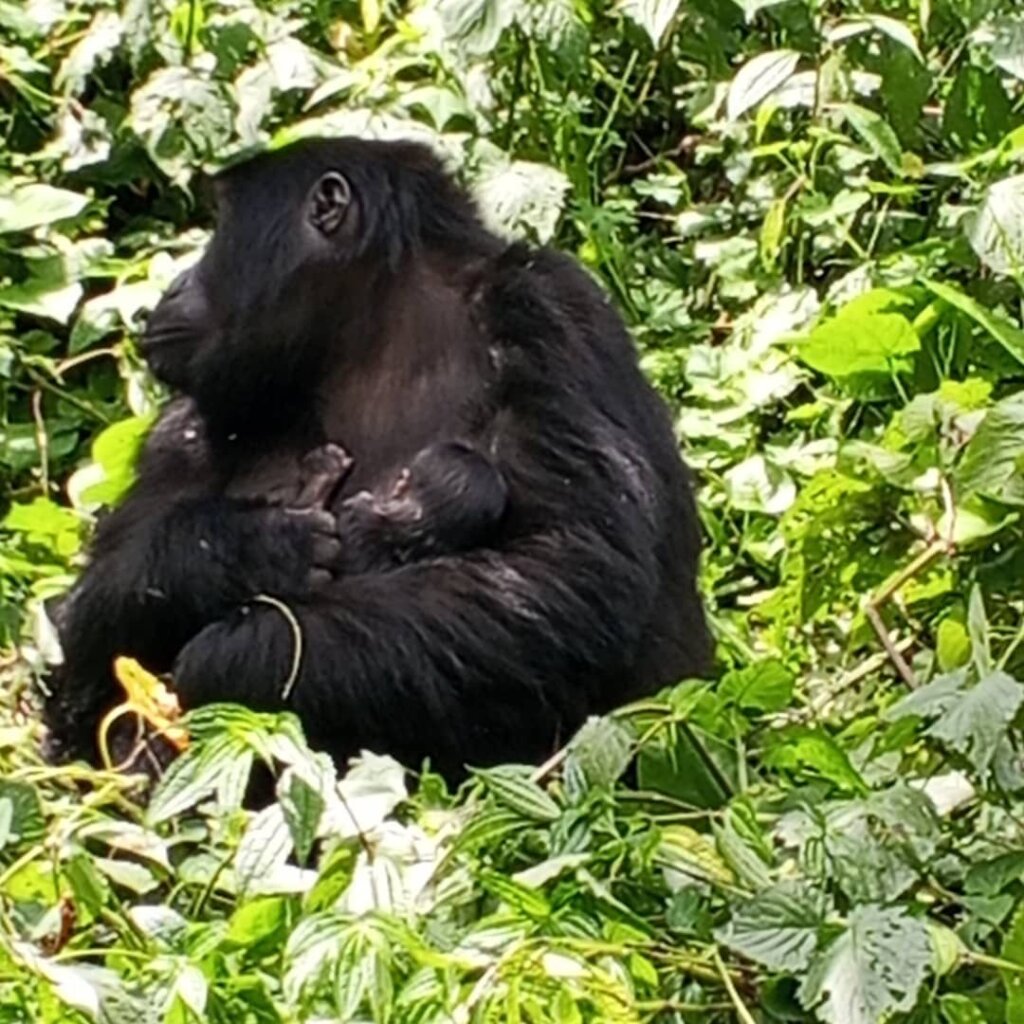
This quarter, we recorded five gorilla births. In August , births were recorded in Mubare, Binyindo, Kyaguriro, Bikyinando and Nkuringo families, followed by one birth in September in the Busigye gorilla family.
Ebola Virus Disease Response
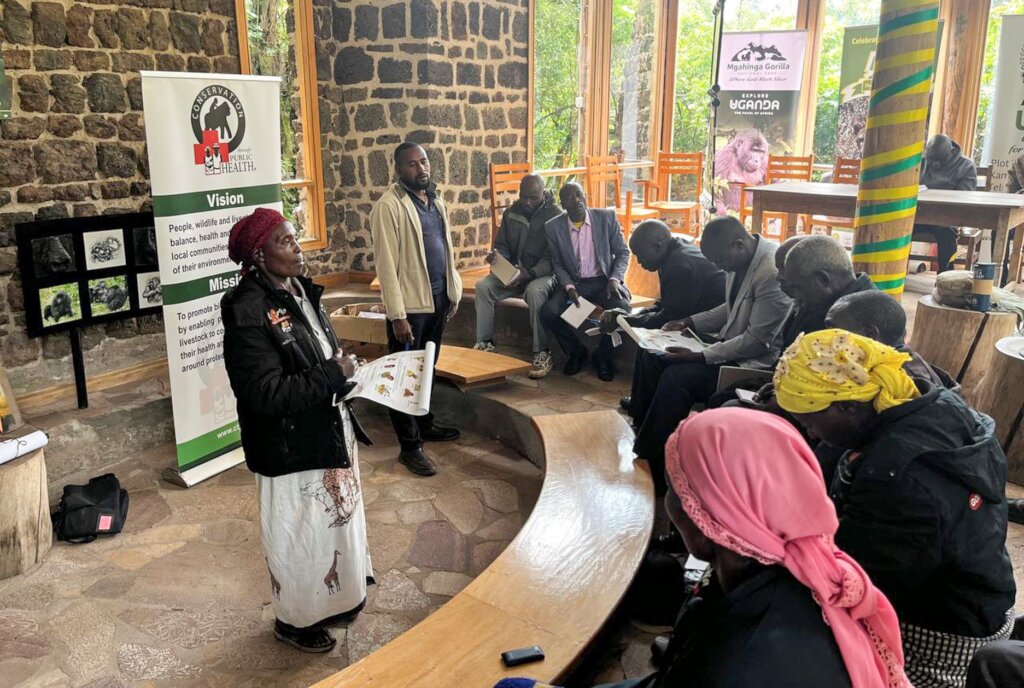
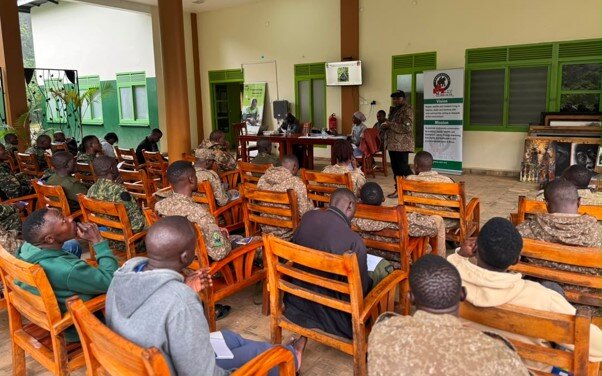
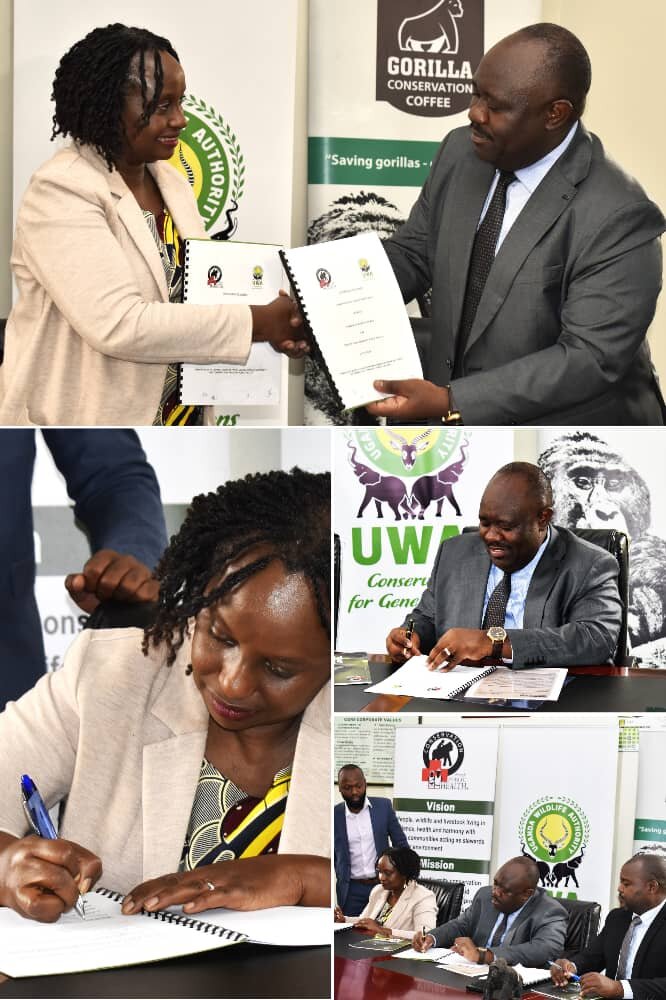
With additional support from Wildlife Conservation Network (WCN), CTPH conducted refresher training for 1,070 frontline workers and community volunteers across the Bwindi-Mgahinga Conservation Area (BMCA) from 15 July to 1 August 2026. Participants included 430 Village Health and Conservation Teams (VHCTs), 410 Uganda Wildlife Authority (UWA) rangers and Special Wildlife Integrated Force for Tourism (SWIFT) staff, 156 Gorilla Guardians/Human-Gorilla Conflict Resolution Teams (HUGOs), and 74 Community Conservation and Animal Health Workers (CCAHWs). The training strengthened Ebola preparedness, prevention, infection prevention and control, early identification, community surveillance and timely reporting, given the risk of Ebola spreading from neighbouring eastern DRC and the potential impact on people, livestock, tourists and mountain gorillas.
The training also reinforced One Health and wider health and conservation skills. VHCTs covered zoonotic disease prevention, surveillance, referral and household health messaging, and were prepared to train others. Rangers refreshed their knowledge of gorilla health monitoring, zoonotic disease risks, gorilla stress, responsible tourism, IUCN great ape viewing guidelines and human rights. HUGOs covered gorilla behaviour and safety, human-gorilla conflict management, disease risks at human-gorilla contact points and data collection. CCAHWs strengthened skills in livestock health, vaccination, disease prevention, early reporting and community education on zoonoses.
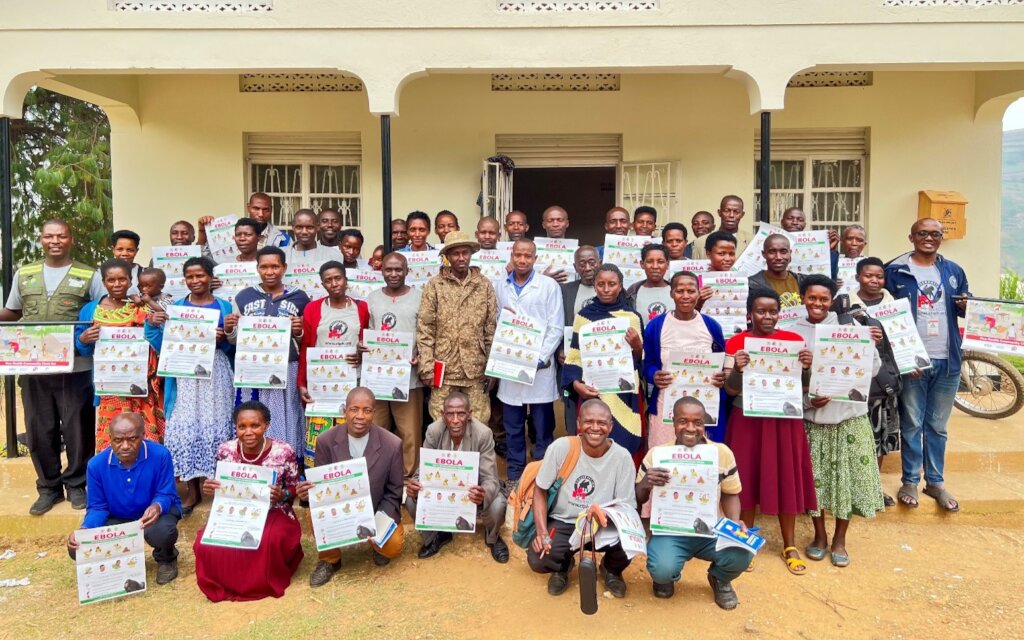
VHCTs are CTPH’s main community outreach structure for household-level behaviour change communication. CTPH currently reaches 10,700 households, representing more than 54,000 people. The trained VHCTs came from Mukono (73), Bujengwe (69), Buremba (42), Mpungu (37), Ngara (38), Muramba (38), Nteko (65) and Rubuguri (68). They received training on Ebola transmission and prevention, infection prevention and control, community surveillance, referral and accurate health messaging. CTPH distributed 600 Ebola posters and 50 One Health training sets to support continued awareness in households, communities and schools. The team paid particular attention to Nteko Parish, where 65 VHCTs support communities with regular family and social links across the DRC border. The activity also included data review and validation and engagement with Local Government health officials.
The 410 rangers and SWIFT staff trained were based in Buhoma (122), Ruhija (79), Rushaaga (72), Nkuringo (55) and Mgahinga (82). The 156 HUGOs trained were based in Buhoma (43), Ruhija (47), Rushaaga (17), Nkuringo (33) and Mgahinga (16). The 74 CCAHWs came from Buhoma (24), Mpungu (23), Rubuguri (13) and Nkuringo (14). The sessions emphasised early reporting, safe practices at human-wildlife contact points and coordinated community action to reduce disease risks. HUGOs were also given Ebola awareness posters and reported continued movement and interaction across communities near the DRC border, including illegal cross-border markets in Nkuringo, reinforcing the need for community awareness and early reporting.
Facilitators from the Ministry of Health and local health facilities emphasised hand hygiene, avoiding unnecessary physical contact and promptly referring suspected Ebola cases to health workers. Participants were advised not to assume every fever is malaria and to consider travel or exposure history when reporting illness. Other messages included avoiding fruit bitten by animals or found on the ground, reporting unexpected deaths to authorities, and maintaining clean surroundings through proper sanitation and waste disposal to reduce risks to people and gorillas.
Participants asked about household exposure, contact tracing, recovery, wildlife contact and access to temperature-checking equipment. Facilitators explained that health authorities would identify and monitor close contacts, provide guidance on precautions and assess suspected cases. Participants were encouraged to avoid unnecessary contact with wild animals and report possible exposure or illness to the relevant authorities. CTPH indicated it would fundraise to obtain a non-contact thermometer for each VHCT.
We sincerely thank you and our partners for your generous support of the Gorilla Guardians of Bwindi project. Your contributions help strengthen gorilla health monitoring, community preparedness and the protection of mountain gorillas. We will continue working with Gorilla Guardians and all stakeholders to promote lasting coexistence between people and gorillas, while protecting the health and well-being of both communities and wildlife.
Links:
By Dr. Gladys Kalema-Zikusoka | Founder and CEO
By Dr. Gladys Kalema-Zikusoka | Founder and CEO
Project reports on GlobalGiving are posted directly to globalgiving.org by Project Leaders as they are completed, generally every 3-4 months. To protect the integrity of these documents, GlobalGiving does not alter them; therefore you may find some language or formatting issues.
If you donate to this project or have donated to this project, you can receive an email when this project posts a report. You can also subscribe for reports without donating.


Support this important cause by creating a personalized fundraising page.
Start a Fundraiser