The editorial cartoon is a comic illustration of Ombudsman Conchita Carpio Morales’ recent (November 6, 2015) order to dismiss from service six Commission on Audit (COA) auditors for grave misconduct for allegedly receiving additional compensation and bonuses from the Local Water Utilities Administration (LWUA) from 2006 to 2010. This action is just one of the president’s thrusts to rid the government of graft and corruption.
Considering the country’s record on graft and corruption, this action is remarkable. The fact is, in the previous government, the ombudsman herself was corrupt! Some turned a blind eye and caught only insignificant government officials. The big fishes were too big to catch.
The 1987 Philippine Constitution created the independent office of the Ombudsman. He is responsible for investigating and prosecuting Philippine government officials accused of crimes, especially graft and corruption. However, the Ombudsman is appointed by the President and therefore, does the bidding of the President!
For the whole of the country, the Ombudsman’s office consists of the Ombudsman, one overall deputy, three deputies from each of the 3 main islands (Luzon, Visayas and Mindanao), a deputy for the Military and Police and one Special Prosecutor. This number is woefully small for an investigating and prosecuting body in a country with 234 congressional districts!
Another limitation of the Ombudsman’s office is the Supreme Courts power to reverse its orders for dismissal of an official who is being investigated for corruption. The justices could provide the check and balance in democratic society, unfortunately, even the justices of the Supreme Court, are accused of corruption and partiality!
There certainly have been changes towards good governance in the Philippines. However, impunity by the rich, powerful and well connected government officials still prevails because law enforcement mainly depends on a flawed judicial system. There is no wonder why the government, despite the good intentions of some leaders, is still grappling with corruption.
What then is the solution to the country’s problem of law enforcement?
- The answer is the creation of a GRAND and TRIAL JURY SYSTEM which is opposite to the current Single-Judge System.
Since the present administration is apparently making strides towards a clean and just government and has improved the country’s economic-rating compared to some countries_ why then, is there still a need to switch to a Jury System?
- Simply because, the reforms are dependent on who the leaders and what their intentions are. Filipinos had been disappointed time and again for decades by traditional politicians who promised to end corruption but themselves became the bigger plunderer than their predecessor. Our political system breeds corrupt leaders who are aided by a weak and dysfunctional judicial system.
What are the features of the Jury System that is proposed by the National Jury Law written by Atty. Marlowe Camello (a Filipino-American Bar-Member of the state of California and the Philippines).
- First and foremost is the primal role of the people in the running of its government and in the administration of equal justice to all _ whether rich or poor, public or private_ individual or entity. They remain the masters and not the slaves of their elected leaders.
- Through the grand jury, all serious criminal and civil cases will be secretly investigated by 23 highly educated Filipinos chosen by lottery for every 120,000 citizens. They will decide on the existence of a probable cause in criminal offenses; their decision is final. The suspect is then charged in the Regional Court. Any official from the executive, legislative and judiciary who interferes with the process or decision will be charged with obstruction of justice.
- Through the trial jury, the guilt or innocence of the accused is deliberated and decided by 12 Filipinos of average intelligence who are also chosen from the citizenry by lottery. Their decision is final. As in the grand jury, any one interfering with the decision-making will be charged with obstruction of justice.
Only a Jury System as opposed to the Single-Judge System will cure the ills of the Filipino society. It will have a profound effect on their culture and will lead towards a righteous and just Philippines.
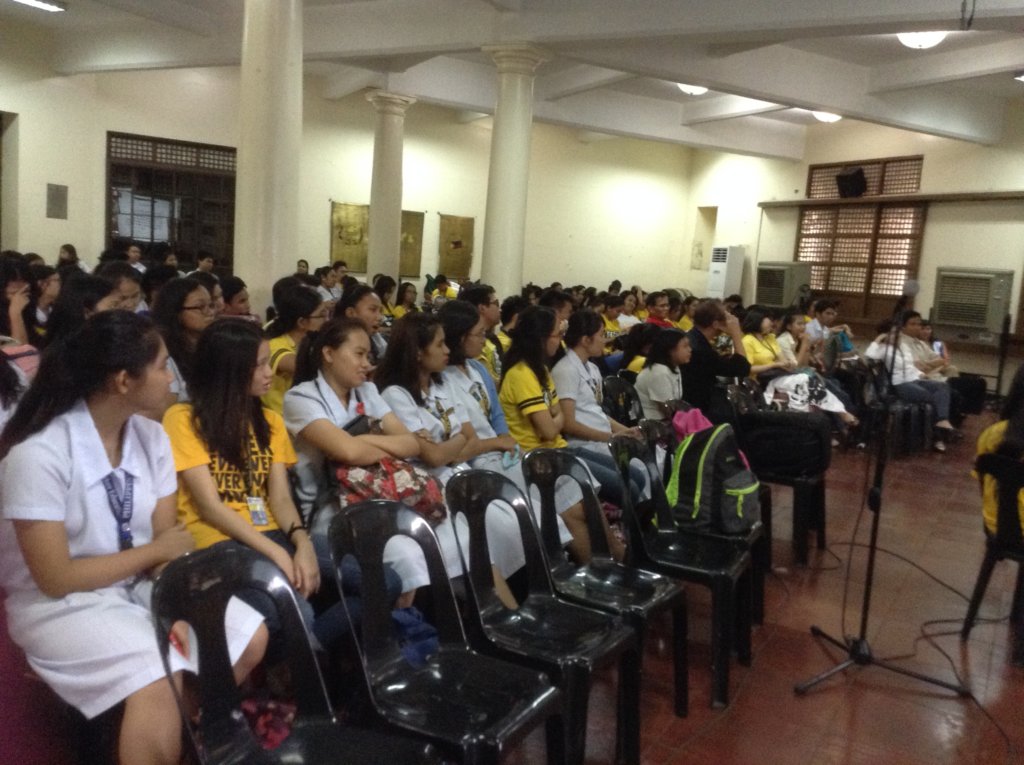
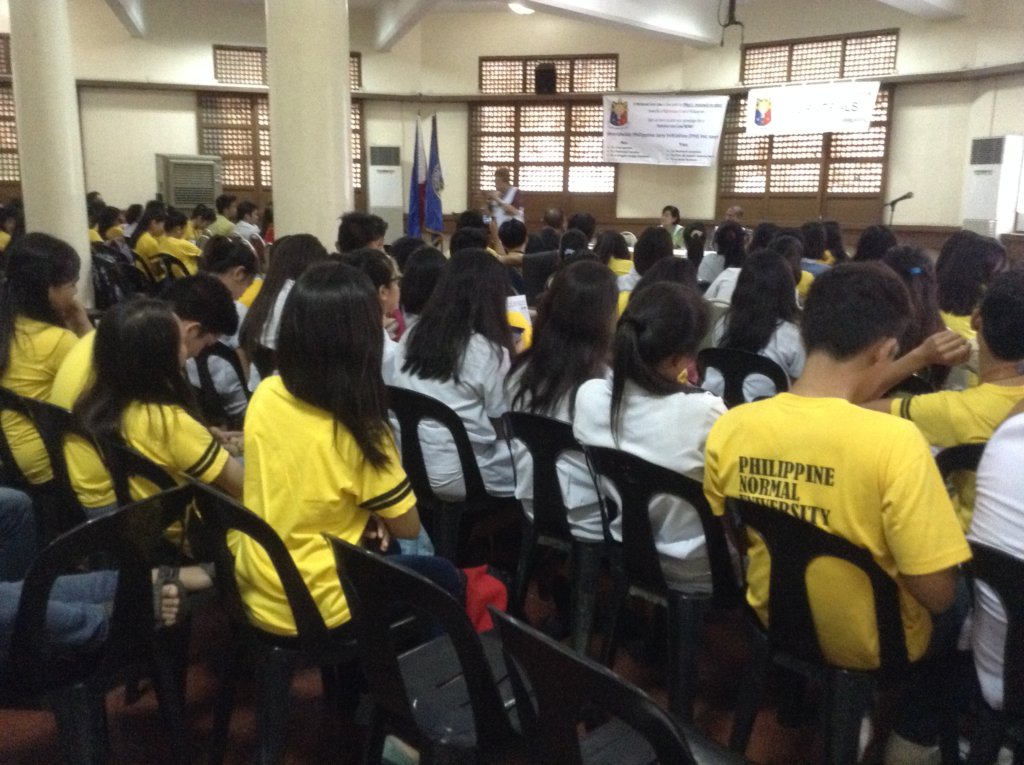
We are appealing to all our supporters and to patriotic-overseas Filipinos who are residing and/or working in other countries. You will be contributing towards the teaching of the jury system in state and private universities/colleges throughout the country. This endeavour will commence in January to coincide with the forthcoming national election in May 2016. The knowledge that the students gain from your contributions will help them to support politicians who have sympathy with our struggle.
Attachments:
![Share on Twitter]()
![Share on Facebook]()