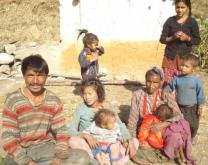
Nepal is one of the least developed countries in the world and 1/3 of the population - mostly from rural areas - live in absolute poverty with limited access to basic amenities or schooling. Girl children are often denied schooling (63% literacy for boys and only 35% for girls). Programs focusing on rural girls will build a foundation to improve women's lives in rural Jumla - a remote rural district recovering from the 10 year civil war. Teaching girls basic literacy will lead them to education.
In Nepal, Jumla, in Karnali is the very last in Human Development Index. Its citizens have very short life expectancy; 37 - 46 years. Female literacy is only 10% where as national figure 34%. The school drop-out rate and repetition rate is also very high (8-20%) due to poor quality of education and strong bias against girl children. Sexual and gender-based violence is very high. Empowering girl children can break this chain of violence and give girl children a chance to improve their lives.
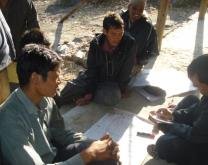
This project will focus on girl children in Jumla and teach them the very basics of literacy, writing their name. By providing focus on girls children, AWON volunteers will also work with their parents to understand the importance of education and investing in their girl children. The literacy classes will also offer basic human rights education on the new constitution in Nepal and the rights of children and women in this neglected, rural, post-conflict area of Nepal.
2/3 of the world's uneducated children are girls, and 2/3 of the world's illiterate adults are women. Numerous studies have demonstrated that educating women and girls is the single most effective strategy to ensure the well-being and health of children including reducing childhood and maternal mortality, improve child nutrition and health, lower birth rates, and increase women's political and economic participation.