Grow hope for 150 Cameroon schoolkids

by Cameroon Association of Active Youths
Grow hope for 150 Cameroon schoolkids

Project Report | Dec 23, 2014
Capacity Building Workshop

By Patrick Chung | Project Leader

Bucket irrigation
Bucket irrigation

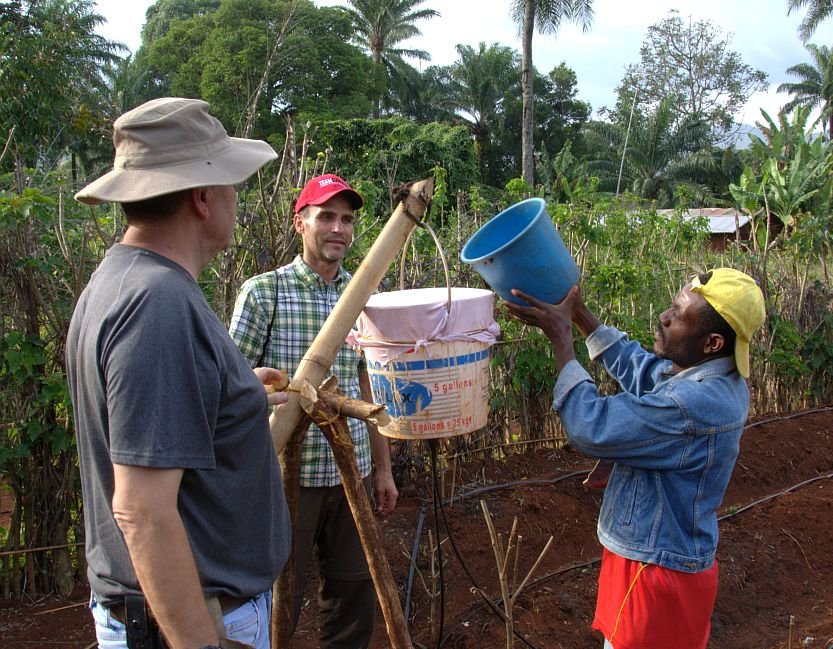
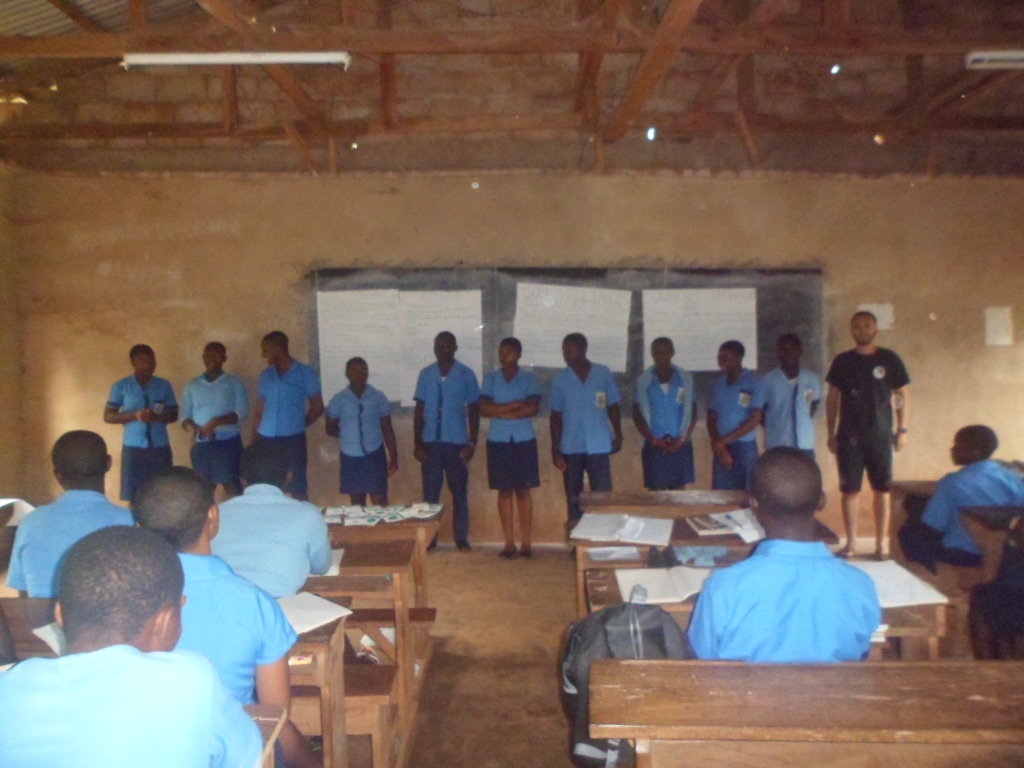
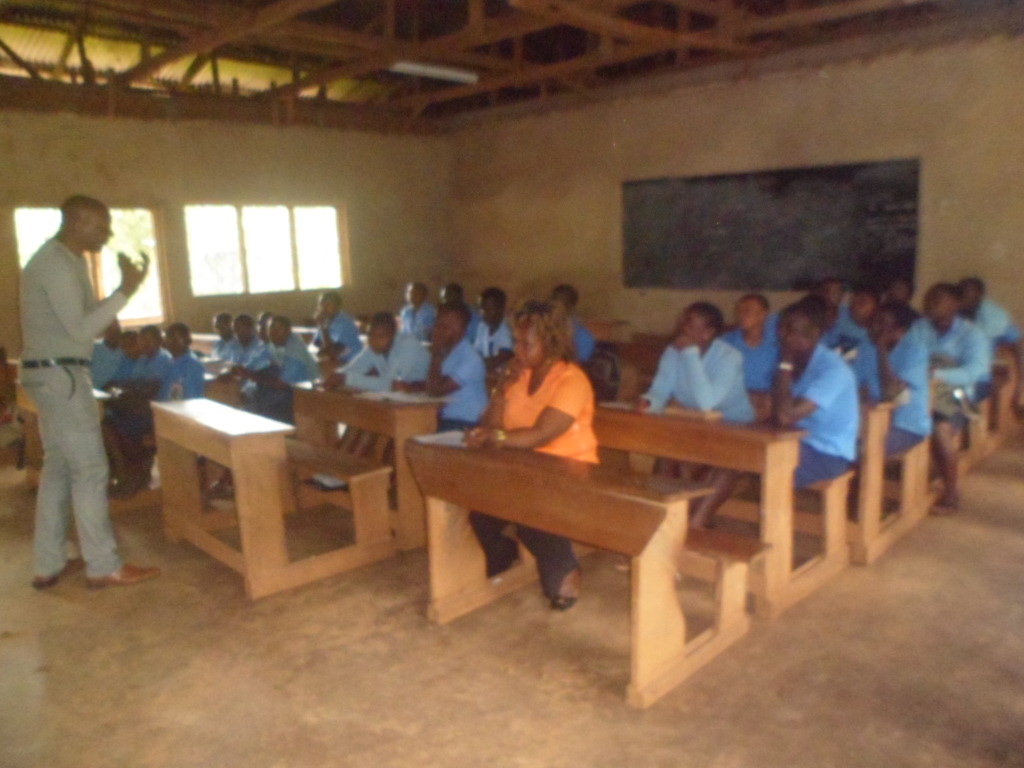
CAMAAY participated in a two days capacity building workshop organized by WATER FOR CAMEROON in Ndop on how to use bucket kits for small gardens;  composting; the importance of the moringa tree as an organic manure; and how to use bio-sand filters.

Bucket kits for gardening

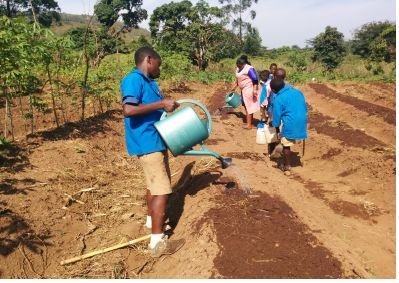
The bucket kit is a simple drip irrigation system designed for vegetable gardens in periods where there is less rain. The bucket kit has all the parts to make an irrigation system using an ordinary bucket. The kit may be adapted for 2, 4 or 6 row garden. This irrigation system works by gravity. When a 20 litres (5 gallon) bucket of water is raised one meter (3.3 feet) above the ground (measured from the bucket) sufficient pressure is generated to force the water from the bucket through the irrigation tap on the ground. Tubes connect through the bottom of the bucket to the irrigation tap. Water drips rom the tap into the soil and provide enough moisture for a vegetable garden to feed a family of three or four.

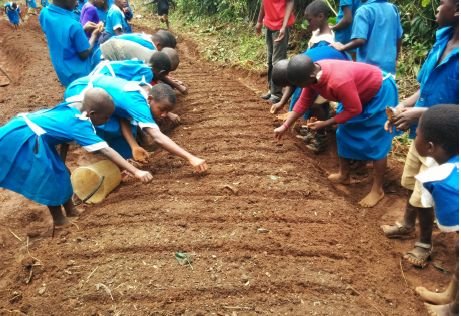
Demonstrations on how to set up the kit were done by participants in a group of four. At the end of the training, we purchased 8 of these kits which we shall use in our gardens.

Composting

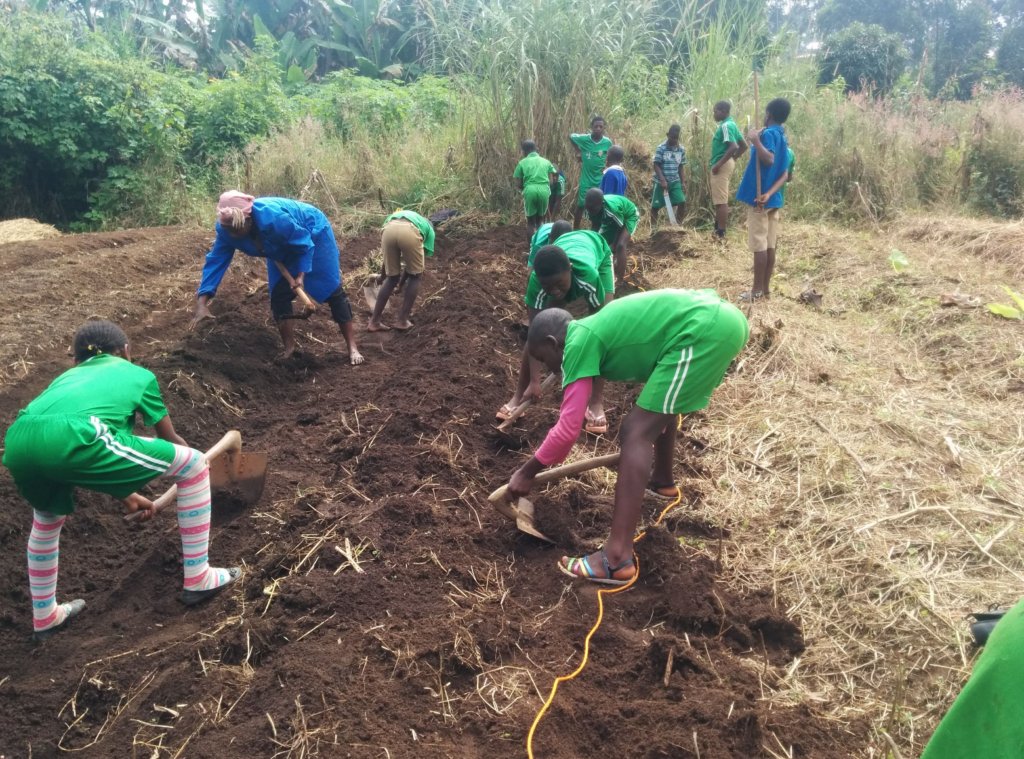
Composting is an essential element of organic, sustainable farming, so we were eager to learn more about it. 

We learned that hot composting can:

  • improve water retention,
  • balance Ph,
  • improve soil structure,
  • kill most weed seeds,
  • building healthy populations of beneficial soil micro-organisms,
  • and provide timed release of nutrients.


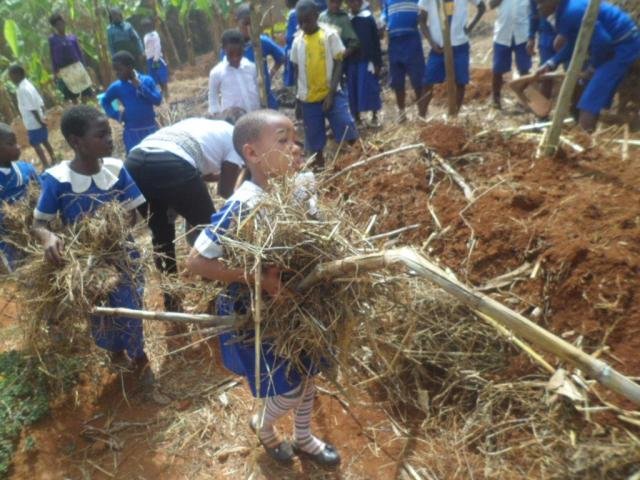
Participants also received lessons on the different types of composting materials, building a compost pile, pile size, location of the pile, using compost and troubleshooting

Participants contructed a compost pile under the supervision of the facilitator.

Moringa oleifera, a multi-purpose tree

A brief presentation was made on moringa oleifera, a multi-purpose tree by one of the facilitators. Discussions focused on what is moringa oleifera, how it grows, and its many uses, including water purification, organic manure, animal fodder,and human nutrition. Grown plants and seeds were presented to participants that they were encouraged to grow for local useand for commercial purposes.

A free sample of moringa powder and a gift card explaining its benefits and uses is available for a $50 donation.

Bio-sand filters

The workshop ended with a presentation on the bio-sand filter (BSF) as an effective means of water purification. 

The BSF works the same way as traditional slow sand filters, which have been used for centuries. The filter housing is simply a concrete container, with layers of sand and gravel inside. A bio layer at the top part of the filter iswhere the bad water poured into the filter is cleaned.
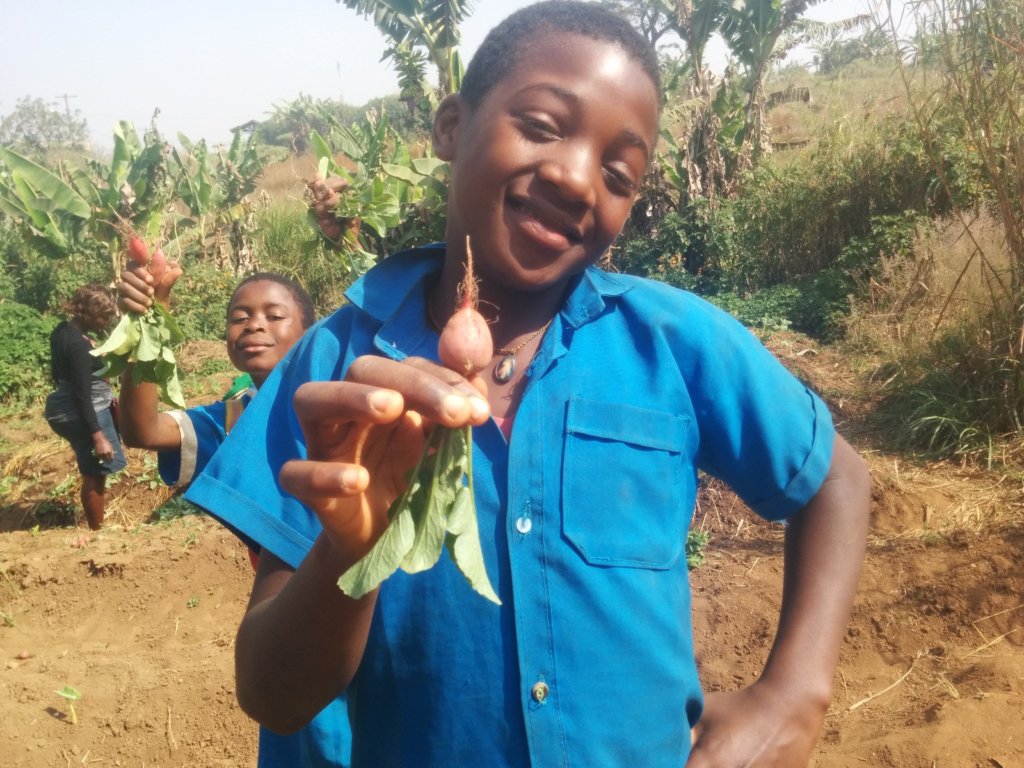
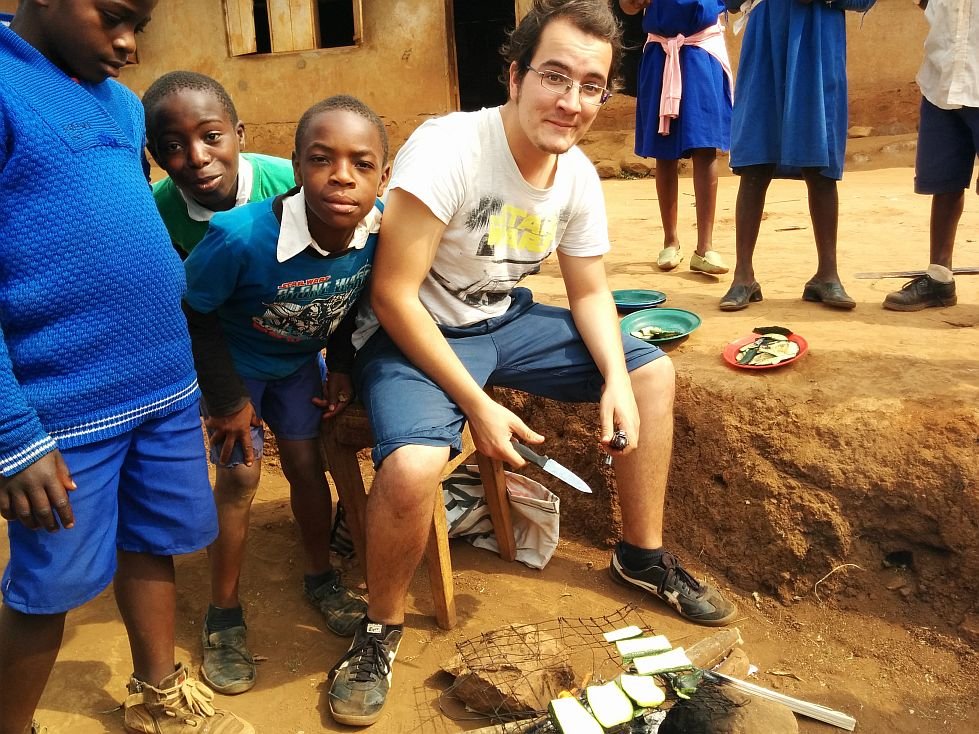
We left grateful to the workshop organizers for the great information received and eager to use it in our school gardens.
The BSF will remove more than 99.9% of parasites and over 97% of E.coli bacteria and nearly all suspended sediments, eliminating most disease-causing pathologens.  One filter will treat enough water for drinking, cooking, and personal hygiene purposes for a typical family. The cost in NW Cameroon is approximately $30.
Share on Twitter Share on Facebook

Dec 23, 2014
The Moringa Miracle

By Jill Hinckley | US Representative

Dec 15, 2014
Off and running

By Patrick Chung | Project Leader

About Project Reports

Project reports on GlobalGiving are posted directly to globalgiving.org by Project Leaders as they are completed, generally every 3-4 months. To protect the integrity of these documents, GlobalGiving does not alter them; therefore you may find some language or formatting issues.

If you donate to this project or have donated to this project, you can receive an email when this project posts a report. You can also subscribe for reports without donating.

Sign up for updates

Organization Information

Cameroon Association of Active Youths

Location: Bamenda, Northwest Cameroon - Cameroon
Website:
Facebook: Facebook Page
Cameroon Association of Active Youths
Patrick Chung
Project Leader:
Patrick Chung
Bamenda , north-west region Cameroon

Retired Project!

This project is no longer accepting donations.
 

Still want to help?

Find another project in Cameroon or in Education that needs your help.
Find a Project

Learn more about GlobalGiving

Teenage Science Students
Vetting +
Due Diligence

Snorkeler
Our
Impact

Woman Holding a Gift Card
Give
Gift Cards

Young Girl with a Bicycle
GlobalGiving
Guarantee

Get incredible stories, promotions, and matching offers in your inbox

WARNING: Javascript is currently disabled or is not available in your browser. GlobalGiving makes extensive use of Javascript and will not function properly with Javascript disabled. Please enable Javascript and refresh this page.