Family Wellbeing Centre Progress Report
February – May 2026
Introduction
Family Wellbeing Centre (FWC) is committed to improving the wellbeing of children, families, and communities by preventing alcohol, tobacco, and other drug (ATOD) use through a Social and Behaviour Change (SBC) approach. Our work focuses on addressing the root causes and determinant factors of substance use at the grassroots level while strengthening protective factors that contribute to healthier, safer, and more resilient communities.
During the period from February to May 2026, FWC implemented a range of community-based interventions, awareness programmes, child-focused initiatives, and advocacy campaigns across several districts in Sri Lanka.
These activities contributed to strengthening child protection systems, promoting healthy lifestyles, empowering young people, and encouraging community action towards a drug-free society.
1. Strengthening Child clubs
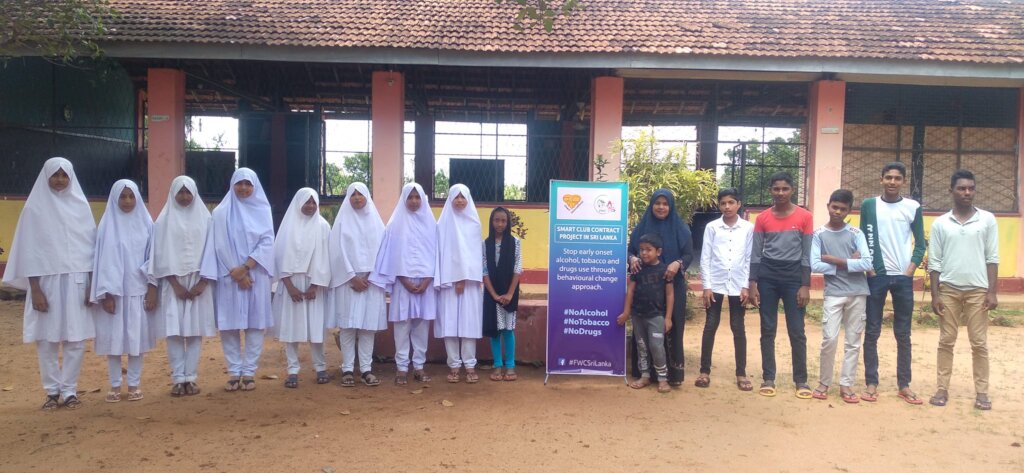
One of the key achievements during this reporting period was the establishment and strengthening of 25 Child Clubs in selected schools. These clubs were created to promote child participation, leadership, and child protection while fostering environments free from alcohol, tobacco, and other substance use.
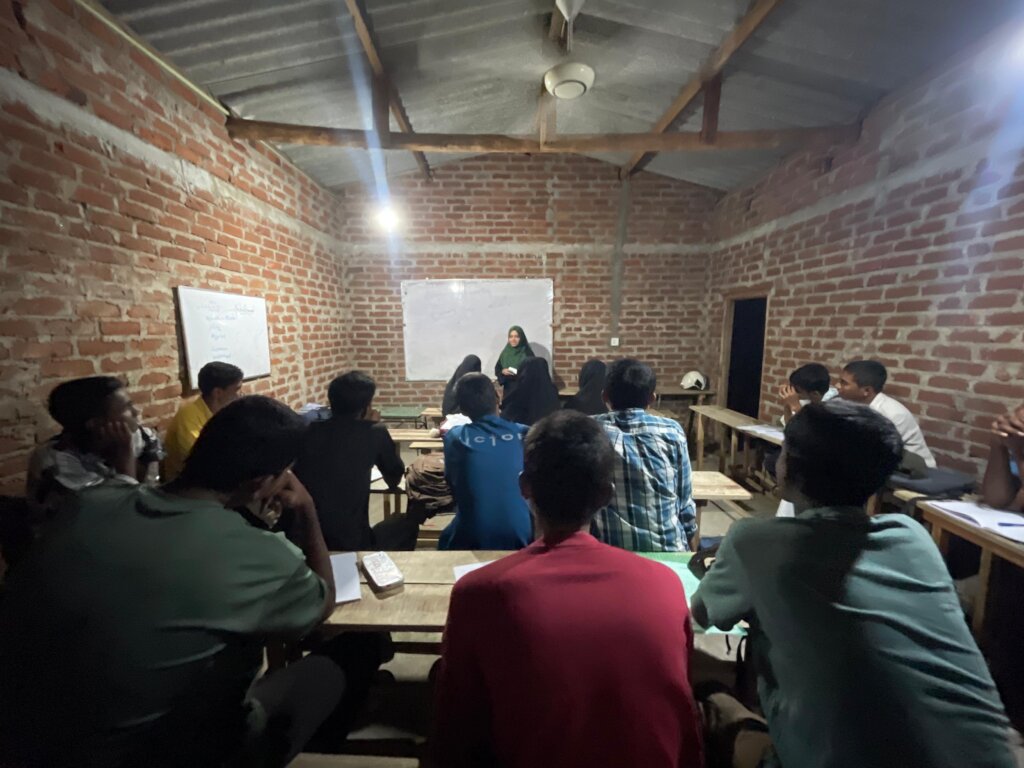
In February 2026, 5 Child Clubs were successfully formed in Mannar District with the participation of 118 students, including 51 girls and 67 boys. 6 clubs were formed in Trincomalee District with the participation of 97 students including 43 girls and 54 boys. 5 child clubs were formed with the participation 78 students, including 35 girls and 43 boys in Polonnaruwa District. In Anuradhapura District, 9 children clubs were formed with the participation of 186 students, including 81 girls and 105 boys. Formation and orientation sessions introduced children to their roles as peer leaders and positive change agents within their schools and communities. Through these clubs, children gained opportunities to discuss protection issues, promote healthy behaviours, and contribute to creating safer school environments.
2. Awareness Raising on Prevention of Substance Use
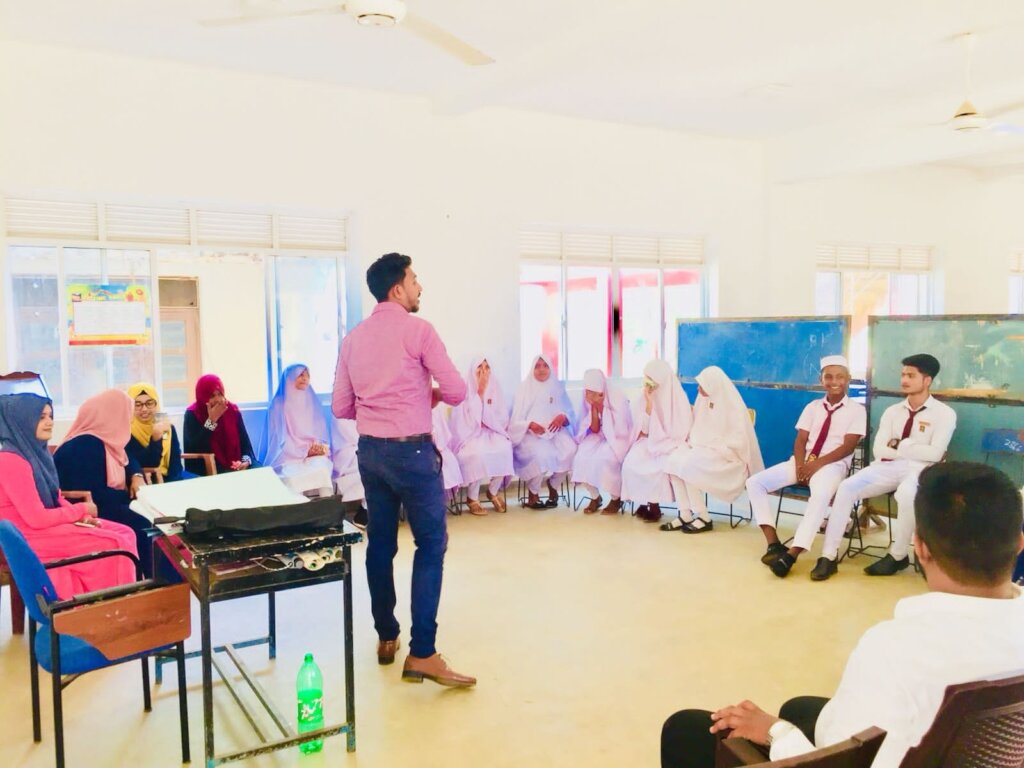
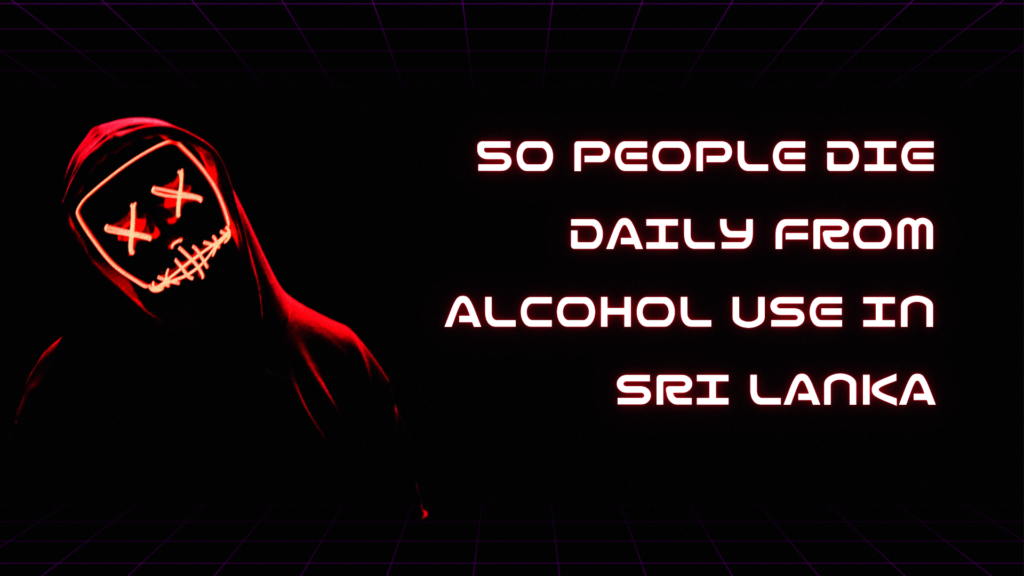
FWC conducted awareness sessions targeting children, youth, parents, and community members on the prevention of alcohol, tobacco, and other substance use. These sessions focused on increasing knowledge about the health, social, educational, and economic consequences of substance use while promoting positive alternatives and healthy lifestyle choices.
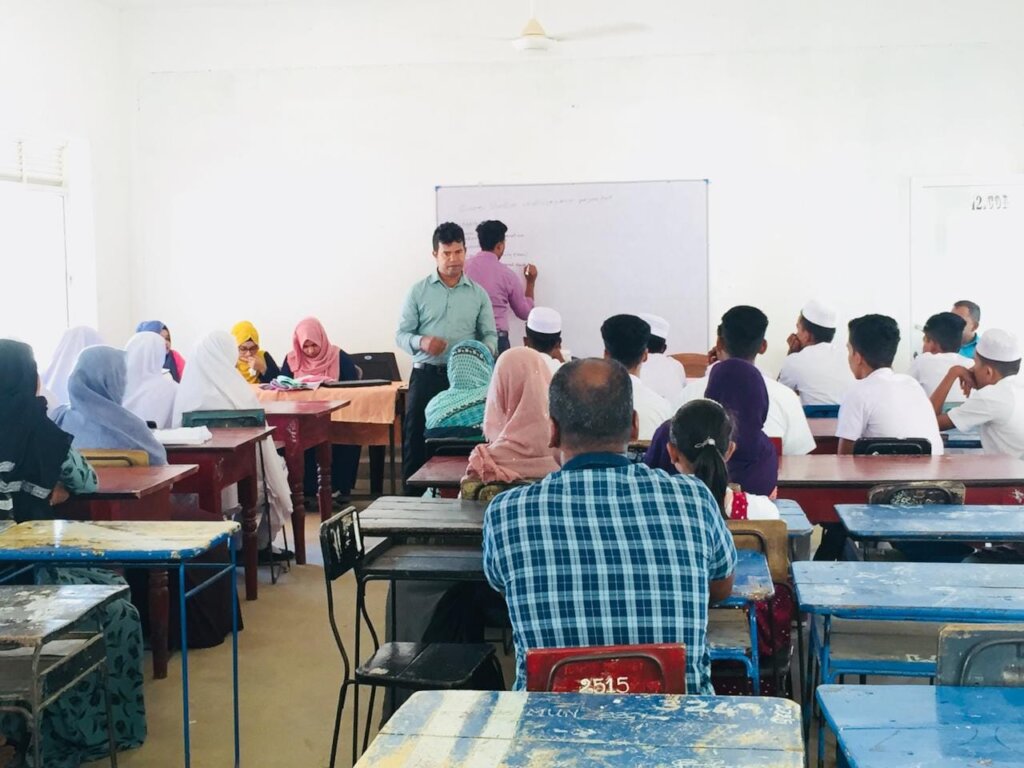
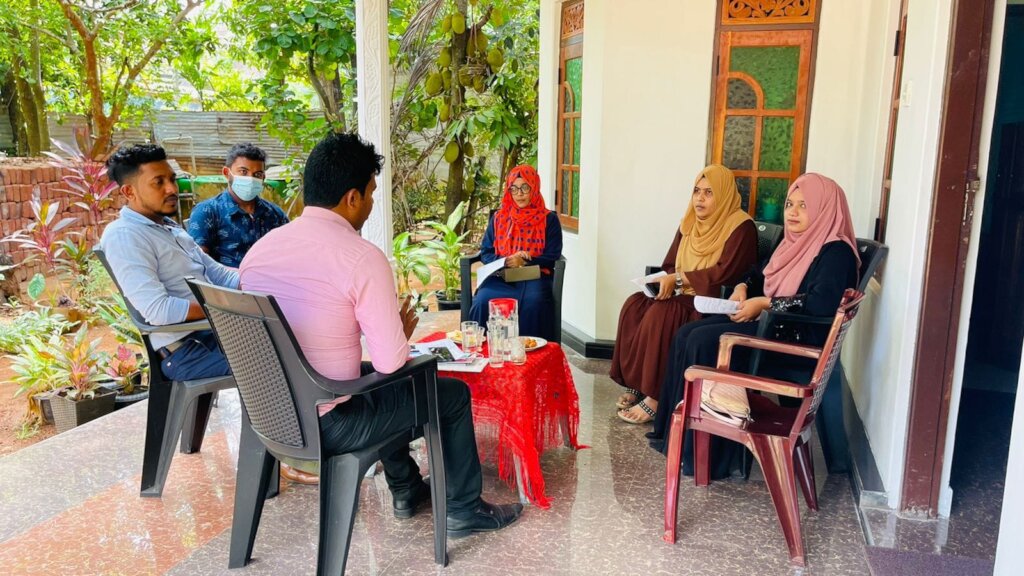
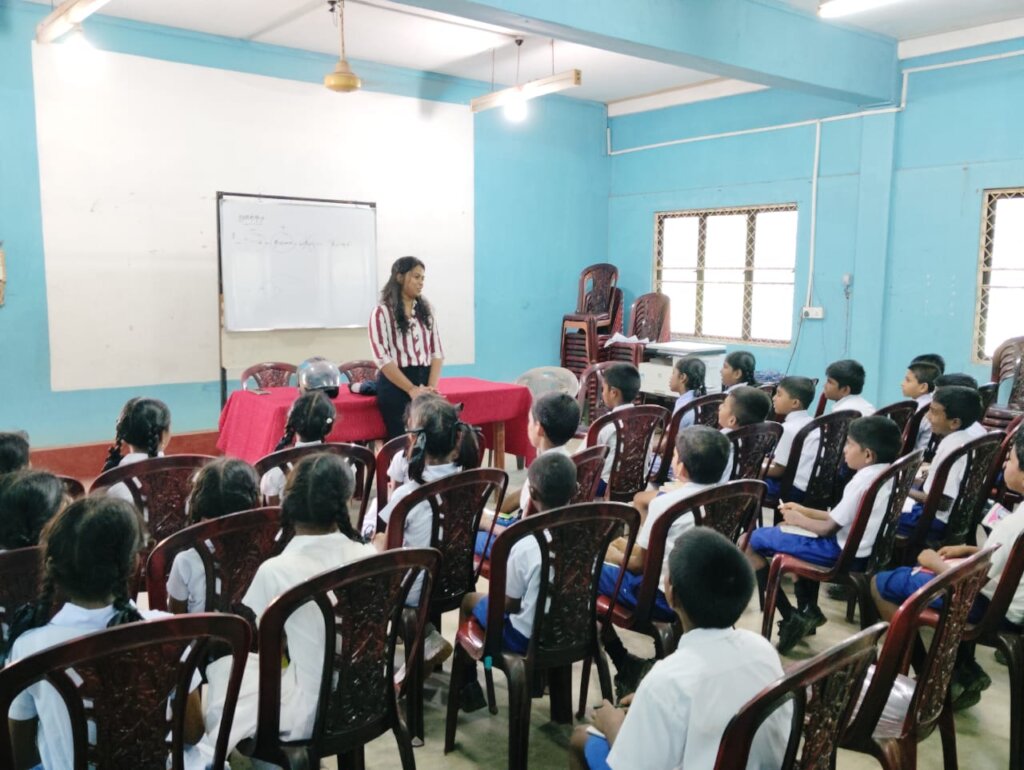
On 19 February 2026, an awareness session was conducted in Mannar District involving 113 children, in Trincomalee District involving 87 children, in Polonnaruwa District involving 65 children, in Anuradhapura District involving 107 children. Participants learned about the harmful effects of alcohol, tobacco, and other drugs and explored practical strategies for resisting peer pressure and making informed decisions. local residents actively engaged in discussions addressing the root causes of substance use and the importance of collective community action. Through participatory learning methods, community members strengthened their understanding of prevention approaches and became advocates for healthier communities.
3. Life Skills Development for Children
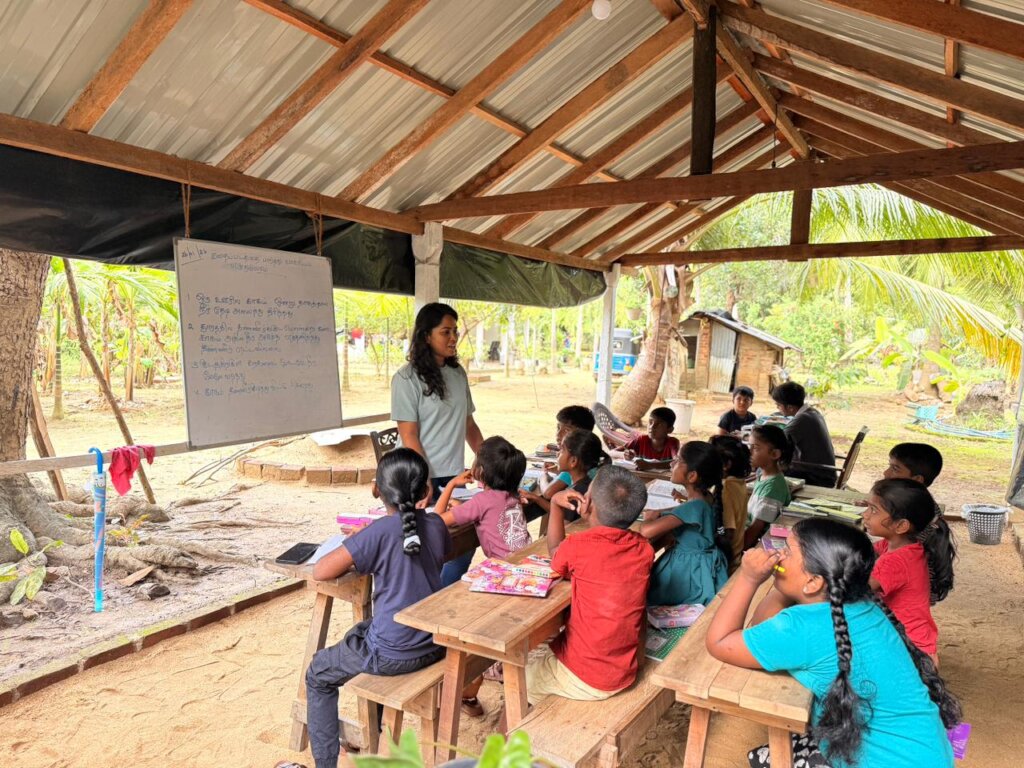
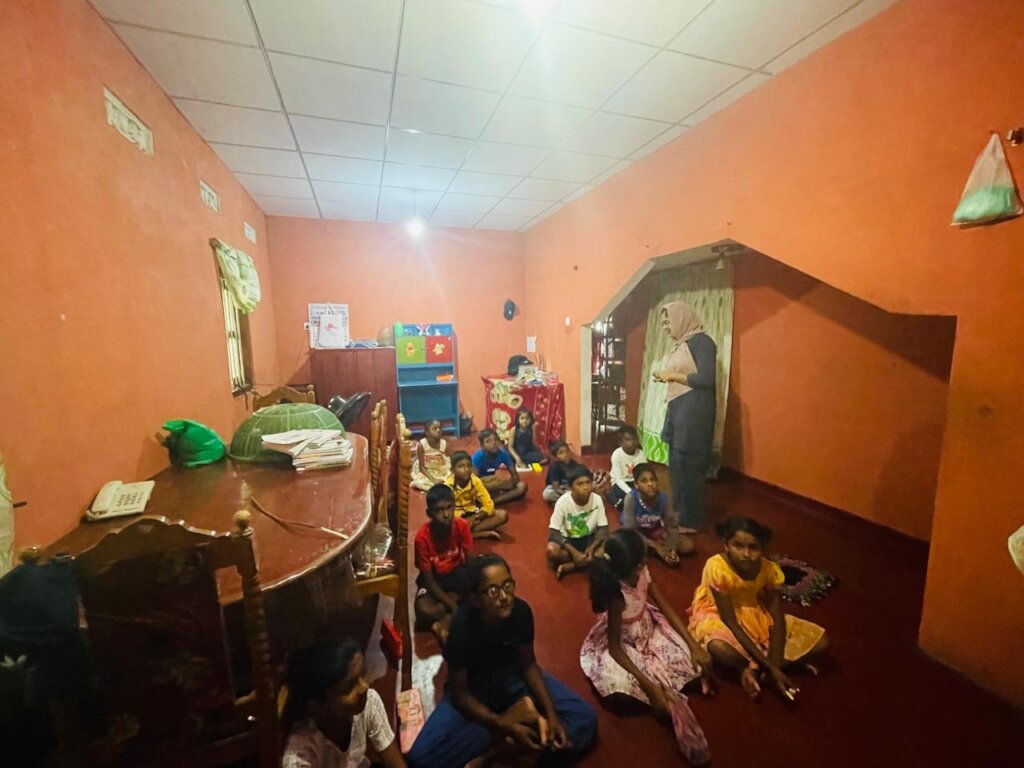
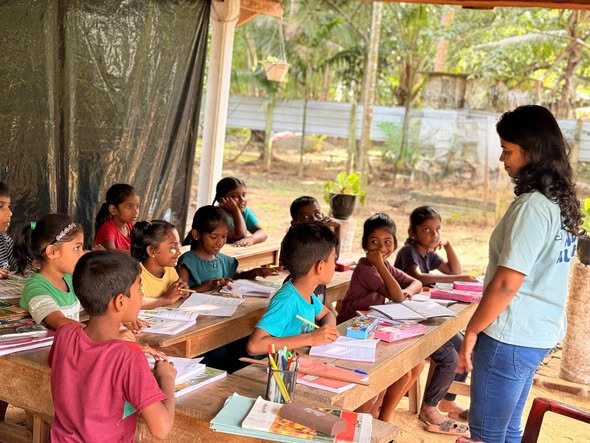
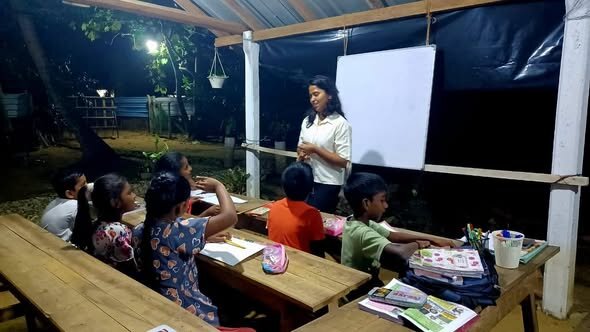
Recognising that prevention requires more than awareness alone, FWC continued to strengthen protective factors among children through life skills education. Life Skills Training programmes were conducted in 15 Child Clubs, focusing on self-awareness, self-management, decision-making, communication, and resilience.
These sessions equipped children with practical skills to navigate challenges, manage emotions, build confidence, and make responsible choices. By improving personal and social competencies, the programme contributed to reducing vulnerability to substance use and other risk behaviours.
4. Health Promotion and Nutrition Education
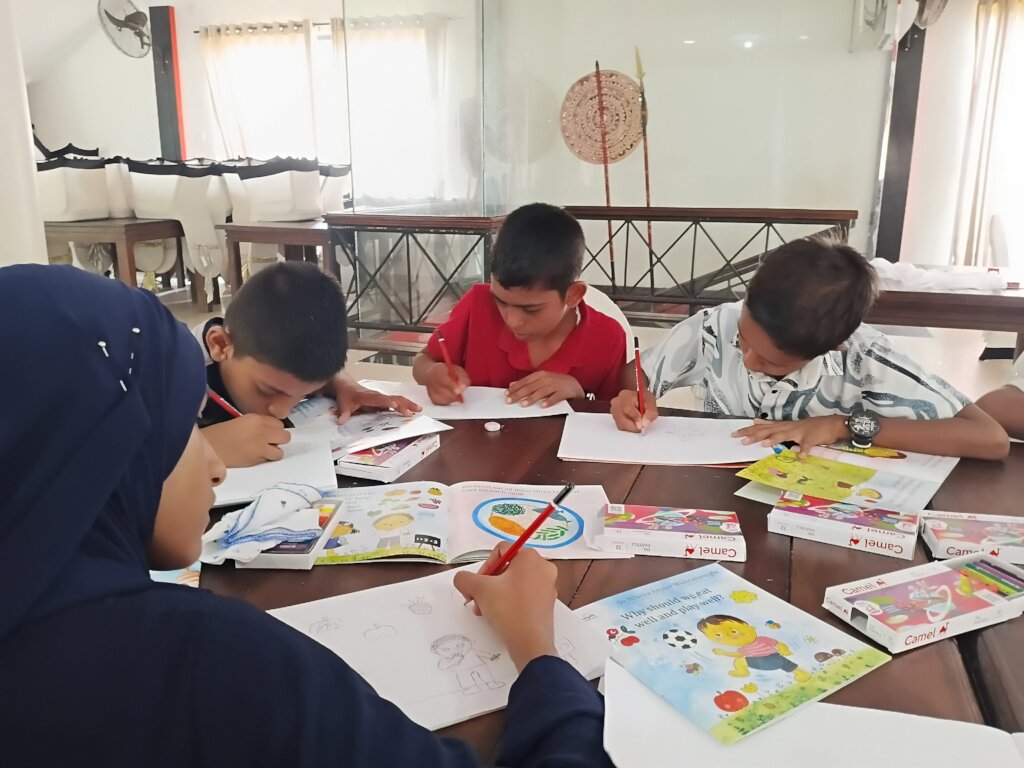
FWC expanded its wellbeing promotion activities by integrating health education into school-based programmes. An awareness session on food safety, nutrition, healthy eating habits, and drug-free lifestyles were conducted at Trincomalee, Anuradhapura, Mannar Districts.
Students actively participated in discussions and interactive activities that enhanced their understanding of balanced nutrition, safe food practices, and the relationship between healthy lifestyles and overall wellbeing. The programme encouraged students to adopt positive behaviours that support both physical and mental health.
5. Child Protection Advocacy and Prevention of Abuse
During this reporting period, FWC strengthened its advocacy efforts on child protection through public awareness campaigns and community engagement initiatives. The organisation promoted the message “Children Matter – Unite Against Abuse,” highlighting the importance of preventing physical abuse, emotional violence, sexual exploitation, neglect, cyberbullying, and domestic violence affecting children.
Through SBC approach, FWC encouraged families, schools, community leaders, and service providers to challenge harmful norms, strengthen reporting mechanisms, and create safe environments where children can thrive. Awareness activities also promoted positive parenting, emotional support, child participation, and child safeguarding practices.
6. Media Outreach and Public Awareness Campaigns
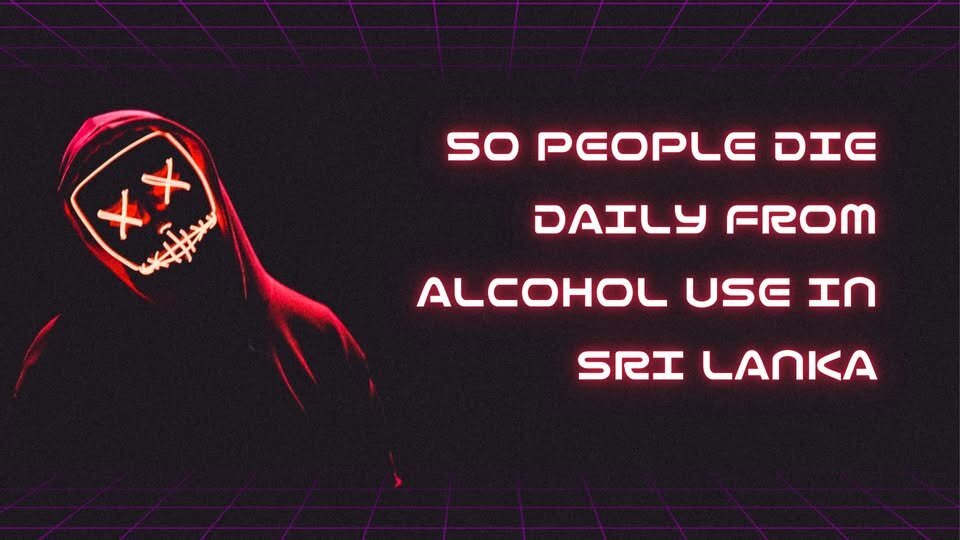
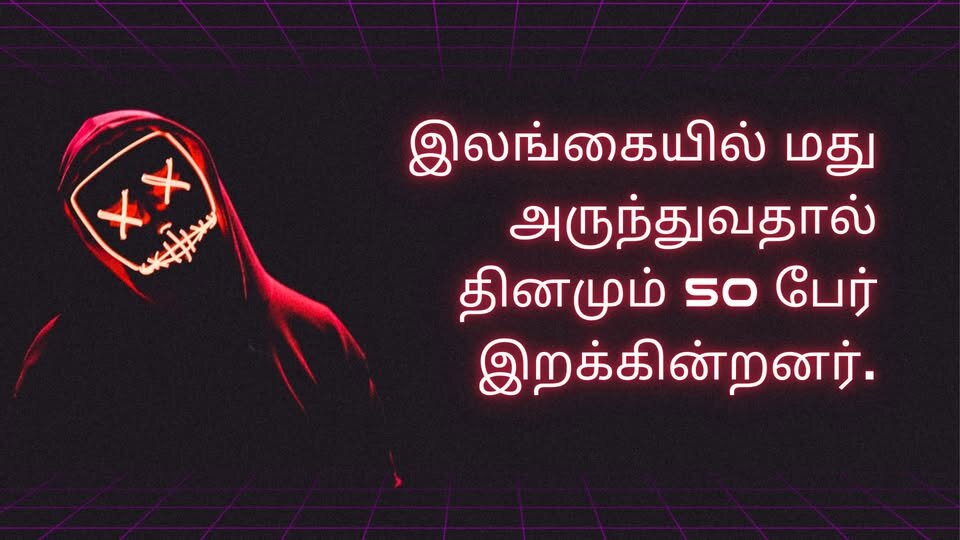
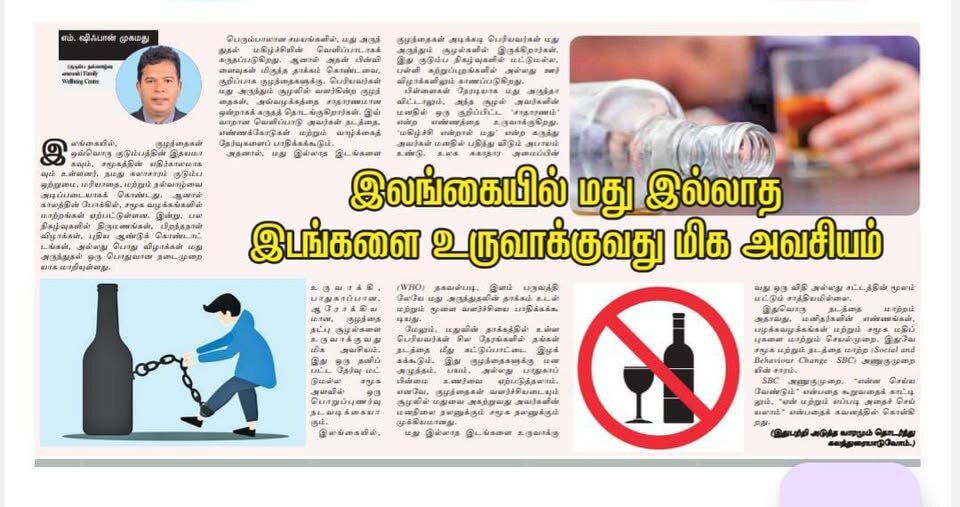
FWC continued to utilize social media and public communication platforms to promote evidence-based prevention messages and strengthen public awareness. Information materials, awareness messages, and advocacy campaigns reached a wider audience, addressing topics such as child rights, substance use prevention, alcohol-free celebrations, healthy lifestyles, and positive social norms.
Special campaigns were conducted during the Sinhala and Tamil New Year period to promote alcohol-free celebrations and encourage families and communities to embrace healthy and meaningful traditions. These campaigns reinforced messages that happiness, connection, and wellbeing can be achieved without reliance on alcohol.
7. World No Tobacco Day 2026
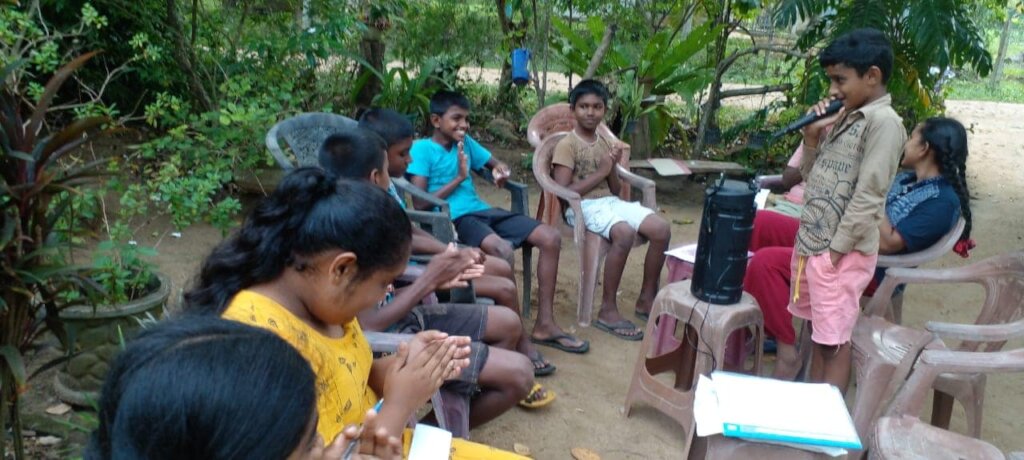
On 31 May 2026, FWC commemorated World No Tobacco Day through an educational campaign aimed at increasing awareness about the harmful effects of tobacco and nicotine use. The programme engaged youth, parents, teachers, community members, and local stakeholders through awareness sessions, group discussions, storytelling, and participatory learning activities.
The campaign addressed misconceptions about tobacco use, strengthened refusal skills, and promoted supportive social norms that discourage tobacco consumption. Participants were encouraged to become advocates for tobacco prevention and contribute to building tobacco-free communities.
Conclusion
Between February and May 2026, Family Wellbeing Centre successfully implemented a range of evidence-based interventions that strengthened child protection systems, promoted healthy lifestyles, enhanced life skills, and advanced substance use prevention efforts across multiple districts in Sri Lanka. Through community engagement, education, advocacy, and social and behaviour change approaches, FWC continues to contribute towards its vision of creating healthier families, empowered communities, and a drug-free society in Sri Lanka.
![Share on Twitter]()
![Share on Facebook]()