By Oxfam Staff Writer | Staff Writer
When the Arab Spring swept through the region in 2011, the government of President Bashar Al-Assad was targeted by citizens for reform. But when demonstrators were met with force, the movement quickly evolved into a full-scale uprising.
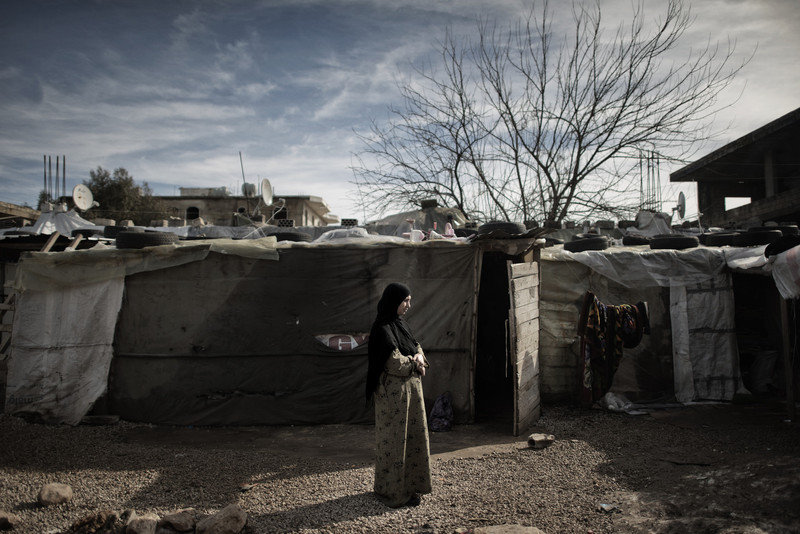
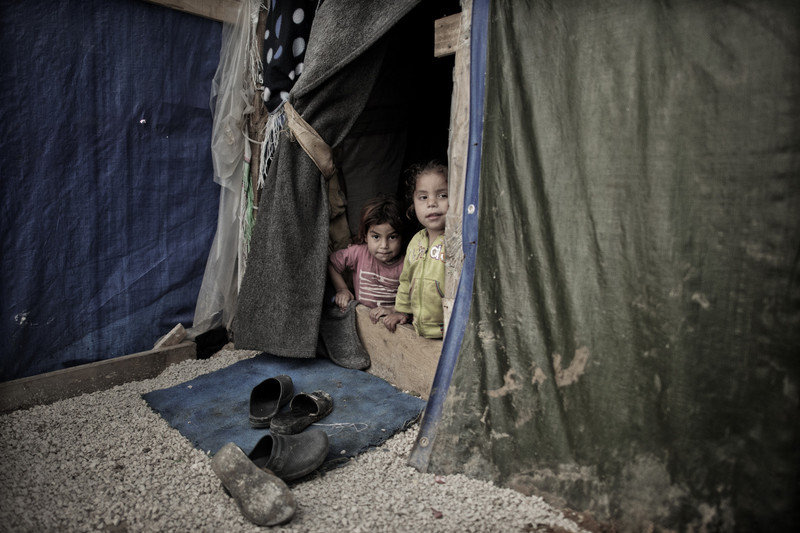
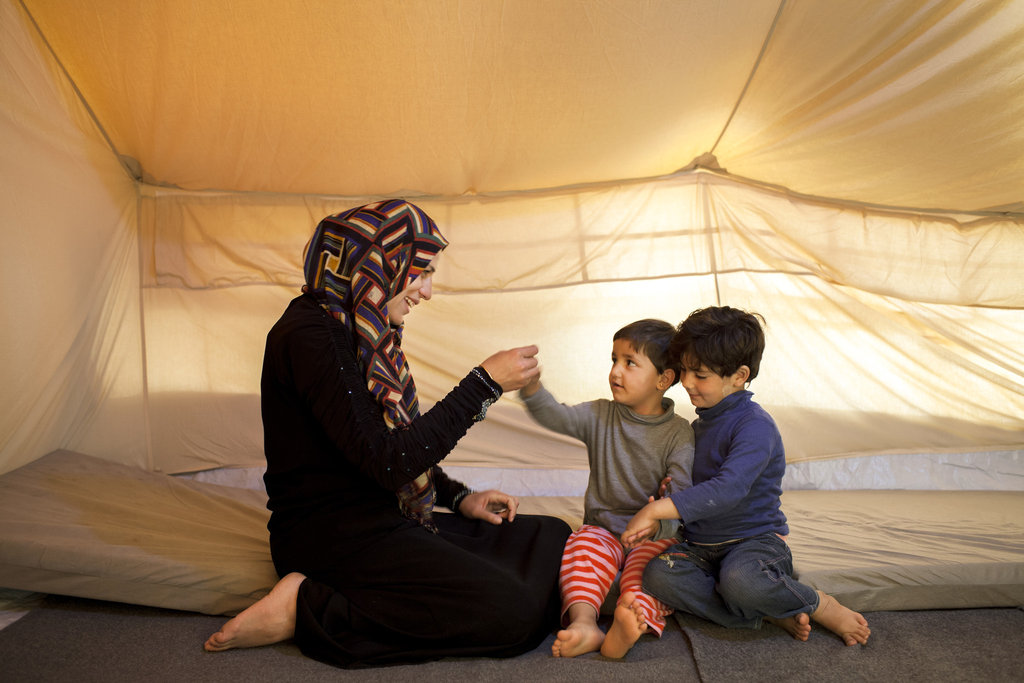
The country has since been ravaged by armed conflict between the Syrian army and pro-government paramilitary forces and an array of rebel groups. The UN estimates that more than 191,000 people have died. More than 3 million others, half of whom are children, have fled to neighboring countries. Inside Syria, the number of people in need is now estimated at 10.8 million—almost half of the country’s total population of 22 million.
Oxfam has helped nearly 1.5 million people. But as this crisis continues to intensify, aid agencies and regional governments are struggling to cope with the massive numbers of Syrians in need of vital humanitarian assistance. Oxfam is calling on parties to the conflict to ensure that people have access to that assistance. We are urging donors to fully fund the aid response and governments around the world to step up and provide increased resettlement options for refugees.
In Syria
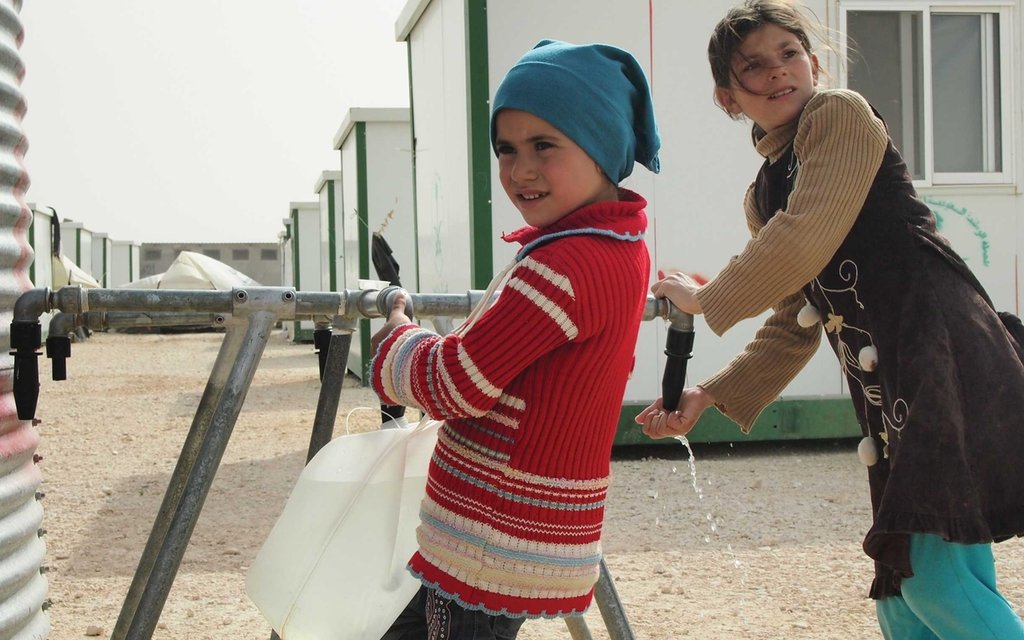
In partnership with the Syrian Ministry of Water Resources, UNICEF, and other aid providers, Oxfam is now providing clean water to Syrians inside their country. We estimate that we are helping to reach about a million people.
We have been helping to repair water systems and in some cases providing new sources, such as wells. Despite numerous constraints, Oxfam has been able to transport essential equipment, such as generators, from Lebanon. Two of the generators have been sent to help power huge water treatment plants near Damascus. The government of Syria estimates that 35 percent of the country’s water treatment plants have been damaged and a lack of maintenance, electricity, and funds is leading to a rapid decrease in available water.
In Jordan and Lebanon
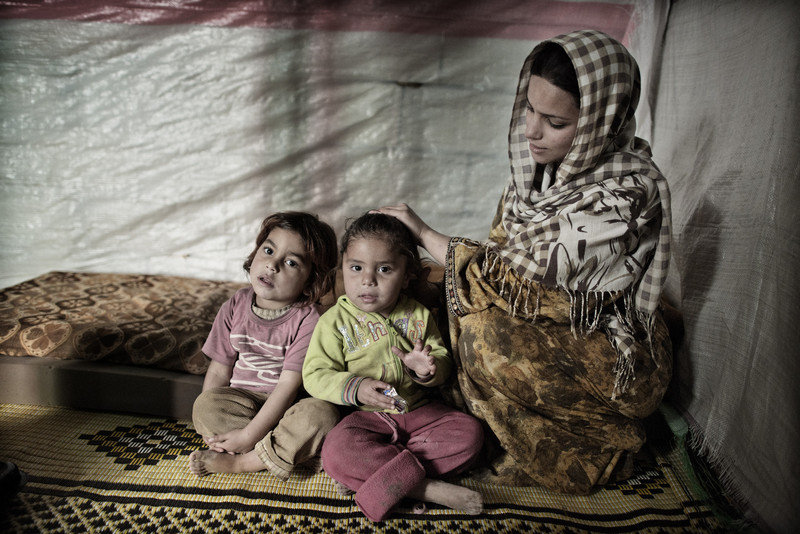
Since the start of 2014, Oxfam has reached nearly half a million refugees in Jordan and Lebanon with clean drinking water or cash and relief supplies, such as blankets and stoves in winter and vouchers for hygiene supplies in summer. We are also helping families get the information they need about their legal and human rights and connecting them to medical and legal services.
In both countries, we have built blocks of bathing stalls and toilets for families living in refugee camps or in informal settlements. We are also developing piped water networks for the Zaatari refugee camp in Jordan and for host communities in the Bekaa Valley in Lebanon.
Links:
Project reports on GlobalGiving are posted directly to globalgiving.org by Project Leaders as they are completed, generally every 3-4 months. To protect the integrity of these documents, GlobalGiving does not alter them; therefore you may find some language or formatting issues.
If you donate to this project or have donated to this project, you can receive an email when this project posts a report. You can also subscribe for reports without donating.