By KKONDE BADRU | ADMINISTRATIVE ASSISTANT
Introduction
Menstruation is a natural process, yet for millions of girls around the world, it is surrounded by stigma, shame, and hardship. In Uganda, where Twahirah Islamic Charity Organisation (TICO) operates, menstrual health challenges are a leading cause of school absenteeism, low self-esteem, and gender inequality.
A 2023 survey in Uganda revealed that 1 in 10 girls miss school during their menstrual period, and many eventually drop out altogether because they cannot access or afford sanitary products. The inability to manage menstruation with dignity robs girls of opportunities for education, health, and confidence.
The Girl-Child Empowerment through Menstrual Hygiene and Reusable Sanitary Pads Making Project was designed as a sustainable solution. It seeks to empower girls by providing menstrual hygiene education and practical training in making reusable sanitary pads. These pads are cost-effective, environmentally friendly, and sustainable. In addition, training girls in pad-making equips them with entrepreneurial skills that can generate income and improve livelihoods.
While the project plan is complete and communities are eager for its implementation, TICO has not yet secured the funding required to launch. This report introduces the project, highlights its importance, and appeals for support through GlobalGiving.
The Problem We Aim to Solve
School Dropouts and Absenteeism
Many girls miss 3–5 school days every month due to lack of menstrual products. Over time, this absenteeism leads to poor performance and school dropouts.
Poverty and Lack of Access
Disposable sanitary pads are unaffordable for many families. Girls often resort to unhygienic alternatives like old rags, banana fibers, or even newspaper.
Stigma and Shame
Cultural taboos around menstruation perpetuate silence and shame. Many girls lack accurate information about their bodies, leaving them vulnerable to misinformation and low self-esteem.
Health Risks
Using unsafe materials increases the risk of infections, which can affect reproductive health.
Environmental Impact
Disposable pads contribute to non-biodegradable waste, worsening environmental challenges in already strained communities.
Lack of Skills and Economic Opportunities
Even beyond menstruation, girls lack vocational skills. Training in reusable pad making provides both a health solution and a livelihood pathway.
Project Objectives
The project has three core objectives:
Menstrual Hygiene Education
Equip girls with accurate knowledge on menstrual health, hygiene, and self-care to boost confidence and reduce stigma.
Reusable Sanitary Pads Training
Train girls and young women in making high-quality, affordable, and eco-friendly reusable pads for personal use and income generation.
Economic Empowerment and Sustainability
Support trained girls with start-up kits and entrepreneurship skills to establish small businesses in pad-making, improving livelihoods and community well-being.
Proposed Activities
Community Sensitization and Mobilization
Conduct dialogues with parents, teachers, and leaders to break taboos around menstruation.
Mobilize adolescent girls and young women as direct beneficiaries.
Menstrual Hygiene Management (MHM) Training
Deliver educational workshops on menstrual health, reproductive health, and hygiene practices.
Distribute educational materials and create safe spaces for open discussions.
Reusable Sanitary Pad-Making Training
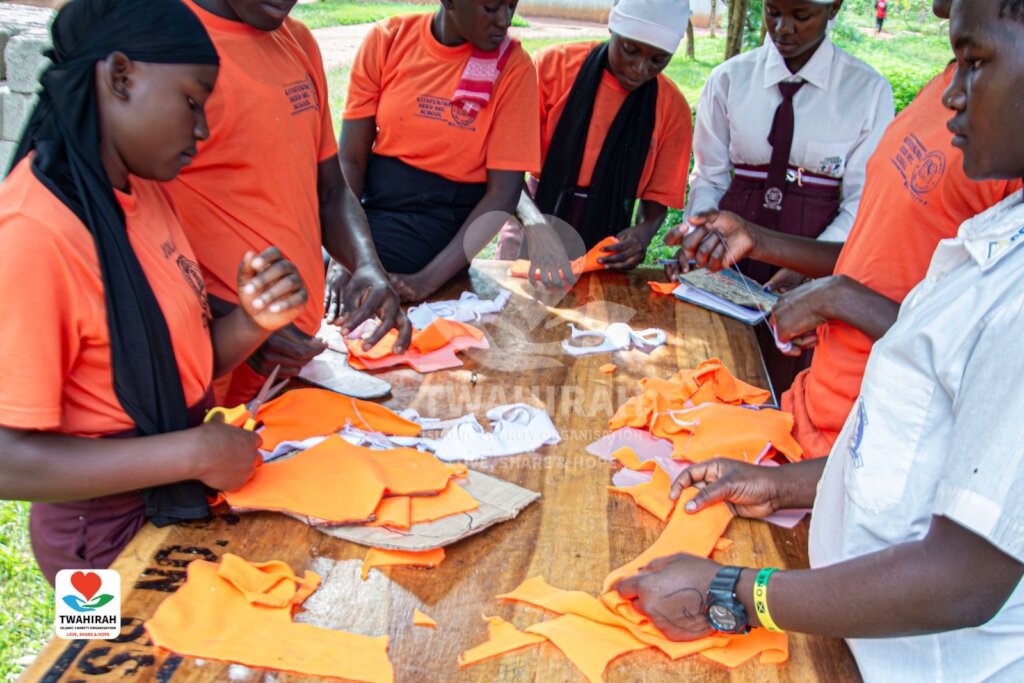
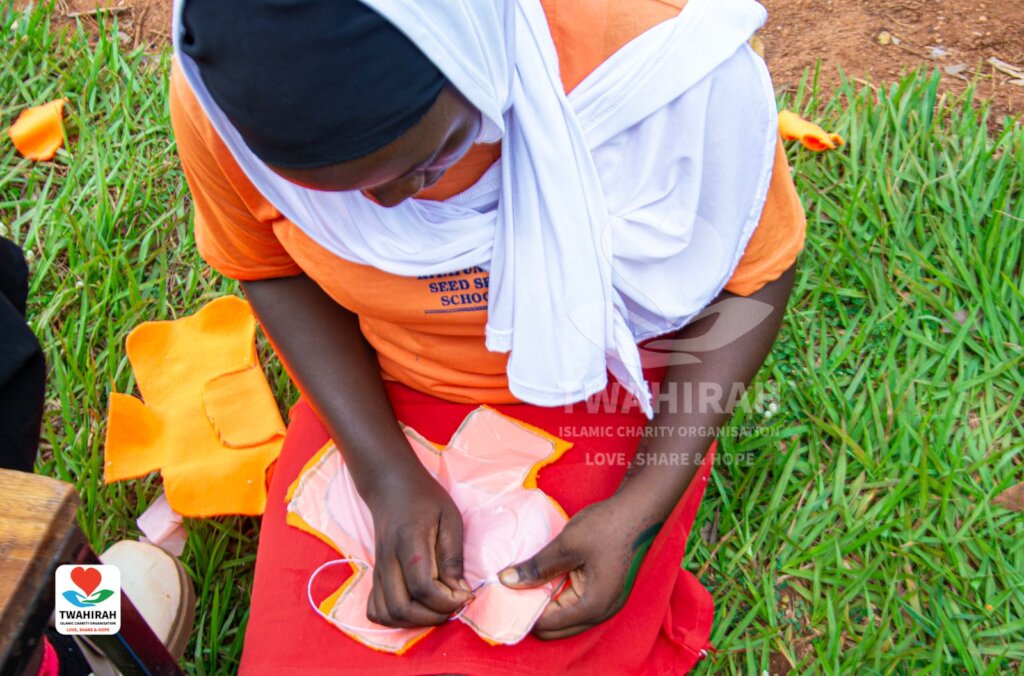
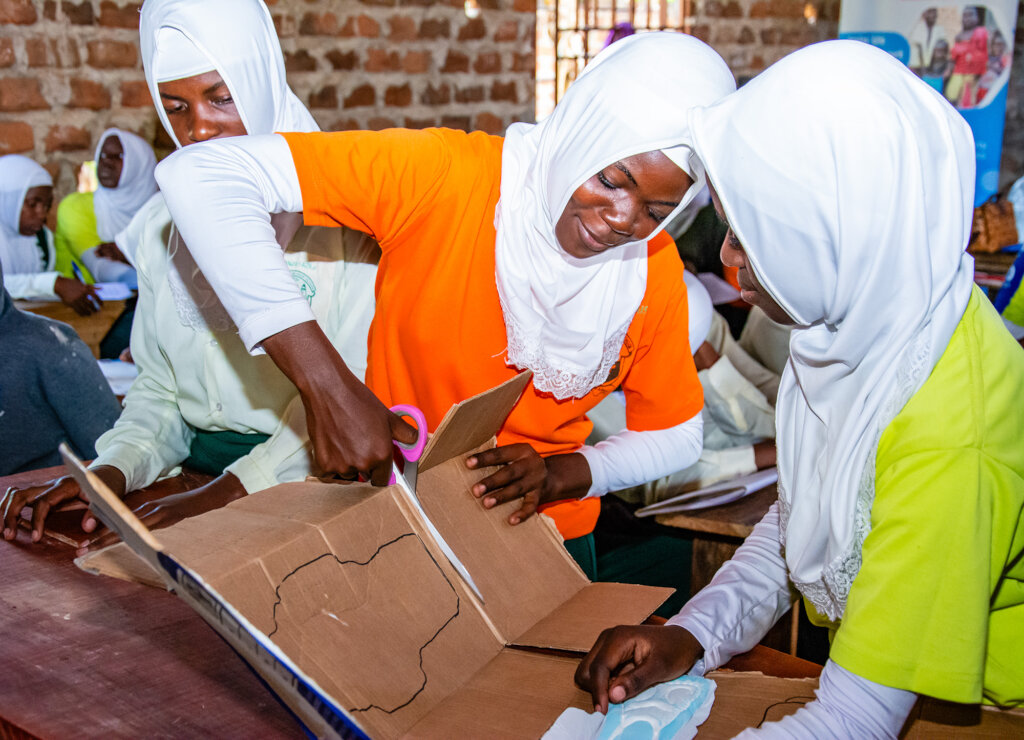
Provide hands-on training in tailoring, fabric cutting, and pad assembly.
Teach hygiene standards for producing safe, washable, and long-lasting pads.
Entrepreneurship and Financial Literacy
Train girls in small business management, marketing, and savings culture.
Introduce Village Savings and Loan Associations (VSLAs) to sustain growth.
Provision of Start-Up Kits
Supply sewing machines, fabrics, thread, and essential tools to graduates.
Establish small pad-making groups or cooperatives to scale production.
School and Community Distribution
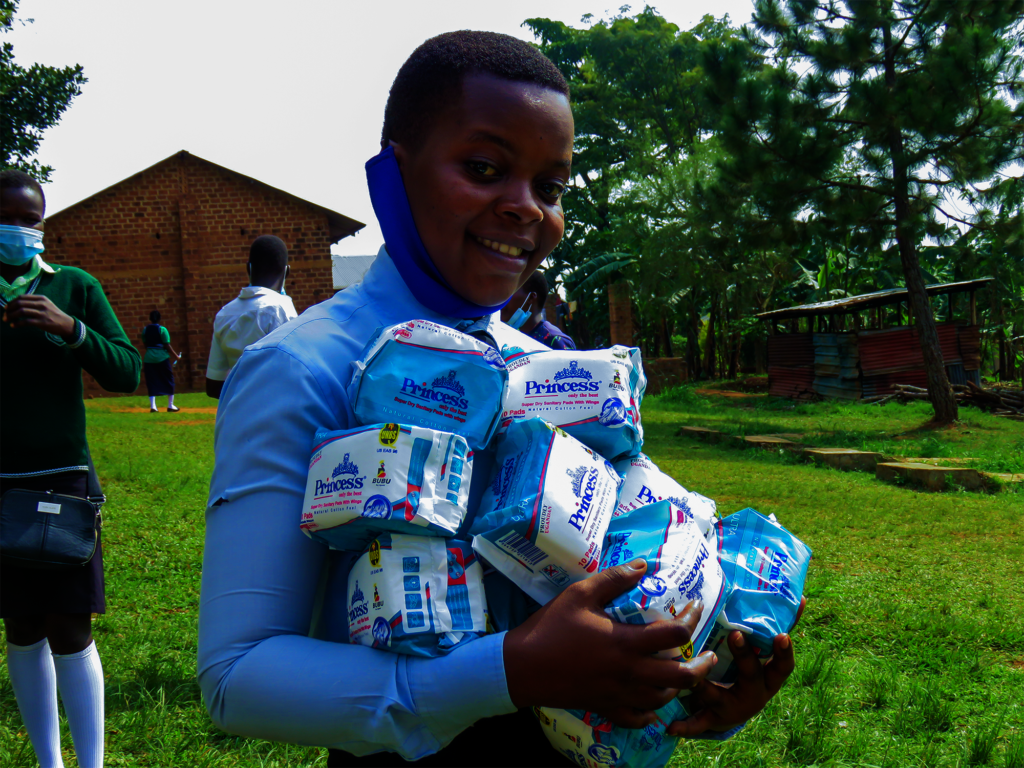
Facilitate initial free distribution of pads to vulnerable girls in schools and communities.
Link pad-making groups with schools and NGOs to supply at affordable prices.
Monitoring, Documentation, and Evaluation
Track school attendance and confidence levels of girls before and after the program.
Collect impact stories to inspire scale-up and attract continued donor support.
Expected Outcomes and Impact
Improved School Attendance
With access to reusable pads, girls will no longer miss school due to menstruation, improving academic performance.
Enhanced Knowledge and Confidence
Menstrual hygiene education will reduce stigma, increase self-esteem, and empower girls to talk openly about their health.
Health Benefits
Use of hygienic reusable pads will reduce infections and improve reproductive health outcomes.
Economic Empowerment
Trained girls will generate income through pad-making businesses, reducing poverty and dependence.
Environmental Protection
Reusable pads reduce waste compared to disposable ones, promoting environmental sustainability.
Community Transformation
By breaking taboos and involving parents and leaders, the project will foster community-wide support for girls’ empowerment.
Challenges and Limitations
The project’s greatest challenge is lack of funding. Without financial support, TICO cannot begin implementation, despite community readiness. Specific funding needs include:
Sewing machines and pad-making materials.
Training facilitators and mentors.
Educational materials for menstrual hygiene sessions.
Start-up kits for graduates.
Logistics and monitoring costs.
Why Support This Project?
Dual Impact: It addresses both menstrual health and economic empowerment.
Sustainability: Reusable pads last up to 2 years, providing long-term solutions.
Girls at the Center: Empowered girls lead to empowered communities.
Environmental Benefits: Reduces plastic and waste pollution from disposable pads.
Alignment with SDGs: The project supports SDG 3 (Good Health and Well-being), SDG 4 (Quality Education), SDG 5 (Gender Equality), and SDG 12 (Responsible Consumption and Production).
Funding Gap and Appeal
At present, the project has secured Only USD 1 funding. We estimate that USD 30,000 is needed for the first year to:
Train girls in menstrual hygiene and pad making.
Provide sewing machines and materials for training.
Distribute at least 10,000 reusable pads to vulnerable girls.
Support 10 pad-making groups with start-up kits.
Conduct community sensitization and monitoring.
Without this support, vulnerable girls will continue to suffer silently, missing school and facing stigma that can derail their futures.
Sustainability and Long-Term Plan
Community Training Hubs: Establish permanent hubs where new cohorts of girls can receive training.
Entrepreneurship Support: Link pad-making groups to schools, NGOs, and local markets for sustainability.
Peer Trainers: Graduates will become peer educators and trainers, expanding the program’s reach.
Policy Engagement: Advocate for inclusion of reusable pads in government and NGO school programs.
Scaling Up: Use success stories to attract funding for replication in other districts.
Conclusion and Call to Action
The Girl-Child Empowerment through Menstrual Hygiene and Reusable Sanitary Pads Making Project is more than just a health intervention, it is a movement to restore dignity, break taboos, and give girls equal opportunities for education and empowerment.
For too long, menstruation has been a barrier to girls’ education and confidence. With your support, TICO can change this narrative. By teaching girls to make reusable pads, we equip them not only with hygiene solutions but also with lifelong skills for entrepreneurship and independence.
Yet without funding, this vision will remain a dream on paper. We therefore appeal to GlobalGiving partners, donors, and well-wishers worldwide:
By KKONDE BADRU | ADMINISTRATIVE ASSISTANT
By KKONDE BADRU | ADMINISTRATIVE ASSISTANT
Project reports on GlobalGiving are posted directly to globalgiving.org by Project Leaders as they are completed, generally every 3-4 months. To protect the integrity of these documents, GlobalGiving does not alter them; therefore you may find some language or formatting issues.
If you donate to this project or have donated to this project, you can receive an email when this project posts a report. You can also subscribe for reports without donating.



Support this important cause by creating a personalized fundraising page.
Start a Fundraiser