By Yaqoob Sadiq | Project Leader
1. Introduction
Menstruation is a normal and healthy biological process, yet many adolescent girls in Pakistan face difficulties managing their periods safely, hygienically and with dignity.
Girls from poor and marginalized families may have limited access to affordable menstrual hygiene products, clean water, private toilets, washing facilities and accurate information about menstruation. Social stigma and embarrassment can also prevent girls from asking questions or seeking support.
These challenges can affect girls' confidence, participation in school, social activities and daily life.
Joy Foundation Pakistan believes that every girl has the right to manage her menstruation safely, hygienically and with dignity.
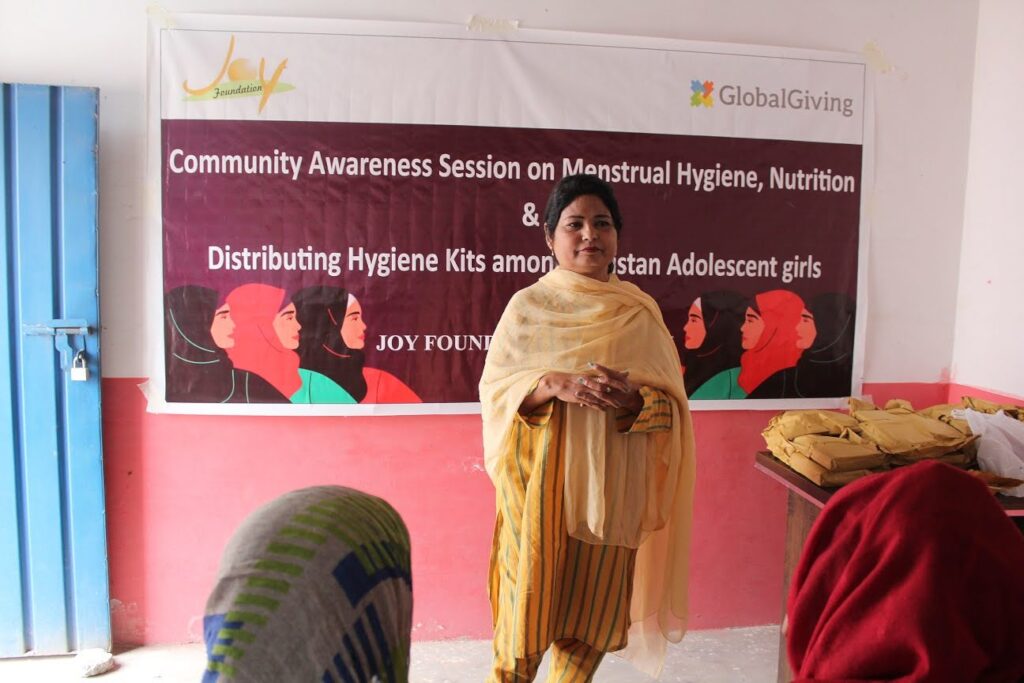
Through the Supporting Girls for Menstrual Health in Pakistan initiative, Joy Foundation aims to provide menstrual hygiene information, essential hygiene materials, awareness sessions and practical support to adolescent girls in vulnerable communities.
2. Background
Adolescent girls need accurate and age-appropriate information about menstruation before and during the time they begin menstruating.
However, menstruation is often surrounded by silence, misconceptions and social taboos. Girls may receive information from friends or other informal sources rather than from parents, teachers or trained health professionals.
For girls living in poverty, the challenge can be even greater. Families struggling to meet food, education and household expenses may find it difficult to regularly purchase menstrual hygiene products.
Limited access to appropriate WASH facilities can further increase the difficulties girls face.
The World Health Organization and UNICEF emphasize that menstrual health is broader than access to menstrual products alone. It includes access to information, facilities, materials and an environment in which menstruation can be managed with dignity and without shame.
3. The Need
Girls may experience several barriers to effective menstrual hygiene management, including:
These challenges can become particularly serious in rural and marginalized communities.
4. Program Goal
To improve menstrual health, hygiene, dignity and confidence among adolescent girls from vulnerable communities in Pakistan.
5. Specific Objectives
The program aims to:
6. Target Beneficiaries
Joy Foundation proposes to reach approximately:
7. Main Program Activities
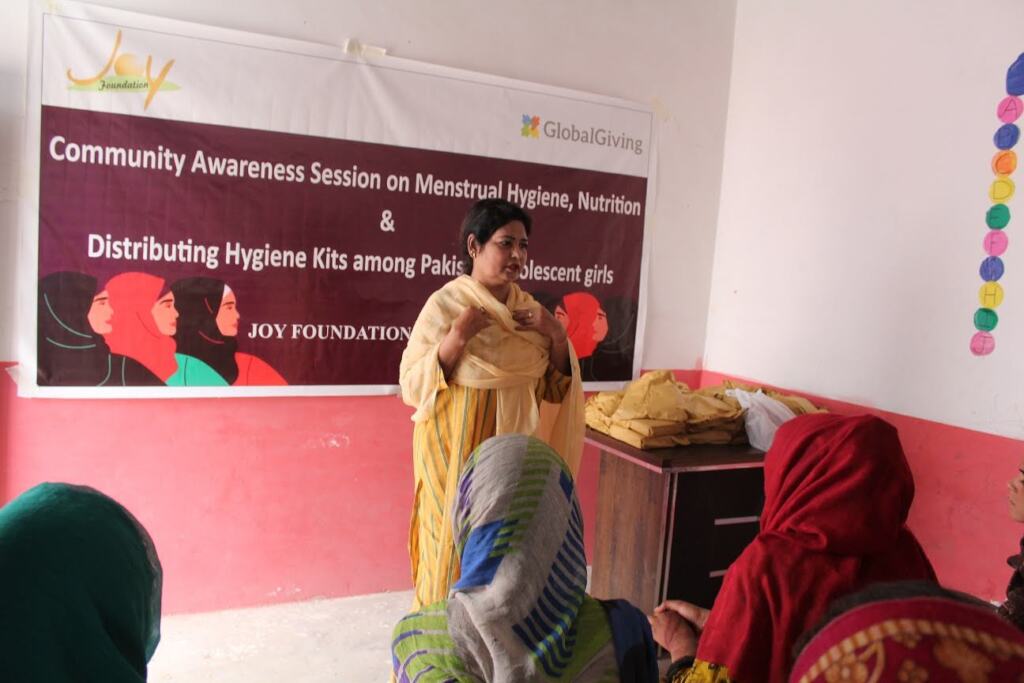
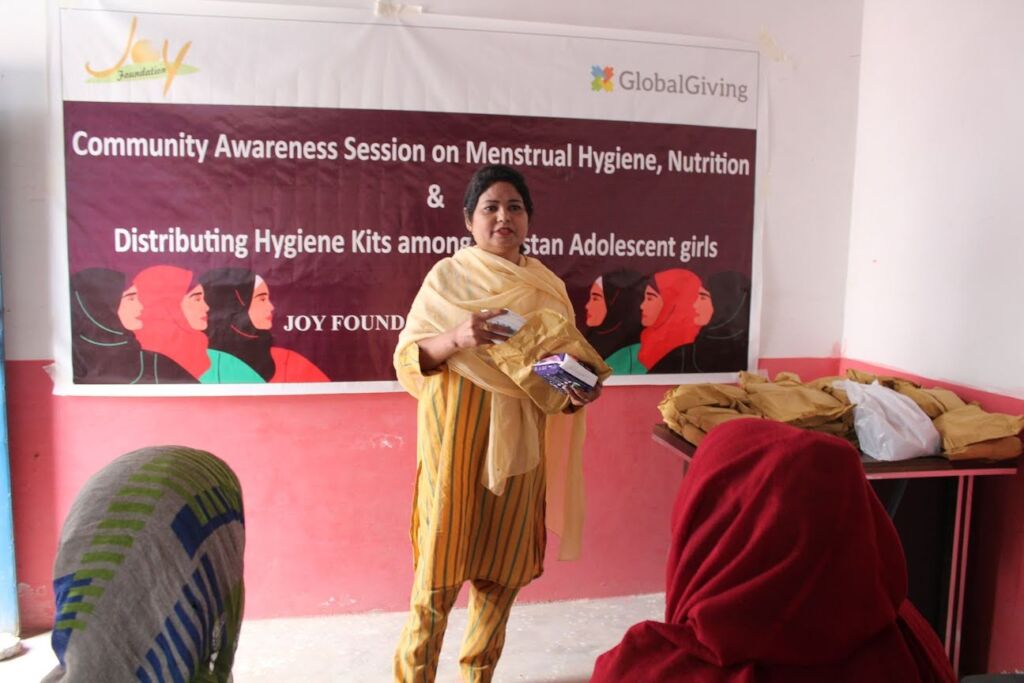
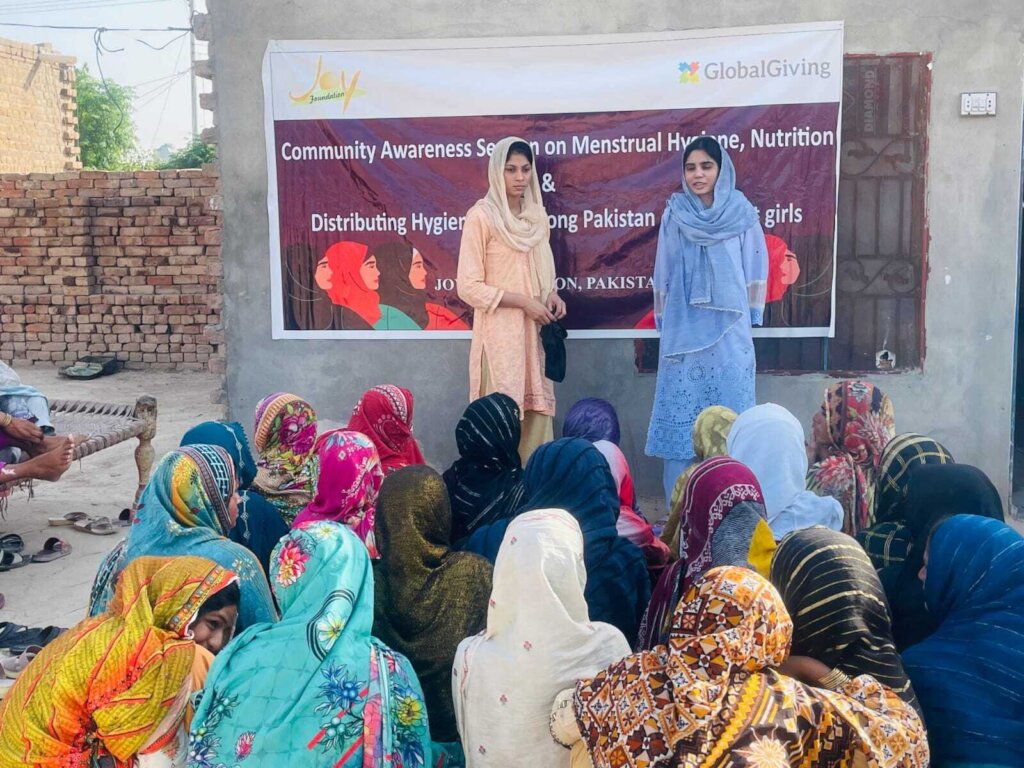
Activity 1: Menstrual Health Awareness Sessions
Joy Foundation will conduct age-appropriate awareness sessions with girls.
Topics will include:
Sessions will be conducted in a safe, respectful and culturally appropriate environment.
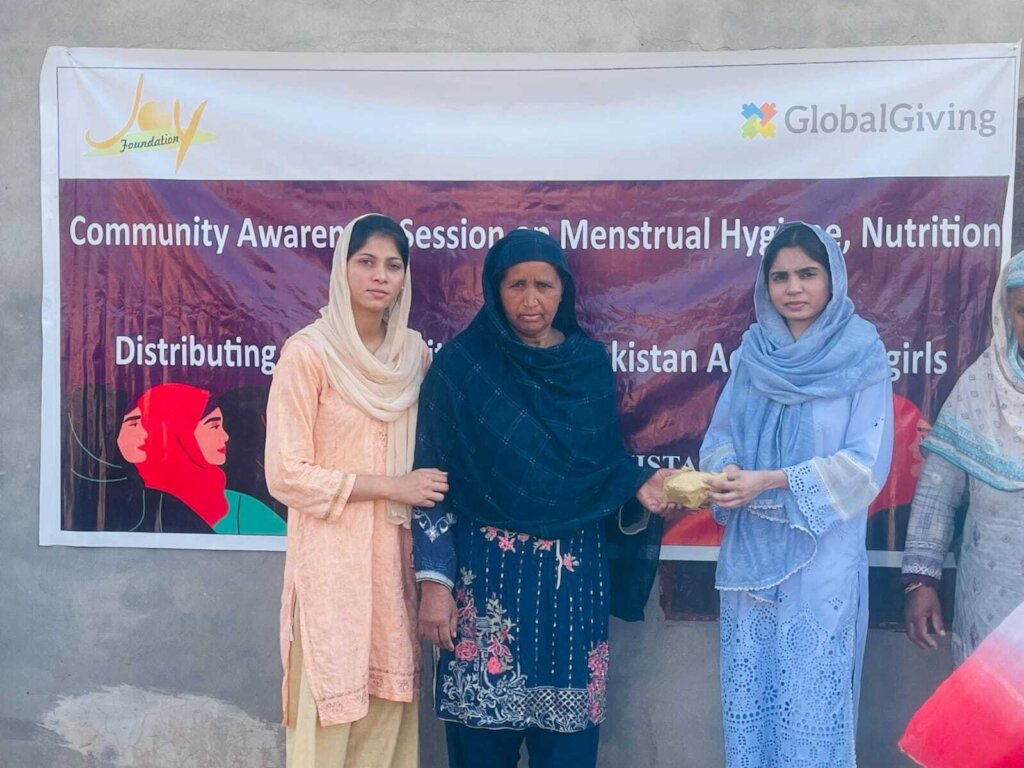
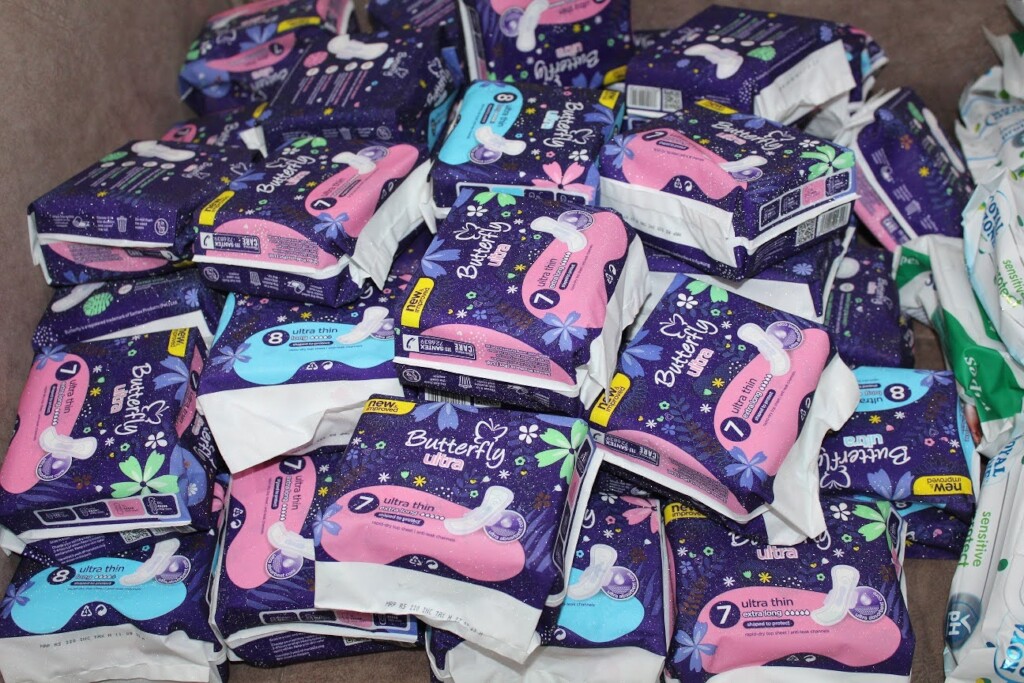
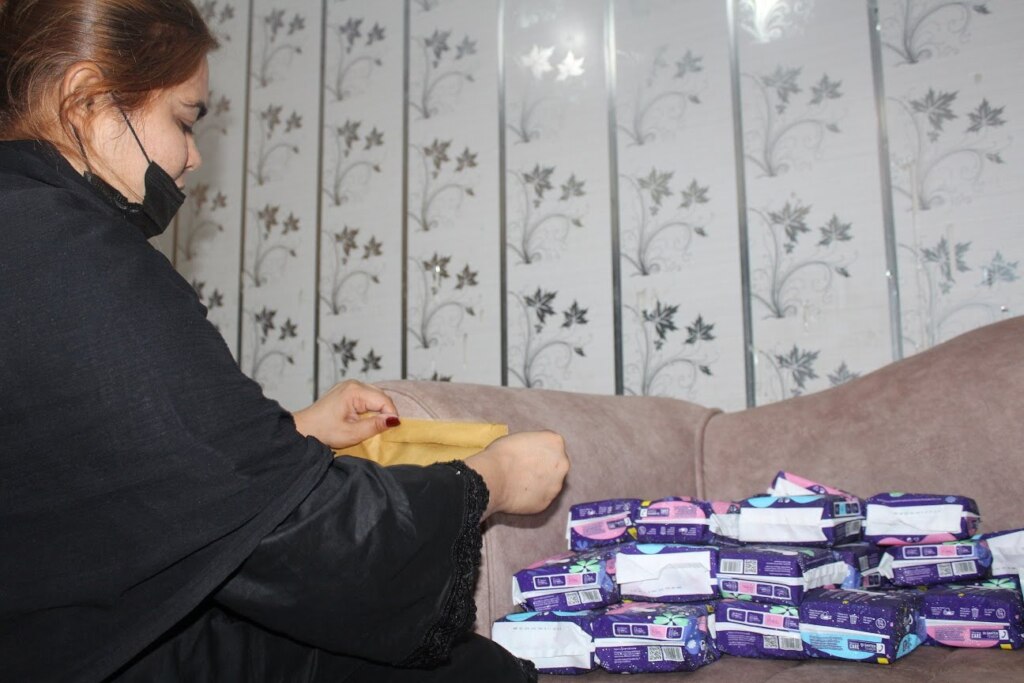
Activity 2: Menstrual Hygiene Kits
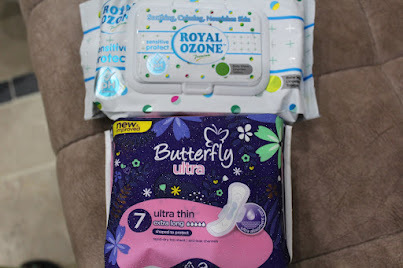
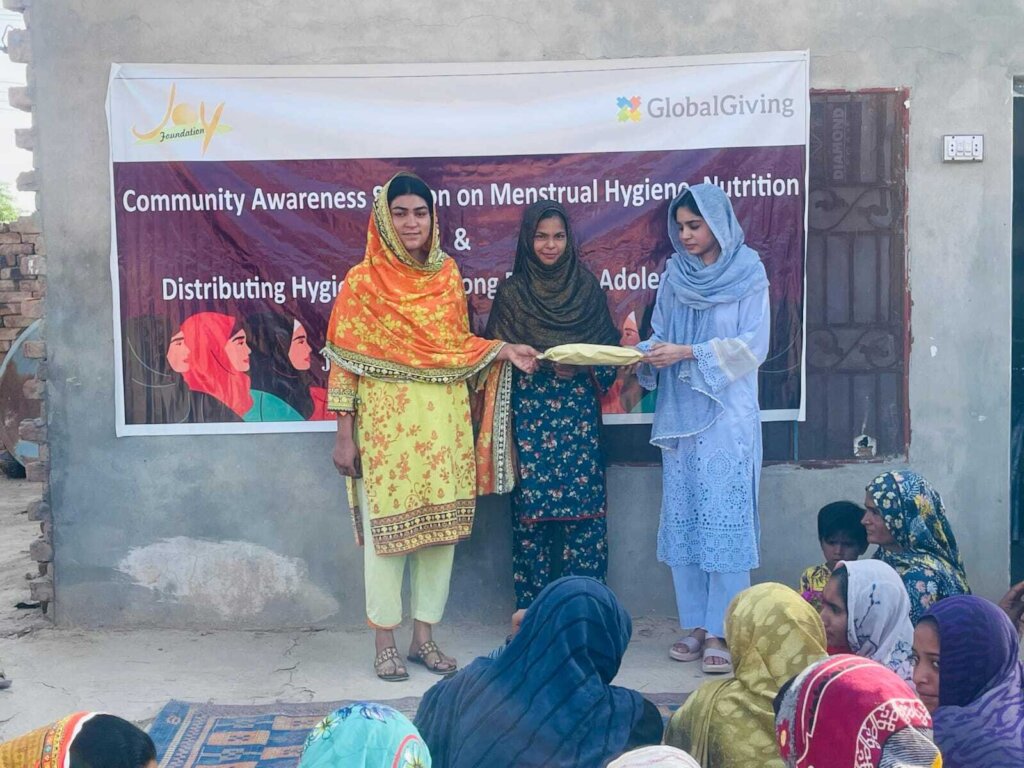
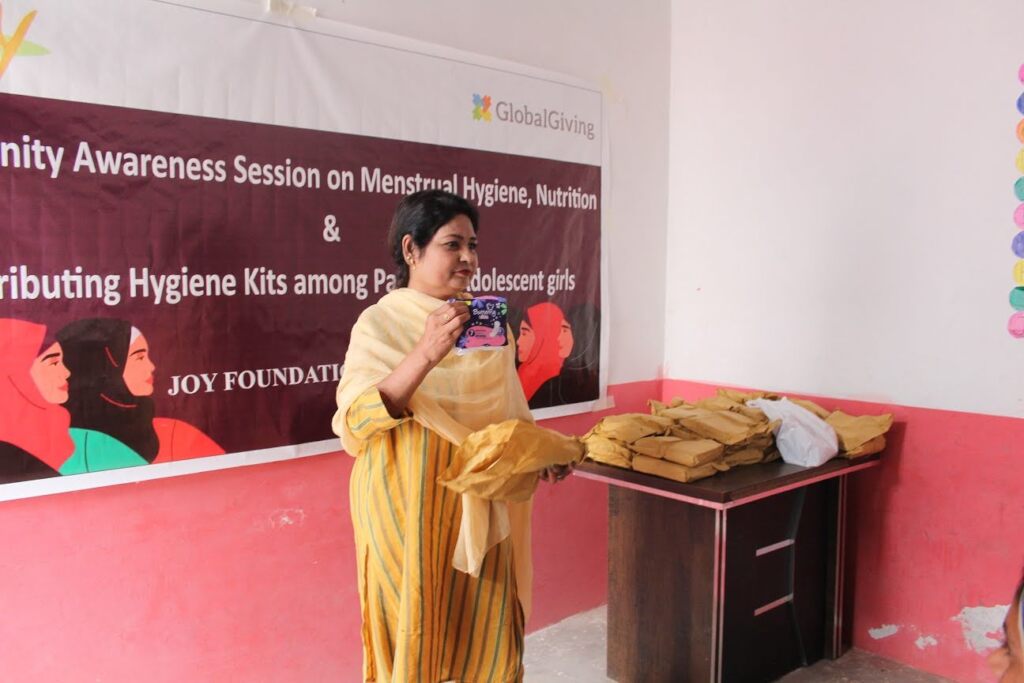
Joy Foundation will provide menstrual hygiene kits to vulnerable girls.
Depending on available resources, kits may include:
Activity 3: Menstrual Health Education
Girls will receive simple educational materials explaining:
Severe or unusual menstrual symptoms should be discussed with a qualified health professional.
The materials will use simple language so that girls with different educational backgrounds can understand them.
8. School and Education Support
Menstrual health can affect girls' participation in education when they lack suitable products, privacy or supportive facilities. Joy Foundation will work with schools and community education centers to encourage menstrual-friendly environments.
Activities may include:
Teachers will be encouraged to respond to girls' menstrual needs respectfully and confidentially.
9. Menstrual Health and WASH
Menstrual hygiene cannot be addressed through products alone.
Girls need access to:
Safe drinking water
Water for washing
Soap
Clean and private toilets
Appropriate disposal facilities
Privacy
Safe spaces
Joy Foundation will therefore connect menstrual health activities with its broader Water, Sanitation and Hygiene (WASH) and community development activities.
10. Parent and Community Awareness
Parents and community members play an important role in supporting girls.
Joy Foundation will organize community sessions for parents and caregivers on:
Understanding adolescent girls' menstrual needs
Providing emotional support
Ensuring access to menstrual products
Supporting girls' education
Maintaining privacy and dignity
Encouraging healthy nutrition
Recognizing when professional medical advice may be needed
The program will encourage parents to create an environment where girls can discuss menstrual health without fear or embarrassment.
11. Engaging Boys and Men
Menstrual health should not be treated as a subject that girls must manage alone.
Where culturally and programmatically appropriate, Joy Foundation will conduct awareness activities with boys and men to promote:
Respect for girls
Understanding of menstruation
Reduction of teasing and bullying
Supportive behavior
Gender equality
Respect for privacy and dignity
The objective is to create a community environment where girls can manage menstruation without shame or discrimination.
12. Menstrual Health and Nutrition
Adolescent girls need adequate nutrition for healthy growth and development.
The program will promote general healthy eating and hydration and provide information about nutritious diets.
Girls will be encouraged to consume a balanced diet including appropriate sources of:
Where girls report significant symptoms or health concerns, Joy Foundation will encourage referral to qualified health professionals rather than attempting to diagnose or treat medical conditions through the program.
13. Addressing Menstrual Stigma
One of the important objectives of the program is to challenge harmful myths and stigma.
Joy Foundation will promote messages such as:
“Menstruation is normal.”
“Every girl deserves dignity during her period.”
“No girl should miss school because she lacks menstrual hygiene support.”
“Menstrual health is part of girls' health and well-being.”
“Knowledge, hygiene and dignity can help girls manage menstruation with confidence.”
14. Menstrual Health for Vulnerable Girls
The program will give particular attention to girls who may face multiple forms of vulnerability.
These may include girls from:
Joy Foundation will seek to ensure that assistance reaches girls based on need and without discrimination.
15. Safeguarding and Protection
Because the program involves adolescent girls, safeguarding will be an essential component.
Joy Foundation will:
Refer serious health or protection concerns to qualified professionals or appropriate services.
Girls will never be required to publicly disclose personal menstrual or health information.
By Yaqoob Masih | Project Leader
By Yaqoob Masih | Project Leader
Project reports on GlobalGiving are posted directly to globalgiving.org by Project Leaders as they are completed, generally every 3-4 months. To protect the integrity of these documents, GlobalGiving does not alter them; therefore you may find some language or formatting issues.
If you donate to this project or have donated to this project, you can receive an email when this project posts a report. You can also subscribe for reports without donating.



Support this important cause by creating a personalized fundraising page.
Start a Fundraiser