By Eena Geslaine Barrun | Program Manager
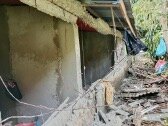
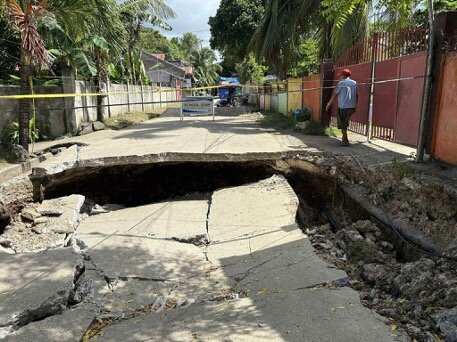
Communities in northern Cebu continue to rebuild following the 6.9 magnitude earthquake through recovery initiatives designed and led by local organizations. During this reporting period, two community partners—PAMASIL and HAKILAWA—implemented early recovery projects that directly responded to priorities identified by their members. While one initiative focused on restoring livelihoods and the other on improving food security, both demonstrate how community organizations can mobilize local leadership, resources, and collective action to support long-term recovery.
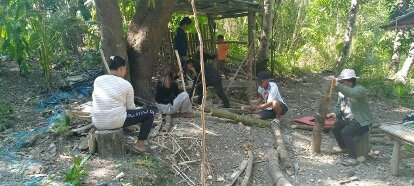
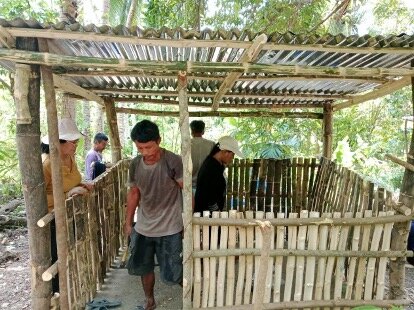
PAMASIL launched its Hog Dispersal and Fattening Project in April 2026 as a sustainable livelihood initiative for active members. The association procured five piglets, with two allocated as breeding sows and three raised for fattening. Members collectively organized project management, identified caretakers, provided space for the piggery, and participated in orientation sessions on livestock management. To ensure sustainability, the association adopted a transparent revenue-sharing mechanism that reinvests 70% of project earnings into future production cycles, while the remaining proceeds support organizational operations and member benefits. Although increasing feed prices and livestock health risks remain ongoing challenges, members continue to address these through regular monitoring, vaccination, biosecurity measures, and coordination with local livestock technicians.
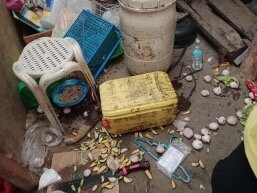
HAKILAWA, meanwhile, established a community-managed rice enterprise after earthquake-related transport disruptions limited access to affordable rice across the island communities of Hagdan, Kinatarcan, and Langub. Following consultations among members, the organization introduced a flexible "buy now, pay later" system to help families meet their immediate food needs while recovering their livelihoods. Procurement was based on actual member demand to minimize waste, while a modest 5% service charge was agreed upon to build a revolving organizational fund. Despite initial difficulties sourcing rice, the association successfully procured 78 sacks between March and May, with officers and members working together to purchase, transport, and manage supplies across the islands. The initiative has not only improved food access but has also strengthened the association's financial capacity to sustain future activities and respond to community needs.
Together, these initiatives demonstrate the value of investing in local organizations as leaders of recovery. By providing resources while allowing communities to define priorities, manage implementation, and steward project funds, the support enabled PAMASIL and HAKILAWA to build solutions that are responsive, accountable, and sustainable. Beyond the immediate outcomes, both organizations have strengthened their leadership, organizational systems, and confidence to continue serving their communities.
By Eena Geslaine Barrun | Team Manager
Project reports on GlobalGiving are posted directly to globalgiving.org by Project Leaders as they are completed, generally every 3-4 months. To protect the integrity of these documents, GlobalGiving does not alter them; therefore you may find some language or formatting issues.
If you donate to this project or have donated to this project, you can receive an email when this project posts a report. You can also subscribe for reports without donating.



Support this important cause by creating a personalized fundraising page.
Start a Fundraiser