![It takes a team!]()
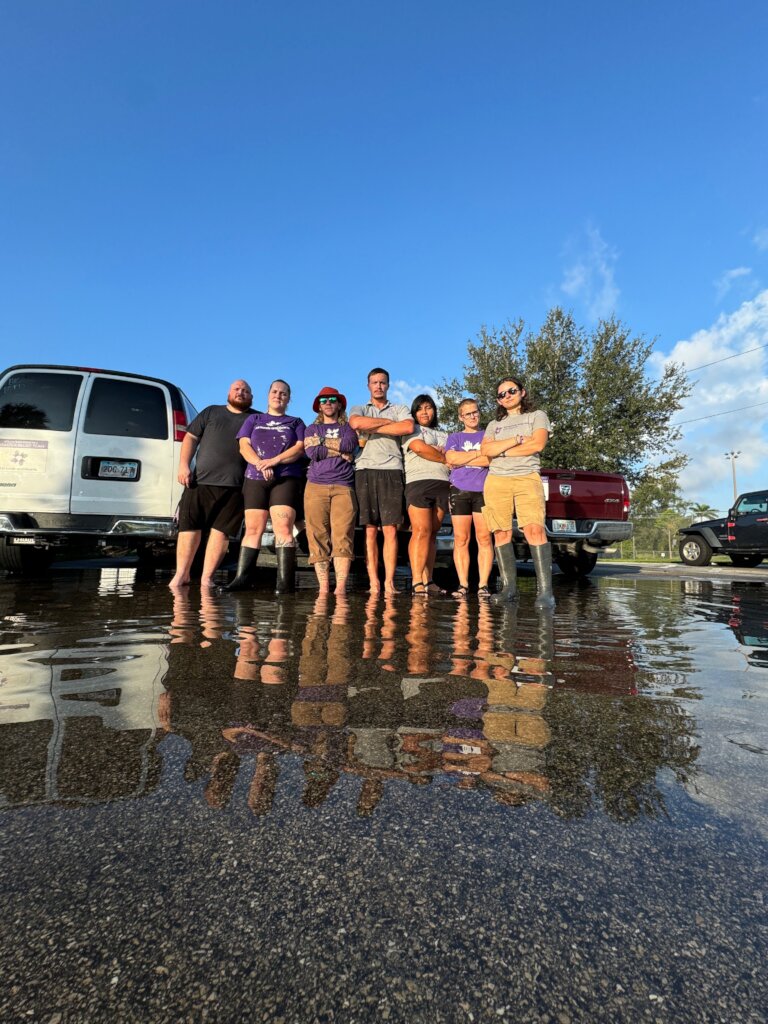
It takes a team!
Program Deep Dive Report | April 2026
Dear Friends of All Hands & Hearts,
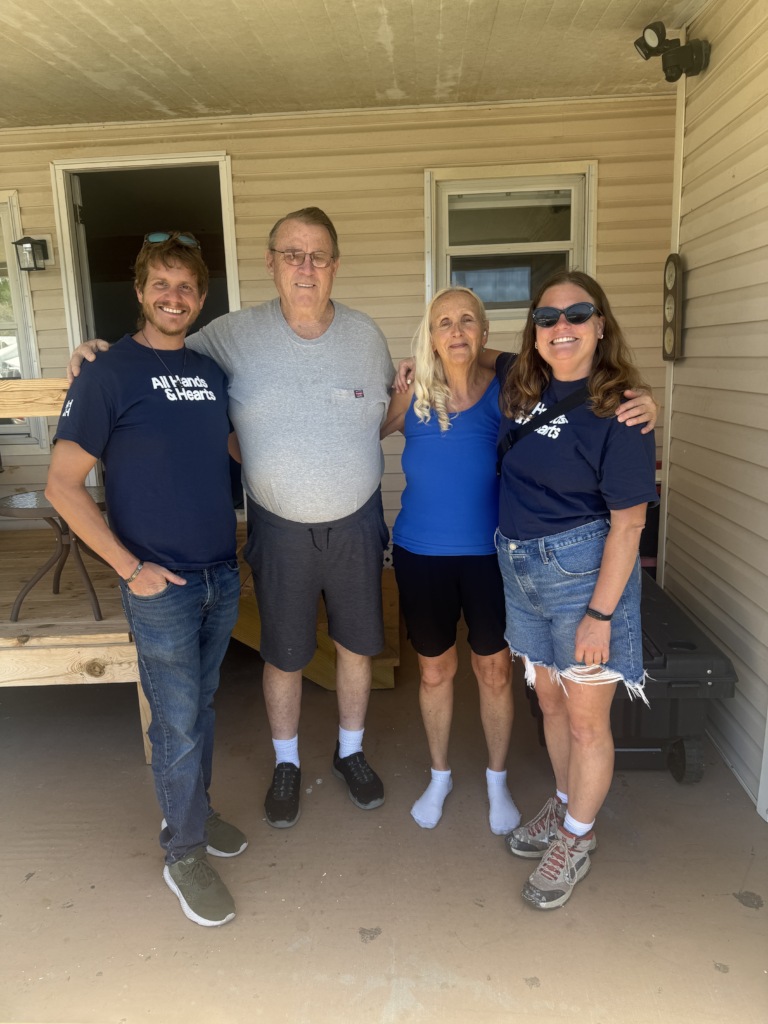
Hurricane Helene made landfall in September 2024 and became one of the most devastating disasters in North Carolina's history. The storm triggered catastrophic flooding, landslides, infrastructure damage, and widespread displacement across western North Carolina. Since arriving in the affected communities, All Hands and Hearts has supported survivors through emergency response, home recovery, volunteer engagement, and strategic partnerships focused on long-term resilience.
This report highlights progress achieved during the recovery phase through April 2026.
Executive Summary
The North Carolina Helene Recovery Program continues to support households and communities impacted by Hurricane Helene across western North Carolina. Recovery operations have transitioned from emergency response activities into contractor-supported home repair and reconstruction efforts, allowing the program to address increasingly complex recovery needs.
During the reporting period, the program completed significant recovery work through partnerships with the American Red Cross, North Carolina Emergency Management (NCEM), Community Development Partners (CDP), local Long-Term Recovery Groups (LTRGs), and community-based organizations. Additional support from a newly awarded Nucor grant will extend program activities through July 2026 and expand community resilience initiatives.
The program has successfully completed dozens of recovery projects while maintaining a survivor-centered approach focused on safety, resilience, and long-term recovery outcomes.
Program Overview
Hurricane Helene caused unprecedented damage across western North Carolina, resulting in widespread flooding, landslides, road failures, and damage to thousands of homes. More than 100 North Carolinians lost their lives, and recovery needs continue to impact communities months after the storm.
Recovery operations formally transitioned from response-focused activities to long-term recovery programming during 2025. As recovery needs evolved, the program shifted toward contractor-supported construction, critical home repairs, and partnership-driven recovery efforts designed to maximize available funding and community impact.
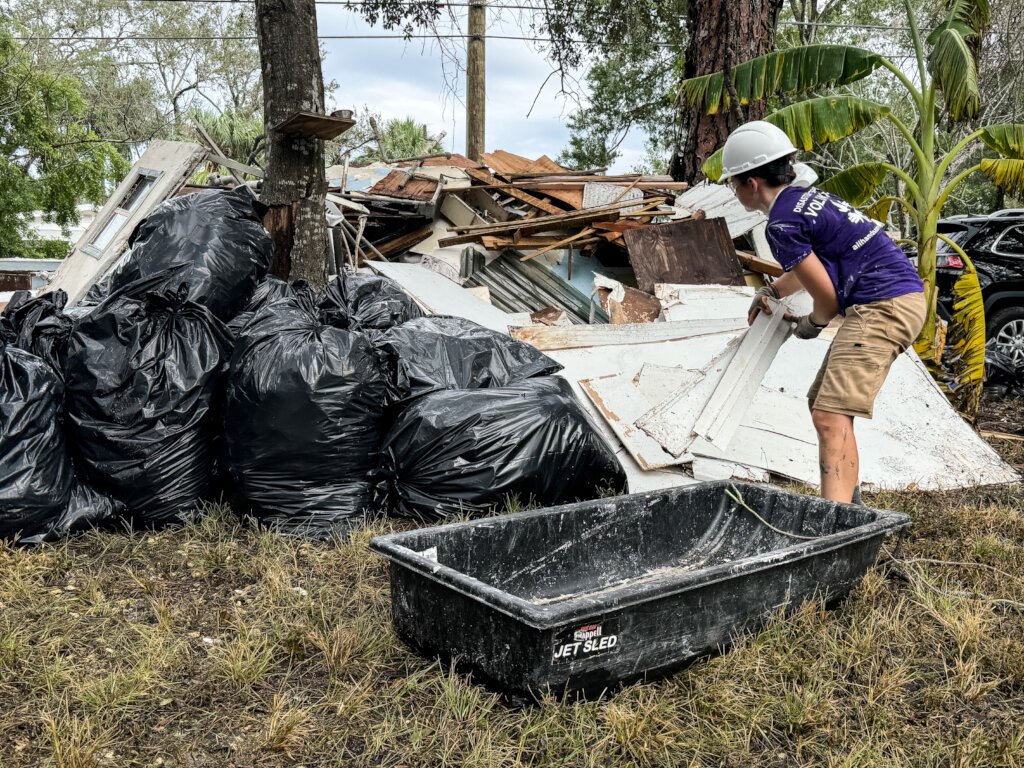
Current recovery work includes interior home repairs, critical systems restoration, roofing, electrical and plumbing repairs, foundation stabilization, mold remediation, and resilience-focused improvements that allow families to safely return home.
Recovery Impact & Project OutcomesTotal Recovery Activity
Through April 2026, the program has achieved the following milestones:
- 28 Red Cross-funded homes completed
- 17 NCEM/CDP/LTRG contractor-supported homes completed
- 28 Red Cross projects completed with an additional 8 projected for completion by the end of April
- 20 additional NCEM/CDP/LTRG projects currently in progress
- 1 Buncombe County LTRG case completed
- 8 additional LTRG cases in active progress
- More than $30,900 invested through LTRG recovery projects
Current Recovery Work
Recovery activities currently underway include:
- Interior reconstruction and drywall installation
- Flooring replacement
- Electrical repairs and rewiring
- Plumbing restoration
- Roof repair and replacement
- HVAC replacement
- Foundation stabilization
- Mold remediation
- Water filtration system replacement
- Accessibility improvements including ADA ramps
- Crawlspace insulation and moisture barrier installation
These repairs improve both household safety and long-term resilience while helping survivors return to stable living conditions.
Key Program HighlightsNucor Grant Extension
The program received a grant from Nucor that will support continued recovery operations through July 2026. The grant provides critical funding to extend recovery services, maintain program staffing, and expand community partnership initiatives focused on resilience and preparedness.
Red Cross Recovery Program
The American Red Cross partnership continues to provide substantial recovery support across western North Carolina. Recovery efforts funded through the partnership have enabled extensive interior repair projects addressing flood and storm damage for dozens of households.
By April 2026:
- 28 homes had been completed
- Multiple projects were nearing completion
- Additional homeowners remained in active construction phases
NCEM and Community Development Partners Recovery Program
Funding from NCEM and CDP supports contractor-based recovery efforts focused on critical home repairs. The program received approximately $435,000 from NCEM and an additional $100,000 from CDP to support recovery work on 25 homes through June 2026.
Projects include:
- Electrical system restoration
- Plumbing repairs
- Roofing
- Structural repairs
- Foundation stabilization
- Environmental remediation
Long-Term Recovery Group (LTRG) Collaboration
The Buncombe County Long-Term Recovery Group and United Way continue to provide funding and coordination support for homeowners with significant unmet recovery needs.
LTRG-funded projects address:
- Roof replacement
- Electrical repairs
- Foundation stabilization
- HVAC replacement
- Mold remediation
- Water filtration systems
These partnerships help ensure survivors with the greatest needs receive access to comprehensive recovery resources.
Partnership Development
Strategic partnerships continue to expand program impact and strengthen community recovery efforts.
Key partners include:
- American Red Cross
- North Carolina Emergency Management (NCEM)
- Community Development Partners (CDP)
- Buncombe County Long-Term Recovery Group
- United Way
- Nucor
- Wider Circle
- Pigeon River Collective
- BARN (Barnardsville Area Resilience Network)
Emerging community partnerships funded through the Nucor grant are focused on:
- Food security initiatives
- Community resilience projects
- Volunteer engagement opportunities
- Community training programs
- Long-term preparedness activities
The program continues to demonstrate that strong local partnerships significantly increase recovery capacity and improve outcomes for survivors.
Volunteer Engagement & Team Development
Volunteer engagement remains a critical component of program success.
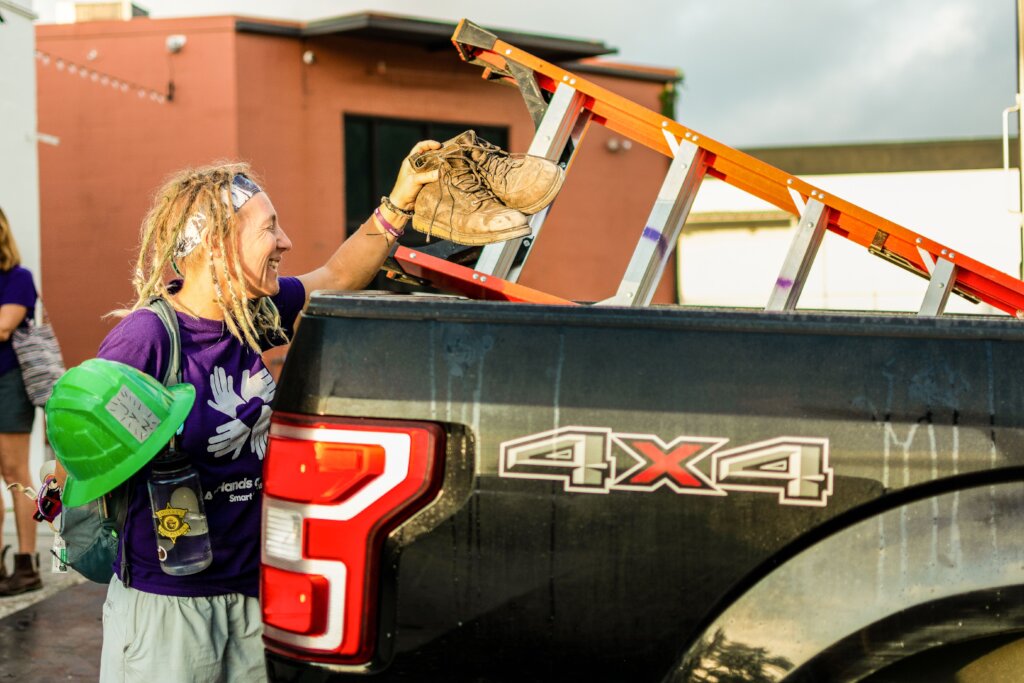
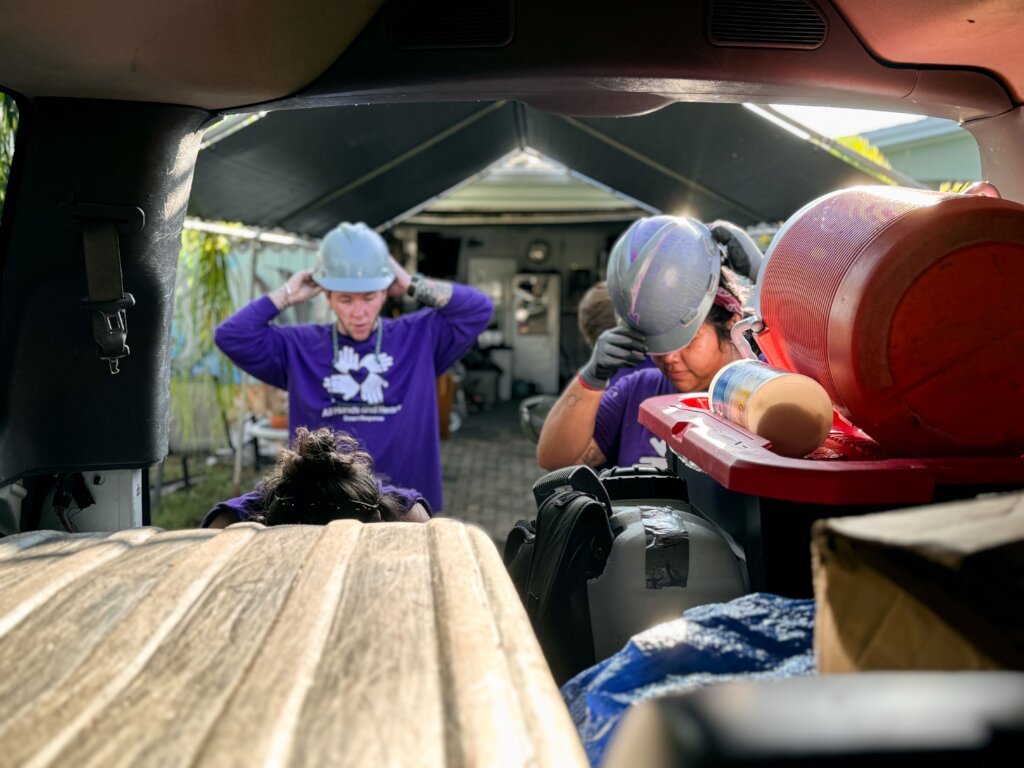
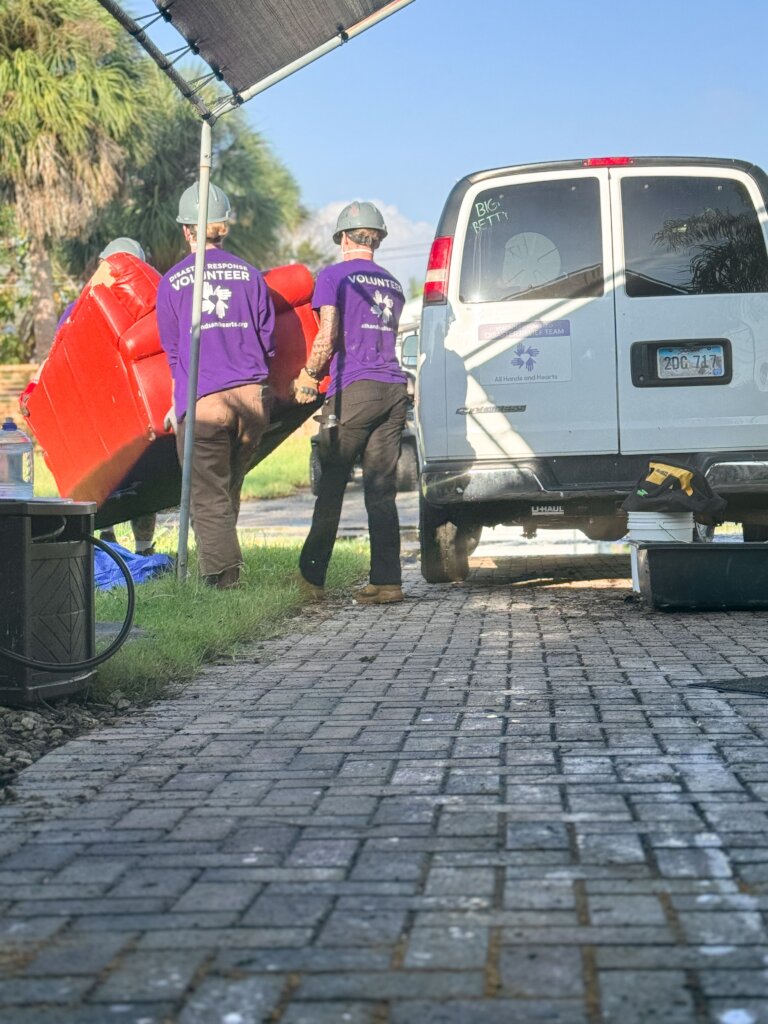
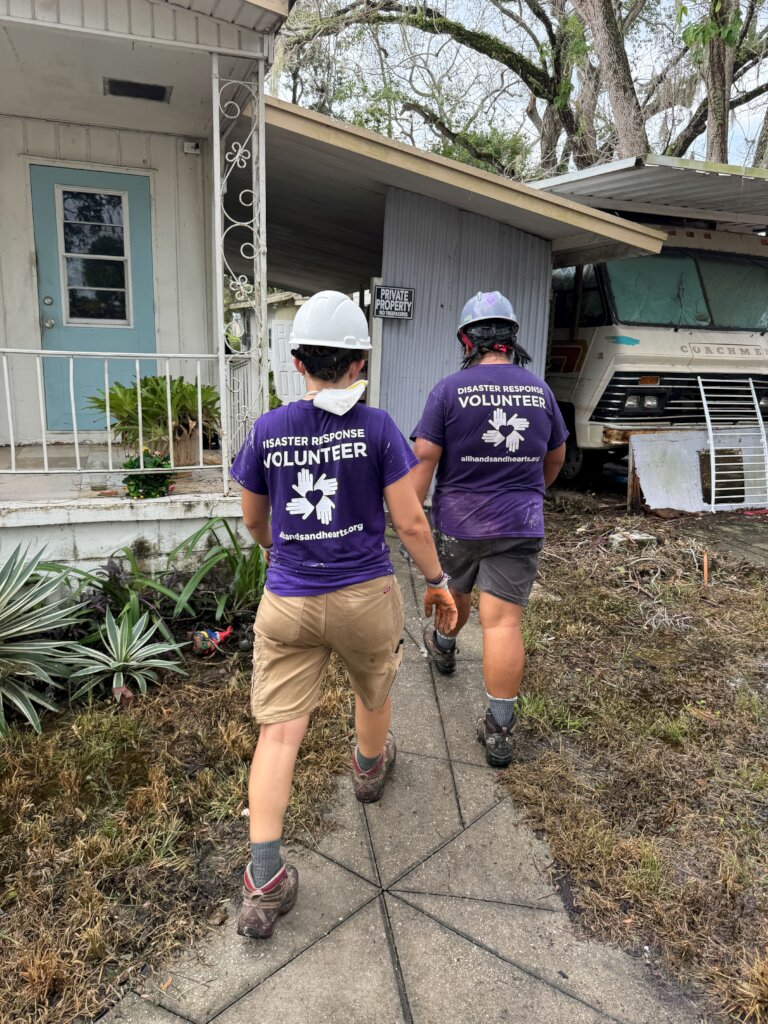
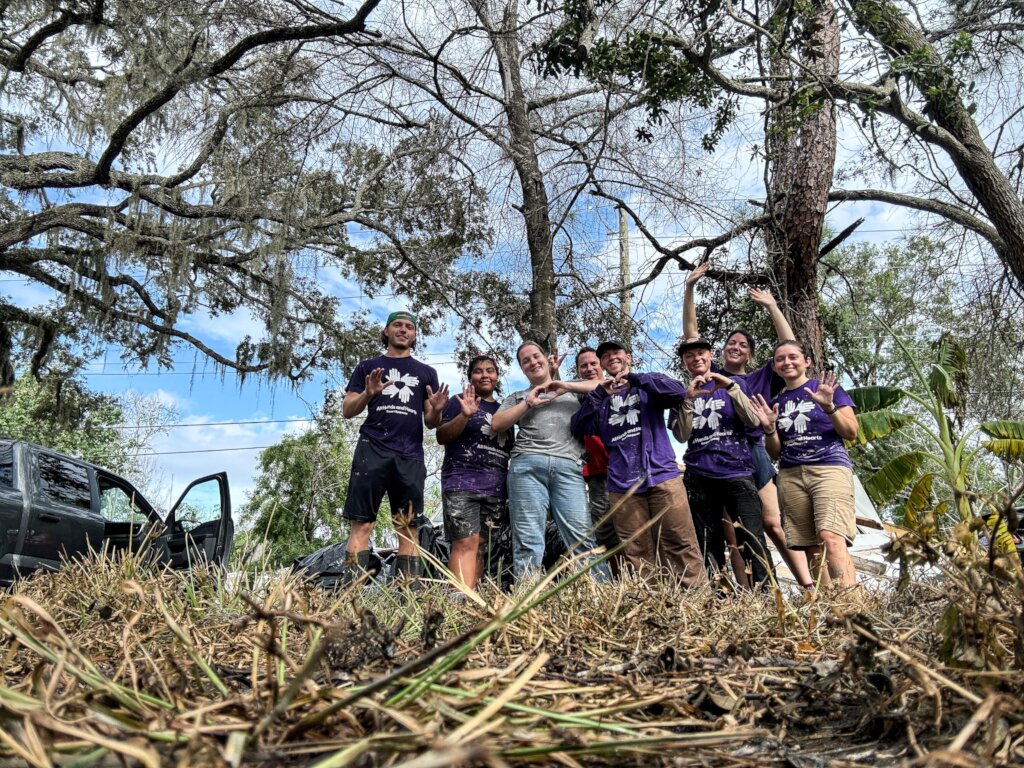
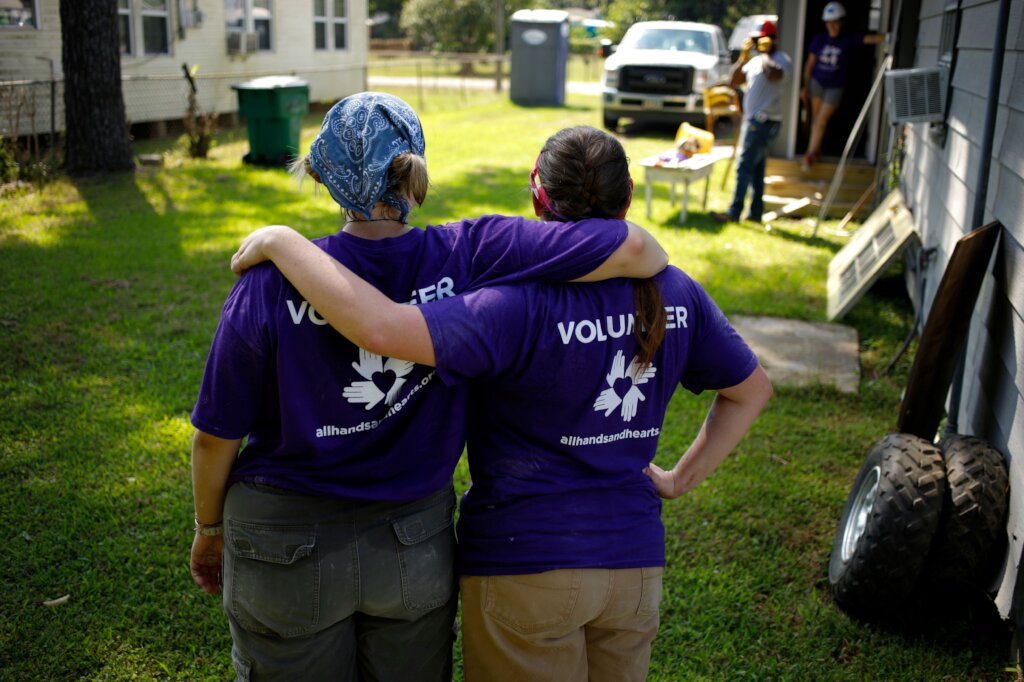
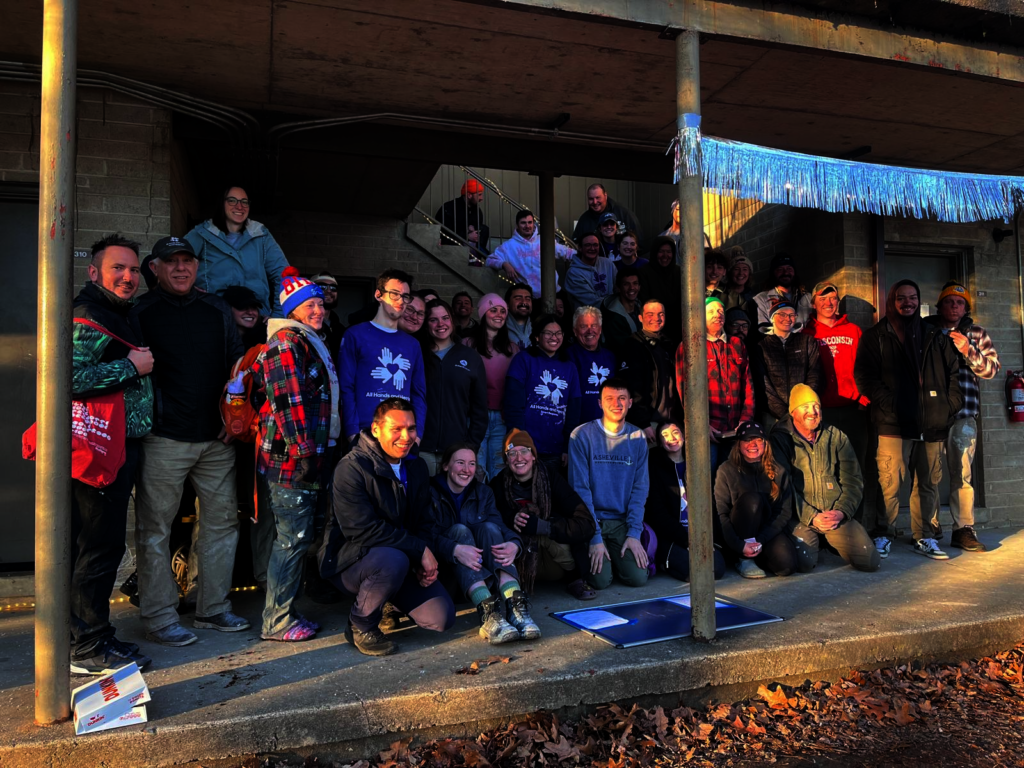
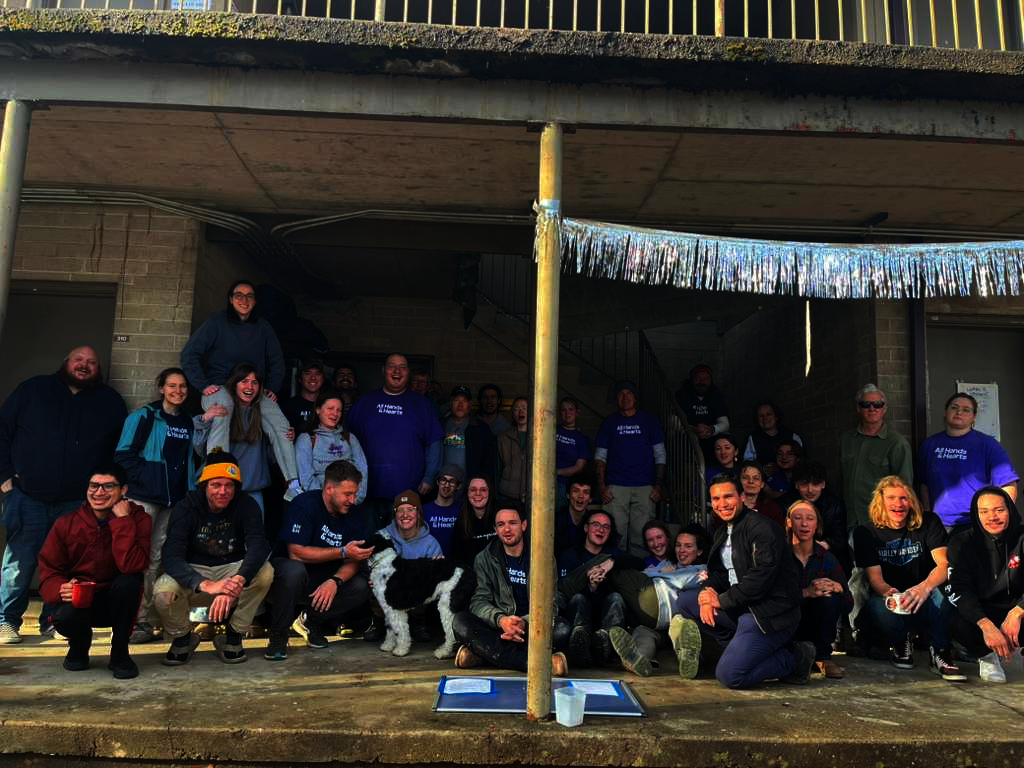
The program continues to host volunteers who contribute directly to recovery activities while creating meaningful connections with affected communities. Volunteer support has accelerated recovery timelines and strengthened community morale.
The reporting period also included:
- Graduation of volunteer team members
- Staff restructuring to support ramp-down planning
- Team-building activities
- Wellness initiatives designed to maintain morale during an extended recovery operation
Leadership remains committed to supporting staff wellbeing while navigating the demands of long-term disaster recovery.
Best Practices & Lessons LearnedFlexible Recovery Planning
Recovery timelines continue to be influenced by:
- Contractor availability
- Permitting requirements
- Material procurement
- Homeowner readiness
- Funding restrictions
Program leadership identified flexibility as essential for maintaining progress while adapting to changing recovery conditions.
Partnership-Driven Recovery
The most successful recovery outcomes have resulted from strong collaboration between community organizations, government agencies, funders, and local recovery groups.
Key lessons include:
- Invest early in relationship building
- Maintain frequent partner communication
- Coordinate funding streams whenever possible
- Align recovery priorities with community needs
Contractor-Based Recovery Model
As recovery operations matured, contractor-supported projects became increasingly important for addressing complex repairs that exceed volunteer construction capacity.
This model enabled the program to:
- Complete more technically complex repairs
- Increase overall project throughput
- Improve quality assurance
- Expand support for vulnerable homeowners
Financial Overview
Projected direct program costs through June 2026 total approximately $3.9 million.
Major expense categories include:
- Materials: $1.68M
- Project Labor: $1.29M
- Transportation & Fuel: $567K
- Project Management: $265K
- Tools & Equipment: $119K
The majority of expenditures continue to support direct recovery activities, including construction labor, building materials, and survivor-focused project delivery.
Looking Ahead
Recovery priorities for the coming months include:
- Completing remaining Red Cross and NCEM-funded projects
- Implementing Nucor-funded community initiatives
- Continuing contractor-supported recovery work
- Finalizing base consolidation and operational ramp-down planning
- Strengthening resilience-focused community partnerships
These efforts will help ensure that recovery investments continue to create sustainable benefits for affected communities.
Conclusion
The North Carolina Helene Recovery Program continues to demonstrate the impact of long-term, survivor-centered disaster recovery. Through strategic partnerships, flexible operations, contractor-supported reconstruction, volunteer engagement, and community collaboration, the program has helped families rebuild their homes and regain stability after one of North Carolina's most devastating disasters.
While significant recovery needs remain, the progress achieved to date reflects the dedication of staff, volunteers, funders, partners, and community members working together toward a shared goal: helping survivors recover stronger and more resilient than before.
![Share on Twitter]()
![Share on Facebook]()