![]()
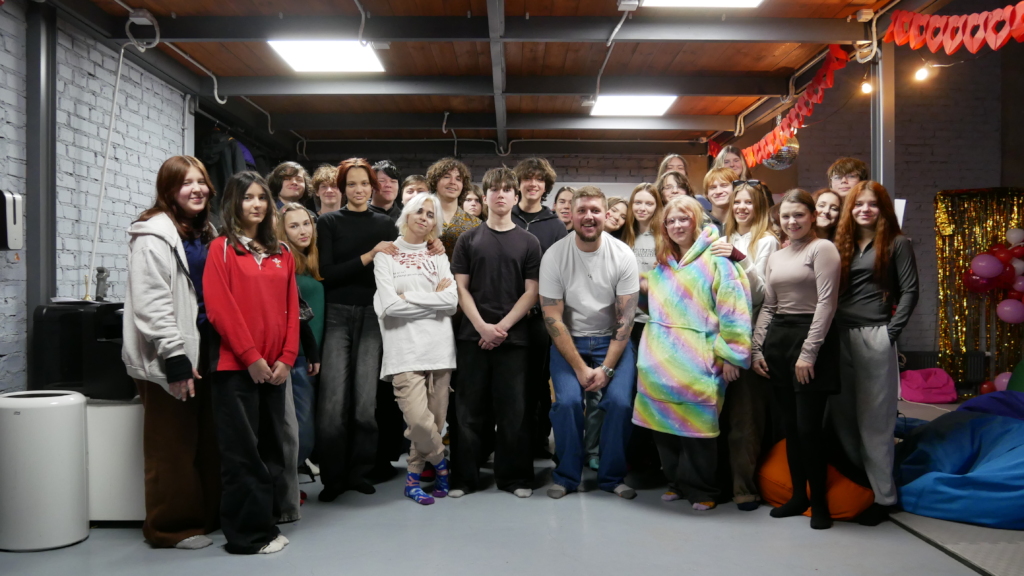
Between 21 January 2026 and 18 May 2026, CF “Chance to Change” continued its coordinated, multisite programme supporting adolescents’ psychosocial recovery, life skills and social integration. Building on the previous season’s work, we further expanded our reach: the core Kyiv groups and in residential institution in Stara Basan (Chernihiv Oblast) remained active, while we opened new groups in Lutsk and Kivertsy. The programme maintained the same proven curriculum – group workshops on emotional literacy and communication, individual consultations, leadership and financial literacy sessions, and experiential activities – while adapting to the needs of new participants. In addition to the regular curriculum, we delivered three specialised thematic sessions across all groups: one on sex education (puberty, HIV risks, contraception, healthy sexual behaviour), one on practical financial literacy (budget planning, smart spending), and one on cybersecurity (safe online communication, countering fraud and malicious actors, protecting personal information).
All participating children belong to highrisk categories registered with social support centres, including orphans, children affected by armed conflict, children deprived of parental care, children of military personnel (including fallen and missing), children from lowincome or marginalised families, and other vulnerable groups.
Programme delivery and logistics
-
Core beneficiaries: 118 adolescents (aged 10–17) across all sites.
-
Group structure and sessions delivered:
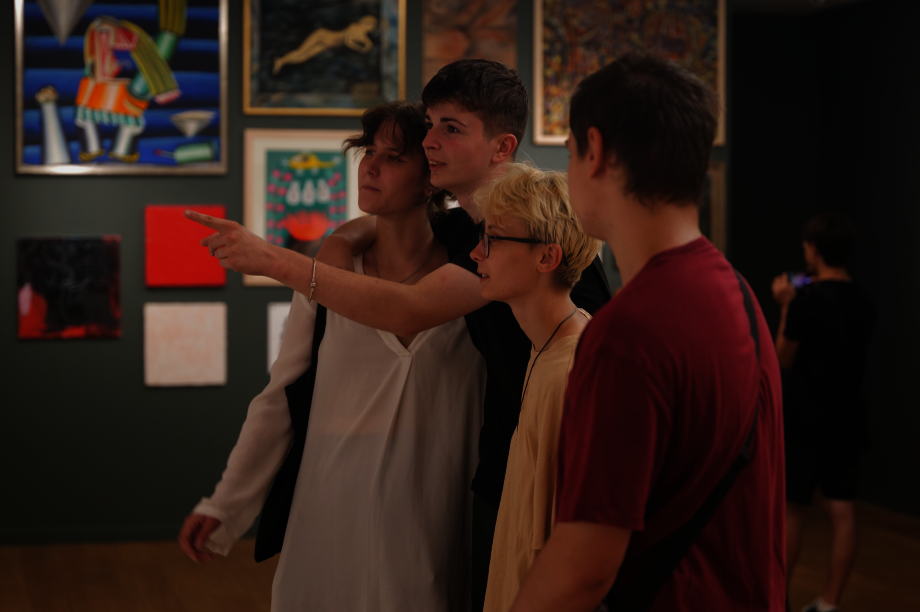
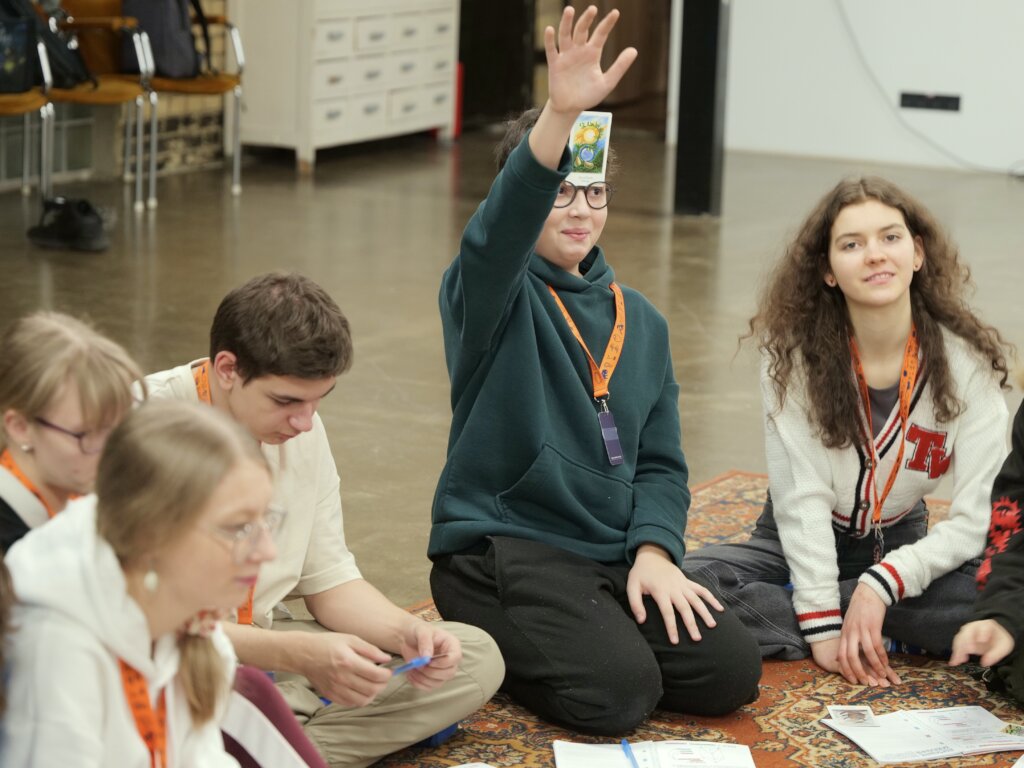
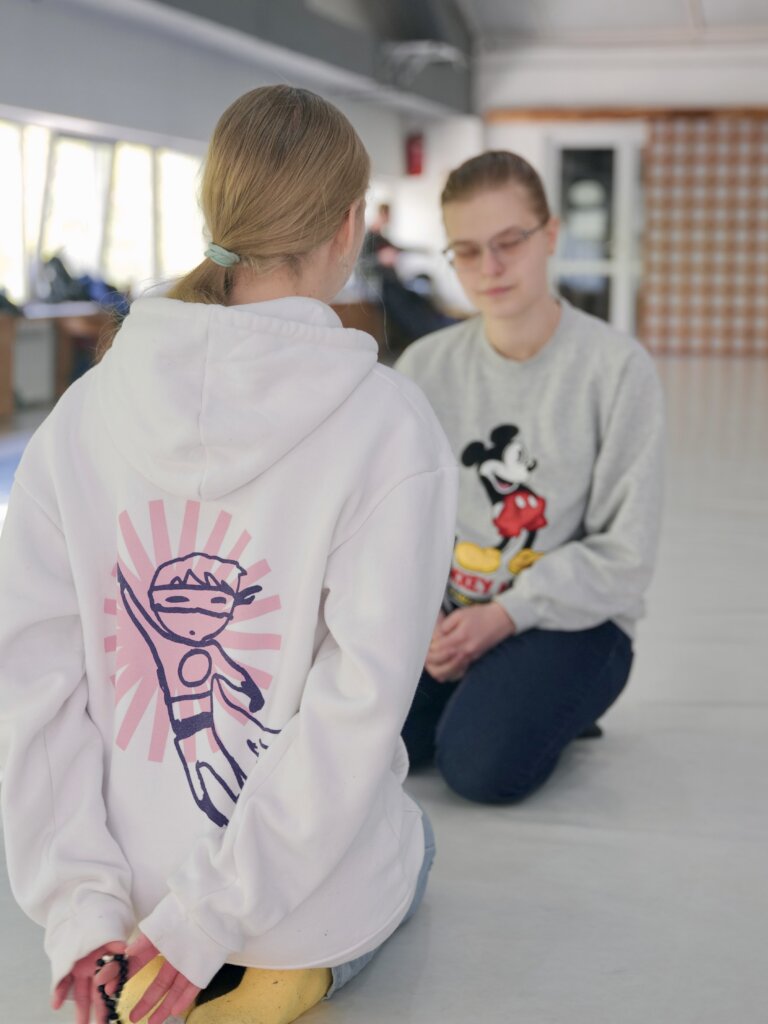
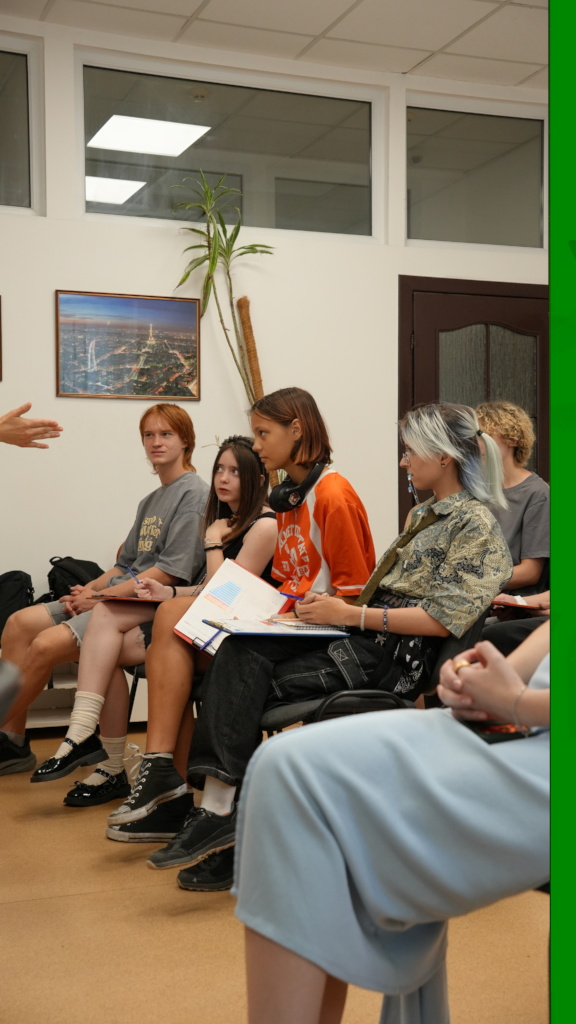
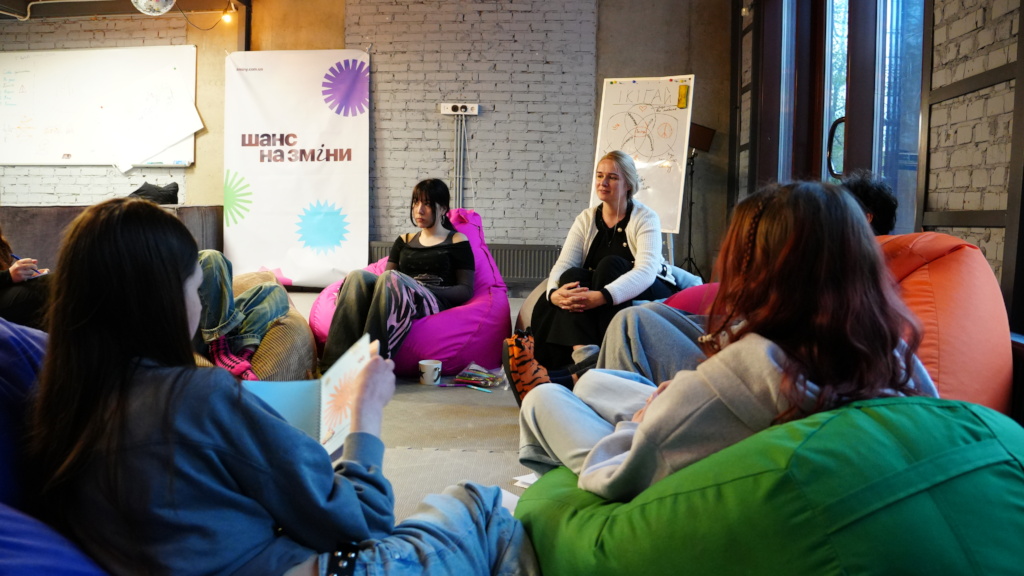
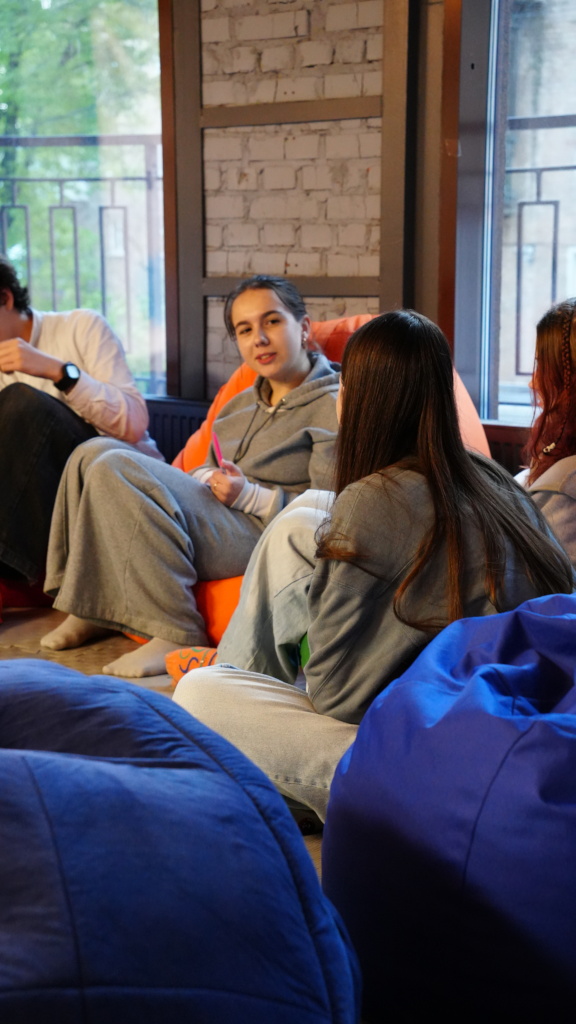
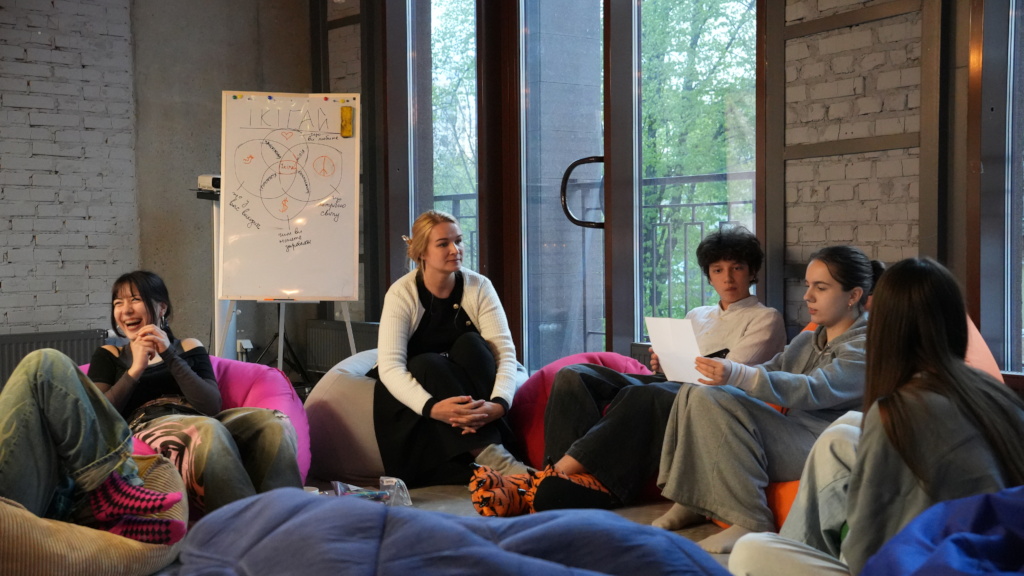
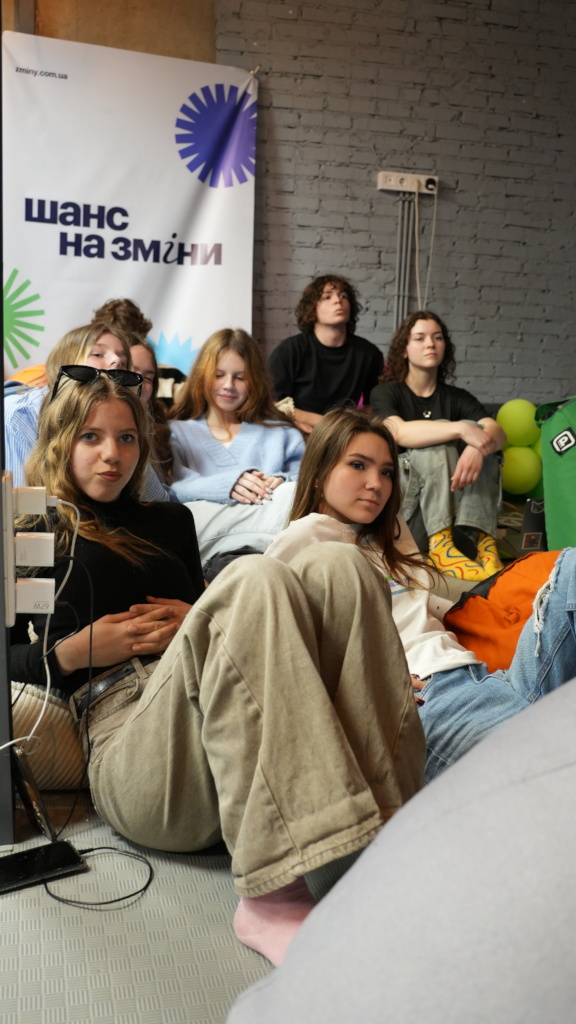
In Kyiv, five groups continued to operate on the Left and Right Banks. The group sizes were as follows: first group – 15 children, second group – 12 children, third group – 16 children, fourth group – 16 children, fifth group – 9 children. Each of these five groups completed 34 practical and lecture sessions during the reporting period.
In Lutsk, one group of 15 children began working with us, delivering 12 sessions.
In Kivertsy, a new group opened in March 2026 with 15 children, completing 7 sessions over the period.
Additionally, we continued our work in the residential institution in Stara Basan (Chernihiv Oblast), where 20 children regularly attended, and 32 sessions were held.
In total, across all locations and groups, the programme delivered 221 practical and lecture sessions (including workshops, lectures, experiential labs and individual consultations). Furthermore, each group received three additional thematic modules: one session on sex education, one on financial literacy, and one on cybersecurity, which are reported separately from the regular session count above.
-
Additional practical support: continued provision of nutritious snacks/meals during sessions, transport stipends where required, and targeted small grants to remove participation barriers (stationery, warm clothing, etc.). For children in the newly opened sites, initial outreach included individual needs assessments and tailored support to ensure stable attendance.
-
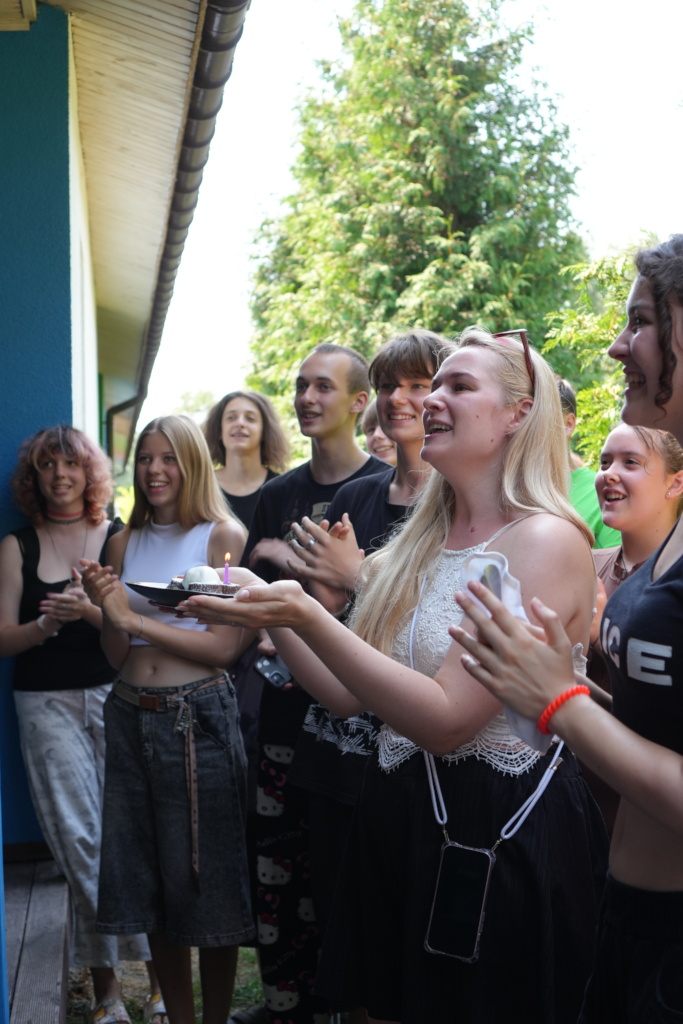
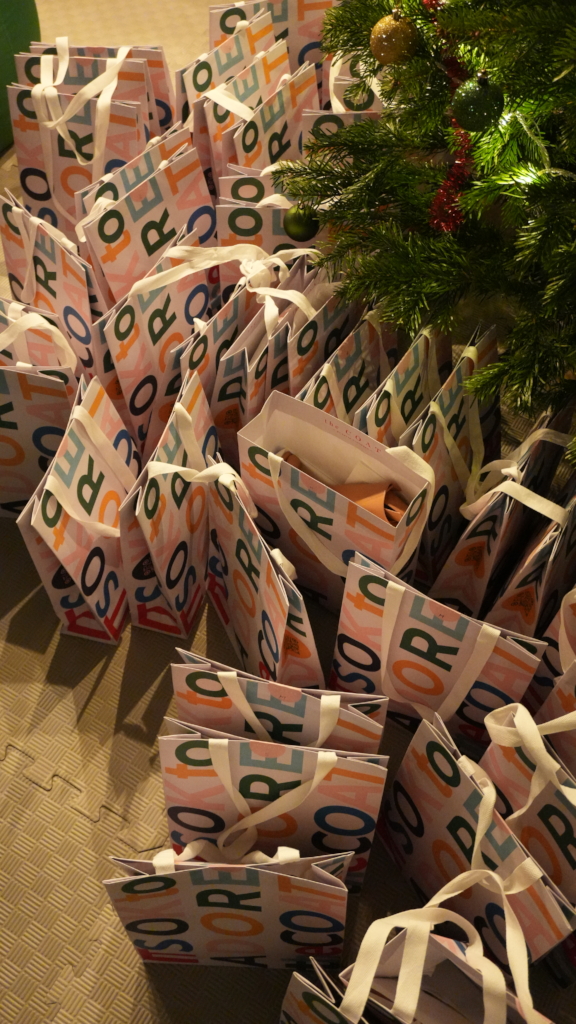
Seasonal support (Easter period): using donated funds, the project prepared meaningful gifts for every child. As in previous seasons, each beneficiary could choose their own present from a curated list, reinforcing dignity, autonomy and positive affect during the spring holidays.
Curriculum and methods
The regular curriculum followed the same complementary block structure used in prior seasons, adapted for the new groups in Lutsk, Kivertsy and Stara Basan:
-
Selfknowledge & psychological literacy: “Who am I?”, values, goalsetting, basic career orientation.
-
Emotional work: recognition and regulation of feelings (shame, guilt, fear, vulnerability, gratitude).
-
Body & selfworth practices: routines to strengthen positive selfimage and somatic grounding.
-
Communication & social ties: boundaries, conflict resolution, peer support skills, resistance to manipulation.
-
Leadership & financial literacy: practical leadership habits, budgeting basics, small enterprise thinking.
-
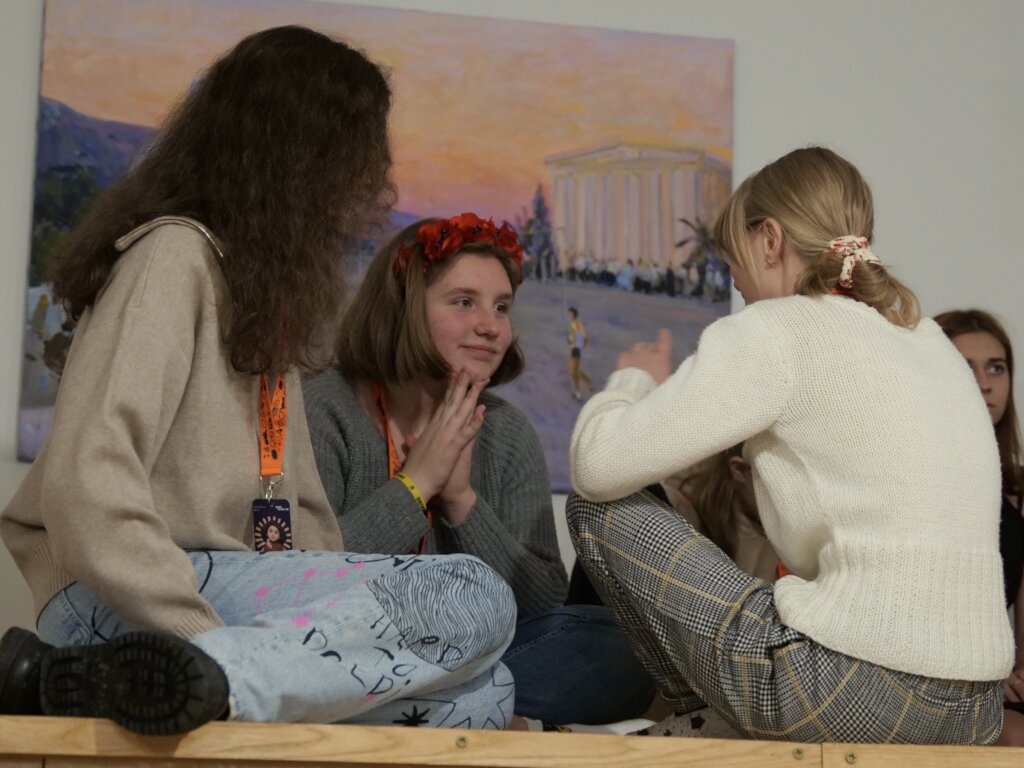
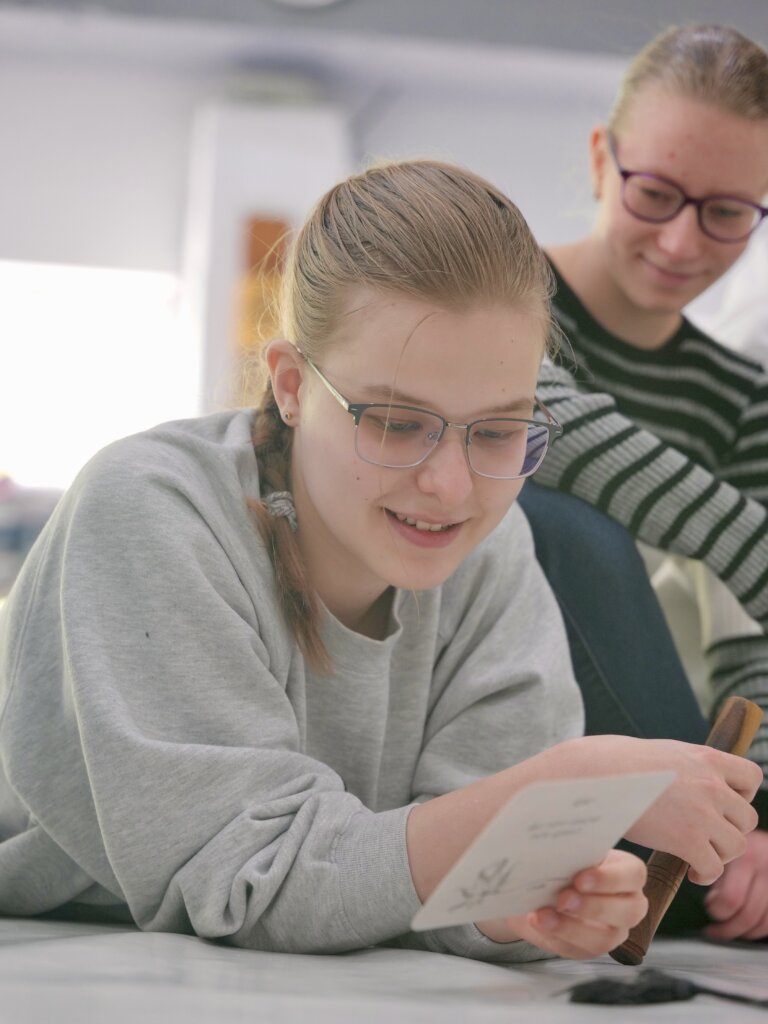
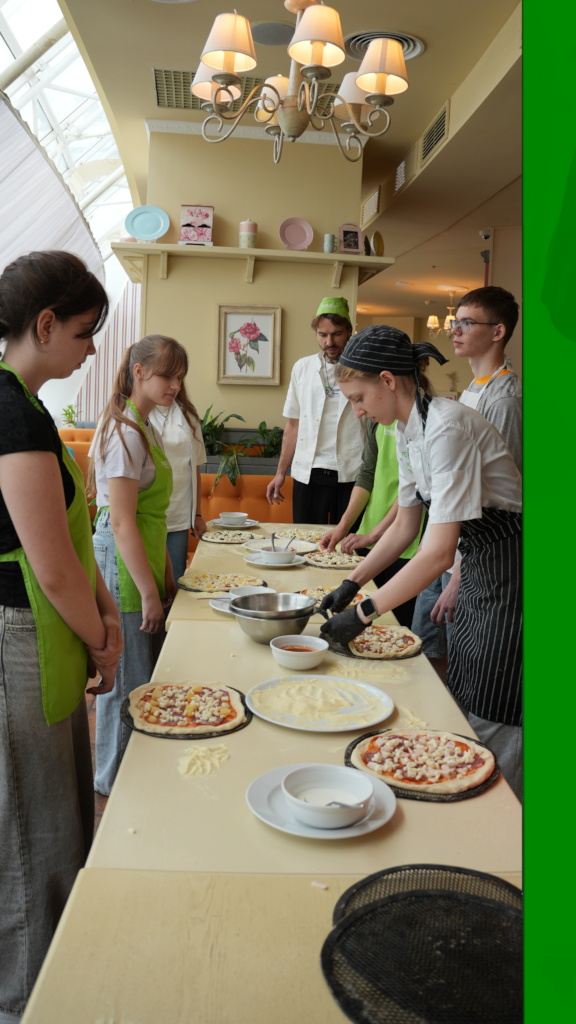
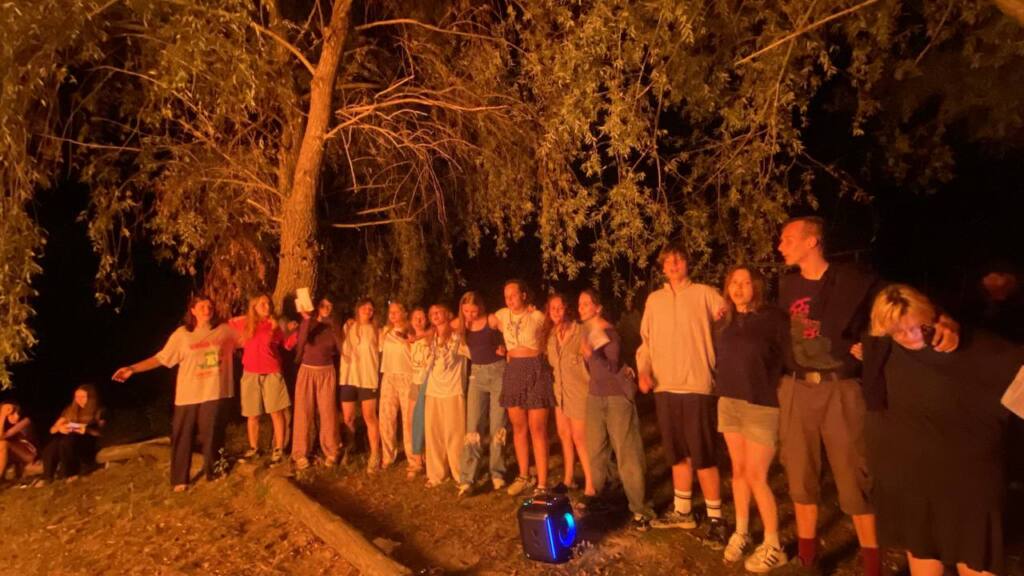
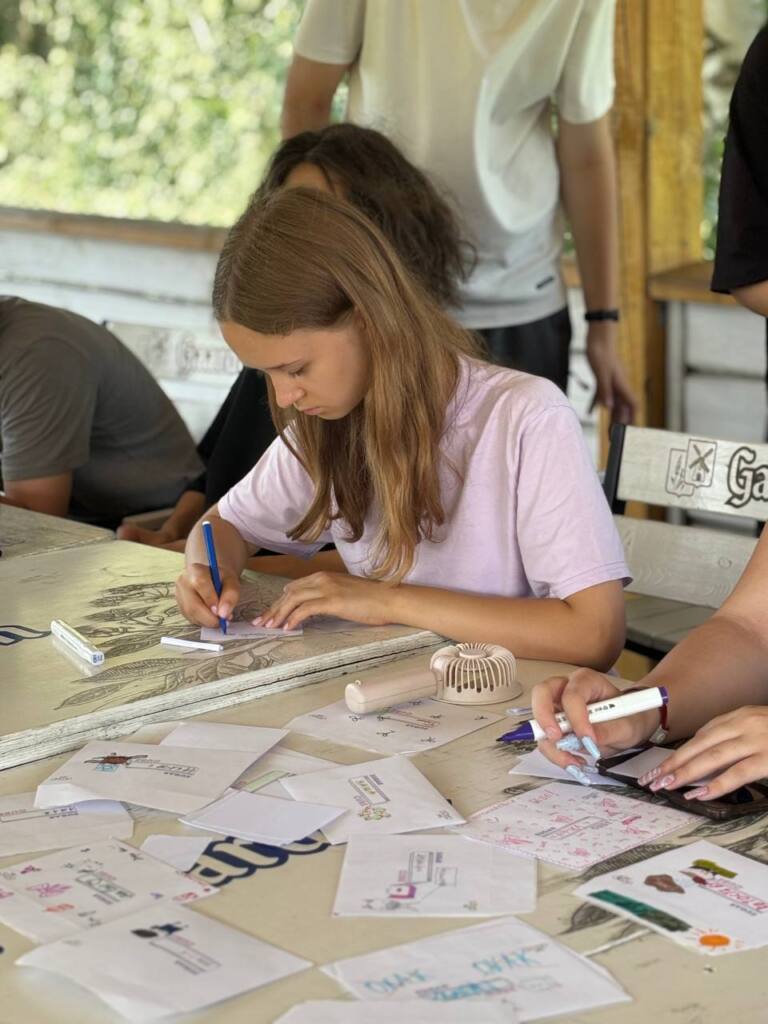
Experiential activities: creative labs, roleplays, community outings and ritualised group practices to consolidate learning.
Specialised thematic sessions (delivered to all groups as supplements to the regular curriculum):
-
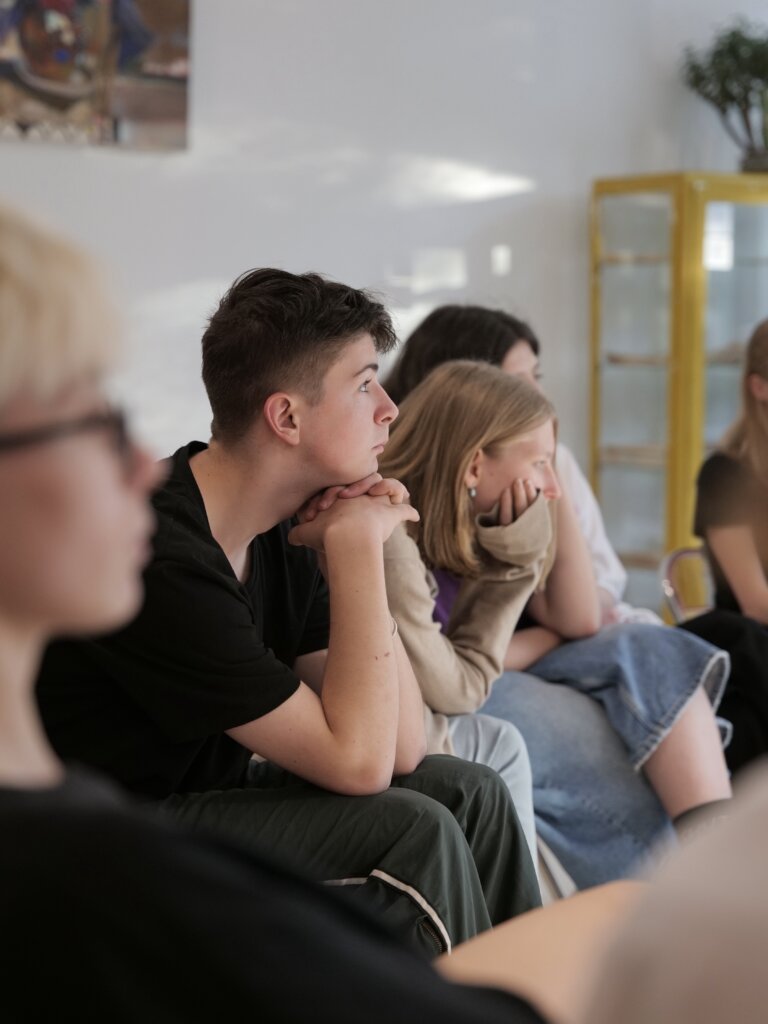
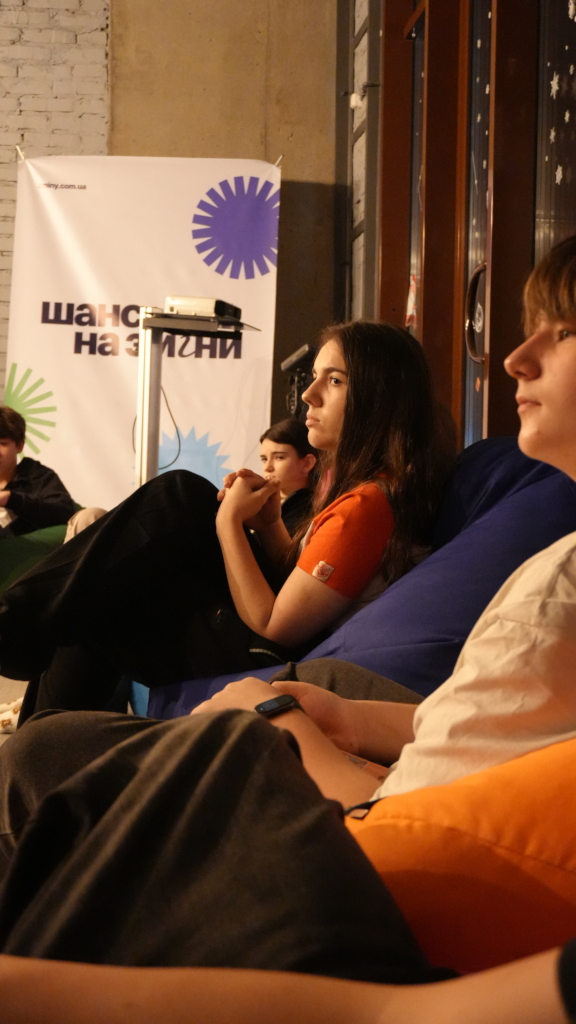
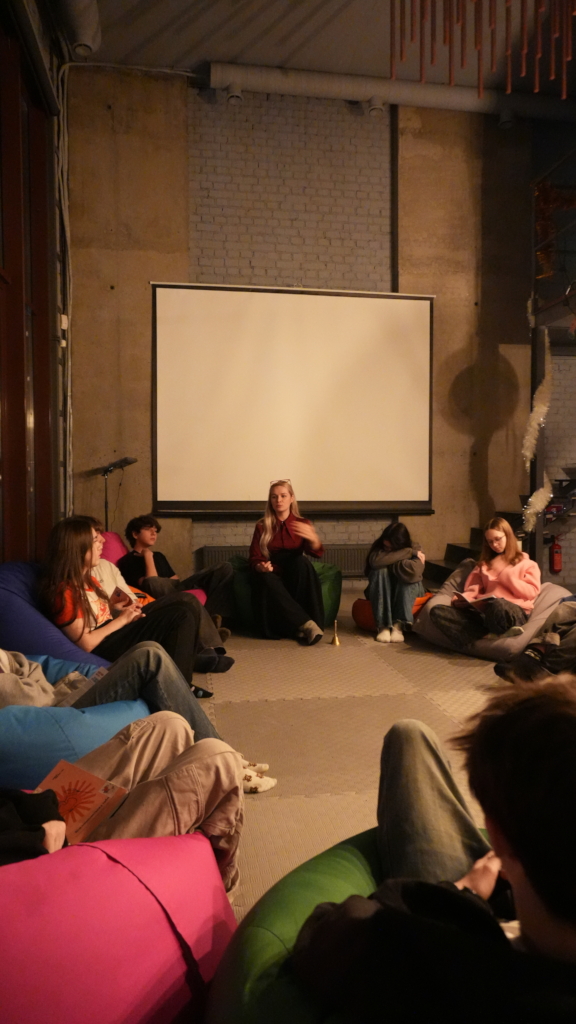
Sex education: one session per group covering key stages of puberty and adolescent development, HIV risks and prevention, contraception methods, and healthy, respectful sexual behaviour. The session was ageappropriate and delivered with sensitivity to the children’s backgrounds and trauma histories.
-
Financial literacy (practical): one session focusing on budget planning, distinguishing needs from wants, smart spending habits, saving strategies, and avoiding common financial pitfalls. This complemented the existing financial literacy blocks within the regular curriculum.
-
Cybersecurity: one session on safe online communication, recognising and countering fraud and other malicious actors (phishing, scams, fake profiles), protecting personal information, and understanding the consequences of sharing sensitive data. Children practised identifying risky situations through reallife examples and roleplay.
All sessions were delivered by experienced facilitators and psychologists, with content adjusted to the specific needs of each subgroup (e.g., residential institution vs. communitybased groups).
Monitoring & evaluation
We employed the same mixedmethods assessment approach used in previous reporting periods: a matched pre/post design augmented by projective and behavioural tools. Instruments included an anxiety questionnaire with subscales, a standardised selfesteem scale, an emotionalintelligence inventory (awareness, regulation, empathy, motivation), the HouseTreePerson drawing for qualitative insight, communicative/organisational skills tests, and psychogeometric profiling. These quantitative measures were complemented by session observations, mentor reports and case studies to capture processual and contextual change.
For the newly opened groups (Lutsk, Kivertsy, Stara Basan), baseline assessments were conducted at the start of their participation, and followup will be completed in the next reporting period. Preliminary data already show positive shifts.
Outcomes – headline figures & qualitative highlights
-
Core beneficiaries: 118 adolescents across 8 groups in 4 locations.
-
Sessions delivered: 221 regular practical and lecture sessions across all sites, plus three additional thematic sessions per group (sex education, financial literacy, cybersecurity) which were highly valued by participants.
-
Assessment results: Using the same indicators and matchedscore approach as prior periods (for continuing Kyiv groups), the programme demonstrated continued meaningful, multidimensional improvement across psychosocial domains – notable gains in emotional intelligence, reductions in measured anxiety, and increases in selfesteem and communication/organisational skills. For new groups, early qualitative feedback and behavioural observations indicate rapid improvement in group cohesion, trust, and willingness to participate.
-
Qualitative impact: Facilitators reported increased group cohesion and openness in all locations, including the newly established groups in Lutsk and Kivertsy. Participants showed greater responsibility in group tasks, enhanced creativity in collaborative assignments, and improved peer support behaviours. Several adolescents received targeted support (equipment, course fees, referrals) enabling continued education or vocational enrolment. The Easter gift initiative had a markedly positive effect on morale and agency: children expressed pride and gratitude at choosing their own presents, which contributed to a stronger sense of dignity and belonging across all groups, including the residential institution in Stara Basan.
-
Feedback on thematic sessions: The sex education session generated high engagement and many followup questions, indicating a significant unmet need for safe, accurate information among this vulnerable population. The cybersecurity session helped several adolescents recognise past risky online behaviours and adopt safer practices. The financial literacy session was particularly appreciated by older participants who are beginning to manage small allowances or parttime earnings.
-
Expansion success: The opening of groups in Lutsk, Kivertsy and Stara Basan was met with high demand from local social services. Waiting lists already exist for future cycles, confirming the urgent need for such programming beyond the capital.
![]()
![]()
![]()
![]()
![Share on Twitter]()
![Share on Facebook]()