By Oleksandr Kholmakov | Project Manager
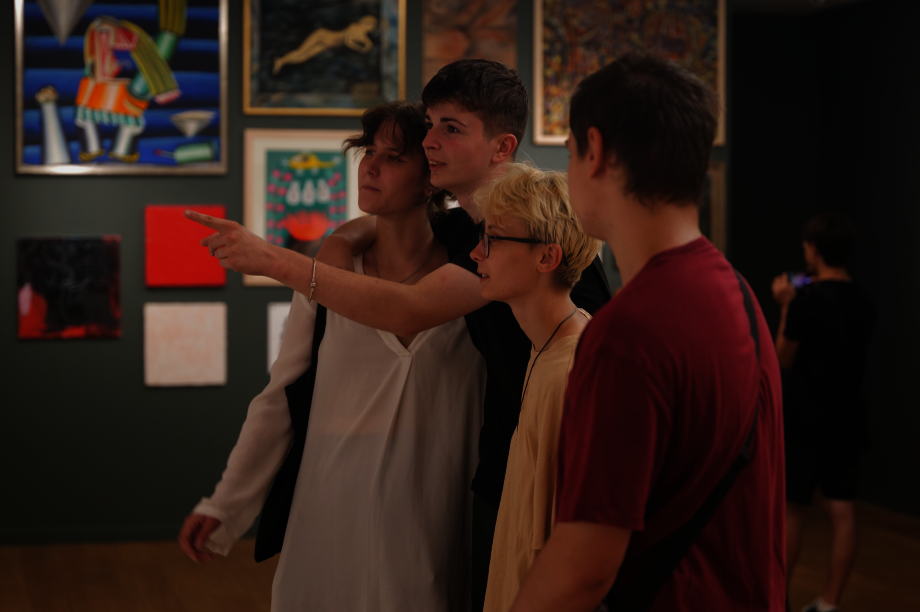
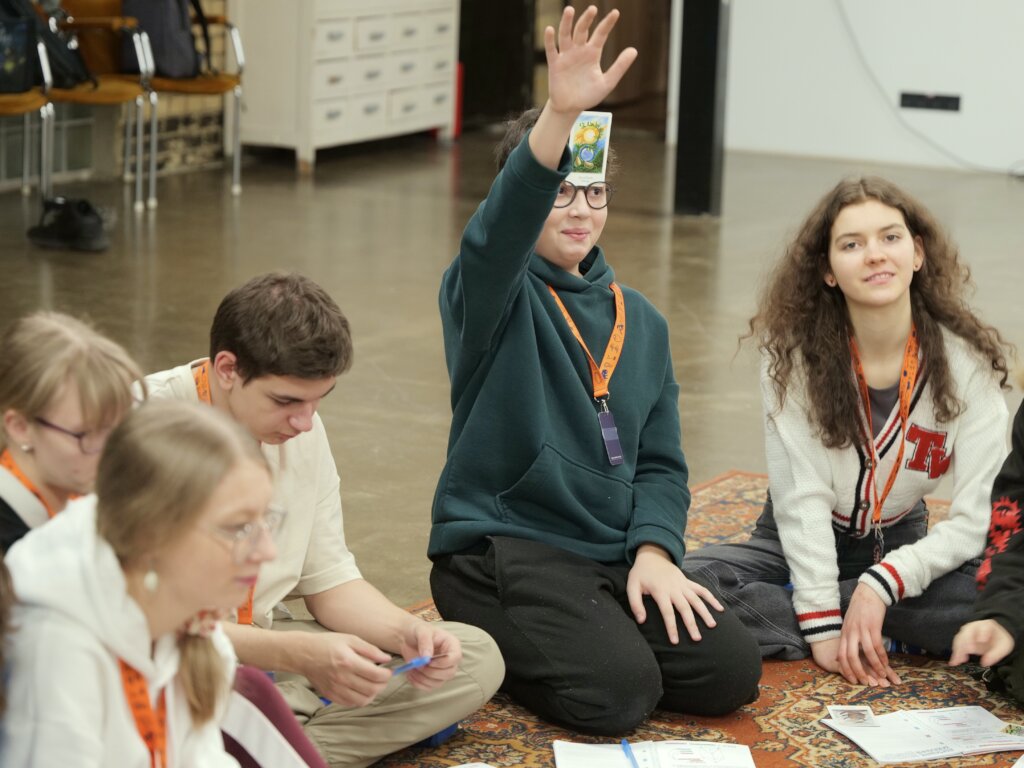
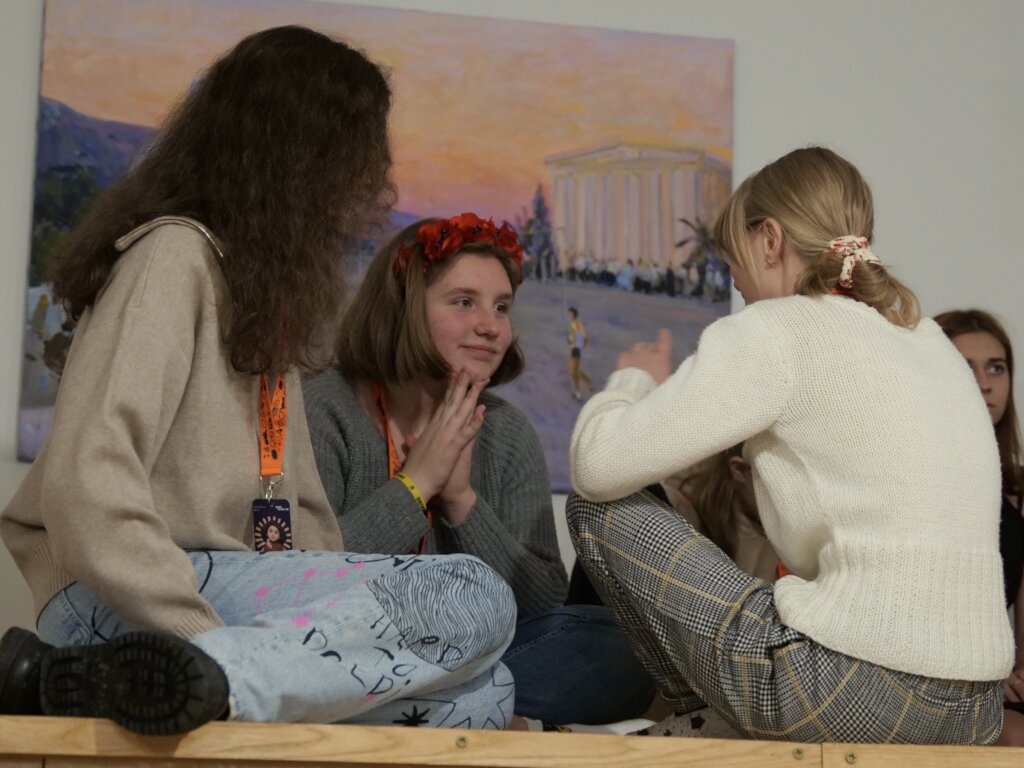
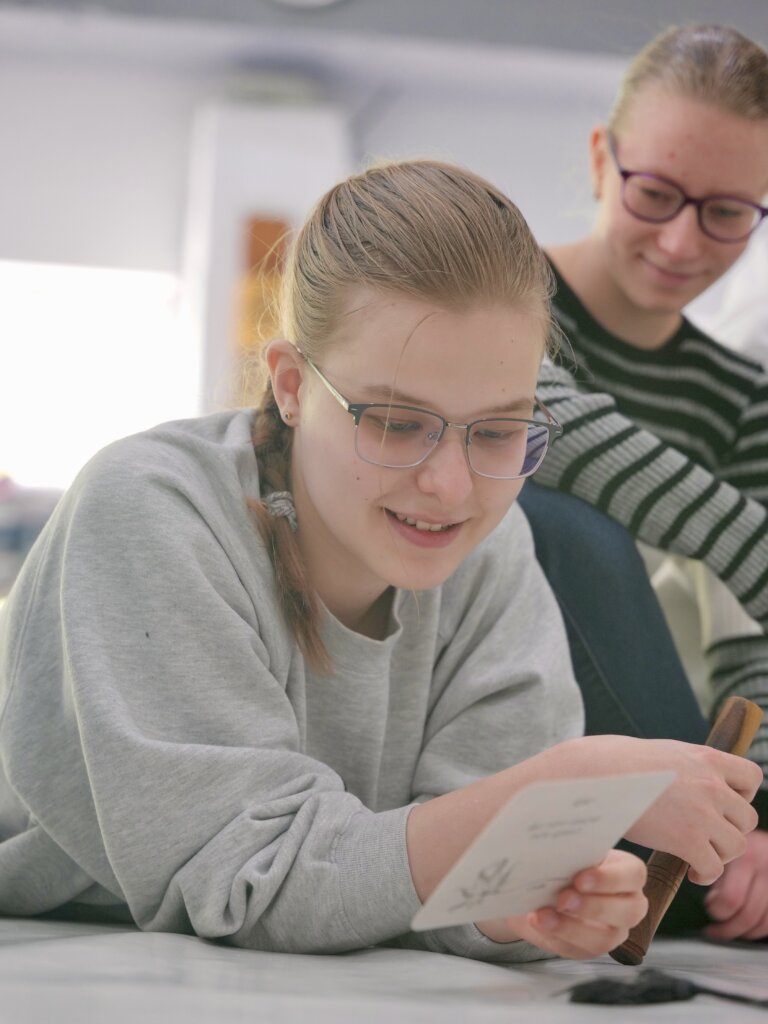
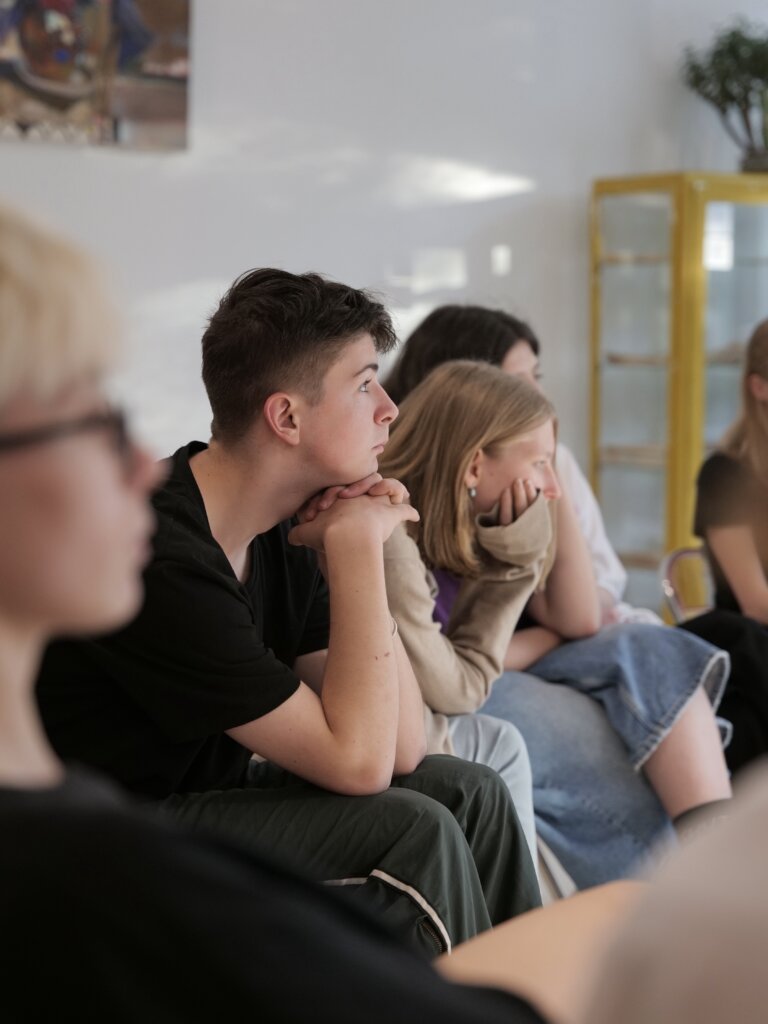
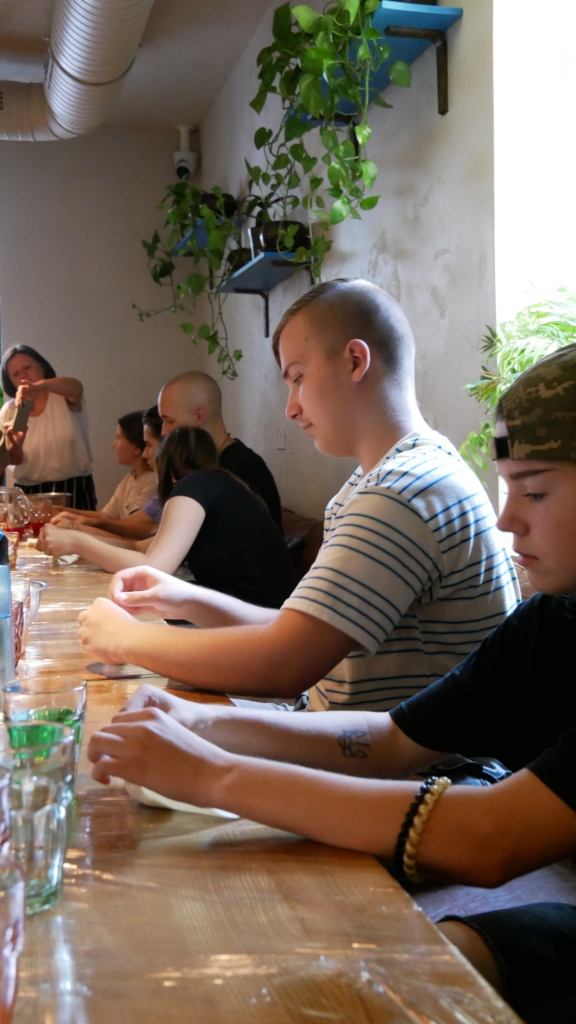
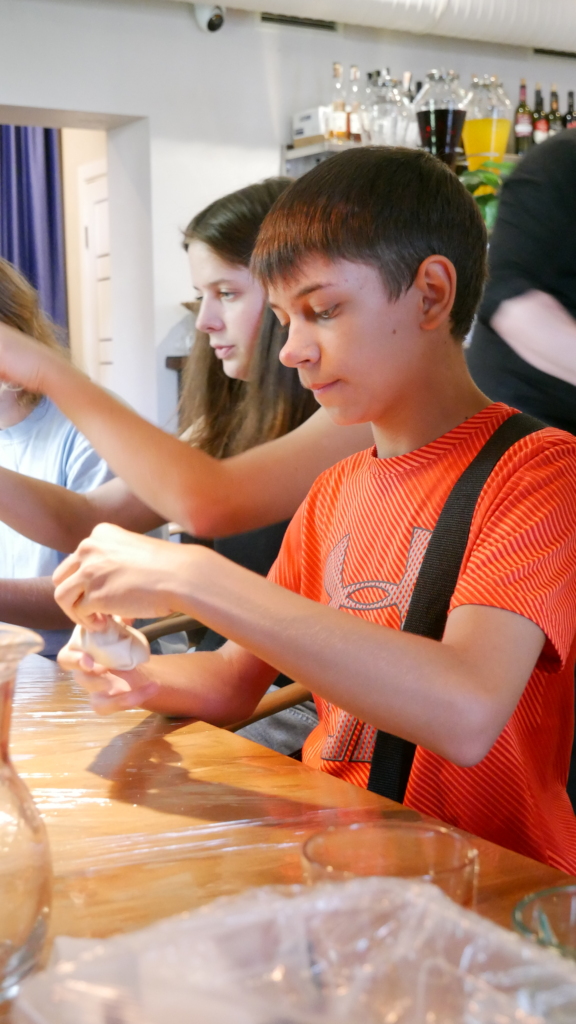
Between 1 June and 20 September 2025 CF “Chance to Change” ran an extended, multi-site programme designed to support adolescents’ psychosocial recovery, life skills and social integration after the upheavals of war. Rather than a set of isolated events, the season formed a coherent learning arc: group workshops built emotional literacy and communication skills; one-to-one consultations and mentoring deepened individual support; practical leadership and financial-literacy sessions encouraged agency; and experiential activities—from sensory-room work to a six-day summer camp—created safe, joyful spaces where young people could practice new skills together.
Our core cohort numbered 60 adolescents (aged 13–17), among them 32 college students who joined the main programme stream. In parallel, a targeted programme in Stara Basan boarding school reached 30 children with play-based and sensory approaches adapted to their needs. During the summer we ran a concentrated six-day camp for 25 adolescents, and between 17 June and 20 September delivered 15 citywide master-classes in partnership with Kyiv social centres, which collectively reached 200 children across all 10 Kyiv districts. To multiply impact beyond group sessions, we established 12 mentor–teen pairs that offered regular individual guidance and accompaniment.
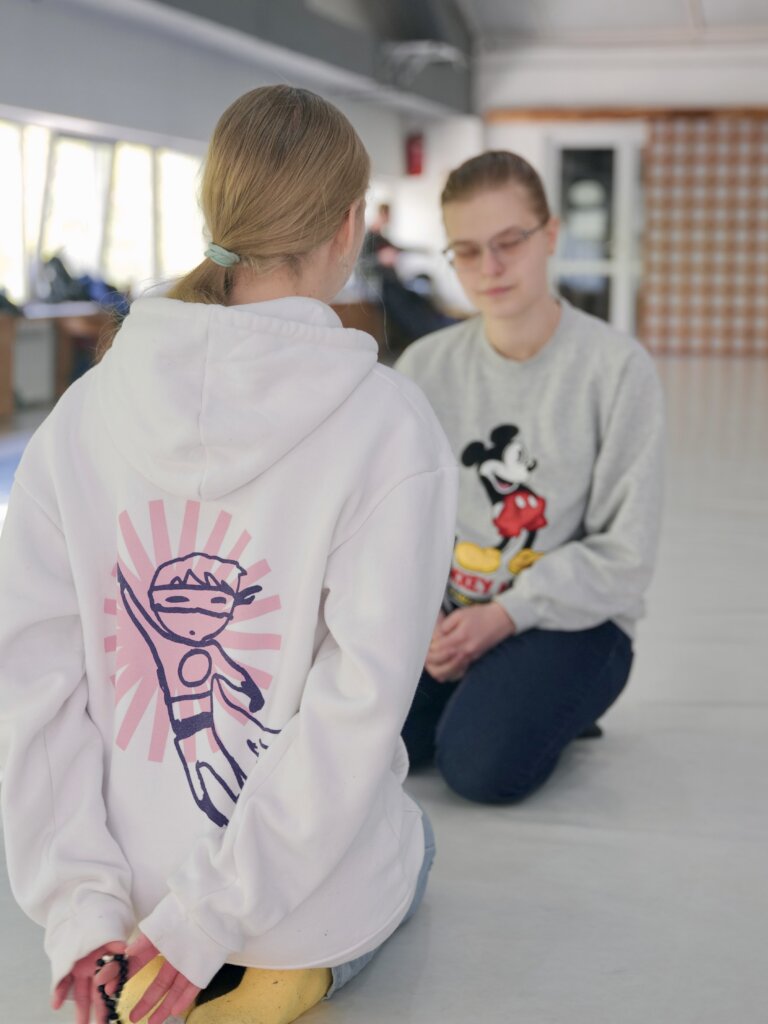
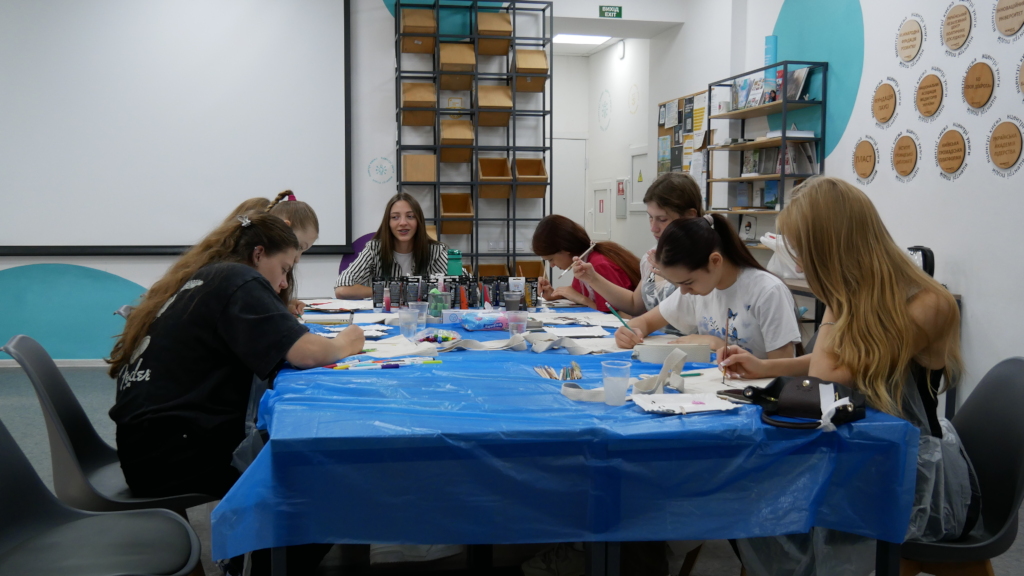
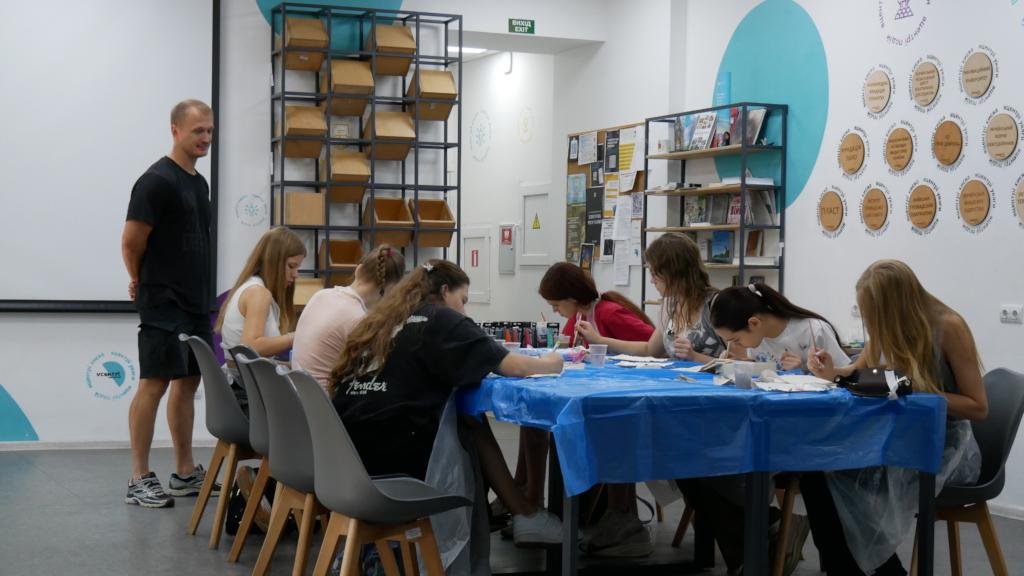
Across formats and sites we delivered more than 200 sessions—a combination of thematic workshops, experiential labs, master-classes, and individual consultations. At Stara Basan, a dedicated sequence of 40 sessions used games, sensory exercises and closed-eye practices to help children recognise and safely express feelings; practical infrastructure upgrades (generator, sensory-room repairs, internet equipment) ensured continuity of activities and improved living conditions. The master-classes in Kyiv served both as outreach and as a bridge to longer-term engagement: short, interactive modules that introduced core ideas and created referral pathways into sustained workshops and mentoring.
The programme’s curriculum was arranged around complementary blocks that reinforced one another. Self-knowledge and psychological literacy helped adolescents clarify values, goals and the transition to adult roles (modules such as “Who am I?”, ikigai, goals & dreams, and Dilts’ logical levels). Emotional-domain work taught recognition, regulation and healthy expression of feelings (covering shame, guilt, fear, vulnerability and gratitude). Sessions on body, self-worth and acceptance strengthened positive self-image. Communication and social-ties modules practised personal boundaries, conflict resolution and resistance to manipulation. Leadership and financial-literacy segments introduced practical leadership habits and basic money-management. Finally, experiential and cultural activities—creative labs, role plays, outings and camp rituals—translated cognitive learning into embodied practice and social bonding.
We measured change with a matched pre/post design complemented by projective and behavioural tools. Instruments included an anxiety questionnaire with subscales, a standardised self-esteem scale, an emotional-intelligence inventory (awareness, regulation, empathy, motivation), the House-Tree-Person drawing for qualitative insight, a test of communicative and organisational skills, and the psychogeometric test (S. Dellinger) to profile behavioural styles. These mixed methods allowed us to capture both statistical shifts and richer, case-level transformations.
The measured results show meaningful, multi-dimensional improvement. On a combined index across core domains we observed a +41% gain. Self-esteem rose by +32%, while overall anxiety declined by –28%—with especially strong drops in interpersonal anxiety (–43%), fear of mistakes (–25%), performance-related fear (–22%) and emotional tension (–21%). Communication and organisational skills improved by +39%, and emotional intelligence increased by +52% overall; within EI, emotion regulation showed a particularly large shift (+167%), and emotional awareness, empathy, self-motivation and understanding others’ emotions all improved substantially (+45%, +33%, +41% and +42% respectively). These changes are drawn from matched quantitative scores and reinforced by qualitative readings of drawings, session observations and mentor reports.
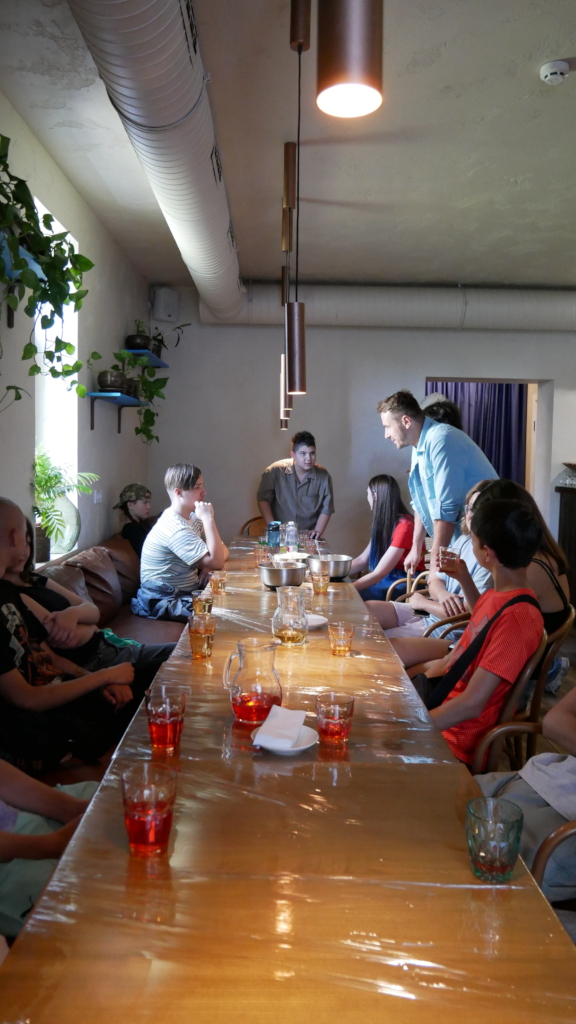
The summer camp at Tolokun (“Dacha”) concentrated these processes in an immersive six-day format. Mornings began with body-based routines (yoga, running, stretching) to ground participants; days combined psychological circles on dreams and inner strength with collaborative creative projects (flags, symbols, a collective dreamcatcher and raft building), team strategy games and responsibilities assigned to each child. Evenings brought fireside circles, music and reflection. By the camp’s close we observed greater responsibility, more visible creativity, bolder self-expression and a strengthened sense of belonging.
Beyond psychosocial programming, practical material and logistical support played a vital role. Sessions were accompanied by food/snacks and basic supplies; Stara Basan benefited from generator installation, sensory-room renovation and reliable internet equipment; several young people received laptops, course fees or places in vocational and cultural classes; and targeted medical or dental assistance was provided where needed. These interventions reduced barriers to participation and signalled sustained care from the team.
Stories and casework illustrate how the programme operated in practice: a previously withdrawn group in Stara Basan became cohesive and engaged; several boarding-school graduates matriculated into college with our accompaniment; mentor relationships supported study and daily problem-solving; and timely repairs and equipment purchases kept activities running despite infrastructural challenges. Overall, staff observed that groups moved from guarded, quiet beginnings to warm, interdependent communities where participants felt seen and motivated.
Outcomes — headline figures & qualitative highlights
Project reports on GlobalGiving are posted directly to globalgiving.org by Project Leaders as they are completed, generally every 3-4 months. To protect the integrity of these documents, GlobalGiving does not alter them; therefore you may find some language or formatting issues.
If you donate to this project or have donated to this project, you can receive an email when this project posts a report. You can also subscribe for reports without donating.



Support this important cause by creating a personalized fundraising page.
Start a Fundraiser