By Bipin Irabatti | Executive Donor Relations
Brief:
During the quarter, the Mobile Science Lab (MSL) program delivered structured science and mathematics learning through regular school sessions, supported by digital and phygital learning interventions. The program ensured sustained engagement with students through experiential classroom sessions, technology-enabled learning, community outreach, science fairs, and special educational events. By combining hands-on demonstrations with interactive digital content, the interventions strengthened conceptual understanding, nurtured curiosity, and created meaningful learning experiences both within and beyond school environments.
School Visit Sessions:
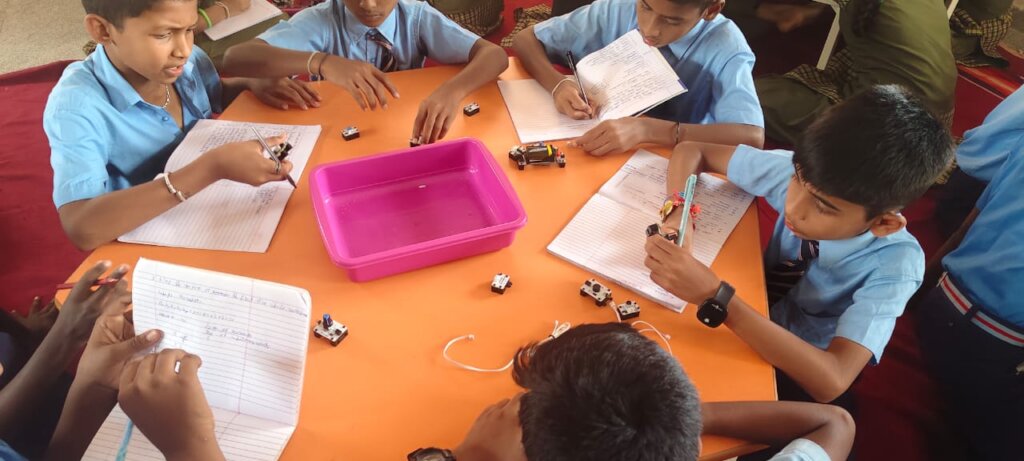
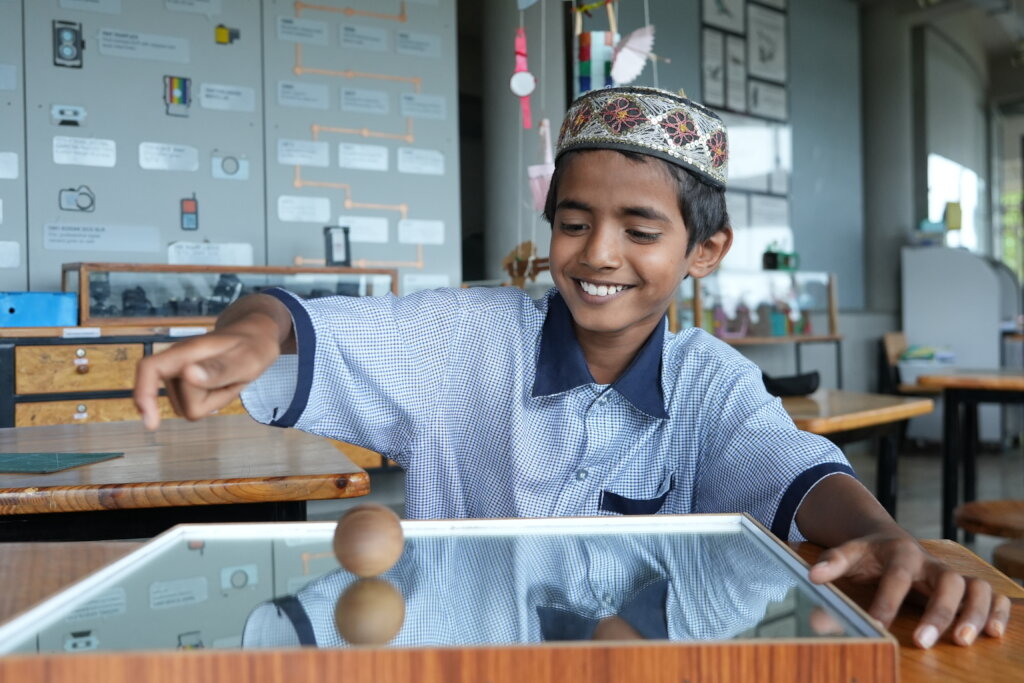
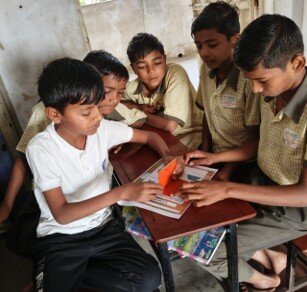
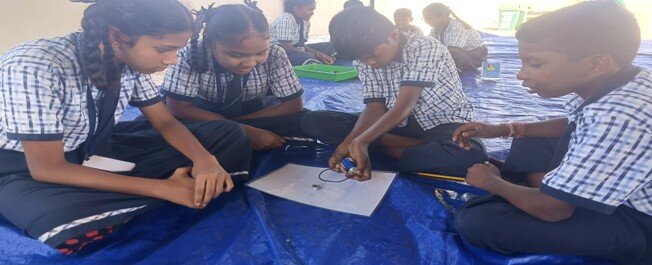
Regular school visits formed the core of program implementation during the quarter, ensuring continuity in science and mathematics education through experiential and inquiry-based learning approaches. Sessions were conducted consistently for middle school students, covering a wide range of concepts in physics, environmental science, life sciences, and mathematics through demonstrations, experiments, guided discussions, and hands-on model-based learning.
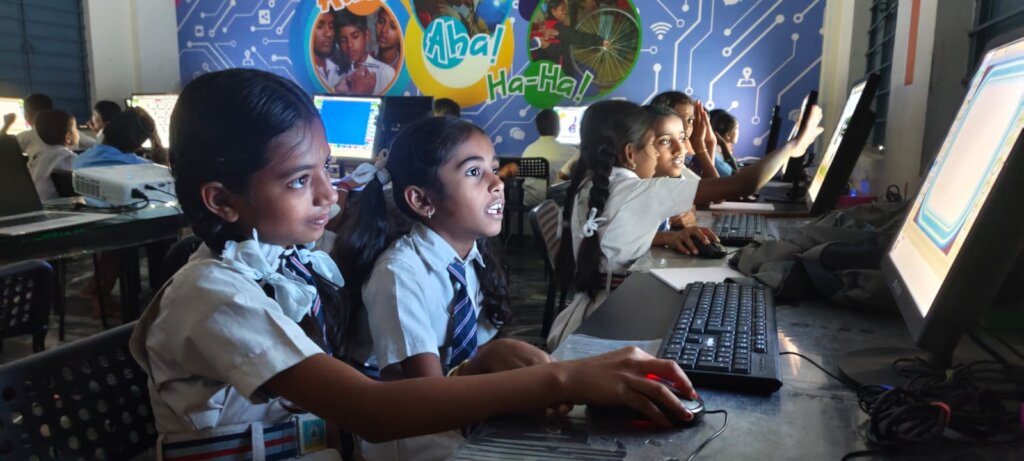
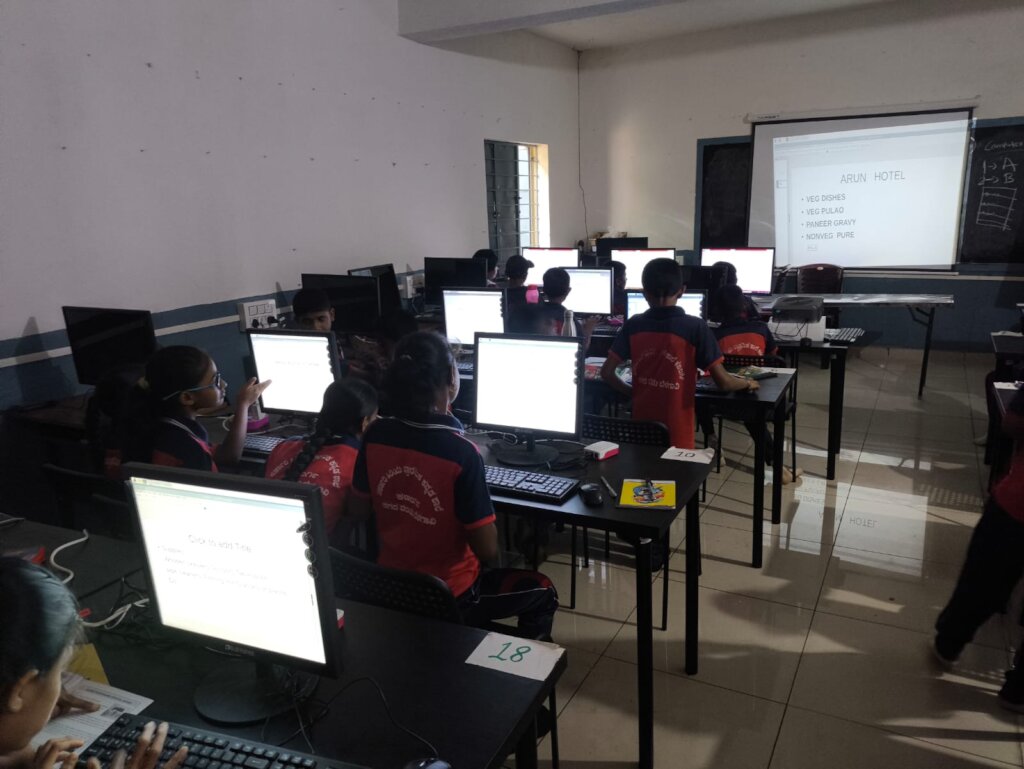
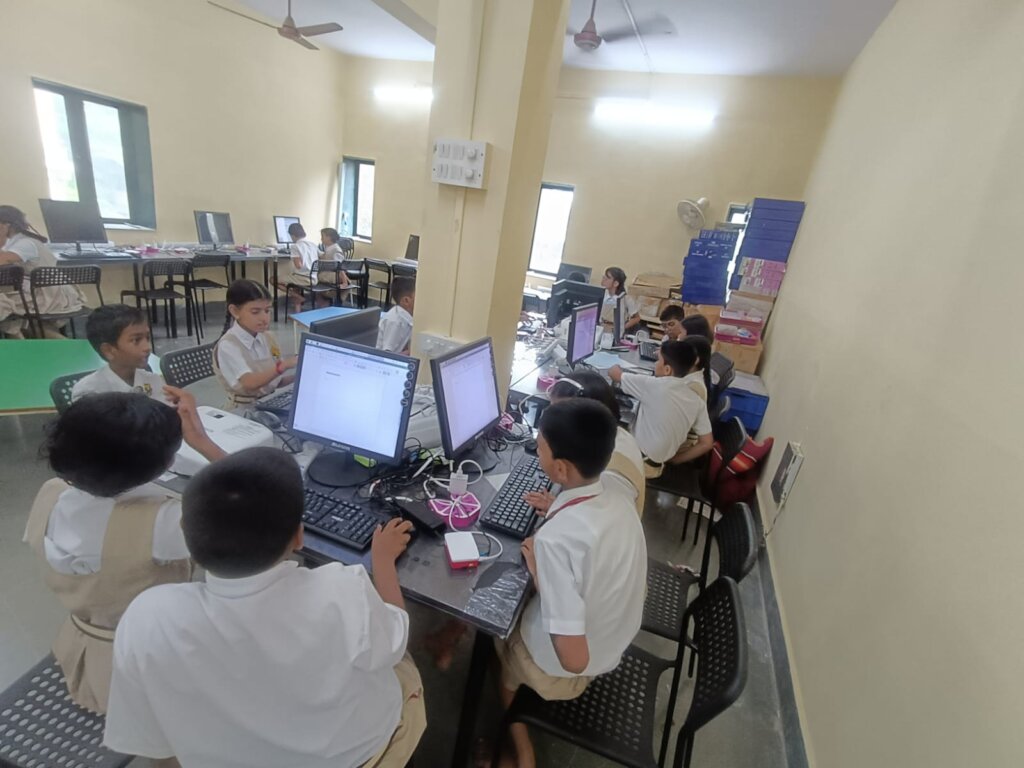
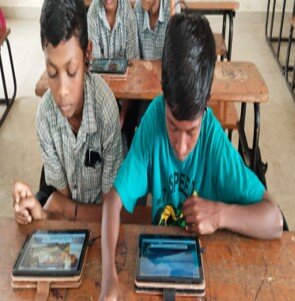
In January, school sessions focused on foundational concepts such as electricity, magnetism, motion, light, air, food, numbers, and environmental awareness topics. Students actively engaged in practical activities that helped simplify abstract scientific concepts and encouraged observation-based learning. Digital and phygital sessions further enriched classroom learning through the use of visual content and tablet-enabled engagement, helping learners connect theory with application.
In February, learning continued with topics related to light and lenses, heat, sound, digestive systems, geometry, symmetry, pressure, and environmental science. Interactive classroom demonstrations and digitally supported learning strengthened conceptual clarity and encouraged active participation. Students responded positively to the blended learning model, showing sustained curiosity and enthusiasm.
In March, despite variations in school schedules across locations, sessions continued with focused interventions on advanced concepts such as reflection of light, sound, friction, and pressure. Experiential learning remained central to delivery, enabling students to explore scientific principles through practical activities and guided experimentation. The quarter also included end-line learning assessments in select locations to evaluate student understanding and program effectiveness.
Across the quarter, regular school engagement combined with digital reinforcement created a dynamic and inclusive learning environment that encouraged active participation from both students and teachers.
Special Programs and Major Events:
During the quarter, several special educational and engagement-based events were conducted to complement regular academic interventions and enhance student participation.
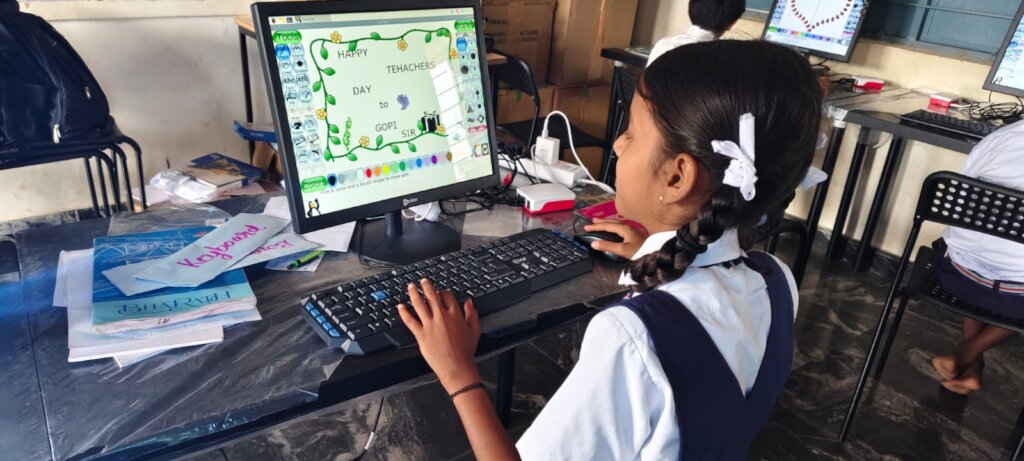
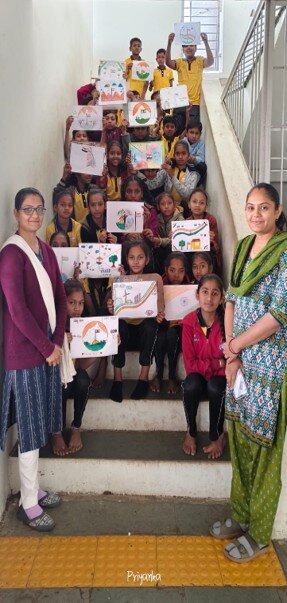
In January, thematic celebrations and awareness-based activities were organized to encourage student creativity, participation, and civic understanding. Interactive art-based and participatory sessions created a joyful learning environment while reinforcing broader educational values.
In February, National Science Day was observed as a key learning event, where students engaged with science models, demonstrations, and discussions highlighting the relevance of science in everyday life. These celebrations helped deepen student interest in scientific thinking and experiential learning.
Science fairs were also organized during the quarter as major engagement platforms, providing students with opportunities to showcase learning through models, demonstrations, and peer interactions. Students actively participated in presenting concepts, engaging with visitors, and demonstrating their understanding through experiential exhibits. These events strengthened confidence, communication skills, and peer learning while creating an atmosphere of innovation and collaborative exploration.
Community Visit Outreach:
Community engagement remained an important component of the program, extending science awareness and educational messaging beyond school campuses.
During the quarter, outreach visits were conducted in surrounding communities to engage students, parents, and local community members through interactive science demonstrations and educational discussions. These visits focused not only on introducing scientific concepts in simple and relatable ways, but also on reinforcing the importance of education and continued student participation in schooling.
Science models and demonstrations related to human anatomy, perception, environmental concepts, and practical physics were used to create awareness and stimulate curiosity among participants. The interactive nature of these sessions helped simplify scientific understanding for community audiences while creating stronger connections between learning and everyday life.
Community members responded positively to the outreach efforts, with active participation and appreciation for the engaging learning format. These visits contributed meaningfully to strengthening the broader educational ecosystem surrounding students.
Camp Activities:
A seasonal educational camp was conducted during the quarter as an extended learning intervention, providing students with opportunities for deeper engagement beyond regular school sessions.
The camp created an immersive environment where students participated in structured science and mathematics activities designed to promote curiosity, creativity, collaboration, and practical problem-solving. Through activity-based learning and exploratory sessions, students were encouraged to think critically, experiment freely, and engage more deeply with scientific concepts.
The intervention served as an effective platform for sustained learning during the academic cycle, helping maintain student engagement while providing enriched educational exposure outside routine classroom interactions.
Overall Impact:
During the quarter, the Mobile Science Lab program successfully strengthened experiential science and mathematics education through a combination of regular school sessions, digital and phygital learning, special educational events, community outreach, and extended engagement platforms.
The integrated delivery model improved conceptual understanding by making abstract topics accessible through practical demonstrations, interactive models, and visual learning tools. Students consistently demonstrated enthusiasm, curiosity, and active participation across interventions, while teachers’ engagement further reinforced classroom learning outcomes.
Special programs and science fairs created opportunities for confidence-building, peer learning, and creative expression, while community outreach helped extend educational awareness beyond school settings. Overall, the quarter contributed significantly to building an inclusive and engaging learning ecosystem that promoted scientific temper, active inquiry, and sustained student interest in learning.
Project reports on GlobalGiving are posted directly to globalgiving.org by Project Leaders as they are completed, generally every 3-4 months. To protect the integrity of these documents, GlobalGiving does not alter them; therefore you may find some language or formatting issues.
If you donate to this project or have donated to this project, you can receive an email when this project posts a report. You can also subscribe for reports without donating.



Support this important cause by creating a personalized fundraising page.
Start a Fundraiser