Project Report
| Jul 6, 2026
80,000 Children at Risk. Ortese Can't Wait.
By JACKSON AMEH | Project Leader
![]()
Cholera does not wait, negotiate, or discriminate. It strikes swiftly, especially where water is scarce and sanitation is poor. In Nigeria, the crisis is mounting: as of June 2025, the country recorded 3,109 suspected cholera cases and 86 deaths. Children under five are the hardest hit, accounting for over 25% of infections. UNICEF warns that with continued heavy rains and flooding, as many as 80,000 children are now at immediate risk.
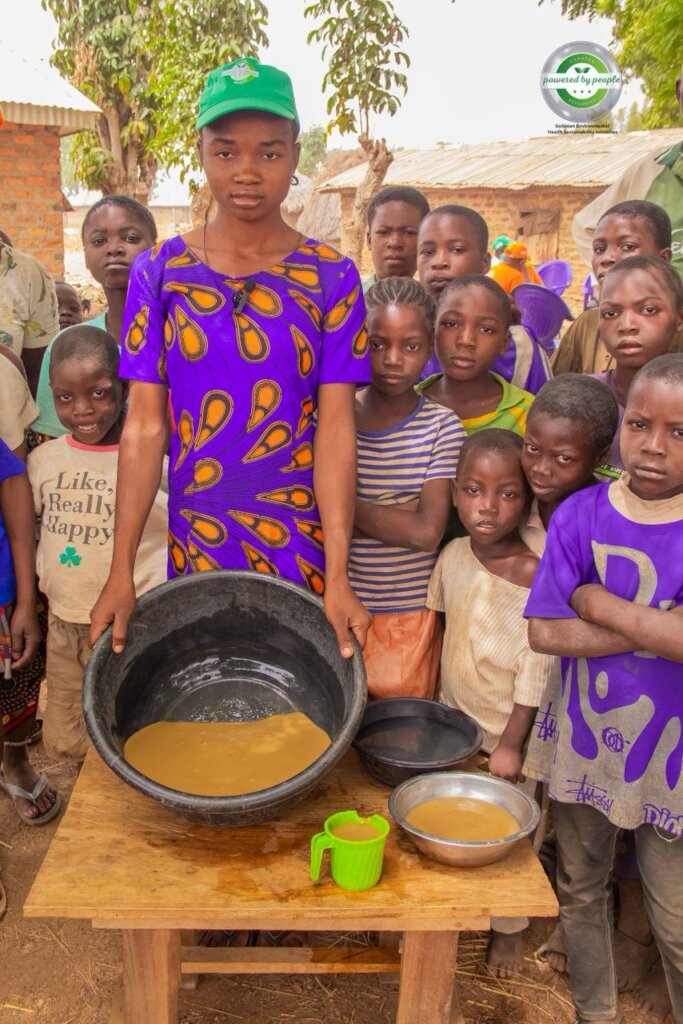
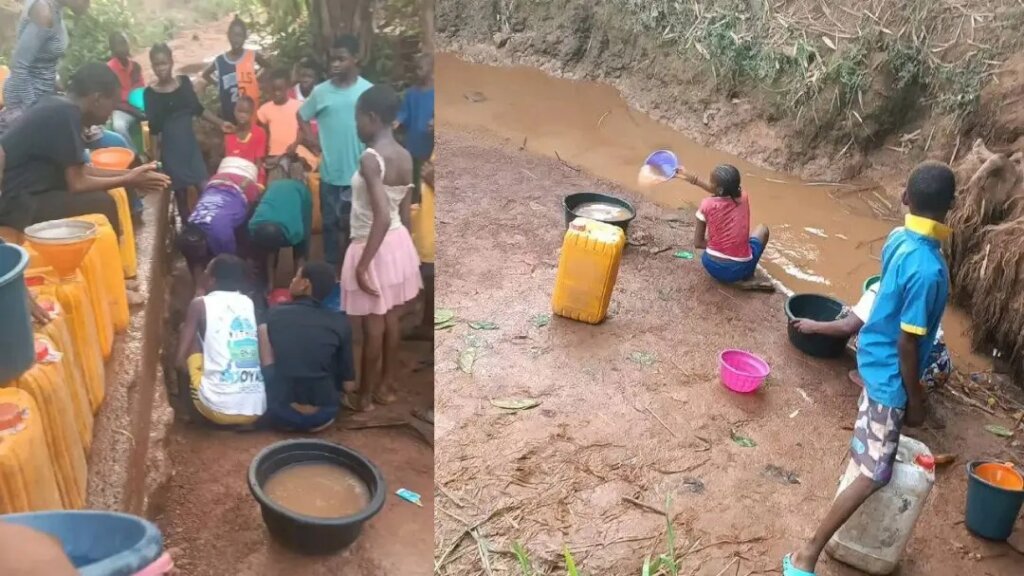
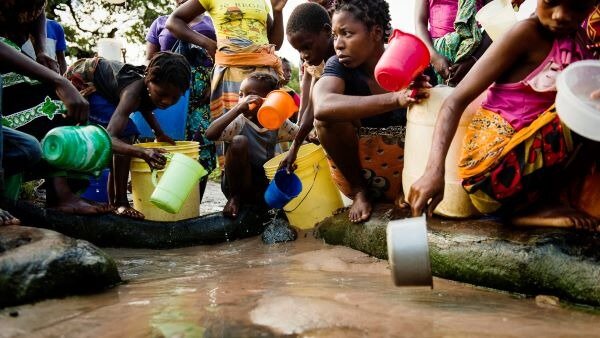
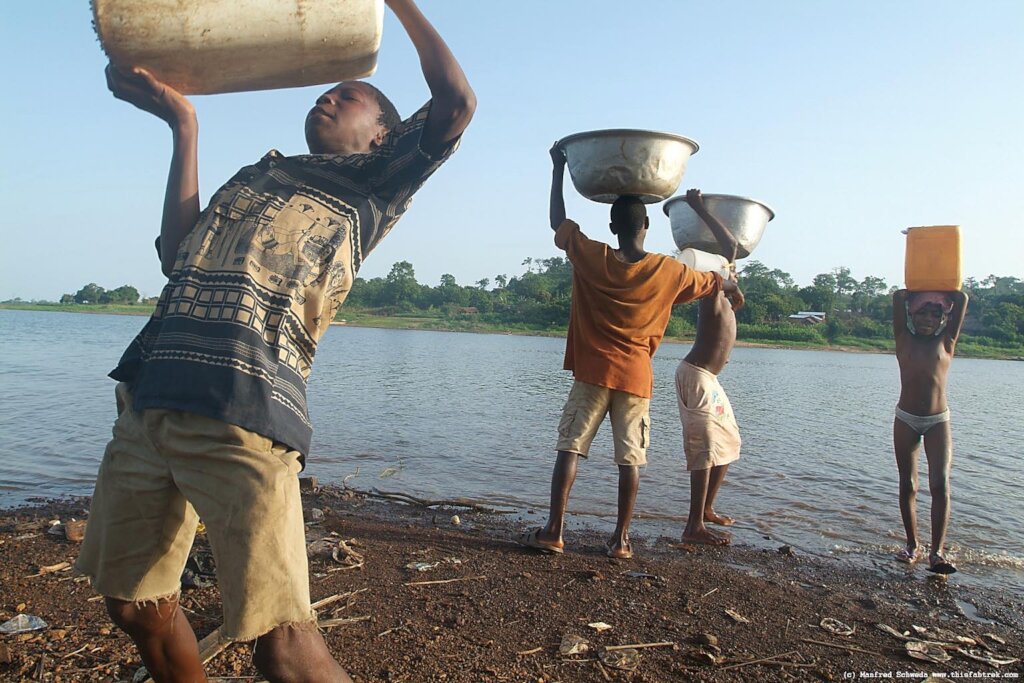
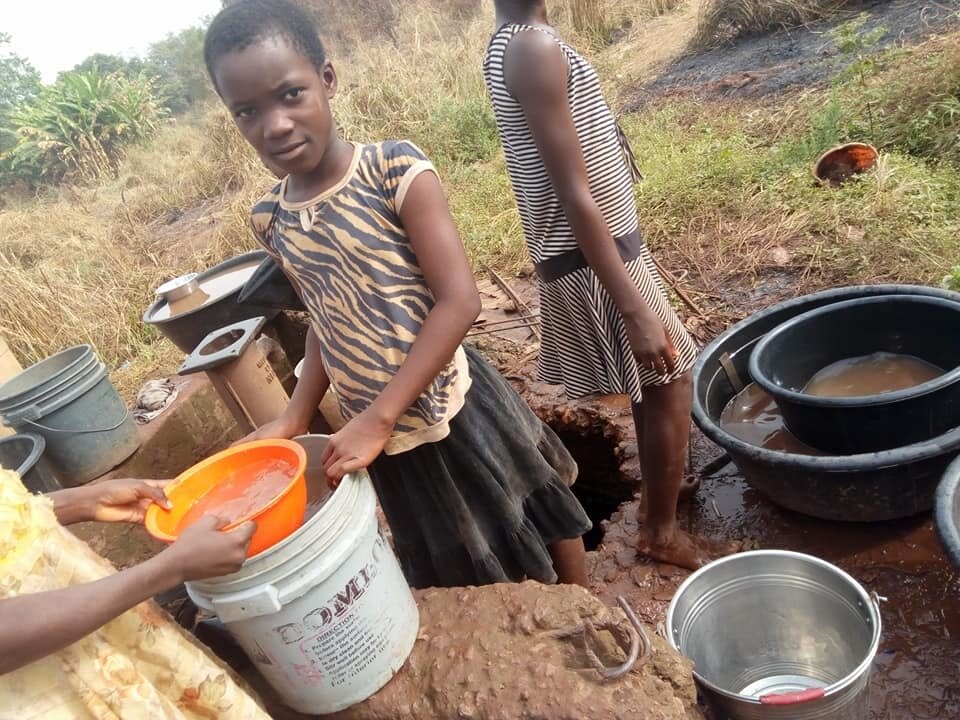
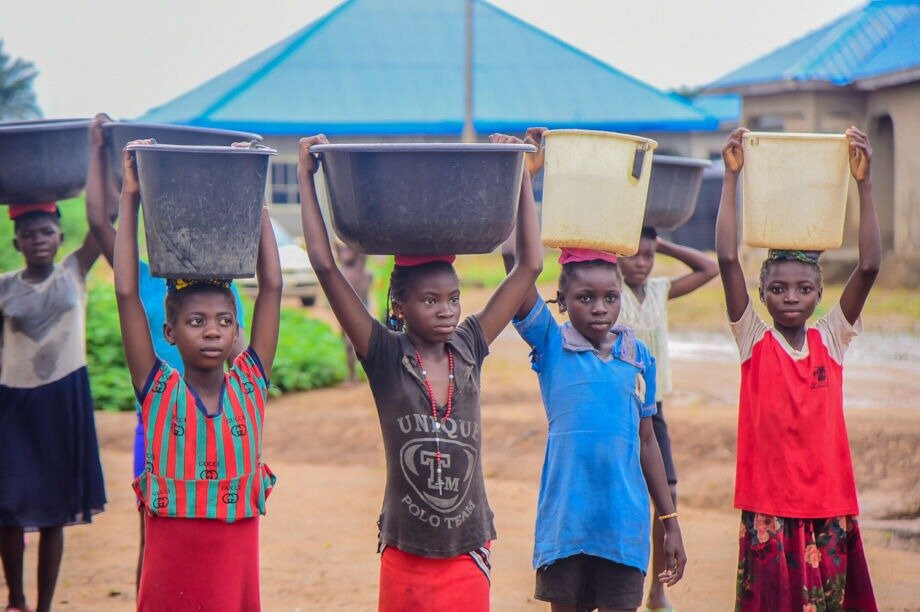
In Ortese, Guma LGA, the situation is extremely urgent. There are no boreholes providing safe water. Children and their families are forced to drink from streams, fully exposed to pathogens and pollutants. The story is the same in neighbouring Benue IDP camps, where 100% of households lack water purification tablets. The consequences are all too predictable: rising cases of diarrhea, cholera outbreaks, dehydration, and, tragically, preventable deaths among the most vulnerable.
But this emergency is not hopeless. We know the solution and can act right now. Your donation will fund the installation of clean water systems—including boreholes and filters—as well as hygiene education for the people of Ortese. According to UNICEF, access to safe water is the single most effective tool for preventing waterborne disease and saving lives.
The rainy season is already underway, increasing the danger with each passing day. You have the power to help stop the next cholera case—and save lives—before it happens. Please, donate today and protect Ortese’s children from another wave of this preventable health emergency.
Links:
![Share on Twitter]()
![Share on Facebook]()
Jul 6, 2026
Climate Change Is Poisoning Water. Act Now
By JACKSON AMEH | Project Leader
![]()
In Ortese, Guma LGA, the effects of climate change are no longer distant threats—they are everyday realities. Increasingly erratic rains and frequent flooding are contaminating the community’s only sources of water: local streams. As a result, families are forced to drink water that is unsafe, fueling outbreaks of diarrhea and cholera that put everyone, especially children, at severe risk.
UNICEF has drawn clear links between heavy rains, flooding, and the transmission of waterborne diseases like cholera in Nigeria. The numbers are alarming: by June 2025, Nigeria had recorded 3,109 suspected cholera cases, with the onset of the rainy season expected to worsen the situation even further. In Benue, 51% of internally displaced person (IDP) households rely on unsafe streams or shallow wells for their daily water needs, exposing them to continual health hazards (sources: news.un.org, unicef.org).
This crisis requires a climate-resilient solution. Our plan is to install boreholes and filtration systems in Ortese that are specifically designed to withstand floods and unpredictable weather. We will also implement regular water quality testing and deliver hygiene education to empower the community to protect itself from future climate shocks. These steps are crucial for building long-term resilience and safeguarding the health of Ortese’s children.
For donors who care about climate adaptation and health, Ortese is ground zero for impact. By supporting this initiative, you are helping to break the link between climate disasters and preventable disease—ensuring that children have access to safe water, no matter how the climate changes.
Support clean water for Ortese today and protect the next generation from climate-driven disease.
Links:
![Share on Twitter]()
![Share on Facebook]()
Jul 6, 2026
Fund Community Water Management Crisis
By JACKSON AMEH | Project Leader
![]()
Communities Will Own This Solution. Fund Community Water Management.
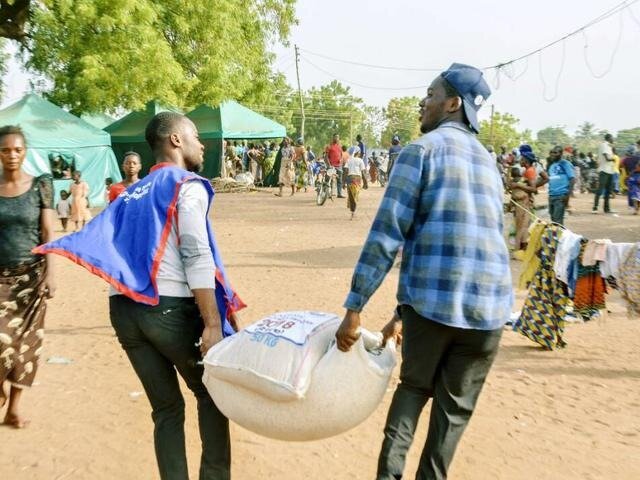
This project is about more than just installing hardware—it’s about empowering the people of Ortese to take control of their future. After years of conflict that destroyed critical infrastructure, the community has been left without a voice or agency over their most basic resource: water. Rebuilding means not just restoring what was lost, but also ensuring that Ortese itself leads the way forward.
The need is clear and urgent. Data from Benue IDP camps shows that 100% of households lack purification tablets, while 86% are forced to practice open defecation because there are simply no sanitation facilities available. UNICEF emphasizes that “access to safe water and hygiene is already dire; urgent action is needed."
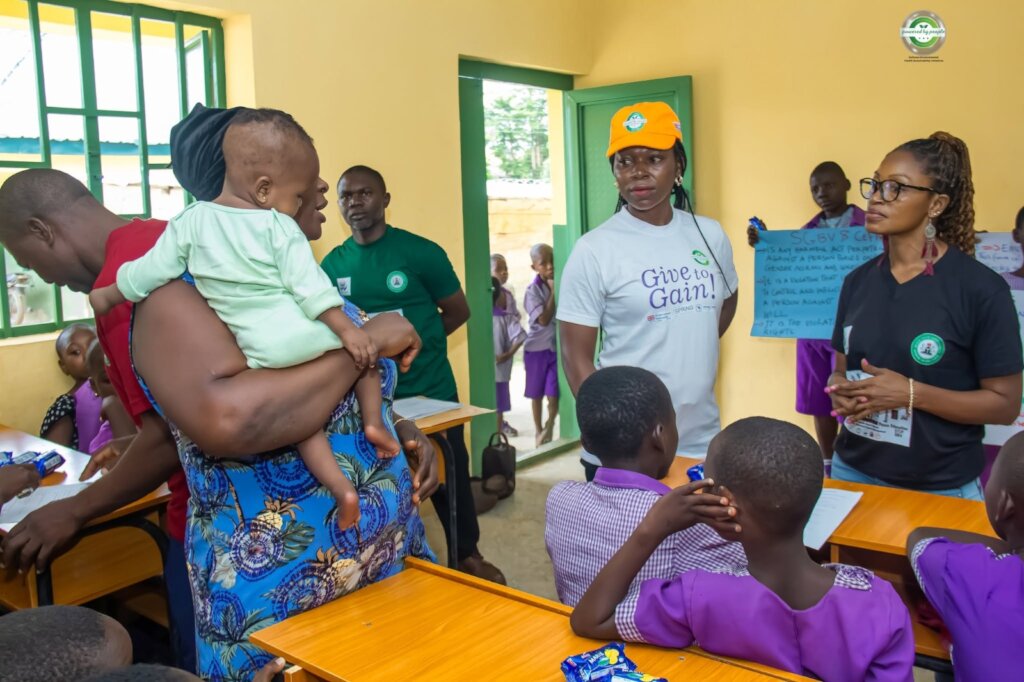
Our approach is different. We will not only install boreholes and filtration systems to provide safe, reliable water, but we will also train and equip a community water committee made up of Ortese residents—including women and youth—to oversee the system. This committee will be responsible for regular water testing, system maintenance, and ongoing management. By building these skills and structures locally, we help ensure that the solution is resilient, sustainable, and truly community-owned.
This model builds resilience, supports peacebuilding efforts, and creates a foundation for long-term development. It also ensures that women and young people are front and centre in decision-making, which builds local leadership for the future.
Your donation does more than fund physical infrastructure—it invests in community ownership and capacity. Help Ortese build a future where the community can protect its children and thrive on its own terms. Will you join us in supporting this powerful transformation?
Links:
![Share on Twitter]()
![Share on Facebook]()