By Monica Verma | Project Leader
Greeting to you from Wildlife Trust of India,
Hope you are doing well!
This email comprises an update for our project ‘Help Us Keep Wildlife Forever Wild’. Along the updates, we send to you our heartfelt gratitude for your generosity and for your trust in the work we do to protect our country’s wild animal population. It is through such acts of kindness that we are able to implement our conservation initiatives and work towards our vision of a secure natural heritage of India.
To protect wildlife in its natural habitat, it is important to individually address the myriad of threats affecting wild populations. Hunting is one such threat which needs to be countered.
The Andaman Islands host 16 Important Bird Area (IBA) sites as identified by the esteemed Bombay Natural History Society’s (BNHS) environmental information system.
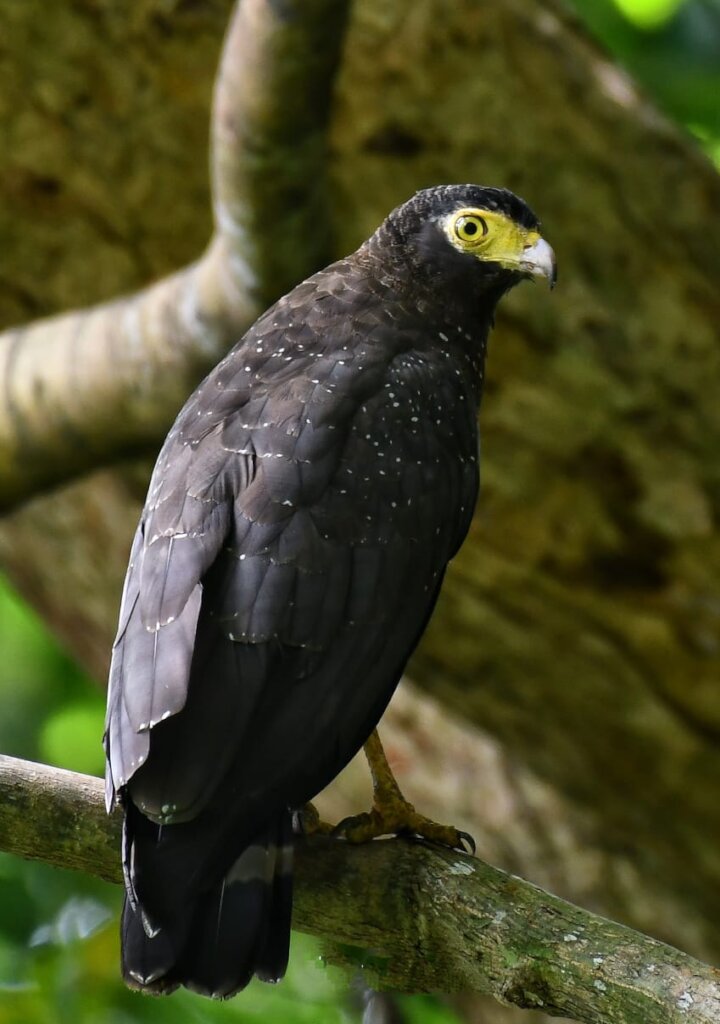
The island is home to 19 endemic bird species. While illegal hunting of the threatened endemic species such as the Andaman wood pigeon and Andaman green pigeon for meat, and Andaman serpent eagle and crested hawk eagle in retaliation to poultry predation has been reported in the islands, no specific study has been carried out to understand the actual extent of hunting.
A local conservationist AP Singh (name changed to protect identity), observed prevalent use of airguns for hunting birds in South Andaman. At the start of the year, he found bodies of red collared dove, emerald dove, vernal hanging parrot juveniles, Asian fairy bluebird, Malayan night heron with bullet wounds. Singh also raised that pigeons were being hunted and sold for as low as $3.
WTI, through a Rapid Action Project, supported Singh to gather extensive data and understand the current hunting scenario as well as past hunting trends in selected areas of South Andaman islands. Nearly 20 local residents, birding enthusiasts and forest department officials were engaged for the exercise.
Data collected revealed that air guns were sold in five markets of South Andaman and also online. In addition, 6 hunting hotspots were identified. May-July, which are the monsoon months, saw the highest hunting activity. It was also found that hunters mostly target fruiting trees for obvious reasons. The birds frequented fruit-bearing trees and became easy targets.
Based on the results of the survey, necessary interventions are being planned for implementation to mitigate the commercial hunting menace.
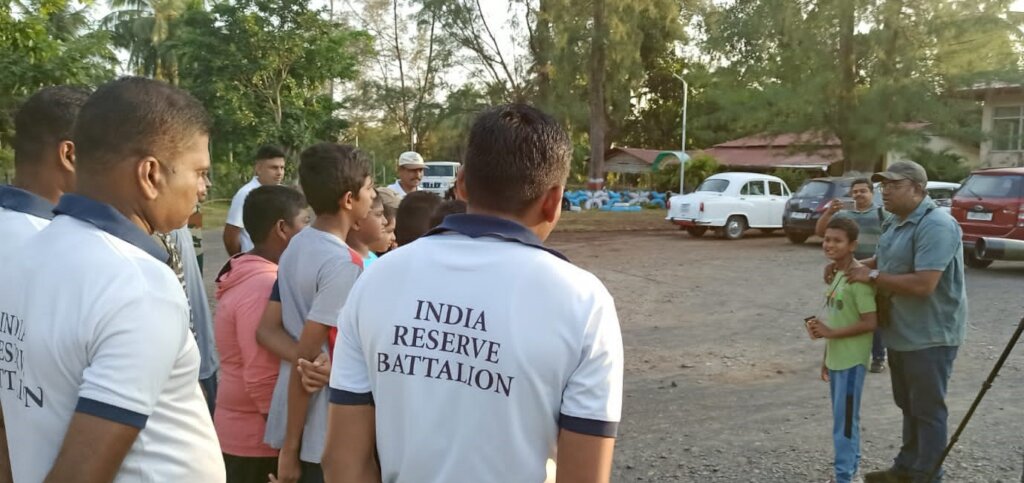
A workshop was organised in March for Indian Reserve Battalion officials and their families educating them on the issue of hunting and the importance of protecting endemic birds. More meetings with forest officials and sensitization events for the local community are in the pipeline.
While we are hopeful that these efforts will eventually curb hunting in the South Andaman Islands, we thank you once again for funding the initiative.
Warm Regards,
Team WTI
Project reports on GlobalGiving are posted directly to globalgiving.org by Project Leaders as they are completed, generally every 3-4 months. To protect the integrity of these documents, GlobalGiving does not alter them; therefore you may find some language or formatting issues.
If you donate to this project or have donated to this project, you can receive an email when this project posts a report. You can also subscribe for reports without donating.



Support this important cause by creating a personalized fundraising page.
Start a Fundraiser