By Satoru Hoshino | Project Leader
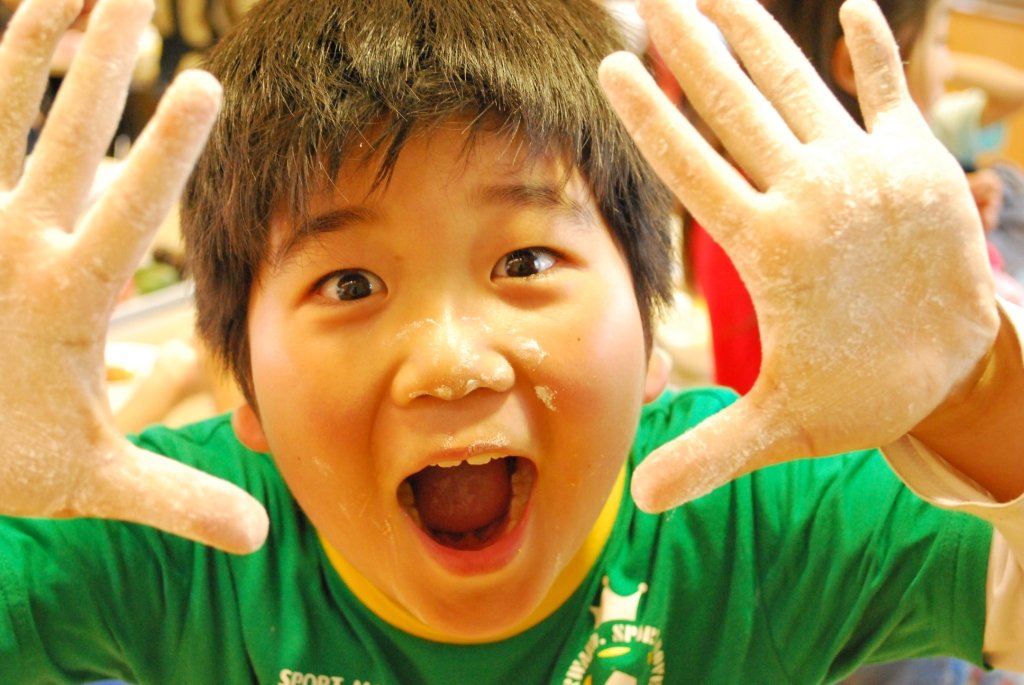
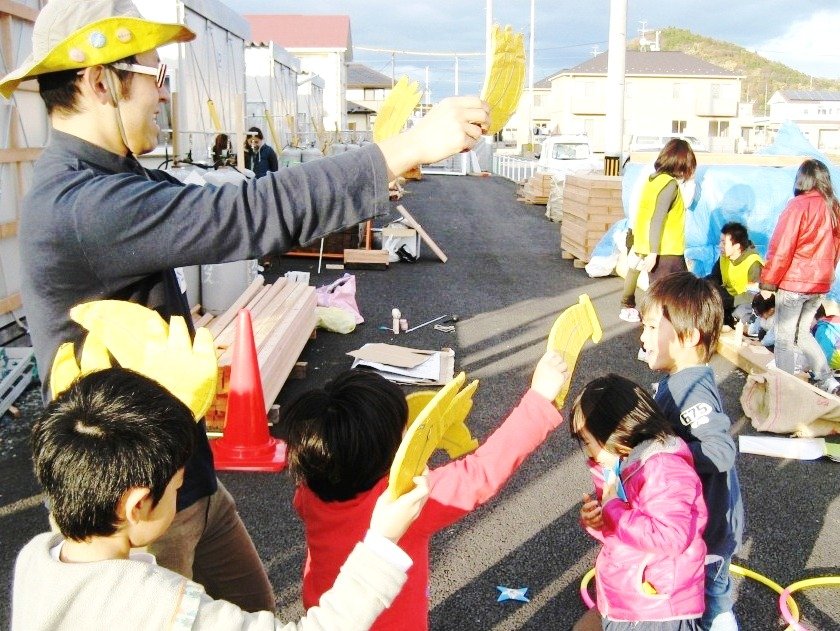
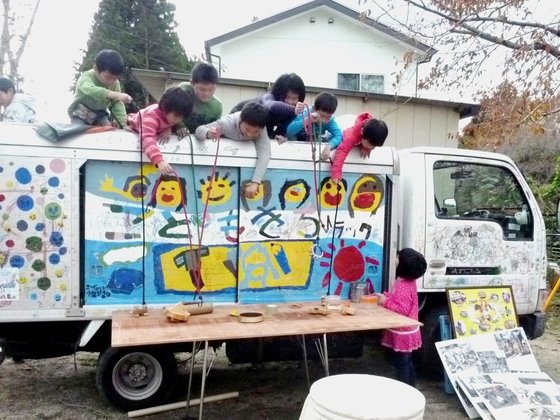
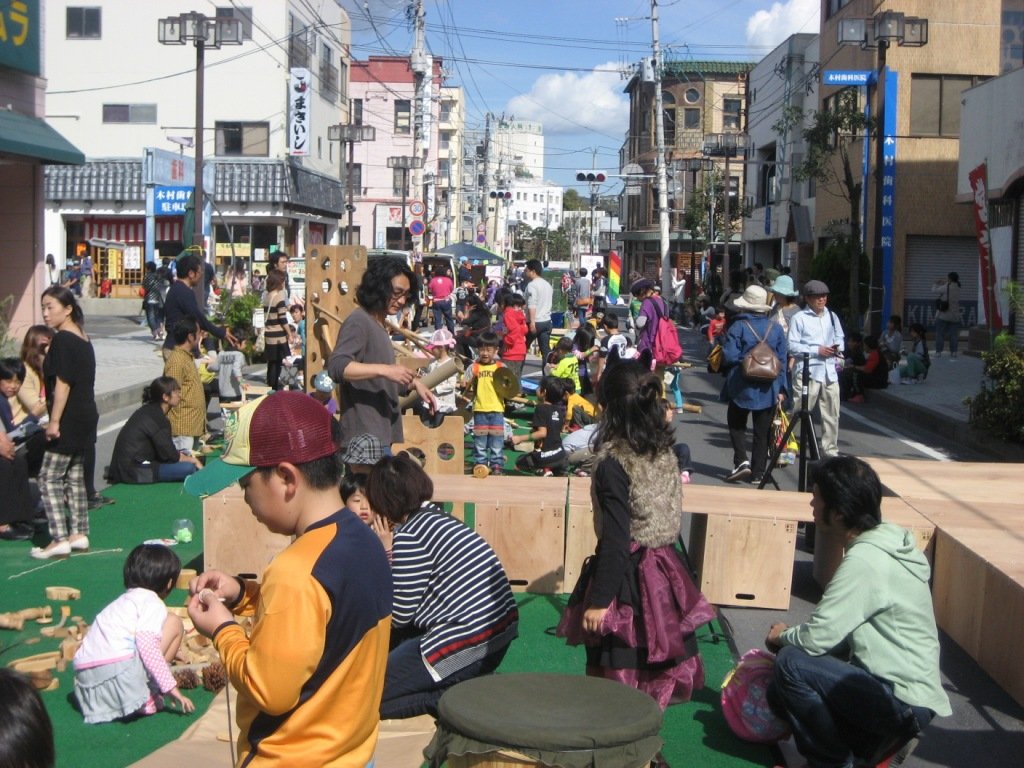
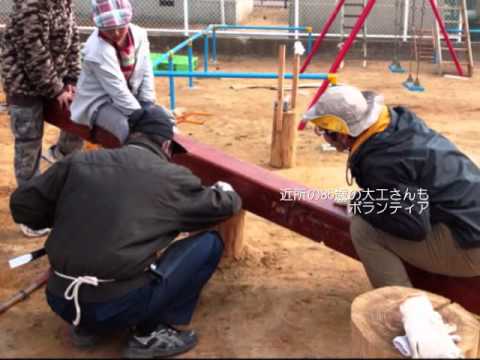
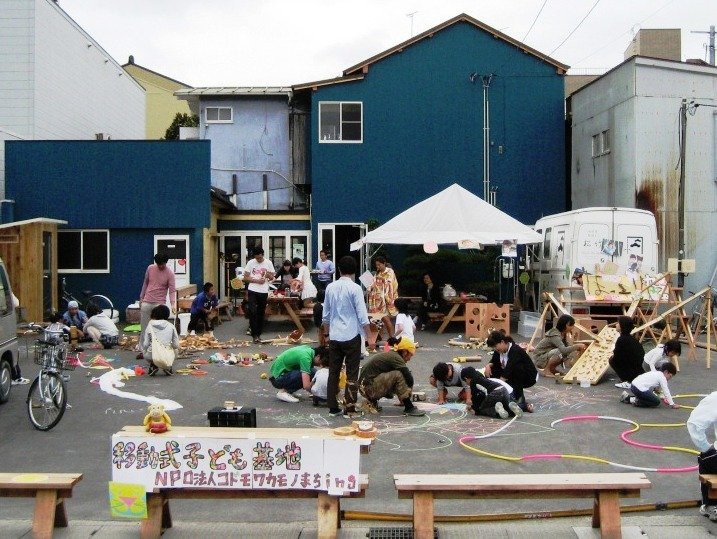
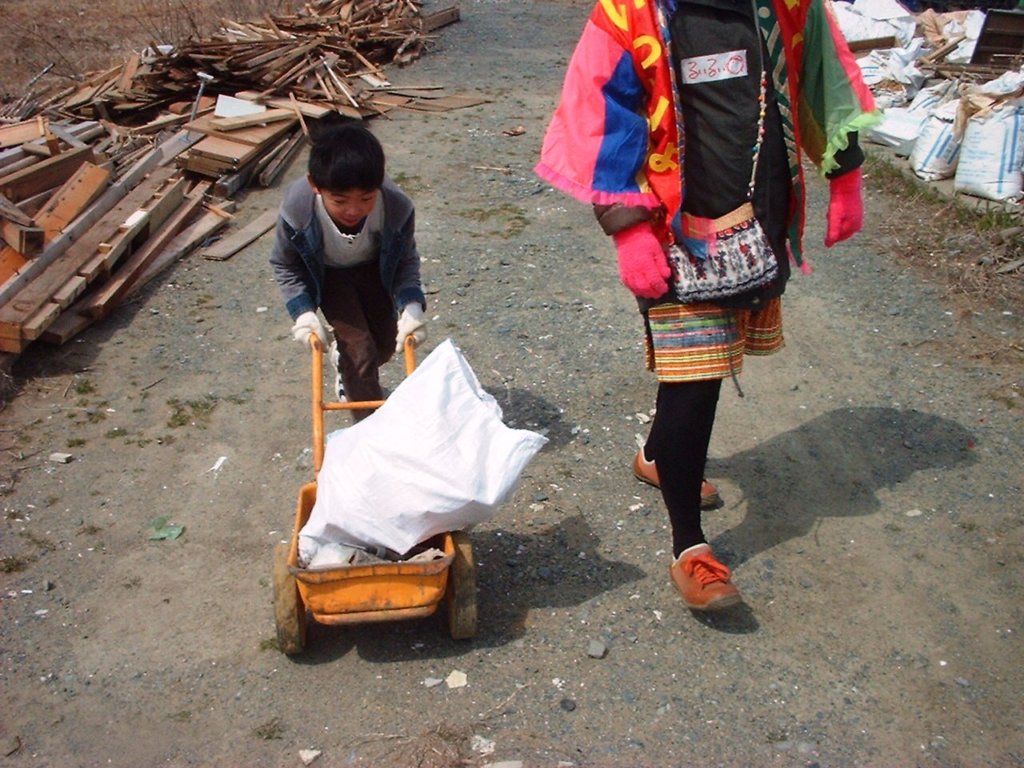
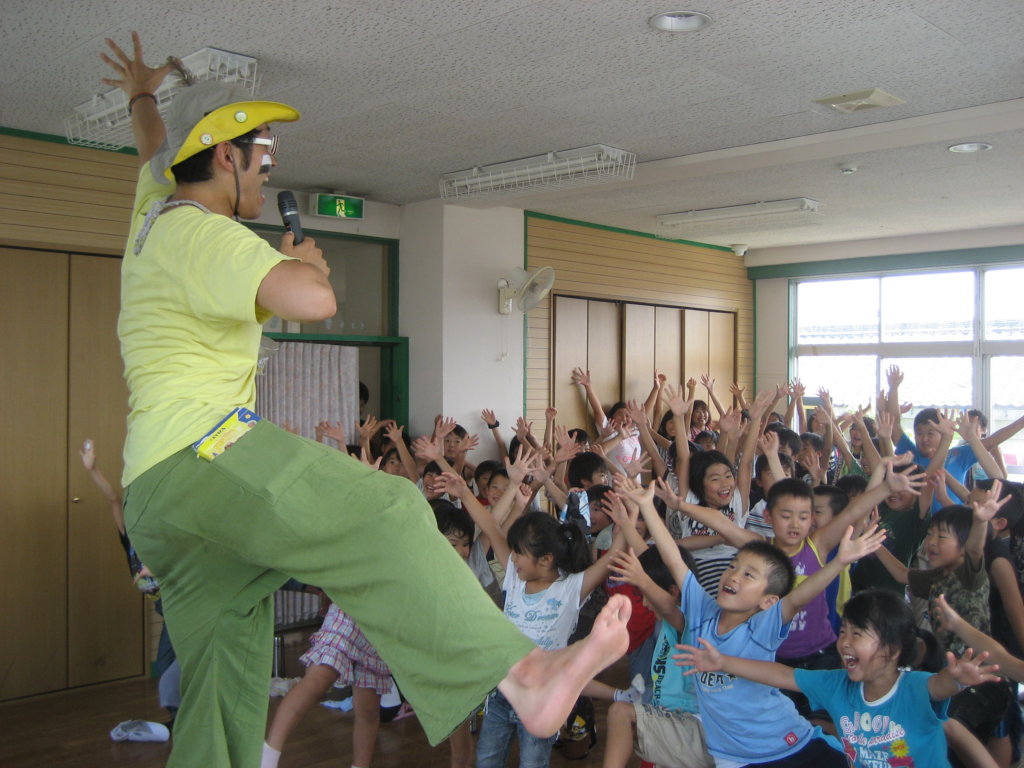
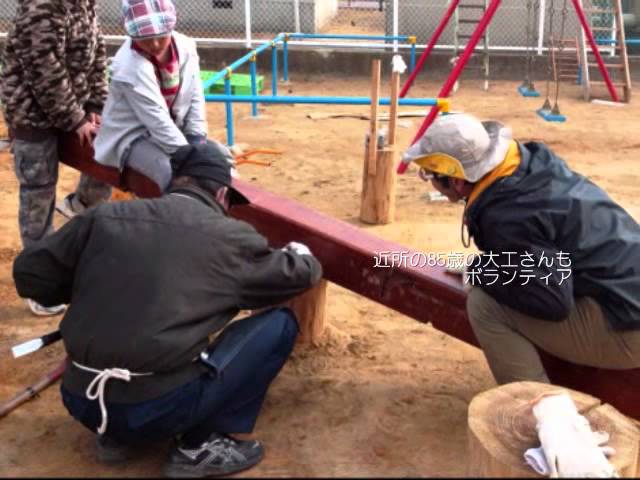
A mother and her child visited a playground in a community which had been severely hit by tsunami when about six months passed since the disaster. The mother said with grief that her child was so horrified after the earthquake, never leaving her alone even at the toilet and the bathroom and also when they ate meals. Her daughter at the age of four strongly held the mother’s hand without going anywhere on her own. However, after a while, the girl dashed off to the playground 10 meters ahead, and started to play with handmade toys and tools enthusiastically. The mother was quietly moved with tears. This experience gave us huge confidence and encouragement: Surely, play means to live for children, so we determined to continue this activity for ten more years under any circumstances.
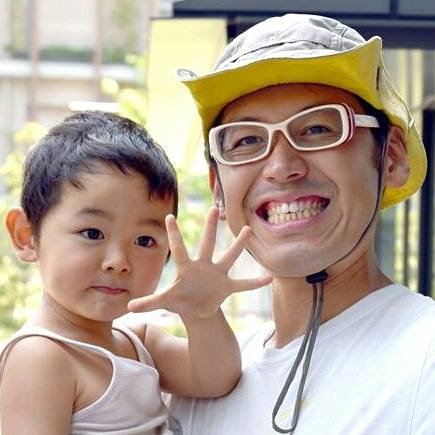
I am Satoru Hoshino, a representative of an organization for children, youth and communities, as well as a play worker, a first-class Architect and a community development coordinator.
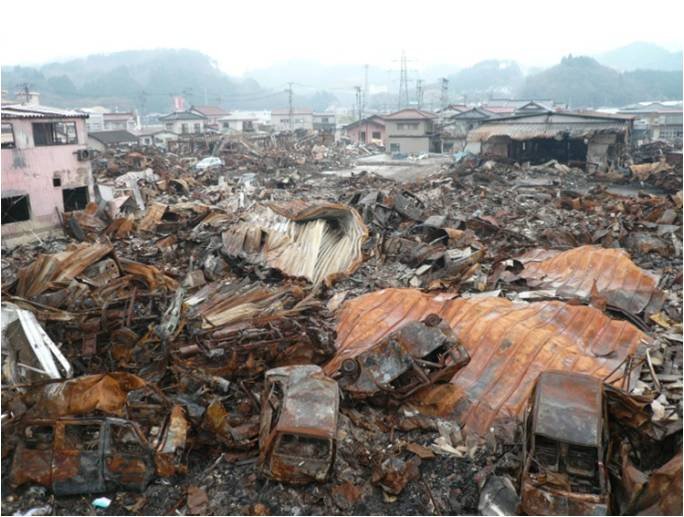
Four things concerning play diminished by the disaster
Lost space
In order to ensure as many houses as possible are built in a limited area, the area is usually packed with housing and parking lots. There is almost no room for outdoor space where people can gather and play in most temporary housing zones.
Lost time
For some elementary school children, it takes about an hour just to go to school from their temporary shelters. There is no time for them to spend time with friends after school in order to catch a school bus which leaves soon after classes. Not a few students find themselves all alone even they arrive at home.
Lost friends
Children lost many friends who had been with them, because some have to live far away from their friends in order to move to temporary housing or there are very few children in areas where they currently reside. Sadly, some of their friends lost their lives in the disaster. Moreover, they do not have enough time to make friends due to repeated changes of residence and school. Support for children is hard to be provided for temporary shelters where a small number of children live, so some people said to us “This is our first time in the last year to receive assistance for children.” It is of course true to choose a place where many children live in order to make activities effective for utilization of limited resources. However, we give our full attention to each child, and would like to support each of those who live their lives.
Lost tolerance
Adults who determine rules of society are losing tolerance towards children, an atmosphere where a whole community takes care of children, enabling them to play within the community. A typical example of this is found in the problem of noise made by children. Many adults still face sadness and stress. I have stayed at temporary shelters many times, and heard noise from outdoor and even television programs from neighbors due to thin walls of the shelters. Most neighbors do not know each other. It is thus no wonder that under such stressful circumstances, people feel uncomfortable with noise made by children when they are playing.
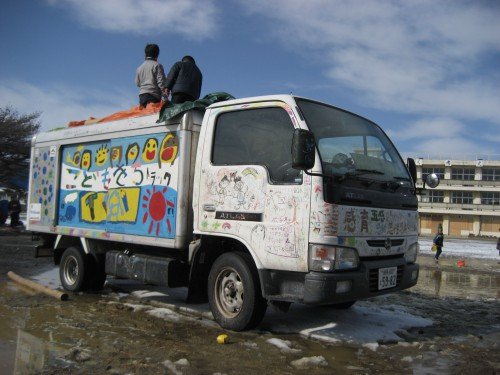
At some temporary housing, outdoor activities of children were prohibited following an adult’s complaint about children’s noise when people were not acquitted with each other. At first, when we were playing in a parking low, some passersby told us to shut up quite often.
Now we encourage adults and children to actually know each other and make rules of play time and places with them, coexistence is gradually coming true.
Play also helps to express what are hidden inside or cannot be expressed well. Destruction, hitting, a pretend game of tsunami, creation, running and prepossession are all important to do. Play functions as a role of relieving oneself from inexplicable sadness and fear.
Moreover, children have grown bigger. Each of children further motivates us to keep our activity for ten more years or even until the Tohoku region is no longer called a disaster-affected region.
For children who lost their lives, children who live now, and children who will be born in the future, we honestly devote ourselves to what we can do and what we should do with close contact with children.
Links:
Project reports on GlobalGiving are posted directly to globalgiving.org by Project Leaders as they are completed, generally every 3-4 months. To protect the integrity of these documents, GlobalGiving does not alter them; therefore you may find some language or formatting issues.
If you donate to this project or have donated to this project, you can receive an email when this project posts a report. You can also subscribe for reports without donating.